UPSC Current Affairs

16 topicsGS-1: 3GS-2: 4GS-3: 9
0/16 done
GS-2Editorial

1.Delimitation Impact on Southern States (Delimitation Commission)

Indian Express

What & Where

Delimitation = periodic redrawing of Lok Sabha & Assembly constituency boundaries and seat numbers after each Census

Done by a 3-member Delimitation Commission; orders have force of law and are normally beyond court review

India conducted nationwide exercises in 1952, 1963, 1973, 2002; next full exercise expected post-2026

Quick Facts for MCQs

Legal & Policy

  • Amendment-42 1976 froze seat distribution at 1971 Census till 2000
  • Amendment-84 2001 extended freeze to 2026; Amendment-87 2003 okayed boundary redraw on 2001 data without seat change
  • Supreme Court 2024 carved out arbitrariness exception to Article 329 embargo on challenges

Regional Concerns

  • Seat-projection shows Kerala 0 % gain, Tamil Nadu 26 %, UP & MP 79 %; south fears dilution
  • Governance-penalty risk as low-fertility states may cede voice, discouraging population control success
  • Fiscal-shift possible; more northern MPs could influence Finance Commission devolution against southern contributors

International Examples

  • Nepal 2015: Terai with 50 % population got fewer seats due to geography-weighted demarcation, aiding hill elite
  • Gerrymandering term illustrates boundary manipulation producing unfair party or regional advantage
  • Comparative-lesson stresses transparent demographic criteria to safeguard federal cohesion

Key Data Points

FeatureData-Point
Core articlesArt 82 (Lok Sabha), Art 170 (State Assemblies)
Present seat freeze84th Amendment 2001, valid till 2026
Latest delimitation2002, based on 2001 Census, seats unchanged
Commission makeupChair + second SC/HC judge + CEC (ex-officio)
PowersCivil-court powers; orders tabled yet unmodifiable
Judicial exceptionSC Kishorchandra Rathod 2024 allows review if arbitrary
Litigation barArt 329 prohibits courts from questioning delimitation laws
Small-state relief31st Amendment 1973 exempted states under 6 million pop

Related UPSC Prelims PYQs

GS1 2024PYQ 1

How many Delimitation Commissions have been constituted by the Government of India till December 2023?

GS1 2012PYQ 2

With reference to the Delimitation Commission, consider the following statements:
GS-2Polity

2.UGC Draft Equity Guidelines for HEIs (Higher Education Equity)

Hindustan Times
Illustration for UGC Draft Equity Guidelines for HEIs (Higher Education Equity)

What & Where

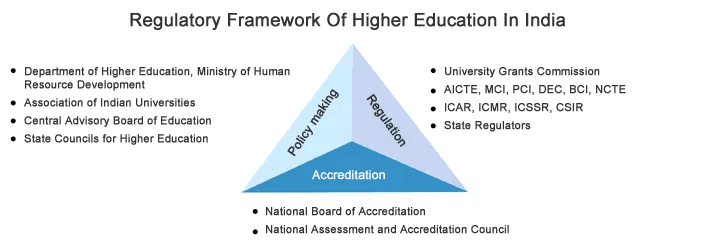
Regulation: UGC draft “Promotion of Equity in HEIs, 2025” mandates Equal Opportunity Centres in all higher education institutions

Process: EOC plus equity committee, squads, ambassadors and helpline to redress discrimination, aid marginalised students

Geography: Nationwide coverage across every UGC-recognised public or private university and college

Quick Facts for MCQs

Legal & Policy

  • SC Direction: Apex court instructed UGC to issue stronger anti-discrimination rules
  • Compliance: Draft leverages UGC Act, enables penalties including degree programme freeze
  • Alignment: Reinforces Articles 14-15 and NEP 2020 inclusion mandate

Institutional Mechanisms

  • Equity Squads: Patrol campus, document bias, submit reports to committee
  • Equity Ambassadors: One per department, hostel, facility to spearhead awareness programmes
  • Online Portal: Accepts written, audio, video evidence; severe cases forwarded to police

Implementation Challenges

  • Funding Gap: No earmarked budget for EOC setup and operations
  • Bureaucracy: Multiple new bodies may strain already limited administrative capacity
  • Student Voice: Marginalised learners get minimal seats on equity committee

Social Concerns

  • Trigger Cases: Rohith Vemula 2016 and Payal Tadvi 2019 suicides highlighted caste exclusion
  • Dropouts: SC/ST, EWS cohorts record higher attrition linked to discrimination and finance
  • Mental Health: Draft silent on compulsory counselling despite rising campus suicides

Key Data Points

FeatureData-Point
Draft year2025
ApplicabilityAll UGC-recognised HEIs
EOC statusMandatory establishment
Equity Committee size10 members
Complaint helpline24×7, confidential
Penalty for non-complianceDebarment, loss of UGC recognition
False complaint outcomeMonetary fine by committee
SDGs referenced4 & 10

Related UPSC Prelims PYQs

ESE_GS 2021PYQ 1

Which one of the following statements is NOT correct regarding the National Education Policy 2020 in India ?

GS-3Infrastructure

3.One Nation One Port Initiative (Port Standardisation)

LiveMint

What & Where

One Nation–One Port: nationwide port-standardisation drive under Ministry of Ports, Shipping & Waterways.

Targets documentation, digital processes, performance benchmarking across all Indian seaports.

Launched by Union Minister Sarbananda Sonowal, integrates with PM Gati Shakti logistics map.

Quick Facts for MCQs

Tech & Schemes

  • Standardised paperwork digitisation trims manual entries, speeds clearances.
  • MAITRI enables AI-driven, blockchain-secured trade documentation.
  • LPPI Index provides data dashboard for real-time port performance comparisons.

Economic Angle

  • Uniform processes enhance ease of doing business; curb port-induced delays.
  • Streamlined logistics expected to boost India’s global trade competitiveness.
  • Consortium model aims to integrate Indian ports into resilient global supply chains.

Environmental Impact

  • Efficiency measures promise reduced vessel idle time, cutting fuel burn.
  • Lower paperwork contributes to paperless, low-carbon administrative workflow.

Key Data Points

FeatureData-Point
Parent ministryMoPSW
Launching ministerSarbananda Sonowal
Container documents cut143 → 96 (-33 %)
Bulk cargo documents cut150 → 106 (-29 %)
Performance yardstickSagar Ankalan LPPI Index
Digital trade linkMAITRI (AI & blockchain)
Global outreach armBharat Ports Global Consortium
Policy alignmentPM Gati Shakti, National Logistics Policy
Key environmental aimLower carbon footprint via efficient ops

Related UPSC Prelims PYQs

CAPF_GAI, ESE_GS 2026PYQ 1

What is the name of the national digital framework launched at India Maritime Week 2025 to make Indian ports data-driven and AI-enabled?

CAPF_GAI, ESE_GS 2025PYQ 2

भारतमाला परियोजना में निम्नलिखित में से कौन-से शामिल हैं?

GS-3EconomyQuick Bite

4.RBI Cuts Risk Weights for NBFC Loans (Risk Weights)

Indian Express

What & Where

Risk weight: % assigned to each bank asset to size capital buffer against potential loss.

RBI (India) cut risk weights on banks’ exposures to NBFCs & Micro-finance Institutions to spur retail credit.

Applies across India; governed by Basel III capital norms enforced by RBI.

Quick Facts for MCQs

Banking Regulation

  • RBI dictates risk-weight schedule; revision instantly alters banks’ regulatory capital math.
  • Objective: align capital need with actual default risk, sustain NBFC funding pipeline.
  • Change complements Basel III while addressing domestic credit gaps.

Credit Impact

  • Banks free capital → additional lending without raising equity.
  • NBFCs gain cheaper funds, likely to pass on lower rates to end-borrowers.
  • Retail & MSME sectors expect faster loan disbursal, employment uptick.

Financial Stability

  • Higher CAR denotes stronger shock absorption versus depositor claims.
  • Balanced capital & credit growth improves systemic resilience.
  • Tiered capital structure ensures ongoing operations (Tier-1) then orderly wind-down (Tier-2).

Key Data Points

FeatureData-Point
Asset with lower risk weightNeeds less regulatory capital
Effect of cutCheaper, larger bank funding to NBFCs/MFIs
Key retail segments aidedHousing, consumer loans, MSME credit
Capital Adequacy Ratio (CAR) global floor8 % (Basel III)
CAR mandated by RBI9 % of risk-weighted assets
Tier-1 capitalEquity, retained earnings
Tier-2 capitalSubordinated debt, unaudited reserves
High risk weight outcomeHigher loan cost, curtailed lending
Lower risk weight outcomeExpanded lending capacity, liquidity boost
Broader macro aimInclusive growth via stronger credit flow

Related UPSC Prelims PYQs

GS1 2015PYQ 1

When the Reserve Bank of India reduces the Statutory Liquidity Ratio by 50 basis points, which of the following is likely to happen?

GS1 1995PYQ 2

The Narasimham Committee for Financial Sector Reforms has suggested reduction in

GS-1HistoryQuick Bite

5.Denmark Neolithic Wooden Circle (Neolithic Monument)

The Hindu

What & Where

Denmark: 4,000-yr Neolithic wooden circle, 45 piles, 30 m diameter, probable ritual/sun-cult use

Adjacent Bronze Age settlement (1700–1500 BCE) with chieftain grave and bronze sword

England: Stonehenge, Wiltshire, megalithic concentric stones, 3100–1600 BCE, UNESCO site

Quick Facts for MCQs

Archaeological Details

  • Structure: Circular post-holes suggest timber henge layout
  • Grave goods: Bronze sword indicates high-status chieftain
  • Excavation: Radiocarbon dating confirms Neolithic origin

Chronology

  • Neolithic Denmark: Pre-metal farming communities, ritual architecture
  • Transition: Site proximity shows shift from wood cult sites to bronze-using societies
  • Stonehenge timeline: Construction phases span Early to Late Neolithic

Cultural Links

  • Artifacts: Similar pottery, grave types hint North Sea interaction with Britain
  • Sun worship: Alignment hypothesis parallels Stonehenge solstitial orientation
  • Trade: Timber and metal objects imply maritime exchange routes

Key Data Points

FeatureData-Point
Danish circle agec. 2000 BCE
Danish circle materialOak wooden piles
Number of piles45
Circle diameter30 m
Nearby settlement eraBronze Age 1700–1500 BCE
Bronze Age span (Europe)~2000 BCE – 700 BCE
Stonehenge locationWiltshire, England
Stonehenge building stonesSarsen sandstone & Bluestone
Stonehenge UNESCO tag1986
Associated Stonehenge featuresAvenue, Cursuses
GS-1HistoryQuick Bite

6.1739 Battle of Karnal Highlights (Battle of Karnal)

Indian Express
Illustration for 1739 Battle of Karnal Highlights (Battle of Karnal)

What & Where

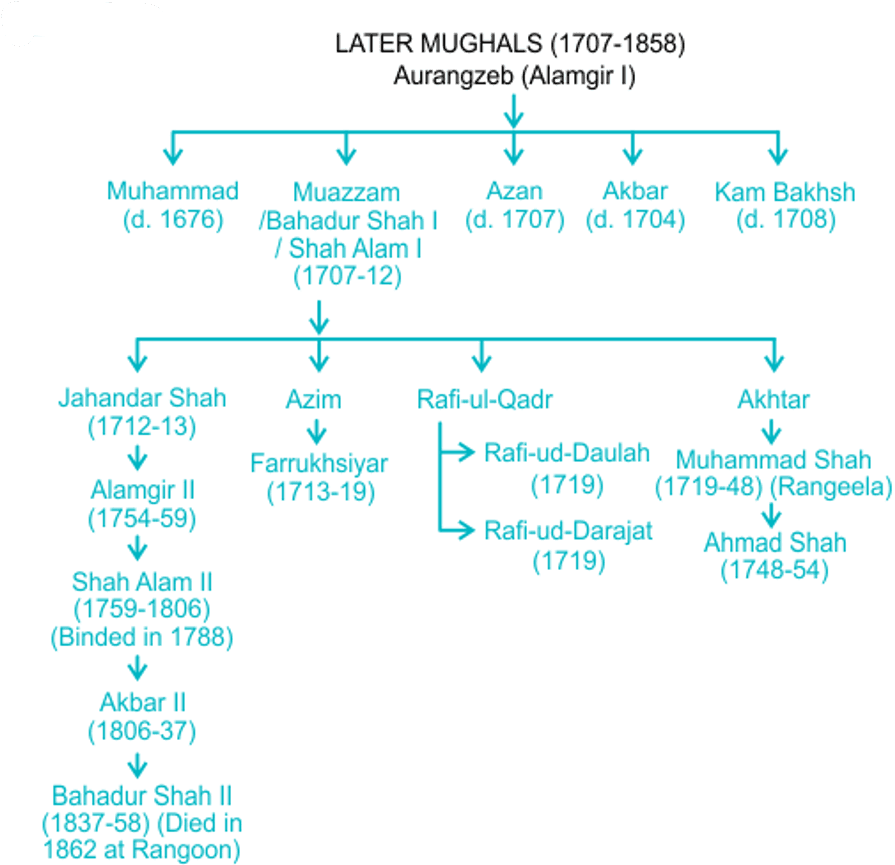
Battle of Karnal, 24 Feb 1739, saw Nadir Shah rout Mughal emperor Muhammad Shah.

Site: plains outside Karnal, present-day Haryana, ~110 km north of Delhi on Grand Trunk Road.

Persian advance corridor: Khyber Pass → Kabul → Lahore → Karnal → Delhi.

Quick Facts for MCQs

Military Details

  • Tactics; Persian mounted musketeers with swivel guns shredded Mughal cavalry-elephant charges.
  • Mughal army disorganised; 3 lakh troops collapsed within three hours.
  • Emperor Muhammad Shah personally surrendered to Nadir Shah.

Economic & Political Impact

  • Plunder; Delhi treasury stripped, crippling Mughal finances.
  • Provinces west of Indus annexed to Persia, shrinking empire.
  • Power vacuum boosted Bengal, Awadh, Hyderabad, Marathas, Sikhs and eased British expansion.

Subsequent Invasions

  • Ahmad Shah Abdali, Nadir’s ex-general, raided India eight times (1748-67).
  • Third Battle of Panipat 1761: Abdali defeated Marathas, altering north-Indian balance.
  • Repeated Afghan raids plus Plassey 1757 and Buxar 1764 hastened Mughal decline.

Key Data Points

FeatureData-Point
Date24 Feb 1739
LocationKarnal, Haryana
Persian leaderNadir Shah
Mughal emperorMuhammad Shah Rangeela
Persian force≈ 50 000
Mughal force≈ 3 00 000
Battle length~3 hours
Key spoilsPeacock Throne; Koh-i-Noor
Territories cededAfghanistan, Kashmir, Sindh, Multan
Next major invaderAhmad Shah Abdali

Related UPSC Prelims PYQs

GEO_GS, GS1 2010PYQ 1

What was the immediate reason for Ahmad Shah Abdali to invade India and fight the Third Battle of Panipat ?

GEO_GS, GS1 2023PYQ 2

Chronologically arrange the following events:

GS-1Mapping

7.Gulf of Mannar Features (Coastal Geography)

The Hindu
Illustration for Gulf of Mannar Features (Coastal Geography)

What & Where

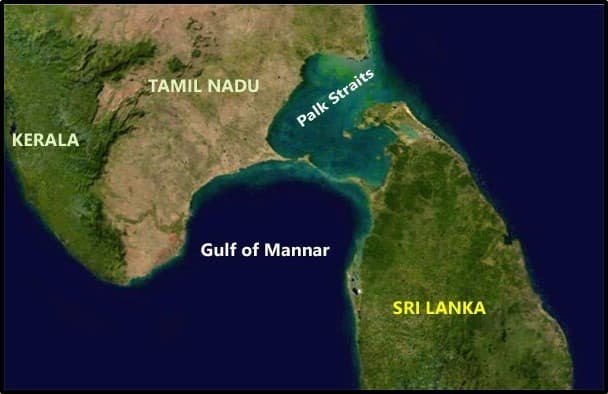
Shallow gulf between Tamil Nadu and Sri Lanka, part of the Laccadive Sea.

Separated from Palk Bay by Adam’s Bridge; mean depth ~5.8 m, enabling extensive coral growth.

Deep-sea block here offered for hydrocarbon search under 10th Open Acreage Licensing Policy (OALP).

Quick Facts for MCQs

Geology & Minerals

  • Shallow shelf fosters coral, seagrass and patchy pearl-oyster banks.
  • Beach placers yield ilmenite, rutile, garnet and zircon concentrates.
  • Subsurface surveys indicate commercially promising natural gas and oil pockets.

Biodiversity & Protected Areas

  • Marine NP safeguards 21 reef-fringed islets between Thoothukudi and Dhanushkodi.
  • Biosphere Reserve spans coast, estuaries, mangroves, coral reefs and salt marshes.
  • Regular megafauna: dugong (IUCN VU), spinner dolphins, whale sharks, marine turtles.

Policy & Exploration

  • Petroleum Ministry demarcated deep-sea acreage here in the 10th OALP round.
  • Block selection reflects Gulf’s established hydrocarbon prospectivity alongside rich mineral deposits.

Key Data Points

FeatureData-Point
LocationSE India–W Sri Lanka interface
Oceanic settingLaccadive Sea, Indian Ocean
Divider with Palk BayAdam’s Bridge (Rama Setu)
Average depth≈5.8 m
Indian riversThamirabarani, Vaippar
Sri Lankan riverMalvathu Oya
Key mineralsLimestone, gypsum, ilmenite, rutile, garnet, zircon
Protected areaGulf of Mannar Marine NP, 1986, 21 islets
Biosphere Reserve1989, 10,500 km²; first marine in S & SE Asia
Licensing roundDeep-sea tract in 10th OALP

Related UPSC Prelims PYQs

CDS_GK, GS1 1996PYQ 1

The Palk Bay lies between

CDS_GK, GS1 2021PYQ 2

Which one of the following biosphere reserves comprises islands with estuaries, beaches, coral reefs, salt marshes and mangroves?

GS-3Environment

8.Controlled Waste Incineration Process (Waste-to-Energy)

DC
Illustration for Controlled Waste Incineration Process (Waste-to-Energy)

What & Where

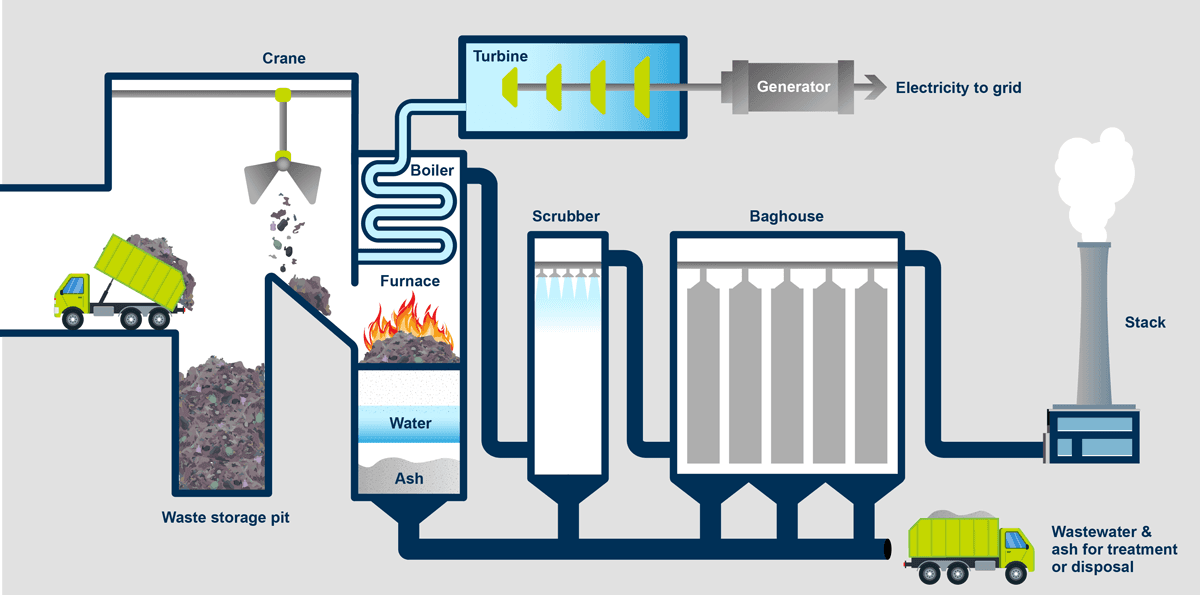
Incineration: high-temperature (1,800–2,200 °F) combustion of solid waste in controlled chamber.

Key types: Mass Burn, RDF, Fluidized Bed, Gasification/Pyrolysis.

Current site: 10-tonne Union Carbide toxic waste trial-burn at Pithampur, Madhya Pradesh post-SC go-ahead.

Quick Facts for MCQs

Environmental Impact

  • Air-pollution: Requires flue-gas treatment to curb dioxins, furans, metals.
  • Methane-cut: Emits far less methane than landfills, aiding climate goals.
  • Ash-hazard: Toxic fly/bottom ash needs secured disposal.

Economic Angle

  • Capex: Pollution controls push costs to US $30–300 per ton.
  • WTE-revenue: Captured heat can generate power, offsetting some expenses.
  • Land-savings: 95 % volume drop postpones new landfill demand.

Legal & Policy

  • SC-status: Supreme Court declined intervention, allowing Pithampur incineration trial.
  • Disposal-move: Central agencies targeting lingering Bhopal-origin Union Carbide waste stockpile.

Key Data Points

FeatureData-Point
Volume reductionUp to 95 %
Mass reduction80–85 %
Typical combustion temperature1,800–2,200 °F
Cost rangeUS $30–300 per ton
Energy optionWaste-to-Energy electricity generation
Main pollutantsDioxins, furans, heavy metals

Related UPSC Prelims PYQs

ESE_GS, GS1 2020PYQ 1

Which one of the following is a hygienic way of disposing solid waste and is more suitable if the waste contains more hazardous material and organic content?

ESE_GS, GS1 2019PYQ 2

In the context of which one of the following are the terms ‘pyrolysis’ and ‘plasma gasification’ mentioned?

GS-3Environment

9.Ethanol Blended Petrol Environmental Concerns (Ethanol Blending)

The Hindu

What & Where

Ethanol Blended Petrol (EBP): mixing anhydrous C₂H₅OH with motor petrol under Ministry of Petroleum & Natural Gas.

Feedstock types: 1G (sugarcane, grains), 2G (crop residues), emerging 3G (algae-based).

Andhra Pradesh coastal-Krishna belt: new distilleries triggering protests over water & pollution.

Quick Facts for MCQs

Policy & Targets

  • Mandate: National Policy on Biofuels-2018 (amended 2022) advanced 20 % goal from 2030 to 2025-26.
  • Objective: cut import bill, raise farmer income, aid Net-Zero 2070 pathway.
  • Scheme support: Pradhan Mantri JI-VAN for 2G/3G plants.

Environmental Impact

  • Concern: vinasse discharge lowers dissolved oxygen, contaminates rivers.
  • Water-stress: diversion from Krishna river threatens irrigation & drinking supply.
  • Emissions: acetaldehyde, formaldehyde, acrolein heighten respiratory, cancer risks.

Economic Angle

  • OMC payouts: ₹1,45,930 cr to distillers; ₹87,558 cr direct benefit to farmers.
  • Waste-to-Wealth: residues valorised, aligns with Swachh Bharat & Make-in-India.
  • Savings: reduced crude imports cushions against global price shocks.

Tech & Schemes

  • 3G ethanol: microalgae grown in seawater/wastewater; negligible land & freshwater footprint.
  • Control tech: mandatory effluent treatment; subsidies mooted for WAYU air purifiers.
  • R&D push: low-emission fermentation, water-recycling loops incentivised.

Key Data Points

FeatureData-Point
National roll-out of EBP2003 (pilot 2001)
Present blend level (Jan 2024)~15 %
Target blend level20 % by 2025-26
Ethanol needed for 20 %≈1,000 cr L/yr
Installed capacity (Sep 2024)~1,600 cr L
Water used, grain route8–12 L per 1 L ethanol
Foreign-exchange saved₹1,06,072 cr
CO₂ avoided so far544 lakh t
Crude oil replaced181 lakh t
Pollution category of distilleries“Red”; PI ≥ 60

Related UPSC Prelims PYQs

CAPF_GAI, ESE_GS 2024PYQ 1

Consider the following statements about ethanol:

CAPF_GAI, ESE_GS 2021PYQ 2

E-100 pilot project, launched in Pune in June 2021, is related to the production and distribution of

GS-3S&T

10.Zero Bacteria Water Purification Technology (Water Purification Tech)

DH

What & Where

Technology—Zero Bacteria nanotech-UV-electrostatic system purifying wastewater by near-complete bacterial removal.

Application—BWSSB, Bengaluru evaluating integration into apartment Sewage Treatment Plants for safer recycled water.

Geography—Concept, trials and R&D anchored at Indian Institute of Science (IISc), Bengaluru.

Quick Facts for MCQs

Tech & Processes

  • Nanoparticles—Silver disrupts bacterial cell membranes causing immediate cell death.
  • UV Light—Short-wave UV damages microbial DNA, blocks replication.
  • Electrostatic filters—High-voltage attraction traps microbes before final fine-pore filtration.

Environmental Impact

  • Pathogen load—Sharp decline enables safer discharge into lakes or recharge wells.
  • Groundwater safety—Less leaching of pathogens from malfunctioning STPs.
  • Water reuse—Quality suitable for gardening, flushing, construction, easing Cauvery extraction.

Governance & Stakeholders

  • BWSSB—May mandate or incentivise tech in new/retrofit STPs.
  • IISc—Holds IP, provides technical support, potential licensing to private operators.
  • RWAs/apartment associations—Operational responsibility; cost-benefit analysis critical for adoption.

Key Data Points

FeatureData-Point
DeveloperIndian Institute of Science, Bengaluru
Implementer in focusBangalore Water Supply & Sewerage Board (BWSSB)
Primary targetBacterial contamination in treated sewage
Core methodsSilver nanoparticles, UV irradiation, electrostatic filtration, fine-pore filters
Nano materialAg⁰ (silver) nanoparticles coating surfaces
Energy profileLabeled energy-efficient compared with conventional disinfection
Safety tagNon-toxic when applied in controlled treatment setups
Intended siteApartment-level STPs, Bengaluru
Expected benefitHigher reuse quality; reduced environmental discharge load

Related UPSC Prelims PYQs

CAPF_GAI 2021PYQ 1

Scientists at CSIR-NCL Pune, with support from the Water Technology Initiative of the Department of Science and Technology (DST), Government of India, have recently developed a novel hybrid technology to bring safe and healthy drinking water. What is the name of the hybrid technology?

GS-3S&T

11.Man-in-Loop Naval Anti-Ship Missile (Anti-Ship Missile)

Times of India
Illustration for Man-in-Loop Naval Anti-Ship Missile (Anti-Ship Missile)

What & Where

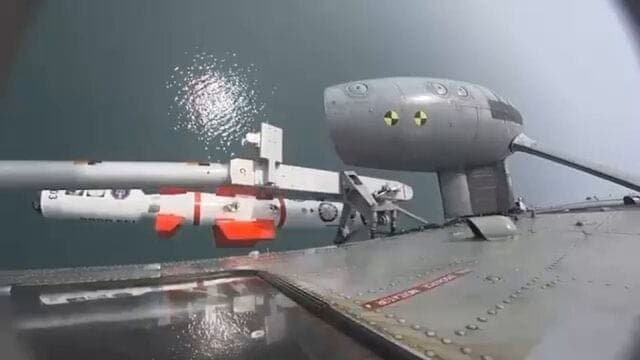
Indigenous Naval Anti-Ship Missile-Short Range (NASM-SR) with Man-in-Loop human-controlled guidance for real-time retargeting.

Flight-tested from Seaking-42B helicopter over Bay of Bengal at ITR Chandipur, Odisha.

Joint DRDO–Indian Navy project to neutralise surface vessels within 50 + km envelope.

Quick Facts for MCQs

Technology & Design

  • Indigenous-tech: fiber-optic INS, electro-mechanical actuators, jet-vane control.
  • Radio-altimeter enables sustained low-altitude flight, masking radar returns.
  • IIR seeker delivers pinpoint terminal accuracy against moving ships.

Operational Modes

  • Bearing-only lock-on starts flight; seeker images later refine aim.
  • Two-way datalink streams live visuals, letting pilot shift target mid-course.
  • Sea-skimming path minimises detection and improves survivability.

Security Dimension

  • Provides helicopter-borne standoff strike without foreign components, aiding Aatmanirbhar Bharat.
  • Human oversight in terminal phase curbs fratricide and collateral risk.
  • Strengthens coastal defence against hostile surface combatants.

Key Data Points

FeatureData-Point
Missile nameNASM-SR
Guidance typeMan-in-Loop + IIR seeker
Range> 50 km
NavigationFiber-optic gyroscope INS
Flight profileSea-skimming, terrain-following
Launch platformSeaking 42B helicopter
Data linkHigh-bandwidth two-way
DevelopersDRDO & Indian Navy
Test siteITR Chandipur, Odisha

Related UPSC Prelims PYQs

CDS_GK, GS1 2025PYQ 1

भारत के सैन्य आयुध (military arsenal) के बारे में निम्नलिखित में से कौन-सा/कौन-से कथन सही है/हैं?

CDS_GK, GS1 2003PYQ 2

With reference to Indian defence, which one of the following statements is correct?

GS-3S&T

12.Lunar Trailblazer Water-Mapping Satellite (Lunar Water Mapping)

Hindustan Times
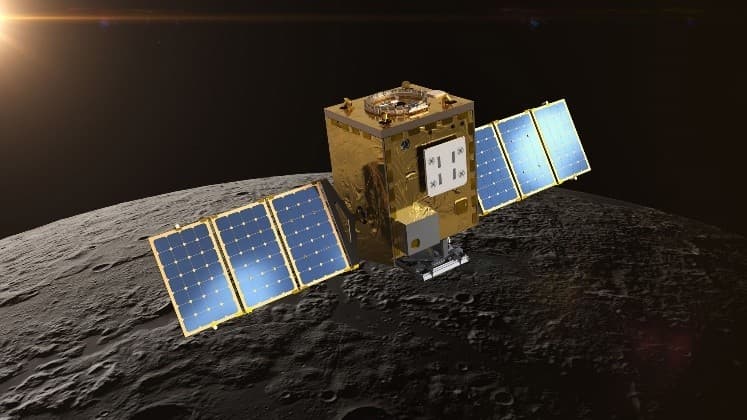
Illustration for Lunar Trailblazer Water-Mapping Satellite (Lunar Water Mapping)

What & Where

Definition: Lunar Trailblazer – 210 kg NASA orbiter mapping lunar surface water

Location: Polar and equatorial Moon; focus on permanently shadowed polar craters

Programme: SIMPLEX small-sat series; launch via SpaceX Falcon 9 from Kennedy, Florida

Quick Facts for MCQs

Tech & Instruments

  • LTM: 12 thermal infrared bands distinguishing ice, frost, adsorbed water via temperature context
  • HVM3: 0.6–3.6 µm imaging spectrometer isolating water absorption at 1.4, 1.9, 3.0 µm
  • Propulsion: Fuel-efficient trajectory using lunar gravity assists to save Δv

Mission Timeline

  • Launch: Early 2024 aboard Transporter-10 rideshare
  • Lunar arrival: Expected four months post-launch, low-altitude polar orbit insertion
  • Nominal operations: 12-month prime; option to extend to two-plus years

Strategic Significance

  • ISRU: Locates ice for life support, oxidiser, hydrogen propellant under Artemis logistics
  • Science: Tests hypotheses on solar wind implantation vs cometary delivery of lunar volatiles
  • Comparative planetology: Offers benchmarks for water retention on other airless bodies like Mercury, asteroids

Key Data Points

FeatureData-Point
Launch agencyNASA
Spacecraft builderLockheed Martin
Launch vehicleSpaceX Falcon 9
Mission classSIMPLEX small-sat
Mass~210 kg (small satellite)
InstrumentsLTM & HVM3
Primary scienceMap distribution & form of lunar water
Target zonesPermanently shadowed polar craters + sunlit terrains
Cruise time~4 months Earth–Moon
Mapping phase≥2 years in lunar orbit
LTM roleSurface temperature & thermal inertia
HVM3 roleNear-infrared spectral detection of H₂O/OH
Strategic linkSupports Artemis resource utilisation
Possible outputsDrinkable water, oxygen, rocket fuel precursors
GS-3S&T

13.AWS Ocelot Quantum Computing Chip (Quantum Computing)

DD News

What & Where

Prototype Ocelot quantum chip; leverages “cat qubits” for intrinsic error-correction and scalable architecture

Built by Amazon Web Services (AWS), United States; fabricated with tantalum via standard semiconductor processes

Targets 100 000-qubit fault-tolerant computer, trimming hardware need versus 1 million-qubit industry estimate

Quick Facts for MCQs

Tech Features

  • Cat-qubits combine dual oscillator states, naturally suppress bit-flip errors
  • Standard CMOS-compatible techniques enable wafer-scale fabrication, easing supply-chain adoption
  • Reduced hardware overhead improves cryogenic packaging and interconnect complexity

Economic Angle

  • Faster error-corrected qubits promise earlier commercialisation, trimming R&D timelines by five years
  • Anticipated breakthroughs in pharma, advanced materials, finance could unlock multibillion-dollar markets
  • Strengthens Amazon’s cloud quantum portfolio versus Google, IBM competitors

Roadmap Targets

  • Milestone vision 100 000 logical qubits supports algorithms like Shor’s, large-scale simulations
  • Nine-to-one qubit compression slashes dilution-refrigerator footprint, easing datacentre deployment
  • Approach aligns with industry ambition for fault-tolerance within next decade

Key Data Points

FeatureData-Point
Launch entityAmazon Web Services
Chip codenameOcelot
Qubit typeSchrödinger-inspired “cat” qubits
Physical-to-logical ratio9 physical : 1 logical qubit
Target logical qubits100 000
Primary materialTantalum
Projected time saving≈ 5 years in development cycle
Key application areasDrug discovery, material science, finance
GS-3S&TQuick Bite

14.Notable Unusual Materials (Advanced Materials)

The Hindu
Illustration for Notable Unusual Materials (Advanced Materials)

What & Where

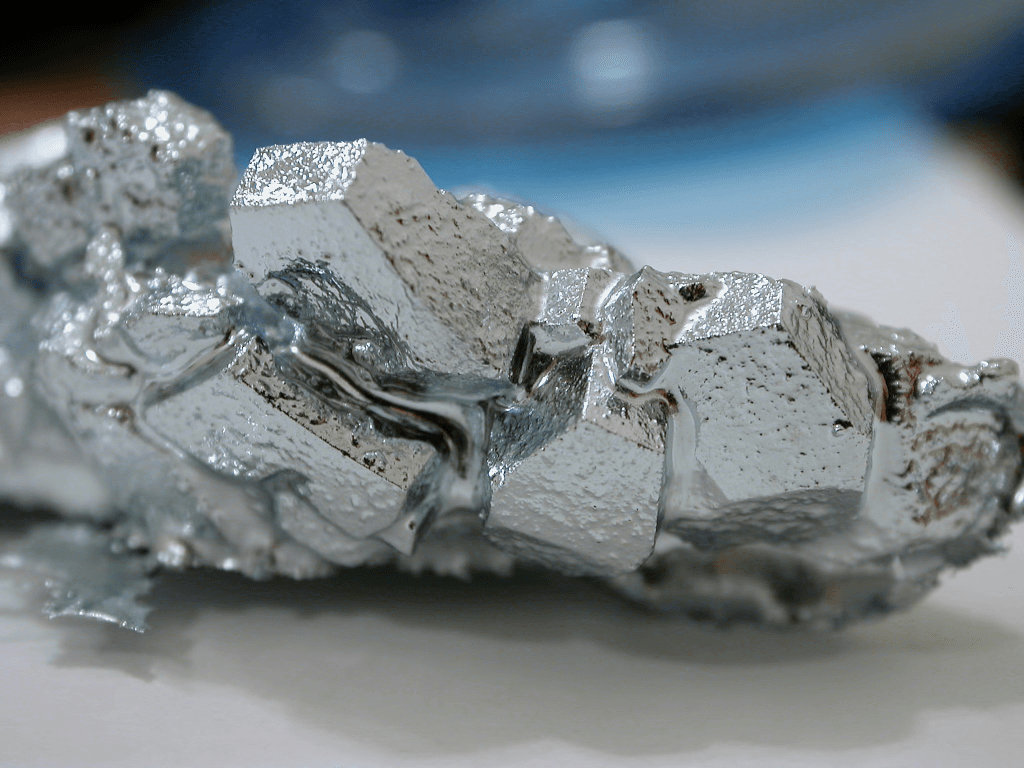
Gallium (Ga) – non-radioactive metal melting near room temperature; anomalously denser as liquid.

Aerogel – ≥ 99 % air ultra-light solid produced by supercritical drying of gels.

Aluminium Oxynitride (ALON) – transparent Al–O–N ceramic tested for bullet-resistant armour.

Quick Facts for MCQs

Physical Properties

  • Gallium, silicon, germanium, bismuth, plutonium share liquid-denser-than-solid anomaly.
  • Aerogel’s nanoporosity yields record low density and high insulation.
  • Concrete excels in compression but suffers in tension.

R&D Innovations

  • Self-healing concrete employs Bacillus to precipitate calcium carbonate, sealing microcracks autonomously.
  • Stanene predicted topological insulator enables near-lossless edge currents for electronics.
  • ALON fabrication advances offer lightweight, transparent ballistic protection.

Usage Ranking

  • Concrete consumption trails only water globally, underscoring infrastructural dependence.

Key Data Points

FeatureData-Point
Gallium state changeMelts just above 29 °C
Gallium density traitLiquid > Solid (rare property)
Similar density-anomaly elementsSi, Ge, Bi, Pu
Aerogel air volumeOver 99 % by volume
Aerogel fabricationLiquid removed via supercritical drying
Concrete global rank2nd most used material after water
Concrete weaknessLow tensile strength; prone to cracking
Self-healing agentBacillus spp. forms CaCO₃ when water enters cracks
ALON compositionAluminium, oxygen, nitrogen
ALON key featureTransparent yet resists armour-piercing rounds
Stanene structureOne-atom-thick tin honeycomb
Stanene behaviourEdge conducts with near-zero loss; interior insulating

Related UPSC Prelims PYQs

CDS_GK, GS1 2025PYQ 1

Which one of the following is not a property of 'graphene'?

CDS_GK, GS1 2012PYQ 2

Graphene is frequently in news recently. What is its importance?

GS-2Editorial

15.Evolving India-EU Strategic Partnership (India–EU Relations)

Indian Express

What & Where

India-EU Strategic Partnership: formalised 2004, roots in 1962 diplomatic ties with European Economic Community

Geography: 27-member EU across continental Europe; India in South Asia, Indo-Pacific outreach key connective space

Forums/Processes: annual Summits (15 so far), Trade & Technology Council (2023-), FTA talks (since 2007)

Quick Facts for MCQs

Economic Angle

  • Trade: EU largest goods partner; services & investment also robust, yet tariff gaps stall FTA
  • Investment: 6,600+ EU firms active in India; manufacturing, auto, pharma hubs expanding
  • Market-access hurdles: agriculture, automobiles, public procurement remain sticking points

Tech & Innovation

  • Framework: 2007 S&T Agreement enables Horizon Europe co-funded research
  • Digital: TTC working groups on 5G/6G, AI governance, resilient supply chains
  • Chips: 2023 MoU targets design, talent pool, potential joint fabrication incentives

Security Dimension

  • Maritime: joint patrols, coordinated port calls under Indo-Pacific strategy
  • Domains: counter-terrorism, cyber-crime, non-proliferation occupy dialogue agenda
  • Defence industry: exploring co-development using EU’s EDF, India’s iDEX schemes

Climate & Energy

  • Finance: EU Global Gateway earmarks €1 bn for India’s green hydrogen, solar PV projects
  • CBAM: likely hits Indian steel, aluminium; Delhi seeks WTO-compatible waiver/transition aid
  • Sustainability: cooperation on circular economy, smart cities, battery recycling

Key Data Points

FeatureData-Point
First India-EU SummitLisbon, 2000
Latest SummitVirtual, 2021
Bilateral goods trade (FY 24)USD 135 bn
EU share in India FDI (2000-23)16.6 %
Cumulative EU FDI inflowUSD 117.4 bn
Ongoing pacts under talkFTA, Geographical Indications
Science & Tech Agreement2007
Semiconductor MoU2023
Security & Defence ConsultationsLaunched 2022
First joint naval drillGulf of Guinea, 2023
EU pledge for green hydrogen€1 bn
Carbon Border Adjustment Mechanism startTransitional 2023; levy 2026
Indian share of EU Blue Cards (’23-24)>20 %

Related UPSC Prelims PYQs

CAPF_GAI, ESE_GS 2022PYQ 1

Which of the following statements is/are correct?

CAPF_GAI, ESE_GS 2026PYQ 2

What is the name of the initiative launched by India and Denmark in November 2025 to enhance bilateral ties?

GS-2Polity

16.Hague Service Convention Overview (Hague Convention)

The Hindu

What & Where

Hague Service Convention (1965): multilateral treaty on cross-border service of judicial & extrajudicial documents

Scope limited to civil and commercial matters where both States are signatories

India, U.S. among 84 contracting parties; overseen by Hague Conference on Private International Law (HCCH)

Quick Facts for MCQs

Legal & Policy

  • Treaty standardises notice service, enabling enforceable judgments across borders
  • Operation conditional on reciprocity; both States must be Convention members
  • States may lodge reservations limiting postal or direct service methods

Implementation Mechanism

  • Requesting authority transmits documents to foreign Central Authority for execution
  • Central Authority returns certificate detailing date, method, recipient signature
  • Failure within six months lets courts seek default judgment under Article 15

Exclusions

  • Diplomatic/consular service disallowed unless recipient national of sending State
  • Email or electronic service valid only if receiving State expressly permits
  • Criminal subpoenas, warrants fall completely outside Convention ambit

Key Data Points

FeatureData-Point
Adoption year1965
Administering bodyHague Conference on Private International Law
Contracting parties (2024)84
Matter coveredCivil & commercial only
Criminal casesExplicitly excluded
Core mechanismCentral Authority in each State
Refusal clauseArticle 13 (sovereignty or security)
Default-judgment safeguardArticle 15 (after 6 months)
Proof of serviceStandard certificate issued back to requester
Alternative channelsPost, diplomatic/consular, judicial officers—subject to State consent

Ready to practice?

Test your knowledge with our UPSC test series.

Start Free Trial