UPSC Current Affairs

17 topicsGS-1: 1GS-2: 6GS-3: 10
0/17 done
GS-2Polity

1.Animal Welfare Board of India (Statutory Body)

The Hindu

What & Where

AWBI: statutory body promoting animal welfare under Prevention of Cruelty to Animals Act, 1960

HQ: Ballabhgarh, Haryana; earlier Chennai, Tamil Nadu

Partnership: AWBI-NALSAR, Hyderabad delivers legal training to anti-cruelty volunteers

Quick Facts for MCQs

Legal & Policy

  • Advisory role: recommends animal welfare measures to Government of India
  • Compliance: monitors adherence to PCA Act and related rules
  • Statutory backing: only national body mandated for animal welfare enforcement

Institutional Support

  • Grants: funds recognised animal welfare organisations for shelters, rescue, outreach
  • State linkages: aids State Animal Welfare Boards and District SPCAs
  • Capacity: facilitates infrastructure, veterinary care, public awareness programs

Capacity Building

  • Training module: NALSAR imparts legal procedures, evidence collection, litigation basics
  • Target group: registered volunteers confronting cruelty cases on ground
  • Outcome goal: stronger prosecutions, quicker relief for animals

Key Data Points

FeatureData-Point
Established1962
Legal BasisSection 4, Prevention of Cruelty to Animals Act 1960
Founding ChairSmt Rukmini Devi Arundale
Parent MinistryFisheries, Animal Husbandry & Dairying
Present HQBallabhgarh, Haryana
Core AimPromote welfare, ensure law compliance

Related UPSC Prelims PYQs

GS1 2009PYQ 1

Where is the headquarters of Animal Welfare Board of India located ?

GS1 2014PYQ 2

Consider the following statements :
GS-2Polity

2.National Anthem Protocol Dispute (National Symbols)

The Hindu

What & Where

National Anthem Jana-gana-mana, written 1911 by Rabindranath Tagore, adopted 24 Jan 1950 by Constituent Assembly

National Song Vande Mataram, penned 1870 by Bankim Chandra Chatterjee; patriotic hymn first sung 1896 INC session

Ceremonial play: President before-and-after address; Governors vary—e.g., Tamil Nadu ends with anthem, started 1991

Quick Facts for MCQs

Historical Milestones

  • Adoption date Anthem & Song together 24 Jan 1950
  • National Song inserted in novel Anandamath 1882
  • Tripura Assembly first played anthem March 2018

Legal & Policy

  • PINH Act disqualifies convicted persons from elections for six years
  • MHA guidelines mandate full anthem at investitures, parades, President or Governor arrival/departure
  • Constitution embeds anthem respect as citizen duty under Part IVA

Judicial Pronouncements

  • Supreme Court 2016 interim order made anthem compulsory in cinemas; 2018 verdict made it optional
  • Court stressed voluntary patriotism over judicial mandate

State Ceremonies

  • Tamil Nadu retains unique state-anthem-first protocol since 1991
  • Governor’s 2025 walkout stemmed from anthem not played before address
  • Diverse practice across states; no uniform statutory rule

Key Data Points

FeatureData-Point
First public singing of Anthem27 Dec 1911, Calcutta INC session
First Assembly to add anthem lateNagaland, Feb 2021
Fundamental Duty clauseArt 51A(a) respect Flag & Anthem
Punishment under PINH Act 1971Up to 3 yrs jail/fine/both
SC cinema-hall ruling year2018 (Shyam Narayan Chouksey)
Tamil Nadu order sequenceTamil Thai Vazhthu, Governor speech, Anthem

Related UPSC Prelims PYQs

GS1 2003PYQ 1

Which one of the following statements is correct?

GS1 2007PYQ 2

The song ‘Amar Sonar Bangla’, written during the Swadeshi Movement of India, inspired the Liberation Struggle of Bangladesh and was adopted as the National Anthem of Bangladesh. Who wrote this song?

GS-3Economy

4.ICEGATE Customs Data Platform (Trade Data Management)

Indian Express
Illustration for ICEGATE Customs Data Platform (Trade Data Management)

What & Where

ICEGATE: Indian Customs Electronic Gateway, national online platform capturing export-import data.

Covers >500 ports, airports, container depots, incl. Special Economic Zones (SEZs).

Transmits reconciled trade data to DGCIS, preventing duplication between SEZ and Domestic Tariff Area (DTA).

Quick Facts for MCQs

Economic Angle

  • Revision lowered merchandise import bill, likely narrowing trade deficit estimates.
  • Gold imports: sensitive for CAD projections, monetary policy signalling.
  • Accurate trade stats essential for tariff setting and forex management.

Tech & Schemes

  • Integration: SEZ Online data now auto-pushed into ICEGATE for single-source records.
  • Real-time transmission enables daily dashboards for Finance Ministry.
  • Reconciliation algorithms flag multiple Bill-of-Entry entries to curb duplicates.

Administrative Coordination

  • Agencies: DGCIS, DG Systems, SEZ authorities jointly oversee data cleansing.
  • Routine audits instituted post-error to validate SEZ-DTA movements.
  • Policy mandate: quarterly review meetings on customs IT interoperability.

Key Data Points

FeatureData-Point
November 2024 gold import (revised)USD 9.9 billion
Original figure before correctionUSD 14.9 billion
Error sourceDouble counting SEZ to DTA clearances
Key systems involvedSEZ Online & ICEGATE
ICEGATE managed byDirectorate General of Systems
Data recipientDirectorate General of Commercial Intelligence & Statistics (DGCIS)
Primary aim of migrationEliminate duplication, ensure consistency
GS-3Economy

5.Decade of National Highways Expansion (Road Infrastructure)

Road Infrastructure
Illustration for Decade of National Highways Expansion (Road Infrastructure)

What & Where

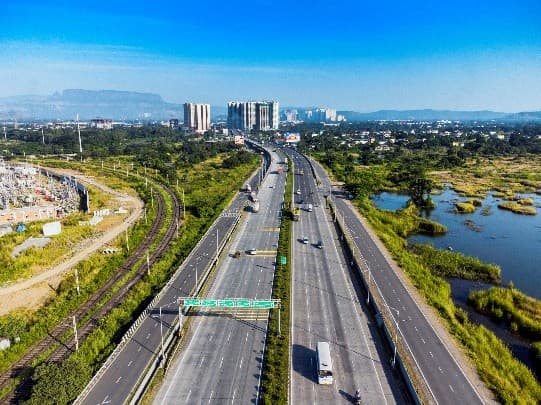
National Highways: central MoRTH-run arterial roads linking metros, ports, borders across India

Coverage: length touched 1,46,195 km in 2024, up 60 % since 2014; world’s 2nd-largest road network

High-Speed Corridors: access-controlled expressways now 2,474 km, enabling 120 kmph design speeds

Quick Facts for MCQs

Infrastructure Growth

  • Expansion: 54,908 km added in decade, including 2,381 km new expressways
  • Ranking: network now trails only United States in total road length
  • Complement: Multimodal Logistics Parks planned along corridors for freight efficiency

Financing & Monetization

  • TOT-model: ₹15,968 cr monetised FY 24; Hyderabad-Nagpur bundle fetched ₹6,661 cr FY 25
  • Institutional: World Bank, JICA, ADB co-fund select corridors and port links
  • Employment: highway construction spurs large skilled and unskilled job creation

Tech & Schemes

  • Vehicle Scrapping: facilities functional in 19 states/UTs; 66 additional centres building
  • Bharatmala Pariyojana: drives greenfield economic corridors, border and port connectivity roads
  • Port Connectivity Masterplan: aligns highway upgrades with Sagarmala ports for seamless multimodal freight

Key Data Points

FeatureData-Point
NH length 201491,287 km
NH length 20241,46,195 km
Decadal growth+60 %
High-Speed corridor 201493 km
High-Speed corridor 20242,474 km
Highway addition 2014-2454,908 km
TOT receipts FY 2023-24₹15,968 cr
NH-44 TOT award FY 2024-25₹6,661 cr
Registered scrapping facility states/UTs19
Scrapping centres under construction66
Global rank by road length2nd

Related UPSC Prelims PYQs

CDS_GK, NDA_GAT 2023PYQ 1

भारतीय राष्ट्रीय राजमार्ग प्राधिकरण (NHAI) के बारे में निम्नलिखित में से कौन-सा कथन सही नहीं है?

CDS_GK, NDA_GAT 2025PYQ 2

S1: National highways connect one state with another and are of national importance.

GS-3Infrastructure

6.Z-Morh All-Weather Tunnel (Strategic Tunnel)

The Hindu
Illustration for Z-Morh All-Weather Tunnel (Strategic Tunnel)

What & Where

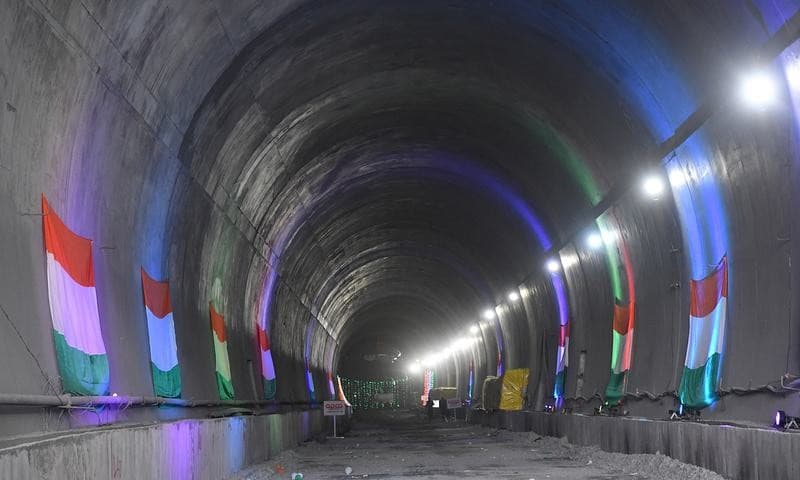
All-weather road tunnel on NH-1 in Ganderbal district, Jammu & Kashmir

Links Gagangir to Sonamarg, bypassing avalanche-prone Z-Morh (Z-bend) stretch

First operational segment of planned Srinagar–Kargil–Leh year-round corridor

Quick Facts for MCQs

Strategic Dimension

  • Geostrategy: Tunnel accelerates troop and supply mobilisation to Kargil and Northern Command areas
  • Continuity: Complements Zojila and Shinkun La projects for a secure multiroute Ladakh access

Technological Features

  • Ventilation: Jet fans with SCADA sensors regulate air and smoke within the tube
  • Safety: CCTV, emergency call boxes, fire detection, cross-passages every 250 m enhance evacuation

Economic Angle

  • Tourism: Year-round road can convert Sonamarg into a 12-month destination, boosting local livelihoods
  • Freight: Reduced avalanche closures cut logistic time and cost on the Srinagar–Leh supply chain

Key Data Points

FeatureData-Point
Length6.5 km
ConfigurationTwo-lane bi-directional main tube
HighwayNH-1 Srinagar–Leh
ConnectsGagangir – Sonamarg
BuilderAPCO Infratech
PurposeAll-season access to Sonamarg
Advanced systemsIntelligent traffic & ventilation management
Strategic linkageFaster movement toward Kargil, Baltal, Ladakh

Related UPSC Prelims PYQs

CDS_GK, ESE_GS 2021PYQ 1

Which one of the following statements is NOT correct about the Atal Tunnel ?

CDS_GK, ESE_GS 2021PYQ 2

The distance between which two cities has been reduced by the Atal Tunnel?

GS-3InfrastructureQuick Bite

7.Anji Khad Cable-Stayed Rail Bridge (Rail Connectivity)

Financial Express

What & Where

Anji Khad Bridge – India’s first cable-stayed rail bridge on the Udhampur-Srinagar-Baramulla Rail Link (USBRL) project

Spans deep Anji gorge in Reasi district, Jammu & Kashmir (UT), connecting Katra and Banihal rail sections

Enhances all-weather rail access to Kashmir valley, complementing nearby Chenab arch bridge

Quick Facts for MCQs

Engineering & Design

  • Pylon-backstayed arrangement enables single-span gorge crossing without mid-stream piers
  • Wind-tunnel modelling ensures stability at Himalayan gust speeds up to 213 km/h
  • Variable-length cables distribute load, reducing deck vibration and maintenance

Construction Techniques

  • DOKA Jump Form Shuttering accelerates vertical concrete pours for the 331 m pylon
  • Pump Concreting plus tower crane combo minimized manual handling on steep terrain
  • Hybrid foundation blends pile caps with rock anchors to secure fractured Himalayan slopes

Strategic Importance

  • Connectivity – Completes missing rail link to Srinagar, lowering travel time and logistics cost
  • Security – Rapid troop and material movement to northern borders enhances strategic readiness
  • Tourism – Easier valley access expected to boost pilgrim flow to Vaishno Devi and Gulmarg

Key Data Points

FeatureData-Point
Bridge typeCable-stayed rail
Total length725.5 m
Pylon height331 m
Number of cables96
Cable range82 – 295 m
Design train speed100 km/h
Wind resistanceUp to 213 km/h
FoundationHybrid for slope stability
Time saved30 % vs conventional
Core techniquesDOKA Jump Form, Pump Concreting, Tower Crane
Trial run dateJan 2025
Project segmentKatra–Banihal, USBRL
District & UTReasi, Jammu & Kashmir
GS-1EnvironmentQuick Bite

8.Kilauea Volcano Eruption 2025 (Active Volcano)

USGS
Illustration for Kilauea Volcano Eruption 2025 (Active Volcano)

What & Where

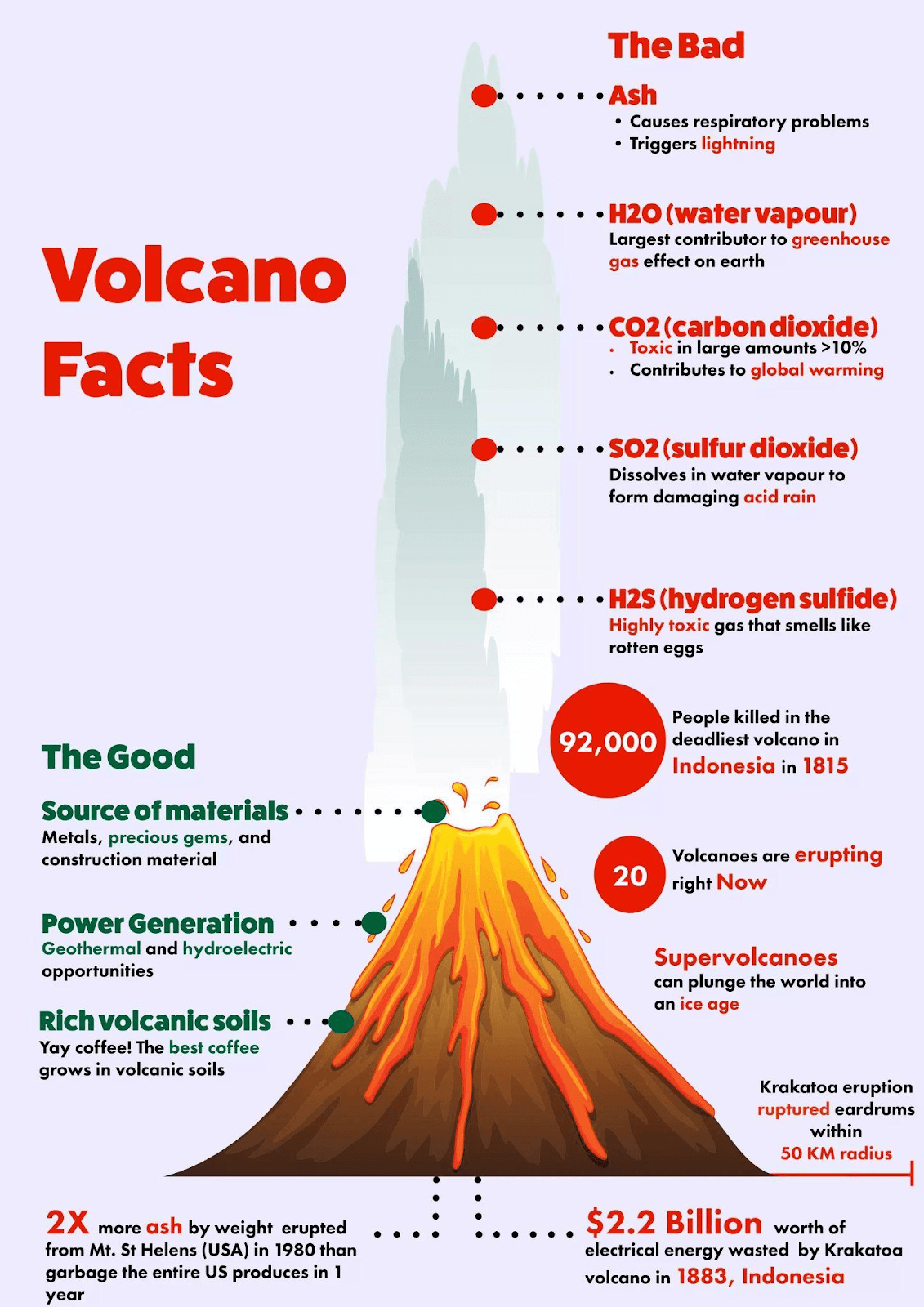
Volcano: surface opening releasing magma, gases, ash from Earth’s interior.

Kilauea: youngest, most active Hawaiian shield volcano on Hawaii Island, inside Hawaii Volcanoes National Park.

Slopes merge with Mauna Loa; both fed by Pacific hotspot, not plate-boundary subduction.

Quick Facts for MCQs

Geological Features

  • Shield morphology; low-viscosity basaltic lava builds broad gentle slopes.
  • Caldera plus East & Southwest rift zones channel frequent effusive outflows.
  • Formation linked to stationary Hawaiian hotspot beneath Pacific Plate.

Eruption History

  • Prolonged 1983–2018 episode produced Puna district lava deltas.
  • Intermittent summit eruptions 2023–24 preceded current Jan 2025 event.
  • USGS monitors via tiltmeters, seismic swarms, SO₂ gas sensors.

Indian Context

  • Barren Island active since 1991 revival; last noted eruption 2022.
  • Part of Sunda–Andaman subduction arc; stratovolcano, not shield.
  • Continuous surveillance by IMD & National Centre for Seismology.

Key Data Points

FeatureData-Point
LocationHawaii Island, USA
National ParkHawaii Volcanoes NP
Volcano typeShield volcano
Age statusYoungest major Hawaiian volcano
Eruptions since 1952> 30
Latest activityJan 2025 eruption
Adjacent volcanoMauna Loa (west & north)
India’s active volcanoBarren Island, Andaman Islands
GS-3Environment

9.Blue Flag Beach Certification (Eco-Label Programme)

DH
Illustration for Blue Flag Beach Certification (Eco-Label Programme)

What & Where

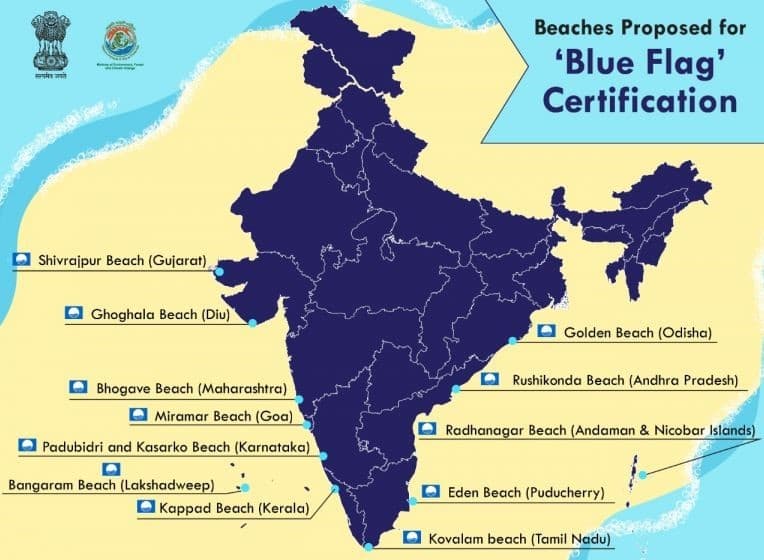
Blue Flag – international eco-label for beaches, marinas, tourism boats meeting strict environment-safety norms

Latest additions – Kappad & Chal beaches, Kozhikode district, Kerala, Arabian Sea coast

Governance – awarded by Denmark-based Foundation for Environmental Education (FEE); programme began in France, 1985

Quick Facts for MCQs

Certification Criteria

  • Water Quality – regular sampling, zero untreated effluent discharge
  • Environmental Management – waste segregation, eco-friendly infrastructure, dune & habitat protection
  • Safety & Accessibility – lifeguards, first-aid, information boards, disabled-friendly ramps

Tourism Benefits

  • Global eco-label lifts destination visibility among environment-conscious travellers
  • Certification drives local spending on hygiene, signage, basic amenities, boosting service jobs
  • Sustainable tourism aids long-term revenue without degrading coastal ecosystems

Indian Context

  • Kappad & Chal beaches cleared FEE audits to secure 2024 Blue Flag tag
  • Label expected to spur eco-tourism along Kerala’s Malabar coast, aligning conservation with livelihood goals

Key Data Points

FeatureData-Point
Launch country & yearFrance, 1985
Global expansion2001 onward, 50 + participating nations
Administering bodyFoundation for Environmental Education, Copenhagen
Eligible sitesMarine & freshwater beaches, marinas, tourism boats
Criteria pillarsWater Quality; Environmental Management; Safety & Accessibility; Environmental Education
New Indian awardees (2024)Kappad beach, Chal beach – Kerala

Related UPSC Prelims PYQs

GEO_GS 2023PYQ 1

Thundi Beach and Kadmat Beach, which recently entered the coveted list of Blue Beaches, an eco-label given to the cleanest beaches in the world, are located in

GS-3Environment

10.2025 California Wildfire Crisis (Wildfire Disaster)

BBC
Illustration for 2025 California Wildfire Crisis (Wildfire Disaster)

What & Where

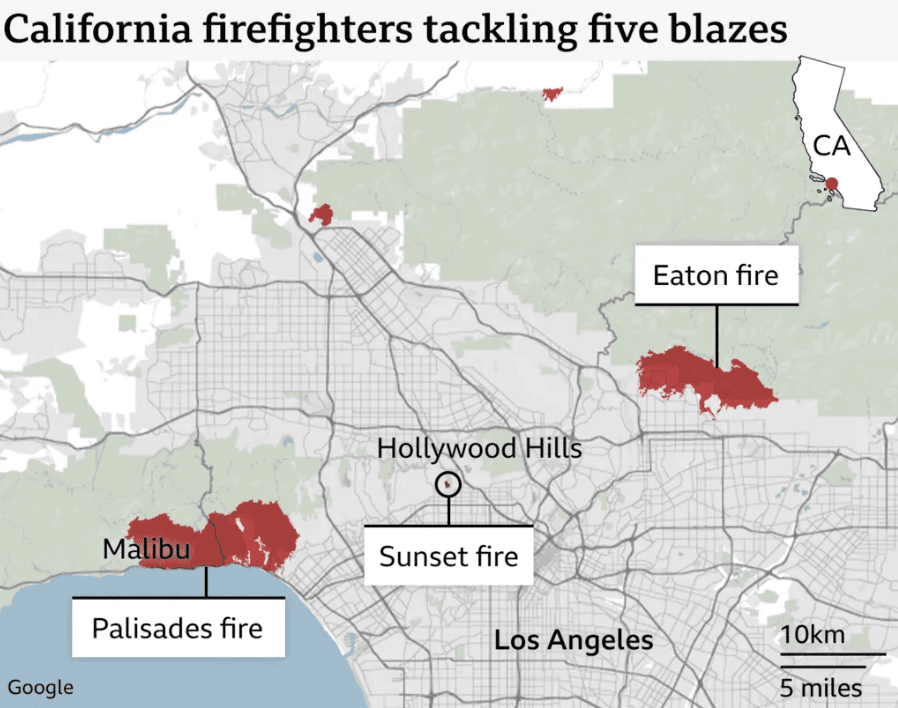
Wildfire — uncontrolled blaze over vegetation; natural but intensified by human activity and climate change

Core geography — Southern California’s drought-hit hills, dense chaparral, Santa Ana wind corridors

Processes — ignition → rapid wind-driven spread → ember showers → uphill run on steep slopes

Quick Facts for MCQs

Geographic Drivers

  • Drought — multi-year rainfall deficit desiccates biomass
  • Vegetation — dense chaparral accumulates flammable oils
  • Terrain — steep canyons create chimney effect accelerating flames

Anthropogenic Causes

  • Power infrastructure — downed lines emit sparks in high winds
  • Urban sprawl — more ignition points at wildland–urban interface
  • Arson/neglect — discarded flammables, illegal burns trigger outbreaks

Environmental & Health Impact

  • Biodiversity loss — habitat destruction, soil sterilisation
  • Air pollution — smoke elevates COPD, cardiac emergencies
  • Water systems — ash, debris elevate turbidity, heavy metals

Management & Policy

  • Tech tools — drones, satellites enable early hotspot mapping
  • Vegetation control — firebreaks, prescribed burns reduce fuel loads
  • Regulation — stricter building codes, land-use curbs in fire-prone zones

Key Data Points

FeatureData-Point
2025 LA deaths7 persons
Structures lost>10,000 buildings
Dominant windSanta Ana, hot & dry
Key fuel sourceDrought-dried shrubs & forests
Topographic effectHills funnel winds, speed upslope fire
Major ignition CAPower-line sparks
Natural ignitionLightning during dry thunderstorms
Climate linkRising temps, prolonged drought
Air quality impactSmoke, PM ≤ 2.5 µm respiratory risk
Water impactAsh runoff contaminates supplies
Economic burdenLosses in billions, insurance strain

Related UPSC Prelims PYQs

GS1 2021PYQ 1

सवाना की वनस्पति में फैले हुए छोटे वृक्षों के साथ घास के मैदान होते हैं, किन्तु इस क्षेत्र में कोई वृक्ष नहीं होते हैं। ऐसे क्षेत्र में वन विकास सामान्यतः एक या एकाधिक या कुछ परिस्थितियों के संयोजन के द्वारा नियंत्रित होता है। ऐसी परिस्थितियों निम्नलिखित में से कौन-सी हैं?

GS-3EnvironmentQuick Bite

11.National Clean Air Programme Progress (Air Pollution Control)

Down to Earth

What & Where

National Clean Air Programme (NCAP): MoEFCC scheme, pan-India, launched Jan 2019 to cut urban PM10/PM2.5.

Particulate Matter (PM10 & PM2.5): airborne solids + liquids; key urban pollutant measured in µg/m³.

Coverage: 131 non-attainment/NCAP cities across north, west, south, east zones of India.

Quick Facts for MCQs

Performance Leaders

  • Varanasi tops with 76.4 % PM decline, indicating successful hotspot interventions.
  • Moradabad and Kanpur exceed 50 % reduction, validating targeted NCAP action plans.

Problem Hotspots

  • Delhi, Byrnihat register PM2.5 >100 µg/m³, far above 60 µg/m³ standard.
  • Gurugram, Faridabad, Ghaziabad flagged for urgent mitigation due to persistent exceedance.

Policy & Targets

  • NCAP original goal 20 % PM cut by 2024-25; upgraded to 40 % or national standard by 2025-26.
  • Monitoring uses 2017 concentrations as baseline for city-wise performance benchmarking.

Pollution Sources

  • Industrial stacks, vehicular exhausts, seasonal stubble fires dominate northern emission inventory, amplifying winter smog episodes.

Key Data Points

FeatureData-Point
Nationwide PM cut (2019-24)26.84 %
NCAP-city improvement24.45 %
Varanasi reduction76.4 %
Moradabad reduction58 %
Kanpur reduction51.2 %
Kolkata reduction21.5 %
Bengaluru reduction8 %
Chennai reduction9.2 %
Delhi PM2.5 (2024)107 µg/m³
Byrnihat, Assam PM2.5127.3 µg/m³
Revised NCAP target40 % PM10 cut or ≤60 µg/m³ by 2025-26
Baseline year2017
Major contributorsIndustrial, vehicular, stubble burning

Related UPSC Prelims PYQs

CDS_GK, GS1 2023PYQ 1

भारत के सन्दर्भ में जलवायु परिवर्तन पर राष्ट्रीय कार्य योजना (NAPCC) के बारे में निम्नलिखित में से कौन-सा/कौन-से कथन सही है/हैं ?

CDS_GK, GS1 2022PYQ 2

WHO के वायु गुणवत्ता दिशानिर्देशों के संदर्भ में, निम्नलिखित कथनों पर विचार कीजिए :

GS-3EnvironmentQuick Bite

12.Ecological Role of Marine Fungi (Marine Microbiota)

Down to Earth

What & Where

Marine fungi — microscopic eukaryotes inhabiting seawater, rocky shores and deep‐sea sediments

Two key groups : Obligate marine (exclusive) & Facultative marine (terrestrial origin, salt-tolerant)

Account for ≈5 % of total ocean biomass, pivotal in nutrient recycling and symbioses

Quick Facts for MCQs

Ecological Role

  • Nutrient cycling through decomposition maintains ecosystem stability
  • Lichens (fungus + alga) extend symbiotic functions into marine zones
  • Fungi supply bioactive compounds influencing marine food webs

Adaptation Strategies

  • Feast-famine coping via cell-form switching for resource optimisation
  • Enzyme acquisition from co-occurring microbes enhances host digestion
  • Salt tolerance evolved in facultative strains enables dual terrestrial-marine survival

Mycology Basics

  • Reproduction via sexual or asexual spores; dispersal critical for colonisation
  • Beneficial uses include antibiotics, foods, industry; risks include mycotoxins, diseases
  • Eukaryotic structure, chitinous cell walls distinguish fungi from bacteria

Key Data Points

FeatureData-Point
Ocean biomass share~5 % constituted by marine fungi
Nutrition modeHeterotrophs acting as saprophytes or parasites
Example speciesParadendryphiella salina on seaweeds
Key enzyme sourceBorrows digestive enzymes from bacteria
Fungal kingdom statusSeparate multicellular eukaryotic kingdom per R H Whittaker
GS-3S&T

13.Genome India Project Completion (Genomic Sequencing)

Times of India
Illustration for Genome India Project Completion (Genomic Sequencing)

What & Where

Genome India Project; national genome-sequencing drive decoding Indian populations’ genetic diversity

Core processes; whole-genome sequencing, biobanking of blood, secure storage at Indian Biological Data Centre

Geography; samples from 99 ethnic groups spread across India, data housed in Faridabad (IBDC)

Quick Facts for MCQs

Tech & Schemes

  • Sequencing platform; large-scale whole-genome, high-throughput labs across partner institutes
  • Data security; anonymised datasets stored under national guidelines at IBDC, Faridabad
  • Biobank; long-term cryostorage enabling future phenotypic correlation studies

Healthcare Impact

  • Precision-medicine; variant database guides drug response, disease risk prediction for Indians
  • Targeted interventions; enables population-specific screening programmes for rare disorders
  • Reference panel; improves accuracy of global genome arrays for South-Asian ancestry

Economic Angle

  • Biotech leadership; positions India among top genome-research nations, courting global R&D investment
  • Bioeconomy catalyst; large dataset fuels diagnostics, pharma and agrigenomics start-ups
  • Talent retention; national project creates high-skill jobs in bioinformatics, molecular biology

Key Data Points

FeatureData-Point
Launch month-yearJanuary 2020
Nodal funding bodyDept. of Biotechnology, MoST
Genomes sequenced (Phase 1)10,074
Ethnic groups covered99
Blood samples banked>19,000
Data repository siteIndian Biological Data Centre
Dedicated biobankGenomeIndia Biobank
Key Phase-1 outputRare, India-specific genetic variations detected
Announced completion byPrime Minister
Bioeconomy growthUSD 10 bn (2014) → USD 150 bn

Related UPSC Prelims PYQs

GS1 2017PYQ 1

With reference to agriculture in India, how can the technique of 'genome sequencing', often seen in the news, be used in the immediate future?

GS-2International Relations

14.Global Indian Diaspora Dynamics (Indian Diaspora)

Indian Express
Illustration for Global Indian Diaspora Dynamics (Indian Diaspora)

What & Where

Diaspora: persons of Indian origin residing outside India

Key categories: Non-Resident Indian (NRI), Overseas Citizen of India (OCI), Person of Indian Origin (PIO)

Spread: ~18 million Indians across Gulf, North America, Europe, Oceania (Global Migration Report 2020)

Quick Facts for MCQs

Migration Drivers

  • Push: colonial indenture, rural poverty, regional conflicts
  • Pull: high-wage Gulf labour, US-UK-AUS universities, family chain migration

Economic Angle

  • Remittances: steady top foreign-exchange source, exceed FDI inflows many years
  • Investment: diaspora venture capital boosts Indian IT, start-ups
  • Market access: expatriate networks open export avenues for Indian SMEs

Government Schemes

  • Pravasi Bharatiya Divas: annual 9 Jan, honours diaspora contributions
  • Know India Programme: 3-week orientation for youth (18-30 yrs)
  • Social Security Agreements: 20+ pacts prevent double contribution, ensure pension portability

Challenges

  • Exploitation: low-skill Gulf workers face contract substitution, passport retention
  • Brain drain: skilled migration in STEM, healthcare strains domestic talent pool
  • Political sensitivity: diaspora activism may strain India–host bilateral ties

Key Data Points

FeatureData-Point
Diaspora size (2020)18 million – world’s largest
Annual remittances (2021)≈ US $87 billion to India
Next Pravasi Bharatiya Divas2025, Odisha
OCI card privilegeLifelong visa & property rights in India
Indian Community Welfare FundEmergency financial aid for Indians abroad

Related UPSC Prelims PYQs

CDS_GK, GS1 2006PYQ 1

What is IndoNext which was launched in January, 2005?

CDS_GK, GS1 2020PYQ 2

2011 की जनगणना के अनुसार, भारत में ऐसे लोग, जिन्हें प्रवासी (आंतरिक) माना जा सकता है अर्थात् जो अपने पिछले निवास से हट कर किसी अन्य स्थान पर बस गए हैं, की प्रतिशतता (लगभग) कितनी है?

GS-2International Relations

15.Pravasi Bharatiya Divas 2025 (Diaspora Engagement)

PIB

What & Where

Pravasi Bharatiya Divas (PBD) – biennial 9 Jan celebration of Gandhi’s 1915 return and global Indian contributions

Diaspora types – NRI (<182 days India stay), OCI (card since 2005), PIO category merged into OCI in 2015

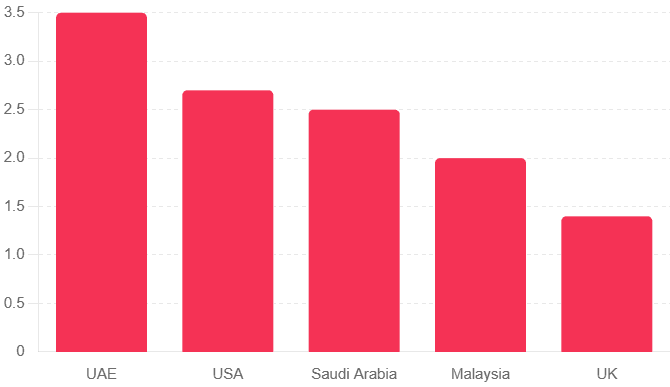
Geography – USA 5.4 mn Indians, UAE 3.57 mn, Malaysia 2.91 mn per MEA data

Quick Facts for MCQs

2025 Convention

  • Inauguration – PM flagged Pravasi Bharatiya Express connecting heritage pilgrimage circuits
  • Exhibition – Mandvi-Muscat migration documents displayed maritime trade lineage
  • Proposal – Comprehensive Girmitiya database covering Fiji, Mauritius, Caribbean colonies

Diaspora Classification

  • NRI rule – in India <182 days yearly or <365 days over 4 years plus <60 days current year
  • OCI eligibility – self/ancestor citizen on 26 Jan 1950; minors allowed; Pakistan Bangladesh nationals excluded
  • PIO status – discontinued 2015, benefits subsumed under OCI card

Issues & Initiatives

  • Identity tension – cultural conflicts evident in Norway, Germany child-custody jurisprudence
  • Visa backlash – US H-1B scrutiny fuelling insecurity despite workforce contribution
  • Welfare schemes – ICWF, NPS-NRIs, UPI cross-border remittance pilots strengthen safety-net

Key Data Points

FeatureData-Point
Frequency of PBDBiennial (every 2 years)
First PBD year2003
Prime Minister who launched PBDAtal Bihari Vajpayee
18th PBD hostOdisha, 8-10 Jan 2025
2025 ThemeDiaspora's Contribution to a Viksit Bharat
Highest diaspora honourPravasi Bharatiya Samman Award
Special train unveiled 2025Pravasi Bharatiya Express
Parent scheme of trainPravasi Teertha Darshan Yojana, MEA
Proposed new databaseGlobal register of Girmitiya labourers
Largest Indian diaspora countryUSA – 5,409,062 persons
GS-2International Relations

16.India-Maldives Defence Cooperation Initiatives (Maldives Partnership)

The Hindu
Illustration for India-Maldives Defence Cooperation Initiatives (Maldives Partnership)

What & Where

Definition: India–Maldives defence cooperation strengthens MNDF capacity under Neighbourhood First and SAGAR doctrines.

Mechanisms: Annual Defence Cooperation Dialogue, exercises Ekuverin / Ekatha / Dosti, CTC & UTF harbour, coastal radar chain.

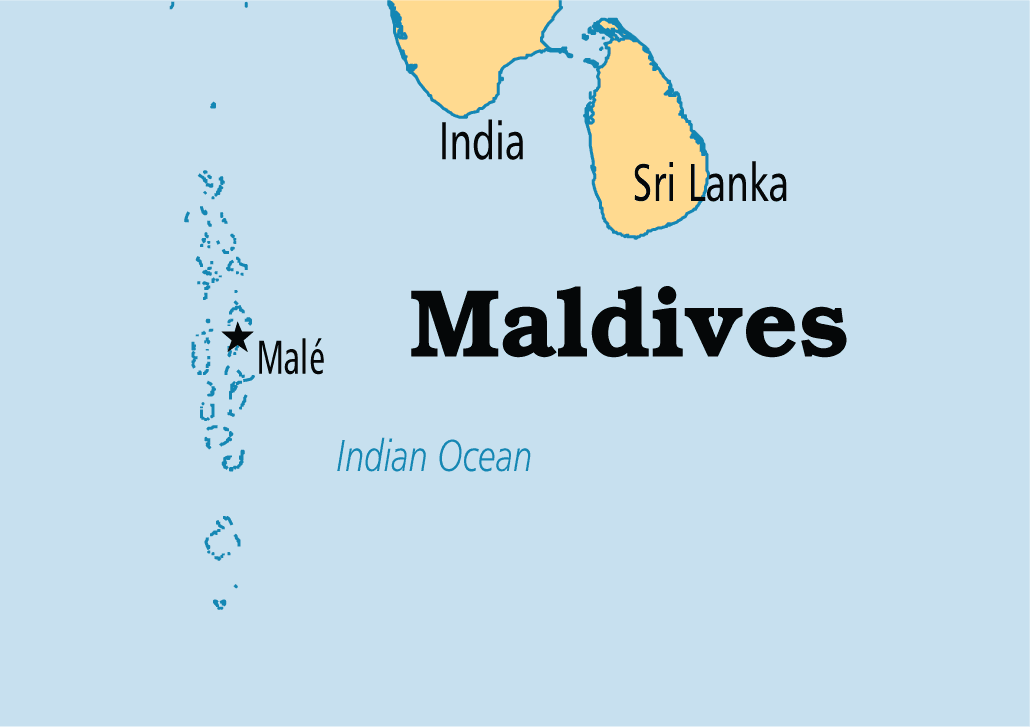
Geography: Maldives archipelago south-west of India, guarding shipping lanes between Hormuz-Aden chokepoints and Strait of Malacca.

Quick Facts for MCQs

Security Dimension

  • Exercises: Bilateral Ekuverin, Ekatha; trilateral Dosti with Sri Lanka enhance interoperability.
  • Assets supplied: patrol vessels, radars, harbour facilities, training simulators, humanitarian relief missions.
  • Threats: Islamist radical groups and Chinese military footprint necessitate sustained Indian presence.

Economic Angle

  • Trade pact since 1981; India largest partner 2023 with exports of pharma, cement, agro goods.
  • 2024 support: USD 400 m credit, Treasury-bill rollover, local-currency trade framework agreed.
  • Open-skies pact 2022 improved connectivity, reinforcing India’s top tourist position.

Geopolitical Challenges

  • China’s BRI projects like Sinamale Bridge and debt leverage test Indian influence.
  • “India Out” campaign 2023 demanded troop withdrawal, reflecting volatile domestic politics.
  • Strategic stakes high: ~50 % Indian trade, 80 % energy flows past Maldivian waters.

Key Data Points

FeatureData-Point
Operation Cactus year1988
MNDF training by India≈ 70 % personnel
Radar stations funded by India10 units
Radar project grantUSD 15.8 million
5th Defence Cooperation DialogueSept 2024, New Delhi
Maldives Coast Guard ship refitHuravee, free in 2023
Currency-swap sizeRs 3,000 crore (≈ USD 400 m)
India’s tourist rankNo. 1 source 2020-22
Employment via Maldivian tourism≈ 70 % of jobs

Related UPSC Prelims PYQs

CAPF_GAI, ESE_GS 2024PYQ 1

Which one among the following statements with regard to India’s maritime initiative, SAGAR, is correct?

CAPF_GAI, ESE_GS 2022PYQ 2

Which one of the following countries did the Indian Navy participate in the U.S. Navy-led Southeast Asia Cooperation and Training (SEACAT) military exercise, to demonstrate its maritime manoeuvres?

GS-2Scheme

17.8th National Organic Production Programme (Organic Farming)

PIB
Illustration for 8th National Organic Production Programme (Organic Farming)

What & Where

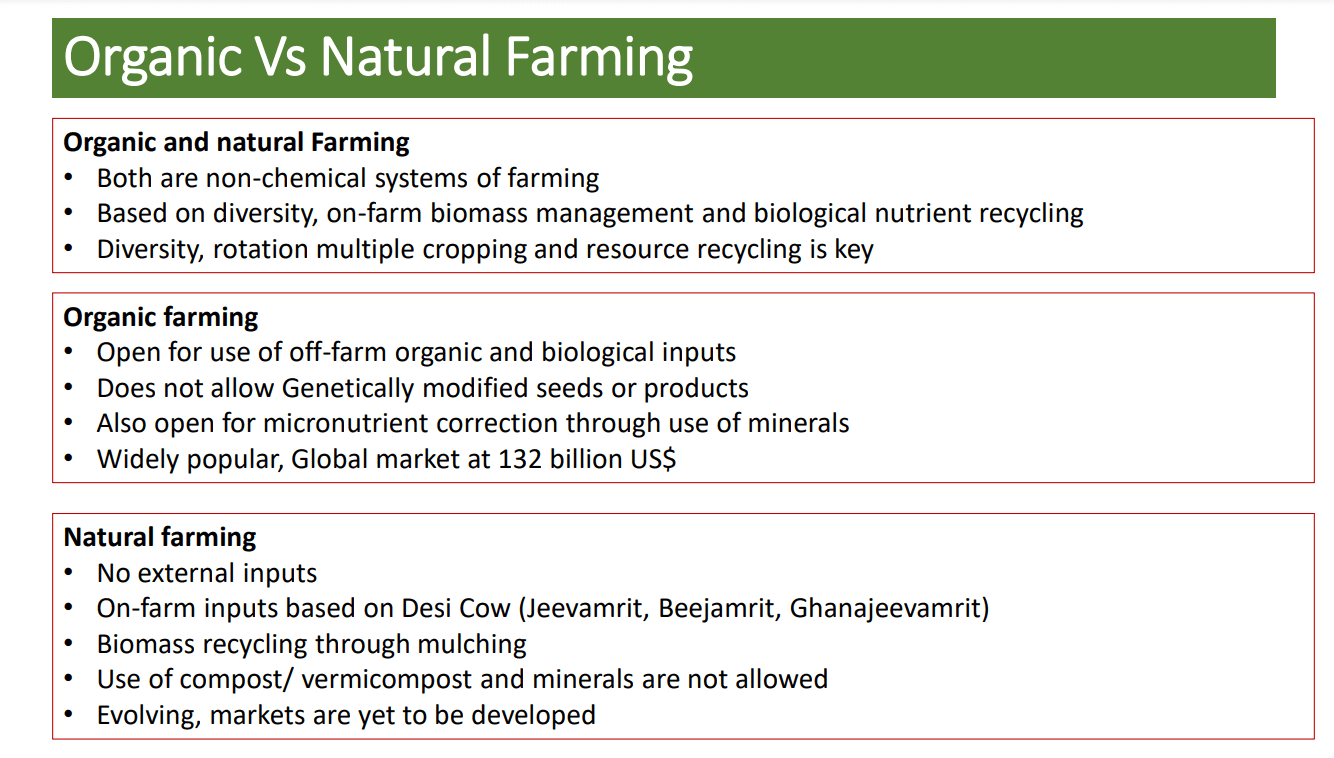
NPOP: national accreditation-cum-standard system for organic products, launched 2001, steered by APEDA under Commerce Ministry

Organic farming: chemical-free agri system relying on ecological cycles, biodiversity, on-farm inputs

Core belts: Sikkim (100% organic), North-East traditional zones, MP-Maharashtra-Gujarat-Rajasthan house 76 % certified area

Quick Facts for MCQs

Tech & Schemes

  • Portal trio: NPOP Portal visibility, TraceNet 2.0 end-to-end traceability, AgriXchange data analytics
  • PKVY, MOVCDNER, NPOF, PGS drive training, cluster support, low-cost certification
  • Unified India Organic logo harmonises India Organic & Jaivik Bharat marks

Economic Angle

  • Export revenue vision ₹20,000 cr within 3 years announced by Commerce Minister
  • Premium pricing hampered by cheaper conventional goods and fragmented market channels
  • Legal status for grower groups replaces costlier Internal Control System easing compliance

Challenges

  • Certification cost high; EU still ignores PGS equivalence limiting exports
  • Supply chain gaps: cold storage, processing, organised retail restrict farmer premiums
  • Transition yield dip, limited bio-inputs, climate vulnerability deter adoption

Key Data Points

FeatureData-Point
8th NPOP edition launch10 Jan 2025, New Delhi
Export target₹20,000 cr by 2028
Global recognitionEU & Switzerland equivalence
Organic producers2.3 million (world-highest)
Certified area 2023-244.5 million ha (2.5 % agri land)
India rank by organic land2nd worldwide
State share leaderMadhya Pradesh 26 %
First fully organic stateSikkim
New unified logo2024, FSSAI-APEDA
Key export cropsflax, sesame, soybean, tea, cotton

Related UPSC Prelims PYQs

GEO_GS, GS1 2018PYQ 1

With reference to organic farming in India, consider the following statements:

GEO_GS, GS1 2026PYQ 2

Which one of the following government schemes in India promotes organic farming?

Ready to practice?

Test your knowledge with our UPSC test series.

Start Free Trial