UPSC Current Affairs

20 topicsGS-1: 6GS-2: 6GS-3: 8
0/20 done
GS-2Polity

1.Information Commissioners Appointment Delays (Information Commission)

The Hindu

What & Where

Right to Information Act 2005 empowers citizens to seek official information across India

Central & State Information Commissions decide second-appeals through quasi-judicial process

Supreme Court flagged chronic vacancies in Commissioners, hampering transparency

Quick Facts for MCQs

Legal & Policy

  • Section 8(2) allows disclosure when public interest outweighs secrecy; Section 22 prevails over conflicting laws
  • 2019 amendment centralises control of CIC/IC tenure, salary; autonomy questioned
  • DPDP Act 2023 introduces blanket personal-data bar, narrowing RTI scope

Institutional Structure

  • Appointment by President on committee advice; no MPs, MLAs, offices of profit eligible
  • Single non-renewable term; background in law, tech, journalism, governance etc required
  • Powers include summoning records, witnesses and ordering information release

Implementation Gaps

  • 8 central vacancies; several state commissions defunct since 2020, stalling appeals
  • Non-uniform state rules, absent online portals complicate filing, especially rural users
  • Majority appointees ex-bureaucrats; questions on diversity and neutrality persist

Judicial Directions

  • Supreme Court 2025 directed timely IC appointments, terming delays rights-violative
  • Anjali Bhardwaj 2019 verdict urged inclusion of diverse professionals, not only ex-officials
  • Court links functional commissions to citizens’ constitutional right to information

Key Data Points

FeatureData-Point
RTI enactment2005
Statutory bodyCentral Information Commission
CIC composition cap1 CIC + 10 ICs
Vacant central posts (2024)8
Pending CIC appeals~23,000
Key override clauseSection 8(2)
Supremacy clauseSection 22
Appointment panelPM + LoP + Cabinet Minister
Fixed term pre-20195 yrs / 65 yrs age
Post-2019 tenure & paySet by Union Govt
Personal-data curb lawDPDP Act 2023

Related UPSC Prelims PYQs

CAPF_GAI 2023PYQ 1

सूचना का अधिकार अधिनियम, 2005 के बारे में निम्नलिखित में से कौन-सा/कौन-से कथन सही है/हैं ?

CAPF_GAI 2024PYQ 2

Which of the following statements is/are correct?
GS-2Polity

2.Karnataka HC Invalidates Green Energy Rules (Green Energy Open Access)

Business Standard
Illustration for Karnataka HC Invalidates Green Energy Rules (Green Energy Open Access)

What & Where

Green Energy Open Access (GEOA) Rules 2022: Centre’s norms easing purchase of renewable power via open access.

Karnataka High Court, Brindavan Hydropower Pvt Ltd case 2024, quashed GEOA Rules and linked KERC regulations.

Core statutory arena: Electricity Act 2003 Sections 42(2), 176, 181; Constitution Lists Union 14, Concurrent 38.

Quick Facts for MCQs

Legal & Policy

  • Court held regulatory powers on open access rest exclusively with State Commissions, not Centre.
  • Section 176(2) deemed non-residual, cannot override Sections 42(2) & 181 framework.
  • Electricity Policy 2005 already assigns open-access facilitation to State regulators.

Renewable Scheme Provisions

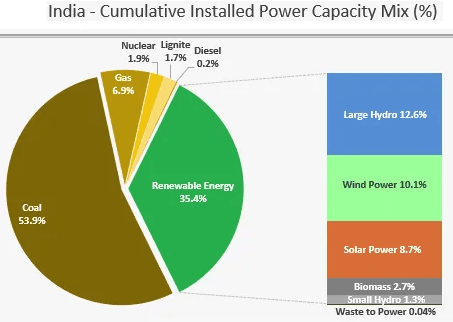
  • Features include green certificates issuance, caps on cross-subsidy, removal of additional surcharge to incentivise RE.
  • GEOA recognises waste-to-energy as green source, broadening eligible generation mix.
  • Uniform RPO simplifies compliance landscape across obligated entities.

Power Sector Metrics

  • Energy projects form 24 % of ₹111 lakh-crore National Infrastructure Pipeline.
  • RDSS aims AT&C loss cut to 12-15 % by 2024-25.
  • Consumption growth FY23 recorded 9.5 %, reflecting rising demand.

Constitutional & Act Anchors

  • Entry 14 empowers treaty implementation; Centre cited COP26 obligations.
  • Entry 38 makes electricity concurrent, enabling both Union and States to legislate.
  • High Court reaffirmed doctrine of separation between policy (government) and regulation (independent commissions).

Key Data Points

FeatureData-Point
Case year & court2024, Karnataka High Court
PetitionersHydropower generators vs Union of India
Central rule struckElectricity (Promoting Renewable Energy Through Green Energy Open Access) Rules 2022
State regulation struckKERC Green Energy Open Access Regulations 2022
Open-access threshold cut to100 kW from 1 MW
Consumer rightDemand green power from discoms
Uniform RPO coversDiscoms, green hydrogen, green ammonia
India total installed capacity442.85 GW (Apr 2024)
AT&C losses FY2315.4 %
Net-zero pledge year2070
Non-fossil capacity target500 GW by 2030
Relevant Act section for open accessSection 42(2)
Central rule-making clause citedSection 176(1)
Union List entry invokedEntry 14 – treaties
Concurrent List entryEntry 38 – electricity
GS-2Polity

3.Digital Personal Data Protection Rules 2025 (Data Protection)

PIB

What & Where

Instrument: Draft Digital Personal Data Protection (DPDP) Rules 2025 under DPDP Act 2023.

Purpose: Operationalise citizens’ digital-data rights while enabling innovation; applicable across India, with controlled cross-border transfers.

Key Actors: Data Fiduciary, Significant Data Fiduciary, Consent Manager, Digital Protection Board of India (DPBI).

Quick Facts for MCQs

Legal & Policy

  • Recognition: Citizens may demand access, correction, erasure, digital nominee appointment.
  • Obligation: Explicit, purpose-limited consent mandatory before processing personal data.
  • Penalty: Act enables steep fines for non-compliance, enforceable via DPBI orders.

Institutional Mechanism

  • DPBI: Online filing, time-bound adjudication, appeals possible to High Court.
  • Consent Manager: Intermediary storing, updating, revoking user consents on fiduciary dashboard.
  • Government power: Notify permissible foreign destinations for data transfer.

Economic Angle

  • Relief: Startups/MSMEs get reduced audits, reporting cycles.
  • Burden: Significant Data Fiduciaries must appoint DPO, independent auditor, annual impact assessment.
  • Innovation push: Rule aims to balance privacy with digital-economy expansion worth $1 trillion target.

Security Dimension

  • Obligation: Fiduciaries must report breaches to DPBI and affected users without undue delay.
  • Data localisation: Sensitive categories to reside on Indian servers for enforcement ease.
  • Remedy: Users can escalate unresolved grievances from fiduciary to DPBI portal.

Key Data Points

FeatureData-Point
Parent statuteDigital Personal Data Protection Act 2023
Draft rules released byMinistry of Electronics & IT
Max data retention3 years after last interaction/effective date
Pre-erasure noticeMinimum 48 hours to data principal
Cross-border flowPermitted to jurisdictions notified by GoI
Significant Data FiduciaryPlatforms with large user base (e.g., Meta, Amazon)
Startup/MSME complianceGraded, lighter obligations
Consent Manager net worth≥ ₹2 crore; must be Indian company
DPBI designDigital-by-design; civil court powers
Historical triggerPuttaswamy 2017 verdict upheld privacy fundamental right

Related UPSC Prelims PYQs

CAPF_GAI 2023PYQ 1

सूचना का अधिकार अधिनियम, 2005 के बारे में निम्नलिखित में से कौन-सा/कौन-से कथन सही है/हैं ?

GS-3Economy

4.Chhattisgarh Green GDP Forest Valuation (Green GDP)

TNIE

What & Where

Green GDP; GDP adjusted for natural-resource depletion and ecosystem degradation to reflect true wealth.

Chhattisgarh; India’s first state (2025) to monetise forest ecosystem within Green GDP accounts.

Formula; Green GDP = NDP − (Cost of Resource Depletion + Cost of Ecosystem Degradation).

Quick Facts for MCQs

Formula & Metrics

  • Components; resource-depletion cost plus ecosystem-degradation cost deducted from NDP.
  • Comparison; GEP Index also values tree species, survival, conservation efforts.
  • SEEA; UN’s standard enables cross-country environmental-economic accounts.

State Significance

  • Livelihoods; tendu leaves, lac, honey, medicinal plants support millions, largely tribal households.
  • Carbon sink; 44 % forest cover absorbs substantial CO₂ aiding climate goals.
  • Culture; sacred groves Sarna, Mandar underpin local spiritual traditions.

Challenges

  • Plantation bias; oil-palm & rubber counted as forest distort ecological health.
  • Data politics; states may inflate plantation cover to access green grants.
  • Grassroots gap; low Panchayat literacy hampers local integration in Green GDP.

Global Examples

  • Bhutan; Gross National Happiness embeds ecological sustainability in governance.
  • EU; Beyond GDP initiative fuses sustainability indicators with economic assessment.
  • World Bank; WAVES programme promotes natural-capital accounting in policy planning.

Key Data Points

FeatureData-Point
First state-Green GDP forestsChhattisgarh, Jan 2025
Forest cover share44.2 % of state area
Forest cover gain (ISFR 2023)683.62 sq km
Green GDP basic formulaNDP − (Depletion + Degradation)
NDP meaningGDP − Depreciation of produced assets
Uttarakhand GEP launch2024; world’s first state GEP Index
Core SDGs served8 • 12 • 13 • 14 • 15
UN frameworkSEEA (System of Environmental-Economic Accounting)

Related UPSC Prelims PYQs

ESE_GS, NDA_GAT 2026PYQ 1

According to Environmental Accounting on forest 2025 report, which state showed the highest rise in Recorded Forest Area (RFA) share?

ESE_GS, NDA_GAT 2022PYQ 2

According to the Forest Survey Report, 2021, area-wise which one of the following States has the largest forest cover in India?

GS-1Infrastructure

5.National River Interlinking Project (River Interlinking)

The Hindu
Illustration for National River Interlinking Project (River Interlinking)

What & Where

Interlinking of Rivers: planned national grid shifting “surplus” river water to deficit basins through canals-reservoirs

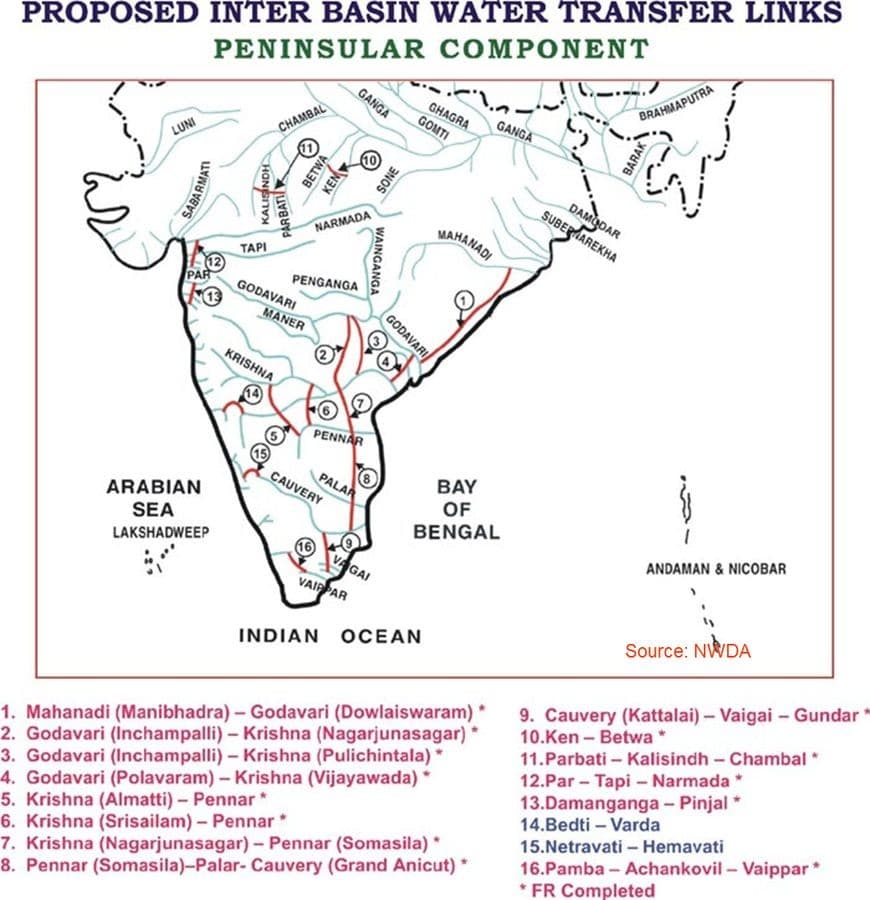
Components: 14 Himalayan links (Ganga-Brahmaputra axis) + 16 Peninsular links (Godavari-Krishna-Cauvery etc)

Flagship Ken–Betwa link: Uttar Pradesh–Madhya Pradesh; foundation stone Dec 2021 for drought-hit Bundelkhand

Quick Facts for MCQs

Historical Evolution

  • Visionaries: Cotton, Visvesvaraya, K.L. Rao, Dastur sequentially expanded river-link idea
  • 1982 creation: NWDA tasked with feasibility studies, detailed project reports
  • Parliamentary nod: 2002 Supreme Court directive accelerated implementation roadmap

Benefits

  • Flood-Drought buffering: diverts excess from Bihar/Assam to arid Deccan, Bundelkhand
  • Agriculture: enlarges irrigated area, stabilises Kharif-Rabi yields, ups food security
  • Navigation & Power: creates contiguous inland waterways, sizable renewable hydropower capacity

Challenges

  • Ecology: submergence risks Panna Tiger Reserve, biodiversity loss, altered sediment to deltas
  • Social: land acquisition, rehabilitation costs, potential displacement millions
  • Federal friction: water-sharing disputes akin to Cauvery, Krishna may intensify

Way Forward

  • Assessment: rigorous multidisciplinary EIA-SIA before each link, climate resilience integration
  • Alternatives: prioritise drip, watershed, rainwater harvesting, desalination for coastal belts
  • Governance: consensus-based inter-state river boards, transparent benefit-sharing accords

Key Data Points

FeatureData-Point
Managing agencyNational Water Development Agency, Min. Jal Shakti
National Perspective Plan year1980
Total inter-basin links30 (14 Himalayan + 16 Peninsular)
Projected cost (2015 est.)₹5.5 lakh crore
Ken–Betwa phases2; Daudhan dam in Phase-I
Expected additional irrigation≈35 million ha (all links combined, NWDA)
Power potential≈34,000 MW hydropower
First conceptualiser in IndiaSir Arthur Cotton, 19th century

Related UPSC Prelims PYQs

GS1, NDA_GAT 2006PYQ 1

Recently Uttar Pradesh and Madhya Pradesh governments signed a Memorandum of Understanding for the linking of two rivers as a link project. Which are these two rivers?

GS1, NDA_GAT 2021PYQ 2

Bharatamala Pariyojana is related to

GS-1Environment

6.Polar Vortex Explained (Polar Vortex)

Indian Express
Illustration for Polar Vortex Explained (Polar Vortex)

What & Where

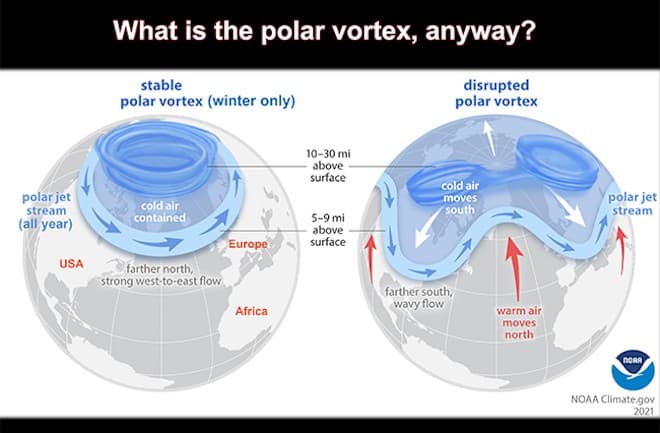
Definition: Large, low-pressure whirl of frigid air over both poles, split into tropospheric (surface–15 km) and stratospheric (15–50 km) cells.

Geography: Normally circular around Arctic/Antarctic, bounded by polar jet stream along 60°–70° N/S.

Key process: Weakening or displacement lets Arctic air spill southward into mid-latitudes.

Quick Facts for MCQs

Atmospheric Dynamics

  • Rotation: Earth’s spin plus temperature gradient drive cyclonic circulation.
  • Stability trigger: Strong temperature contrast tightens circular jet, preventing equator-ward drift.
  • Breakdown cue: Sudden Stratospheric Warming or weakened jet induces vortex splitting or displacement.

Weather Extremes

  • Cold wave: Sharp temperature drops, blizzards, freezing rain over mid-latitudes.
  • Storm formation: Distorted jet fosters low-pressure systems, prolonging adverse weather.
  • Duration: Events can persist days to weeks until vortex recentres.

Socio-Economic Impact

  • Power grid: High demand + line icing cause blackouts, as seen in recent 30-state event.
  • Transport: Road closures, flight cancellations, supply-chain delays raise economic costs.
  • Household burden: Surging heating expenses, health risks for vulnerable populations.

Key Data Points

FeatureData-Point
Core layer namesTropospheric & Stratospheric polar vortex
Altitude spanSurface up to ~50 km
Jet stream roleActs as boundary; stability when strong
Weak vortex outcomeWavy jet; southward cold surges
Recent US impact60 million people, 30 states, power outages
Possible reachAs far south as Florida in extreme events
GS-1Environment

7.Climate Impact on African Easterly Waves (African Easterly Waves)

Down to Earth
Illustration for Climate Impact on African Easterly Waves (African Easterly Waves)

What & Where

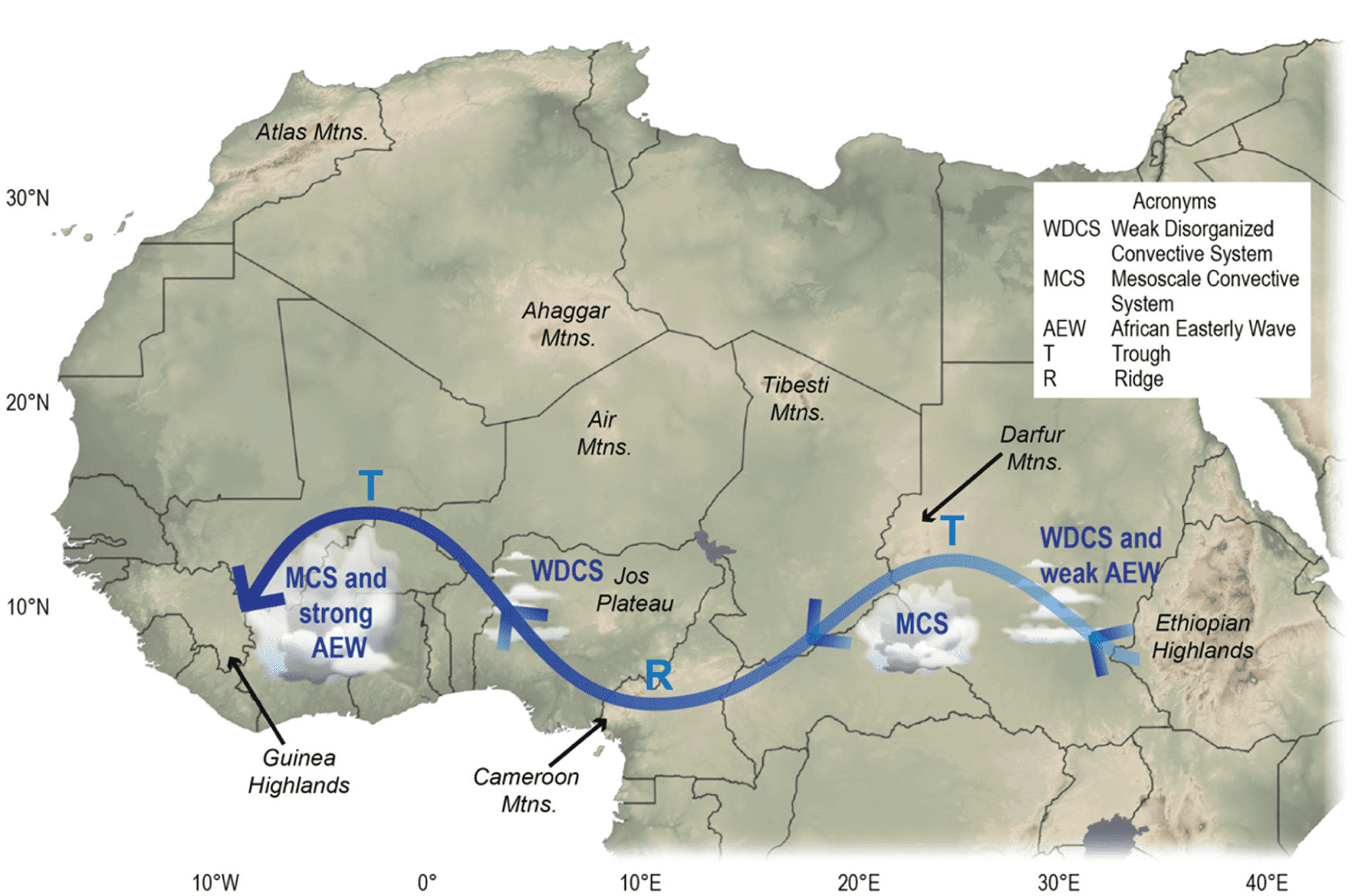
African Easterly Waves: summer east-to-west atmospheric disturbances over northern Africa, precursors to Atlantic hurricanes

Sahel: semi-arid belt Senegal-to-Sudan, transition between Sahara desert and humid savannas south

Intertropical Discontinuity: front where hot dry Saharan air meets cooler moist monsoon flow along Sahel

Quick Facts for MCQs

Climate Science

  • Baroclinicity rise boosts AEW amplitude and frequency
  • Enhanced meridional gradient deepens pressure contrast, energising monsoon inflow
  • Stronger vertical motion near ITD favours AEW genesis

Hydrological Impact

  • Intensified AEWs seed more MCSs over Sahel
  • Study projects higher magnitude and frequency of extreme floods by 2100
  • Increased flooding threatens semi-arid livelihoods and food security

Dust & Cyclones

  • Northern-track AEWs loft Saharan dust westward
  • Dry plume suppresses or postpones Atlantic cyclone formation until warmer waters encountered
  • Dust outbreaks modify Atlantic radiation budget and air quality

Regional Geography

  • Sahel stretches ~5,400 km across 10 nations west–east
  • Landscape of grass, thorny shrubs, sparse trees
  • Climatic buffer between hyper-arid Sahara and humid Guinean savanna

Key Data Points

FeatureData-Point
Projected AEW frequencyExpected rise by late 21st C
Intensification driverHigher baroclinicity from stronger N–S temperature gradient
Gradient zonesGuinea Coast ↔ Sahara Desert
Low-level warming effectReinforces monsoon flow & air convergence
Extreme-rainfall systemMesoscale Convective Systems (MCSs)
Dust transport impactCan delay Atlantic tropical cyclogenesis
Sahel countries (UN)10: BF, CM, GM, GN, ML, MR, NE, NG, SN, TD
Longest river in regionNiger River

Related UPSC Prelims PYQs

GS1 2015PYQ 1

“Each day is more or less the same, the morning is clear and bright with a sea breeze; as the Sun climbs high in the sky, heat mounts up, dark clouds form, then rain comes with thunder and lightning. But rain is soon over.”

GS1 2011PYQ 2

What could be the main reason/reasons for the formation of African and Eurasian desert belt?

GS-1Mapping

8.India's Recalculated Coastline (Indian Coastline)

Times of India

What & Where

Recalculated coastline: total land-sea interface measured along every bay, estuary, inlet, island & promontory.

Covers 9 coastal states + 4 UTs from Gujarat to West Bengal and Andaman-Nicobar.

Provides updated baseline for maritime security, hazard zoning, fisheries, port & coastal zone management.

Quick Facts for MCQs

Measurement Method

  • Shift from straight-line baseline to fractal-style tracing of every coastal feature.
  • Satellite, LiDAR & hydrographic charts integrate for centimetre-level accuracy.
  • Dynamic dataset allows periodic updates as shoreline migrates.

State-wise Highlights

  • Gujarat alone supplies ~28 % of total added length.
  • Bay-rich West Bengal leapfrogs five positions in coastline ranking.
  • UT trend mixed: Puducherry shrinks, Andaman-Nicobar length pending revision.

Institutional Setup

  • Exercise steered by MHA for maritime security synergy post-2016 reforms.
  • Data feeds coastal policing zones, disaster response maps and CRZ re-notification.

Key Data Points

FeatureData-Point
Old length (1970)7,516 km
New length (2023-24)11,098 km
Overall rise47.6 %
Biggest absolute gainGujarat: +1,126 km
Highest % gainWest Bengal: +357 % (157 → 721 km)
Smallest gainKerala: +30 km (5 %)
Only contractionPuducherry: –4.9 km (–10.4 %)
Tamil Nadu now vs Andhra Pradesh1,068 km > 1,053 km
Lead ministryMinistry of Home Affairs
Nodal postNational Maritime Security Coordinator
Technical agenciesNational Hydrographic Office; Survey of India

Related UPSC Prelims PYQs

CDS_GK 2023PYQ 1

Which one of the following Indian States has the longest coastline?

CDS_GK 2021PYQ 2

India's territorial limit extends towards the sea up to

GS-3Environment

9.Flamingo Festival at Pulicat Lake (Migratory Birds)

The Hindu
Illustration for Flamingo Festival at Pulicat Lake (Migratory Birds)

What & Where

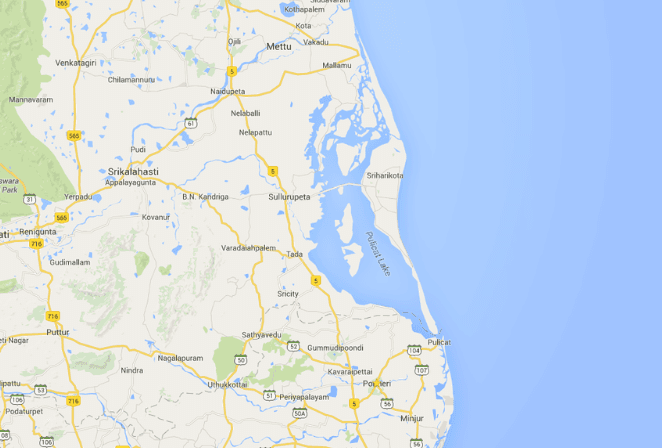
Flamingo Festival – annual celebration of wintering flamingos at Pulicat Lake & Nelapattu Bird Sanctuary on Andhra Pradesh-Tamil Nadu coast

Core venues – Nelapattu Sanctuary, Atakanithippa, BV Palem on Pulicat Lake, Govt Jr College Sullurpet, Sri City industrial township

Geography – Pulicat Lagoon India’s 2nd-largest brackish lake with 96 % area in AP; Nelapattu located 20 km north of lagoon

Quick Facts for MCQs

Ecological Significance

  • Pulicat nourishes flamingos, painted storks, glossy ibises through rich plankton and mudflat ecosystems
  • Colonial bird guano acts as natural fertiliser enhancing nearby paddy and aquaculture fields
  • Festival heightens wetland conservation awareness among coastal communities and students

Economic Angle

  • Lagoon fisheries provide prawns, mullets, crabs supporting several thousand fisher families
  • Festival eco-tourism boosts incomes via boating, birding guides, handicraft kiosks, homestays
  • Increased researcher and photographer footfall benefits transport and hospitality sectors in Sullurpet and Sri City

Event Features

  • Activities include guided bird-watching trails, biodiversity sessions, regulated boating on selected lake stretches
  • Cultural nights, school competitions, artisan stalls spotlight local Telugu-Tamil coastal heritage
  • Coordination led by Andhra Pradesh Forest Department with BNHS, district administration and Sri City management

Key Data Points

FeatureData-Point
Festival hiatusReturns in 2025 after 4 years
Pulicat lake rankSecond-largest brackish waterbody after Chilika
Pulicat share in APAbout 96 %
Nelapattu flagship breederSpot-billed pelican Pelecanus philippensis
Bird species recorded189 at Nelapattu Sanctuary
Dominant habitatsBarringtonia swamp forest; southern dry evergreen scrub
Partner organisationBombay Natural History Society
GS-3Environment

10.Miyawaki Urban Afforestation Technique (Miyawaki Afforestation)

PIB
Illustration for Miyawaki Urban Afforestation Technique (Miyawaki Afforestation)

What & Where

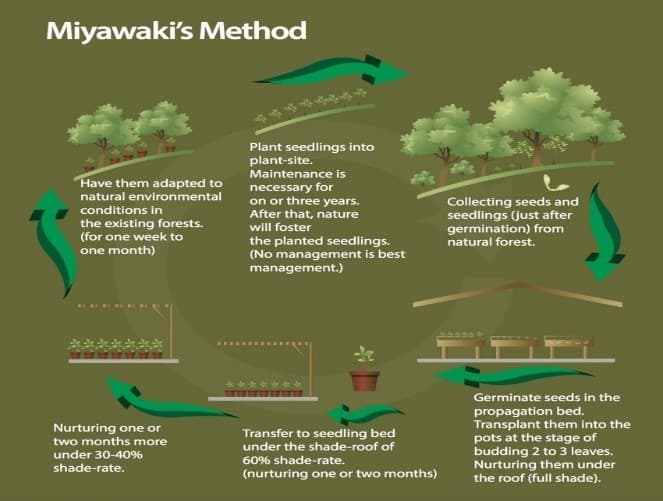
Miyawaki Technique – dense, native‐species plantation method devised by Japanese botanist Akira Miyawaki (1970s).

Prayagraj, Uttar Pradesh: >56,000 m² garbage/barren land converted into mini-forests.

Emulates natural stratified forests to accelerate growth and biodiversity.

Quick Facts for MCQs

Environmental Impact

  • Carbon-sink creation, particulate and gaseous pollution markedly reduced in urban clusters.
  • Soil fertility restored, erosion curtailed; multistrata canopy supports fauna revival.
  • Microclimate moderation, noticeable urban heat-island mitigation.

Urban Rejuvenation

  • Garbage dumps converted to public green lungs, boosting city aesthetics and liveability.
  • Low land requirement enables insertion in traffic islands, school yards, govt premises.
  • Model replicable for Smart Cities, Swachh Bharat and AMRUT missions.

Technique Features

  • Mixed native shrubs, understory, sub-canopy, canopy planted simultaneously for layered growth.
  • No chemical inputs after 3 years; forest becomes self-sustaining.
  • High biodiversity density—approximately 30× more species than monoculture plantations.

Key Data Points

FeatureData-Point
InventorAkira Miyawaki, Japan
Era of development1970s
Plant spacingVery close; 3–5 saplings / m² (dense)
Growth rate≈10 × faster than conventional plantations
Core species choiceOnly locality-specific native species
Urban cooling effectTemperature drop 4–7 °C reported
Carbon impactHigher sequestration owing to rapid biomass build-up
Prayagraj area covered>56,000 m² dumps/barren sites

Related UPSC Prelims PYQs

GS1 2022PYQ 1

The "Miyawaki method" is well known for the :

GS-3Species

11.Gaddi Dog Indigenous Tag (Indigenous Dog Breed)

Times of India
Illustration for Gaddi Dog Indigenous Tag (Indigenous Dog Breed)

What & Where

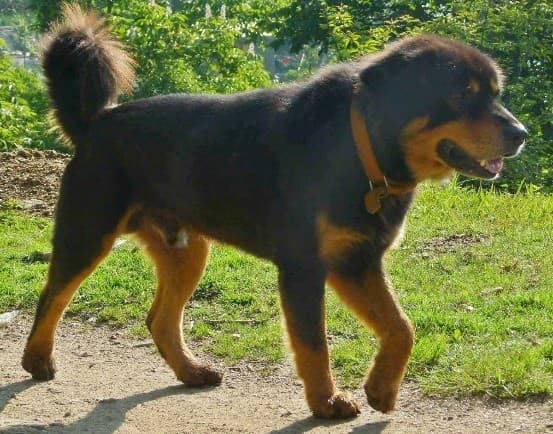
Gaddi dog: Himalayan shepherd breed now granted “indigenous” status by ICAR–NBAGR.

Core range: Pir Panjal mountains; Jammu & Kashmir and Himachal Pradesh pastoral belts.

Joins registry alongside Rajapalayam, Chippiparai and Mudhol Hound indigenous dogs.

Quick Facts for MCQs

Physical Traits

  • Sturdy frame and cold-proof coat enable high-altitude herding.
  • Sharp senses and agility critical for predator deterrence.

Recognition Process

  • NBAGR issues tag after phenotypic & genetic characterization.
  • Indigenous status facilitates conservation funding and breeding programs.

Other Indigenous Breeds

  • Rajapalayam: Tamil Nadu; white coat, pink skin; guardian role.
  • Chippiparai: Tamil Nadu; fawn-to-black shades; agile, alert.
  • Mudhol Hound: Karnataka; slim, fast; valued for speed and loyalty.

Key Data Points

FeatureData-Point
Recognising bodyNBAGR under ICAR
Typical height≈ 28 inches
Typical weight≈ 40 kg
Coat typeThick, weather-resistant double coat
Key skillGuards flocks from wolves, leopards
TemperamentLoyal, protective, intelligent
Main habitatPir Panjal range (J&K, HP)
Other ICAR-listed dogsRajapalayam, Chippiparai, Mudhol Hound
GS-3Scheme

12.Bhashini Multilingual AI Platform (Language AI)

PIB
Illustration for Bhashini Multilingual AI Platform (Language AI)

What & Where

Bhashini; national AI-NLP mission delivering real-time translation across all 22 Scheduled Indian languages

Integrated into e-Shram portal to extend social-security access for unorganised workers in native tongues

India-wide rollout; spearheaded by Ministry of Electronics & IT since 2022

Quick Facts for MCQs

Tech & Schemes

  • AI stack offers open models, data sets, APIs for developers
  • Supports integration in government apps such as Saarthi, e-Shram
  • Mission nurtures ecosystem for continual model updates and benchmarking

Social Welfare Linkage

  • Multilingual e-Shram aids 28+ crore unorganised workers enrollment and grievance filing
  • Language inclusion targets higher social-security scheme uptake, especially among migrants and women

Participation & Data

  • Bhashadaan crowdsources speech, text, image datasets to improve model accuracy
  • Volunteers contribute via micro-tasks on Suno, Likho, Bolo, Dekho India modules

Key Data Points

FeatureData-Point
Launch year2022
Nodal ministryMeitY
Core goalRemove language barriers in digital public services
Coverage languagesAll 22 languages in Eighth Schedule
Key mission tagLocal Language Translation Mission
Crowdsourcing platformBhashadaan (Suno, Likho, Bolo, Dekho India)
Beneficiary segmentsMSMEs, startups, innovators, citizens
Recent use caseMultilingual upgrade of e-Shram portal
Access modesWeb portal and dedicated mobile apps

Related UPSC Prelims PYQs

NDA_GAT 2022PYQ 1

भारत सरकार की प्रमुख टेलीमेडिसिन सेवा ‘ई-संजीवनी’ को हाल ही में किसके साथ एकीकृत किया गया?

GS-3S&T

13.Microsoft–IndiaAI Strategic AI Collaboration (AI Collaboration)

PIB

What & Where

Partnership: IndiaAI (Digital India Corp, MeitY) + Microsoft to expand national AI ecosystem

Core focus: mass skill-building, rural innovation hubs, responsible AI, high-end GPU compute

Geography: Pan-India with emphasis on Tier-2/3 cities and 10 identified states

Quick Facts for MCQs

Tech & Schemes

  • Infrastructure: IndiaAI mission to deploy over 10,000 GPUs for indigenous compute power
  • Responsible-AI: Partnership emphasises ethical standards, data quality, accessibility
  • Public-private model: Combines MeitY oversight with Microsoft tech platforms (Azure, Founders Hub)

Skill Development

  • Training: 5 lakh beneficiaries include coding professionals and grassroots learners
  • Educator upskilling: 20,000 teachers to be AI-ready through Productivity Labs
  • Curriculum: Foundational AI, generative models, cloud deployment skills

Startup & Innovation

  • Founders Hub: 1,000 early-stage AI startups get cloud credits, technical mentors
  • Rural CoEs: Tier-2/3 centres act as incubation and testing grounds for local solutions
  • Catalyst goal: Empower 1 lakh developers as community change-agents

Social Inclusion

  • Gender lens: Dedicated modules for women entrepreneurs to bridge digital divide
  • Regional reach: Labs span 10 diverse states ensuring linguistic and cultural adaptability
  • Citizen sectors: Health, education, agriculture identified for immediate AI application

Key Data Points

FeatureData-Point
Mission housed inDigital India Corporation, MeitY
Private partnerMicrosoft
Training target5 lakh individuals by 2026
Special focus groupsStudents, educators, women entrepreneurs, developers
Centres of ExcellenceTo be opened in Tier-2 & Tier-3 cities
AI innovators targeted1 lakh persons
AI Productivity Labs20 labs in 10 states
Educators to be trained20,000
Students to be trained1 lakh
Startup support quota1,000 AI startups via Founders Hub
Benefits offeredAzure credits + mentorship
Planned GPU pool>10,000 GPUs for compute infrastructure

Related UPSC Prelims PYQs

ESE_GS, GS1 2026PYQ 1

Which Ministry released the India AI Governance Guidelines in 2025?

ESE_GS, GS1 2025PYQ 2

ग्रैण्ड पैलै (Grand Palais) पेरिस में नवम्बर 2025 में आयोजित होने वाले AI शिखर सम्मेलन के सन्दर्भ में, निम्नलिखित कथनों पर विचार कीजिए :

GS-3S&T

14.AnemiaPhone Point-of-Care Diagnostic (Point-of-Care Device)

The Hindu
Illustration for AnemiaPhone Point-of-Care Diagnostic (Point-of-Care Device)

What & Where

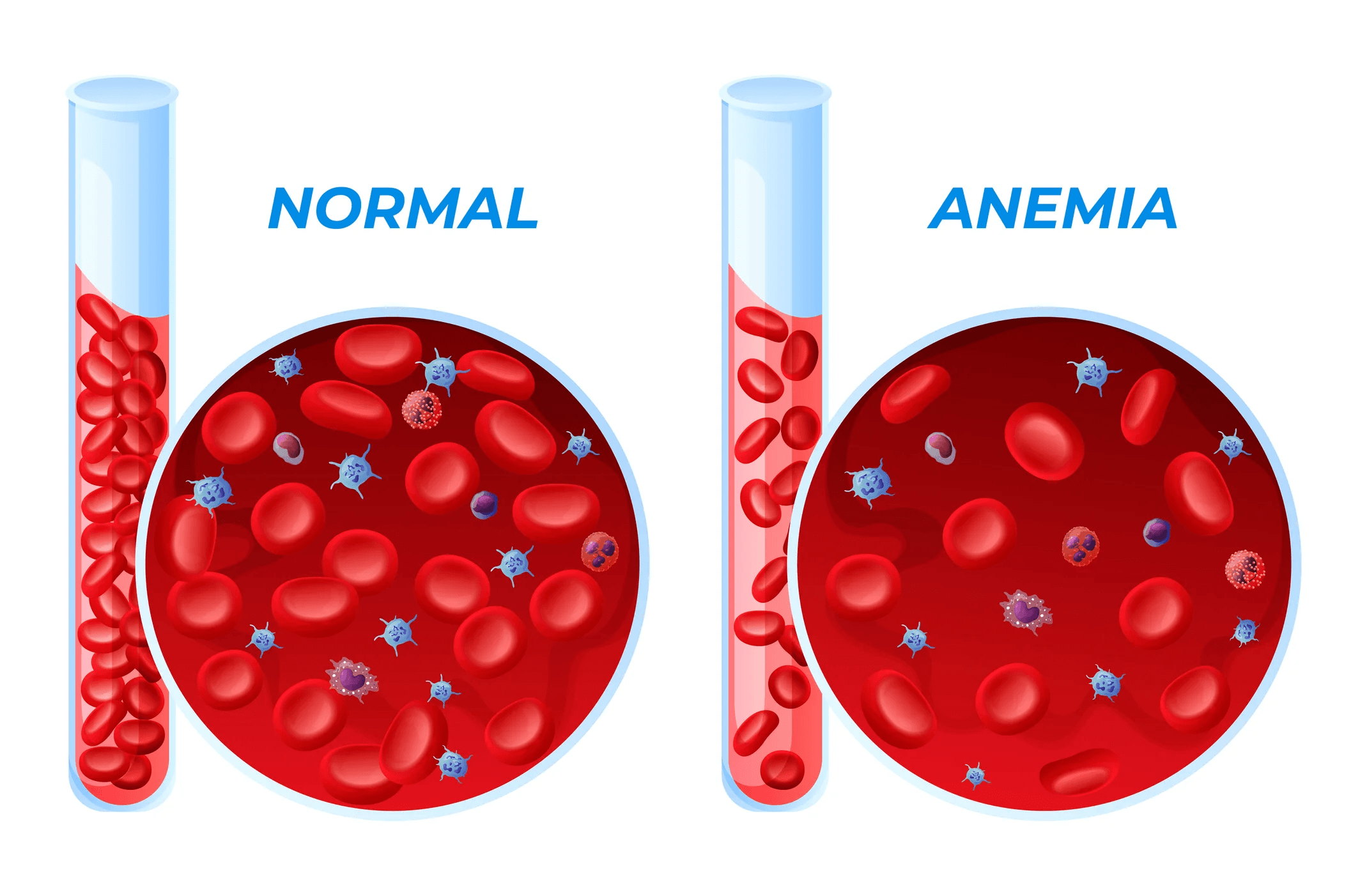
AnemiaPhone – handheld reader plus strip for haemoglobin quantification, built by Cornell University.

Process – finger-prick blood onto strip; reader photometrically analyses; result auto-uploaded to cloud database.

Geography – technology licensed to Indian Council of Medical Research (ICMR) for nationwide anaemia-alleviation drives.

Quick Facts for MCQs

Technology Details

  • Portable reader; no laboratory infrastructure demanded.
  • Photometric analysis gives haemoglobin estimate; low per-test cost.
  • Cloud linkage enables immediate referral or treatment advice.

Implementation & Schemes

  • ICMR to integrate device into Anaemia Mukt Bharat programme screenings.
  • Health workers can remotely log results, aiding real-time monitoring.
  • Potential scale-up across rural sub-centres and anganwadis.

Health Context

  • Anaemia symptoms: fatigue, pallor, dizziness, shortness of breath, palpitations.
  • Etiology categories: iron-deficiency, inherited haemoglobinopathies, acquired nutritional/illness related.
  • Early detection curbs maternal mortality, child stunting, productivity losses.

Key Data Points

FeatureData-Point
Original developerCornell University, USA
Indian partnerIndian Council of Medical Research
Body fluid neededOne drop capillary blood
Main disorder detectedAnaemia (low/defective RBCs)
Result turnaroundFew minutes
Data transferMobile / tablet / computer upload
Intervention stylePoint-of-care screening & guidance
Commonest anaemia causeIron deficiency
GS-3S&TQuick Bite

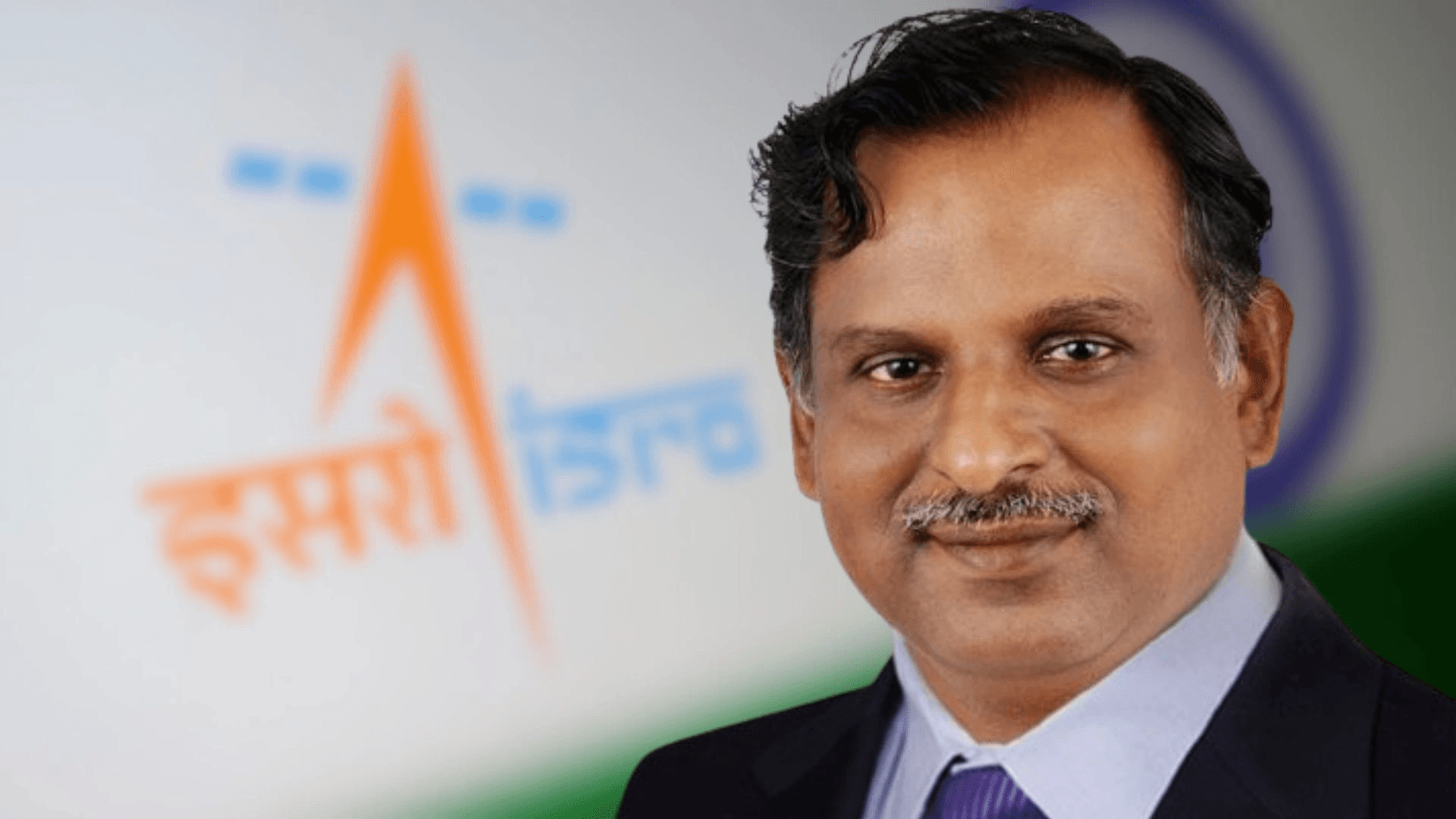
15.V. Narayanan Appointed ISRO Chief (ISRO Leadership)

The Hindu
Illustration for V. Narayanan Appointed ISRO Chief (ISRO Leadership)

What & Where

ISRO – India’s national space agency under Department of Space; HQ Antariksh Bhavan, Bengaluru.

Leadership shift – Dr V. Narayanan to head ISRO & DoS from 14 Jan 2025 for two years.

2025 focus – NVS-02 NavIC satellite, unmanned Gaganyaan with Vyommitra, NASA-ISRO NISAR launch.

Quick Facts for MCQs

Leadership & Governance

  • Narayanan – ex-Director, Liquid Propulsion Systems Centre; specialist in cryogenic, semi-cryogenic engines.
  • Chairman doubles as DoS Secretary; reports to PM-chaired Space Commission.
  • Continuity ensured after Somanath’s Chandrayaan-3, Aditya-L1, XPoSat triumphs.

Upcoming Missions 2025

  • NVS-02 to strengthen NavIC; features indigenous rubidium atomic clock, L1 & L5 bands.
  • NISAR synthetic-aperture radar to monitor land, ice dynamics; joint NASA-ISRO payload.
  • Unmanned Gaganyaan to trial crew module, life-support with Vyommitra before human flight.

Institutional Evolution

  • INCOSPAR (1962) under Vikram Sarabhai morphed into ISRO (1969) for developmental space tech.
  • 1972 establishment of Space Commission and DoS placed ISRO under direct government control.
  • National Space Policy 2023 and IN-SPACe opened satellite launches, data services to private sector.

Key Data Points

FeatureData-Point
Chairman-designateDr V. Narayanan
Takes charge14 Jan 2025
Tenure2 years
PredecessorDr S. Somanath
ISRO founding date15 Aug 1969
Precursor bodyINCOSPAR (1962)
Governing bodies (1972-)Space Commission & DoS
Agency HQAntariksh Bhavan, Bengaluru
2025 NavIC launchNVS-02
Gaganyaan test occupantVyommitra humanoid
Indo-US Earth-obs missionNISAR – March 2025 target
Recent tech demosSSLV, RLV-LEX, Gaganyaan abort
Key policy by SomanathNational Space Policy 2023
Private interface bodyIN-SPACe

Related UPSC Prelims PYQs

CAPF_GAI, NDA_GAT 2022PYQ 1

Who among the following is appointed as the tenth Chairman of the Indian Space Research Organization (ISRO) recently?

CAPF_GAI, NDA_GAT 2023PYQ 2

NISAR satellite is manufactured jointly by Indian Space Research Organisation and:

GS-2MiscQuick Bite

16.WTO 30th Anniversary (World Trade Organization)

VoV
Illustration for WTO 30th Anniversary (World Trade Organization)

What & Where

WTO: treaty-based body framing and policing multilateral rules for trade in goods, services & intellectual property

Born via Marrakesh Agreement (1994) after Uruguay Round; operational since 1 Jan 1995, replacing GATT (1948)

Headquarters at Geneva, Switzerland; 166 member-states cover ≈98 % of world trade

Quick Facts for MCQs

Legal & Policy

  • TRIMS bans local-content or similar discriminatory investment measures
  • TRIPS sets minimum global standards for patents, copyright, trademarks; disputes settled under WTO panel
  • AoA disciplines domestic support, export subsidies; pushes market access commitments

Institutional Structure

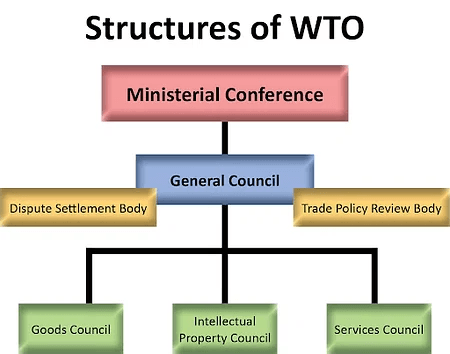
  • Ministerial Conference meets ~every two years; top decision authority
  • Dispute Settlement Body adopts panel/Appellate Body reports; can authorise retaliation
  • WTO operates on consensus, single-undertaking principle

Historical Timeline

  • 1948 GATT provisional; governed tariff-cutting rounds till 1994
  • 1986-94 Uruguay Round expanded agenda to services, IPR, agriculture
  • 2025 marks three decades of WTO existence amid rising protectionism

Economic Angle

  • Multilateral rules credited with tariff decline, trade volume boom post-1995
  • Current critiques: dispute paralysis, special-and-differential treatment debates
  • Deglobalisation trends challenge rule-based trading order

Key Data Points

FeatureData-Point
Birthday1 Jan 1995 (30ᵗʰ year in 2025)
Legal basisMarrakesh Agreement, 15 Apr 1994
Negotiation roundUruguay Round, 1986-94
PredecessorGATT, limited to goods
Present coverageGoods, Services, IPR
Membership166 countries
Share in global trade~98 %
HeadquartersGeneva, Switzerland
Apex bodyMinisterial Conference
Dispute forumDispute Settlement Body
Key goods pactAgreement on Agriculture (AoA)
Key services pactGATS
IPR regimeTRIPS
Investment rulesTRIMS
Safety normsSPS Agreement

Related UPSC Prelims PYQs

GS1 2001PYQ 1

The earlier name of WTO was

GS1 1997PYQ 2

One of the important agreements reached in the 1996 Ministerial Conference of WTO relates to

GS-2MiscQuick Bite

17.Indonesia Joins BRICS Bloc (BRICS Expansion)

Indian Express
Illustration for Indonesia Joins BRICS Bloc (BRICS Expansion)

What & Where

BRICS; informal intergovernmental bloc of emerging economies shaping alternative global economic governance.

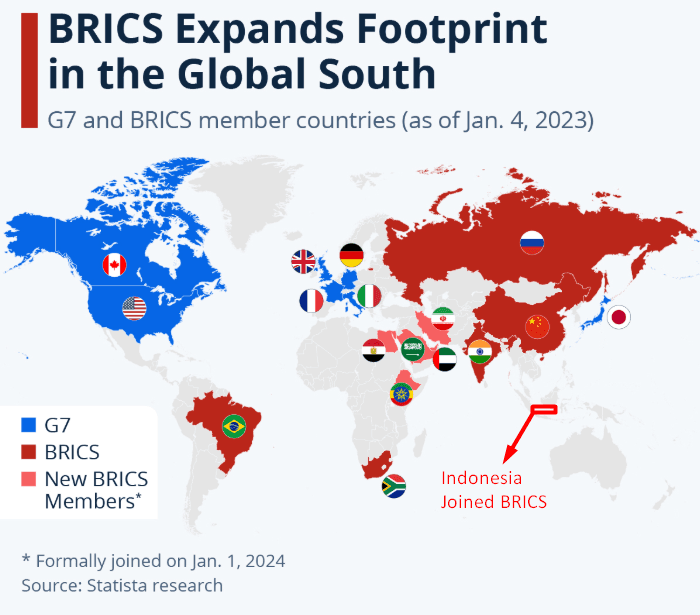
Spread across Asia, Africa, South America, Middle East; reaches 10 members with Indonesia (Jan 2025).

First BRIC summit hosted in Yekaterinburg, Russia, 2009.

Quick Facts for MCQs

Membership Timeline

  • 2010; South Africa joins, converting BRIC to BRICS.
  • 2024; Iran, UAE, Egypt, Ethiopia admitted; Argentina opts out.
  • 2025; Indonesia becomes 10th member; Saudi Arabia still pending.

Economic Angle

  • Bloc targets reduced US-dollar reliance via local-currency settlement and non-dollar trade.
  • Pre-Indonesia GDP share 35 %, population share 46 %; rising with enlargement.
  • Seeks to reshape global trade-finance architecture favouring emerging-economy interests.

Global Governance

  • Positions itself as counterweight to G7, amplifying Global South bargaining power.
  • Presses for equitable reforms in IMF and UN decision-making.
  • Wider membership enhances influence in multilateral negotiations.

Key Data Points

FeatureData-Point
Acronym expansionBrazil, Russia, India, China, South Africa
Total members (Jan 2025)10
Latest entrantIndonesia
Entry effectiveJanuary 2025
2024 entrantsIran, UAE, Egypt, Ethiopia
Membership declinedArgentina (2024)
Yet to formaliseSaudi Arabia
Global GDP share*35 %*
World population share*46 %*
First summit year2009
First summit venueYekaterinburg, Russia

Related UPSC Prelims PYQs

CDS_GK, GS1 2025PYQ 1

Consider the following statements with regard to BRICS:

CDS_GK, GS1 2024PYQ 2

BRICS देशों की UNDP द्वारा जारी मानव विकास रिपोर्ट, 2023-24 में उनकी रैंक के आरोही क्रम में व्यवस्थित कीजिए:

GS-2Scheme

18.Public Distribution System Challenges (Public Distribution)

The Hindu

What & Where

Public Distribution System: nationwide network supplying subsidised rice, wheat, sugar via 5.4 lakh Fair Price Shops.

Central role: FCI procures-stores grain; States lift, transport, and retail to card-holders.

Legal anchor: National Food Security Act 2013 mandates grain to 75 % rural, 50 % urban population.

Quick Facts for MCQs

Operational Structure

  • Procurement-storage: MSP purchase by FCI; grains moved to state depots.
  • Distribution tier: States supply FPS; dealers earn fixed margin, monitored by PoS.
  • Cost sharing: Centre bears food subsidy; States handle intra-state logistics.

Key Challenges

  • Exclusion: Aadhaar errors & document overload bar genuine poor from card enrolment.
  • Corruption: FPS under-weigh, issue poor-quality rice; 28 % diversion flagged.
  • Nutrition gap: Basket largely rice-wheat, omits pulses, millets, fortified items.

Tech & Schemes

  • Digitisation: end-to-end computerisation, online stock registers, GPS truck tracking.
  • PoS rollout: 90 % FPS linked; biometric fails in low connectivity, raising denial risk.
  • DBT pilots: cash transfer for subsidy tested in Chandigarh, Puducherry to curb leakages.

Key Data Points

FeatureData-Point
Total beneficiaries (NFSA)≈ 80 crore persons
Fair Price Shops5.4 lakh
Ration cards deleted post-digitisation5.8 crore
Grain leakage estimate28 % of allotment
COVID relief schemePM-Garib Kalyan Anna Yojana
Key judgment on Right to FoodPUCL vs UOI, 2001
Marginalised group citedMusahars, Bihar
Aadhaar tools usede-KYC & PoS authentication

Related UPSC Prelims PYQs

CDS_GK, GS1 2023PYQ 1

Consider the following statements about the Public Distribution System :

CDS_GK, GS1 2004PYQ 2

Which one of the following statements is NOT correct?

GS-1Scheme

19.Manual Scavenging Eradication Efforts (Manual Scavenging)

PIB

What & Where

Definition Manual scavenging involves physical removal of human excreta from insanitary latrines, drains, septic tanks, rail tracks

Process Hand tools like buckets, brooms, baskets used; direct human contact without protective gear

Spread Nationwide; 732 of 766 districts self-declared free by July 2024

Quick Facts for MCQs

Legal & Policy

  • Legislation MS Act 2013 bans insanitary latrines, mandates demolition or conversion, provides rehabilitation and skill training
  • Legislation PoA Act 1989 criminalises employment of SCs in manual scavenging, enabling penal action
  • Proposal OSH Code 2020 aims to list sanitation work as hazardous occupation, tightening safety norms

Health & Safety

  • Diseases Hepatitis, tetanus, cholera common due to constant pathogen exposure; hydrogen sulphide asphyxiation fatal
  • Protection Absence of gear raises morbidity; periodic health screenings across ULBs recommended
  • Response ERSU units planned for trained, equipped teams handling sewer accidents

Supreme Court Directives 2023

  • Roadmap Phased mechanisation ordered to eliminate human sewer entry nationwide
  • Compensation ₹30 lakh death, ₹10-20 lakh disability; dependent education, kin employment mandated
  • Oversight Online portal with NALSA supervision to track fatalities, payouts, rehabilitation

Tech & Schemes

  • Robots Bandicoot, Endobot, Robo-Drain enable remote inspection and cleaning of pipelines
  • Equipment Vacuum trucks, automated pumps remove sludge without human entry, mechanisation subsidised under NAMASTE
  • Initiatives Safaimitra Challenge, RPL, Swachhta Udyami Yojana enhance skilling, dignity, credit access

Key Data Points

FeatureData-Point
Recorded manual scavengers (2021)58,098
Women proportion≈75 %
Districts free status (31 Jul 2024)732 / 766
Deaths during sewer cleaning 2019-23377
Core rights violatedArticle 17, Article 21
Prohibiting ActMS Act 2013
SC ex-gratia for death₹30 lakh
Scheme acronym NAMASTENational Action for Mechanised Sanitation Ecosystem

Related UPSC Prelims PYQs

GS1 2016PYQ 1

'Rashtriya Garima Abhiyaan' is a national campaign to

GS-1MiscQuick Bite

20.UDISE Plus 2023-24 Findings (School Enrolment)

Indian Express

What & Where

UDISE+ – Unified District Information System for Education; annual pan-India school data audit by Ministry of Education

Tracks enrolment, teachers, infrastructure in 14.72 lakh government & private schools across all States/UTs

2022-24 rounds, using Aadhaar-tagged records, reveal first multi-year fall in total enrolment

Quick Facts for MCQs

Statistical Trends

  • Enrolment; slide of 1.55 crore students versus 2018-22 mean to 24.8 crore
  • Government schools; 5.59 % drop exceeds private 3.67 % contraction

State-wise Picture

  • Bihar; highest loss 35.65 lakh students
  • Uttar Pradesh; second 28.26 lakh, Maharashtra third 18.55 lakh

Gender & Level

  • Boys; enrolment down 6.04 %, girls 5.76 % against baseline
  • Pre-primary and higher secondary; only levels showing uptick in 2023-24

Data Methodology

  • Aadhaar seeding; removed duplicate entries across school types, boosting accuracy
  • UDISE+; online MIS operational since 2018-19, feeds NEP monitoring and policy design

Key Data Points

FeatureData-Point
Enrolment 2018-22 average26.36 crore
Enrolment 2022-2325.17 crore
Enrolment 2023-2424.80 crore
Net decline vs average1.55 crore
Government school fall5.59 %
Private school fall3.67 %
Boys’ decline6.04 %
Girls’ decline5.76 %
Bihar enrolment loss35.65 lakh
Uttar Pradesh loss28.26 lakh
Maharashtra loss18.55 lakh
Pre-primary trend 2023-24Enrolment increased
Higher secondary trendEnrolment increased
Schools covered by UDISE+14.72 lakh
Teachers mapped98.08 lakh
Children mapped 2023-2424.8 crore

Ready to practice?

Test your knowledge with our UPSC test series.

Start Free Trial