
Which one of the following is an example of endothermic reaction?
- (a)CaO(s) + H2O(l) → Ca(OH)2(aq)
- (b)CaCO3(s) → CaO(s) + CO2(g)
- (c)C(s) + O2(g) → CO2(g)
- (d)CH4(g) + 2O2(g) → CO2(g) + 2H2O(l)
Correct — B, CaCO3(s) → CaO(s) + CO2(g). This is the calcination of limestone, and it happens only because heat is being supplied — a lime kiln has to be held above about 900 °C for the carbonate to break apart into quicklime and carbon dioxide. Energy is absorbed to break the bonds, so the reaction is endothermic. The giveaway in the equation itself is that a single reactant becomes two products, which is a decomposition, and thermal decompositions absorb heat almost by definition.
- (a)CaO(s) + H2O(l) → Ca(OH)2(aq) — Slaking quicklime with water is strongly exothermic. The vessel becomes hot enough to hiss, which is a standard classroom demonstration of heat released rather than absorbed.
- (c)C(s) + O2(g) → CO2(g) — Burning carbon in oxygen is combustion, the archetypal exothermic reaction. It is how charcoal and coal give up their energy.
- (d)CH4(g) + 2O2(g) → CO2(g) + 2H2O(l) — The combustion of methane heats every gas stove in the country. Combustion always releases heat, never absorbs it.
A reaction is endothermic when the products hold more energy than the reactants, so heat must be supplied from outside and the surroundings cool. It is exothermic when the products hold less, and the surplus escapes as heat. Combination reactions and combustions are usually exothermic; thermal decompositions, photosynthesis and the dissolving of ammonium salts in water are the standard endothermic examples.
Three of the four equations are things that are done to release energy — slaking lime, burning charcoal, burning gas. Only one has to be forced. A candidate who scans for the shape of the equation rather than its chemistry gets there just as fast: A → B + C, one reactant becoming two, means decomposition, and the decomposition on this list needs a kiln.
- An endothermic reaction absorbs heat; an exothermic one releases it.
- Calcination of limestone, CaCO3 → CaO + CO2, needs temperatures above about 900 °C.
- Quicklime is CaO and slaked lime is Ca(OH)2; slaking is exothermic.
- Combustion reactions are exothermic without exception.
- Photosynthesis is the best-known endothermic process in nature, taking in light energy to build glucose.
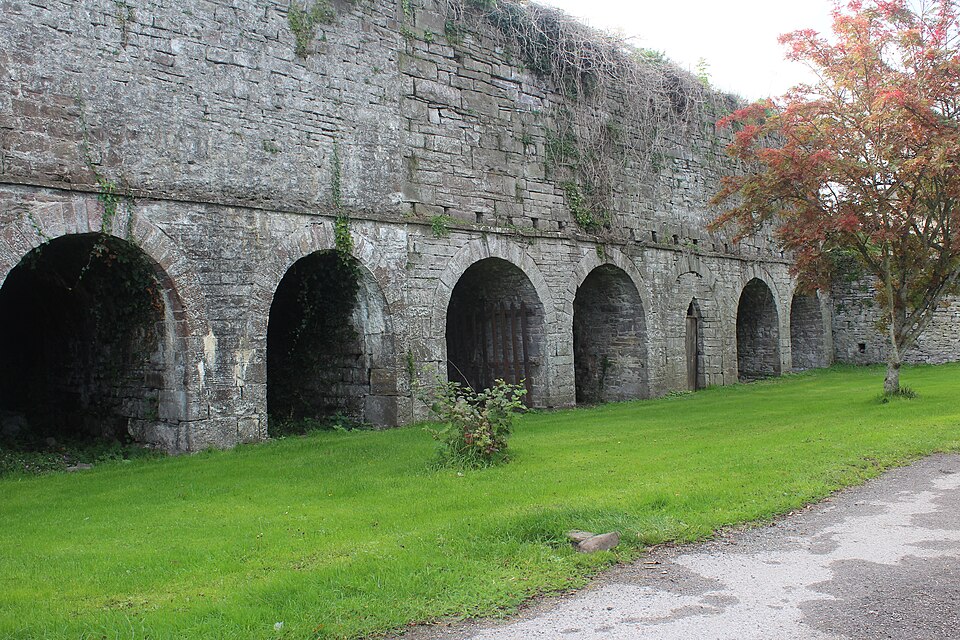
- Assuming that any reaction involving heat in the question is exothermic.
- Confusing quicklime with slaked lime and so misreading the first option.
- Overlooking that the shape of the equation, one reactant to two products, already signals decomposition.
A single-equation identification item; the sibling papers ask the same energy classification through the slaking of lime and through the thermite reaction.
Reaction of quick lime (CaO) with water to produce slaked lime (Ca(OH)₂) is an example of
- (a) Displacement reaction.
- (b) Endothermic reaction.
- (c) Decomposition reaction.
- (d) Exothermic reaction.
Answer(d) Exothermic reaction.
Settles option (a) of this item on energy grounds: slaking gives out heat, so it cannot be the endothermic reaction being asked for.
Calcium oxide reacts with water to produce slaked lime. It is an example of
- (a) combination reaction
- (b) decomposition reaction
- (c) oxidation reaction
- (d) addition reaction
Answer(a) combination reaction
Classifies the very first option printed here. Slaking is a combination, the reverse in type of the decomposition that answers this question.
- practice — not a real PYQ
Which one of the following processes is endothermic?
- (a)Respiration in cells
- (b)Photosynthesis in green leaves
- (c)Burning of natural gas
- (d)Rusting of iron
Answer(b) Photosynthesis in green leaves — light energy is absorbed and stored as chemical energy in glucose.
- practice — not a real PYQ
Heating lead nitrate crystals in a test tube produces brown fumes. This is an example of
- (a)a combination reaction
- (b)a thermal decomposition reaction
- (c)a displacement reaction
- (d)a neutralisation reaction
Answer(b) a thermal decomposition reaction — one compound breaks into simpler products on heating.