
Consider the following statements : 1. Geothermal energy can be used to produce electricity or its hot water can be used directly for industry, agriculture, bathing and cleaning. 2. Nuclear energy is often cheaper than some other sources of electricity. 3. Thermal power stations burn fossil fuels to create steam to drive the turbines. Which of the statements given above is/are correct ?
- (a)1 only
- (b)1, 2 and 3
- (c)1 and 3 only
- (d)2 and 3 only
Correct — C, 1 and 3 only. Statement 1 describes geothermal energy accurately in both its forms: high-enthalpy fields can raise steam to spin a turbine, and lower-temperature hot water is used directly for space heating, greenhouses, aquaculture, industrial processes and bathing. Statement 3 is the definition of a thermal power station — coal, oil or gas is burned to boil water, the steam drives a turbine and the turbine turns a generator. Statement 2 is the one the Commission rejected. Nuclear electricity is not a cheap source in the sense the sentence implies; almost all of its cost sits in construction, financing, safety engineering, waste handling and eventual decommissioning rather than in fuel, and new reactors are notorious for running years late and far over budget.
- (a)1 only — Drops statement 3, which is simply the textbook description of how a thermal power station works.
- (b)1, 2 and 3 — Includes statement 2, the cost claim about nuclear power that the key treats as incorrect.
- (d)2 and 3 only — Keeps statement 2 and abandons statement 1, although the description of geothermal energy in statement 1 is accurate in every particular.
Three ways of raising electricity are being contrasted. Geothermal power draws on heat already in the Earth's crust, so it needs no fuel and can also be used directly as heat. Thermal power burns a fossil fuel to make steam. Nuclear power uses the heat of fission to make steam — the same turbine cycle as a thermal station, with a reactor where the boiler would be. The difference between them is not the turbine; it is where the heat comes from and what it costs to build the plant that supplies it.
Statement 2 is the only one worth arguing about, and it is worth being honest that the argument exists. Once a reactor is paid for and running, the cost of each additional unit it generates is genuinely low, and some published comparisons put nuclear below imported coal or gas. What the exam is testing is the school-textbook position, which stresses the enormous capital cost, the long construction times and the expense of decommissioning and waste management, and therefore treats nuclear as an expensive rather than a cheap source. The key follows that reading. In India the practical comparison is starker still, because solar tariffs discovered at auction since 2020 have been near the low end of anything else on offer, while nuclear capacity has grown slowly.
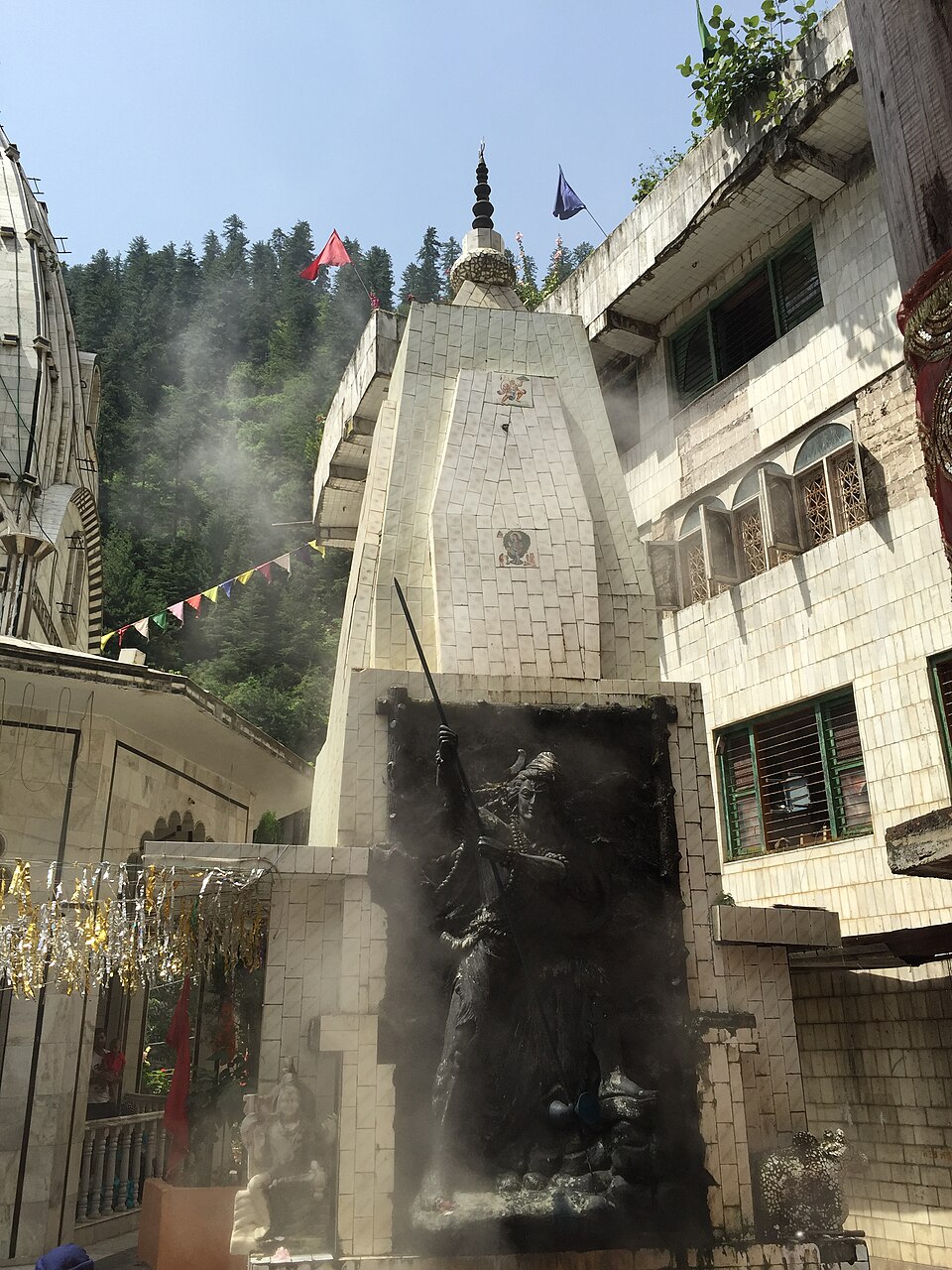
- Geothermal energy can be converted to electricity in high-temperature fields or used directly as heat at lower temperatures; India's best-known geothermal areas are Puga in Ladakh and Manikaran in Himachal Pradesh.
- A thermal power station burns coal, oil or gas to raise steam that drives a turbo-generator; a nuclear station uses the identical steam cycle with fission heat replacing the furnace.
- The cost of nuclear electricity is dominated by construction, financing, safety systems, waste management and decommissioning rather than by fuel.
- Coal-fired stations supply the bulk of India's electricity; nuclear supplies a small single-digit share of it.
- India's nuclear programme is a three-stage plan — pressurised heavy water reactors, then fast breeder reactors, then thorium-based reactors — designed around the country's large thorium and modest uranium reserves.
- Reading a cost claim as a factual statement when it depends on which costs are counted.
- Assuming nuclear stations work on some principle other than steam and a turbine; they do not.
- Confusing geothermal energy with solar thermal energy — one takes heat out of the ground, the other out of sunlight.
As a three-statement item in which two statements are textbook definitions and the third is an economic judgement, which is where the discrimination lies.
Consider the following statements and identify the correct answer using the code given below : 1. In a thermal power station, fuels such as oil, coal or natural gas are used to generate electricity. 2. Fuels are burned to heat water and turn it into steam, which goes through a turbine, which spins and turns, generating electricity. Code:
- (a) Statement 1 is correct but statement 2 is not correct
- (b) Statement 2 is correct but statement 1 is not correct
- (c) Both the statements are correct and statement 2 explains statement 1
- (d) Both the statements are correct but statement 2 does not explain statement 1
Answer(c) Both the statements are correct and statement 2 explains statement 1
The thermal-station half of this question, expanded into a full item. It spells out the mechanism that statement 3 here compresses into a single line, and confirms that burning fuel to raise steam is the whole of what a thermal station does.
Manikaran in Himachal Pradesh is known for :
- (a) Solar energy.
- (b) Geothermal energy.
- (c) Bioenergy.
- (d) Wind energy.
Answer(b) Geothermal energy.
Where the geothermal half of this item touches India. Manikaran is the field most often named when the syllabus asks for an Indian example of the resource described in statement 1.
- practice — not a real PYQ
In a nuclear power station, the heat released by fission is used to
- (a)generate electricity directly without a turbine
- (b)raise steam that drives a turbine coupled to a generator
- (c)split water into hydrogen and oxygen
- (d)compress air for a gas turbine
Answer(b) raise steam that drives a turbine coupled to a generator — the same cycle as a coal-fired station, with a reactor instead of a boiler.
- practice — not a real PYQ
Puga valley, associated with geothermal energy prospects in India, lies in
- (a)Ladakh
- (b)Sikkim
- (c)Kerala
- (d)Chhattisgarh
Answer(a) Ladakh — the Puga field is India's most studied high-enthalpy geothermal prospect.