
The National Council of Science Museums (NCSM), which is developing Science Centres/Museums/Innovation Hubs in India, works under
- (a)the Ministry of Science and Technology
- (b)the Ministry of Culture
- (c)the Ministry of Education
- (d)the Ministry of Earth Sciences
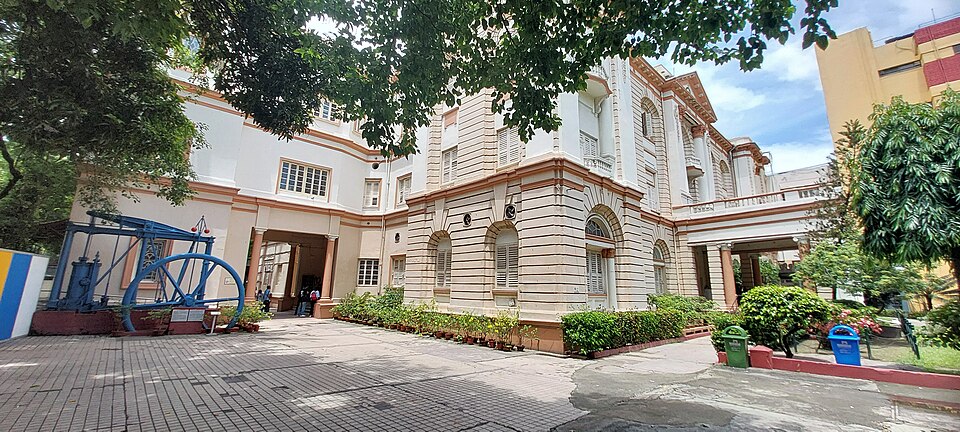
Correct — B, the Ministry of Culture. The National Council of Science Museums is an autonomous organisation under the Ministry of Culture, with its headquarters at Kolkata. It was set up in 1978 and runs the national network of science centres and museums — among them the Birla Industrial and Technological Museum at Kolkata, the Visvesvaraya Industrial and Technological Museum at Bengaluru, the Nehru Science Centre at Mumbai and the National Science Centre at Delhi — and it develops the innovation hubs and mobile science exhibitions that take the same work to smaller towns. Its subject is science, but its function is museums and public communication, which is why it sits with culture rather than with a science ministry.
- (a)the Ministry of Science and Technology — That ministry runs research and development through the Department of Science and Technology, the Department of Biotechnology and the Council of Scientific and Industrial Research. Museum administration is not among its charges, though it does support science communication through Vigyan Prasar.
- (c)the Ministry of Education — The Ministry of Education runs schools, higher education and the National Council of Educational Research and Training. Science centres work with schools but are not administered by it.
- (d)the Ministry of Earth Sciences — The Ministry of Earth Sciences covers meteorology, oceanography and seismology through bodies such as the India Meteorological Department and the National Centre for Polar and Ocean Research.
The Ministry of Culture administers the country's museum and heritage institutions, and the science museums sit inside that family alongside the National Museum, the Indian Museum at Kolkata, the National Gallery of Modern Art, the Archaeological Survey of India, the Anthropological Survey of India and the national libraries and archives. The logic is that a museum is a cultural institution whatever its subject, since its work is collection, display and public interpretation rather than research.
Questions that pair an institution with a ministry are decided by function rather than by subject, and this one is a clean example. The word science in the name pulls towards the Ministry of Science and Technology, and the outreach to schoolchildren pulls towards Education, but the institution is a museums council. The same reasoning explains why the Archaeological Survey of India sits with Culture rather than with a ministry of history or tourism.
- The National Council of Science Museums is an autonomous body under the Ministry of Culture.
- It was established in 1978 and is headquartered at Kolkata.
- It runs science centres and museums across the country, including the Nehru Science Centre at Mumbai and the National Science Centre at Delhi.
- It develops innovation hubs and mobile science exhibitions for smaller towns.
- The Archaeological Survey of India and the National Museum are also under the Ministry of Culture.
- Placing an institution by the subject in its name rather than by its function.
- Assuming every science-related body belongs to the Ministry of Science and Technology.
- Confusing the science museums council with the educational research council.
An institution-to-ministry pairing where the name of the institution points at the wrong answer.
No directly related past PYQ was found.
- practice — not a real PYQ
The Archaeological Survey of India functions under which ministry?
- (a)Ministry of Tourism
- (b)Ministry of Culture
- (c)Ministry of Education
- (d)Ministry of Home Affairs
Answer(b) Ministry of Culture — as do the National Museum and the science museums council.
- practice — not a real PYQ
The National Council of Science Museums is headquartered at
- (a)New Delhi
- (b)Mumbai
- (c)Kolkata
- (d)Bengaluru
Answer(c) Kolkata — where the Birla Industrial and Technological Museum, its earliest unit, also stands.