
‘Operation Flood’ is also popularly known as
- (a)the Green Revolution
- (b)the White Revolution
- (c)the Blue Revolution
- (d)the Yellow Revolution
Correct — B, the White Revolution. Operation Flood is the dairy programme the National Dairy Development Board launched in 1970, and the colour attached to milk is white. It took the Anand pattern of Gujarat — village cooperatives owning their own processing and marketing chain — and built it across the country, linking rural milk sheds to city markets through what the programme called the National Milk Grid. India is today the world's largest producer of milk, and the transformation from a milk-deficit country to that position is what the phrase White Revolution names.
- (a)the Green Revolution — Green stands for foodgrains — the high-yielding wheat and rice varieties introduced from the mid-1960s, associated with Norman Borlaug and M. S. Swaminathan.
- (c)the Blue Revolution — Blue is fisheries and aquaculture, a different sector with its own programmes.
- (d)the Yellow Revolution — Yellow is oilseeds, associated with the Technology Mission on Oilseeds set up in 1986.
Operation Flood worked because it fixed the market, not just the cow. A dairy farmer with two animals had no way to reach a distant city, so the surplus went to a middleman at whatever price was offered. The cooperative structure gave that farmer a share of the processing and the selling, and the milk grid moved the product to where it could be sold.
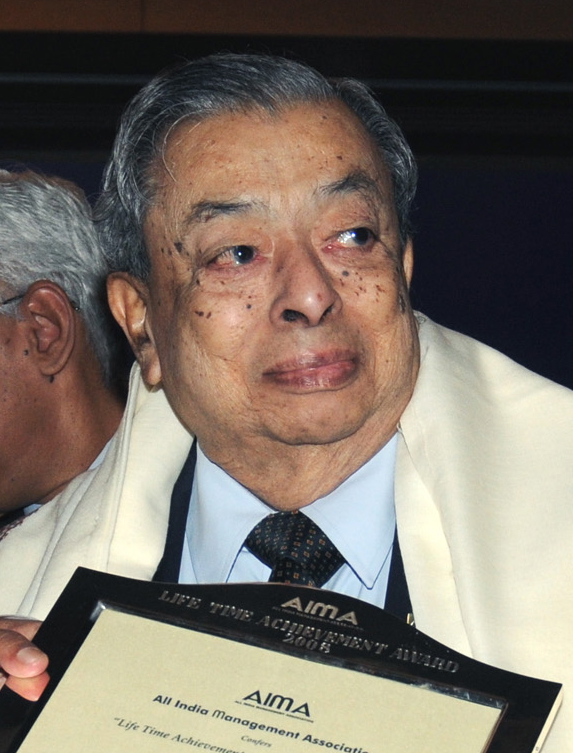
Verghese Kurien, who had built the Kaira district cooperative at Anand behind the Amul brand, led the National Dairy Development Board through the programme, which ran in three phases from 1970 to 1996. Treat the colour list with some care: white for milk, green for foodgrains, blue for fisheries and yellow for oilseeds are settled, but the fainter colours differ between compilations, so learn the four that examiners actually use.
- Operation Flood was launched in 1970 by the National Dairy Development Board and ran in three phases to 1996.
- The National Dairy Development Board was set up at Anand in 1965.
- The Anand pattern is a three-tier cooperative: village societies, a district union, a state federation.
- Verghese Kurien led the programme and is called the architect of the White Revolution.
- India is now the world's largest milk producer.
- Reading 'flood' as an irrigation or water programme.
- Trusting the longer colour lists, where the same colour is given different sectors by different books.
A colour-to-sector pairing, or a person-to-programme match with Kurien, Swaminathan and Sam Pitroda.
In which of the following states high yielding varieties of food grains were introduced as part of the first phase of Green Revolution (1966-72)? 1. Andhra Pradesh 2. Tamil Nadu 3. Punjab 4. Haryana Select the correct answer using the code given below:
- (a) 1, 2 and 3
- (b) 2, 3 and 4
- (c) 1 and 2 only
- (d) 3 and 4 only
Answer(d) 3 and 4 only
The colour that heads the wrong option here, tested on its own: which states took the high-yielding varieties in the first phase from 1966 to 1972.
- practice — not a real PYQ
Operation Flood was implemented by
- (a)the National Dairy Development Board
- (b)the Indian Council of Agricultural Research
- (c)the Food Corporation of India
- (d)the National Bank for Agriculture and Rural Development
Answer(a) the National Dairy Development Board — set up at Anand in 1965 and led during the programme by Verghese Kurien.
- practice — not a real PYQ
The Yellow Revolution in India refers to a rise in the production of
- (a)oilseeds
- (b)maize
- (c)eggs
- (d)turmeric
Answer(a) oilseeds — the Technology Mission on Oilseeds of 1986 is the usual reference point.