
When was the first All India Census attempted?
- (a)1871
- (b)1872
- (c)1881
- (d)1861
Correct — B, 1872. The word doing the work in the stem is 'attempted'. Under Lord Mayo an all-India count was carried out in 1872, but it was spread over more than a year, it was not taken on a single night across the country, and parts of India were left out. That is why it is described as the first attempt rather than the first census proper. The regular series begins with 1881, under Lord Ripon, which was the first synchronous count and the start of an unbroken decennial run through to 2011.
- (a)1871 — The operations did begin in 1871 in some provinces and ran into the following year, which is why this date circulates, but the exercise is conventionally dated and cited as the census of 1872.
- (c)1881 — 1881 is the first synchronous census, taken on a single reference night and covering the country far more completely. It marks the start of the regular decennial series, not the first attempt.
- (d)1861 — Nothing on an all-India scale was done in 1861. Counts before 1872 were local or provincial affairs, such as the early enumerations in parts of the North-Western Provinces and in Bombay.
The Indian census is a decennial enumeration of the whole population, conducted since independence under the Census Act, 1948 by the Registrar General and Census Commissioner in the Ministry of Home Affairs. Its colonial origin was administrative — the government wanted to know how many people it was taxing and governing — and the categories it used, particularly caste and religion, shaped Indian public life far beyond statistics.
Two dates and two words are all this topic requires: 1872 attempted, 1881 regular. A question that says 'first census' can mean either, so read for the qualifier. The exercise of 1872 was non-synchronous, which matters more than it sounds — counting a mobile population over many months double-counts some people and misses others, and the shift to a single reference night in 1881 is what made the numbers comparable from one decade to the next. As of the 2022 exam the most recent completed census was that of 2011. Since then the position has changed: the count due in 2021 was postponed, breaking the unbroken decennial run for the first time since 1881, house-listing operations began in 2026, and population enumeration is scheduled for February 2027, with caste to be recorded for the first time since 1931.
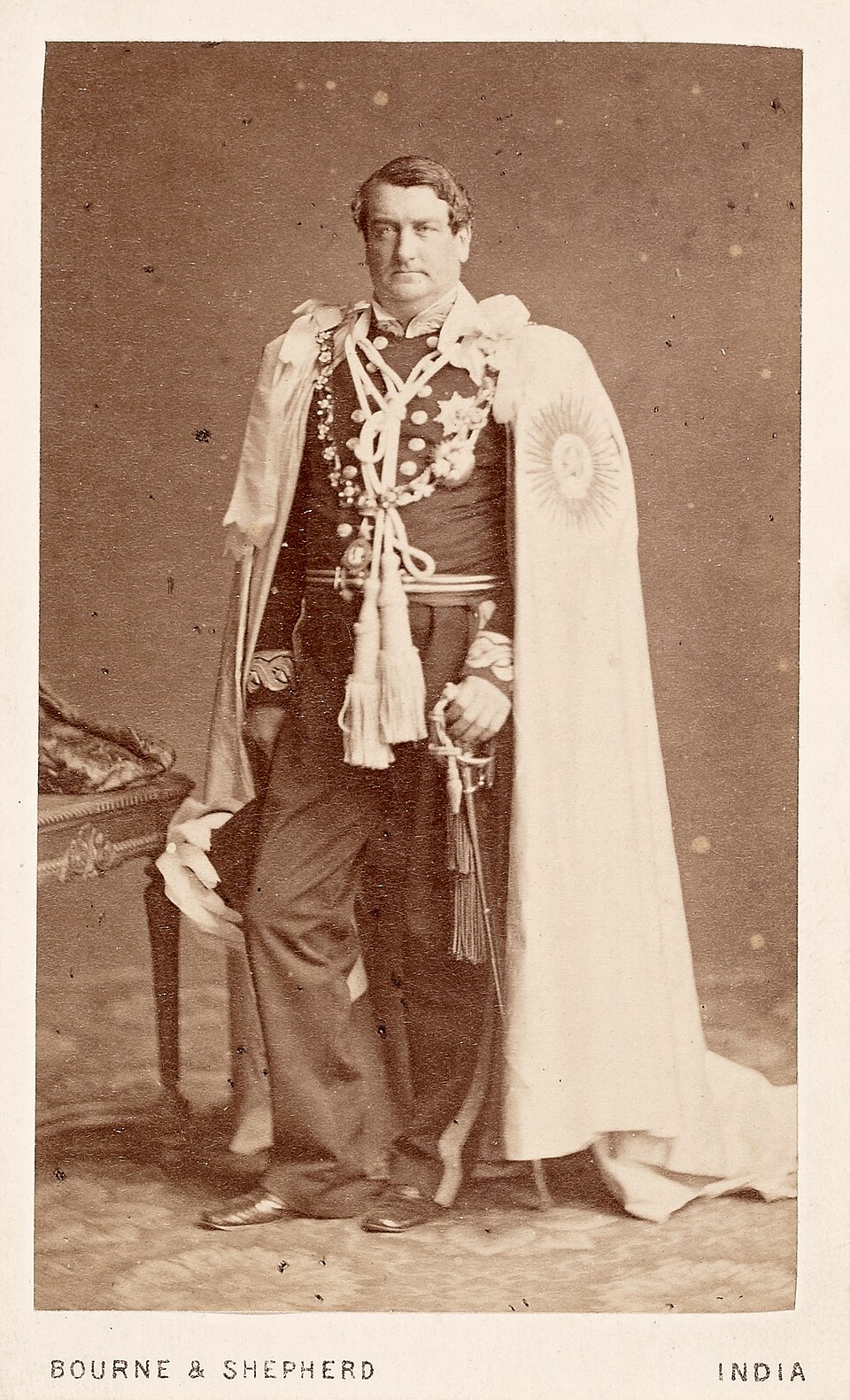
- The first all-India census was attempted in 1872, during the viceroyalty of Lord Mayo, and was not synchronous.
- The census of 1881, under Lord Ripon, was the first synchronous count and began the regular decennial series.
- The series ran unbroken from 1881 to 2011, through two world wars and Partition.
- Since independence the census has been conducted under the Census Act, 1948 by the Registrar General and Census Commissioner of India.
- The count due in 2021 was postponed; enumeration is now scheduled for February 2027, and caste is to be recorded for the first time since 1931.
- Reading 'first census' and answering 1881. The stem says attempted, which points to 1872.
- Choosing 1871 because the field work started then. The exercise is dated 1872.
- Assuming the decennial series has never been interrupted. It ran unbroken from 1881 to 2011 and has been interrupted since.
As a date question, as a statement pair on 1872 and 1881 together, or through the census under a named Viceroy.
Consider the following statements with reference to Census in India: 1. The first All India Census was attempted in 1872. 2. From 1881, decennial censuses became a regular feature. Which of the statements given above is/are correct?
- (a) 1 only
- (b) 2 only
- (c) Both 1 and 2
- (d) Neither 1 nor 2
Answer(c) Both 1 and 2
The same two dates, printed as a statement pair two years later and accepting both. Reading them together is the cleanest way to fix which year was the attempt and which began the regular run.
- practice — not a real PYQ
The first synchronous census in India, which began the regular decennial series, was taken in
- (a)1872
- (b)1881
- (c)1891
- (d)1901
Answer(b) 1881 — taken under Lord Ripon on a single reference night, unlike the spread-out attempt of 1872.
- practice — not a real PYQ
Under which law is the census conducted in independent India?
- (a)The Census Act, 1948
- (b)The Registration of Births and Deaths Act, 1969
- (c)The Statistics Act, 2008
- (d)The Citizenship Act, 1955
Answer(a) The Census Act, 1948 — administered by the Registrar General and Census Commissioner in the Ministry of Home Affairs.