
Which of the following factors are needed for the growth of corals? 1. Freshwater 2. Clear shallow salt water 3. Plenty of sunlight for photosynthesis 4. Warm water between 23 °C and 25 °C Select the correct answer using the code given below.
- (a)1, 3 and 4 only
- (b)2, 3 and 4 only
- (c)1 and 2 only
- (d)1, 2, 3 and 4
Correct — B, 2, 3 and 4 only. Reef-building corals live with single-celled algae called zooxanthellae inside their tissues, and almost every growth requirement follows from that partnership. The algae photosynthesise, so the water must be shallow and clear enough for light to reach them — statements 2 and 3. The polyps build calcium carbonate skeletons fastest in warm water, which is statement 4. Fresh water is the one condition on the list that corals cannot tolerate: it dilutes the salinity they depend on and usually arrives loaded with silt that smothers the polyps. That is why reefs are absent at the mouths of large rivers and why statement 1 has to go — and only one option leaves it out.
- (a)1, 3 and 4 only — Keeps fresh water and drops clear shallow salt water, which reverses the single most basic requirement of a reef.
- (c)1 and 2 only — Contradicts itself by asking for both fresh water and salt water, and leaves out the sunlight and warmth that drive reef growth.
- (d)1, 2, 3 and 4 — The all-inclusive option, wrong for the single reason that fresh water is fatal to a reef rather than necessary to it.
A coral reef is built by colonies of polyps that secrete calcium carbonate, and the reef-building species depend on zooxanthellae living inside them for most of their food. That symbiosis fixes the conditions under which reefs can exist: warm water, high and steady salinity, water clear enough and shallow enough for light, and a firm substrate. Take away any one of them and the algae leave the polyps, which is the process called bleaching.
The item is settled by a single elimination. Fresh water is incompatible with a reef, so every option containing statement 1 falls, and three of the four contain it. This kind of construction rewards a candidate who scans the statements for one certain falsehood before weighing the rest. On the temperature figure, textbooks differ — some give the ideal range as 20 to 21 degrees and others as the 23 to 25 printed here — but no option lets that argument decide anything.
- Reef-building corals host zooxanthellae, which supply much of the colony's food through photosynthesis.
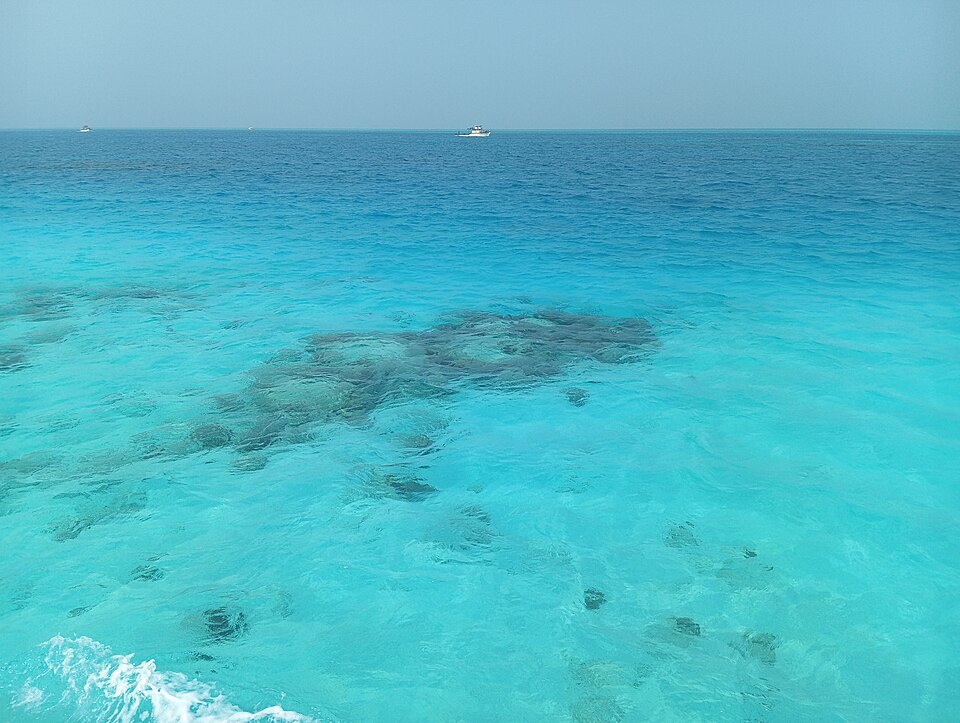
- Reefs need clear, shallow, sediment-free salt water, generally within about 60 metres of the surface.
- They are absent at the mouths of large rivers, where fresh water and silt arrive together.
- India's main reef areas are the Gulf of Mannar, the Gulf of Kachchh, the Andaman and Nicobar Islands and Lakshadweep.
- When stress expels the algae the coral turns white; the global bleaching events of recent years have reached Indian reefs as well.
- Assuming that because corals live in water, fresh water will do.
- Arguing over the printed temperature range when a single false statement already decides the item.
A four-statement item settled by one impossible condition, with the option set built so that spotting it is enough.
The largest coral reef in the world is found near the coast of which one of the following countries?
- (a) Australia
- (b) Cuba
- (c) Ghana
- (d) Philippines
Answer(a) Australia
The same organism at the scale of a landform. The Great Barrier Reef sits in warm, clear, shallow tropical water off Queensland — the conditions this item asks a candidate to list.
Which one of the following does NOT illustrate the importance of the Coral Reef?
- (a) They provide employment to the people
- (b) They supply building materials
- (c) They protect shoreline from storms
- (d) They protect communities from earthquakes
Answer(d) They protect communities from earthquakes
The value side of the same subject. A reef can break storm waves before they reach a shore but does nothing about seismic shaking, which is the distinction that item turns on.
- practice — not a real PYQ
Coral reefs are absent at the mouths of large rivers mainly because
- (a)The water is too cold
- (b)Fresh water and silt lower salinity and block light
- (c)The tidal range is too small
- (d)The sea floor is too rocky
Answer(b) Fresh water and silt lower salinity and block light — both conditions are fatal to reef-building corals.
- practice — not a real PYQ
The algae that live within coral tissues and supply much of their food are called
- (a)Diatoms
- (b)Zooxanthellae
- (c)Dinoflagellates of the red tide
- (d)Sargassum
Answer(b) Zooxanthellae — their loss under stress is what turns a stressed coral white.