
PAHAL, an initiative to transfer the subsidy to direct bank account of the beneficiaries, is related to
- (a)LPG consumers
- (b)internet consumers
- (c)farmers for fertilisers
- (d)Central Government Employees for medical treatment
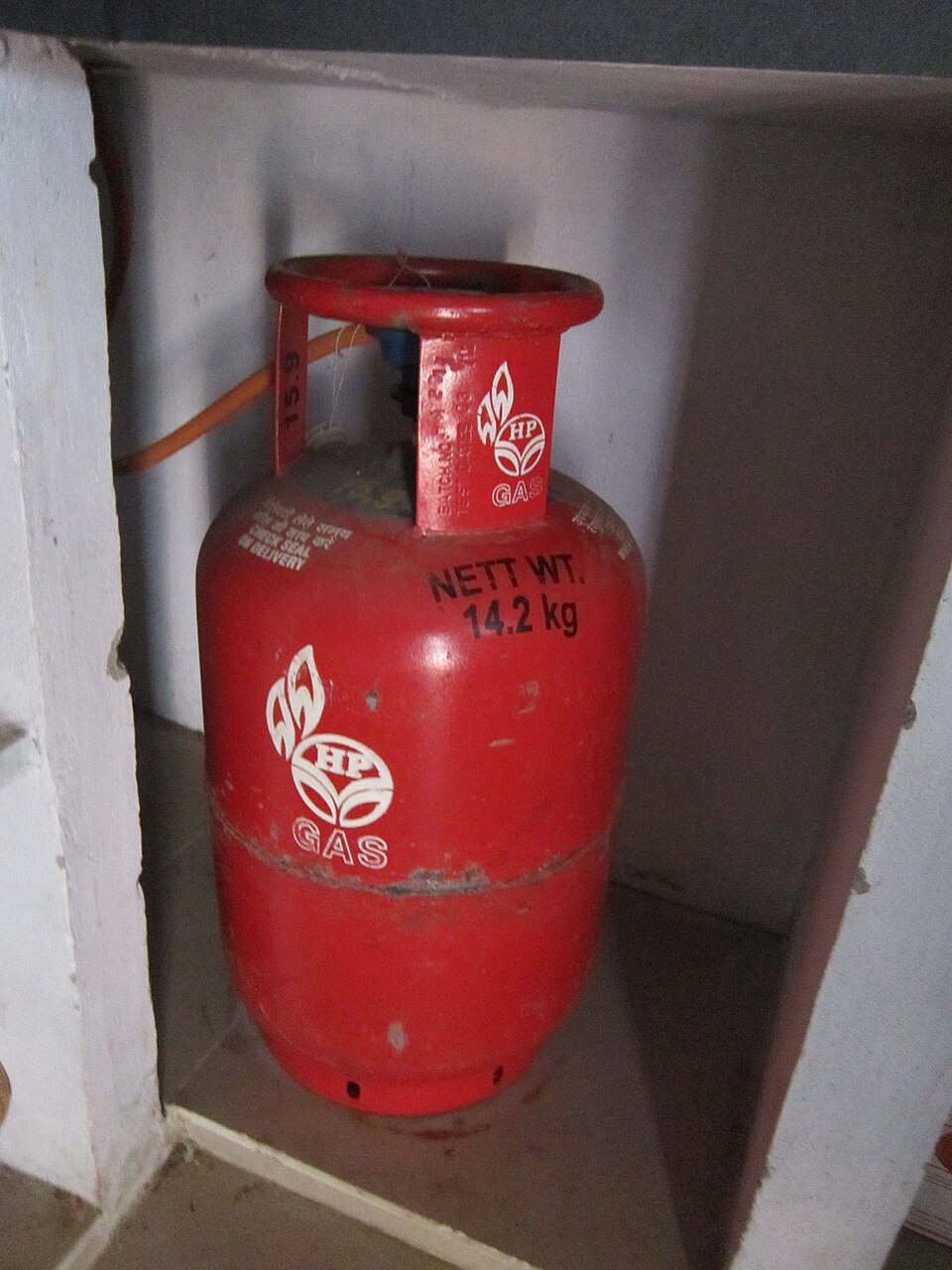
Correct — A, LPG consumers. PAHAL, from Pratyaksh Hanstantrit Labh, is the direct benefit transfer scheme for domestic cooking gas. It was launched in fifty-four districts in November 2014 and taken nationwide from January 2015. Under it the consumer buys the cylinder at the market price and the subsidy is paid straight into a bank account linked to the connection, usually through Aadhaar. That design removes the discount at the till and with it the incentive to divert subsidised cylinders into the commercial market, which was the leakage the scheme was built to close. Its scale earned it recognition in the Guinness World Records as the largest household cash-transfer programme in the world.
- (b)internet consumers — There is no subsidy on internet service transferred to consumer accounts. Rural connectivity is pursued through the BharatNet infrastructure programme, which funds the network rather than the user.
- (c)farmers for fertilisers — Fertiliser does have a direct benefit transfer scheme, but it works the other way round. The subsidy is released to the manufacturing company after the sale is recorded on a point-of-sale machine, and the farmer still buys at the subsidised price rather than receiving cash.
- (d)Central Government Employees for medical treatment — Medical cover for central government employees runs through the Central Government Health Scheme, which provides treatment and reimbursement. It is not a subsidy transfer of the PAHAL kind.
Direct benefit transfer moves a subsidy from the commodity to the person. Instead of selling a good below cost to everybody and hoping the right people buy it, the government sells at market price and pays the difference into an identified beneficiary's account. The architecture that made this possible in India is usually described as the combination of a bank account, a unique identity number and a mobile phone, each of which solves one part of the problem — where to pay, whom to pay, and how to tell them.
PAHAL is the case study because it is the largest and the earliest at national scale, and because its effect is measurable. Once the subsidy stopped being attached to the cylinder, a household that gave up the subsidy voluntarily lost nothing it valued, which is what made the Give It Up campaign work, and duplicate and ghost connections lost their value entirely. The Ujjwala Yojana of 2016 then used the same account plumbing to give new connections to poor households. Since the 2020 exam the subsidy itself has narrowed rather than the mechanism — for long stretches consumers outside the Ujjwala group have received no transfer at all, while a targeted per-cylinder amount has been kept for Ujjwala beneficiaries.
- PAHAL stands for Pratyaksh Hanstantrit Labh and is the direct benefit transfer scheme for domestic liquefied petroleum gas.
- It began in fifty-four districts in November 2014 and was extended across the country from January 2015.
- The consumer pays the market price at purchase and the subsidy is credited to a bank account linked to the connection.
- It is administered by the Ministry of Petroleum and Natural Gas and was recognised by the Guinness World Records as the largest household cash-transfer programme.
- Ujjwala Yojana, launched in 2016, used the same identification and payment machinery to provide connections to poor households.
- Assuming every direct benefit transfer pays the beneficiary; the fertiliser version pays the manufacturer.
- Confusing PAHAL with Ujjwala — one transfers a subsidy, the other provides a connection.
- Reading the Give It Up campaign as part of the transfer mechanism rather than as a consequence of it.
Scheme-identification items are best prepared by fixing the ministry and the beneficiary for each name, since options are usually built from other real schemes with different beneficiaries.
Consider the following statements: 1. The Oil Pool Account of Government of India was dismantled with effect from 1-4-2002. 2. Subsidies on PDS kerosene and domestic LPG are borne by Consolidated Fund of India. 3. An expert committee headed by Dr. R.A. Mashelkar to formulate a national auto fuel policy recommended that Bharat Stage-II Emission Norms should be applied throughout the country by 1 April, 2004. Which of these statements given above are correct?
- (a) 1 and 2
- (b) 2 and 3
- (c) 1 and 3
- (d) 1, 2 and 3
Answer(a) 1 and 2
The same subsidy a decade before PAHAL. Once the old oil pool arrangement was dismantled the cooking-gas subsidy became an explicit charge on the Consolidated Fund, and it was that visible, budgeted subsidy that the direct transfer was later built to deliver more cleanly.
- practice — not a real PYQ
The Pradhan Mantri Ujjwala Yojana provides which one of the following to eligible households?
- (a)A cash transfer for electricity bills
- (b)A free liquefied petroleum gas connection
- (c)A subsidised bicycle
- (d)A monthly food grain entitlement
Answer(b) A free liquefied petroleum gas connection — launched in 2016 and administered by the Ministry of Petroleum and Natural Gas.
- practice — not a real PYQ
Under the direct benefit transfer scheme for fertilisers, the subsidy is released to
- (a)the farmer's bank account
- (b)the fertiliser company after the sale is recorded
- (c)the state government
- (d)the primary agricultural credit society
Answer(b) the fertiliser company after the sale is recorded — the farmer still buys at the subsidised price.