
Regular consumption of which pulse can cause the disease called Lathyrism?
- (a)Kesari dal (Lathyrus sativus)
- (b)Chana dal
- (c)Moong dal
- (d)None of the above
Correct — A, Kesari dal (Lathyrus sativus, the grass pea / khesari). Eating it heavily over a long period causes lathyrism (neurolathyrism) — a paralysis of the lower limbs — because the pulse contains the neurotoxin β-ODAP (β-N-oxalyl-amino-L-alanine, also called BOAA). It mainly affects people who rely on this cheap, drought-hardy pulse during scarcity.
- (b)Chana dal — Bengal gram — a common, safe pulse; not linked to lathyrism.
- (c)Moong dal — Green gram — a staple, easily digestible pulse; no lathyrism risk.
- (d)None of the above — Wrong — a specific pulse, kesari dal, is the established cause.
Lathyrism is a food-toxin disease — not an infection or a deficiency. The toxin β-ODAP (BOAA) in Lathyrus sativus damages motor neurons, causing spastic paralysis of the legs. It is preventable: soaking and boiling the pulse and discarding the water, or not relying on it as a staple, removes most of the toxin.
Exams group this with other food-linked disorders (aflatoxin from mouldy groundnut, fluorosis from water) — 'match the agent to the disease' is the classic pattern.
- Toxin: β-ODAP / BOAA in Lathyrus sativus (grass pea / khesari)
- Effect: neurolathyrism — spastic paralysis of the lower limbs
- Prevention: soak & boil, discard the water; avoid as a staple
- A food-toxin disease of scarcity diets
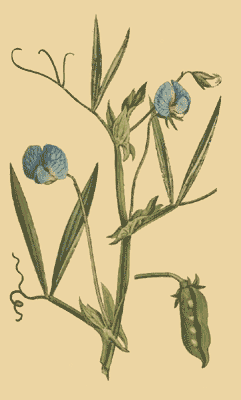
- Assuming lathyrism is a deficiency disease — it is a toxin disease
- Confusing kesari dal (Lathyrus) with chana dal
Almost always 'which pulse/food causes disease X' or the reverse. Lock the chain: kesari dal ↔ lathyrism ↔ BOAA.
Lathyrism is caused by excessive consumption of
- (a) Kesari dal
- (b) Mustard oil
- (c) Polished rice
- (d) Mushrooms
Answer(a) Kesari dal
Direct UPSC 1999 prelims question — the same fact (kesari dal → lathyrism).
- practice — not a real PYQ
The neurotoxin responsible for lathyrism is:
- (a)BOAA (β-ODAP)
- (b)Aflatoxin
- (c)Ergot alkaloid
- (d)Sanguinarine
Answer(a) BOAA / β-ODAP.
- practice — not a real PYQ
Aflatoxin, a food contaminant linked to liver damage, is produced by:
- (a)a virus
- (b)a fungus (Aspergillus)
- (c)a bacterium
- (d)an alga
Answer(b) a fungus, Aspergillus flavus.