What & Where
Revolt: 18–23 Feb 1946 armed mutiny by ~20,000 Royal Indian Navy ratings demanding equality & INA clemency.
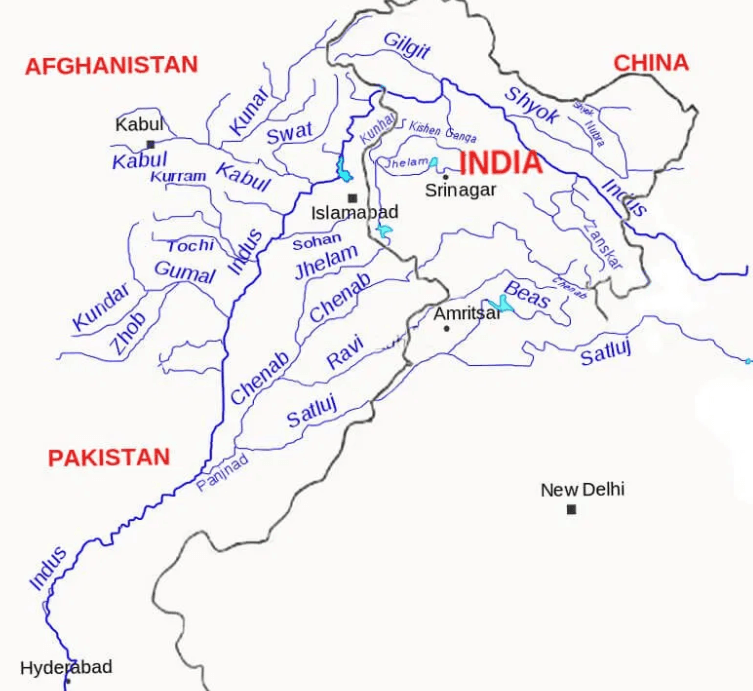
Geography: Began HMIS Talwar, Bombay; spread to 78 ships & 20 shore bases—Karachi, Madras, Cochin, Vizag, Calcutta, Andamans.
Symbols: Congress, Muslim League, Communist flags jointly flown; portrait of Subhas Bose paraded in Bombay streets.
Quick Facts for MCQs
Triggers & Grievances
- Discontent: substandard food, low wages, racist hierarchy, slurs at HMIS Talwar.
- Political: resentment over INA trials, use of Indian troops in Indonesia & Vietnam.
- Slogan surge: Quit India, Jai Hind, Inquilab Zindabad painted across vessels.
Political Response
- Congress & League leadership urged surrender, fearing derailment of negotiations.
- Gandhi criticised action lacking authorised leadership; Patel termed it peril to orderly transfer.
- British fired on demonstrators; 200+ civilians killed/injured in Bombay suppression.
Impact on British Rule
- Alarm: loyalty of colonial armed forces no longer assured, forcing accelerated timetable.
- Policy shifts: INA prosecution limited to murder charges; Indian troops withdrawn Indo-China Feb 1947.
- Principle: reinforced civilian supremacy over military in forthcoming Republic.
Limitations
- Leaderless: no seasoned command; Strike Committee inexperienced.
- Isolation: Army units stayed neutral; revolt confined to select port cities.
- Firepower gap: rebels lacked heavy arms, ammunition, defensible positions against superior British force.
Key Data Points
| Feature | Data-Point |
|---|---|
| Immediate cause | Poor food, pay, racial abuse, arrest for Quit India graffiti |
| Strike body | Naval Central Strike Committee, Bombay |
| Peak strength | 78 ships + 20 establishments, ~20,000 ratings |
| Civilian solidarity | Citywide hartal, mills & rail workshops shut in Bombay |
| Counter-force | British Army battalions, armoured cars, Royal Navy warships |
| End date | 23 Feb 1946 after Patel & Jinnah mediation |
| Key concessions | Cabinet Mission dispatch Jan 1946; INA sentences largely remitted Jan 1947 |
| Legacy | Demonstrated brittle loyalty of Indian forces, sped British exit |
Related UPSC Prelims PYQs
Consider the following statements: 1. Lord Mountbatten was the Viceroy when Shimla Conference took place. 2. Indian Navy Revolt, 1946 took place when the Indian sailors in the Royal Indian Navy at Bombay and Karachi rose against the Government. Which of the statements given above is/are correct?
What is the correct sequence of the following events? I. The August Offer II. The I.N.A. trial III. The Quit India Movement IV. The Royal Indian Naval Ratings' Revolt Select the correct answer using the codes given below: