UPSC Current Affairs

13 topicsGS-1: 2GS-2: 2GS-3: 9
0/13 done
GS-2Polity

1.National Medical Register Digital Database (Medical Regulation)

New Indian Express

What & Where

Centralised digital register of all licensed allopathic (MBBS) doctors in India

Operational nationwide since Aug 2024 under Section 31, National Medical Commission Act 2019

Hosted by MoHFW; verification routed through State Medical Councils

Quick Facts for MCQs

Legal & Policy

  • Statutory backing; replaces fragmented state registers with single authoritative list
  • Non-registration may jeopardise licence renewal and right to practice
  • SMCs designated as degree-verifying bodies under NMC supervision

Tech & Schemes

  • Aadhaar integration ensures unique identity, removes duplicate entries
  • API enabled for Ayushman Bharat Digital Mission, insurance, hospital HR systems
  • Real-time edits flag suspensions, additions of qualifications instantly

Governance Goals

  • Transparency; patients can instantly validate doctor credentials
  • Data analytics aids workforce planning, seat allocation, rural posting policy
  • Accountability; facilitates detection of fake degrees, ghost practitioners

Key Data Points

FeatureData-Point
Launch month-yearAugust 2024
Statutory anchorSec 31, NMC Act 2019
Nodal ministryMoHFW
CoverageEvery Registered Medical Practitioner (MBBS)
Enrolment natureMandatory
ID linkageAadhaar-based e-KYC
Update styleReal-time dynamic portal
Public vs secure dataBasic details open; sensitive data limited to EMRB, SMCs, NBE
Current uptake<1 % doctors enrolled (8 months post-launch)

Related UPSC Prelims PYQs

ESE_GS, NDA_GAT 2026PYQ 1

Which organization developed the Online National Drugs Licensing System (ONDLS) portal?

ESE_GS, NDA_GAT 2022PYQ 2

भारत सरकार की प्रमुख टेलीमेडिसिन सेवा ‘ई-संजीवनी’ को हाल ही में किसके साथ एकीकृत किया गया?
GS-2Polity

2.Caste Census Approval (Caste Enumeration)

DH

What & Where

Caste Census = systematic enumeration of caste identities alongside Population Census; conducted nationwide by Registrar General of India.

Last full caste count held 1931; Cabinet Committee on Political Affairs (CCPA) now okays inclusion in upcoming Census.

Objective: create verified socio-demographic database for reservations, OBC sub-categorisation, welfare targeting.

Quick Facts for MCQs

Legal & Policy

  • Article 246 keeps Census under Union; legal basis via Census Act 1948.
  • Article 340 lets President form commissions for backward-class identification.
  • 2024 CCPA nod reverses 2021 Union stance against caste count.

Historical Milestones

  • 1881-1931 British censuses tallied all castes; post-1951 limited to SC/ST.
  • 1931 figures still underpin Mandal, reservation calculus.
  • SECC 2011 recorded 46 lakh caste entries; data never released.

Need & Utility

  • Accurate OBC numbers crucial for quota rationalisation, sub-categorisation.
  • Women’s seat delimitation after 2026 requires updated population/caste metrics.
  • Granular data aids targeted health, education, livelihood schemes for marginalized groups.

Challenges

  • 6,000 + castes, synonyms, overlapping SC-OBC statuses complicate coding.
  • Self-declaration risks misreporting; data may fuel vote-bank polarisation.
  • Divergent Central-State OBC lists hinder national aggregation consistency.

Safeguards & Way Ahead

  • Digital enumeration, trained staff, AI de-duplication to boost accuracy.
  • Strong privacy protocols, restricted policy-only use to curb misuse.
  • Post-enumeration: publish data, stakeholder consultations, parliamentary/judicial scrutiny before quota redesign.

Key Data Points

FeatureData-Point
Union List entry for CensusEntry 69, List I (Article 246)
Constitutional article enabling backward-class identificationArticle 340
Last full caste enumeration year1931
Attempted but unpublished caste dataSECC 2011
Mandal Commission OBC estimate52 % of population
Bihar 2023 survey findingOBC + EBC = 63 %
Approving body 2024Cabinet Committee on Political Affairs

Related UPSC Prelims PYQs

GEO_GS 2024PYQ 1

Consider the following statements:

GEO_GS 2021PYQ 2

Article 243 (D) of the Constitution of India provides reserved seats in Panchayats for:

GS-3Economy

3.Fair and Remunerative Price Mechanism (Agricultural Pricing)

Times of India
Illustration for Fair and Remunerative Price Mechanism (Agricultural Pricing)

What & Where

FRP: minimum price sugar mills must pay sugarcane growers; statutory, nationwide

Replaces pre-2009 Statutory Minimum Price; anchored in Essential Commodities Act, 1955

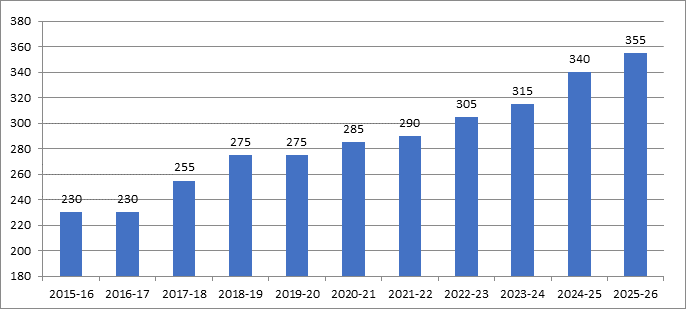
₹355 /qtl fixed for 2025-26 crushing season (Oct–Sep)

Quick Facts for MCQs

Legal & Policy

  • Statutory status: payment enforceable; non-compliance invites legal action under EC Act
  • SAP clause: mills must pay higher of FRP or State Advisory Price
  • Penalty clause: delayed payments attract interest and potential mill license cancellation

Price Fixation Process

  • Cost yardstick: CACP uses A2 + FL plus fair profit margin
  • Recovery link: base FRP at 10.25 % recovery; ₹3.46 /qtl added per 0.1 % rise
  • Stakeholder input: consultations with states, industry, farmer bodies

Farmer Safeguards

  • Income assurance: fixed pre-season, shields against market volatility
  • Low-recovery protection: no deductions below 9.5 % recovery threshold
  • Timely payment: 14-day rule ensures liquidity for cane growers

Key Data Points

FeatureData-Point
First year of FRP2009-10
PredecessorStatutory Minimum Price (SMP)
Governing ActEssential Commodities Act 1955
Recommending bodyCommission for Agricultural Costs & Prices
Final approving bodyCabinet Committee on Economic Affairs
FRP 2025-26₹355 per quintal (10.25 % recovery)
Low-recovery floor₹329.05 /qtl for <9.5 % recovery
Payment deadlineWithin 14 days of cane delivery
Penalty on delayInterest plus possible license cancellation
States with SAPUttar Pradesh, Haryana, Punjab etc.
Season definitionOctober–September each year
Formula elementsA2 + FL cost, sugar recovery, demand-supply, farmer margin

Related UPSC Prelims PYQs

CAPF_GAI, GS1 2015PYQ 1

The Fair and Remunerative Price (FRP) of sugarcane is approved by the

CAPF_GAI, GS1 2021PYQ 2

किसानों को प्रोत्साहन देने के लिए प्रत्येक वर्ष विभिन्न फसलों के लिए सरकार द्वारा घोषित की जाने वाली कीमत को क्या कहते हैं?

GS-1Mapping

4.Bundelkhand Plateau Region (Central Plateau)

Down to Earth
Illustration for Bundelkhand Plateau Region (Central Plateau)

What & Where

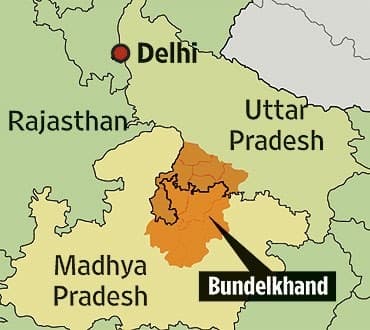
Bundelkhand = historic plateau spanning N Madhya Pradesh & S Uttar Pradesh.

Lies in Vindhyan hills, ravine-cut plains; deep gorges restrict irrigation.

Rivers Betwa, Ken, Dhasan, Tons traverse; recurrent drought drives severe water stress.

Quick Facts for MCQs

Geography & Resources

  • Ravine-dotted plateau limits canal construction, exacerbating drought.
  • Diamond belt around Panna boosts mining but not local water solutions.
  • Wheat–cotton–jowar mix dependent on erratic monsoon, raises vulnerability.

Historical Background

  • Chandela patronage built Khajuraho, showcased regional prosperity.
  • Bundela Rajputs leveraged rugged terrain for guerrilla resistance.
  • Post-1182 Chauhan conquest initiated gradual decline of Chandela power.

Social Concerns

  • Water collection trips dominate daily schedule of women, girls, reducing education time.
  • Deep gorges demand steep descents, heightening physical risk during fetch.
  • Chronic scarcity fuels migration, fragmenting rural households.

Key Data Points

FeatureData-Point
States coveredUttar Pradesh, Madhya Pradesh
Key districts (UP)Jhansi, Banda, Hamirpur
Key districts (MP)Chhatarpur, Tikamgarh, Panna
Ancient nameJejakabhukti
Iconic heritageKhajuraho temples
Dominant dynastiesGaharwar, Pratihara, Chandela, Bundela Rajputs
Fall to Chauhan1182 CE
Major riversBetwa, Ken, Dhasan, Tons
Noted mineralDiamonds near Panna
Main cropsWheat, cotton, jowar
Terrain traitSteep, isolated rocky outcrops
Water burdenWomen, girls trek long distances
Resistance styleBundela guerrilla tactics vs Mughals, Sultanate

Related UPSC Prelims PYQs

CDS_GK 2025PYQ 1

Indore city in Madhya Pradesh is situated in which one of the following regions?

GS-3Environment

5.Inter-State Cheetah Conservation Corridor (Wildlife Corridor)

New Indian Express

What & Where

Wildlife corridor linking MP’s Kuno NP & Gandhi Sagar Sanc. with Rajasthan’s Mukundara Hills TR

Area spans Chambal-linked grasslands across 17,000 km² in MP (10,500) + Rajasthan (6,500)

First inter-state pathway for re-introduced African cheetahs to disperse naturally in India

Quick Facts for MCQs

Geographical Spread

  • Corridor knits Vindhyan hills, semi-arid grasslands, ravines for safe cheetah transit
  • Bridges MP’s Sheopur–Mandsaur belt with Kota division landscapes

Institutional Mechanism

  • States to ink MoU; NTCA provides technical vetting & monitoring
  • Wildlife Institute prepares habitat-quality, prey-base assessment reports

Conservation Significance

  • Enhances genetic exchange, reduces inbreeding risk for reintroduced cheetahs
  • Restores degraded grassland–scrub habitats, aiding lesser florican & Indian wolf too

Key Data Points

FeatureData-Point
Total corridor area17,000 km²
MP share10,500 km²
Rajasthan share6,500 km²
Core sitesKuno NP, Gandhi Sagar Sanc., Mukundara Hills TR
River landscapeChambal basin
Supporting bodiesNTCA & Wildlife Institute of India
Rajasthan districts coveredKota, Bundi, Baran, Jhalawar, Sawai Madhopur, Karauli, Chittorgarh
Proposed future nodesJhansi & Lalitpur forests, UP
Conservation tagCalled unique Asian model by experts

Related UPSC Prelims PYQs

CDS_GK, GS1 2023PYQ 1

Cheetahs, brought from Namibia, were introduced in India to which one of the following National Parks?

CDS_GK, GS1 2017PYQ 2

Recently there was a proposal to translocate some of the lions from their natural habitat in Gujarat to which one of the following sites?

GS-3Environment

6.Proposed Global Chlorpyrifos Ban (Toxic Pesticide)

Down to Earth

What & Where

Chlorpyrifos – organophosphate insecticide eyed for Annex A (global elimination) under Stockholm Convention

Decision tabled at 2025 Basel-Rotterdam-Stockholm COP, Geneva, Switzerland

India opposed ban, citing pest-control gaps and food-security risks

Quick Facts for MCQs

Health & Environmental Impact

  • Neurotoxicity: inhibits acetylcholinesterase; symptoms from nausea to respiratory paralysis
  • Ecotoxicity: lethal to birds, fish, bees, earthworms; bioaccumulates up food chain
  • Mobility: soil bound yet runoff contaminates surface-waters

Legal & Policy

  • Stockholm Convention: Annex A eliminate, Annex B restrict, Annex C curb unintentional releases
  • Financing: Global Environment Facility funds POPs compliance for developing nations
  • India framed 2018 POP Rules under Environment (Protection) Act 1986

Indian Context

  • Registered since 1977 under Insecticides Act; still widely marketed
  • Residues traced in produce, water, blood, breast-milk (IPEN report)
  • Government at COP: viable substitutes lacking, ban risks crop yields

POPs Basics

  • POPs: toxic, long-lived, carbon-based chemicals resisting degradation
  • Traits: bioaccumulation in fat; biomagnification up trophic levels
  • Examples: DDT, Endosulfan, Aldrin, PCBs, plus proposed Chlorpyrifos

Key Data Points

FeatureData-Point
Chemical familyOrganophosphate ester
Proposed Stockholm slotAnnex A – no exemptions
India share of insecticides (2016-17)9.4 %
WHO classClass II: Moderately hazardous
US EPA cancer tagPossible carcinogen
Soil persistenceWeeks–years, slower breakdown in acid soils
Treaty birth & entryAdopted 2001; in force 2004
India Stockholm ratification2006

Related UPSC Prelims PYQs

CAPF_GAI, CDS_GK 2020PYQ 1

The 'Basel Convention' is aimed at protecting human health and environment against adverse effects of which of the following?

CAPF_GAI, CDS_GK 2025PYQ 2

The 2024 OPCW (Organization for the Prohibition of Chemical Weapons)-The Hague Award has been conferred upon which one of the following organizations?

GS-3Environment

7.AI Forest Alert System Pilot (Forest Tech)

Business Standard
Illustration for AI Forest Alert System Pilot (Forest Tech)

What & Where

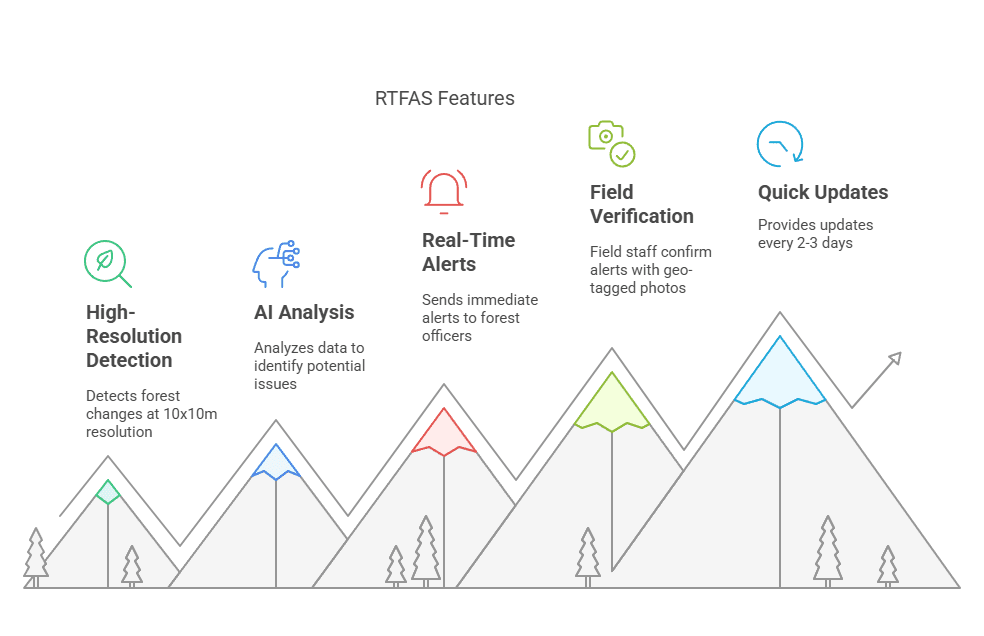
Definition: Cloud-based AI system integrating satellite imagery and machine learning to flag real-time forest land-use change

Process: Google Earth Engine analyses multi-temporal data and pushes alerts to forest staff within 2–3 days of detection

Geography: Pilot in Madhya Pradesh, state with India’s largest forest cover 85,724 km² yet highest 2023 loss 612.41 km²

Quick Facts for MCQs

Tech & Schemes

  • Toolkit: RTFAS, ISRO Resourcesat, FireSat, drones, RFID, PoacherCam, acoustic sensors, eDNA, green bots
  • Capability: Predict deforestation, spot fires, geofence wildlife, track sapling growth for CAMPA and GIM targets
  • Policy synergy: Trees Outside Forests, 2014 Agroforestry Policy, CSR plantations leverage tech for monitoring

Environmental Impact

  • Protection: Early alerts curb illegal logging and wildfire spread, safeguarding biodiversity corridors
  • Carbon sink: AI quantifies stock enabling credit trading and Paris alignment
  • Services: Increased cover improves soil health, groundwater recharge, climate resilience

Economic Angle

  • Trade shield: Lower product carbon intensity helps dodge EU CBAM tariffs on steel, cement, aluminium exports
  • Rural income: Agroforestry mixes timber, fruit, medicinal crops raising household earnings
  • Corporate benefit: Offsets and carbon credits offer new revenue and ESG compliance

Legal & Policy

  • Registry: Proposed national carbon credit system under Paris Article 6 for forest sequestration
  • Enforcement: Satellite monitoring backs strict penalties on encroachment and mandates industry offsets
  • Participation: Expanded Joint Forest Management envisaged for community co-governance and market access

Key Data Points

FeatureData-Point
First adopter stateMadhya Pradesh
MP forest cover85,724 km²
MP deforestation 2023612.41 km²
India forest + tree cover25.17 % of area
National target (NFP 1988)33 % cover
Alert delivery time2–3 days
Core platformGoogle Earth Engine
EU CBAM start2026

Related UPSC Prelims PYQs

ESE_GS, GEO_GS 2026PYQ 1

According to Environmental Accounting on forest 2025 report, which state showed the highest rise in Recorded Forest Area (RFA) share?

ESE_GS, GEO_GS 2024PYQ 2

As per the India State of Forest Report 2021, which of the following states has maximum percentage of its geographical area under forest cover?

GS-3S&T

8.Natural Hydrogen Geologic Fuel (Geologic Hydrogen)

The Hindu
Illustration for Natural Hydrogen Geologic Fuel (Geologic Hydrogen)

What & Where

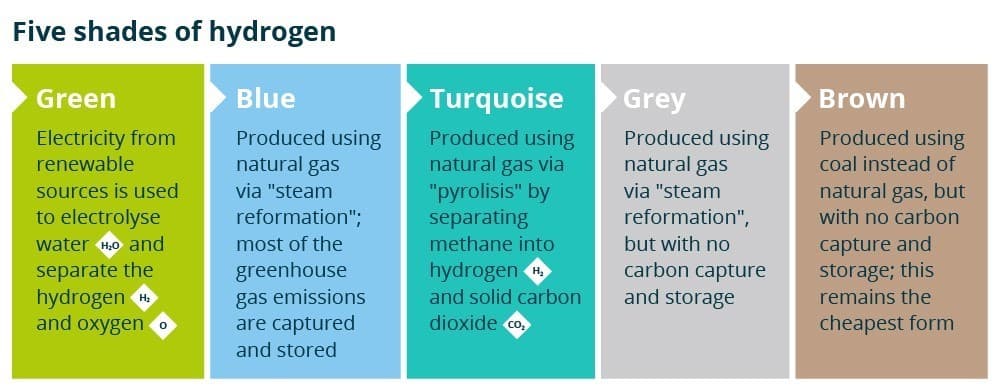
Natural hydrogen = geologically occurring molecular H₂ stored in subsurface rocks

Formed mainly via serpentinisation, radiolysis, organic decomposition in ultramafic, ophiolite, hydrothermal settings

Recorded seeps in Mali Bourakébougou, France Moselle, USA Kansas; prospects in Indian cratons and ophiolites

Quick Facts for MCQs

Geological Processes

  • Serpentinisation: water and ultramafic olivine react producing H₂ heat magnetite
  • Radiolysis: natural radioactive decay splits groundwater continually releasing hydrogen
  • Organic breakdown: deep carbonaceous matter decomposes under heat releasing H₂ and methane

Extraction & Tech

  • Exploration: remote sensing, geophysical surveys, surface seep sampling quantify hydrogen flux
  • Drilling: shallow to 3 km boreholes tap free gas; proven in Mali 2012 Lorraine 2023
  • Handling: gas purified then compressed or liquefied for pipelines fuel cells industry

Challenges & Risks

  • Resource unknowns: global subsurface volumes largely unmapped economic clustering uncertain
  • Logistics: low volumetric density needs 350-700 bar cylinders or cryogenic tanks increasing cost
  • Safety: colourless odourless highly flammable hydrogen demands leak sensors strict standards

Policy & Way Ahead

  • Survey push: India urged to map Archean cratons ophiolite belts under National Hydrogen Mission
  • Incentives: PPP exploration licences, tax breaks, R&D ties with USGS and BRGM France
  • Infrastructure: develop storage caverns, trunk pipelines, refuelling hubs colocated with green hydrogen clusters

Key Data Points

FeatureData-Point
Combustion emissionOnly water vapour
Indicative production cost≈ US $1 per kg
Fuel-cell efficiency~3 × gasoline
Key formation mechanismSerpentinisation of ultramafic rocks
Typical storage need350–700 bar cylinders / cryogenic tanks
Common co-gasHelium in deep crust

Related UPSC Prelims PYQs

GS1 2023PYQ 1

With reference to green hydrogen, consider the following statements:

GS-3Security

9.Operation Hawk Cybercrime Crackdown (Cybercrime Initiative)

FPJ
Illustration for Operation Hawk Cybercrime Crackdown (Cybercrime Initiative)

What & Where

Operation Hawk – CBI anti-cybercrime drive (2025) targeting online child sexual exploitation with global digital footprints

Process: multi-location raids, digital seizures, cross-border evidence collection via Interpol, FBI, foreign cyber units

Geography: initial arrests in Mumbai & Delhi after foreign complaints against Indian citizens

Quick Facts for MCQs

Security Dimension

  • Raids: teams search homes, data centres, co-working spaces for child-abuse material
  • Seizure: servers, mobiles, hard drives cloned instantly, chain-of-custody preserved
  • Prosecution: accused produced before POCSO-special courts within 24 hours

International Cooperation

  • Collaboration: foreign complaints trigger Interpol channels, Red Corner notices, FBI intel sharing
  • Evidence: cloud data, IP logs, chat transcripts obtained via MLAT and I-24/7 network
  • Training: CBI officers attend FBI Cyber Task Force courses on victim identification

Tech & Schemes

  • Forensics: AI-based hash matching à la ProjectVic accelerates CSAM detection on seized devices
  • Analytics: big-data tools map offender links across Telegram, TOR, mainstream socials
  • Security: encrypted evidence vault prevents tampering during investigation and judicial stages

Key Data Points

FeatureData-Point
Launch year2025
Implementing agencyCBI International Operations Division
Core objectiveDismantle organised cyber networks targeting minors
Primary crimesCSAM trafficking, sextortion, intimidation
Key statutesIPC, IT Act, POCSO Act
Partner agenciesFBI, Interpol, foreign cyber units
Precedent opsOperation CARBON 2021; Operation MEGH CHAKRA 2022
First arrestsMumbai & Delhi (2025)
GS-3Security

10.National Security Advisory Board Reconstitution (Strategic Advisory Body)

Business Standard

What & Where

Advisory‐body; National Security Advisory Board (NSAB) under India’s National Security Council, New Delhi headquarters

Process; gathers external experts to give long-term, non-partisan strategic inputs to National Security Adviser

Geography; operates at national level, interfaces with ministries, intelligence and defence establishments

Quick Facts for MCQs

Organisational Setup

  • Hierarchy; NSAB reports to NSA, functions via NSCS
  • Meetings; scheduled monthly, emergency sessions on demand
  • Gap-bridging; links governmental machinery with academic and domain expertise

Mandate & Functions

  • Threat-assessment; reviews domestic and global security scenarios
  • Policy-advice; recommends defence, cyber, diplomatic, internal-security measures
  • Doctrine-formulation; assists in crafting comprehensive security doctrines

Tenure & Composition

  • Reconstitution; board re-created every two years by Government of India
  • Inclusivity; members drawn solely from outside current government service
  • Size-flexibility; numbers vary, presently capped at 16 members

Historical Milestones

  • 1998; set up during NSA Brajesh Mishra tenure
  • 2001; pivotal role in India’s draft Nuclear Doctrine
  • 2007; contributed to first National Security Review

Key Data Points

FeatureData-Point
ConstitutedDecember 1998
Parent bodyNational Security Council (NSC)
SecretariatNational Security Council Secretariat (NSCS)
Current chairman (2024)Alok Joshi, former R&AW chief
Current strength16 members
Membership backgroundRetired military, diplomats, IPS, academics, civil society
Member term length2 years (since 2004–06)
Initial term length1 year
Key outputsDraft Nuclear Doctrine 2001, National Security Review 2007
Subordinate boardsNational Information Board; Technology Coordination Group
GS-3HistoryQuick Bite

11.Birth Anniversary: Marshal Arjan Singh (Military Personality)

PIB
Illustration for Birth Anniversary: Marshal Arjan Singh (Military Personality)

What & Where

Commemoration: stone bust of Marshal Arjan Singh unveiled at Astha Senior Citizen Home, Delhi on his 106th birth anniversary

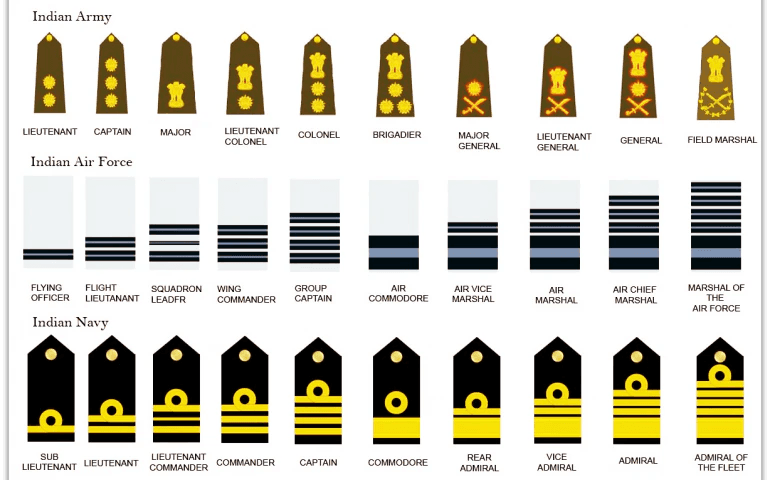
Rank focus: Marshal of the Air Force is India’s sole Air-Force five-star rank, equivalent to Field Marshal, Admiral of the Fleet

Context: Five-star ranks signify highest military honour; officers remain on active list for life

Quick Facts for MCQs

Career Milestones

  • Commissioned before WWII; flew Hurricanes in Arakan, Imphal sectors
  • Elevated Air Vice Marshal by 1959; oversaw major IAF modernisation drives
  • Retired as CAS 1969; continued strategic advisory roles

Honours & Decorations

  • Distinguished Flying Cross for courage in Burma theatre
  • Padma Vibhushan for decisive 1965 war leadership within hours of hostilities
  • Five-Star Marshal rank grants full service pay, ceremonial salute for life

Five-Star Rank Overview

  • Field Marshal, Marshal of the Air Force, Admiral of the Fleet constitute apex tri-service hierarchy
  • Conferred rarely; based on extraordinary wartime or national service contributions
  • Holders remain on military roll, drawing full salary until death

Key Data Points

FeatureData-Point
Birth1919, Lyallpur (now Faisalabad, Pakistan)
Commission1939, Royal Indian Air Force
WWII RoleBurma Campaign; awarded Distinguished Flying Cross
CAS Appointment1964, age 44 (youngest Chief of Air Staff)
1965 WarLed rapid air strikes repelling Akhnoor offensive
Civil GallantryReceived Padma Vibhushan, 1965
Five-Star Conferment2002; only IAF officer to hold Marshal rank
Post-ServiceAmbassador; Lieutenant Governor of Delhi
Bust Unveiled1 May 2025, Astha Senior Citizen Home
Other Five-Star HoldersField Marshals K M Cariappa, Sam Manekshaw; no Admiral of the Fleet yet
GS-3SecurityQuick Bite

12.Exercise Dustlik 2025 Conclusion (Bilateral Exercise)

PIB
Illustration for Exercise Dustlik 2025 Conclusion (Bilateral Exercise)

What & Where

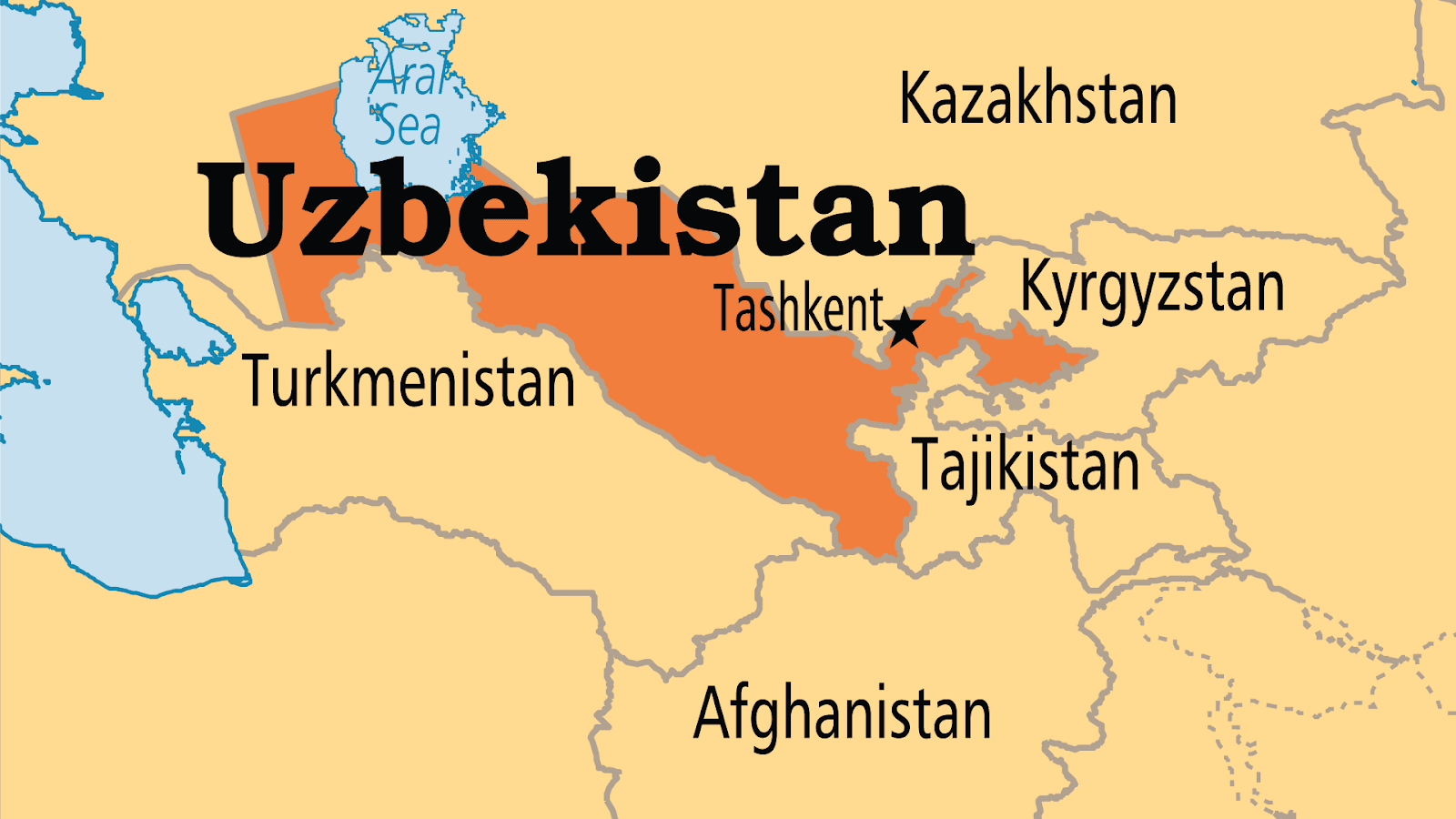
Exercise Dustlik – annual India-Uzbekistan bilateral military drill; 6th edition held 2025 at Pune

Conducted alternately in both nations; 2024 edition hosted in Termez, Uzbekistan

Uzbekistan – doubly landlocked Central Asian state between Syr Darya & Amu Darya rivers

Quick Facts for MCQs

Security Dimension

  • Tasks: population control, raids, search-and-destroy, territory recapture under terrorist scenario
  • Emphasis on Joint Operations Centre for coordinated command
  • Goal: maximise India-Uzbekistan interoperability against sub-conventional threats

Participants & Assets

  • India deployed infantry battalion plus IAF aircraft, helicopters, drones
  • Uzbekistan fielded regular army units with complementary ground assets
  • Air-ground integration tested for surveillance, fire support, quick insertion

Geography Highlights

  • Borders: Kazakhstan, Kyrgyzstan, Tajikistan, Afghanistan, Turkmenistan
  • No sea coastline, making it one of two doubly landlocked states worldwide
  • Syr Darya in north, Amu Darya in south shape agriculture and settlement

Key Data Points

FeatureData-Point
Exercise name meaning‘Friendship’ in Uzbek
6th edition (year, venue)2025, Pune (India)
5th edition venueTermez, Uzbekistan (2024)
Indian participantsJAT Regiment battalion; Indian Air Force
Core mission profileJoint counter-terrorism, semi-urban, multi-domain ops
Uzbekistan statusDoubly landlocked; between Syr & Amu Darya

Related UPSC Prelims PYQs

CDS_GK, GS1 2024PYQ 1

Which of the following statements about 'Exercise Mitra Shakti-2023' are correct?

CDS_GK, GS1 2023PYQ 2

The 16th edition of Indo-Nepal annual joint training exercise in jungle warfare and counter-terrorism operations was held in December 2022 at Nepal Army Battle School, Saljhandi. What is the name of this exercise?

GS-1Social Issues

13.Bonded Labour Prevalence in India (Forced Labour)

The Hindu
Illustration for Bonded Labour Prevalence in India (Forced Labour)

What & Where

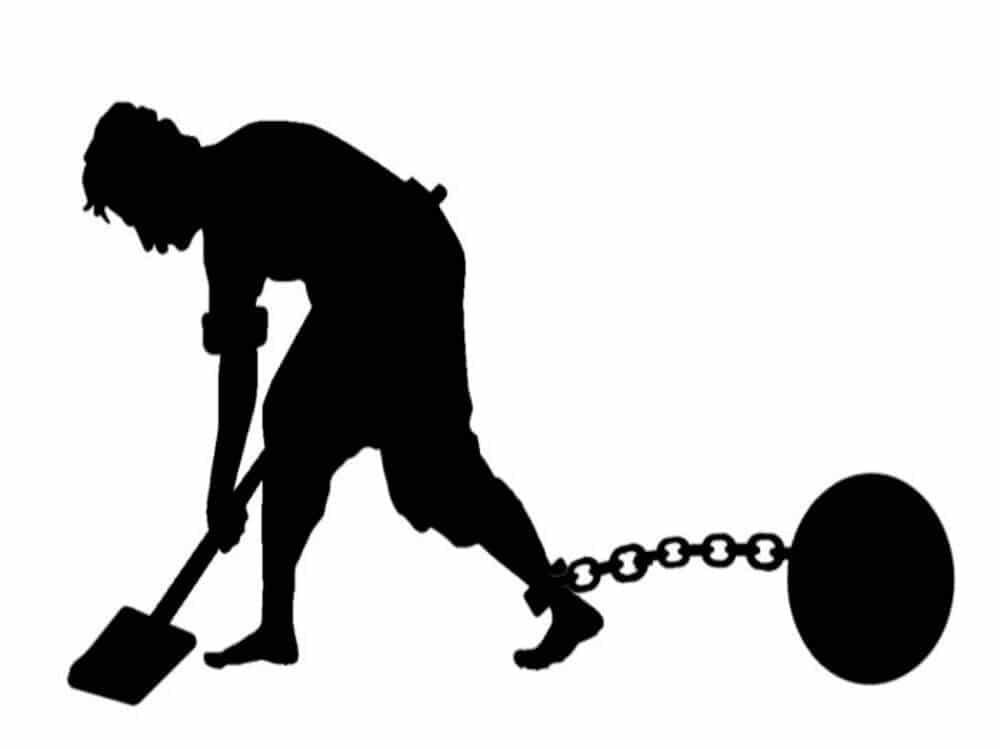
Definition: Debt-linked forced work (begar/bondage) lacking free exit, common in agriculture, brick kilns, quarries.

Coverage: Reported from Punjab, Karnataka, Odisha, Tamil Nadu, Maharashtra; 90 % cases sit in informal rural economy.

Victims: >80 % belong to SC/ST/OBC; poverty, caste discrimination and advances sustain the cycle.

Quick Facts for MCQs

Legal & Policy

  • Provision: 1976 Act cancels debt, criminalises bondage; District Vigilance Committees mandated for identification.
  • Gap: Trafficking of Persons Bill 2018 largely omits forced labour, weakening legal net.
  • Suggestion: Amend new Labour Codes to restore collective bargaining safeguards.

Data & Trends

  • Disparity: <1 % of acknowledged 1.84 crore victims rehabilitated till 2021.
  • Concentration: Punjab study—84 % bonded workers from backward castes.
  • Informality: 90 % workforce outside formal protection, easing coercion.

Social Concerns

  • Vulnerability: Poverty-caste nexus drives families to accept small advances, locking generations.
  • Post-rescue risk: Social ostracism, zero asset base push survivors back into bondage.
  • Awareness: Limited rural knowledge of Article 23 rights sustains silence.

Implementation Gaps

  • Enforcement: Weak inspections, state denial (e.g., Maharashtra 40-point plan dropped issue).
  • Monitoring: No central Aadhaar-linked database; cases under-reported.
  • District committees: Often inactive, lack digital complaint tracking.

Key Data Points

FeatureData-Point
Constitutional barArticle 23 (forced labour)
Life-with-dignity clauseArticle 21
Key lawBonded Labour System (Abolition) Act 1976
Rehab scheme launch2016 (MoLE)
Rehab target by 20301.84 crore persons
Rescued 2016-2112,760 persons
Estimated bonded labourers8.4 crore (2016 vision document)
Workforce in unorganised sector39 crore of 47 crore total (NSS 2023)
SC/ST/OBC share among rescued>80 % (state studies)
India’s slavery standingListed among worst in Global Slavery Index

Related UPSC Prelims PYQs

GS1, NDA_GAT 2025PYQ 1

S1. In many countries, there are millions of people who are underprivileged and deprived

GS1, NDA_GAT 2019PYQ 2

गुप्त काल के दौरान भारत में बलात् श्रम (विष्टि) के संदर्भ में, निम्नलिखित में से कौन-सा कथन सही है?

Ready to practice?

Test your knowledge with our UPSC test series.

Start Free Trial