
Bharat Heavy Electricals Ltd., Bhopal was established with the support of a company of which country?
- (a)Germany
- (b)France
- (c)Russia
- (d)Britain
Correct — D, Britain. BHEL's Bhopal unit — India's first heavy electrical equipment plant, originally called Heavy Electricals (India) Limited — was set up in 1956 in technical collaboration with the British firm Associated Electrical Industries (AEI, UK). The plant was dedicated to the nation in November 1960, and became BHEL's founding unit when Bharat Heavy Electricals Limited was formed in 1964.
- (a)Germany — West Germany's collaboration in that era is associated with the Rourkela Steel Plant, not BHEL Bhopal, whose 1956 technical partner was British (AEI, UK).
- (b)France — No French company was involved in BHEL Bhopal's founding 1956 technical collaboration.
- (c)Russia — Soviet (Russian) collaboration in that era is associated with the Bhilai Steel Plant, not BHEL Bhopal, whose founding partner was Britain's AEI.
BHEL Bhopal (originally Heavy Electricals (India) Limited) was India's pioneering heavy electrical equipment factory, set up in 1956 under technical collaboration with the British firm Associated Electrical Industries (AEI). It became BHEL's founding unit when Bharat Heavy Electricals Limited was formed in 1964 by merging India's heavy-electrical public sector units.
This fits the broader Second Five-Year-Plan pattern of foreign-collaborated public sector plants — exams test which country partnered which plant (steel: Bhilai-USSR, Rourkela-West Germany, Durgapur-Britain; heavy electricals: Bhopal-Britain).
- BHEL Bhopal (Heavy Electricals (India) Ltd.) was set up in 1956 with Associated Electrical Industries (AEI), UK.
- The plant was dedicated to the nation in November 1960; it became BHEL's founding unit when BHEL was formed in 1964.
- Contemporary Second Five-Year-Plan steel-plant collaborations: Bhilai — USSR; Rourkela — West Germany; Durgapur — Britain.
- BHEL today is India's largest power-equipment public sector undertaking.
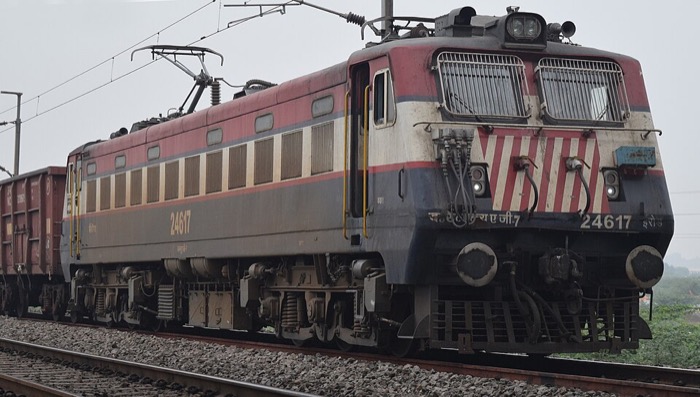
BHEL Bhopal's foreign technical partner was Britain (AEI) — the same country that also backed the Durgapur Steel Plant.
- Mixing up BHEL Bhopal's British (AEI) collaboration with Bhilai's Soviet collaboration — both are famous Nehru-era PSUs, but with different foreign partners
- Assuming all Second Five-Year-Plan PSUs shared the same foreign collaborator
MPPSC/UPSC test 'which country collaborated with which PSU' pairings from the Second Five-Year Plan era — memorise the plant-country pairs as a set, not in isolation.
Which one of the following statements is NOT correct?
- (a) Rourkela Steel Plant, the first integrated steel plant in the Public Sector of India was set up with the Soviet Union collaboration
- (b) Salem Steel Plant is a premier producer of stainless steel in India.
- (c) Maharashtra Elektrosmelt Ltd. is a subsidiary of the Steel Authority of India Ltd.
- (d) Visakhapatnam Steel Plant is a unit of the Rashtriya Ispat Nigam Ltd.
Answer(a) Rourkela Steel Plant, the first integrated steel plant in the Public Sector of India was set up with the Soviet Union collaboration — this statement is NOT correct (Rourkela's actual collaborator was West Germany, not the USSR).
Tests the identical concept — matching a specific Nehru-era public sector plant to its correct foreign technical collaborator country, the same skill this question exercises for BHEL Bhopal and Britain.
- practice — not a real PYQ
The Bhilai Steel Plant was set up with the technical collaboration of which country?
- (a)Britain
- (b)West Germany
- (c)USSR
- (d)USA
Answer(c) USSR.
- practice — not a real PYQ
Which of the following plant-collaborator pairs from the Second Five-Year Plan era is correctly matched?
- (a)Rourkela Steel Plant — USSR
- (b)Bhilai Steel Plant — West Germany
- (c)Durgapur Steel Plant — Britain
- (d)BHEL, Bhopal — France
Answer(c) Durgapur Steel Plant — Britain. (Rourkela was West Germany and Bhilai was USSR, not vice versa; BHEL Bhopal's partner was Britain, not France.)