UPSC Current Affairs

17 topicsGS-1: 4GS-2: 4GS-3: 9
0/17 done
GS-2Polity

1.Aggravating vs Mitigating Factors in Death Penalty (Death Penalty)

Indian Express

What & Where

Death penalty: irreversible state execution for specified grave crimes under Bharatiya Nyay Sanhita 2023, UAPA 1967, NDPS 1985.

Doctrine: “Rarest of rare” (SC, Bachan Singh 1980) decides sentence after weighing aggravating vs mitigating factors in separate post-conviction hearing.

Geography: Retained by 55 nations, abolished by 112 (2022); India among retentionist democracies.

Quick Facts for MCQs

Sentencing Factors

  • Age <30, mental disturbance, reform probability regularly cited as mitigation; inconsistency noted by 262nd Report.
  • Aggravation includes pre-planning, extreme brutality, killing on-duty public servant.
  • Santosh Bariyar 2009: Court must show evidence why reform impossible.

Judiciary Rulings

  • Jagmohan 1972, Bachan Singh 1980 uphold penalty; Machhi Singh 1983 shifts focus to crime’s shock value.
  • Shatrughan Chauhan 2014 protects against execution delay; Dattaraya 2020 quashes death for lack of separate hearing.
  • Suo Motu 2022 referred “meaningful opportunity” issue to Constitution Bench.

Law Commission Reports

  • 35th Report 1967 strongly supported death penalty.
  • 187th Report 2003 flagged procedural flaws without seeking abolition.
  • 262nd Report 2015 urged removal for all offences except terrorism/war.

International Examples

  • 2022: Kazakhstan, PNG, Sierra Leone, CAR abolished; Equatorial Guinea, Zambia limited scope.
  • Only advanced democracies still executing: USA, Japan.
  • Global abolition trend: 48 countries (1991) → 112 (2022).

Key Data Points

FeatureData-Point
Bachan Singh ruling year1980
Key doctrine phrasing“Rarest of rare”
Separate sentencing stage mandatedPost-conviction, Bachan Singh
Sample aggravating factorPre-planned murder with exceptional depravity
Sample mitigating factorPossibility of reform/rehabilitation
Machhi Singh testCollective conscience (1983)
Jagmohan Singh verdictDeath penalty constitutional, 1972
Shatrughan Chauhan holdingExecution delay can commute, 2014
Manoj v State of MPMandatory probe into mitigating data, 2022
262nd Law Commission viewAbolish except terrorism (2015)
Nations retaining death penalty (2022)55
Nations fully abolished (2022)112
Share of executions by top 5 states91 % (China, Iran, Pakistan, Sudan, USA)
Indian sections prescribing death for rapeBNS §§ 66, 70(2), 71
Minimum age often mitigatingBelow 30 years (Ramnaresh 2012)
GS-2PolityQuick Bite

2.15th National Voters’ Day Highlights (National Voters Day)

PIB

What & Where

National Voters' Day (NVD) – annual voter-awareness observance across India on 25 January.

Commemorates Election Commission of India’s foundation day, 25 Jan 1950; 2025 marks ECI’s 75th year.

15th NVD (2025) follows 2024 Lok Sabha polls, world’s largest democratic exercise.

Quick Facts for MCQs

Institutional Milestones

  • Anniversary: ECI completes diamond-jubilee (75 yrs) in 2025.
  • Continuity: NVD celebrated every year since 2011 without break.
  • Scope: Linked to 2024 general election logistics, 1.0 bn+ electorate.

Electorate Statistics

  • Growth: Voter roll approaching 100 crore, among largest globally.
  • Youth bulge: 21.7 crore electors aged 18-29 targeted for engagement.
  • Gender parity: Ratio rises from 948 ♀/1000 ♂ (2024) to 954 (2025).

Awards & Publications

  • Recognition: Best Electoral Practices Awards honor DEOs, SPs, high-performing states.
  • Literature: Coffee-table book “India Votes 2024: A Saga of Democracy” released.
  • Narrative: “Belief in the Ballot” profiles citizen stories shaping 2024 elections.

Key Data Points

FeatureData-Point
First NVD year2011
2025 NVD edition15th
2025 theme“Nothing Like Voting, I Vote for Sure”
ECI establishment date25 Jan 1950
ECI age in 202575 years
Registered voters 202599.1 crore
Young electors (18-29)21.7 crore
Electoral Gender Ratio 2024948
Electoral Gender Ratio 2025954
President’s role on 15th NVDPresents Best Electoral Practices Awards

Related UPSC Prelims PYQs

CDS_GK 2022PYQ 1

The use of ‘Electors Photo Identity Cards (EPIC)’ by the Election Commission of India was started in which one of the following years ?

GS-3Economy

3.SEBI Sachetisation Plan for Small SIPs (Mutual Funds)

Indian Express

What & Where

Sachetisation: SEBI plan allowing low-ticket mutual-fund SIPs, mirroring FMCG sachets concept

Process: ₹250-per-month SIPs via UPI AutoPay/NACH; capped, rule-bound entry for first-time investors

Geography: Entire Indian mutual-fund market under SEBI regulation

Quick Facts for MCQs

Legal & Policy

  • SEBI circular proposes separate, low-cost folios; AMCs must track 3-SIP limit
  • Risk-o-meter disclosure mandatory; investors alerted to equity volatility
  • Framework aims to stabilise domestic flows against FPI swings

Tech & Schemes

  • UPI AutoPay enables sub-₹1,000 recurring debits, cutting transaction costs
  • NACH backup ensures coverage of non-UPI users
  • Digital onboarding simplifies KYC for first-time, low-ticket entrants

Economic Angle

  • Aims to convert savers into equity investors, widening retail base
  • Small tickets expected to smoothen net equity inflows during FPI sell-offs
  • Scalable model could lift household financial-asset share in GDP

Key Data Points

FeatureData-Point
RegulatorSEBI
Minimum SIP size₹250 per month
Investor eligibilityOnly new mutual-fund investors
Max sachet SIPs allowed3 per person across all AMCs
Recommended tenure5 years = 60 instalments
Premature exitPermitted; no lock-in
Schemes excludedDebt, sectoral, thematic, small-cap, mid-cap funds
Payment railsUPI AutoPay or NACH
Primary objectiveFinancial inclusion & market deepening
Volatility guardExclusion of high-risk fund categories
GS-3Economy

4.NITI Aayog Fiscal Health Index 2025 (State Finances)

PIB

What & Where

Composite Fiscal Health Index (FHI-2025) by NITI Aayog assessing 18 major Indian states’ public-finance strength.

Measures five processes: Quality of Expenditure, Revenue Mobilization, Fiscal Prudence, Debt Level, Debt Sustainability.

Reference geography: 18 large states; 2022-23 toppers—Odisha, Chhattisgarh, Goa.

Quick Facts for MCQs

Methodology

  • Sub-indices weight equal, aggregated into composite FHI score.
  • Inputs: audited revenue, expenditure, debt, deficit figures; no survey data used.
  • Benchmarking enables cross-year, cross-state comparability.

State Rankings

  • Achievers list: Odisha, Chhattisgarh, Goa; remaining states classified as Aspiring or Mid-performers.
  • Scores >50 imply relatively sound fiscal metrics; Odisha only state >65 threshold.
  • Ranking stimulates cooperative competition among high-GDP states.

Policy Alignment

  • Objective: guide states on debt ceilings, capital/social outlay efficiency.
  • Insights assist Finance Commission, RBI, and state treasuries in fiscal-correction roadmaps.
  • Supports national vision of sustainable public finance for Viksit Bharat 2047.

Key Data Points

FeatureData-Point
DeveloperNITI Aayog
Data sourceComptroller & Auditor General (CAG) accounts
Reference year for ranking2022-23
Study trend span2014-15 → 2022-23
States covered18 major states
Sub-indices count5
Best overall state 2022-23Odisha (67.8)
2nd & 3rd spotsChhattisgarh 55.2; Goa 53.6
Index release tagFHI 2025
PurposeEvaluate fiscal health, flag disparities, steer policy towards Viksit Bharat @ 2047

Related UPSC Prelims PYQs

CAPF_GAI 2021PYQ 1

Which one of the following States ranked first on Sustainable Development Goal India Index, 2020-21 released by NITI Aayog?

CAPF_GAI 2022PYQ 2

Based on the scoring on SDG (Sustainable Development Goals) India Index, the NITI Aayog has classified various States into certain categories. Which one of the following is not one of the categories?

GS-3Economy

5.CBDT Principal Purpose Test Guidelines (Double Tax Avoidance)

The Hindu

What & Where

Principal Purpose Test (PPT): DTAA anti-abuse rule denying treaty benefit when dominant intent is tax-saving

CBDT 25 Jan 2025 circular: operationalises PPT prospectively across India’s network of 94 DTAAs

Grandfathering carve-out: legacy routes via Mauritius, Singapore, Cyprus kept outside PPT for pre-specified investment periods

Quick Facts for MCQs

Legal & Policy

  • Applicability limited; no retrospective investigation of pre-2017 inflows
  • Tax officers instructed to consult OECD Commentary, BEPS Action 6, UN Model before invoking PPT
  • Denial consequence: income taxed under domestic law without treaty concessions

International Frameworks

  • BEPS Inclusive Framework unites 147 jurisdictions, India signatory since 2016
  • Pillar 1 reallocates profits to market jurisdictions, separate from PPT but complementary
  • UN Model guides developing nations on balancing source-residence taxing rights

Bilateral Nuances

  • Mauritius, Singapore protocols already embed Limitation-of-Benefits clauses, hence separate grandfathering
  • Cyprus treaty amended 2016; capital-gains benefit on shares bought before 1 Apr 2017 retained
  • Future investments through these centres subject to India’s GAAR even if PPT exempt

Economic Angle

  • NRIs & MNEs must reassess holding structures; routing solely for 0% capital-gains now risky
  • Clearer rules expected to bolster genuine FDI while reducing round-tripping incentives

Key Data Points

FeatureData-Point
Issuing bodyCentral Board of Direct Taxes
Circular date25 Jan 2025
PPT applicabilityProspective; investments ≥ 1 Apr 2017
Grandfathered jurisdictionsSingapore, Mauritius, Cyprus
India’s DTAA count94
BEPS Action 6 focusTreaty shopping curb
Global minimum corporate tax15 % (Pillar 2)
UN Model Tax Convention tiltDeveloping-country interests
Primary PPT testDeny benefit if principal purpose = tax avoidance
GS-3Economy

6.Revised Open Market Sale Scheme Policy (Food Grain Buffer)

PIB

What & Where

OMSS(D): periodic e-auction of surplus wheat & rice from FCI’s central pool to stabilize prices

Nationwide coverage: FCI depots, states may lift grain sans auction over NFSA quota

2024-25 tweak: rice reserve price cut ₹550 to ₹2,250/q to aid ethanol, contain inflation

Quick Facts for MCQs

Scheme Mechanics

  • Inflation control: calibrated releases prevent market spikes, complement MSP procurement
  • Ethanol push: cheaper rice encourages grain-based biofuel distilleries under blending target
  • Safety-net: surplus offload frees storage for fresh MSP buys, averts holding costs

Auction Parameters

  • E-auction platform: weekly bids, all-India depots listed digitally
  • Quantity caps: discourages hoarding, widens trader participation
  • Reserve price setting: ministry revises based on procurement cost, economic cost, market trend

FCI Reforms

  • Digital procurement: nationwide computerisation ensures one-nation one-MSP DBT to farmers
  • Tech adoption: AI grain analysers, digital quality labs feed real-time dashboards
  • Loss minimisation: silo storage, integrated supply chain via ANNA DARPAN portal cut wastage

Food Security Angle

  • NFSA linkage: OMSS releases never compromise TPDS & welfare scheme allocations
  • Fortified rice: parallel rollout through PDS tackles hidden hunger
  • Decentralised procurement: more states under DCP, reducing transport cost, boosting local stocks

Key Data Points

FeatureData-Point
Governing ministryConsumer Affairs, Food & PD
Implementing bodyFood Corporation of India
FCI statuteFood Corporations Act 1964
FCI HQNew Delhi
Revised year2024-25
Rice reserve price₹2,250 per quintal
Price cut amount₹550 per quintal
Wheat lot size10–100 MT
Rice lot size10–1000 MT
Wheat buyersProcessors, atta chakkis, flour mills
Rice buyersTraders
States’ liftAllowed beyond NFSA without auction
Main goalsPrice stability, food security, ethanol feedstock
Storage loss 2023-24Net gain 0.22 %
Transit loss 2023-240.16 %

Related UPSC Prelims PYQs

GS1 2020PYQ 1

Which of the following factors/policies were affecting the price of rice in India in the recent past?

GS1 2004PYQ 2

Consider the following statements:

GS-1History

7.French Colonization of Africa Impacts (French Colonialism)

The Hindu
Illustration for French Colonization of Africa Impacts (French Colonialism)

What & Where

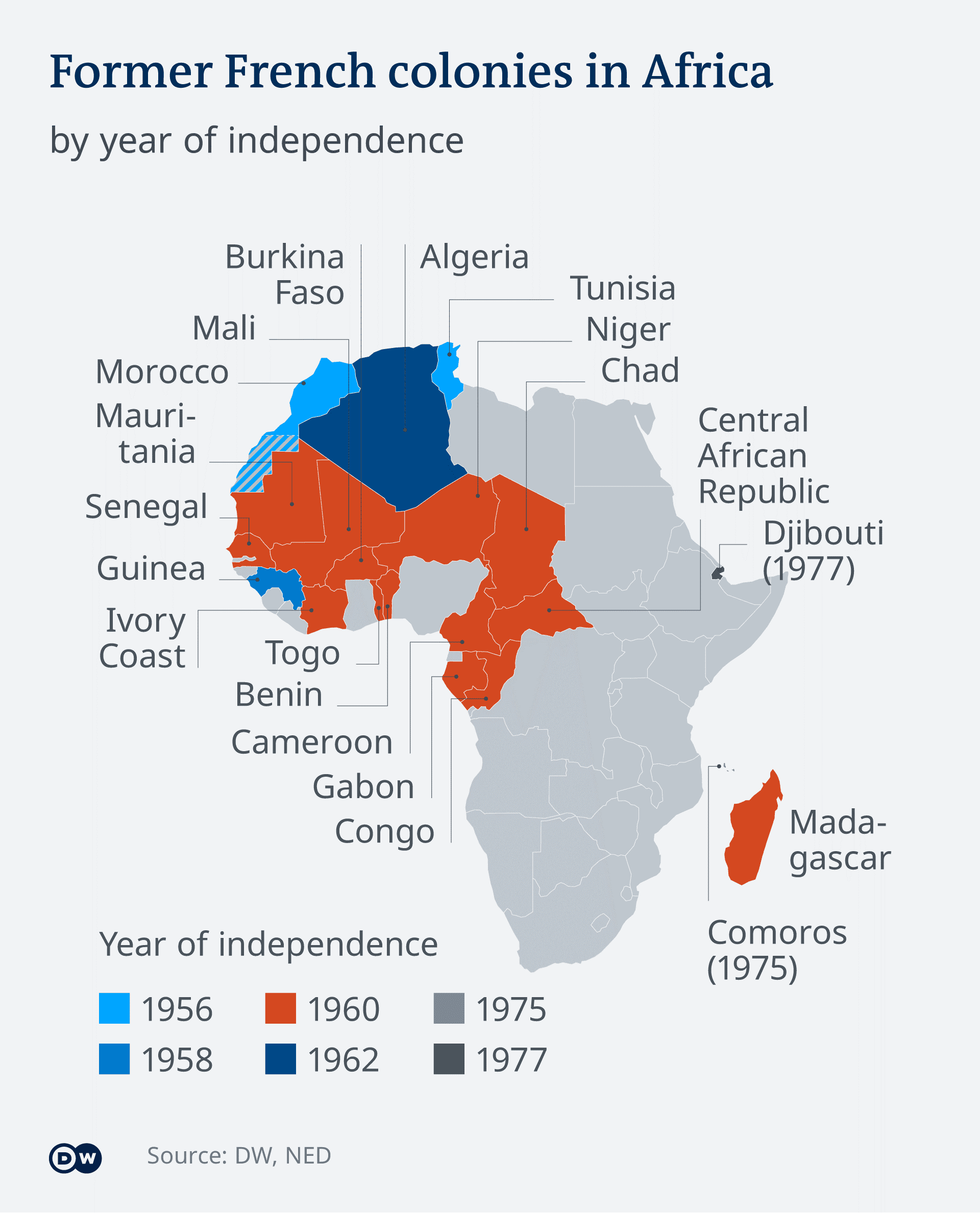
French colonisation: 1830-1960 drive for direct rule across African regions

Phases: Algiers capture 1830 → Berlin Conference claims 1884-85 → post-1945 decolonisation

Geography: North (Algeria, Tunisia), West (Senegal, Ivory Coast, Mali), Central (Chad, Gabon)

Quick Facts for MCQs

Economic Angle

  • Resource-drain: gold, cocoa, timber, groundnuts extracted for French industry
  • Monoculture: single-crop economies hindered diversification and local value addition
  • Taxation: heavy colonial levies entrenched rural poverty and resistance

Social & Cultural

  • Discrimination: Africans relegated to second-class status under French civil code
  • Governance-shift: traditional authorities displaced by European administrative cadres
  • Artefact-loss: thousands of cultural objects removed to French museums

Political Legacy

  • Borders: arbitrary lines split ethnicities, fuelling successive post-independence conflicts
  • Labour-exploitation: forced work systems caused displacement and demographic decline
  • Dependency-system: Françafrique maintained French leverage via aid, elites, CFA franc

Security Dimension

  • Troop-presence: longstanding bases in Chad, Senegal, Ivory Coast for counter-insurgency tasks
  • Withdrawals: popular protests and coups forced exits from Mali, Burkina Faso, Niger 2022-23
  • New-alliances: Sahel juntas invite Russian mercenaries, eroding Paris’s strategic clout

Key Data Points

FeatureData-Point
First footholdAlgiers, 1830
Claim-legalising meetBerlin Conference, 1884-85
Governance modelDirect rule, centralised administration
Senegal cash cropGroundnuts
Post-independence grip termFrançafrique
Anti-French flashpointSahel insurgency mismanagement
Emerging partnersChina (BRI), Russia (security)
GS-1MappingQuick Bite

9.Indian Navy Mauritius Hydrographic Survey (Hydrographic Survey)

The Hindu
Illustration for Indian Navy Mauritius Hydrographic Survey (Hydrographic Survey)

What & Where

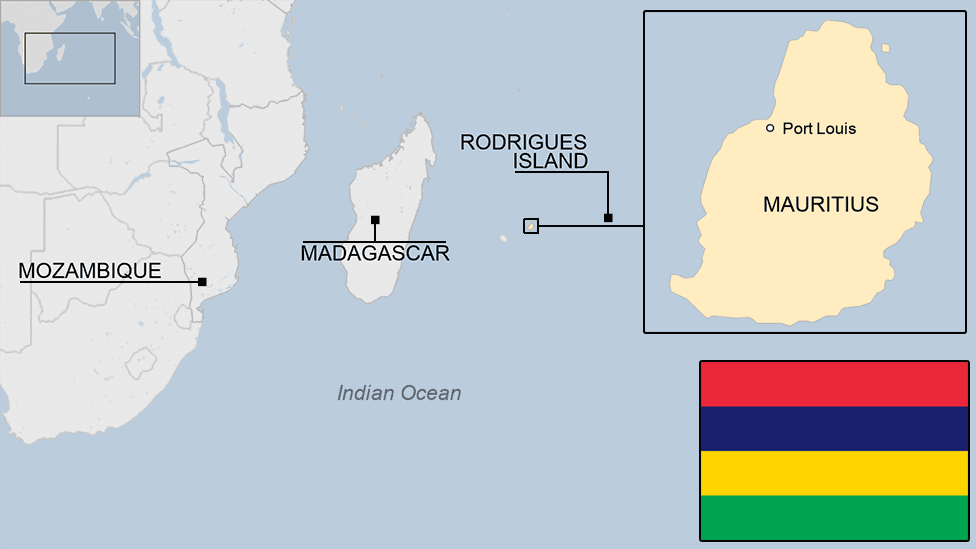
Hydrographic survey: seabed mapping to generate updated nautical charts for navigation, resource management, coastal planning.

Location: 25,000 sq nautical miles inside Mauritius EEZ, southwest Indian Ocean.

Platform: INS Sarvekshak, Kochi-based Indian Navy survey ship using multi-beam echo sounder and side-scan sonar.

Quick Facts for MCQs

Bilateral Defence Ties

  • Joint coastal radar chain links Mauritius and India enhancing situational awareness.
  • Mauritius maintains liaison officer at IFC-IOR for real-time information exchange.
  • Indian-built ALH helicopters and Dornier aircraft augment Mauritian maritime patrol reach.

Capacity Building

  • Indian Navy conducts EEZ surveys for littoral states under SAGAR vision.
  • Delivered modern nautical charts to Mauritius boosting shipping safety and fisheries planning.
  • Five-year record shows 96 charts produced with friendly nations.

Security Dimension

  • Accurate bathymetry aids anti-piracy, smuggling and IUU fishing interdiction.
  • Data sharing cements India’s role as net security provider in Indian Ocean.
  • Hydrographic cooperation counters extra-regional military influence through trust-based presence.

Key Data Points

FeatureData-Point
Survey area25,000 sq nautical miles
Host nationMauritius
Survey vesselINS Sarvekshak
Vessel base portKochi
Guiding initiativeSAGAR
World Hydrography Day21 June
Charts with partners (5 yrs)96
Area surveyed with partners89,000 sq km
Mauritian HAL assets2 ALH-MkIII, 1 Dornier-228
Liaison postingIFC-IOR, Gurugram

Related UPSC Prelims PYQs

CAPF_GAI, ESE_GS 2024PYQ 1

Which one of the following ships does NOT come under Indian Navy's eight ASW Shallow Water Craft project?

CAPF_GAI, ESE_GS 2023PYQ 2

Which one of the following Indian Naval Ships has recently concluded a 17,000-nm trans-ocean intercontinental voyage?

GS-1EnvironmentQuick Bite

10.INCOIS Wins Bose Disaster Management Award (Disaster Management Award)

PIB

What & Where

Subhash Chandra Bose Aapda Prabandhan Puraskar = annual national disaster-management award announced every 23 January.

2025 Institutional category winner: Indian National Centre for Ocean Information Services (INCOIS).

INCOIS HQ Hyderabad; runs Indian Tsunami Early Warning Centre serving India + 28 Indian Ocean nations.

Quick Facts for MCQs

Award & Recognition

  • Puraskar honours exemplary disaster-management contributions; separate institutional and individual categories.
  • Cash component complements citation and national recognition.
  • 2025 award spotlights ocean-centric early-warning capabilities of INCOIS.

Organisational Profile

  • Autonomous MoES unit delivering ocean information, advisories, disaster alerts since 1999.
  • Operates Indian Tsunami Early Warning Centre; leverages global seismic, sea-level networks.
  • Represents India at UNESCO’s Intergovernmental Oceanographic Commission.

Technological Tools

  • SARAT models ocean currents to localise persons/objects lost at sea.
  • SynOPS platform fuses satellite, buoy, model data for real-time visualisation.
  • UNESCO “Top Tsunami Service Provider” certification validates system accuracy and reliability.

Key Data Points

FeatureData-Point
Award announcement date23 January (Netaji’s birth)
Institutional cash prize₹51 lakh
Individual cash prize₹5 lakh
2025 Institutional awardeeINCOIS
INCOIS set-up year1999
Parent ministryMinistry of Earth Sciences
Parent bodyEarth System Science Organization
HeadquartersHyderabad, Telangana
Tsunami alert time≤10 minutes
Coverage areaIndia + 28 Indian Ocean states
UNESCO tag“Top Tsunami Service Provider”
IOC rolePermanent Indian delegation member
Key toolsSARAT; SynOPS

Related UPSC Prelims PYQs

GS1 2015PYQ 1

Indira Gandhi Prize for Peace, Disarmament and Development for 2014 was given to which one of the following?

GS-3Environment

11.Bhitarkanika Saltwater Crocodile Census 2025 (Saltwater Crocodile)

Down to Earth
Illustration for Bhitarkanika Saltwater Crocodile Census 2025 (Saltwater Crocodile)

What & Where

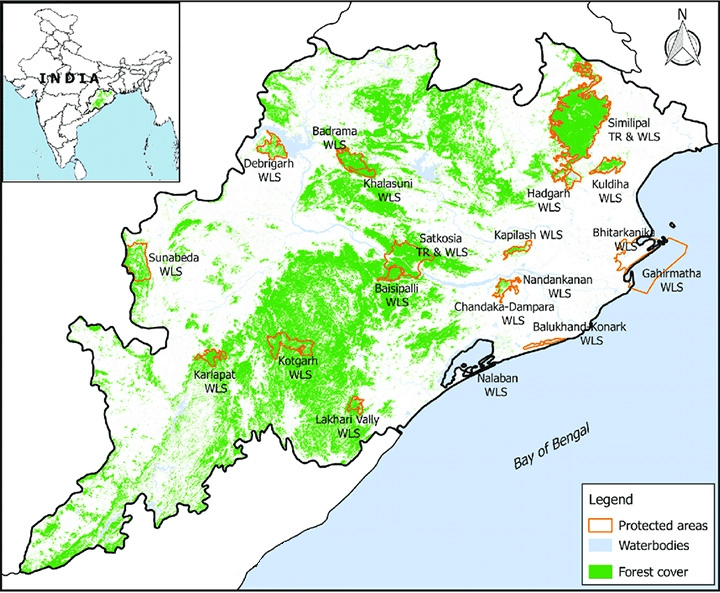
Bhitarkanika NP; coastal Kendrapara, Odisha; mangrove-rich estuary of Brahmani-Baitarani-Dhamra-Patasala; designated Ramsar wetland.

Saltwater Crocodile; apex estuarine reptile, flagship of India’s crocodile recovery efforts.

Crocodile Conservation Project; grow-and-release plan for mugger, gharial, saltwater; launched 1975 with UNDP-FAO aid.

Quick Facts for MCQs

Population Trend

  • Increase; numbers rose from <100 (1975) to 1,826 (2025) showing successful recovery.
  • Albino-sighting; 18 white morphs make BNP a global rarity hotspot.
  • Saturation; breeding halted 2024 after achieving target densities.

Tech & Schemes

  • Timestamp-camera; geotagged video reduces enumeration bias, boosts data credibility.
  • Grow-and-release; eggs collected, incubated, head-started, then released with tagging.
  • UNDP-FAO support; external funding and training strengthened project logistics.

Biodiversity Highlights

  • Herpetofauna; water monitor lizards, Indian pythons share mangrove habitat.
  • Sea-turtles; Gahirmatha hosts world’s largest Olive Ridley arribada each winter.
  • Avifauna; Surajpore heronry witnesses mass nesting and aerial displays of egrets/herons.

Key Data Points

FeatureData-Point
2025 saltwater census (BNP)1,826 individuals
Albino crocodiles 202518 recorded
Density goal set 19755–6 crocodiles / km water
Breeding centre closure2024 (population saturation)
Monitoring tool 2025Timestamp Camera App with GPS watermark
India’s 2nd-largest mangroveBhitarkanika NP
Major gharial havenNational Chambal Sanctuary
Olive Ridley mega-rookeryGahirmatha beach inside BNP
Training hubCentral Crocodile Breeding & Management Institute, Hyderabad

Related UPSC Prelims PYQs

GS1 2010PYQ 1

Consider the following pairs:

GS1 2011PYQ 2

Two important rivers – one with its source in Jharkhand (and known by a different name in Odisha), and another, with its source in Odisha – merge at a place only a short distance from the coast of Bay of Bengal before flowing into the sea. This is an important site of wildlife and biodiversity and a protected area. Which one of the following could be this?

GS-3Species

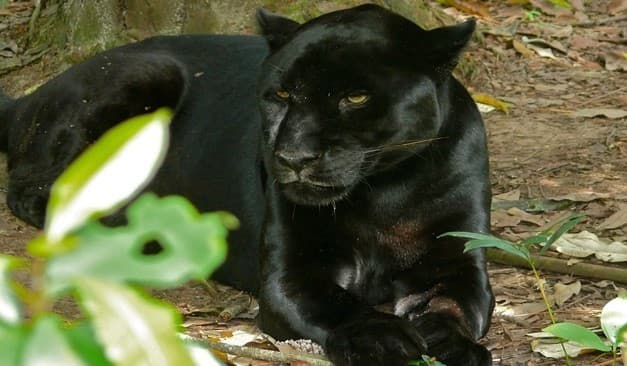
12.Black Panther Melanistic Big Cat (Melanistic Big Cat)

Times of India
Illustration for Black Panther Melanistic Big Cat (Melanistic Big Cat)

What & Where

Definition: Melanistic variant of genus Panthera felines; popularly termed black panther

Species: Black leopard Panthera pardus; black jaguar Panthera onca

Geography: Occurs Asia, Africa, Americas; Indian sightings Kabini, Nagarhole, Periyar, Silent Valley, Sundarbans

Quick Facts for MCQs

Genetics & Adaptation

  • Melanism arises from recessive leopard allele, dominant jaguar allele, yielding dark coat with subdued rosettes
  • Camouflage advantage within dim rainforest understory heightens ambush hunting success

Ecology & Behaviour

  • Habitat spans rainforests, grasslands, mountains across three continents; Indian core areas Kabini, Nagarhole, Periyar, Silent Valley, Sundarbans
  • Lifestyle solitary, territorial; keen eyesight and smell aid predation; males exhibit polygamy

Legal & Conservation

  • Protection: IUCN Vulnerable, CITES Appendix I, Wildlife Protection Act Schedule I ensuring highest legal safeguards
  • Threats: habitat fragmentation, poaching for skin, declining prey base necessitate focused conservation efforts

Key Data Points

FeatureData-Point
Continent distributionAsia, Africa, Americas
Indian sitesKabini, Nagarhole, Periyar, Silent Valley, Sundarbans
Habitat typeDense rainforests, grasslands, mountains
Scientific name (leopard)Panthera pardus
Scientific name (jaguar)Panthera onca
Colour mechanismMelanism; high melanin
Allele in leopardRecessive
Allele in jaguarDominant
IUCN statusVulnerable
CITES listingAppendix I
WLPA scheduleSchedule I

Related UPSC Prelims PYQs

CAPF_GAI 2024PYQ 1

‘कृष्ण-बाघ (Black Tiger)’ के संदर्भ में, निम्नलिखित में से कौन-सा/कौन-से कथन सही है/हैं?

GS-3S&T

13.Attention Deficit Hyperactivity Disorder Overview (Neurodevelopment Disorder)

Indian Express

What & Where

ADHD: neurodevelopmental disorder marked by inattention, hyperactivity, impulsivity.

Persistence: often begins in childhood, continues into adulthood (3-4 % of adults worldwide).

Study locus: recent life-expectancy analysis from UK, published in British Journal of Psychiatry.

Quick Facts for MCQs

Medical Profile

  • Inattention includes distractibility, forgetfulness, careless mistakes impacting daily tasks.
  • Hyperactivity manifests as restlessness, excessive movement in quiet contexts.
  • Impulsivity leads to interrupting, acting without foresight, risky behaviours.

Risk Factors

  • Genetics: family history sharply elevates susceptibility.
  • Prenatal exposure: nicotine, alcohol, drugs disrupt foetal neurodevelopment.
  • Environment: lead toxicity, low birth weight correlate with higher ADHD incidence.

Management & Therapy

  • Medication: stimulants first-line; non-stimulants used when stimulants contraindicated.
  • Behavioural interventions: structured routines, time-management, reinforcement techniques.
  • Lifestyle tweaks: balanced diet, regular exercise, adequate sleep enhance focus & mood.

Study Findings

  • UK study reports significantly reduced life expectancy for adults with ADHD.
  • Mortality gap attributed to accidents, substance misuse, comorbid psychiatric disorders.

Key Data Points

FeatureData-Point
Global adult prevalence3–4 %
Primary symptom triadInattention, Hyperactivity, Impulsivity
Major etiological factorStrong familial / genetic link
Key brain aspectAltered attention-regulation regions
Prenatal risksMaternal tobacco, alcohol, drug exposure
Noted environmental risksLead exposure, low birth weight
Common onset ageChildhood (school years)
Core drug classStimulants – methylphenidate, amphetamines
Main non-stimulantAtomoxetine
Behavioural therapy goalCoping & organisational skills
GS-3S&TQuick Bite

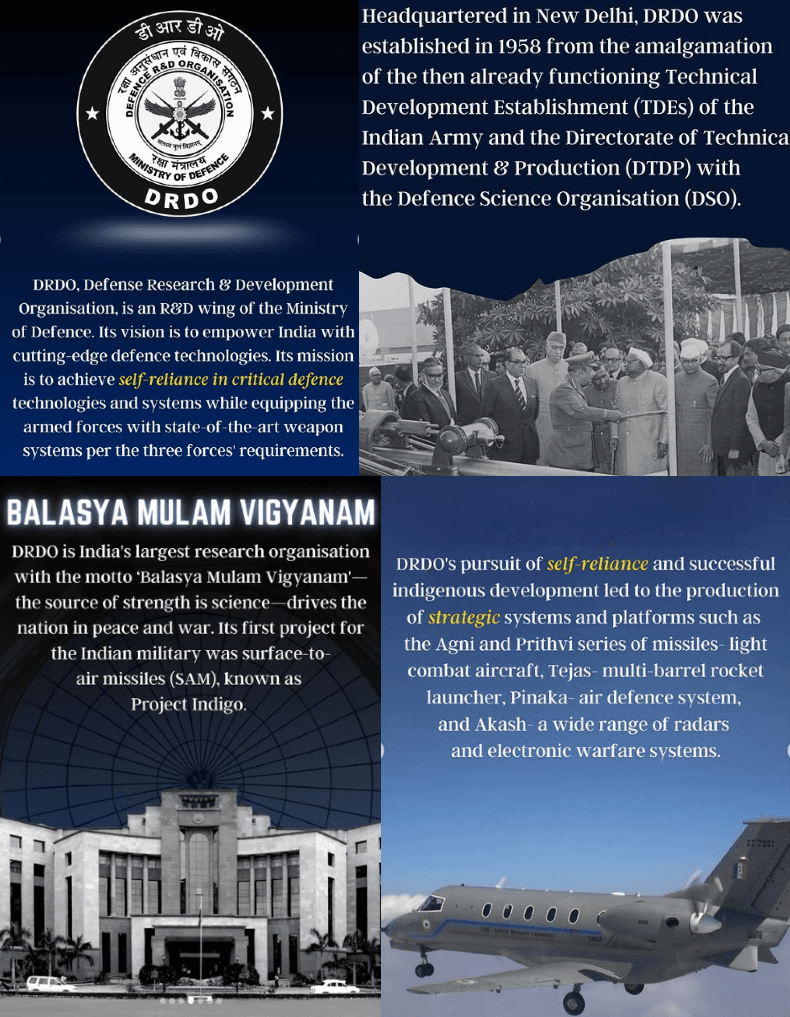
14.DRDO Scramjet Ground Test Advances Hypersonics (Scramjet Engine)

PIB
Illustration for DRDO Scramjet Ground Test Advances Hypersonics (Scramjet Engine)

What & Where

Scramjet = supersonic-combustion ramjet; air-breathing engine for Mach 5+ hypersonic flight.

DRDO ground-tested indigenous scramjet at dedicated test facility, India.

Application: future hypersonic cruise/boost-glide missiles that outpace conventional air defences.

Quick Facts for MCQs

Tech & Schemes

  • Advancement: Scramjet offers higher fuel efficiency versus conventional solid rocket boosts.
  • Cooling: Endothermic fuel absorbs heat, preventing combustor melt at extreme airflow temps.
  • Coating: Thermal Barrier resists high thermal flux during sustained hypersonic burn.

Security Dimension

  • Capability: Hypersonic missiles provide rapid, hard-to-intercept strike options, strategic deterrence.
  • Manoeuvrability: Air-breathing phase enables in-atmosphere course changes, complicating missile defence tracking.
  • DRDO test: Step toward indigenous hypersonic weapon, reducing reliance on foreign tech.

International Examples

  • China 2021: Nuclear-capable hypersonic glide vehicle circled globe before target approach.
  • US & Russia: Actively field-testing scramjet demonstrators and glide vehicles for rapid strike roles.

Key Data Points

FeatureData-Point
Engine typeAir-breathing, no moving parts (inlet–combustor–nozzle)
Propellants usedLiquid hydrogen + liquid oxygen
Speed regimeHypersonic, > Mach 5 (≈ 5,400 km/h)
Recent testStable combustion achieved in ground test, Jan 2025
Key developerDefence Research & Development Organisation (DRDO)
Indigenous add-onEndothermic scramjet fuel for cooling & ignition
Heat solutionNewly devised Thermal Barrier Coating
Global peersUSA, Russia, China advancing hypersonic missiles

Related UPSC Prelims PYQs

CDS_GK, NDA_GAT 2025PYQ 1

भारत के सैन्य आयुध (military arsenal) के बारे में निम्नलिखित में से कौन-सा/कौन-से कथन सही है/हैं?

CDS_GK, NDA_GAT 2025PYQ 2

रक्षा अनुसंधान एवं विकास संगठन (DRDO) का एक अंग, भारत के गैस टरबाइन अनुसंधान स्थापना (GTRE) ने एक एयरो-इंजन विकसित किया है जो संभवतः भारत को एयरो-इंजन प्रौद्योगिकी में आत्मनिर्भर बनाएगा। इस इंजन का नाम क्या है?

GS-2Editorial

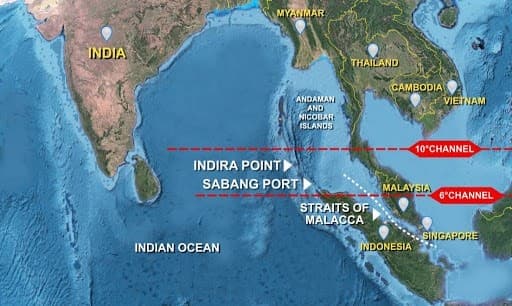
15.India–Indonesia Strategic Partnership Overview (India–Indonesia Ties)

Indian Express
Illustration for India–Indonesia Strategic Partnership Overview (India–Indonesia Ties)

What & Where

Bilateral partnership between India and Indonesia covering economic, defence, cultural and strategic spheres

Maritime neighbours straddling Andaman Sea and eastern Indian Ocean sea-lanes

Embedded in India’s Act East Policy and Indonesia’s Indo-Pacific Outlook

Quick Facts for MCQs

Historical Milestones

  • Treaty of Friendship 1951 initiated formal cooperation
  • Joint Bandung Conference 1955 seeded Non-Aligned Movement collaboration
  • Act East inclusion 2014 intensified summit-level engagements

Economic Angle

  • Trade dominated by palm oil and coal causing Indian deficit
  • Diversification planned into tech, renewables, agriculture to hit USD50 bn goal
  • Bureaucracy and modest Indian investment lag behind China’s USD139 bn trade

Defense & Security

  • Samudra Shakti and IND-INDO CORPAT enhance anti-piracy and HADR interoperability
  • 2018 Defence Cooperation Agreement authorises regular exchanges and joint patrols
  • Cooperation aligns with India SAGAR vision for Indo-Pacific maritime security

Cultural & Connectivity

  • Shared Hindu-Buddhist heritage showcased via Bali Yatra and Republic Day participation
  • 2023 direct flights spurred tourism and business links
  • ISRO satellite help and Indian hospital investments expand soft-power footprint

Key Data Points

FeatureData-Point
Bilateral trade FY 2023-24USD 29.4 billion
Trade target by 2025USD 50 billion
Indian FDI in IndonesiaUSD 1.56 billion
Strategic Partnership year2005
Comprehensive Strategic Partnership year2018
Naval exerciseSamudra Shakti
Coordinated patrolIND-INDO CORPAT
Direct flights started2023
India’s rank among Bali tourists2nd largest
Indonesia–China trade 2023USD 139 billion
Key Indian importsCoal, Palm oil

Related UPSC Prelims PYQs

CDS_GK, ESE_GS 2026PYQ 1

What is the name of the initiative launched by India and Denmark in November 2025 to enhance bilateral ties?

CDS_GK, ESE_GS 2023PYQ 2

The eighth edition of the Exercise Garuda Shakti, a bilateral military-to-military exercise, was conducted recently between the special forces of India and

GS-3Security

16.Sanjay Automated Battlefield Surveillance System (Surveillance System)

New Indian Express

What & Where

Automated battlefield surveillance system fusing ground & aerial sensor feeds into a Common Surveillance Picture (CSP).

Jointly developed by Indian Army & Bharat Electronics Ltd under Buy (Indian) procurement.

Phased induction across all operational formations pan-India, completion slated for Oct 2025.

Quick Facts for MCQs

Technology & Features

  • Multi-sensor fusion removes duplication, delivers verified CSP on secure Army–Satcom networks.
  • Advanced analytics enables threat detection, intrusion alerts over diverse terrains.
  • Network-centric web app accessible to Command & Army HQ levels.

Security Dimension

  • Supports conventional and sub-conventional warfare, accelerating transparent decision-making.
  • Boosts intelligence and reconnaissance reach for frontline formations.
  • Complements existing Akashteer command-and-control ecosystem.

Indigenisation & Policy

  • ₹2,402-cr Buy (Indian) project aligns with Aatmanirbharta & ‘Year of Technology Absorption’.
  • Design, software, hardware executed entirely in India by BEL and Army teams.
  • Demonstrates shift from imported surveillance to home-grown solutions.

Key Data Points

FeatureData-Point
Procurement categoryBuy (Indian)
DeveloperIndian Army + BEL
Development cost₹2,402 crore
Flag-off authorityDefence Minister
Core outputCommon Surveillance Picture
Ops applicabilityConventional & sub-conventional
Network backboneArmy Data & Satellite Comms
Induction phases3 (Mar–Oct 2025)
First fieldingOct 2024 (target)
Coverage scaleAll brigades, divisions, corps

Related UPSC Prelims PYQs

CDS_GK, ESE_GS 2024PYQ 1

Which one of the following is an ‘end-to-end secure mobile ecosystem’ developed recently by the Indian Army?

CDS_GK, ESE_GS 2024PYQ 2

Ministry of Defence signed contract with which one of the following organizations for Upgraded Super Rapid Gun Mount (SRGM) and other equipment for around 3000 crores?

GS-2Scheme

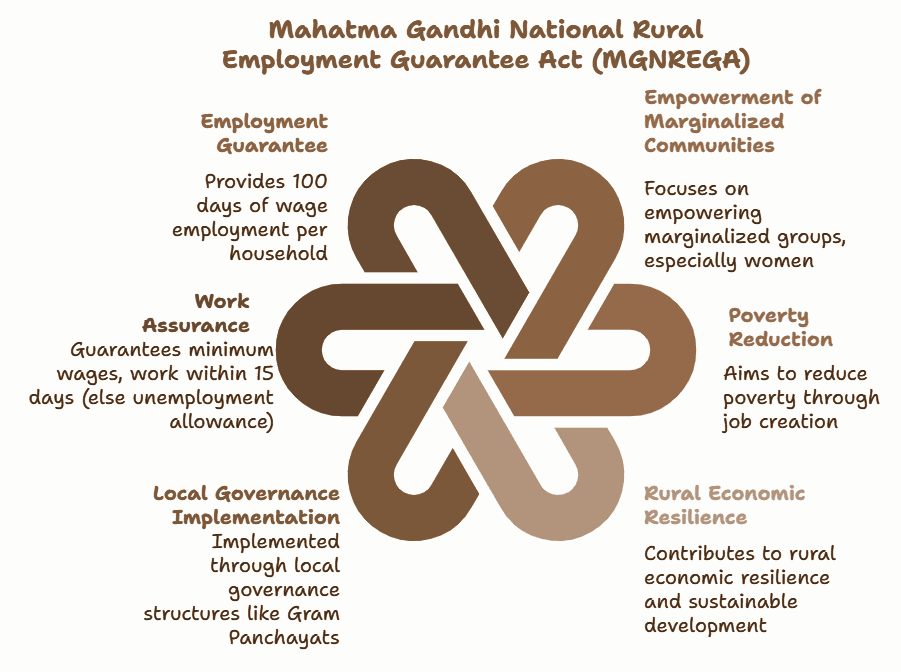
17.MGNREGA Wage Payment Delays Study (MGNREGA Payments)

Down to Earth
Illustration for MGNREGA Wage Payment Delays Study (MGNREGA Payments)

What & Where

MGNREGA (2005): Central law guaranteeing ≥100 days unskilled wage work to any willing rural adult household.

Demand-driven: job within 15 days or unemployment allowance; wages routed to bank/Aadhaar accounts.

Funding: Centre 100 % labour + 75 % materials, States 25 % materials; delay interest 0.05 %/day post-15 days.

Quick Facts for MCQs

Funding & Budget

  • Allocation fell from 0.56 % GDP (FY 20-21) to 0.2 % (FY 24-25).
  • Researchers urge fourfold hike to meet full work demand.
  • Underfunding central cause for only 29 % timely wage payments.

Payment Systems

  • ABPS inefficiency: limited coverage triggers large payment lags, ₹400 crore unpaid compensation.
  • Caste-tagged payroll (2021) slowed ‘Other’ category: 33 % timely vs 47 % SC.
  • Digital bottlenecks contradict transparency claims.

Worker Safeguards

  • Unemployment allowance: ¼ minimum wage first 30 days, ½ thereafter if work denied.
  • Mandate: ≥⅓ beneficiaries women; current share almost 59 %.
  • Compensation: injury ex-gratia; wage delay interest 0.05 %/day from 16th day.

Key Data Points

FeatureData-Point
Wage liability pending (study)₹39 crore
Wage transactions analysed31.36 million (FY 21-22)
ABPS worker eligibility Jan 202443 %
Potential extra delay compensation~₹400 crore
Payments within 7 days FY 21-2229 %
Budget share FY 21-220.41 % GDP
Budget share FY 24-250.2 % GDP
Recommended share1.2–1.5 % GDP
Union outlay FY 24-25₹86,000 crore
Women participation FY 23-2458.9 %

Related UPSC Prelims PYQs

CDS_GK, GS1 2022PYQ 1

Which one of the following statements with regard to the National Rural Employment Guarantee Act, 2005 is correct?

CDS_GK, GS1 2006PYQ 2

Consider the following statements in respect of the National Rural Employment Guarantee Act, 2005 :

Ready to practice?

Test your knowledge with our UPSC test series.

Start Free Trial