UPSC Current Affairs

14 topicsGS-1: 2GS-2: 6GS-3: 6
0/14 done
GS-1History

1.Tamil Brahmi Graffiti in Egyptian Tombs

Times of India

What & Where

Ancient Indian graffiti (Tamil Brahmi, Prakrit, Sanskrit, 1st–3rd CE) carved inside Valley of the Kings tombs, Egypt.

Site: six rock-cut royal tombs, west bank Nile near Luxor; part of Theban Necropolis, UNESCO 1979.

Practice: visitors etched names alongside existing Greek marks, mirroring Roman-era commemorative graffiti custom.

Quick Facts for MCQs

Trade Links

  • Maritime trade route linked Tamilagam to Roman Egypt via Red Sea ports like Berenike, Myos Hormos
  • Graffiti inside Valley tombs show traders traveled inland Nile, not confined to coastal entrepôts
  • Epigraphic dates match peak Indo-Roman commerce first to third centuries CE

Archaeological Context

  • Six pharaonic tombs yielded about thirty Indian inscriptions scratched near Greek visitor marks
  • Tomb reuse by Roman era travelers allowed such multilingual graffiti to survive
  • Researchers compared letterforms with Berenike sherd inscriptions confirming common authorship styles

Cultural Interaction

  • Tamil names Kopān, Cātan, Kiran align with Sangam period onomastics
  • Repetition of personal name Cikai Korran eight times hints at commemorative devotion
  • Presence of Prakrit and Sanskrit lines indicates mixed Indian linguistic groups abroad

Key Data Points

FeatureData-Point
Total inscriptions≈ 30
Scripts presentTamil Brahmi, Prakrit, Sanskrit
Dating1st–3rd centuries CE
Tombs carrying Indian graffiti6
Repeated Tamil name‘Cikai Korran’—8 times in 5 tombs
Other Tamil namesKopān, Cātan, Kiran
Parallel Indian findsRed Sea port Berenike
Valley of the Kings use18th–20th Dynasties, c.1539–1075 BCE
Tombs discovered in valley60 +
UNESCO listing year1979

Related UPSC Prelims PYQs

CAPF_GAI 2023PYQ 1

Which one of the following statements is correct?
GS-1HistoryQuick Bite

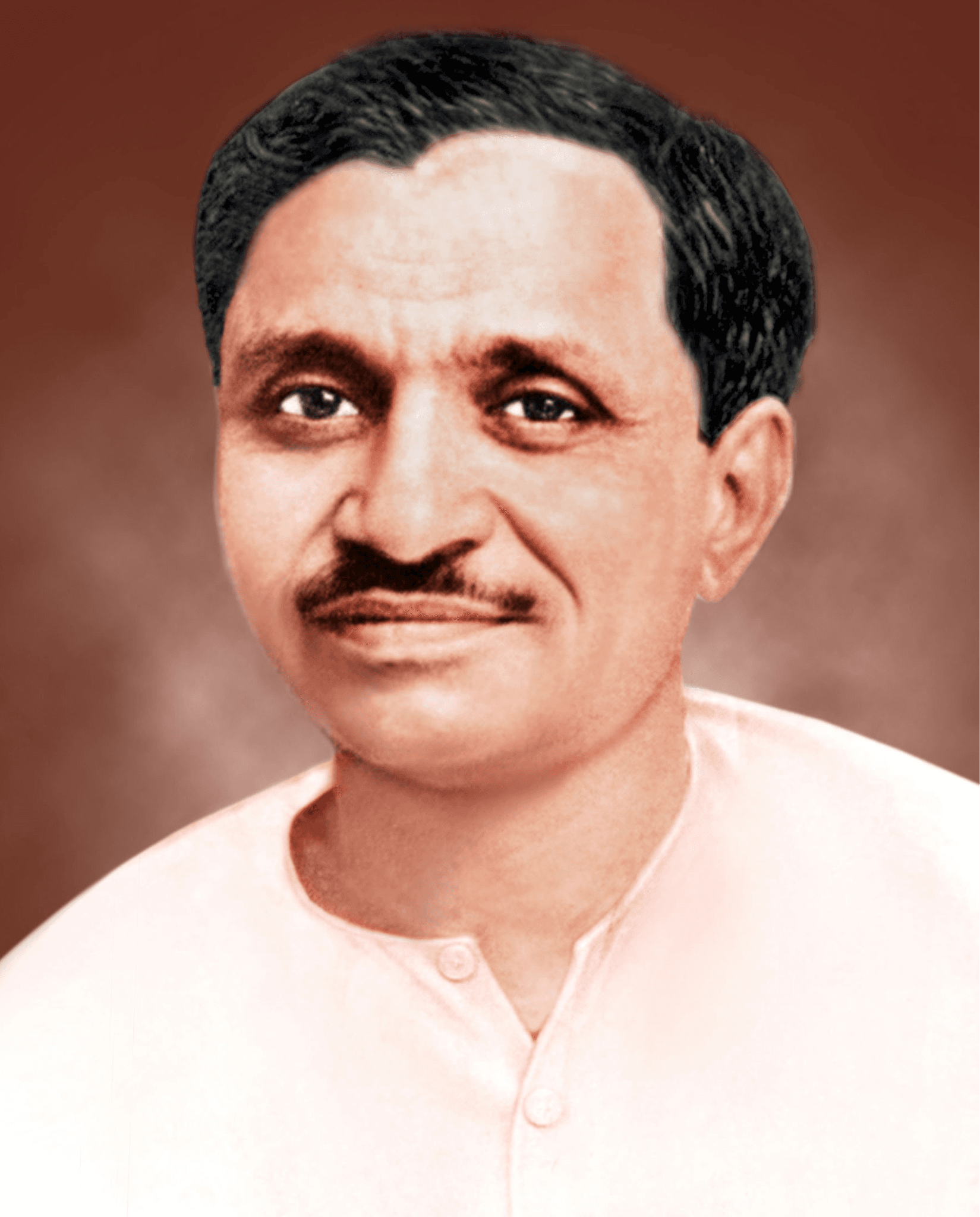
2.Deendayal Upadhyaya Death Anniversary Tribute

PIB
Illustration for Deendayal Upadhyaya Death Anniversary Tribute

What & Where

Personality: Pt Deendayal Upadhyaya, RSS thinker and Bharatiya Jana Sangh leader; born Jaipur State, 1916; died 1968, Mughalsarai.

Concept: Antyodaya—upliftment of the “last person”; forms core of his Integral Humanism philosophy.

Commemoration: Birth anniversary 25 Sep = Antyodaya Diwas; death anniversary 11 Feb observed nationwide.

Quick Facts for MCQs

Philosophical Tenets

  • Integral Humanism blends welfare, social justice, economic equality, cultural nationalism.
  • Antyodaya stresses policy priority to poorest citizen, guiding BJP welfare rhetoric.

Government Recognition & Schemes

  • NRLM rechristened Deendayal Antyodaya Yojana to echo his poverty-alleviation ethos.
  • Annual Antyodaya Diwas events promote rural livelihoods, SHG expansion.

Timeline & Personal Milestones

  • 1916 birth, British India; orphaned early, joined RSS in college.
  • 1951 helped form Bharatiya Jana Sangh; 1967 became party president shortly before demise.

Key Data Points

FeatureData-Point
Birth date25 September 1916
Death date11 February 1968
Primary ideologyIntegral Humanism
Key focusAntyodaya (uplifting most disadvantaged)
Political platformsRSS cadre; co-founder, Bharatiya Jana Sangh
Antyodaya Diwas start25 Sept 2014
NRLM new nameDeendayal Antyodaya Yojana-NRLM (2015)
Railway renamingMughalsarai Jn → Pt Deendayal Upadhyaya Jn (2018)
GS-2Polity

3.State Demands to 16th Finance Commission

The Hindu
Illustration for State Demands to 16th Finance Commission

What & Where

Finance Commission – Article 280 constitutional body recommending Union–State tax devolution and fiscal principles

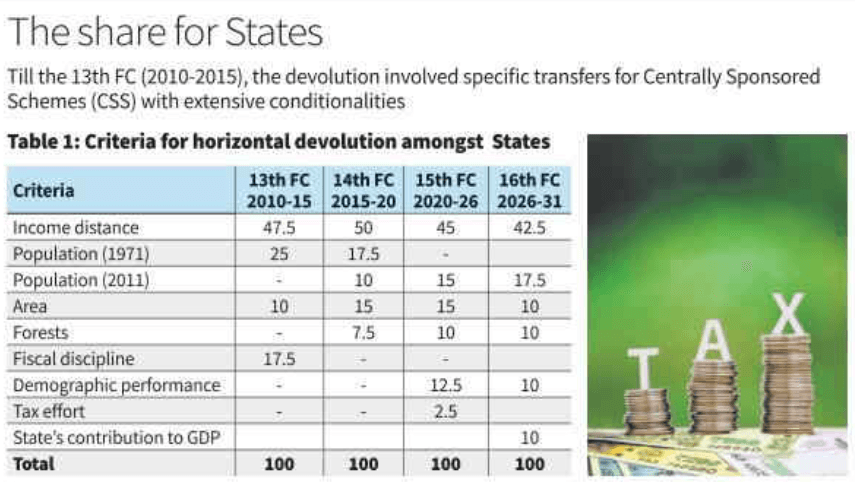
16th FC period 2026-31; keeps 41 % vertical share; adds 10 % GDP-contribution in horizontal formula

Operates pan-India over divisible pool: Corporation Tax, PIT, CGST, Centre share of IGST

Quick Facts for MCQs

State Demands

  • Vertical-share hike to 50 % solicited by 18 States for rising welfare costs
  • Cess-inclusion push claimed Centre’s surcharges cut real State share below 30 %
  • GDP-factor request by Maharashtra, Gujarat to offset high urban-infrastructure spending

Fiscal Recommendations

  • GDP-contribution 10 % weight incentivises high-output economies
  • Deficit-cap 3 % GSDP and on-budgeting of liabilities enforce transparency
  • DISCOM-privatisation advised to curb contingent debt and improve efficiency

Impact Assessment

  • Industrial States Tamil Nadu, Karnataka likely marginal share gains
  • Poorer States risk reduction as income-distance weight trimmed
  • Transparent debt norms restrict heavy corporation borrowing in Telangana, Andhra Pradesh

Cooperative Federalism

  • Stagnant 41 % share viewed as limiting State fiscal autonomy
  • Compliance-driven criteria seen prioritising efficiency over equity
  • Conditional stance on cash-transfer schemes perceived as policy intrusion into State domain

Key Data Points

FeatureData-Point
Constitutional basisArticle 280
16th FC tenureFY 2026-27 to FY 2030-31
Vertical devolution41 % of divisible pool
New horizontal criterionContribution to GDP, 10 % weight
Income-distance weight42.5 % (earlier 45 %)
State fiscal-deficit cap3 % of GSDP
Off-budget borrowingsMust be budget-booked
Local-body & disaster grants₹9.47 lakh crore
Shared tax basketCorp Tax, PIT, CGST, Centre IGST

Related UPSC Prelims PYQs

CAPF_GAI, GS1 2024PYQ 1

Population of the year 2011 was first introduced in the tax devolution formula for sharing Union tax revenue with the States by

CAPF_GAI, GS1 2002PYQ 2

Which one of the following authorities recommends the principles governing grants-in-aid of the revenues to the states out of the Consolidated Fund of India?

GS-2Polity

4.Revised Protocol for National Song and Anthem

The Hindu

What & Where

National Song Vande Mataram to precede National Anthem Jana Gana Mana at any combined performance across India.

Both pieces demand standing attention except when played within newsreels/films.

Protocol issued by Ministry of Home Affairs; applicable to States, UTs, schools, official ceremonies.

Quick Facts for MCQs

Legal & Policy

  • MHA directive 2026 cites Prevention of Insults to National Honour Act & Art 51A(a) for enforceability.
  • SC 2005 upheld word “Sindh” in Anthem; no constitutional mention of a “National Song.”

Ceremonial Protocol

  • Presidential or Governor arrival/departure, flag parades, AIR/Doordarshan presidential addresses must include Song.
  • Band performance requires preceding drum roll; roll ensures audience readiness.

Historical Context

  • Song rallying cry during 1905 Swadeshi; arrests ordered by Lord Curzon for chanting.
  • Madam Bhikaji Cama’s 1907 Stuttgart flag bore “Vande Mataram”; INA version Subh Sukh Chain adapted by Bose.

Key Data Points

FeatureData-Point
Vande Mataram composerBankim Chandra Chatterjee (1875, Bangadarshan)
Anthem composerRabindranath Tagore, 1911
Official adoption datesAnthem & Song equally honoured: 24 Jan 1950
Prescribed play-orderSong first, Anthem second
Song duration (official version)≈3 min 10 s
Fundamental Duty linkArt 51A(a) – respect Flag, Anthem, Constitution
First public singing of Anthem27 Dec 1911, INC Calcutta Session
First INC adoption of Song1896, Tagore at Calcutta Session

Related UPSC Prelims PYQs

GS1 2003PYQ 1

Which one of the following statements is correct?
GS1 1996PYQ 2

Consider the following statements: No one can be compelled to sing the National Anthem since

GS-2Scheme

5.Ayushman Sahakar Cooperative Healthcare Scheme

PIB
Illustration for Ayushman Sahakar Cooperative Healthcare Scheme

What & Where

Dedicated NCDC credit scheme empowering cooperative societies to build/upgrade healthcare facilities nationwide.

Operational since 2020, aligned with National Health Policy-2017; under Ministry of Cooperation supervision.

Targets affordable, holistic, community-owned healthcare including AYUSH and digital health components.

Quick Facts for MCQs

Legal & Policy

  • Alignment; scheme notified by NCDC per Section 9 of NCDC Act & National Health Policy directives.
  • Cooperative federalism focus; decentralises healthcare decision-making to member-owned bodies.

Economic Angle

  • Flexible financing; term/investment loans structured to actual project cash-flow needs.
  • Security mechanism; state guarantee or collateral ensures credit discipline.

Social Concerns

  • Community ownership; promotes participatory governance, transparency in rural and semi-urban health delivery.
  • Gender inclusion; interest rebate incentivises women-led cooperatives, boosting female economic agency.

Tech & Schemes

  • Digital health; supports telemedicine, e-health records, strengthening National Digital Health Mission goals.
  • AYUSH integration; funds for traditional medicine hospitals, wellness centres, pharma units.

Key Data Points

FeatureData-Point
Launch year2020
Implementing bodyNational Cooperative Development Corporation
Administrative controlMinistry of Cooperation
Eligible entityAny State/Multi-State cooperative with healthcare bye-laws
Max loan shareUp to 90 % of project cost
Loan tenor≤ 8 years
Moratorium1–2 years
Interest rebate1 % for women-majority cooperatives
CoverageInfrastructure, modernisation, AYUSH, telemedicine, insurance, working capital
Health policy linkageNational Health Policy 2017

Related UPSC Prelims PYQs

CAPF_GAI, CDS_GK 2020PYQ 1

Which one of the following is not a feature of the Ayushman Bharat Scheme?

CAPF_GAI, CDS_GK 2025PYQ 2

नवीनी सहकार योजना के बारे में निम्नलिखित कथनों पर विचार कीजिए:

GS-2S&T

6.Three-A Framework for AI in Education

The Hindu

What & Where

Three A’s Framework – Adoption, Absorption, Application – roadmap to shift Indian education from rote to AI-ready pedagogy

Anchored in National Education Policy 2020; targets schools & HEIs across India

Applies AI tools (LLMs, image generators, analytics) for personalised learning, critical thinking, real-world problem-solving

Quick Facts for MCQs

Legal & Policy

  • NETF mandate: set up Sovereign AI Cloud, ensure data sovereignty
  • Mandatory AI Citizenship course from Class 8 covering privacy, bias, IPR
  • CCE emphasised for transparent, replicable skill assessment

Tech & Schemes

  • Infrastructure gap: low-power devices cannot host Small Language Models locally
  • Cloud solution allows heavy compute via thin clients, bridging rural-urban digital divide
  • Adaptive learning platforms enable democratised personalised tuition

Social Concerns

  • Cognitive offloading risk: overuse may erode critical thinking neural pathways
  • Teacher–student skill mismatch creates Black-Box dilemma in assignment auditing
  • Western-trained LLMs induce cultural hallucinations, need India-centric datasets

International Examples

  • Japan GIGA School illustrates government-funded one-device infrastructure success
  • Global LLM free tiers presently host Indian student data on foreign servers
  • WEIRD dataset bias highlights necessity for culturally diverse AI training

Key Data Points

FeatureData-Point
NEP release year2020
Three A’s phasesAdoption → Absorption → Application
WEF 2025 forecast39 % core-skills change by 2030
Key AI literacy skillBasic prompt engineering
Main hardware gapLack of NPU in low-cost rural devices
Proposed cloudSovereign AI Cloud under NETF
Example foreign modelJapan GIGA School: One Student One Device
Cultural bias acronymWEIRD (Western, Educated, Industrialised, Rich, Democratic)
Assessment reform cueShift to process-based Continuous Comprehensive Evaluation
Teacher missionAI-focused Train-the-Trainer (NISHTHA-like)

Related UPSC Prelims PYQs

CDS_GK 2023PYQ 1

Consider the following statements concerning the National Education Policy, 2020:

CDS_GK 2025PYQ 2

NEP 2020 के दिशा-निर्देश के अनुसार, 'पोषण और पढ़ाई पूर्व' (PPBP), निम्नलिखित में से किस कार्यक्रम के अंतर्गत प्रारंभ की गई है?

GS-2SecurityQuick Bite

7.NATO Arctic Sentry Defence Mission

The Hindu
Illustration for NATO Arctic Sentry Defence Mission

What & Where

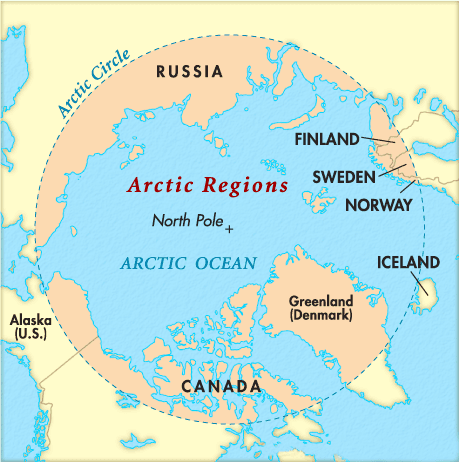
Arctic Sentry: NATO multi-domain mission to harden defence, surveillance, stability across Arctic & High North.

Spatial cover: Arctic Ocean and lands north of 66°34′ N, incl. Norway-Iceland-Danish Straits corridor.

Mirrors Baltic Sentry/Eastern Sentry templates for coordinated allied response.

Quick Facts for MCQs

Security Dimension

  • Collective-defence focus countering sabotage, protecting critical Arctic infrastructure.
  • Surveillance boost across air, sea, cyber domains termed multi-domain approach.
  • Aims to keep Arctic/High North secure amid rising great-power competition.

Military Exercises

  • Exercise Cold Response simulates large-scale Arctic combat, logistical endurance.
  • Lion Protector drills UK-led counter-sabotage, infrastructure defence in Norway-Iceland gap.
  • Both integrated under Arctic Sentry’s annual training calendar.

Geography & Resources

  • Melting ice opens shorter trans-polar shipping routes cutting Asia-Europe distance.
  • Arctic hosts untapped hydrocarbons, rare earths, making control geopolitically lucrative.
  • Proximity to Russia, North America elevates strategic urgency for NATO.

Key Data Points

FeatureData-Point
Launching bodyNATO
Announcement date12 Feb 2026
Mission purposeCollective defence, coordination, stability in Arctic
Geographic limitNorth of Arctic Circle (66°34′ N)
Arctic Council membersCAN, DNK (Greenland), FIN, ISL, NOR, RUS, SWE, USA
Core exercisesCold Response; UK-led Lion Protector
Focus corridorsNorway, Iceland & Danish Straits
Modelled onBaltic Sentry; Eastern Sentry
Resource stakesMinerals, rare-earths; emerging sea lanes

Related UPSC Prelims PYQs

GS1 2014PYQ 1

Consider the following countries:

GS-2Security

8.Defence Ministry Draft Book Publication Rules

Indian Express

What & Where

New MoD framework to regulate book‐publishing by serving and retired Indian Armed Forces personnel.

Applies nationwide; aims to institutionalise manuscript clearance beyond existing service rules.

Prompted by row over ex-Army Chief Gen M.M. Naravane’s memoir “Four Stars of Destiny”.

Quick Facts for MCQs

Legal & Policy

  • OSA retains jurisdiction over defence personnel after retirement, criminalising classified disclosures.
  • Draft guidelines will merge service rules and OSA provisions into one approval regime for veterans.
  • Serving officers already bound by explicit publication clauses in Army, Navy and Air Force regulations.

Security Dimension

  • Vetting process filters operational details, intelligence inputs, internal procedures before public release.
  • Unauthorised disclosure deemed “prejudicial to national security” under Section 5 OSA.
  • Failure to seek clearance invites disciplinary or legal action including prosecution.

Comparative Civil Services

  • 2021 CCS (Pension) tweak bars ex-intelligence officials from releasing sensitive content sans clearance.
  • Defence veterans currently lack equivalent consolidated rule, prompting MoD harmonisation move.
  • Civil and military frameworks both seek balance between transparency and security imperatives.

Key Data Points

FeatureData-Point
Lifelong secrecy lawOfficial Secrets Act, 1923
Army Act/Rules publication controlServing personnel only
Retiree legal status“Grey area”; OSA only explicit curb
Mandatory step for serving officersPrior written permission via chain of command
Clearance ceilingUp to Army HQ / MoD
CCS (Pension) Rules amendment year2021
Who banned under 2021 ruleRetired RAW, IB, other security org staff
Proposed MoD guidelines aimStandardise clearance, plug veteran loophole
Recent trigger caseNaravane’s unpublished book controversy
Offence for classified leakCriminal, punishable under OSA

Related UPSC Prelims PYQs

GS1 2023PYQ 1

With reference to India, consider the following pairs:

GS-3S&T

9.Ladakh Solar and Optical Telescopes Projects

Indian Express
Illustration for Ladakh Solar and Optical Telescopes Projects

What & Where

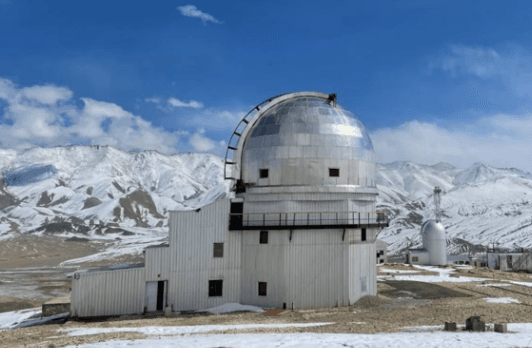
NLST: 2 m ground-based solar telescope planned at Merak near Pangong Tso, Ladakh

NLOT: 13.7 m segmented optical–near-IR telescope to rise at Hanle, Ladakh

Goal: boost Indian heliophysics, exoplanet, stellar-evolution and cosmology research via Ladakh’s high, dry, dark skies

Quick Facts for MCQs

Tech & Schemes

  • Segmented-mirror tech from TMT experience adopted for NLOT construction
  • Budget earmarks simultaneous upgrade of 2 m Himalayan Chandra Telescope, Hanle
  • Facilities managed by Indian Institute of Astrophysics with global collaboration avenues

Scientific Significance

  • NLST enables high-resolution mapping of solar flares, coronal mass ejections, space-weather drivers
  • NLOT permits faint-object studies: exoplanets, supernovae, early-galaxy formation, dark-energy probes
  • Combined datasets expand Indian astronomers’ observation time and archival leadership

Geographical Advantage

  • Ladakh altitude and 300+ clear nights annually minimize atmospheric distortion and water-vapour absorption
  • Sparse population ensures exceptionally low light pollution, crucial for near-IR sensitivity
  • Proximity of NLST & NLOT fosters shared logistics, power, fibre-optic data links

Key Data Points

FeatureData-Point
Union Budget nodFY 2026
NLST aperture2 metre
NLST bandVisible & Near-IR
NLST siteMerak, Pangong Tso, Ladakh
NLOT primary mirror13.7 metre
NLOT mirror segments90 hexagons
NLOT bandOptical & Near-IR
NLOT site altitude~4,500 m Hanle plateau
Existing upgradeHimalayan Chandra Telescope (2 m)
Earlier Indian solar observatoriesKodaikanal, Udaipur
Space mission complementAditya-L1 data synergy

Related UPSC Prelims PYQs

CDS_GK, NDA_GAT 2022PYQ 1

Recently India commissioned its first liquid mirror telescope at

CDS_GK, NDA_GAT 2024PYQ 2

स्क्वायर (वर्ग) किलोमीटर एरे (SKA) परियोजना के संबंध में निम्नलिखित में से कौन-सा/कौन-से कथन सही है/हैं ?

GS-3S&T

10.IT Intermediary Guidelines Amendment 2026

The Hindu

What & Where

Amendment Rules 2026 under IT Act 2000, notified by MeitY, update Intermediary Guidelines & Digital Media Ethics Code

Nationwide application to social-media intermediaries handling user content; enforcement begins 20 Feb 2026

Core focus: synthetic content definition, ultra-rapid takedowns, mandatory AI-labeling

Quick Facts for MCQs

Legal & Policy

  • Safe Harbour retained only if intermediary shows “due diligence” on synthetic content
  • Knowing tolerance, promotion or inaction on violative deepfakes deemed due-diligence failure
  • Court or appropriate government can mandate 3-hr takedown orders

Tech Requirements

  • Synthetic content defined as algorithmically created/altered audio-visual, indistinguishable from reality
  • Smartphone camera minor touch-ups explicitly exempt, preventing over-regulation of routine photos
  • Platforms must request AI-origin disclosure; absent disclosure, label proactively or remove content

Administrative Flexibility

  • States authorised to appoint multiple officers for issuing takedown directions
  • Decentralised authority expected to accelerate compliance timelines

Key Data Points

FeatureData-Point
Parent lawIT Act 2000
Earlier rules amended2021 Intermediary Rules
Enforcement date20 Feb 2026
General illegal-content removal≤ 3 hrs of court/government order
Deepfake & non-consensual nudity removal≤ 2 hrs of user report
Label requirement“Prominently” mark AI-generated imagery
Non-compliance falloutLoss of Sec 79 Safe-Harbour protection

Related UPSC Prelims PYQs

ESE_GS 2026PYQ 1

Which Ministry released the India AI Governance Guidelines in 2025?

GS-3Environment

11.Waste Sector Roadmap for Net Zero 2070

NITI Aayog
Illustration for Waste Sector Roadmap for Net Zero 2070

What & Where

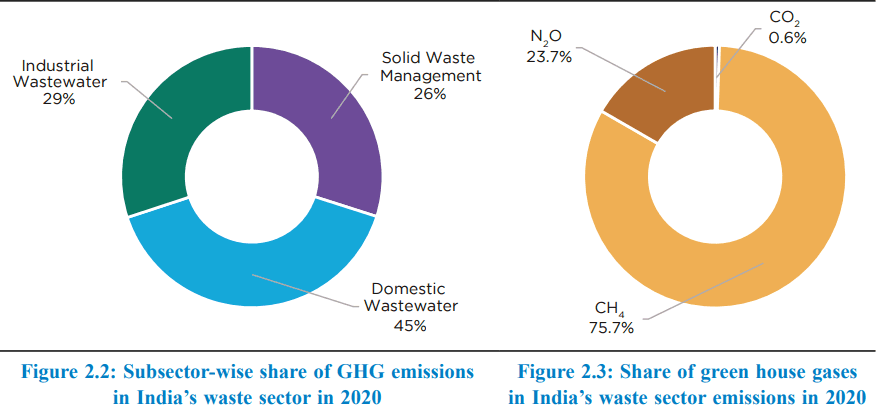
Study: NITI Aayog’s ‘Scenarios Towards Viksit Bharat & Net Zero—Waste Sector’; compares Current-Policy vs Net-Zero pathways.

Process: 18-month scenario modelling by 10 inter-ministerial groups; focuses on universal collection, 100% segregation, bio-methanation.

Geography: Entire India; highlights metro landfills (Ghazipur, Mumbai, Chennai) and industrial clusters (Gujarat, Tamil Nadu).

Quick Facts for MCQs

Emission Trends

  • Methane leaks significant due to unscientific landfills storing high-organic MSW.
  • Waste generation to jump ~2.7 × by 2030, ~7 × by 2050 under business-as-usual.

Sectoral Challenges

  • Segregation lag; many tier-2 cities still mix dry-wet streams, crippling recovery tech.
  • Formal processing absorbs only 10 % e-waste; informal sector dominates without safety norms.
  • Absence of national quality standards depresses recycled product prices, e.g., tyre rubber.

Policy Recommendations

  • Universal door-to-door solid-waste collection and 100 % wastewater treatment by 2047.
  • Ban imported tyre pyrolysis; strengthen EPR for batteries and e-waste; formalize informal workers.
  • Use Mission LiFE for citizen-led segregation Jan Andolan.

Economic Angle

  • Viewing waste as embodied energy secures material supply chains, boosts GDP via circularity.
  • Large-scale bio-CNG, compost, treated effluent can replace fossil inputs and create rural jobs.

Key Data Points

FeatureData-Point
Waste-sector emission rise 1994-2020226 %
Sector share in 2020 emissions76 MtCO₂e; 4th largest
Current MSW generated1.70 lakh t/day (≈62 Mt/yr)
Projected MSW 2050436 Mt/yr
Organic fraction in MSW40–60 %
E-waste generated 20206.2 MMT/yr
Formal e-waste value recovery18 %
Bio-methanating 50 % wet waste₹2,460 crore/yr potential
C&D waste now10–12 Mt/yr
Lithium-ion battery waste 20309-fold over 2020

Related UPSC Prelims PYQs

GEO_GS, GS1 2023PYQ 1

According to the Solid Waste Management Rules, 2016, the responsibility of waste generators has been fixed for segregation of waste in which of the following streams?

GEO_GS, GS1 2019PYQ 2

As per the Solid Waste Management Rules, 2016 in India, which one of the following statements is correct?

GS-3Species

12.Odisha Marine Dolphin Census 2026

Down to Earth
Illustration for Odisha Marine Dolphin Census 2026

What & Where

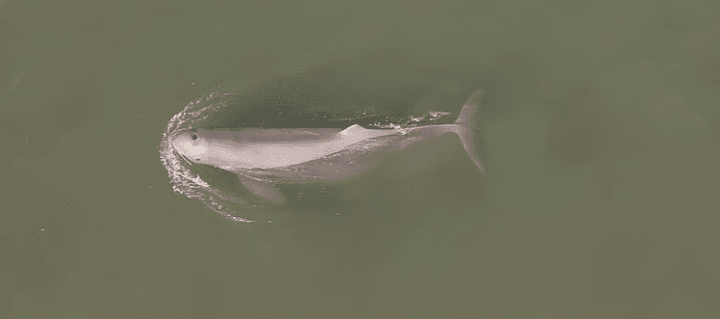
Annual Dolphin Census: scientific count across Odisha’s marine & estuarine waters, incl. Chilika Lake and Gahirmatha coast.

Records five cetacean types—Humpback, Irrawaddy, Bottlenose, Spinner, Finless Porpoise.

Odisha coastline, esp. Chilika (brackish lagoon) & Gahirmatha Marine Sanctuary, are core dolphin hotspots.

Quick Facts for MCQs

Methodology

  • Transect surveys employ binoculars, GPS, hydrophones for sighting & double-count avoidance.
  • Teams: forest officials, marine biologists, trained boatmen for synchronized coverage.
  • Both coastal and lagoon stretches mapped to ensure species-wise spatial data.

Population Trend

  • 2026 figure highest since 2021, indicating gradual recovery.
  • Humpback share ~65 %, primary driver of overall rise.
  • Finless porpoise & spinner remain critically low, flagged for focused action.

Conservation Status

  • Schedule I listing ensures highest penalties for harm/hunt.
  • Community eco-tourism in Chilika funds patrolling and awareness.
  • Gahirmatha’s marine sanctuary status curbs trawling, aiding humpback rebound.

Ecological Role

  • Apex mid-level predators; control fish populations, signal trophic balance.
  • Presence correlates with high dissolved oxygen & low pollutant loads.
  • Slow breeders make each adult crucial for maintaining viable pods.

Key Data Points

FeatureData-Point
Census frequencyAnnual (January–March)
Latest exercise2026
Total dolphins 2026765 (5-yr peak)
Humpback number497
Irrawaddy number208
Bottlenose number55
Spinner number3
Finless porpoise2
Chilika Irrawaddy159 (global largest single-area stock)
Gahirmatha Humpback474
Conducting agencyWildlife Wing, Odisha FE&CC Dept
Survey methodBoat & shore transect line counts
Irrawaddy IUCN tagEndangered
Legal cover IndiaWildlife Protection Act 1972, Schedule I

Related UPSC Prelims PYQs

CAPF_GAI, GS1 2015PYQ 1

Which one of the following is the national aquatic animal of India?

CAPF_GAI, GS1 2023PYQ 2

Consider the following statements about Ramsar Wetland sites in India:

GS-3Species

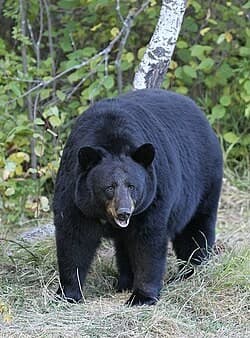
13.Uttarakhand Bear Hibernation Disruption

New Indian Express
Illustration for Uttarakhand Bear Hibernation Disruption

What & Where

Bear: Large, short-tailed omnivore of family Ursidae; key species Ursus arctos (Brown), U. maritimus (Polar).

Hibernation: Seasonal metabolic torpor triggered by cold & food scarcity; bears show reduced heart rate, temp, intermittent arousals.

Uttarakhand: Poor 2025-26 snowfall kept bears active in mid-Himalayas, heightening encounters near settlements.

Quick Facts for MCQs

Species Biology

  • Sizeable omnivores; adept climbers & swimmers despite bulk.
  • Brown fat generates heat during brief winter arousals.
  • Cubs reared in maternal dens, males generally avoided.

Climate Link

  • Snow deficit failed to cue metabolic slowdown, sustaining bear activity.
  • Warmer winters predicted to further compress hibernation periods.

Human-Wildlife Conflict

  • Active bears forage near villages, increasing attack frequency.
  • Early 2026 incidents prompt calls for enhanced monitoring and waste management.

Key Data Points

FeatureData-Point
Taxonomic familyUrsidae
Indian resident speciesSloth Bear (Melursus ursinus)
Global examplesBrown, Polar, American Black bears
Dominant senseSmell; compensates for moderate vision, hearing
Diet typeOmnivorous; polar bear largely carnivorous
Pre-hibernation actRapid fat accumulation
Depth of torporLight; not true deep hibernation
Conflict spike yearEarly 2026, Uttarakhand
Key climate driverLow winter snowfall
Social patternSolitary except mating/cub care

Related UPSC Prelims PYQs

GS1 2014PYQ 1

Consider the following :

GS-3EconomyQuick Bite

14.Petroleum and Natural Gas Regulatory Board Mandate

DD News

What & Where

PNGRB: statutory regulator for downstream petroleum & natural gas across India

New approval: allows Compressed Biogas (CBG) injection into Natural Gas Pipelines and City Gas Distribution grids

HQ: New Delhi

Quick Facts for MCQs

Legal & Policy

  • Mandate: authorises pipelines, CGD networks, LNG terminals under Section 16 of PNGRB Act
  • Access Code: specifies common/contract carrier tariffs, entry-exit norms
  • Safety: prescribes technical standards, O&M procedures for gas infrastructure

Economic Angle

  • Energy security: domestic CBG offsets imported liquefied natural gas outgo
  • Finance: assured pipeline offtake improves bankability of biogas plants
  • Market: broader gas pool may stabilise retail PNG/CNG prices

Environmental Impact

  • Decarbonisation: CBG from agri-waste lowers lifecycle GHG versus fossil natural gas
  • Waste-to-energy: incentivises utilisation of crop residues, municipal organic waste
  • Green gas mainstreaming: creates uniform grid access, boosting renewable gas share

Key Data Points

FeatureData-Point
Full formPetroleum and Natural Gas Regulatory Board
Parent ActPNGRB Act 2006
Year of set-up2006
Regulated sphereDownstream petroleum & natural gas
Recent decisionCBG integration into NGPL & CGD
Board HQNew Delhi
Key aimProtect consumer interests & fair trade
Energy impactCuts LNG import reliance

Related UPSC Prelims PYQs

GS1 2019PYQ 1

निम्नलिखित कथनों पर विचार कीजिए :

GS1 2025PYQ 2

Consider the following activities:

Ready to practice?

Test your knowledge with our UPSC test series.

Start Free Trial