UPSC Current Affairs

16 topicsGS-1: 5GS-2: 3GS-3: 8
0/16 done
GS-2Polity

1.Tamil Nadu Rejects UGC Third-Language (Language Policy)

The Hindu

What & Where

UGC circular: mandates teaching a third language in all higher educational institutions nationwide.

NEP 2020 process: three-language formula; two native Indian tongues + one other language.

Tamil Nadu geography: continues two-language system (Tamil, English) across its universities and colleges.

Quick Facts for MCQs

Legal & Policy

  • UGC directive seen by TN as contradicting state’s 1968 law on mediums of instruction.
  • NEP three-language provision lacks mandatory status yet guided via UGC circular.
  • Assembly resolutions invoke federal rights under Articles 246 & 254 concurrence.

Centre–State Relations

  • Education in Concurrent List creating recurring jurisdictional tussles.
  • TN cites historical opposition to Hindi imposition since pre-Independence agitations.
  • Unanimous House motion 2022 urged Centre to drop Hindi MOI in central institutions.

Language Debate

  • Multilingualism promoted by Centre vs regional linguistic identity preservation.
  • Two-language model argued sufficient for global competence per TN.
  • Circular interpreted as step toward national Hindi standardisation.

Key Data Points

FeatureData-Point
Circular issued byUniversity Grants Commission (UGC)
Trigger documentNational Education Policy 2020
TN current formulaTwo languages: Tamil + English
Year TN adopted policy1968 (C. N. Annadurai)
Constitutional listEducation in Concurrent List
Assembly 2022 stanceRejected Official Language panel push for Hindi MOI
Required languages under NEPMinimum two Indian, third could be English/foreign
Alleged impactIndirect Hindi imposition
GS-2PolityQuick Bite

2.Himachal Pradesh Statehood Evolution (State Reorganisation)

PIB
Illustration for Himachal Pradesh Statehood Evolution (State Reorganisation)

What & Where

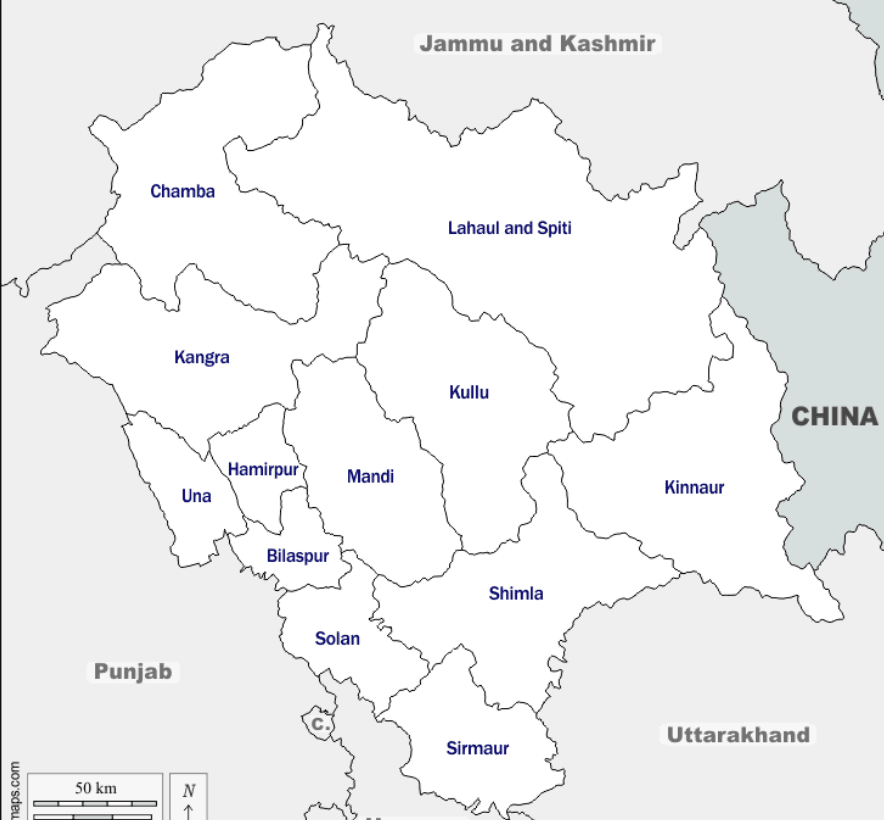
Himachal Pradesh: Himalayan state, attained full statehood on 25 Jan 1971 as India’s 18th state.

Administrative path: Chief Commissioner’s Province (1948) → Part-C State (1950) → Union Territory (1956) → State (1971).

Western-Himalayan location; borders J&K, Ladakh, Punjab, Haryana, Uttarakhand; shares international frontier with China (Tibet).

Quick Facts for MCQs

State Formation Timeline

  • 15 Apr 1948 formed as Chief Commissioner’s Province.
  • 26 Jan 1950 redesignated Part-C State; category scrapped by SRC 1956.
  • 25 Jan 1971 granted statehood after 1970 Act assent.

Geographical Context

  • Western Himalayas; includes high-altitude Lahaul-Spiti, Kinnaur valleys.
  • 260 km international border with Tibet (China).
  • Touches J&K & Ladakh (N), Punjab (W), Haryana (SW), Uttarakhand (SE).

Commemorative Days

  • Himachal Pradesh Statehood Day celebrated annually on 25 January.
  • Uttar Pradesh Day observed 24 January, marking 1950 renaming; gazetted 2017.
  • 26 January once signified Himachal’s Part-C status under Constitution.

Key Data Points

FeatureData-Point
Statehood Day25 January
Became 18th state25 Jan 1971
Enabling statuteState of Himachal Pradesh Act, 1970
Union Territory declared1 Nov 1956
Punjab hill areas merged1 Nov 1966
Part-C State period26 Jan 1950 – 1 Nov 1956
Name meaning“Lap of Snow” (Hima + Anchal)
Uttar Pradesh Day24 Jan; celebrations start 2018

Related UPSC Prelims PYQs

GS1 2006PYQ 1

Which one of the following pairs is not correctly matched?

GS1 2007PYQ 2

Which one of the following is the correct chronological order of the formation of the following as full States of the Indian Union?

GS-3Economy

3.Urban Co-operative Banks Licensing (Cooperative Banking)

The Print

What & Where

Member-owned Urban Co-operative Banks provide deposit and credit services in Indian urban and semi-urban areas

Work on cooperative ethos; one-member-one-vote; focus on small borrowers, traders, salaried employees, MSMEs

Come under dual regulation: Banking Regulation Act 1949 (RBI) + state co-operative departments

Quick Facts for MCQs

Legal & Policy

  • RBI draft consults on reopening UCB licensing after 20-year gap
  • Amendment 2020 empowers RBI: board supersession, audits, CEO fit-and-proper
  • Entry norms aim deposit safety while preserving community ownership

Historical Evolution

  • Originates in late 19th-century cooperative movement inspired by Britain, Germany
  • Early 20th-century growth served urban groups ignored by joint-stock banks
  • 1990s over-licensing caused failures; 2004 halt and tighter supervision followed

Economic Angle

  • Mobilises local deposits, lends at lower cost to traders, households, micro enterprises
  • Bridges informal–formal finance, boosting urban financial inclusion
  • Fresh licences expected to widen regulated coverage and raise depositor confidence

Governance & Technology

  • NUCFDC offers capital, IT platforms, training for UCB modernisation
  • RBI pushes core banking, cyber security, risk-based supervision across sector
  • Democratic structure retains equal voting irrespective of shareholding, ensuring community control

Key Data Points

FeatureData-Point
First urban co-op credit societyKanchipuram, 1904
RBI Act coverage of UCBs1966 amendment to BR Act 1949
Regulatory modelDual control: RBI + State
Mass licensing phaseEarly 1990s
Licensing freeze2004 by RBI
Core reform lawBanking Regulation Amendment Act 2020
Umbrella bodyNUCFDC set up 2024
New licence proposalRBI draft, 2024

Related UPSC Prelims PYQs

GS1 2013PYQ 1

The Reserve Bank of India regulates the commercial banks in matters of

GS1 1999PYQ 2

The main sources of credit to the farmers include

GS-3Infrastructure

4.Wings India 2026 Aviation Expo (Civil Aviation Expo)

News on Air
Illustration for Wings India 2026 Aviation Expo (Civil Aviation Expo)

What & Where

Wings India 2026, biennial civil-aviation exhibition-cum-airshow, Hyderabad (Begumpet Airport)

Combines air displays, static exhibits, B2B/B2G meets, policy dialogues across entire aviation value-chain

Focus on India’s emergence as global aviation hub, sustainability, innovation, manufacturing

Quick Facts for MCQs

History & Evolution

  • India Aviation 2008 debut, noted for first Airbus A380 landing in India
  • Event grew into Asia’s largest civil-aviation platform, reflecting surging passenger & order book
  • Hyderabad declared permanent host city by MoCA

Event Highlights

  • Air displays, CEO roundtables, investor sessions enrich networking ecosystem
  • Representation covers airlines, airports, OEMs, MROs, lessors, startups, training institutes, regulators
  • Converges investment, tech transfer, policy coordination under one roof

Strategic Significance

  • Showcases India as future third-largest aviation market per traffic forecasts
  • Supports flagship schemes: UDAN, greenfield airports rollout, MRO reforms, aerospace manufacturing push
  • Catalyses partnerships aiding connectivity, cargo, training, sustainability goals

Sustainability Drive

  • Dedicated sessions on Sustainable Aviation Fuel, carbon-neutral growth pathways
  • Exhibition space for green airport design, energy-efficient ground operations
  • Promotes digital air-navigation, electric/VTOL advanced air-mobility solutions

Key Data Points

FeatureData-Point
Edition year28–31 Jan 2026
Permanent venueBegumpet Airport, Hyderabad
First launched asIndia Aviation 2008
Rebranded year2018 onwards as Wings India
OrganiserMinistry of Civil Aviation (MoCA)
FrequencyBiennial
2026 themeIndian Aviation: Paving the Future – Design to Deployment, etc.
Aircraft expected30 + static/flying
Planned meetings500 + B2B & B2G
Core focus areasSAF, green airports, digital navigation, advanced air mobility
GS-1History

5.Republic Day 2026 Highlights (Constitution Adoption)

PIB

What & Where

Republic Day (26 Jan) celebrates 1950 enforcement of Indian Constitution; national ceremony centred on Kartavya Path, New Delhi.

2026 parade theme “150 Years of Vande Mataram”; sub-themes Swatantrata ka Mantra & Samriddhi ka Mantra.

Debut participation: Bhairav Assault Battalion (Indian Army) and European Union composite contingent.

Quick Facts for MCQs

Historical Context

  • Resolution; 1929 Lahore INC session adopted Purna Swaraj, fixed 26 Jan for independence observance.
  • Transition; Dominion status ended when President replaced British Monarch on 26 Jan 1950.
  • Vande Mataram; sung at 1896 Calcutta INC session, rallying cry during 1905 Swadeshi movement.

Parade Display

  • Assam terracotta, Gujarat flag evolution, Kerala Water Metro, Punjab tribute to Guru Tegh Bahadur.
  • Tri-Services tableau “Operation Sindoor” exhibited Rafale-SCALP, BrahMos, S-400, HAROP systems.
  • Ministry of Culture showcased 150-year journey of Vande Mataram.

Honours & Decorations

  • Padma Vibhushan 5, including 1 posthumous; categories reward “distinguished service”.
  • President conferred Param Vishisht Seva, Uttam Yudh Seva, Ati Vishisht Seva, Yudh Seva, Bars.
  • Jeevan Raksha Padak trio: Sarvottam, Uttam, standard; open to all civilians, posthumous allowed.

National Song Legacy

  • Composition; Bankim Chandra Chatterjee in Anandamath (1882), tuned by Rabindranath Tagore.
  • International echo; Bhikaji Cama’s 1907 Stuttgart flag bore “Vande Mataram”.
  • Legal; Constitution silent on National Song, Article 51A(a) mandates respect for Anthem & Flag.

Key Data Points

FeatureData-Point
Republic Day edition77th (2026)
First Purna Swaraj Day26 Jan 1930
Constitution adopted26 Nov 1949
Constitution enforced26 Jan 1950
Parade tableaux count30 (States/UTs/Ministries)
Central theme origin year1875 publication of Vande Mataram
Padma awards 2026131 total; 5 PV, 13 PBh, 113 PS
Gallantry medals (Armed Forces)70
Defence service decorations301
Police-Fire-HG medals982 personnel
National Song statusDeclared 24 Jan 1950 by President Rajendra Prasad
42nd Amendment add-onsSocialist, Secular to Preamble (1976)

Related UPSC Prelims PYQs

GS1 2003PYQ 1

Which one of the following statements is correct?

GS1 1997PYQ 2

In the following quotation, “WE, THE PEOPLE OF INDIA, having solemnly resolved to constitute India into a Sovereign Socialist Secular Democratic Republic and to secure to all its citizens:

GS-1History

6.Granth Kutir Rashtrapati Bhavan (Literary Heritage)

The Hindu

What & Where

Institution: Granth Kutir, dedicated book house inside Rashtrapati Bhavan, inaugurated Jan 2026 by President of India

Collection: 11 classical Indian languages; ≈2,300 printed books and ≈50 manuscripts on palm leaf, bark, cloth, paper

Locale: New Delhi landmark created through multi-level collaboration of Union ministries, IGNCA, states, academia

Quick Facts for MCQs

Cultural Significance

  • Heritage: Enhances public awareness of classical knowledge, promoting unity in diversity
  • Preservation: Reinforces efforts to safeguard indigenous scripts, languages, and manuscripts
  • Identity: Positions Rashtrapati Bhavan as a living museum of civilisational wisdom

Institutional Support

  • Governance: Backed by Ministry of Education and Ministry of Culture for funding and policy guidance
  • Expertise: IGNCA provides curation, cataloguing, conservation know-how
  • Stakeholders: States and universities contribute rare texts, facilitating pan-Indian ownership

Collection Details

  • Genres: Coverage ranges from Vedas to Constitution, bridging ancient to modern knowledge systems
  • Languages: Includes all 6th Schedule classical languages plus others recognised by scholars
  • Media: Manuscripts employ natural inks and handmade substrates aiding long-term conservation

Key Data Points

FeatureData-Point
LocationRashtrapati Bhavan, New Delhi
Inaugurated byPresident of India
Inauguration dateJanuary 2026
Total printed books~2,300
Manuscript count~50
Classical languagesTamil, Sanskrit, Kannada, Malayalam, Marathi, etc. (total 11)
Traditional materialsPalm leaf, paper, bark, cloth
Thematic spanEpics, philosophy, linguistics, history, governance, science, devotional, Constitution
Lead ministriesEducation; Culture
Knowledge missionGyan Bharatam
Advisory bodyIndira Gandhi National Centre for the Arts
CollaborationCentre, states, universities, research bodies, cultural organisations, donors
GS-1HistoryQuick Bite

7.Padma Awards 2026 List (Civilian Awards)

Indian Express

What & Where

Civilian honours established 1954 for distinguished service; rank just below Bharat Ratna.

Three tiers – Padma Vibhushan, Padma Bhushan, Padma Shri; announced every 25 Jan, presented at Rashtrapati Bhavan.

Selection by Padma Awards Committee chaired by Cabinet Secretary; cleared by PM, approved and conferred by President.

Quick Facts for MCQs

Historical Evolution

  • 1954 two-tier system; 1955 split Padma Vibhushan into three separate awards.
  • Prestige order fixed: Bharat Ratna > Padma Vibhushan > Padma Bhushan > Padma Shri.
  • Awards suspended twice: 1978-79 political decision, 1993-97 pending Supreme Court case.

Legal & Policy

  • Supreme Court 1996 Balaji Raghavan upheld awards as non-hereditary, hence Article 18 compliant.
  • 2017 Indira Jaising ruling clarified ‘senior advocate’ tag not a forbidden title.
  • Awards classed as State recognitions, not personal titles; cannot be used as prefix/suffix.

Eligibility & Scope

  • Eligibility open to Indians, NRIs, PIOs, OCIs, foreigners irrespective of profession or gender.
  • Disciplines range from Art, Public Affairs, Science, Civil Service to Social Work.
  • 2014 onward focus on “unsung heroes”, branding them “People’s Padma”.

Regulations & Suspension

  • No cash allowance; recipients get Sanad, medallion, replica.
  • Posthumous conferment permitted only for highly deserving cases; Dharmendra & Achuthanandan in 2026 examples.
  • Suspension episodes underscore debates on politicisation and constitutional validity.

Key Data Points

FeatureData-Point
Year instituted1954
Total awardees 2026131
2026 breakup5 Vibhushan / 13 Bhushan / 113 Shri
Constitutional articleArticle 18 (1)
Annual numerical cap120 (excl. posthumous/foreign)
Gap for higher categoryMinimum 5 years
Posthumous policyGenerally avoided; rare exceptions
Announcement dateEve of Republic Day
Investiture monthMarch–April
Committee headCabinet Secretary

Related UPSC Prelims PYQs

GS1, NDA_GAT 2004PYQ 1

Param Padam, which was in news recently, is

GS1, NDA_GAT 2021PYQ 2

Which one of the following statements is not correct in respect of the ‘Legion of Merit’ award?

GS-1Environment

8.Polar Vortex Cold Waves (Atmospheric Dynamics)

Indian Express
Illustration for Polar Vortex Cold Waves (Atmospheric Dynamics)

What & Where

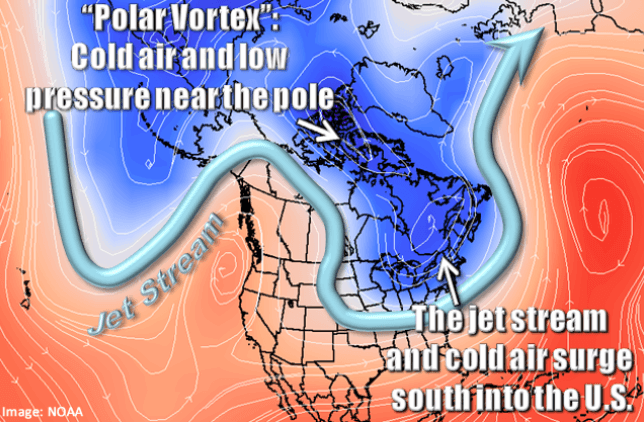
Definition – large, persistent low-pressure pool of frigid air circling Arctic & Antarctic poles

Dual forms – Tropospheric vortex (weather layer) and stronger wintertime Stratospheric vortex

Normal role – fast polar winds fence cold air near poles; disruptions spill chill to mid-latitudes

Quick Facts for MCQs

Atmospheric Dynamics

  • Jet stream – strong vortex keeps flow zonal; weakened vortex turns wavy, advects Arctic air south
  • SSW event – rapid stratospheric heating can split/weaken vortex, altering surface weather within days
  • Blocking highs – stationary anticyclones divert cold lobes toward mid-latitudes

Local Impacts

  • Cold waves – sharp temperature drops, wind-chill hazards, hypothermia risk in unprepared regions
  • Infrastructure – surging electricity demand, grid stress, transport shutdowns, flight cancellations
  • Health – frostbite, increased mortality during severe outbreaks

Global Impacts

  • Cross-continent – episodic cold surges recorded in North America, Europe, East Asia
  • Weather volatility – steeper alternation between extreme cold spells and warm anomalies
  • Economic losses – energy cost spikes, supply-chain delays during major vortex disruptions

Climate Change Angle

  • Arctic amplification – faster polar warming weakens temperature gradient, fostering vortex instability
  • Paradox notion – colder outbreaks occurring even as global mean temperatures rise
  • Research focus – assessing long-term shifts in atmospheric circulation patterns

Key Data Points

FeatureData-Point
Primary locationEarth’s polar regions
Main formsTropospheric & Stratospheric
Peak strength seasonWinter
Key containment forceHigh-speed polar jet stream
Major weakening triggerSudden Stratospheric Warming (SSW)
Climate modifierArctic amplification lowers pole-to-mid-latitude gradient
Jan 2026 impactHeavy snow, sub-zero cold across ~17 US states

Related UPSC Prelims PYQs

GEO_GS 2021PYQ 1

Very strong air currents in the upper-air westerlies are known as:

GS-3Environment

9.Aralam Butterfly Sanctuary, Kerala (Wildlife Sanctuary)

The Hindu
Illustration for Aralam Butterfly Sanctuary, Kerala (Wildlife Sanctuary)

What & Where

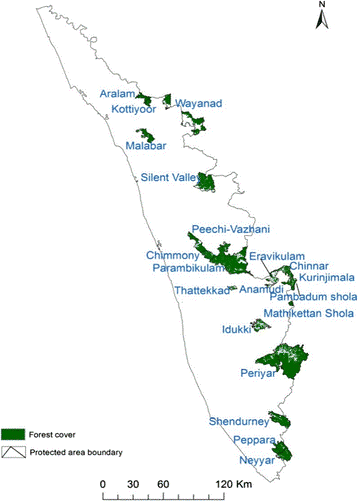
Protected area on western slopes of Western Ghats, Kannur, Kerala; now Kerala’s first dedicated butterfly sanctuary.

Formed 1984 under Wildlife (Protection) Act, earlier Aralam Wildlife Sanctuary; renamed 2025-26 for high lepidopteran richness.

Borders Brahmagiri (Karnataka) and Kottiyoor (Kerala) wildlife sanctuaries; drained by Cheenkanni River.

Quick Facts for MCQs

Legal & Policy

  • State Board for Wildlife recommended renaming to highlight insect conservation priority.
  • Renaming strengthens legal focus on pollinator protection within existing WPA framework.
  • Sets precedent for species-specific sanctuaries in India.

Biodiversity Value

  • Hosts 81% of Kerala’s butterfly diversity; supports mass migration, mud-puddling events.
  • Habitat for multiple Western Ghats endemics besides butterflies, e.g., Slender Loris, rare amphibians.
  • Butterflies act as bio-indicators, aiding ecosystem health assessments.

Geography & Climate

  • Western Ghats location yields orographic rainfall, diverse microclimates.
  • Riverine network enhances larval host-plant availability across altitudinal gradients.
  • Contiguity with two sanctuaries enables landscape-level wildlife corridors.

Key Data Points

FeatureData-Point
Sanctuary typeButterfly-focused protected area
State & districtKerala, Kannur
Area~55 sq km
Elevation zoneEvergreen & semi-evergreen forests
Annual rainfall~4000–6000 mm
Temperature span11 °C – 40 °C
Core riverCheenkanni
Year constituted1984
Original nameAralam Wildlife Sanctuary
Renaming periodJul 2025 – Jan 2026
Governing lawWildlife (Protection) Act, 1972
Butterfly species recorded266 (of Kerala’s 327)
Adjacent sanctuariesBrahmagiri, Kottiyoor
Notable faunaSlender Loris (Sch-I)
UNESCO tag contextPart of Western Ghats hotspot

Related UPSC Prelims PYQs

GS1 2016PYQ 1

Recently, for the first time in our country, which of the following States has declared a particular butterfly as ‘State Butterfly’?

GS-3Environment

10.Urban Day Zero Water Crisis (Urban Water Crisis)

IT

What & Where

Day Zero – point when city’s usable water falls below critical level; household taps cut, water only via rationed points

Term gained fame after Cape Town (South Africa) nearly hit Day Zero in 2018; now UN shorthand for systemic urban water collapse

UN flags several Indian & global cities at risk due to climate change, aquifer over-extraction, weak water governance

Quick Facts for MCQs

Triggers

  • Groundwater-over-extraction drains aquifers beyond recharge
  • Climate variability shortens wet seasons, intensifies drought bouts
  • Urban planning lapses allow demand to outpace supply infrastructure

Emergency Management

  • Rationed collection at public points with strict per-person limits
  • Household taps suspended; essential services continue receiving piped water
  • Authorities issue schedules, enforce usage caps, mobilise tanker fleets

Socio-Economic Impact

  • Public-health crises from unsafe drinking water, sanitation breakdown
  • Economic losses via power cuts, food-supply stress, workplace disruptions
  • Disproportionate burden on women, children, informal settlements; potential social unrest

Key Data Points

FeatureData-Point
Core definitionEmergency shutdown of regular tap supply, shift to rationing
Iconic case cityCape Town, South Africa
Near-collapse year2018
UN usageDescribes systemic urban water collapse, not single drought
Priority usersHospitals, sanitation services, firefighting units
Main stressorsClimate change + groundwater depletion + poor planning
GS-3Environment

11.Circular Economy in ELVs Report (End-of-Life Vehicles)

The Print
Illustration for Circular Economy in ELVs Report (End-of-Life Vehicles)

What & Where

ELVs: Vehicles unroadworthy, deregistered or declared waste; major urban scrap clusters in Delhi-NCR, Gujarat, Tamil Nadu.

Report: NITI Aayog’s 2024 study “Enhancing Circular Economy of ELVs in India”.

Goal: Formal scrapping to recover metals, cut pollution, create circular auto-steel loop.

Quick Facts for MCQs

Key Trends

  • Doubling: ELV stock projected 2025-30, fastest among emerging economies.
  • Concentration: Older BS-I, II vehicles still 15 % fleet yet emit 60 % PM load.
  • Metal security: Auto scrap can meet ~20 % of India’s annual steel demand 2030.

Legal & Policy

  • V-FMP 2021 mandates fitness tests; failure leads to scrapping.
  • Motor Vehicles RVSF Rules 2021 govern CoD issuance, eco-norms.
  • EPR Rules 2025 fix OEM steel recovery, exclude production scrap loophole.

Infrastructure Gaps

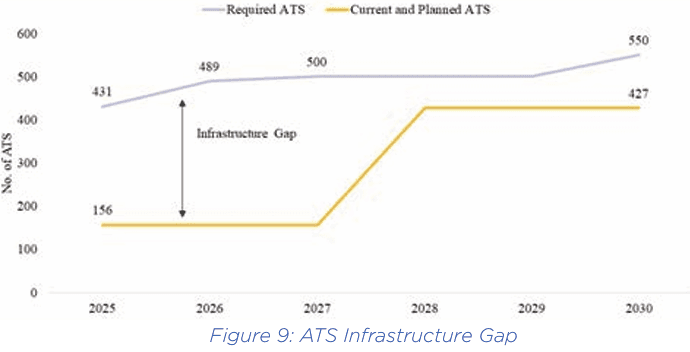
  • Skew: Gujarat 56 ATS; NE states near-zero facilities.
  • High capex: RVSF setup ~₹25 crore; long breakeven due to low inflow.
  • Paperwork: Manual deregistration keeps ghost vehicles active on VAHAN.

Economic Angle

  • Price differential: GST evasion lets informal sector outbid by ~₹15k/vehicle.
  • Carbon credit potential: Formal scrapping could add ₹2k revenue per vehicle.
  • Under-utilisation: Sub-20 % throughput threatens investor interest.

Recommended Actions

  • One-ATS-per-district plus PSU-led RVSFs in thin markets.
  • Udyam Assist onboarding, legacy-liability amnesty for informal traders.
  • Aadhaar-linked digital transfer, CoD-based auto deregistration to choke leakages.

Key Data Points

FeatureData-Point
Expected ELVs 2025 vs 203023 mn → ~50 mn
Steel recoverable (2005-23 fleet)~98 mn tonnes
Pollution gap BS-I vs BS-VIUp to 8 times higher emissions
Operational ATS Sept 2025156 against 500 target
Informal ELVs handled /yr2-3 lakh
Formal RVSF ELVs FY 2572,000
EPR steel target 2025-308 % of OEM sales weight
Central incentive pool (SASCI)₹2,000 crore to states
Informal vs formal payout (Dzire)₹38k vs ₹23k
Capacity utilisation typical RVSF<20 %
GS-3SpeciesQuick Bite

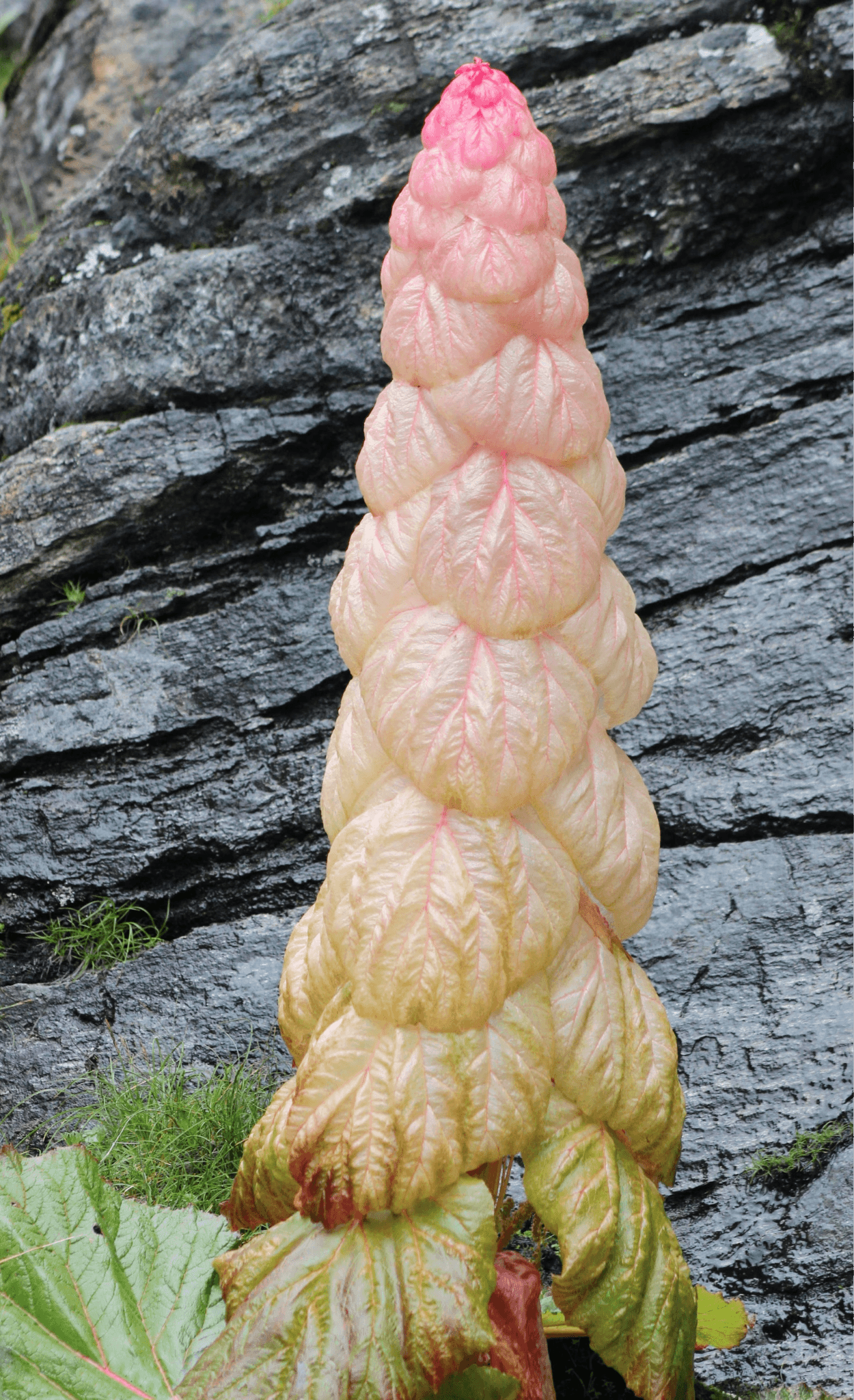
12.Sikkim Sundari Alpine Plant (High-Altitude Flora)

Indian Express
Illustration for Sikkim Sundari Alpine Plant (High-Altitude Flora)

What & Where

Rheum nobile (padamchal/Sikkim Sundari) – giant herb of Polygonaceae native to eastern Himalaya alpine zone.

Occurs 4,000–4,800 m on open slopes, rock ledges, glacial valleys; noted in North Sikkim, Nepal, Bhutan, Tibet, Myanmar.

Displays single, spectacular flowering event after long vegetative phase, then dies (monocarpic).

Quick Facts for MCQs

Habitat & Range

  • Alpine-zone specialist, tolerates intense UV, freezing winds.
  • Often seen near trekking routes to high passes in North Sikkim.

Morphological Adaptations

  • Bracts translucent, trap solar heat, protect inner flowers from frost and UV.
  • Tower-like inflorescence conspicuous against Himalayan landscape, aids pollinator attraction.

Life Cycle Pattern

  • Vegetative rosette stores resources up to three decades.
  • Single dramatic spike produces seeds, plant senesces immediately after.

Ethnobotany

  • Stems consumed locally for sour flavour; called chuka in cuisine.
  • Used in regional traditional medicine for unspecified therapeutic roles.

Key Data Points

FeatureData-Point
FamilyPolygonaceae
Altitude band4,000–4,800 m
Growth formGiant herbaceous perennial
Life strategyMonocarpic; blooms once in 7–30 yrs
Local namesPadamchal, Sikkim Sundari
Distinctive bractsTall, translucent, heat-trapping “glasshouse”
Key habitatsAlpine slopes, tundra-like areas, glacial valleys
Regional spreadNorth Sikkim, Nepal, Bhutan, Tibet, Myanmar
Edible partAcidic stems (chuka)
Medicinal useTibetan & Himalayan traditional medicine
GS-3Science & Technology

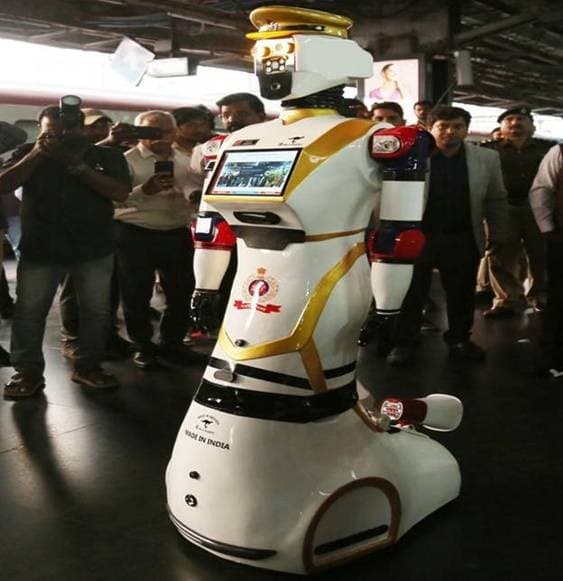
13.ASC ARJUN Railway Humanoid Robot (Railway Robotics)

PIB
Illustration for ASC ARJUN Railway Humanoid Robot (Railway Robotics)

What & Where

Definition: ASC ARJUN – AI-powered humanoid robot aiding Railway Protection Force in surveillance, crowd control, passenger help

Processes: Face-recognition, fire-smoke sensing, semi-autonomous patrol, multilingual announcements

Geography: First deployed at Visakhapatnam Railway Station, East Coast Railway zone, Andhra Pradesh

Quick Facts for MCQs

Tech & Schemes

  • Integration: AI engine analyses CCTV feed for intrusion, crowd surge, unattended objects
  • Navigation: Lidar-based obstacle avoidance enables platform roaming without dedicated tracks
  • Communication: LTE/Wi-Fi links push alerts and receive instructions from control room

Security Dimension

  • Surveillance: Continuous FRS scanning supplements manual CCTV watch, reducing blind spots
  • Response: Instant alerts shorten reaction time during emergencies or suspicious behaviour
  • Manpower optimisation: Routine patrols shifted to robot, freeing RPF staff for critical tasks

Passenger Services

  • Assistance: Multilingual audio guides share timetable, platform, safety advisories
  • Engagement: Human-like gestures improve approachability, encouraging reporting of issues
  • Accessibility: Height and movement designed for easy interaction with elderly and children

Indigenisation Push

  • Make-in-India: Fully designed, coded and assembled domestically using off-the-shelf Indian components
  • Cost-saving: Indigenous build avoids expensive imported robots, enabling scalable deployment
  • Innovation showcase: Positions Indian Railways as early adopter of home-grown service robotics

Key Data Points

FeatureData-Point
DeveloperIn-house Indian Railways technical team, Visakhapatnam
Rail zoneEast Coast Railway
Station of launchVisakhapatnam (Andhra Pradesh)
Key usersRailway Protection Force (RPF)
Core techAI, Face Recognition System, obstacle avoidance
Patrol modeSemi-autonomous, round-the-clock
Crowd alertReal-time feed to RPF control room
Emergency sensorFire & smoke detection
Announcement languagesEnglish, Hindi, Telugu
GesturesNamaste to passengers, salute to RPF
GS-2International Relations

14.China Antarctic Activities Law (Antarctic Governance)

The Hindu

What & Where

Definition: China’s Antarctic Activities & Environmental Protection Law, comprehensive domestic statute for all China-linked actions in Antarctica

Geography: Antarctic Treaty area south of 60° S; jurisdiction extends to Chinese citizens, entities, expeditions via Chinese ports

Key process: Central permitting regime for science, tourism, shipping, fishing, backed by mandatory Environmental Impact Assessments

Quick Facts for MCQs

Legal & Policy

  • Coverage: Applies to nationals, legal persons, foreign teams organised from or departing Chinese territory
  • Permit types: Distinct licences for research stations, vessels, aircraft, tourism operators, fishing outfits
  • Governance aim: Enhance Chinese voice in global Antarctic decision-making frameworks

Environmental Safeguards

  • Mandatory: Pre-activity EIAs graded by impact level, with public disclosure
  • Controls: Waste management standards, marine pollution prevention, protection of flora, fauna, heritage sites
  • Low-carbon push: Encourages renewable energy use and greenhouse-gas monitoring during expeditions

Compliance Tools

  • Sanctions: Fines, activity suspension, blacklisting for unauthorised or damaging operations
  • Financials: Compulsory insurance or financial guarantees to cover emergencies and remediation costs
  • Response: Operators must file contingency and search-and-rescue plans with Chinese authorities

Key Data Points

FeatureData-Point
Proponent countryChina
First reading scheduledDecember 2025
Legislature involvedNational People’s Congress Standing Committee
Treaty alignmentAntarctic Treaty System (ATS)
Core objectivePeaceful use & environmental protection
Military activity ruleProhibited except logistical support
Mineral exploitationBanned; only scientific research allowed
GS-3Editorial

15.Global Cybercrime Governance Crisis (Global Cyber Governance)

The Hindu

What & Where

Cybercrime: unlawful acts using computers/networks; now fastest-growing transnational threat space

UN Hanoi Convention 2024: first universal treaty to criminalise online offences & enable evidence-sharing

India: major victim nation (22.68 lakh incidents 2024) yet stayed outside Hanoi text citing data-sovereignty

Quick Facts for MCQs

Incident Trends

  • Surge: ransomware blends data exfiltration, multi-stage extortion, psychological pressure, even at SME scale
  • Identity: deepfakes & credential abuse bypass biometrics, making identity security primary battleground
  • AI-multipliers: automated phishing, malware creation accelerate attack volume & sophistication

Global Treaties

  • Budapest: regional, criticised non-inclusivity toward India, Russia, China
  • Hanoi: universal criminalisation + evidence channel but civil-society flags vague “serious crime” wording
  • G7 Hiroshima Process: drafting global generative-AI safety standards

Indian Measures

  • Roadmap: update National Cyber Security Policy; push Zero-Trust Network Access replacing legacy VPNs
  • Structure: plan district-level cyber units coordinated with CERT-In for grassroots response
  • Partnerships: leverage private AI-driven threat intel & forensics via PPP model

Challenges

  • Sovereignty: major powers resist ceding citizen-data control to multilateral bodies
  • Compliance gap: universal norms meet fragmented, prescriptive domestic rules (e.g., India’s 10 % watermark)
  • Financial loopholes: ghost SIMs & weak KYC fuel anonymous UPI-linked frauds

Key Data Points

FeatureData-Point
India cyber incidents10.29 lakh (2022) → 22.68 lakh (2024)
Monthly fraud loss (2025 H1)≈ ₹1,000 crore
GDP share at risk0.7 % of GDP (annual projection)
Budapest Convention year2001
Parties to Budapest76
Hanoi Convention focusransomware, financial fraud, child-sexual abuse
24/7 cooperation networkmandated under Hanoi Convention
India objection pointinsufficient control on resident data
Top unprepared threat (India)third-party / supply-chain breaches (18 %)
Proposed watermark rule10 % label on all AI-generated content

Related UPSC Prelims PYQs

CDS_GK 2022PYQ 1

Recently, the term ‘two-pillar solution/two-pillar package’ often seen in the news, refers to

GS-1Social Issues

16.National Girl Child Day (Girl Child Empowerment)

PIB

What & Where

Observance: National Girl Child Day, 24 January, nationwide campaign on girls’ rights

Origin: Started 2008 by Ministry of Women & Child Development, New Delhi

Focus: End gender bias; ensure survival, education, empowerment of Indian girls

Quick Facts for MCQs

Legal & Policy

  • Umbrella: Mission Shakti 2022 merges Sambal safety and Samarthya empowerment schemes
  • Law: Prohibition of Child Marriage Act 2006 underpins Bal Vivah Mukt Bharat 2024 campaign
  • Target: Campaign seeks 10 % child-marriage reduction by 2026, elimination by 2030

Education & STEM

  • Initiative: Samagra Shiksha ensures 97.5 % schools with girls’ toilets, GER girls secondary 80.2 %
  • Programme: Vigyan Jyoti mentors rural Class IX–XII girls in STEM across 300 districts
  • Impact: Secondary girls enrolment surged post-BBBP implementation

Health & Nutrition

  • Scheme: Scheme for Adolescent Girls provides 600 kcal, 18-20 g protein daily for 300 days
  • Coverage: 24.08 lakh girls tracked on Poshan Tracker by Dec 2024
  • Support: Pradhan Mantri Matru Vandana Yojana converged under Mission Shakti for maternal benefits

Financial Inclusion

  • Savings: Sukanya Samriddhi Yojana offers 7.6 % tax-free interest; 4.2 crore accounts opened
  • Protection: One Stop Centres provide integrated support for violence survivors under Sambal
  • Indicator: BBBP raised Sex Ratio at Birth to 930 in 2023-24

Key Data Points

FeatureData-Point
Observance date24 January
First celebrated2008
Nodal ministryMWCD
Flagship schemeBeti Bachao Beti Padhao, 2015
SRB shift~918 (2014-15) → 930 (2023-24)
Girls’ GER, secondary80.2 % (2024-25)
Sukanya accounts4.2 crore (Nov 2024)
Vigyan Jyoti coverage80,000+ girls, 300 districts

Ready to practice?

Test your knowledge with our UPSC test series.

Start Free Trial