UPSC Current Affairs

16 topicsGS-1: 3GS-2: 7GS-3: 6
0/16 done
GS-2Editorial

1.Accountability in Democratic Institutions (Institutional Accountability)

TI
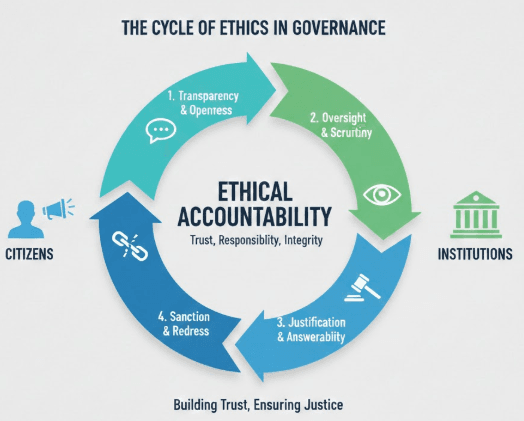
Illustration for Accountability in Democratic Institutions (Institutional Accountability)

What & Where

Accountability: ethical obligation of power‐holders to explain, justify, and bear consequences before citizens

Key processes: Answerability, Enforceability, Responsiveness enabling transparent, inclusive, rule-bound governance

Geography: Highlighted at 28th Commonwealth Speakers & Presiding Officers Conference, New Delhi (2024)

Quick Facts for MCQs

Importance

  • Trust-building: Transparency clauses in National Critical Mineral Mission ensure fair public-resource handling
  • Corruption-curbing: 130th Amendment Bill targets criminal ministers, restoring institutional ethics
  • Service-delivery: MGNREGA social audits plug fund leakages to grassroots beneficiaries

Challenges

  • Technology misuse: Generative AI, deepfakes blur responsibility, sway electorate
  • Parliamentary disruptions: Record member suspensions shrink executive scrutiny time
  • Judicial delays: Backlog dilutes deterrence, stalls misconduct penalties

Policy & Reform

  • Committee empowerment: Strengthen standing committees for detailed bill, budget vetting
  • Ethical-AI frameworks: Unified Digital Platform to set legislative transparency benchmarks
  • Mandatory social audits: Extend citizen-charter model to all departments for time-bound digital services

Key Data Points

FeatureData-Point
Event flagged28th CSPOC, New Delhi
Speaker quote focusTransparency, Inclusivity, Accountability amid AI, social media surge
Core accountability pillarsAnswerability, Enforceability, Responsiveness
Pending court cases (2025)Over 5 crore
Scheme using social auditsMGNREGA
Proposed ethics stepAutomatic removal of ministers detained for serious crimes (130th CA Bill, 2025)
Tech concernDeepfakes manipulating public opinion
Social-media regulationVoluntary Code of Ethics, 2025

Related UPSC Prelims PYQs

ESE_GS, NDA_GAT 2020PYQ 1

Which one of the following is not the characteristic of Good Governance and e-Governance that are closely linked and depend on each other?

ESE_GS, NDA_GAT 2025PYQ 2

Consider the following features :
GS-2Polity

2.Central Vigilance Commission Overview (Anti-Corruption Body)

Times of India

What & Where

Apex vigilance body of GoI; created 1964, became statutory through Central Vigilance Commission Act 2003

Mandate: promote integrity, transparency, accountability; prevent corruption in Central Government organisations

HQ New Delhi; oversight spans Central services, PSUs, banks, autonomous bodies nationwide

Quick Facts for MCQs

Legal & Policy

  • Executive origin 1964 resolution; statutory status under Central Vigilance Commission Act 2003
  • Additional mandates via Prevention of Corruption Act 1988 and PIDPI Whistle-blower Resolution 2004

Composition & Tenure

  • Structure: one Central Vigilance Commissioner plus maximum two Vigilance Commissioners
  • Members appointed by President on high-level committee recommendation
  • Service term four years or until 65 years, whichever earlier

Jurisdiction & Functions

  • Covers AIS, Group ‘A’, senior PSU, PSB, RBI, NABARD, SIDBI, LIC, GIC officers
  • Superintends CBI corruption probes; undertakes Lokpal-referred preliminary inquiries
  • Issues vigilance advice, reviews prosecution sanctions, protects whistle-blowers under PIDPI

Key Data Points

FeatureData-Point
Establishment (executive)1964
Statutory upgradeCVC Act 2003
Origin recommendationSanthanam Committee (1962-64)
Head strength1 CVC + ≤2 VCs
Tenure4 yrs or 65 yrs age
Appointing authorityPresident of India
Latest appointeePraveen Vashista, sworn 16 Jan 2026
CBI superintendencePC Act corruption probes

Related UPSC Prelims PYQs

GEO_GS, GS1 2022PYQ 1

Article 324 of the Constitution of India provides for the establishment of which one of the following institutions in India?

GEO_GS, GS1 2025PYQ 2

Consider the following statements about Lokpal:

GS-2Polity

3.Lokpal Foundation Day Significance (Lokpal)

PIB

What & Where

Definition: Lokpal of India is the statutory, independent anti-corruption ombudsman under Lokpal & Lokayuktas Act 2013

Establishment: Section 3 notified 16 Jan 2014; 16 Jan observed as Foundation Day

Jurisdiction: Complaints against PM (limited areas exempt), Union ministers, MPs, Group A-D officials, government-funded bodies

Quick Facts for MCQs

Legal & Policy

  • Origin: Concept floated 1963; First Administrative Reforms Commission backed it 1966
  • Global push: Ratification of UN Convention Against Corruption in 2011 catalysed enactment
  • Amendment 2016: Single-largest opposition leader joins selection committee in absence of recognised LoP

Composition & Eligibility

  • Chairperson: Serving or former CJI or Supreme Court judge
  • Judicial Member: Serving or former SC judge or HC Chief Justice
  • Non-judicial Member: 25-year domain experience plus proven integrity

Powers & Procedure

  • Superintendence: Direct oversight of CBI investigations it refers
  • Authority: Civil-court powers for inquiry; may order search, seizure, prosecution, disciplinary action
  • Confidentiality: Identities of complainant, witnesses, officials shielded throughout process

Complaint Mechanism

  • Access: Individuals, NGOs, companies, LLPs, foreign nationals possessing passport
  • Filing: Online/offline per Lokpal (Complaint) Rules 2020, prescribed format
  • Scrutiny: Registry screens and tables complaint before Bench within 15 working days; defects allowed rectification

Key Data Points

FeatureData-Point
Parent lawLokpal & Lokayuktas Act 2013
Maximum strength1 Chairperson + 8 Members
Judicial quota≥ 50 % of members
Social inclusion50 % seats for SC, ST, OBC, minorities, women
Tenure5 years or till 70 yrs
Selection panelPM, LS Speaker, LoP, CJI/nominee, eminent jurist
PM exclusion zonesSecurity, foreign affairs, atomic energy, space, public order
Complaint time-barWithin 7 years of alleged offence

Related UPSC Prelims PYQs

GS1 2025PYQ 1

Consider the following statements about Lokpal:

GS-3EconomyQuick Bite

4.China Challenges Indian Spice Market (Spice Exports)

Economic Times

What & Where

Chillies & cumin – India’s flagship spice exports, driving over one-quarter of total spice earnings

New competition from China cultivating paprika & Teja chillies and cumin, plus re-exporting processed Indian chillies

Indian chilli belt: Andhra Pradesh, Telangana, Karnataka; cumin highly demanded in West Asia, Europe, Americas

Quick Facts for MCQs

International Competition

  • China importing raw Indian chillies, processing, re-exporting finished spice products
  • Strategy targets high-demand markets, eroding India’s traditional dominance
  • Competitive pricing pressures global chilli and cumin benchmarks

Economic Angle

  • Volume up but value down; chilli earnings contracted despite 19% shipment rise
  • Cumin’s 39% volume growth offsets some overall spice trade losses

Agricultural Impact

  • Weather losses plus low prices deter farmers; kharif chilli sowing collapses 35%
  • Nationwide cumin area shrinks 7–8%, signalling risk to future export supply

Key Data Points

FeatureData-Point
Chilli share in India’s spice export value>25%
2024–25 chilli powder export growth35% to 80.6 mn kg
2024–25 total chilli exports>7 lakh t, up 19%
2024–25 chilli export earnings–11% year-on-year
2024–25 cumin exports2.29 lakh t, up 39%
Chilli acreage drop (A.P, TS, KA)~35%
Cumin acreage drop (India)7–8%
Key Chinese chilli variantsPaprika (colour) & Teja (pungency)
China’s price positioningLower and more competitive than India

Related UPSC Prelims PYQs

GS1 2002PYQ 1

In terms of value, which one of the following commodities accounted for the largest agricultural exports by India during the three-year period from 1997-1998 to 1999-2000?

GS1 2019PYQ 2

Among the following agricultural commodities imported by India, which one has been the highest in terms of value in the last five years?

GS-1History

5.Sammakka Saralamma Tribal Jatara (Tribal Festival)

New Indian Express
Illustration for Sammakka Saralamma Tribal Jatara (Tribal Festival)

What & Where

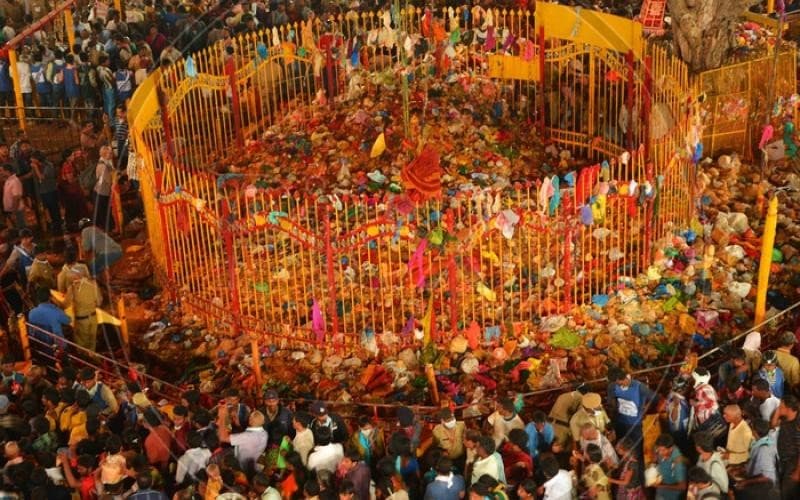
Biennial tribal festival venerating Sammakka–Saralamma, ancestral goddesses of Koya Adivasis

Location Medaram village, Mulugu district, Telangana, inside Eturnagaram WLS, Dandakaranya belt

Timing Full-moon days of Hindu month Magh (next edition starts 28 Jan 2026)

Quick Facts for MCQs

Cultural Significance

  • Identity Marker reinforces Koya collective memory and martial valour
  • Resistance Symbol commemorates martyrdom against medieval state oppression
  • Kinship Belief system treats goddesses as family members staying briefly with kin

Ritual Practices

  • Priesthood Hereditary Koya line conducts all ceremonies sans Brahmanical role
  • Offering Equality emphasised by jaggery not gold or money
  • Space Worship anchored to trees, bamboo poles, earth mounds instead of idols

Scale & Infrastructure

  • Congregation Management expanded arches, granite flooring, multi-level platforms for crowd flow
  • Eco Sensitivity precinct lies within protected forest, necessitating low-impact, temporary structures
  • Logistics State deploys water, sanitation, telecom, health camps for crore-plus footfall

Historical Background

  • Legend Sammakka forest-born, adopted by Koyas, led revolt alongside daughter Saralamma
  • Martyrdom Both vanished into forest; blood-like stream believed origin of deity powers
  • Continuity Oral tradition sustains narrative since 13th-century Kakatiya era

Key Data Points

FeatureData-Point
CommunityKoya Adivasi (Gondian stock)
Festival scaleAsia’s largest tribal gathering
Typical attendance>1 crore devotees
National rankSecond only to Kumbh Mela
FrequencyEvery 2 years (biennial)
Worship styleNo permanent temples; deities brought from forest
Main offerings“Bangaram” jaggery lumps
PriestsExclusively Koya tribal pujari
Core symbolsSacred trees, bamboo totems, clan flags (dalgudda)
Historical themeResistance to Kakatiya tax oppression
SanctuaryEturnagaram Wildlife Sanctuary
Broader forestDandakaranya (Central Indian belt)
StateTelangana
MonthMagh (Jan–Feb)
2026 dateBegins 28 January 2026
GS-1History

6.Rani Ahilyabai Holkar Legacy (Holkar Dynasty)

Indian Express

What & Where

Renovation Manikarnika Ghat Varanasi under private CSR faces inquiry for razing structure housing Devi Ahilyabai Holkar statue

Manikarnika Ghat on River Ganga Uttar Pradesh among oldest Hindu cremation ghats and pilgrimage spots

Project targets modern facilities, pollution control, solid-waste management around the ghat

Quick Facts for MCQs

Historical Timeline

  • 1733 marriage to Khanderao Holkar heir of Malwa rule
  • 1745 became widow during Kumher Fort siege
  • 1767 formally crowned ruler of Indore state

Social Reforms

  • Advocated widow remarriage women literacy tribal welfare Bhil and Gond inclusion
  • Opposed sati rigid caste barriers uplifted lower castes

Cultural Contributions

  • Commissioned temples ghats wells dharamshalas across subcontinent enhancing pilgrimage infrastructure
  • Patronised scholars Khushali Ram Marathi poet Moropant Shahir Anantaphandi

Current Issue

  • Alleged statue demolition sparked local outrage, Pal (Gadariya) community reverence highlighted
  • Uttar Pradesh administration ordered inquiry into CSR renovation compliance and heritage protection

Key Data Points

FeatureData-Point
Birth31 May 1725, Chondi (Maharashtra)
DynastyHolkar branch of Marathas
MentorMalhar Rao Holkar prevented sati, trained her
Ascended throne1767, after deaths of Malhar Rao and son Male Rao
Capital shifted toMaheshwar, present Madhya Pradesh
Army chiefTukoji Rao Holkar
Major temple rebuildsKashi Vishwanath & Somnath Jyotirlingas
Trade hubs fosteredMaheshwar and Indore
Signature textileMaheshwari sarees — GI tag
Key social standsSupported widow remarriage, women’s education, anti-sati
GS-1MappingQuick Bite

7.Mount Elbrus Mapping (Mountain Mapping)

BBC
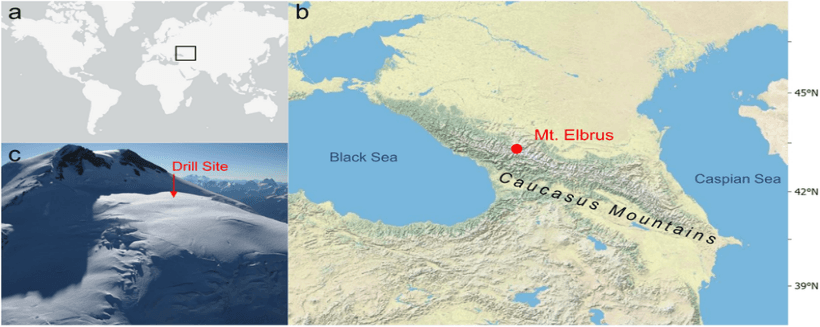
Illustration for Mount Elbrus Mapping (Mountain Mapping)

What & Where

Mount Elbrus – Europe’s highest point; twin-coned, dormant stratovolcano within Russia’s Caucasus Mountains.

Sited just north of Georgia, between Black Sea–Caspian Sea corridor; southwestern Russia.

Scene of controlled avalanche release after heavy snowfall to reduce risk downstream.

Quick Facts for MCQs

Geological Traits

  • Formation : Quaternary volcanic activity created two summits linked by a saddle.
  • Residual activity : Sulphurous fumes, mineral springs persist despite extinction status.
  • Rock composition : Predominantly andesitic–dacitic flows with pyroclastic deposits.

Hydrology & Glaciology

  • Glaciers : Twenty-two icefields blanket ~130 km², vital for regional runoff.
  • River recharge : Meltwaters sustain Kuban and Terek, affecting Black/Caspian basins.
  • Avalanche control : Artificial triggers periodically deployed to stabilise heavy snowpack.

Tourism & Science

  • Mountaineering : Key Seven Summits goal; standard ascent via south route using cable car.
  • Economy : Ski resorts, guided climbs, adventure sports drive Caucasus tourism revenue.
  • Research : ISS imagery, field stations monitor glacier retreat and climate indicators.

Key Data Points

FeatureData-Point
Highest peak altitude5,642 m
Second peak altitude5,595 m
Volcano typeTwin-coned stratovolcano
Geological age> 2.5 million years
Dormancy span~ 2,000 years
Glaciers present22
Major rivers fedKuban, Terek
National locationRussia (Caucasus Range)
Border proximityJust north of Georgia
Seven Summits statusEurope’s representative
GS-3Species

8.Dugong Conservation Concerns (Marine Mammal)

The Hindu
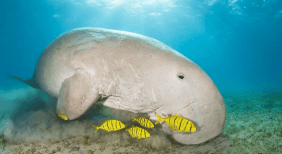
Illustration for Dugong Conservation Concerns (Marine Mammal)

What & Where

Marine mammal “sea cow” Dugong dugon; slow-moving, herbivorous grazer of seagrass meadows

Warm, shallow coastal waters of Indian & western Pacific Oceans; prefers estuaries, lagoons, near-shore areas

India planning International Dugong Conservation Centre at Manora, Thanjavur; design under MoEFCC Expert Appraisal Committee review

Quick Facts for MCQs

Morphology & Behaviour

  • Large plump body 3 m/400 kg; paddle flippers, whale-like tail
  • Gentle herbivorous grazer feeding almost continuously on seagrass
  • Strictly marine; unlike manatees does not enter freshwater

Ecological Role

  • Keystone species maintaining healthy seagrass meadows
  • Ecosystem engineer; grazing stimulates seagrass regeneration, aids overall marine biodiversity
  • Holds cultural value for coastal and indigenous communities, linked to mermaid legends

Conservation & Policy

  • IUCN listing Vulnerable signals global population decline
  • MoEFCC EAC demanded redesign of proposed International Dugong Conservation Centre, Manora

Key Data Points

FeatureData-Point
Scientific nameDugong dugon
Common nicknameSea cow
IUCN Red ListVulnerable
Body lengthUp to 3 m
Maximum weight≈ 400 kg+
Tail typeWhale-like fluke
FlippersPaddle-shaped
DietSeagrass only
Habitat rangeIndian & western Pacific coasts
Freshwater entryNever; strictly marine
Proposed Indian centreManora, Thanjavur (TN)

Related UPSC Prelims PYQs

GS1 2015PYQ 1

With reference to ‘dugong’, a mammal found in India, which of the following statements is/are correct?

GS1 2009PYQ 2

The marine animal called dugong which is vulnerable to extinction is a/an

GS-3EnvironmentQuick Bite

9.Mountain Ice Core Repository (Climate Archive)

Times of India

What & Where

Global repository storing mountain glacier ice cores for long-term climate study

Ice Memory Sanctuary; cave hewn in compacted snow, maintained at −52 °C

Located at Franco-Italian Concordia Research Station, Antarctic Plateau

Quick Facts for MCQs

Scientific Infrastructure

  • Vault carved 12 m below surface, natural snow insulation at polar winter conditions
  • Design avoids energy-intensive freezers, leveraging Antarctic cold for centuries-long storage

Climate Records

  • Ice cores provide century-scale data on atmospheric composition, pollution trends, temperature proxies
  • Enable pace-and-cause analysis of historical climate change for model validation

International Collaboration

  • Tripartite European partnership funds, drills, transports, and curates samples
  • Plans to widen membership, codify governance through multilateral convention

Logistics & Transport

  • Expedition uses refrigerated containers, icebreakers, military cargo planes to maintain sub-zero chain
  • Samples vacuum-sealed and triple-packed to prevent sublimation or contamination

Key Data Points

FeatureData-Point
Managing consortiumIce Memory Foundation (France-Italy-Switzerland)
Facility nameIce Memory Sanctuary
Exact siteConcordia Research Station, Antarctic Plateau
Storage temperature~ −52 °C
First cores storedMont Blanc & Grand Combin
Transit time to vault50 days via refrigerated ship + aircraft
Project launch year2015
Glacier sites cored10 so far
Core contentsTrapped gases, aerosols, dust, pollutants
Key threat addressedRapid glacier loss from global warming
Future roadmapInternational convention within next decade

Related UPSC Prelims PYQs

GEO_GS 2025PYQ 1

The global temperature and CO₂ concentration for the last eight lakh years were deduced mainly from which one of the following?

GS-3S&T

10.Coconut Root Wilt Disease (Plant Disease)

The Hindu
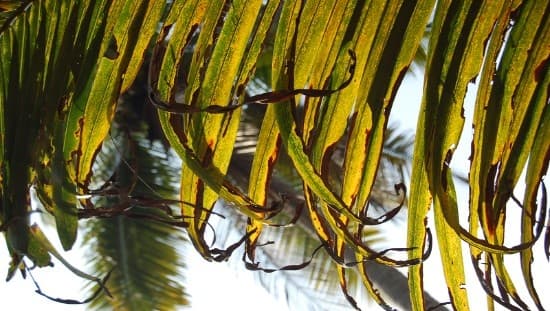
Illustration for Coconut Root Wilt Disease (Plant Disease)

What & Where

Disease; chronic non-fatal coconut infection by phloem-limited phytoplasma

Geography; first seen Erattupetta Kerala, now alarming in Kerala, Tamil Nadu, Karnataka

Transmission; sap-sucking hemipteran vectors aided by contiguous plantations and wind

Quick Facts for MCQs

Pathogen & Vector Biology

  • Phytoplasma; resides in phloem, systemically persists in palm
  • Vectors; sap-sucking insects acquire and transmit during feeding
  • Wind dispersal; carries vectors across continuous coconut belts

Symptomatology

  • Leaf droop; early visual cue of loss of turgidity
  • Progressive yellowing; marginal to inward spread then necrosis
  • Reproductive loss; fewer inflorescences, premature nut shedding

Management Measures

  • Sanitation; remove severely affected low-yield palms
  • Resistance; multiply field-identified tolerant palms via local nurseries
  • Soil health; FYM, green manure, neem cake, assured water and drainage

Spread Drivers

  • Monoculture belts; provide uninterrupted vector corridor
  • Climate stress; rising heat amplifies palm susceptibility
  • Emerging pests; whiteflies intensify biotic pressure and disease spread

Key Data Points

FeatureData-Point
Causal agentPhytoplasma
Disease natureDebilitating, rarely lethal
First recordErattupetta, Kerala; ~1870s
Principal vectorsStephanitis typica, Proutista moesta
Key symptom onsetLeaf strip flaccidity
Later symptomYellowing from leaf tips inward
Yield effectPremature nut fall, major loss
Abiotic driverTemperature extremes
Biotic driverWhitefly outbreaks
Main states nowKerala, Tamil Nadu, Karnataka
GS-3S&T

11.New Guidelines for Virtual Assets (Crypto Regulations)

Times of India

What & Where

Definition: Virtual Digital Asset = cryptography-generated digital value (excludes fiat); defined in Income-tax Act §2(47A), taxable yet not legal tender.

Key types/processes: cryptocurrencies, NFTs, utility tokens, asset/security tokens; onboarding now demands live-selfie + geo-tag + multi-layer KYC.

Core geography: Entire India under FIU-IND supervision; exchanges must register as PMLA reporting entities and store data five years.

Quick Facts for MCQs

Regulatory Scope

  • Coverage: Exchanges, wallet providers, ICO/ITO facilitators now report STRs to FIU-IND.
  • Deterrence: ICO/ITO “strongly discouraged”; anonymity-enhancing services barred.
  • Oversight: Economic Intelligence Council (Fin Min chair) receives FIU-IND analysis.

KYC Mechanics

  • Verification: Mandatory OTP for email/mobile plus selfie and secondary-ID upload.
  • Monitoring: Politically Exposed Persons, NPOs, tax-haven links trigger enhanced due diligence.
  • Failure: Non-compliance can invite PMLA penalties, licence cancellation.

Taxation

  • Deduction: Only cost of acquisition allowed; losses neither set-off nor carried forward.
  • Incidence: Both resident and non-resident transfers within Indian jurisdiction taxable.
  • Reporting: Exchanges must deduct TDS and furnish Form 26QF statements.

Key Data Points

FeatureData-Point
Statutory clause defining VDAIncome-tax Act 1961, Section 2(47A)
Flat tax on VDA transfer30 % (since 1 Apr 2022)
TDS on specified VDA deals1 % under Section 194S
AML coverage start dateMarch 2023 via PMLA notification
Onboarding selfie checkLive-ness (eye-blink/head move) + latitude-longitude + timestamp + IP
Minimum KYC IDsPAN plus Aadhaar/Passport/Voter ID
KYC renewal cycle6 months high-risk; 12 months others
Record-keeping tenure5 years post relationship/transaction
Prohibited toolsCrypto tumblers, mixers, anonymity coins
Bank a/c validation₹1 “penny-drop” confirmation

Related UPSC Prelims PYQs

ESE_GS 2024PYQ 1

These days V-CIP is simple, safe and secure. You can complete your V-CIP from wherever you are in India; you only need your PAN card and Aadhaar card. Then, what is the full form of the term 'V-CIP'?

GS-2Economy

12.India’s Minerals Diplomacy Strategy (Critical Minerals)

The Hindu
Illustration for India’s Minerals Diplomacy Strategy (Critical Minerals)

What & Where

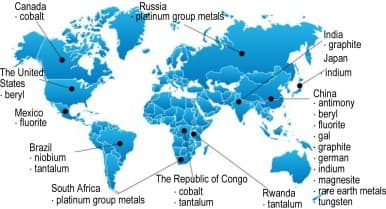
Minerals diplomacy: strategic overseas & domestic tie-ups ensuring lithium, cobalt supply across mining-processing-manufacturing chain.

NCMM 2025: 7-year, ₹34,300 cr mission anchoring exploration, auctions, recycling for 24 listed critical minerals.

Core geography: KABIL stakes in Argentina-Chile, pacts with Namibia, lithium find in J&K; 368 GSI projects pan-India.

Quick Facts for MCQs

Legal & Policy

  • Amendment Act 2025 centralises auctions; expedites leases for lithium, cobalt, REEs.
  • NCMM funds eligible for exploration, overseas equity, mid-stream R&D grants.
  • Recycling Scheme offers duty rebates, viability-gap for e-waste critical-metal plants.

Global Collaborations

  • KABIL acquiring brine assets in Argentina, hard-rock in Chile; refining still offshore.
  • India joined MSP, aligns ESG benchmarks with US-EU sourcing norms.
  • India-Japan 2025 MoU targets third-country extraction, building China-plus-one chain.

Bottlenecks & Risks

  • Processing gap: no commercial lithium refineries; ore shipped abroad.
  • Project gestation 10-15 yrs; J&K lithium unlikely before 2035.
  • Resource nationalism, US IRA subsidies skew incentives away from Indian feedstock.

Key Data Points

FeatureData-Point
Import dependence100 % for 10 critical minerals
NCMM corpus & span₹34,300 cr, 2025-31
Domestic refined copper rise43.5 % in early FY26
Global aluminium rank2nd (2025)
Global iron-ore rank3rd (2025)
GSI critical-mineral surveys368 projects, last 3 yrs
Recycling Incentive Scheme outlay₹1,500 cr (2025)
KABIL–Argentina lithium deal₹200 cr, cost-lock framework
Mines & Minerals (Amnd) ActCentre auctions 24 strategic minerals
MSP membership size14-nation supply-chain club

Related UPSC Prelims PYQs

CDS_GK, GS1 2025PYQ 1

Consider the following statements:

CDS_GK, GS1 2024PYQ 2

Recently the Government of India entered into an agreement for a lithium exploration and mining project with which one among the following countries?

GS-2Misc

13.Commonwealth Speakers Conference 2026 (CSPOC)

PIB
Illustration for Commonwealth Speakers Conference 2026 (CSPOC)

What & Where

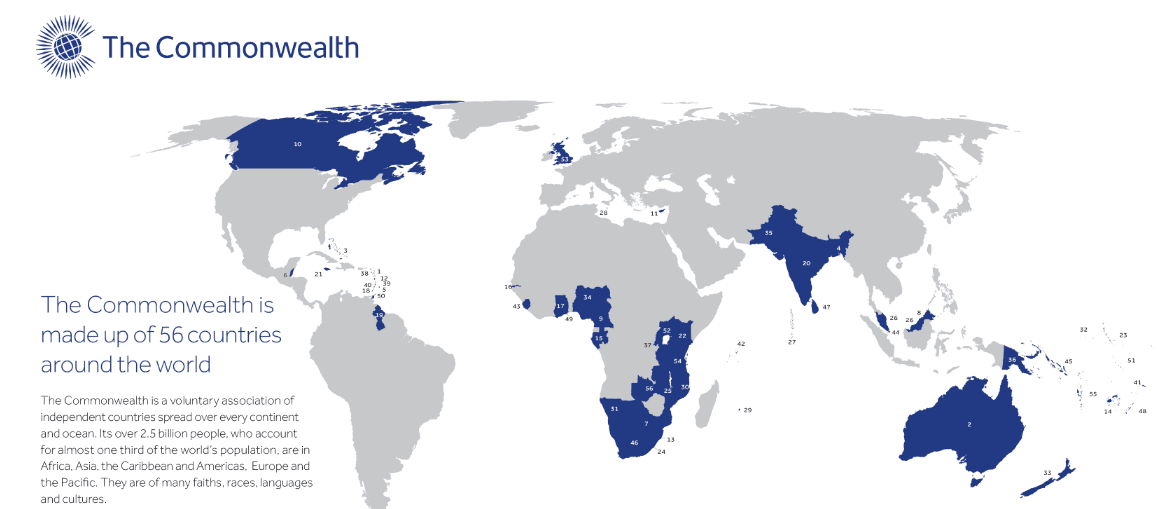
Commonwealth Conference of Speakers & Presiding Officers (CSPOC): biennial forum for presiding officers of 56 Commonwealth legislatures.

28th CSPOC inaugurated Jan 2026 in Central Hall (ex-Chamber of Princes), Old Parliament House, New Delhi.

India hosts after 16-year gap; earlier editions in 1971, 1986, 2010.

Quick Facts for MCQs

Parliamentary Diplomacy

  • CSPOC promotes presiding impartiality, legislative best-practice exchange, institutional capacity-building across Commonwealth.
  • Standing Committee meets in off years to monitor resolutions’ progress.
  • Hosting underscores India’s growing weight in multilateral parliamentary engagement.

Commonwealth Evolution

  • Originates 1926 Imperial Conference; 1949 London Declaration let republics join.
  • Membership now 56; francophone Gabon, Togo added 2022.
  • Monarch-led realms down to 15; Barbados became republic in 2021.

Historic Venue

  • Chamber of Princes, built 1920, voiced princely concerns to the Crown until 1947.
  • Hosted Federal Court (1937-50) then Supreme Court (1950-58).
  • Renamed Central Hall; continues staging national & global parliamentary events.

Key Data Points

FeatureData-Point
CSPOC edition28th
Main conference cycleEvery 2 years
Intervening forumStanding Committee
Core CSPOC aimsImpartiality; democracy knowledge; stronger parliaments
Commonwealth members56
Countries with King Charles III as Head of State15
Latest entrantsGabon & Togo (2022)
Republic newest convertBarbados (2021)
Foundational declaration1949 London Declaration
India’s fund-share rank4th largest
Next Commonwealth Games hostIndia, 2030
Commonwealth Secretariat seatLondon
Chamber of Princes aliasNarendra Mandal
Chamber creation lawGovt. of India Act 1919
Supreme Court sat hereJan 1950 – Aug 1958

Related UPSC Prelims PYQs

CDS_GK 2024PYQ 1

The 7th edition of the Indian Ocean Conference was held at

GS-2Misc

14.WEF Global Risks Report 2026 (Global Risks Report)

The Hindu
Illustration for WEF Global Risks Report 2026 (Global Risks Report)

What & Where

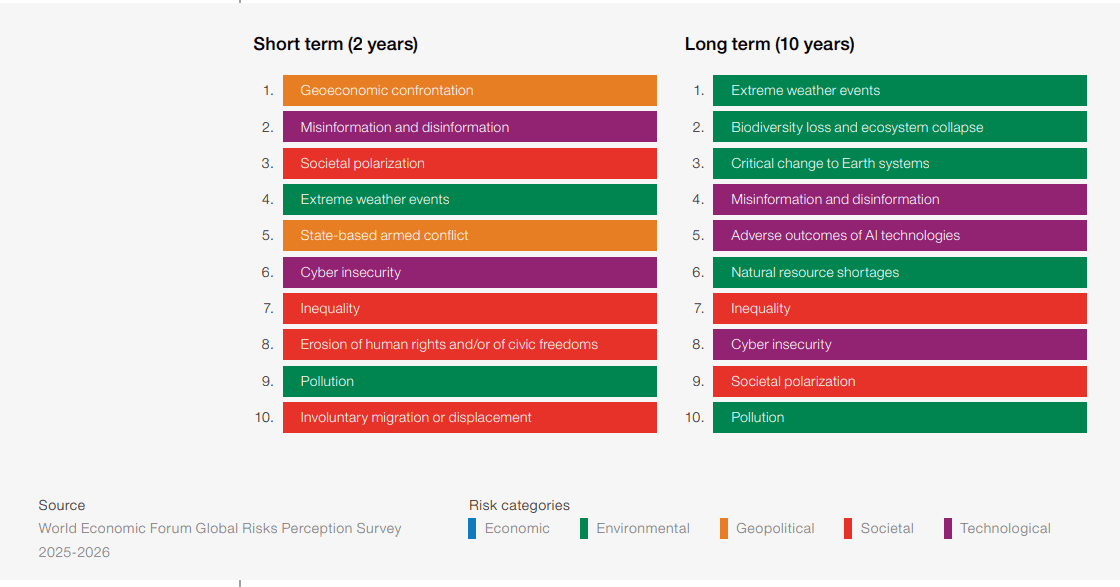
Global Risks Report 2026 – annual World Economic Forum (Geneva) ranking of short- (2 yr) & long-term (10 yr) global threats

Key 2026 threat cluster – geoeconomic confrontation, armed conflict, extreme weather, AI misuse, cyber insecurity

India lens – cybersecurity tops; inequality, weak public services, economic downturn, armed conflict follow

Quick Facts for MCQs

Security Dimension

  • Cyber insecurity threatens elections, UPI, power grids; single-point digital platforms heighten systemic risk
  • Hybrid threats blend terrorism, cyber-attacks, disinformation; call for Multi-Agency Centre & National Security Strategy
  • State-based conflict persists via cross-border terrorism, urban lone-wolf incidents, insurgencies

Economic Angle

  • Geoeconomic shocks transmit through trade, energy, FPI; rupee & equities volatile in 2025 outflow episode
  • Domestic manufacturing via Make in India, PLI and diversified FTAs recommended to cushion supply chains
  • Counter-cyclical fiscal policy and forex buffers align with IMF resilience advice

Social Concerns

  • Inequality magnifies shocks, fuels unrest, erodes institutional trust; top 1 % captures over one-fifth income
  • Insufficient health, education, pensions lower shock absorption, turning climate or market events into governance crises
  • Formalisation, PM-JDY, Ayushman Bharat urged to soften inequality risk

Tech & Schemes

  • AI adverse outcomes enter top-10 global risks; ethical misuse and job displacement flagged
  • FACT principle, IT Rules 2021, PM-DISHA promote information integrity against disinformation campaigns
  • Mission LiFE, Gati Shakti embed climate resilience into infrastructure and urban planning

Key Data Points

FeatureData-Point
WEF HQGeneva, Switzerland
WEF founding year1971
2026 most severe global riskGeoeconomic confrontation
2026 top India riskCybersecurity
Global cyber risk rank9th overall
India malware detections 2025369.01 million
Trojans share in India attacks43.38 %
India public health spend1.9 % of GDP
India social protection spend≈5 % of GDP
Foreign portfolio outflow 2025USD 18.9 billion
India Gini Index (2022-23)25.5
Top 1 % income share (2022)22.6 %

Related UPSC Prelims PYQs

GEO_GS, GS1 2020PYQ 1

According to the Global Climate Risk Index 2020, published by environmental think tank Germanwatch, in the year 2018 India’s rank in the list of top most climate affected nations is:

GEO_GS, GS1 2019PYQ 2

The Global Competitiveness Report is published by the

GS-3Security

15.MHA SOP on Cyber Frauds (Cyber Fraud SOP)

Indian Express

What & Where

SOP: New pan-India framework regulates cyber financial fraud via NCRP and CFCFRMS

Authority: Ministry of Home Affairs under Indian Cyber Crime Coordination Centre; covers banks, NBFCs, intermediaries

Objective: Quick transaction freeze, rapid refunds, victim-centric redressal across all States/UTs

Quick Facts for MCQs

Legal & Policy

  • Uniform SOP enforces accountability among banks, payment aggregators, e-commerce, securities platforms
  • Refunds below ₹50k bypass courts, accelerating victim compensation
  • Freeze auto-revoked after 90 days absent judicial or restoration order

Tech & Schemes

  • NCRP provides case tracking, multi-level dashboards, Cyber Volunteers, Vani-CyberDost chatbot
  • CFCFRMS enables real-time fund blocking via RBI, NPCI, LEAs, 85+ financial entities
  • Upcoming modules digitise end-to-end grievance handling and money restoration workflow

Security Dimension

  • India’s cyber-fraud toll 2018-24 crossed ₹52k crore, small-value users worst hit
  • High-level MHA committee combats “digital arrest” scams; members include RBI, CBI, Google, WhatsApp
  • Victim-centric restitution strengthens trust in digital payments and internal security resilience

Key Data Points

FeatureData-Point
Issuing MinistryHome Affairs (MHA)
Implementing platformNational Cybercrime Reporting Portal, 2020
Integrated systemCitizen Financial Cyber Fraud Reporting & Management System
Refund ceiling sans court≤ Rs 50,000
Mandatory unfreeze limit90 days if no order
National helpline1930
Connected entities85+ banks & payment intermediaries
New NCRP modulesGrievance Redressal; Money Restoration
Cyber fraud loss (6 yrs)~Rs 52,000 crore
Digital arrest scam loss~Rs 3,000 crore

Related UPSC Prelims PYQs

ESE_GS 2024PYQ 1

To increase transparency and consumer awareness and handle customer complaints, a 'Centralised Receipt and Processing Centre' and an 'Integrated Ombudsman Scheme' have been set up. These two schemes are related to which one of the following institutions?

GS-2Scheme

16.Startup India Decade Review (Startup India)

PIB

What & Where

Startup India Initiative : 16 Jan 2016 policy to shift India from job-seeking to job-creating economy

Implementing agency : DPIIT’s Startup India team, New Delhi; operates nationwide single-window digital hub

Core processes : recognition, funding (FFS, CGSS, SISFS), mentoring, state ranking; emphasis on Tier II–III entrepreneurship

Quick Facts for MCQs

Major Schemes

  • Fund of Funds: SIDBI-managed corpus backs SEBI-registered AIFs investing in startups
  • CGSS: NCGTC guarantees collateral-free loans via banks and NBFCs
  • MAARG & Hub: Single-window portals connecting founders with mentors, investors, incubators

Ecosystem Milestones

  • Scale: Unicorns rose from 4 in 2014 to 120+ valuing USD 350 billion
  • Geography: Half of new startups now emerge from Tier II–III cities beyond Bengaluru, Delhi-NCR, Mumbai, Hyderabad
  • Registrations: 2025 saw record 44,000 DPIIT recognitions

Key Challenges

  • Capital: Funding slowdown, 5,000+ closures; seed money fell 25 % and D2C 18 % in 2024
  • Deep-tech gap: Low 0.64 % GDP R&D and consumer-centric bias hinder EV, semiconductor, AI ventures
  • Infrastructure: Patchy internet, logistics and power inflate costs outside metros

Prescribed Reforms

  • Domestic funds: Allow pension, insurance, sovereign capital into long-gestation deep-tech
  • Academia link: Leverage ISRO, DRDO, IITs for applied research and startup procurement
  • Rural support: Upgrade digital connectivity, logistics, power in Tier II–III to cut operational costs

Key Data Points

FeatureData-Point
Launch year16 January 2016
Recognised startups (Dec 2025)2 lakh+
Unicorns (Dec 2025)120+
Tier II/III share~50 %
R&D intensity0.64 % of GDP
FFS corpus₹10,000 crore
SISFS corpus₹945 crore
Startups added in 2025~44,000 (record)

Related UPSC Prelims PYQs

CDS_GK, ESE_GS 2024PYQ 1

To increase transparency and consumer awareness and handle customer complaints, a 'Centralised Receipt and Processing Centre' and an 'Integrated Ombudsman Scheme' have been set up. These two schemes are related to which one of the following institutions?

CDS_GK, ESE_GS 2022PYQ 2

What is ‘Unicorn Company’ often mentioned in Indian news?

Ready to practice?

Test your knowledge with our UPSC test series.

Start Free Trial