UPSC Current Affairs

15 topicsGS-1: 5GS-2: 4GS-3: 6
0/15 done
GS-2Polity

1.Right to a Healthy Environment (Environmental Rights)

The Hindu

What & Where

Graded Response Action Plan (GRAP): four-stage, pre-emptive/emergency protocol to curb Delhi-NCR air pollution.

Commission for Air Quality Management (CAQM): 2021 statutory body covering NCR, Punjab, Haryana, Rajasthan, Uttar Pradesh.

Supreme Court jurisprudence since 1978 reads clean, healthy environment into Article 21 right to life.

Quick Facts for MCQs

Legal & Policy

  • Constitution: proposal for standalone Fundamental Right; embed precautionary, polluter-pays, public-trust, intergenerational equity.
  • Judiciary: key cases Maneka (1978) → Ranjitsinh (2024) progressively widened Article 21 environmental scope.
  • Directive: Article 48A & Article 51A(g) impose parallel state–citizen ecological duties.

Environmental Impact

  • Air: Delhi-NCR exceeds PM limits; India logged 2.1 mn pollution deaths in 2021.
  • Water: Availability fell 1,816 m³ (2001) → projected 1,219 m³ (2050); nitrate, fluoride, arsenic hotspots.
  • Land: 83.69 mha desertified 2018-19; soil organic carbon dips to 0.3 % in intensive belts.

Governance & Implementation

  • Enforcement: Many units lack valid Consent-to-Operate; Environment Act penalties remain modest.
  • Coordination: Indo-Gangetic air crisis demands multi-state action; present mechanisms fragmented.
  • Behaviour: Poor household waste segregation undercuts Swachh Bharat collection efficiency.

Tech & Finance

  • Monitoring: AI + ISRO satellites proposed for automatic alerts on deforestation, illegal dumping, river pollution.
  • Finance: Suggested carbon tax, sovereign green bonds; mandate 50 % CSR funds for ecology.
  • Budgeting: Environmental outcome-based budgeting links allocations to air-quality and forest-cover milestones.

Key Data Points

FeatureData-Point
GRAP Stage III triggerAQI 401–450
GRAP Stage IV triggerAQI > 450
CAQM Act notification2021
Indian cities in 2024 world top-20 pollution list13
Air-pollution deaths, India 20212.1 million
Per-capita water availability 2050 (proj.)1,219 m³
Desertified land 2018-1983.69 million ha
SC case on climate-change rightM.K. Ranjitsinh v. UoI 2024

Related UPSC Prelims PYQs

ESE_GS, GS1 2012PYQ 1

The National Green Tribunal Act, 2010 was enacted in consonance with which of the following provisions of the Constitution of India?

ESE_GS, GS1 2021PYQ 2

Which one of the following is NOT included in the 27 principles issued at the Rio-92 UN Conference on the Environment and Development?
GS-2SchemeQuick Bite

2.PRAGATI Governance Platform (Project Monitoring)

Indian Express

What & Where

PRAGATI is a 2015 ICT platform for fast-tracking public projects and grievances across all Indian states.

Uses a three-tier chain—PMO, Union Secretaries, State Chief Secretaries—for direct, hierarchy-free interaction.

Geo-tagged coverage spans nationwide infrastructure and inter-state issues, reinforcing Centre-State “Team India” coordination.

Quick Facts for MCQs

Tech & Schemes

  • Integration ensures single window view of CPGRAMS, Gati Shakti, PARIVESH, PMG datasets.
  • Geo-spatial dashboards allow map-based progress checks right down to project coordinates.
  • Drone feeds supply live visuals of critical sites during PM-chaired reviews.

Administrative Structure

  • PrimeMinister-led monthly videoconference mandates action points with clear deadlines.
  • Union Secretaries anchor ministry inputs; State Chief Secretaries feed ground data.
  • Constant feedback loop reduces file movement, enabling same-day decisions.

Development Impact

  • Faster clearances unblock stalled infrastructure, boosting employment and service delivery.
  • Predictive analytics flag cost-time overruns early, saving public funds.
  • Collaborative model showcases cooperative federalism, inspiring replication at state level.

Key Data Points

FeatureData-Point
Launch year2015
Oversight headPrime Minister
System tiersPMO / Union Secretaries / State Chief Secretaries
Technology toolsVideo-conferencing, geo-mapping, drone feeds, central database
Linked portalsCPGRAMS, PM Gati Shakti, PARIVESH, Project Monitoring Group
Core functionsReal-time monitoring, predictive tracking, grievance redress
Governance aimCut red tape, accelerate reforms, resolve inter-state disputes
GS-3Economy

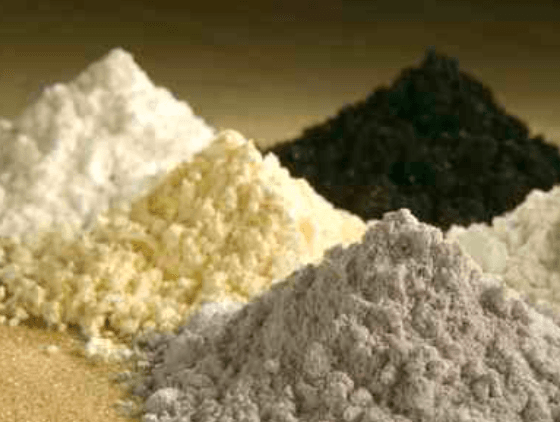
3.Rare Earth Elements Overview (Critical Minerals)

The Hindu
Illustration for Rare Earth Elements Overview (Critical Minerals)

What & Where

Rare-earth elements: 17 metals—15 lanthanides plus scandium, yttrium—vital for green tech, defence, electronics

Hosted mainly in bastnäsite, monazite, ion-adsorption clays; major reserves China, Brazil, India, Australia

Midstream choke point: China controls ≈90 % global refining and magnet production

Quick Facts for MCQs

Physical & Chemical Traits

  • Magnetism strong due to unpaired 4f electrons
  • Optical emissions sharp stable enabling phosphors lasers
  • Chemical similarity makes separation complex energy intensive

Global Distribution

  • Reserves next to China: Brazil ~21 Mt, India ~6.9 Mt, Australia ~5.7 Mt
  • Smaller strategic stocks Russia Vietnam USA Greenland
  • Deposits uneven creating geographic supply risk

Supply Chain & Strategic Angle

  • Midstream refining and magnet fabrication the true bottleneck not raw ore availability
  • Supply vulnerability spurs diversification drives in US EU India Japan
  • REEs classified critical minerals in many national security policies

Key Data Points

FeatureData-Point
Total REEs17 (15 lanthanides + Sc, Y)
Usual oxidation state+3
Key electron shellLocalised 4f electrons
Common market formOxides
Density traitHigh, metals mostly soft silvery
Melting point traitHigh, thermally stable
Top reserve holderChina ~44 Mt
Indian reserves~6.9 Mt (≈5 % world)
Main mineralsBastnäsite, Monazite, Ion-clays
Processing dominanceChina >90 % refining & magnets

Related UPSC Prelims PYQs

GS1 2012PYQ 1

Recently, there has been a concern over the short supply of a group of elements called ‘rare earth metals’. Why?

GS1 2022PYQ 2

With reference to India, consider the following statements :

GS-3Economy

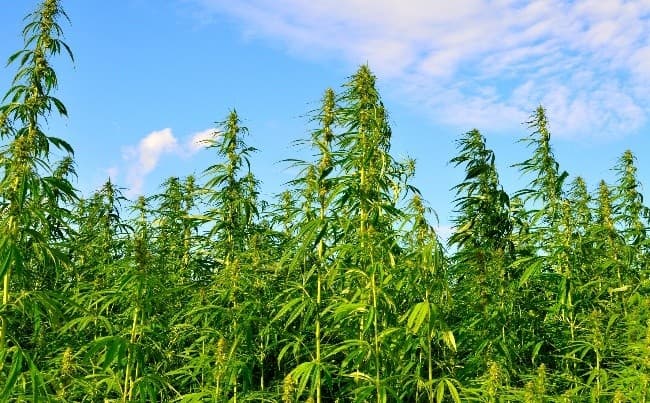
4.Industrial Hemp Cultivation Initiative (Hemp Industry)

DD News
Illustration for Industrial Hemp Cultivation Initiative (Hemp Industry)

What & Where

Definition: Non-intoxicating Cannabis sativa grown for fibre, seed, biomass; legal THC ceiling 0.3 %.

Geography: Native Central–South Asia; now regulated across Europe, North America, Asia; Himachal Pradesh just authorised cultivation.

Cultivation: 70–140 day crop, thrives on marginal soil, needs ~50 % less water than cotton.

Quick Facts for MCQs

Legal & Policy

  • Himachal notification enables licensed hemp farming under state monitoring of THC compliance.
  • Objective: Anchor bio-economy growth while separating crop from narcotic perception.
  • Global norms: EU, US, Canada already permit hemp below 0.3 % THC.

Environmental Impact

  • Water-efficient crop eases stress on Himalayan watersheds.
  • Hempcrete locks more CO₂ than emitted across life-cycle, aiding Net-Zero goals.
  • Deep rooting enhances soil aeration, curbs erosion on hill slopes.

Economic Angle

  • Diversified revenues from textiles, nutraceuticals, bioplastics boost rural incomes.
  • Fast turnover supports additional yearly cropping cycles in temperate zones.
  • Rising international hemp market creates export scope for certified Indian produce.

Key Data Points

FeatureData-Point
Botanical speciesCannabis sativa
THC legal limitBelow 0.3 %
Indian initiativeGreen to Gold, Himachal Pradesh
Water use vs cotton~50 % lower
Harvest duration70–140 days
Key eco-productHempcrete, carbon-negative
Root effectImproves soil, suppresses weeds
Primary outputsFibre, oilseed, biomass

Related UPSC Prelims PYQs

GS1 2019PYQ 1

Recently, there was a growing awareness in our country about the importance of Himalayan nettle (Girardinia diversifolia) because it is found to be a sustainable source of

GS-3Infrastructure

5.Dulhasti Stage-II Hydropower Project (Hydropower Project)

Indian Express
Illustration for Dulhasti Stage-II Hydropower Project (Hydropower Project)

What & Where

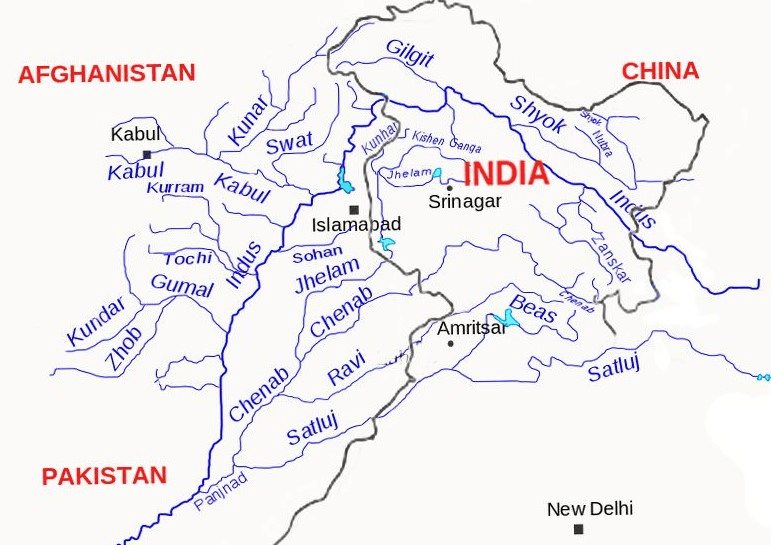
Dulhasti Stage-II: 260 MW (2×130 MW) underground run-of-river power house on Chenab, Kishtwar district, J-K

Links Marusudar tributary through 1 000 MW Pakal Dul CFRD dam into existing Dulhasti-I reservoir

Cleared (Dec 2025) by MoEF&CC Expert Appraisal Committee under EIA-2006 norms

Quick Facts for MCQs

Tech & Schemes

  • Run-of-river: utilises natural flow, minimal storage, lower submergence
  • Pakal Dul dam: tallest concrete-face rockfill in Indian Indus basin (167 m)
  • Chenab cascade: existing Dulhasti-I, Baglihar 890 MW, Salal 690 MW; upcoming Ratle 850 MW, Kiru 624 MW, Kwar 540 MW

Legal & Policy

  • Expert Appraisal Committee: 15 experts, 3-year tenure, consensus recommendations to MoEF&CC
  • EIA Notification 2006 mandates screening, scoping, appraisal before environmental clearance
  • Indus Waters Treaty 1960: India full rights over Ravi-Beas-Sutlej, limited non-consumptive use on Indus-Jhelum-Chenab

Security Dimension

  • Strategic aim: maximise western-river utilisation after terror-linked IWT review
  • Hydropower in border state enhances grid stability, reduces diesel import dependence
  • Cascade positioning complicates hostile sabotage; shared infrastructure lowers cost

Environmental Impact

  • ROR design avoids large reservoir, curbs displacement and methane emissions
  • Underground powerhouse limits surface disturbance in fragile Himalayan gorge
  • EAC flagged need for sediment management & seismic-resilient construction

Key Data Points

FeatureData-Point
Installed capacity260 MW
Project typeRun-of-river (ROR)
Main riverChenab
Tributary tappedMarusudar
LocationKishtwar, Jammu & Kashmir
Units2 × 130 MW
Linked damPakal Dul, 167 m CFRD
Stage-I output390 MW, commissioned 2007
Clearance bodyMoEF&CC Expert Appraisal Committee
IWT statusWork fast-tracked after 2023 suspension

Related UPSC Prelims PYQs

CDS_GK, GS1 2009PYQ 1

The Dul Hasti Power Station is based on which one of the following rivers ?

CDS_GK, GS1 2021PYQ 2

The Luhri Hydro-Electric Power Project is being constructed on the river

GS-1History

6.INC 140th Foundation Day (Indian National Congress)

Indian Express
Illustration for INC 140th Foundation Day (Indian National Congress)

What & Where

Party; all-India political organisation leading anti-colonial movement and post-1947 governance

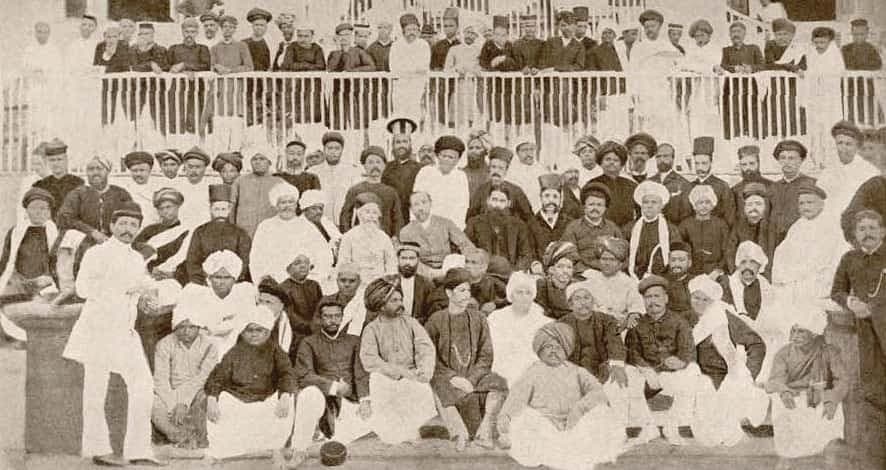
Founded 28 Dec 1885 at Gokuldas Tejpal Sanskrit College, Bombay (now Mumbai)

Geography; nationwide membership cutting across regions, religions, languages

Quick Facts for MCQs

Origins & Founders

  • Genesis; forum to petition British administration, channel elite grievances
  • Catalyst; Hume envisioned platform to avert rebellions after 1857
  • Inclusivity; early membership spanned provinces, castes, faiths

Freedom Struggle Role

  • Mass Agitations; Non-Cooperation 1920-22, Civil Disobedience 1930-34, Quit India 1942
  • Landmark; Lahore session 1929 adopted Purna Swaraj, 26 Jan 1930 as Independence Day
  • Leadership Shift; Mahatma Gandhi transformed party into grassroots mass movement

Post-Independence Influence

  • Governance; dominated Lok Sabha 1952-77, framed Constitution, shaped Five-Year Plans
  • Core Values; secularism, parliamentary democracy, planned economy, non-alignment
  • Institutional Build; established Election Commission, Planning Commission, IITs, FCI

Organisational Characteristics

  • Nationwide Cadre; longest-running pan-India party structure
  • Ideological Elasticity; adapted from liberalism to socialism to mixed-economy model
  • Symbols; tricolour flag with spinning wheel (pre-1947), later hand symbol

Key Data Points

FeatureData-Point
Foundation Day28 December 1885
140th Anniversary28 December 2025
First Session VenueGokuldas Tejpal Sanskrit College, Bombay
First PresidentWomesh Chandra Bonnerjee
Key British FounderAllan Octavian Hume
Early Indian StalwartsDadabhai Naoroji, Surendranath Banerjee, Pherozeshah Mehta, Gopal Krishna Gokhale
Core Ideological PhasesModerate constitutionalism → Mass civil disobedience → Democratic socialism

Related UPSC Prelims PYQs

GS1 1995PYQ 1

The radical wing of the Congress Party, with Jawaharlal Nehru as one of its main leaders, founded the ‘Independence for India League’ in opposition to

GS1 1996PYQ 2

Which one of the following first mooted the idea of a constituent assembly to frame a constitution for India?

GS-1History

7.Punjab Holy City Status (Sikh Heritage)

Indian Express

What & Where

Punjab notified Amritsar, Anandpur Sahib, Talwandi Sabo as holy cities hosting three of Sikhism’s five Takhts.

Tag confers cultural-religious status; civic limits face blanket ban on liquor, tobacco, cigarettes, meat.

Objective is heritage tourism boost and preservation of Sikh sanctity under state policy 2025.

Quick Facts for MCQs

Policy Measures

  • Prohibition covers sale, storage, advertisement inside municipal boundaries to uphold spiritual ambiance.
  • State targets pilgrimage infrastructure upgrade via dedicated budget heads and heritage tourism circuits.
  • Enforcement entrusted to excise, health, municipal and police departments under Punjab Municipal Act.

Sikh Institutions

  • Takhts five in total; two outside Punjab are Patna Sahib (Bihar) and Hazur Sahib (Nanded, Maharashtra).
  • Gurdwara functions worship plus Langar community kitchen symbolising equality and seva.
  • SGPC elected body manages 80+ historic gurdwaras, headquartered at Golden Temple complex.

Timeline of Gurus

  • Guru Angad created Gurmukhi; Guru Arjun compiled Adi Granth 1604; Guru Hargobind united Miri-Piri concept.
  • Guru Tegh Bahadur founded Anandpur Sahib; Guru Gobind Singh relinquished human Guruship to scripture 1708.
  • Youngest Guru Har Krishan led at age five, summoned by Aurangzeb yet revered for compassion.

Reform Movement

  • Akali agitation ousted mahants controlling shrines, ensuring democratic Sikh management.
  • Culminated in legal codification through Sikh Gurdwaras Act 1925 by British Punjab legislature.
  • Movement inspired wider Indian religious-institutional reforms and early nationalist mobilisation.

Key Data Points

FeatureData-Point
Holy cities declaredAmritsar, Anandpur Sahib, Talwandi Sabo
Notification year2025
Associated TakhtsAkal, Keshgarh, Damdama
Supreme TakhtAkal Takht, Amritsar (1606)
Founder of SikhismGuru Nanak Dev (1469-1539)
Core scriptureGuru Granth Sahib (eternal Guru)
Supplementary textDasam Granth
Khalsa creation1699 by Guru Gobind Singh
Five KsKesh, Kangha, Kara, Kachera, Kirpan
Apex gurdwara bodySGPC, formed 1920
Governing ActSikh Gurdwaras Act 1925
Reform movementAkali (Gurdwara) Movement 1920
Prohibited items in holy citiesLiquor, tobacco, cigarettes, meat
Marriage ceremony introduced byGuru Amar Das (Anand Karaj)
GS-1HistoryQuick Bite

8.Narsapuram Crochet Lace Craft (Traditional Craft)

The Hindu
Illustration for Narsapuram Crochet Lace Craft (Traditional Craft)

What & Where

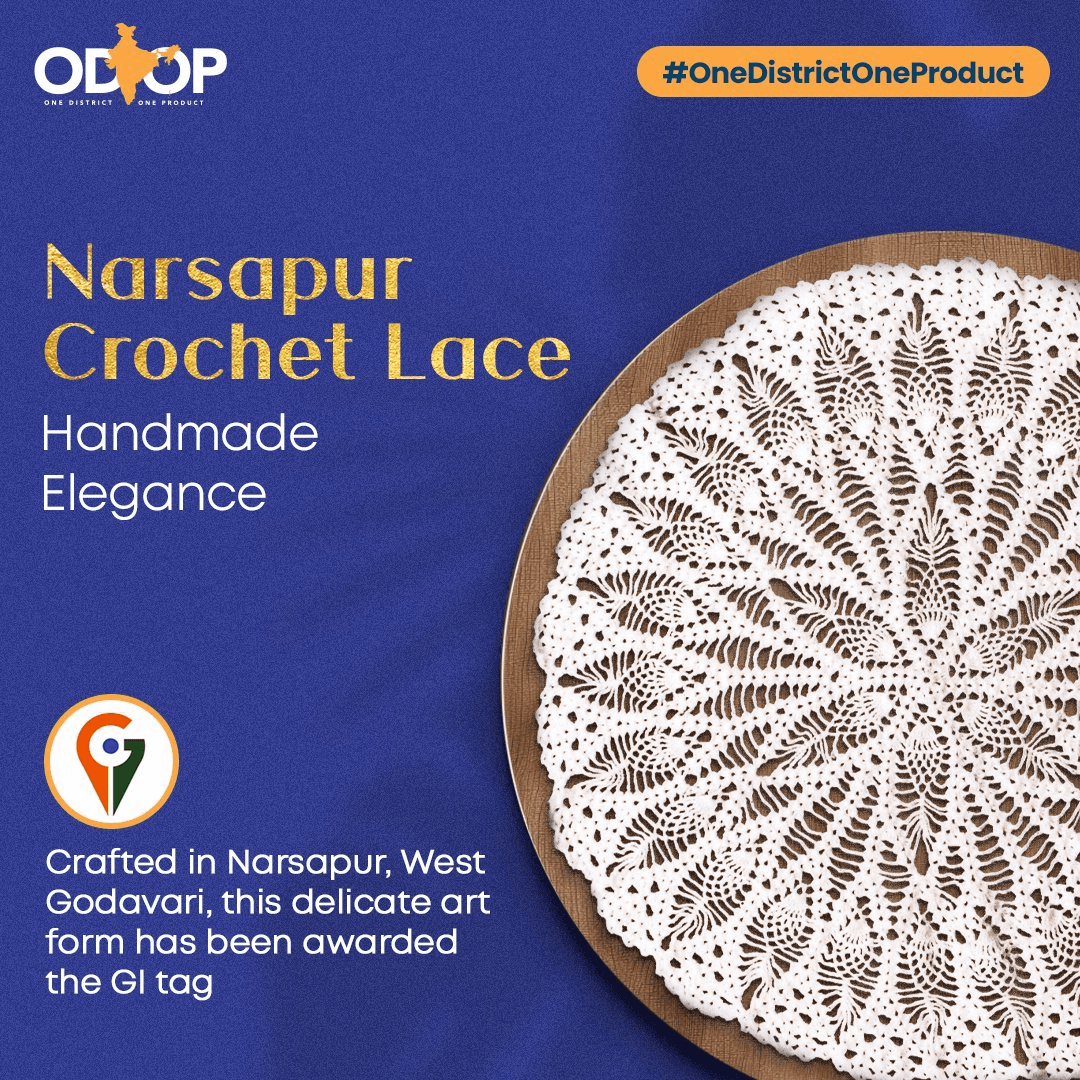
Heritage crochet lace handcrafted in Narsapuram town, West Godavari district, Andhra Pradesh.

Fine cotton thread looped with a single crochet hook, using needles of varying gauges for elaborate patterns.

Post-Covid revival visible; FY 2024-25 exports already crossed ₹150 crore.

Quick Facts for MCQs

Economic Angle

  • Exports rebound; craft adds forex and rural income amid post-pandemic recovery.
  • Global demand concentrated in developed markets; niche, high-value handcrafted segment.
  • Home-based production boosts female labour participation without major capital needs.

Heritage & Social

  • Continuity since 1844 underscores cultural resilience across colonial, famine, depression eras.
  • Lace-making long linked to women’s collective identity in Godavari belt.
  • Craft embodies intangible cultural heritage of coastal Andhra.

Tech & Schemes

  • GI and ODOP tagging enable branding, market access, legal protection.
  • EPCH plus International Lace Trade Centre provide design, export facilitation, fair participation.
  • Skill transfer relies on informal apprenticeship; need-based upskilling workshops conducted by Textiles Ministry.

Key Data Points

FeatureData-Point
Origin year1844
Core regionNarsapuram, West Godavari, Andhra Pradesh
Historical crises weathered1899 Famine; 1929 Great Depression
Early-1900s women artisans>2,000 in Godavari area
FY 25 export earnings₹150 crore+
Key marketsUK, USA, France
Product rangeGarments, linens, accessories, decor
Main toolSingle crochet hook
RecognitionGI tag; ODOP award
Export promoterEPCH, Textiles Ministry body
GS-1Mapping

9.Gandikota Canyon (River Gorge)

The Hindu
Illustration for Gandikota Canyon (River Gorge)

What & Where

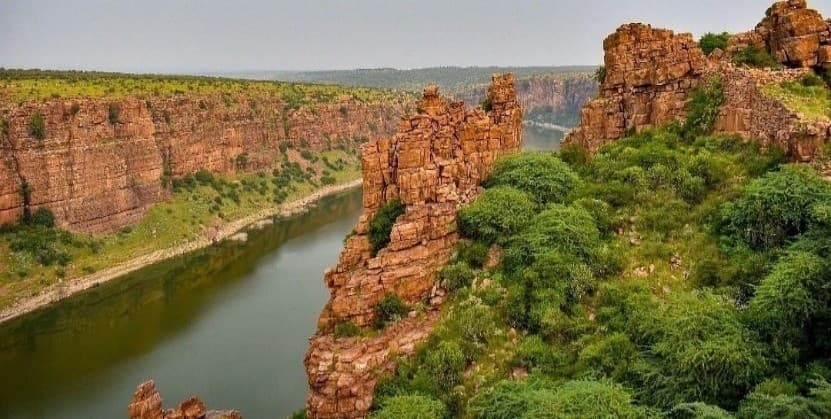
Canyon: 200-m-wide, sheer quartzite–sandstone gorge sculpted by Penna River; dubbed “Grand Canyon of India”.

Location: Erramala Hills, Gandikota village, Kadapa district, Andhra Pradesh; ~77 km from Kadapa town.

Setting: Overlooks 12th-century Gandikota Fort complex, blending Vijayanagara, Indo-Islamic and local architectural styles.

Quick Facts for MCQs

Historical Timeline

  • Foundation: Fort built 1123 CE; prominence under Pemmasani Nayaks, Kakatiya feudatories.
  • Succession: Vijayanagara → Qutb Shahis → Mughals → Nawabs of Kadapa → Mysore → British.
  • Records: Cited in Mackenzie Kaifiyat, Tavernier’s travelogues.

Geomorphology

  • Lithology: Steep red sandstone and quartzite cliffs framing sinuous river channel.
  • Landscape: Penna’s lateral erosion produced panoramic sunrise–sunset vistas.
  • Comparative tag: Geological grandeur earns “Grand Canyon” moniker in Indian context.

Architectural Heritage

  • Fort complex: Madhavaraya Temple, Ranganatha Temple, Jama Masjid, granary, step wells, jail, gun foundry.
  • Styles: Vijayanagara carvings merge with Indo-Islamic arches and domes.
  • Cultural link: Site associated with Telugu poet Yogi Vemana folklore.

Tourism Potential

  • Attractions: Viewpoints, heritage walks, river-edge camping, proximity to Tirupati pilgrimage circuit.
  • Infrastructure gap: Limited facilities despite recent Andhra Pradesh tourism plans.
  • Eco-heritage scope: Ideal for integrated cultural and adventure tourism.

Key Data Points

FeatureData-Point
Main riverPenna (Pennar)
Hill rangeErramala Hills
District / StateKadapa, Andhra Pradesh
Gorge width~200 m
Fort founding year1123 CE
Key early rulersPemmasani Nayaks under Kakatiyas
Later dynastiesVijayanagara, Qutb Shahis, Mughals, Mysore, British
Nickname“Grand Canyon of India”
Distance from Kadapa≈77 km
Distance from Bengaluru/Hyderabad/Chennai~300–380 km
GS-3Environment

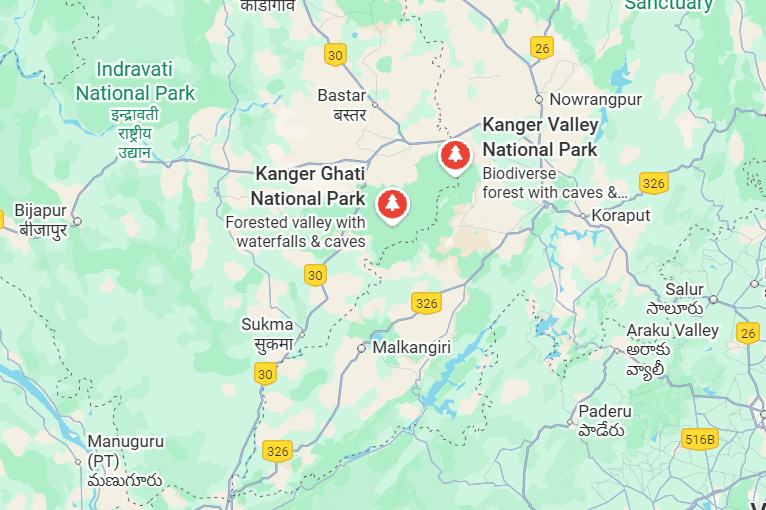
10.Kanger Valley National Park (National Park)

DC
Illustration for Kanger Valley National Park (National Park)

What & Where

Biodiversity-rich national park in central India; dense forests, caves, waterfalls; proposed UNESCO World Heritage Site

Situated in Bastar district, Chhattisgarh, Deccan biogeographical zone, ~24 km southeast of Jagdalpur on Jagdalpur–Darbha road

Named after Kanger River flowing through heterogeneous terrain of plains, plateaus, valleys and steep slopes

Quick Facts for MCQs

Geomorphology

  • Limestone cave systems Kotumsar & Kailash among most diverse in India and South Asia
  • Terrain heterogeneity spans flat alluvium, steep escarpments, plateaus and deeply incised stream courses
  • Subterranean caves reach several kilometres with stalactite and stalagmite formations

Biodiversity Highlights

  • Dense Sal and mixed forests form primary vegetation cover
  • Bastar Hill Myna relies on undisturbed upper canopy for breeding
  • Seasonal–perennial streams sustain high amphibian, reptile and insect richness

Conservation & UNESCO Bid

  • State government and WII conducting fresh biodiversity inventories for World Heritage nomination
  • Park already on UNESCO Tentative List awaiting formal dossier submission
  • Administrative control with Kotumsar and Koleng ranges under Jagdalpur Wildlife Circle

Key Data Points

FeatureData-Point
StateChhattisgarh
DistrictBastar
Notification year1982
Area~200 sq km
Main riverKanger
Biogeographic zoneDeccan
Signature cavesKotumsar, Kailash
Iconic birdBastar Hill Myna
Key waterfallTirathgarh
Managing circleJagdalpur Wildlife Circle
UNESCO statusTentative List

Related UPSC Prelims PYQs

ESE_GS, GS1 2007PYQ 1

Which of the following is located in the Bastar region?

ESE_GS, GS1 2022PYQ 2

Which one of the following national parks has become the first national park in India to be equipped with satellite phones?

GS-3Editorial

11.India's Research Deficit (R&D Spending)

The Hindu
Illustration for India's Research Deficit (R&D Spending)

What & Where

Definition : India’s research deficit – chronic underinvestment and weak linkages in science, tech and innovation

Scope : Covers labs, universities, industry R&D across sectors such as semiconductors, defence, climate tech

Geography : Entire India; performance benchmarked globally against USA, China, Israel, South Korea

Quick Facts for MCQs

Investment Levels

  • Comparison : China 2.4 % GDP, USA 3.5 %, Israel 5.4 %; India lags sharply
  • Private trend : South Korea and USA exceed 70 % private R&D while India stuck at 36 %
  • Target : Policy aim to reach 2 % GDP with half from industry within 5–7 yrs

Talent & Output

  • Density gap : India 255 researchers per million vs USA 4,452 and Korea 7,980
  • Brain-drain : 7.6 lakh students abroad in 2024–25 with AI and green energy surge
  • Output share : India hosts 17.5 % population but only 3 % global research papers

Policy Initiatives

  • ANRF : Anusandhan National Research Foundation to strengthen basic science and labs
  • RDI Fund : ₹1 lakh cr corpus with ₹20 k cr start focusing on deep tech and industry projects
  • National missions : Semiconductor, Quantum, AI, Green Hydrogen aimed at strategic tech autonomy

Challenges

  • Risk aversion : Industry hesitant on long-gestation blue sky research
  • Bureaucracy : Funding disbursal delays of 8–12 months stall lab continuity
  • Commercialisation gap : 80 % patents from smaller colleges remain unlicensed due to weak tech transfer

Key Data Points

FeatureData-Point
GERD share of GDP0.6–0.7 % (2023)
Govt share in GERD63.6 %
Private share in GERD36.4 %
Researchers density255 per million
Global avg researchers1,198 per million
Patent filings 202364,480 ; 6th worldwide
Resident filings rank47th per million
Global Innovation Index 202439th place
US GERD share3.5 % of GDP
Israel GERD share5.4 % of GDP
GS-3S&T

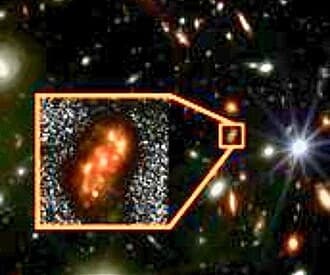
12.Alaknanda Early Spiral Galaxy (Early Spiral Galaxy)

The Hindu
Illustration for Alaknanda Early Spiral Galaxy (Early Spiral Galaxy)

What & Where

Alaknanda Galaxy: distant, fully developed spiral system discovered in JWST public data during the UNCOVER survey

Cosmological location: redshift ≈ 4, when universe age was ~1.5 billion yr after Big Bang

Structure: stable rotating disk with two symmetric spiral arms and a pronounced central bulge

Quick Facts for MCQs

Morphology

  • Symmetry: two well-defined arms persist after bulge/disk subtraction
  • Kinematics: disk shows ordered rotation, indicating early dynamical settling
  • Bulge: central mass concentration comparable to mature local spirals

Formation Insights

  • Rarity: simulations seldom yield such spirals this early in cosmic history
  • Implication: hints at accelerated disk growth via cold gas accretion or early mergers
  • Challenge: pushes models to reproduce mature morphology within 1–2 Gyr

Observation & Survey

  • Instruments: JWST NIRCam imaging with supporting photometric redshift checks
  • Data robustness: multiple independent redshift estimates converge on z≈4 value
  • Detection context: part of UNCOVER ultra-deep survey targeting early universe galaxies

Key Data Points

FeatureData-Point
TelescopeJames Webb Space Telescope
Survey fieldUNCOVER (JWST deep field)
Redshift (z)≈ 4
Cosmic age~1.5 Gyr post-Big Bang
Star-formation rate~60 solar masses per year
MorphologyDisk + 2 spiral arms + bulge
Naming sourceAlaknanda River; paired with Milky Way (Mandakini)
Research leadIndian astronomers (multiple institutes)
GS-2InfrastructureQuick Bite

13.Passenger Assistance Control Room (Civil Aviation)

PIB

What & Where

Passenger Assistance Control Room (PACR): 24×7 integrated centre for aviation grievance redressal

Location: Under Ministry of Civil Aviation, New Delhi; houses MoCA, DGCA, AAI, airline reps

Scope: Flights, airports, airlines across India; linked with AirSewa platform

Quick Facts for MCQs

Tech & Schemes

  • Integration: AirSewa complaints auto-convert into actionable PACR cases
  • Dashboards: Live data analytics ensure transparency and accountability

Governance & Accountability

  • Coordination: Multi-agency officials seated together for on-the-spot decisions
  • Charter-linked: Refunds, delays, baggage issues handled per Passenger Charter provisions

Operational Metrics

  • Coverage: Omni-channel intake—calls, digital, AirSewa—centralised under single system
  • Crisis-response: Institutionalised mechanism activated during flight or airport disruptions

Key Data Points

FeatureData-Point
Parent ministryCivil Aviation (MoCA)
Core functionReal-time passenger grievance resolution
Operations24 × 7, permanent facility
Key integrationAirSewa digital grievance portal
Participating agenciesMoCA, DGCA, AAI, all scheduled airlines
Launch objectivePassenger-centric, transparent ecosystem
Dashboard utilityTracks grievance type, response time
Compliance basisPassenger Charter norms
Grievances resolved13,000+ since Dec 2025
Call interventions500+ direct actions
GS-2SchemeQuick Bite

14.Rare Earth Magnet Manufacturing Scheme (REPM Scheme)

PIB

What & Where

Scheme: ₹7,280 cr push for sintered Rare Earth Permanent Magnets (REPM) manufacturing in India.

Target: 6,000 MTPA end-to-end value chain, oxide separation to finished magnets.

Resource hub: 13.15 mn t monazite with 7.23 mn t rare-earth oxides in Odisha, TN, AP, Kerala, Jharkhand.

Quick Facts for MCQs

Tech & Schemes

  • REPMs: neodymium/samarium magnets; indispensable for EVs, wind, electronics, aerospace, defence.
  • Scheme scope: covers mining, separation, alloying, sintering, component fabrication.
  • NCMM 2025: mission anchors exploration-to-recycling for all critical minerals.

Implementation Design

  • Duration: 7 years; incentives begin post 2-year setup.
  • Incentives: sales-based payouts plus 15 % capital subsidy within ₹750 cr cap.
  • Scale: five firms ensure 1,200 MTPA each, enabling economies and clustering.

Resource Base

  • Monazite: 13.15 mn t across coastal and inland placer deposits.
  • Oxide volume: 7.23 mn t rare-earth oxides available for processing.
  • Demand trend: domestic REPM need expected to double by 2030.

International Dimension

  • Import-reliance: majority magnets sourced from China, heightening supply risk.
  • Outreach: KABIL, MSP, IPEF, iCET platforms secure overseas mines, tech collaboration.
  • Objective: diversify supplies, integrate into global clean-tech value chains.

Key Data Points

FeatureData-Point
Scheme outlay₹7,280 crore
Incentive window2-yr gestation + 5-yr payouts
Max beneficiaries5 companies
Capacity per firm1,200 MTPA
Total target capacity6,000 MTPA
Sales-linked incentive pool₹6,450 crore
Capital-subsidy pool₹750 crore
China share in REPM imports60–90 % (2022-25)
Domestic monazite reserve13.15 mn t
Projected demand by 2030Likely to double

Related UPSC Prelims PYQs

GS1 2022PYQ 1

With reference to India, consider the following statements :

GS-1Editorial

15.Attitude over Aptitude at Work (Workplace Ethics)

New Indian Express

What & Where

Concept Attitude-over-Aptitude – mindsets outranking raw skills for early-career success in AI-driven workplaces

Key attitude traits – learnability, ownership, ambiguity-handling, collaboration, coachability

Applicability – knowledge-economy jobs across sectors and geographies

Quick Facts for MCQs

Workplace Dynamics

  • Adaptability demanded by AI-altered roles outpaces static skill reliance
  • Interdependent teams reward mature interpersonal behaviour over solo expertise
  • Flat digital setups prefer proactive ownership not hierarchy-driven compliance

Hindrances

  • Rigid hierarchies curb questioning and idea exchange
  • Remote work shrinks informal learning, weakening emotional team bonds
  • Credential entitlement erodes humility and continuous learning drive

Capacity-Building Tools

  • Continuous learning culture integrates technical and behavioural modules
  • Structured feedback cycles correct course and instil accountability
  • Senior mentorship role-models fusion of competence with character

Key Data Points

FeatureData-Point
Primary success determinantAttitude in first 3-5 career years
Learnability valueShields against fast skill obsolescence
Ownership impactBuilds trust via outcome responsibility
Ambiguity handlingBoosts calm problem-solving under unclear tasks
Collaboration gainEnables cross-functional teamwork & conflict resolution
Coachability signalIndicates growth mindset and leadership potential
Aptitude roleSets entry-level technical competence baseline
Major attitude blockerFear of mistakes due to perfection culture
Delivery method to build bothExperiential job assignments & regular feedback
Ethics trainingShapes integrity, fairness, long-term trust

Related UPSC Prelims PYQs

ESE_GS 2020PYQ 1

Which one of the following is not the skill needed in the workplace of the future for inventive thinking using information and communication technology in education?

Ready to practice?

Test your knowledge with our UPSC test series.

Start Free Trial