UPSC Current Affairs

14 topicsGS-1: 2GS-2: 8GS-3: 4
0/14 done
GS-2Editorial

1.UPSC–State PSC Structural Gaps (Public Service Commissions)

The Hindu

What & Where

State Public Service Commissions (SPSCs); constitutional bodies under Arts 315-323 for State civil-service recruitment.

Present in every State; 2025 national conference hosted by Telangana PSC, Hyderabad (19-20 Dec).

Conduct prelims-mains-interview cycles for Group A/B posts, advise governors on personnel matters.

Quick Facts for MCQs

Historical Evolution

  • 1918 reforms proposed merit-based, politically insulated recruitment countering colonial bias.
  • 1935 Act institutionalised federal PSC structure, basis for UPSC-State PSC duality.
  • Constituent Assembly 1950 retained PSCs to ensure neutrality, continuity post-Independence.

Structural Gaps

  • Appointment; UPSC merit-centric, SPSCs often politically influenced, lacking fixed qualifications.
  • Representation; UPSC zonal spread mandatory, States have no comparable diversity norm.
  • Administrative support; UPSC aided by DoPT, States lack dedicated personnel ministry and budgeting.

Operational Issues

  • Syllabus stagnation; expert committees rarely convened, misaligned with contemporary subjects.
  • Evaluation inconsistencies; weak moderation, translation errors spur litigation, cancellations.
  • Vacancy backlogs; fiscal constraints, extended retirements create irregular notifications and exam delays.

Reform Proposals

  • Create State-level DoPT; publish five-year recruitment calendar for predictable cycles.
  • Panel-based, apolitical member selection; integrity, seniority, domain expertise criteria codified constitutionally.
  • Mixed exam pattern; objective prelims, objective + descriptive mains to balance analytics and evaluation fairness.

Key Data Points

FeatureData-Point
Constitutional backingArticles 315-323
First Public Service Commission1926 (Union level)
Provinces mandated own PSCsGovernment of India Act 1935
Reform originMontagu–Chelmsford Reforms 1918
Proposed member age band55–65 years
Suggested syllabus revision cycleEvery 3–5 years
Upcoming PSC conference19–20 Dec 2025, Hyderabad

Related UPSC Prelims PYQs

CAPF_GAI, CDS_GK 2025PYQ 1

Part IV-A of the Constitution of India relates to which of the following?

CAPF_GAI, CDS_GK 2024PYQ 2

Under which one among the following Articles of the Constitution of India, a member of a Civil Service, whether of the Union or of a State, seeks protection from unlawful dismissal from service?
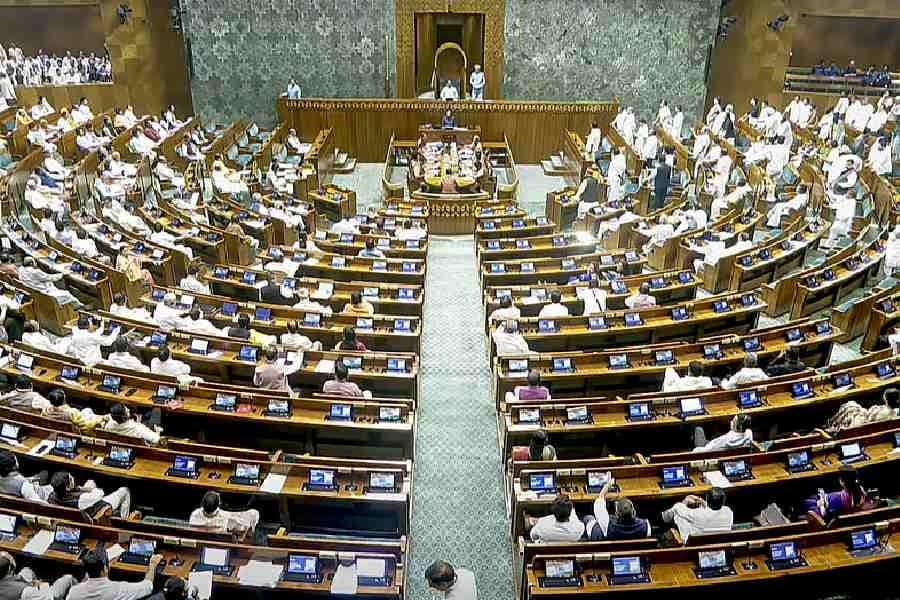
GS-2Polity

2.Higher Education Commission of India Bill (Higher Education Regulator)

TN
Illustration for Higher Education Commission of India Bill (Higher Education Regulator)

What & Where

What: Higher Education Commission of India Bill 2025; proposes single regulator for non-medical, non-legal higher education

Where: To be tabled in Indian Parliament Winter Session; nationwide jurisdiction over colleges & universities

Key process: Merges UGC, AICTE, NCTE into a four-vertical architecture (NHERC, NAC, GEC, HEGC)

Quick Facts for MCQs

Legal & Policy

  • Alignment: Executes NEP 2020 mandate for functional separation—regulation, accreditation, funding, standards
  • Jurisdiction: Bill overrides existing UGC, AICTE, NCTE Acts once enacted
  • Exemption: Separate regulators will continue for health and legal studies

Governance Structure

  • Composition: Small apex HECI supervises four autonomous verticals for specialised tasks
  • Experts: Members chosen for integrity, experience; minimal government nominees
  • Conflict-mitigation: Eliminates overlapping mandates, contradictory notifications of current bodies

Institutional Autonomy

  • Accreditation-linked: Higher NAAC grades translate into graded autonomy for institutions
  • Red-tape cut: Single portal approvals, reduced duplication, quicker course clearances
  • Outcome focus: Learning outcomes, benchmarking, and accountability integrated into compliance norms

Key Data Points

FeatureData-Point
Bill sessionWinter Session, Parliament 2025
Bodies mergedUGC + AICTE + NCTE
Sectors excludedMedical education, Legal education
Regulation verticalNational Higher Education Regulatory Council (NHERC)
Accreditation verticalNational Accreditation Council (NAC)
Curriculum standardsGeneral Education Council (GEC)
Funding verticalHigher Education Grants Council (HEGC)
Policy originNational Education Policy 2020
Core aimSingle-window, transparent, less intrusive regulation
Governance styleIndependent, expert-led commission & verticals

Related UPSC Prelims PYQs

ESE_GS, GEO_GS 2021PYQ 1

Which one of the following statements is NOT correct regarding the National Education Policy 2020 in India ?

ESE_GS, GEO_GS 2023PYQ 2

What is Academic Bank of Credit (ABC) as per the National Education Policy (NEP), 2020?

GS-2Polity

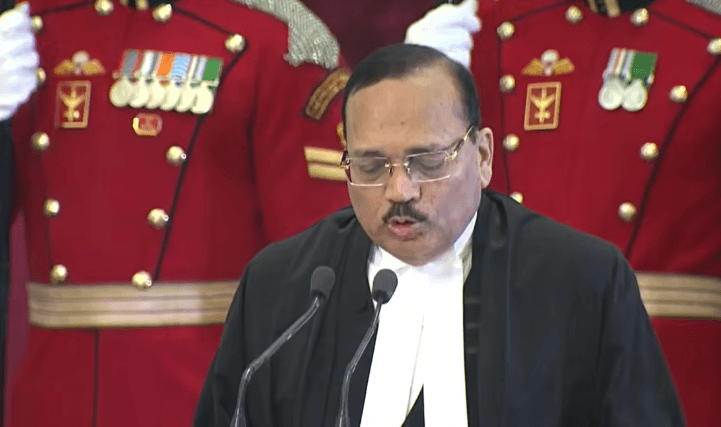
3.Surya Kant Becomes 53rd Chief Justice (Supreme Court)

The Hindu
Illustration for Surya Kant Becomes 53rd Chief Justice (Supreme Court)

What & Where

Chief Justice of India: head of judiciary, presiding judge of Supreme Court, New Delhi

Office derives from Constitution Article 124(1) establishing Supreme Court with CJI plus other judges

Justice Surya Kant to be 53rd CJI; oath 24 Nov 2025, tenure till 9 Feb 2027

Quick Facts for MCQs

Constitutional Provisions

  • Article 124(1) sets Supreme Court composition CJI + other judges
  • Article 124(2) mandates Presidential appointment by warrant after consultation
  • Articles 126-128 govern acting CJI, ad hoc and retired SC judges

Appointment Procedure

  • Seniority principle ensures senior-most SC judge considered if medically and ethically fit
  • Outgoing CJI recommends successor about a month before retiring to Law Minister
  • Executive chain Law Minister→PM→President issues warrant; oath administered by President

Powers & Functions

  • Roster control lets CJI allocate benches and list urgent matters
  • Collegium leadership shapes appointments and transfers across Supreme Court and High Courts
  • Constitutional benches under CJI adjudicate federal disputes, electoral issues, fundamental rights

Key Data Points

FeatureData-Point
Incoming CJIJustice Surya Kant
Serial number53rd
Oath date24 Nov 2025
Retirement date9 Feb 2027
Approx tenure≈14.5 months
Appointing authorityPresident of India
Recommendation byOutgoing CJI
Key appointment articleArticle 124(2)
Acting CJI articleArticle 126
MoP year1999

Related UPSC Prelims PYQs

CAPF_GAI, CDS_GK 2023PYQ 1

Who among the following Chief Justices of India ordered the constitution of a Special Bench called 'Social Justice Bench'?

CAPF_GAI, CDS_GK 2021PYQ 2

उच्चतम न्यायालय के न्यायाधीश के रूप में किसे नियुक्त किया जा सकता है?

GS-2Polity

4.Constitution 131st Amendment Bill on Chandigarh (UT Administration)

Hindustan Times

What & Where

Constitution (131st Amendment) Bill 2025: draft to bring Chandigarh under Article 240.

Article 240: empowers President to issue regulations for specified Union Territories lacking legislatures.

Chandigarh: land-locked UT, joint capital of Punjab & Haryana at Shivalik foothills.

Quick Facts for MCQs

Legal & Policy

  • Inclusion: Bill lists Chandigarh with legislature-less UTs for Presidential regulations.
  • Power: Regulations issued equal Acts of Parliament in force and scope.
  • Uniformity: Objective to streamline Central law-making, remove Chandigarh anomaly.

Administrative Setup

  • Administrator: Enables independent appointee, ending Punjab Governor dual role.
  • Structure: UT runs via Adviser, Home, Finance Secretaries under MHA guidance.
  • Precedent: 1966-1984 city had separate Chief Commissioner before current arrangement.

Historical Context

  • Partition: City envisioned to replace Lahore and resettle West Punjab refugees.
  • Planning: Modernist project backed by Nehru; foundation laid 1952, design by Le Corbusier.
  • Reorganisation: 1966 Act made Chandigarh joint state capital yet Union Territory.

Political Sensitivity

  • Punjab: Reduction of oversight triggers federal and emotive objections.
  • Haryana: Continues claim for complete capital status amid proposed change.
  • Centre: Amendment may shift Chandigarh’s power balance firmly toward Union.

Key Data Points

FeatureData-Point
Draft Bill year2025
Constitutional Article alteredArticle 240(1)
UTs already under Art 240A&N Islands, Lakshadweep, DNH & DD, Puducherry*(when Assembly dissolved)*
Present Chandigarh AdministratorGovernor of Punjab (ex-officio)
Punjab Reorganisation Act1966
City master-plannerLe Corbusier
Foundation stone year1952
Central ministry in chargeMinistry of Home Affairs

Related UPSC Prelims PYQs

GS1 2003PYQ 1

Under which Article of the Indian Constitution did the President give his assent to the ordinance on electoral reforms when it was sent back to him by the Union Cabinet without making any changes (in the year 2002)?

GS1 2006PYQ 2

What does the 104th Constitution Amendment Bill relate to?

GS-1History

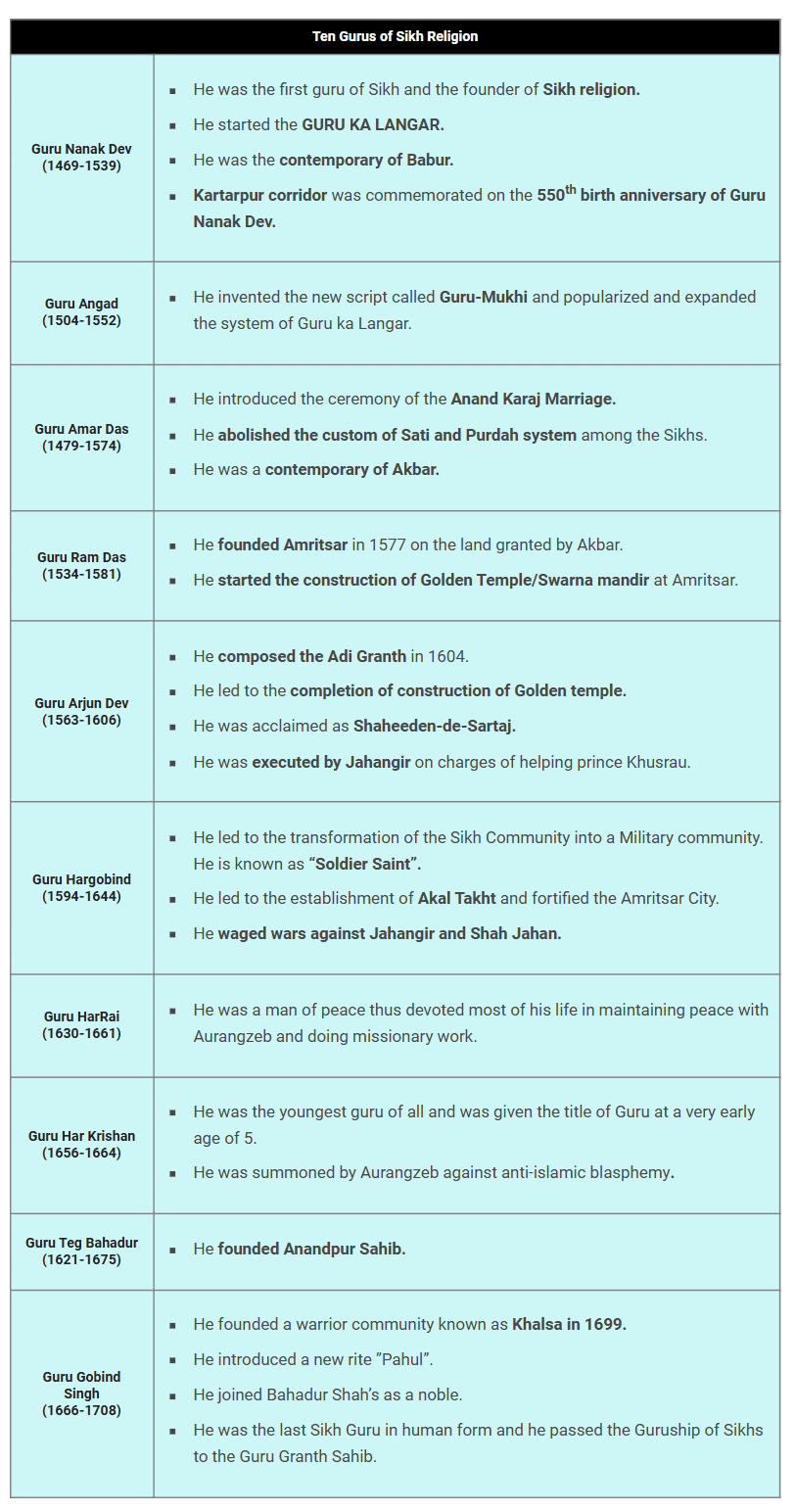
5.350th Martyrdom Day of Guru Tegh Bahadur (Sikh Guru)

PIB
Illustration for 350th Martyrdom Day of Guru Tegh Bahadur (Sikh Guru)

What & Where

Identity: Guru Tegh Bahadur, 9th Sikh Guru, saint-soldier of 17th-century Punjab

Geography: Born Amritsar (1621), travelled northern-eastern India, executed Chandni Chowk Delhi (1675)

Event: 350th Martyrdom Day tributes paid by President of India on 24 Nov 2025

Quick Facts for MCQs

Early Life & Training

  • Instruction: Bhai Gurdas taught scriptures; Baba Budha trained martial skills
  • Name-change: Ascetic disposition led to title Tegh Bahadur meaning Brave Sword

Spiritual Contributions

  • Hymn-writing: 116 shabads emphasize universality, courage, freedom of conscience
  • Outreach: Extensive journeys across Punjab, Bihar, Bengal, Assam propagating Sikh tenets

Martyrdom Significance

  • Principle: Upheld religious liberty for Kashmiri Pandits and others under coercive rule
  • Legacy: Sacrifice pivotal for Sikh identity, later influencing Khalsa formation under Guru Gobind Singh

Commemorations

  • National homage: Rashtrapati Bhavan events, cultural programmes across gurdwaras in 2025 observance
  • Sites: Gurdwara Sis Ganj Sahib marks beheading spot; Gurdwara Rakab Ganj Sahib marks cremation location

Key Data Points

FeatureData-Point
Birth date21 Apr 1621
Birth placeAmritsar, Punjab
ParentsGuru Hargobind & Mata Nanki
Original nameTyag Mal
Guru ordinalNinth in Sikh lineage
Hymns in Guru Granth116
Founded townChak-Nanki → Anandpur Sahib
Execution year1675
Execution siteChandni Chowk, Delhi
Ordering rulerMughal Emperor Aurangzeb
CauseRefusal to accept forced conversions
Honorific titleHind di Chadar (Shield of India)
GS-1Mapping

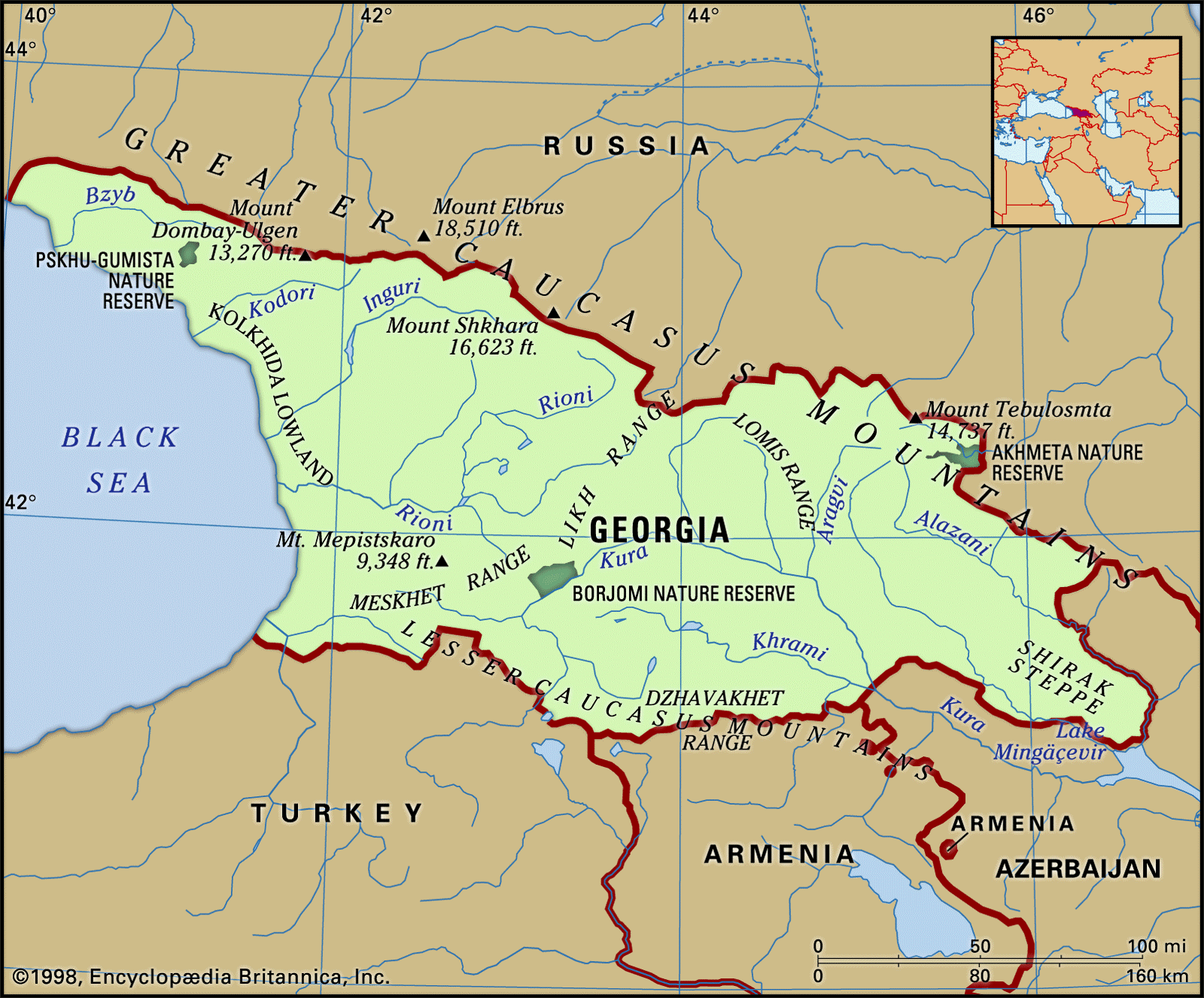
6.Georgia Transcaucasia Mapping Highlights (Caucasus Geography)

PIB
Illustration for Georgia Transcaucasia Mapping Highlights (Caucasus Geography)

What & Where

Transcaucasian country at South Caucasus, eastern edge of Black Sea

Geopolitical bridge Europe–Asia; neighbours Russia, Azerbaijan, Armenia, Turkey, Black Sea

Capital Tbilisi; terrain ruled by Greater and Lesser Caucasus ranges

Quick Facts for MCQs

Physical Geography

  • Mountainous dominance yields varied altitudes, sharp climatic gradients
  • Shkhara highest, Greater Caucasus forms natural barrier north
  • Kolkhida plain provides agriculturally rich, low-lying zone near Black Sea

Climate & Biodiversity

  • Humid subtropical west hosts broadleaf forests of oak, beech, fir
  • Alpine zones above timberline shelter endemic flora, high biodiversity
  • One-third land under forest, critical for regional ecological balance

Strategic Significance

  • Location links Europe, Russia, Central Asia, Middle East via road, rail, pipelines
  • Historic contestation among Russia, Turkey, Persia underlines ongoing security calculus
  • Ancient Christian heritage bolsters soft-power tourism and cultural diplomacy

Key Data Points

FeatureData-Point
Capital cityTbilisi (Tiflis)
Highest peakMt Shkhara 5,068 m
Northern rangeGreater Caucasus
Southern rangeLesser Caucasus
Fertile plainKolkhida Lowland (ancient Colchis)
West-flowing riversRioni, Inguri, Kodori
Forest cover~33 % of land
Climate bandHumid subtropical west → dry subtropical & alpine east
Strategic roleEnergy transit corridor between Caspian & Black Sea
International meet11th BACSA CULTUSERI 2025 participation by India
GS-3Species

7.Endangered African Grey Parrot Status (Endangered Parrot)

The Hindu
Illustration for Endangered African Grey Parrot Status (Endangered Parrot)

What & Where

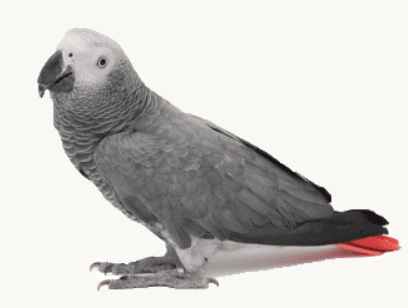
Parrot; African grey (Psittacus erithacus) medium-sized highly intelligent mimic nicknamed “Einstein of bird world”

Subspecies; Congo African Grey & Timneh African Grey distinguished chiefly by bright-red versus maroon tail

Range; native West-Central Africa across savannas, mangroves, woodland edges, forest clearings

Quick Facts for MCQs

Conservation Status

  • Declared Endangered 2016 after population crash exceeding 30 % over three generations
  • Appendix I mandates no commercial exports; only strict non-commercial permits allowed
  • Serves flagship for wider tropical wildlife conservation messaging

Trade & Trafficking

  • Among most trafficked parrots worldwide owing to high talking ability demand
  • Indian markets openly sell birds despite Appendix I ban signalling large illegal inflow
  • Lack of certified breeders enables laundering of wild-caught individuals into pet trade

Indian Administration

  • RTI 2024; 19 States/UTs admit to zero authorised breeders or licensed pet shops
  • Tamil Nadu reports none yet operates as principal exotic bird marketplace with Kerala, Karnataka
  • Absence of databases undermines enforcement against Wildlife and Customs violations

Behavioural Traits

  • Displays exceptional contextual speech; some individuals exceed 200-word vocabularies
  • Highly social; boredom or isolation triggers feather plucking, anxiety, aggression
  • Needs enriched enclosure, puzzle toys, beta-carotene & vitamin-D rich diet for welfare

Key Data Points

FeatureData-Point
IUCN Red ListEndangered
CITES ListingAppendix I
Primary ThreatHabitat loss + exotic pet trade
Indian Registered BreedersNil in 19 States/UTs (RTI)
Major Indian Sale HubsTamil Nadu, Kerala, Karnataka
Ecological RoleSeed disperser in African forests
NicknameEinstein of bird world
Tail Colour CAG/TAGBright red / Maroon
GS-3SpeciesQuick Bite

8.Humboldt Penguin Species Facts (Penguin Species)

Indian Express
Illustration for Humboldt Penguin Species Facts (Penguin Species)

What & Where

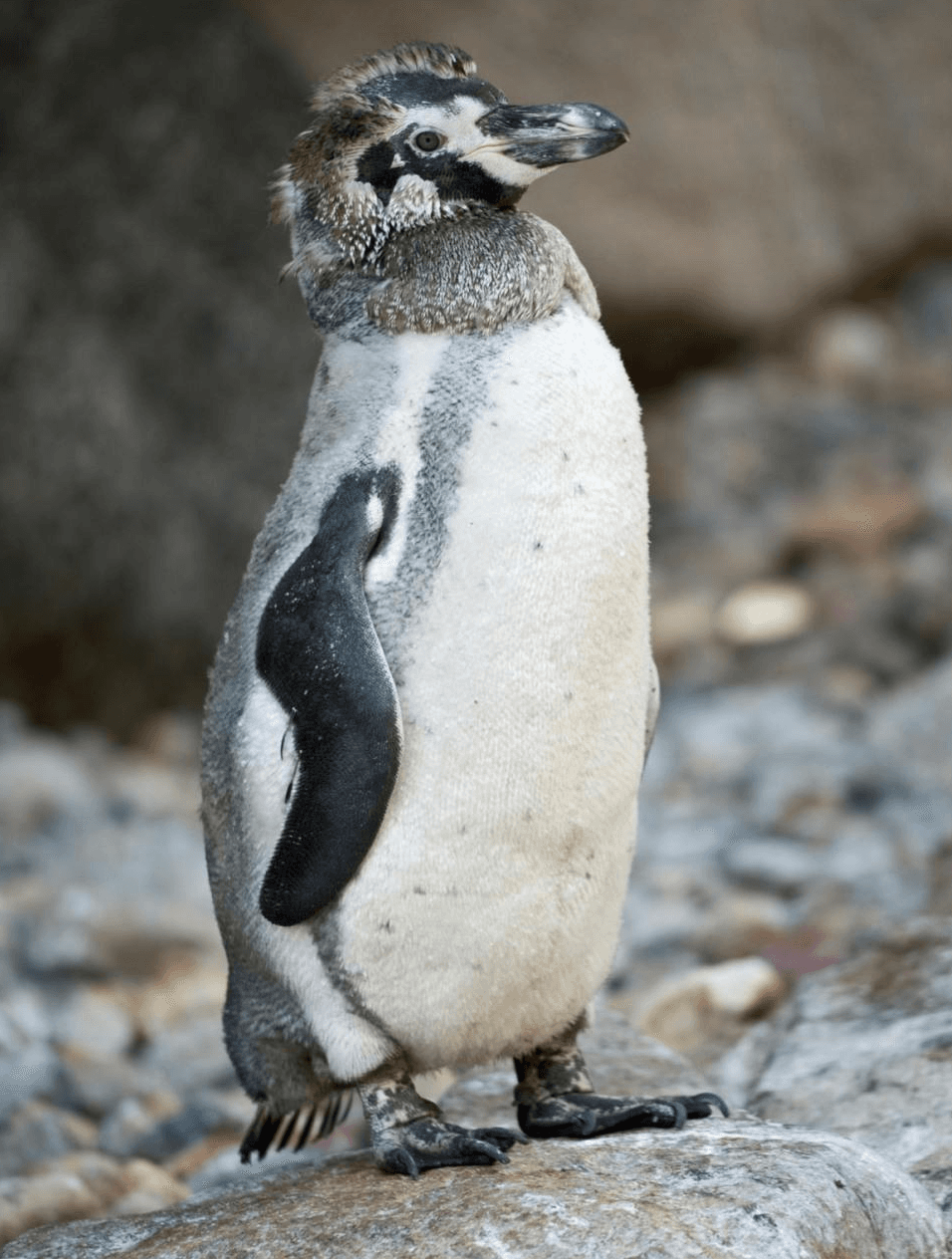
Species: Humboldt penguin (Spheniscus humboldti) medium-sized around 2 ft tall with bare eye patches for heat loss

Geography: Endemic to Pacific coasts of Chile & Peru, distribution governed by cold Humboldt Current upwelling

India: Kept at Mumbai’s Byculla Zoo; two chicks added September 2021

Quick Facts for MCQs

Biological Traits

  • Size: Medium penguin; sexes alike
  • Thermoregulation: Eye-patch skin radiates excess heat enabling survival in subtropical enclosures

Threats & Risks

  • Fishing: Gill-net by-catch drives adult mortality
  • Habitat: Coastal development and guano mining destroy nesting burrows
  • Predation: Feral cats and dogs raid eggs and chicks

Conservation Status

  • IUCN: Vulnerable citing shrinking colonies and limited range
  • CITES: Appendix I prohibits commercial trade, mandates strict permits

Indian Context

  • Byculla Zoo: Only Indian facility with species; successful 2021 breeding boosts ex-situ conservation

Key Data Points

FeatureData-Point
Taxonomic nameSpheniscus humboldti
Average heightJust over 2 ft (≈60–70 cm)
Breeding monthsMarch–April & September–October
Endemic rangeChile–Peru Pacific coastline
Key adaptationBare orbital skin aids cooling
IUCN statusVulnerable
CITES listingAppendix I
Major threatsNets, site loss, guano harvest, cats & dogs
Zoo suitabilityTolerates warmer climates
GS-3S&T

9.Indigenous TnpB Gene Editing Technology (Genome Editing)

Indian Express
Illustration for Indigenous TnpB Gene Editing Technology (Genome Editing)

What & Where

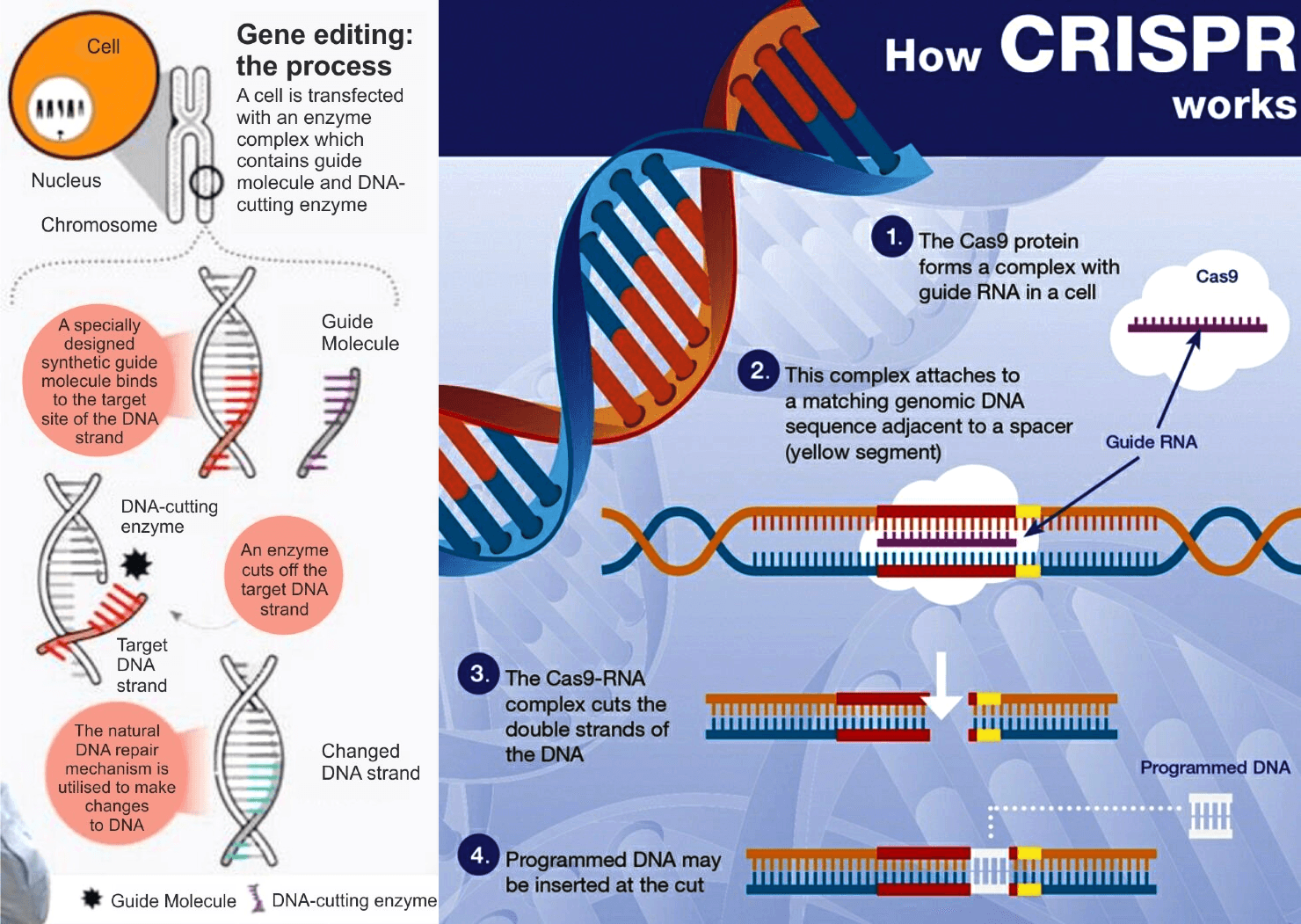
Genome-editing: precise DNA alteration using programmable nucleases; key systems – CRISPR‐Cas9/Cas12a and new TnpB mini-nuclease

Where: TnpB platform evolved at ICAR-CRRI, Cuttack; BIRSA 101 gene therapy created at CSIR-IGIB, New Delhi

Core uses: agri genome-edited crops; human sickle-cell disease cure; IP-free, low-cost Indian alternatives

Quick Facts for MCQs

Tech & Schemes

  • Atmanirbhar push: domestic genome-editing tools reduce reliance on Broad Institute, Corteva patents
  • Mini-nuclease advantage: smaller vectors enable agrobacterium or nanoparticle delivery without regeneration labs
  • Transfer step: IGIB signed technology licence enabling Serum Institute scale-up for affordable access

Agriculture Impact

  • Compact TnpB allows field-ready editing for drought, pest resistance in rice, wheat, millet varieties
  • Royalty saving: breeders bypass costly CRISPR licences, lowering final seed price for farmers
  • Sovereignty gain: mitigates fear of multinational control over Indian food security technologies

Health Impact

  • BIRSA 101 directly corrects β-globin gene mutation prevalent among tribal populations
  • Indigenous therapy promises wider rollout via National Sickle Cell Elimination Mission
  • Reduced cost expected to democratise advanced gene therapies within public health programmes

Key Data Points

FeatureData-Point
TnpB protein length≈ 408 amino acids
Cas9/Cas12a length1 000–1 400 / ≈ 1 300 aa
TnpB developerICAR-Central Rice Research Institute
IP statusPatent-free, indigenous
Main benefitEasier plant cell delivery, no tissue culture
BIRSA 101 target diseaseSickle Cell Disease
CRISPR platform usedenhanced FnCas9 (enFnCas9)
Therapy cost aimFar below USD 2.2 million Casgevy
Commercial partnerSerum Institute of India
National goal linkedSickle Cell–Free India by 2047

Related UPSC Prelims PYQs

GEO_GS, GS1 2019PYQ 1

What is Cas9 protein that is often mentioned in news?

GEO_GS, GS1 2025PYQ 2

Clustered Regularly Interspaced Short Palindromic Repeats are associated with

GS-2Editorial

10.US 28-Point Russia-Ukraine Peace Plan (Russia-Ukraine Peace)

Financial Express
Illustration for US 28-Point Russia-Ukraine Peace Plan (Russia-Ukraine Peace)

What & Where

Roadmap US-drafted 28-point peace proposal to end the Russia–Ukraine war

Geography Europe-wide security reset centring on Ukrainian neutrality and NATO limits

Process Constitutional change, territorial talks, phased sanctions relief, economic reconstruction

Quick Facts for MCQs

Security Dimension

  • Neutrality Ukraine to remove NATO bid and embed in Constitution
  • Cap Military at 6,00,000 personnel; no NATO troops on soil
  • Guarantee NATO expansion halt toward Ukraine

Economic Angle

  • Fund Ukraine Development Fund focusing tech, energy, AI, urban rebuild, resources
  • Deploy USD 100 bn frozen Russian assets managed by US; EU matches amount
  • Gradual sanctions rollback; Russia invited back to G8 enabling trade flow

Territorial Issues

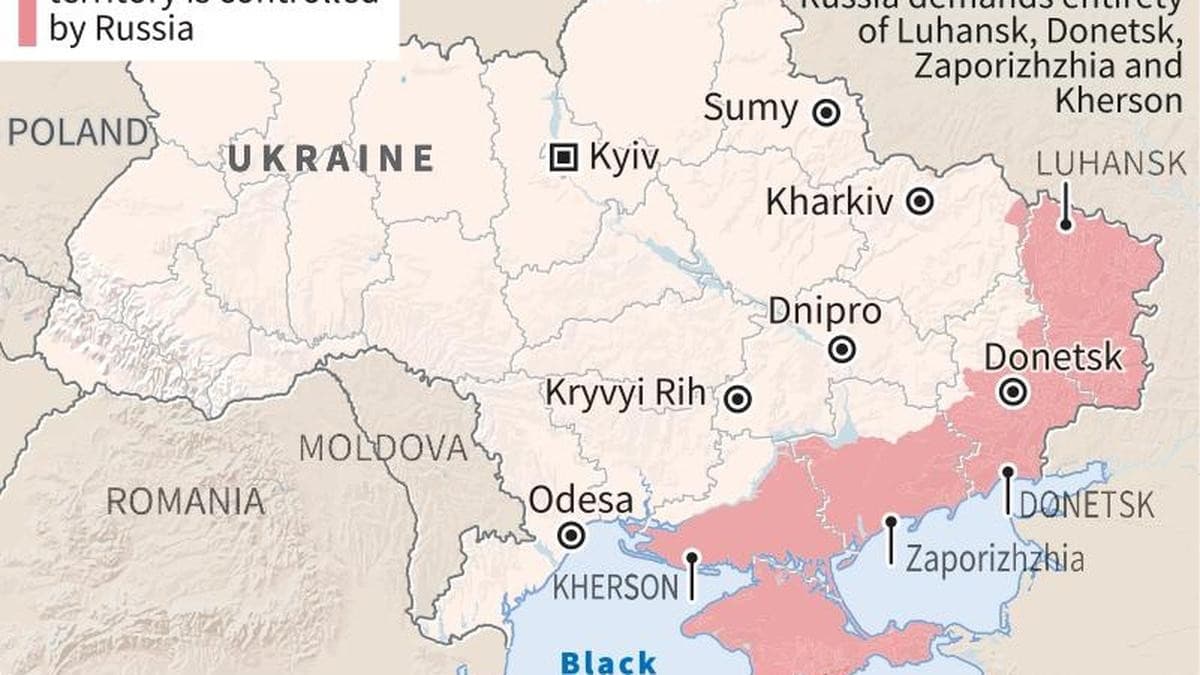
  • Concessions Unspecified Ukrainian territories ceded to Russia through tripartite talks
  • Dialogue Platform Russia-Ukraine-Europe to settle all post-1991 ambiguities
  • Conflict Freeze stops new land grabs while pending final borders

Key Data Points

FeatureData-Point
Draft prepared underUS ex-President Trump 2024 foreign-policy team
Total clauses28 points
Primary aimFreeze conflict, bar further territorial expansion
Ukraine military ceiling6,00,000 troops
NATO commitmentFormal pledge never to admit Ukraine, no NATO troops stationed
Territorial concessionUnspecified areas to Russia via dialogue
Frozen Russian assets tappedUSD 100 billion
Profit split on assetsUS 50 %; EU adds another USD 100 billion
Russia reintegrationReturn to G8, energy-AI-Arctic cooperation
GS-2International Relations

11.Johannesburg G20 Summit 2025 Outcomes (G20 Johannesburg)

Economic Times
Illustration for Johannesburg G20 Summit 2025 Outcomes (G20 Johannesburg)

What & Where

G20 = informal bloc for global economic coordination, created 1999, Leaders’ Summit since 2008

Members: 19 major economies + EU + African Union, covering 85 % GDP, 75 % trade, ⅔ population

2025 Leaders’ Summit: Johannesburg, first G20 meet on African soil; U.S. delegation absent

Quick Facts for MCQs

Evolution & Structure

  • Troika mechanism ensures agenda continuity across three presidencies
  • Agenda broadened to climate, health, digital public goods beyond core macroeconomics
  • Decisions non-binding yet shape norms on finance, taxation, energy

Johannesburg Outcomes

  • Declaration stresses multilateralism, debt relief, renewable expansion, adaptation finance
  • Climate language stronger; fossil phase-down debated but adaptation funds prioritised
  • Developing-country focus: affordable financing, resilience, loss-and-damage support

India’s Initiatives

  • ACITI Partnership with Australia, Canada for critical tech, AI, clean supply chains
  • Proposals cleared: Traditional Knowledge Repository, Skill Multiplier for 1 mn Africans, Open Satellite Data Partnership
  • Pushed Drug-Terror Nexus Initiative targeting synthetic narcotics financing terror networks

Challenges

  • U.S. boycott highlighted geopolitical rifts; unity questioned
  • Divergence on fossil-fuel phase-out between high consumers, exporters
  • Global South flags debt distress, high interest, limited climate finance; demands IMF-WB reform

Key Data Points

FeatureData-Point
Year of creation1999 (finance ministers format)
Upgrade to Leaders’ level2008-09 crisis
Presidency cycleAnnual; Troika past-present-next
2025 TroikaBrazil – South Africa – USA
Africa’s statusAU permanent member since 2023
Share of global GDP≈ 85 %
Share of world trade≈ 75 %
Johannesburg declarationAdopted despite U.S. boycott

Related UPSC Prelims PYQs

GEO_GS 2021PYQ 1

G-20 is a forum of countries that intends to promote global economic stability and sustainable growth. Which among the following group of countries DOES NOT form a part of the forum?

GEO_GS 2025PYQ 2

Which country is the Chair of G20 for the year 2025?

GS-3Security

12.Seychelles Joins Colombo Security Conclave (Indian Ocean Security)

The Hindu
Illustration for Seychelles Joins Colombo Security Conclave (Indian Ocean Security)

What & Where

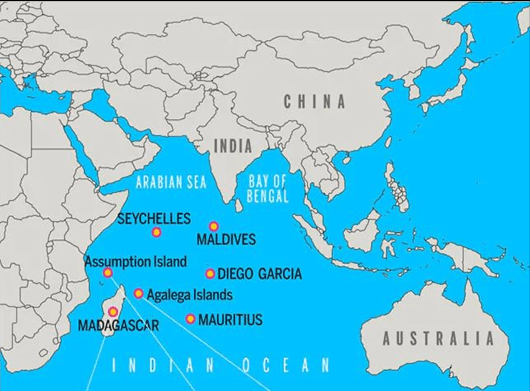
Colombo Security Conclave (CSC) regional Indian Ocean security grouping chaired by National Security Advisers of six littoral states.

Cooperation spans five pillars: maritime safety, counter-terrorism, organised crime trafficking, cyber-infrastructure security, HADR.

Permanent secretariat Colombo; newest member Seychelles, an African archipelago on the Mascarene Plateau, western Indian Ocean.

Quick Facts for MCQs

Origin & Evolution

  • Genesis 2011 Trilateral Maritime Security Cooperation, activity stalled after 2014 political tensions.
  • Revival 2020 amid rising Indo-Pacific contestation, renamed Colombo Security Conclave.
  • Expansion systematic, adding Mauritius 2022, Bangladesh 2024, Seychelles 2025.

Membership & Structure

  • Composition six coastal democracies: India, Maldives, Sri Lanka, Mauritius, Bangladesh, Seychelles.
  • Secretariat ensures continuity, hosts working-level cells for each cooperation pillar.
  • Decisions steered by NSA conclaves, supported by Deputy NSA and expert groups.

Security Dimension

  • Maritime focus joint patrols, information sharing, anti-piracy coordination across Sea Lanes of Communication.
  • Terrorism track enhances intelligence fusion, deradicalisation frameworks, capacity building.
  • Cyber pillar targets critical infrastructure protection, joint drills, malware forensics labs.

Key Data Points

FeatureData-Point
Launch year2011 (Trilateral)
Rebranding2020 as CSC
Founding trioIndia-Maldives-Sri Lanka
Full members 20256
Latest entrantSeychelles
Other additionsMauritius 2022, Bangladesh 2024
Permanent secretariatColombo, Sri Lanka
Meeting levelNSA & Dy-NSA
Core pillarsMaritime, Terror, Crime, Cyber, HADR
Strategic vision linkIndia’s SAGAR
Seychelles capitalVictoria on Mahé
Africa’s smallest nationSeychelles

Related UPSC Prelims PYQs

CAPF_GAI, CDS_GK 2024PYQ 1

Which one among the following statements with regard to India’s maritime initiative, SAGAR, is correct?

CAPF_GAI, CDS_GK 2024PYQ 2

The 7th edition of the Indian Ocean Conference was held at

GS-2Scheme

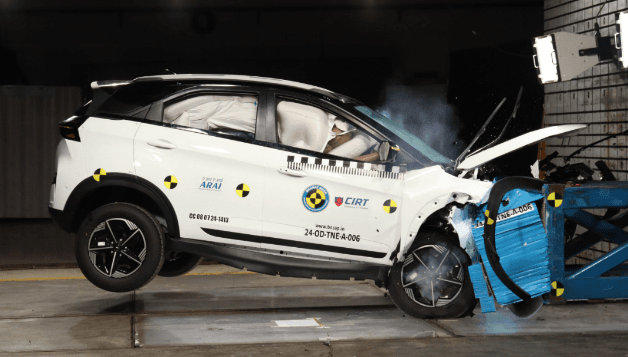
13.Draft Bharat NCAP 2.0 Vehicle Safety (Vehicle Safety)

Economic Times
Illustration for Draft Bharat NCAP 2.0 Vehicle Safety (Vehicle Safety)

What & Where

Revised Bharat NCAP 2.0 rates crashworthiness of passenger cars sold across India.

Programme overseen by MoRTH; testing & certification done at Central Institute of Road Transport, Pune.

Seeks global-level safety norms for occupants, pedestrians, other vulnerable road users.

Quick Facts for MCQs

Legal & Policy

  • Revision updates 2023 guidelines, labelled “Draft Bharat NCAP 2.0”.
  • Higher point thresholds tighten eligibility across star ratings.
  • Aligns national framework with global NCAP methodologies.

Technology & Schemes

  • Crash tests now use advanced test dummies for precise injury metrics.
  • Oblique pole, side impact, full-width frontal, rear-impact all mandated.
  • Optional AEBS for pedestrians/motorcyclists incentivised via bonus points.

Safety & Social Impact

  • Pedestrians form >20 % of Indian road-fatalities; dedicated vertical targets them.
  • Supports national pledge to cut road deaths 50 % by 2030.
  • Post-crash checks cover fire, electrical hazards, door and buckle operability.

Key Data Points

FeatureData-Point
Ministry in chargeMoRTH
Certifying agencyCIRT, Pune
Assessment verticals5 total
New verticals addedVulnerable Road User Protection; Post-Crash Safety
Mandatory technologyElectronic Stability Control (ESC)
Extra-points technologyAutonomous Emergency Braking (AEBS)
Newly introduced crash testsFull-width frontal; Rear-impact
5-star pre-conditionNo zero score or severe injury in any category
GS-2Scheme

14.Womaniya Initiative for Women Entrepreneurs on GeM (Women Entrepreneurship)

PIB

What & Where

GeM: Union Commerce Ministry’s 2016 online portal for all-government goods & services procurement across 36 States/UTs, India.

Womaniya: 2019 GeM sub-initiative enabling women-led MSEs/SHGs/artisans to sell directly to government buyers.

MoU site: GeM-UN Women collaboration (Nov 2025) to advance SDG-5 via public-procurement gender inclusion.

Quick Facts for MCQs

Legal & Policy

  • MoU: GeM-UN Women aligns with Public Procurement Policy & SDG-5 gender equality target.
  • Reservation: 3 % procurement quota legally earmarked for women-owned businesses.
  • Mandate: Several states issue procurement orders making GeM compulsory.

Tech & Schemes

  • Platform: End-to-end electronic bidding, payment, analytics for transparency & speed.
  • Innovation: GeMAI generative-AI chatbot supports multilingual voice/text assistance.
  • Inclusivity tools: Category tagging, micro-purchase thresholds favour small, women sellers.

Social Impact

  • Empowerment: Addresses market, finance, value-addition gaps faced by women entrepreneurs.
  • Scale: 1.84 lakh women sellers gain direct government buyer access, boosting income stability.
  • SDG linkage: Initiative directly serves Goal-5 targets on economic participation.

Economic Angle

  • Savings: ~10 % cost reduction increases fiscal space for developmental expenditure.
  • Employment: Women MSMEs add nearly one-fifth to MSME workforce, aiding labour participation.
  • Investment: 11.15 % of MSME capital under women leadership indicates rising asset ownership.

Key Data Points

FeatureData-Point
GeM launch year2016
Operating entityGeM Special Purpose Vehicle, 100% Govt, not-for-profit
States/UTs onboardAll 36; 8 (incl. UP, MH, GJ, AS) mandate use
World Bank assessed savings~10 % on procurement costs
Womaniya launch year2019
Procurement reserved for women-owned firms3 % of government purchases
Women-owned MSME share20.5 % of MSMEs (Udyam data)
Women MSME employment contribution18.73 %
Women MSME investment share11.15 %
GeM ecosystem women sellers1.84 lakh
GeM total MSEs onboard10 lakh+
GeM AI chatbotGeMAI; voice/text in 10 Indian languages

Ready to practice?

Test your knowledge with our UPSC test series.

Start Free Trial