UPSC Current Affairs

16 topicsGS-1: 3GS-2: 4GS-3: 9
0/16 done
GS-2Polity

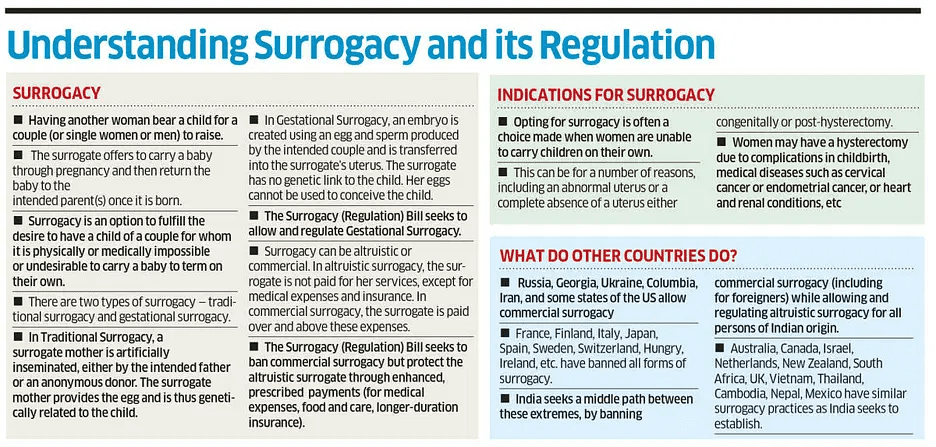
1.Surrogacy Law Reproductive Autonomy (Surrogacy Regulation Act)

The Hindu
Illustration for Surrogacy Law Reproductive Autonomy (Surrogacy Regulation Act)

What & Where

Surrogacy Act 2021 regulates altruistic surrogacy; bans commercial surrogacy across India

Key process: certificate of infertility, District Medical Board nod, surrogate must be close relative

Restrictive clause: Section 4(iii)(C)(II) bars couples already having a child from availing surrogacy

Quick Facts for MCQs

Legal & Policy

  • Supreme Court agreed to test constitutionality of one-child surrogacy bar
  • Centre argues surrogacy is statutory right; restriction reasonable for population control
  • Commercial surrogacy fully outlawed since 2021 Act

Constitutional Issues

  • Petition cites bodily autonomy, privacy, reproductive choice under Article 21
  • No national one-child policy; adoption laws permit multiple children, highlighting inconsistency

Implementation Gaps

  • Exclusion of single men, same-sex couples, live-in partners narrows access
  • Family-only surrogate requirement shrinks pool, risks emotional coercion

Proposed Reforms

  • Rationalise eligibility, especially secondary infertility and donor gametes
  • Provide counselling, grievance redress, fair expense compensation to protect surrogate mothers

Key Data Points

FeatureData-Point
Act in forceSurrogacy (Regulation) Act 2021
Permitted modelOnly altruistic; no monetary compensation beyond medical expenses
Age window ‑ intending husband26 – 55 years
Age window ‑ intending wife25 – 50 years
Surrogate eligibilityMarried close relative, 25-35 yrs, at least one own child, only one surrogacy
Contested clauseSec 4(iii)(C)(II) ‑ ban after first child
Allowed exceptionExisting child with disability, incurable disease or life-threatening condition
Donor egg ruleRule 7 prohibits; SC stay granted in MRKH case
Latest rule change 2022Donor gamete allowed when one spouse medically certified infertile
Fundamental-rights claimViolation of reproductive autonomy under Article 21
GS-2Scheme

2.e-Jagriti Consumer Grievance Portal (Consumer Justice)

PIB
Illustration for e-Jagriti Consumer Grievance Portal (Consumer Justice)

What & Where

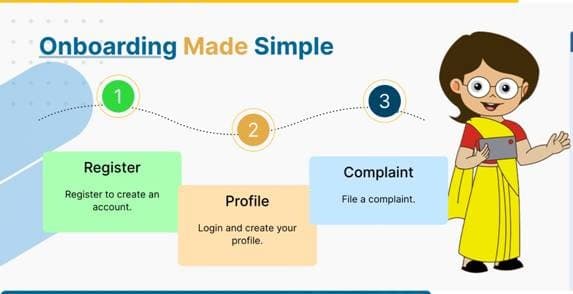
e-Jagriti: AI-enabled, unified consumer-grievance portal of the Department of Consumer Affairs, Government of India.

Offers e-filing, digital scrutiny, virtual hearings, electronic notices, secure online fees; replaces legacy consumer-court systems.

Operational pan-India with global OTP access for overseas Indians.

Quick Facts for MCQs

Tech & Schemes

  • AI chatbot, voice-to-text, smart case routing enable real-time assistance.
  • Role-based dashboards, encrypted document exchange support end-to-end paperless workflow.

Efficiency Metrics

  • Disposal outpaced filings, directly shrinking pendency in several states.
  • Automated notices and digital scrutiny cut traditional procedural lags.

Inclusion & Accessibility

  • NRIs can file, track, and attend hearings via secure virtual courts.
  • Multilingual UI, voice tools increase access for elderly, differently-abled, low-literacy users.

Key Data Points

FeatureData-Point
Registered users (2025)2.75 lakh
NRI users1,388
Disposal vs filing (Jul–Aug 2025)27,545 disposed / 27,080 filed
Auto-sent SMS>2 lakh
Auto-sent e-mails>12 lakh
Payment gatewaysPayGov, Bharat Kosh
Implementing bodyDept. of Consumer Affairs
Tech layerAI-powered, multilingual

Related UPSC Prelims PYQs

ESE_GS 2024PYQ 1

To increase transparency and consumer awareness and handle customer complaints, a 'Centralised Receipt and Processing Centre' and an 'Integrated Ombudsman Scheme' have been set up. These two schemes are related to which one of the following institutions?

GS-3Economy

3.Critical Mineral Supply-Chain Risks (Critical Minerals)

WEF
Illustration for Critical Mineral Supply-Chain Risks (Critical Minerals)

What & Where

Critical minerals = strategic, non-fuel metals vital for clean-tech, semiconductors, defence, advanced electronics.

Key list: lithium, cobalt, nickel, antimony, gallium, germanium, graphite, rare-earth elements.

Mining/processing concentrated in China, DRC, Russia, Indonesia, Tajikistan; India heavily import-dependent.

Quick Facts for MCQs

Geopolitical Trends

  • Export-controls rising: China, Russia, Indonesia imposing targeted mineral bans.
  • Allied coordination: US-Australia, EU-Canada, Quad forging “trusted mineral corridors”.
  • Mineral-specific strategies emerging via DARPA-supported Critical Minerals Forum.

Supply-Side Challenges

  • Concentration risk: few countries dominate >70 % of many minerals.
  • Underinvestment: decades of low prices deterred exploration, widening demand-supply gap.
  • Environmental opposition: pollution, land conflict slow new mines.

Indian Measures

  • NMET funding boosts domestic exploration using private & remote-sensing tools.
  • PLI schemes incentivise battery, solar-PV, EV manufacturing to trim import dependence.
  • KABIL securing overseas lithium/cobalt assets; strategic stockpile plan under National Critical Mineral Mission.

Key Data Points

FeatureData-Point
Antimony 2024 price rise≈10-fold after Chinese export curbs
Global demand growth 2013-23>300 % for critical minerals (IEA 2024)
Mine-permitting time US/EU7–10 years
India Critical Minerals List30 minerals (2023)
KABIL JV partnersNALCO + HCL + MECL; assets in Argentina, Australia, Chile
Recent Chinese curbs coverAntimony, gallium, germanium
Main supply bottleneckMining/raw ore, not refining capacity
Key antimony applicationsSemiconductors, flame retardants, defence alloys

Related UPSC Prelims PYQs

GS1 2012PYQ 1

Recently, there has been a concern over the short supply of a group of elements called ‘rare earth metals’. Why?

GS1 2025PYQ 2

Consider the following statements:

GS-3Economy

4.WPI Records Deflationary Trend (WPI Deflation)

Financial Express
Illustration for WPI Records Deflationary Trend (WPI Deflation)

What & Where

Wholesale Price Index (WPI) tracks average price change at first bulk sale point in India

Base Year 2011-12; excludes services; basket spans Primary Articles, Fuel & Power, Manufactured Products

Compiled monthly by Office of Economic Adviser, DPIIT, Commerce Ministry; national coverage only

Quick Facts for MCQs

Composition & Weights

  • Primary Articles include food, non-food, minerals, crude petroleum
  • Fuel & Power covers coal, mineral oils, electricity
  • Manufactured Products spans 22 industrial sub-groups, highest basket influence

Compilation & Methodology

  • Coverage includes domestic output plus net imports; crude oil exception counts only domestic production
  • All-Commodities provisional WPI released mid-month; later revised
  • Basket weights derived from production value adjusted by trade balance

Economic Angle

  • WPI acts as key deflator for GDP, IIP, contract escalation clauses
  • Signals early commodity price trends ahead of CPI, guiding fiscal and trade policy
  • Businesses use WPI movements for pricing, inventory, wage negotiations

Comparison with CPI

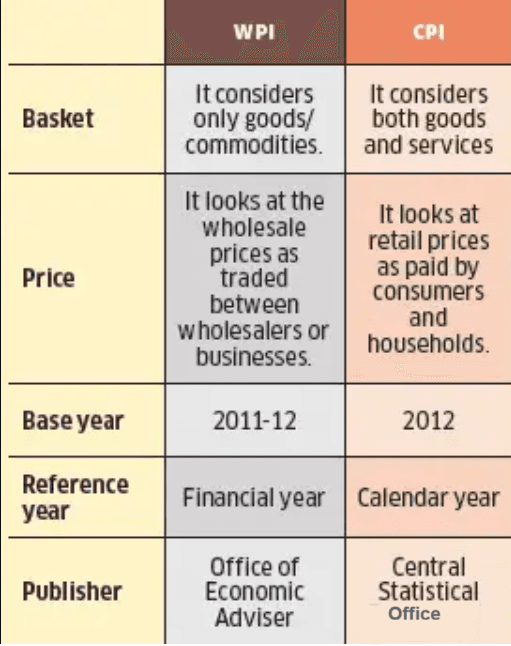
  • WPI wholesale focus; CPI retail cost-of-living measure
  • WPI excludes services; CPI includes services and housing
  • Monetary policy primarily targets CPI but monitors WPI for pipeline pressures

Recent Drivers

  • October fall led by cheaper food, crude petroleum, softer fuel and manufactured goods
  • 2025 GST reforms contributed to lower producer prices
  • Deflation phase lowest in 27 months, reflecting supply-side easing

Key Data Points

FeatureData-Point
October 2025 WPI inflation–1.21 % (deflation)
Previous month–0.13 %
WPI Food Index weight24.38
Primary Articles weight22.62
Manufactured Products weight64.23
Fuel & Power weight13.15
Release date each month14th (next working day if holiday)
Price basesEx-factory, mandi, ex-mine
Compiling bodyOffice of Economic Adviser, DPIIT
CPI publishing bodyMoSPI

Related UPSC Prelims PYQs

GS1 2010PYQ 1

With reference to India, consider the following statements:

GS1 2020PYQ 2

Consider the following statements:

GS-1HistoryQuick Bite

5.Ambaji Marble GI Recognition (Ambaji Marble GI)

The Hindu

What & Where

Ambaji marble – pure-white metamorphic rock quarried near Ambaji town, Banaskantha district, north Gujarat.

Formation – limestone recrystallised under high heat-pressure into dense interlocking calcite crystals.

Composition – >90 % CaCO₃; exceptional shine and durability akin to Makrana marble of Taj Mahal fame.

Quick Facts for MCQs

Legal & Policy

  • Protection – GI Act 1999 ties product qualities to origin, blocks imitation.
  • Exclusivity – Registered users alone may market under “Ambaji Marble”.
  • Renewal – Successive 10-year extensions on fee keep rights alive.

Economic Angle

  • Export revenue rises via premium white-stone demand in global temple architecture.
  • GI branding boosts local quarrying, cutting, polishing, transport jobs.
  • Market differentiation shields artisans from low-grade substitutes.

Cultural Heritage

  • Stone central to Ambaji Shaktipeeth renovations, bolstering religious tourism.
  • Historic continuity from Dilwara temples to modern shrines showcases Indian marble craftsmanship.
  • Whiteness symbolically linked with purity, hence favoured in sacred spaces.

Key Data Points

FeatureData-Point
GI tag granted2025
GI validity10 years, renewable
Admin ministryDPIIT, Commerce & Industry
Mine antiquity1,200–1,500 yrs
Iconic useDilwara Jain Temple, Mt Abu
Key exportsMiami, LA, Boston, NZ, England
Dominant mineralCalcite (CaCO₃)
GS-1Misc

6.Adam Chini Aromatic Black Rice (GI Tagged Rice)

New Indian Express

What & Where

Adam Chini: aromatic black, short-grained rice with sugar-crystal appearance and intense fragrance.

Cultivated in Chandauli, Varanasi, Mirzapur, Sonbhadra—Vindhya foothill agro-ecosystem, Eastern Uttar Pradesh.

BHU mutagenesis produced dwarf (~105 cm), early (~120 days), higher-yielding (30–35 q/ha) lines retaining aroma.

Quick Facts for MCQs

Tech & Schemes

  • Mutagenesis at BHU generated dwarf, lodging-resistant, early lines without transgenic steps.
  • Key height, maturity, yield traits altered; aroma genes unaffected.
  • Breeder seed multiplication to follow ICAR release protocol.

Legal & Policy

  • GI tag secures exclusive Vindhya Black Rice branding, curbs mislabelling.
  • Protection 2023-30 under Geographical Indications of Goods Act 1999, renewable.
  • Aligns with UP’s ODOP and PM-FME value-chain initiatives.

Economic Angle

  • Premium aroma price plus higher yield lifts farm income markedly.
  • Rising demand from Australia–NZ health markets spurs contract farming clusters.
  • Scope for nutraceutical, gourmet and heritage-cuisine product lines.

Key Data Points

FeatureData-Point
Rice colour/typeBlack, aromatic, short grain
Core districtsChandauli, Varanasi, Mirzapur, Sonbhadra
Agro-climate traitDrought-tolerant, disease-resistant
GI tag date22 Feb 2023
GI valid tillNov 2030
GI applicantIshani Agro Producer Co. & Human Welfare Assn, UP
Traditional height≈165 cm
Mutant height≈105 cm (mutant-14)
Traditional duration≈155 days
Mutant duration≈120 days (mutant-19)
Traditional yield20–23 q/ha
Mutant yield30–35 q/ha
Amylose levelIntermediate; soft cooked texture
Aroma rankingOften judged superior to Basmati
Export marketsAustralia, New Zealand, health-food segment
GS-1Mapping

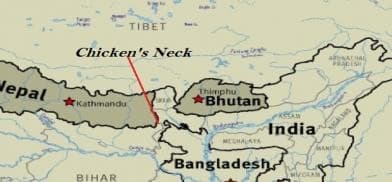
7.Siliguri Corridor Chokepoint (Strategic Corridor)

The Hindu
Illustration for Siliguri Corridor Chokepoint (Strategic Corridor)

What & Where

Siliguri Corridor: 20–22 km-wide land neck linking mainland India with eight Northeastern States.

Sits north of Siliguri city; hemmed by Nepal (W), Bangladesh (S), Bhutan (N), China’s Chumbi Valley nearby.

Acts as single road-rail-air logistics lifeline; often termed India’s strategic “Chicken’s Neck”.

Quick Facts for MCQs

Security Dimension

  • Vulnerability: blockade could sever eight Northeastern States from mainland logistics.
  • Deterrence: fresh garrisons enhance surveillance, fast mobilisation along LAC in Sikkim–Arunachal.
  • Chinese factor: Doklam proximity and Beijing’s outreach to Nepal, Bangladesh intensify corridor focus.

Historical Context

  • Creation: corridor shape fixed by Radcliffe Line; Bangladesh independence left passage unchanged.
  • 1975 Sikkim accession granted India higher Himalayan reach, amplifying corridor’s military value.
  • Recurrent alarms: 1962 invasion and 2017 standoff exposed bottleneck risks to Indian planners.

Transport & Infrastructure

  • Connectivity: all rail lines, NH-10, fibre links to Northeast funnel through corridor.
  • Aviation: Bagdogra supports IAF transport, fighters, civilian flights to Bhutan, NE capitals.
  • Defence deployments: artillery, armoured units, BrahMos batteries cover corridor’s limited frontage.

Key Data Points

FeatureData-Point
NicknameChicken’s Neck
Narrowest width20–22 km
Flanking countriesNepal, Bangladesh, Bhutan; China close via Chumbi Valley
Post-Partition origin1947–48 when East Bengal became East Pakistan
Strategic riseAfter 1975 Sikkim merger with India
Highlighted conflicts1962 Sino-Indian War; 2017 Doklam standoff
Key airportBagdogra (IAF base + civilian hub)
Major defenderEastern Command’s Tri-Shakti Corps
Long-range assetBrahMos missile regiments
Fighter supportRafale squadron at Hasimara
New Army garrisonsDhubri, Kishanganj, Chopra
GS-3S&T

8.GNSS Spoofing Navigation Threat (Satellite Navigation)

The Hindu
Illustration for GNSS Spoofing Navigation Threat (Satellite Navigation)

What & Where

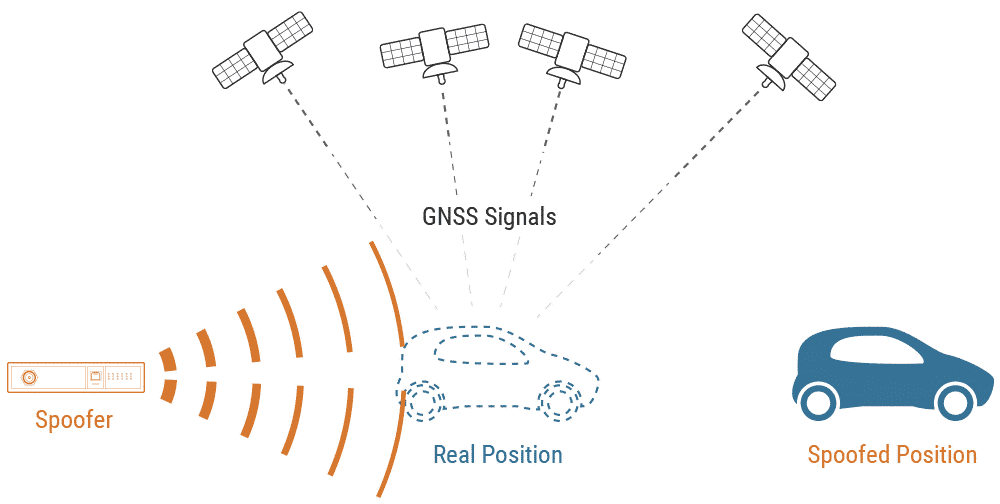
Definition GNSS spoofing = transmission of counterfeit satellite signals to mislead receivers on position/time/velocity.

Types Spoofing (deception), Jamming (blocking), Meaconing (delayed rebroadcast).

Locale Multiple aircraft over Delhi FIR, early Nov 2025, reported terrain and navigation anomalies.

Quick Facts for MCQs

Technology & Method

  • Transmission Ground-based emitter injects fake GNSS codes, receiver locks due to higher signal strength.
  • Drift Position slowly offset, minimizing detectable jumps.
  • Covertness Signals mimic genuine codes; onboard alarms ambiguous.

Operational Impact

  • Navigation Displays wrong headings, altitude, flight path; pilots revert to manual or IRS.
  • Workload Cross-checks with ATC, backups sharply increase crew burden.
  • Phases Highest risk during take-off and landing when alerts distract pilots.

Security Dimension

  • Misdirection Technique can divert drones, weapon systems, civilian aircraft.
  • Detection Hard without specialized monitoring; standard receivers see “legitimate” constellation.
  • Localization Attack effective only within limited ground footprint, easing source tracing once suspected.

Key Data Points

FeatureData-Point
Power needed to spoofSlightly stronger than authentic satellite signal
Spoofing influence radiusTypically few kilometres from transmitter
Most dangerous interferenceSpoofing (deception)
Backup used by aircraftInertial Reference System (IRS)
Spoofing drift styleGradual to avoid abrupt discrepancies
Possible cockpit effectsFalse terrain, runway-alignment, altitude alerts
Anti-jamming vulnerabilityBypasses basic measures; appears as valid code
GS-3S&T

9.Precision Biotherapeutics Therapies (Personalised Medicine)

The Hindu
Illustration for Precision Biotherapeutics Therapies (Personalised Medicine)

What & Where

Definition: Tailor-made drugs, biologics or gene therapies aligned to an individual’s genomic/molecular profile.

Core processes: Genomic sequencing, target identification, CRISPR editing, mRNA constructs, CAR-T cell engineering.

Where: India envisages large-scale adoption via Ayushman Bharat, CDSCO pathway and domestic GMP hubs.

Quick Facts for MCQs

Tech & Tools

  • CRISPR edits, silences or inserts genes addressing root mutation
  • mRNA platforms enable rapid vaccine or protein replacement fabrication
  • AI models optimise personalised dosage, delivery and interaction prediction

Applications Spectrum

  • Oncology: Tumour genomics plus CAR-T yield targeted, low-toxicity regimens
  • Genetic disorders: One-shot gene replacement for thalassemia, SMA shows near-curative promise
  • Rare diseases: Custom enzyme/RNA therapies tackle ultra-rare conditions lacking standard drugs

Challenges

  • Regulatory vacuum slows trials, deters investors and clinicians
  • High therapy pricing risks widening healthcare inequity
  • Limited GMP biologics plants force import dependence, elongating supply chains

Policy & Way Ahead

  • CDSCO-led precision-therapy framework to fast-track approvals, build trust
  • Biobanking & Genomic Data Law to secure privacy, consent, ethical reuse
  • Public-private GMP clusters and Ayushman coverage to democratise access

Key Data Points

FeatureData-Point
Primary toolsetCRISPR, mRNA, monoclonal antibodies, CAR-T
Therapeutic goalCause correction over symptomatic relief
Key enablerAI-driven big-data analytics for dosing, prediction
Major disease areasCancer, genetic, cardio-metabolic, rare, infectious
Regulatory gapNo integrated Indian pathway for gene/cell/nucleic-acid therapies
Cost driverComplex development & GMP manufacturing
Privacy concernPotential misuse of sensitive genomic data
Proposed oversightNational Bioethics Commission (planned)

Related UPSC Prelims PYQs

GEO_GS, GS1 2019PYQ 1

'RNA interference (RNAi) technology has gained popularity in the last few years. Why?

GEO_GS, GS1 2025PYQ 2

Clustered Regularly Interspaced Short Palindromic Repeats are associated with

GS-3S&T

10.WHO TB Report 2025 (WHO TB Report)

The Hindu
Illustration for WHO TB Report 2025 (WHO TB Report)

What & Where

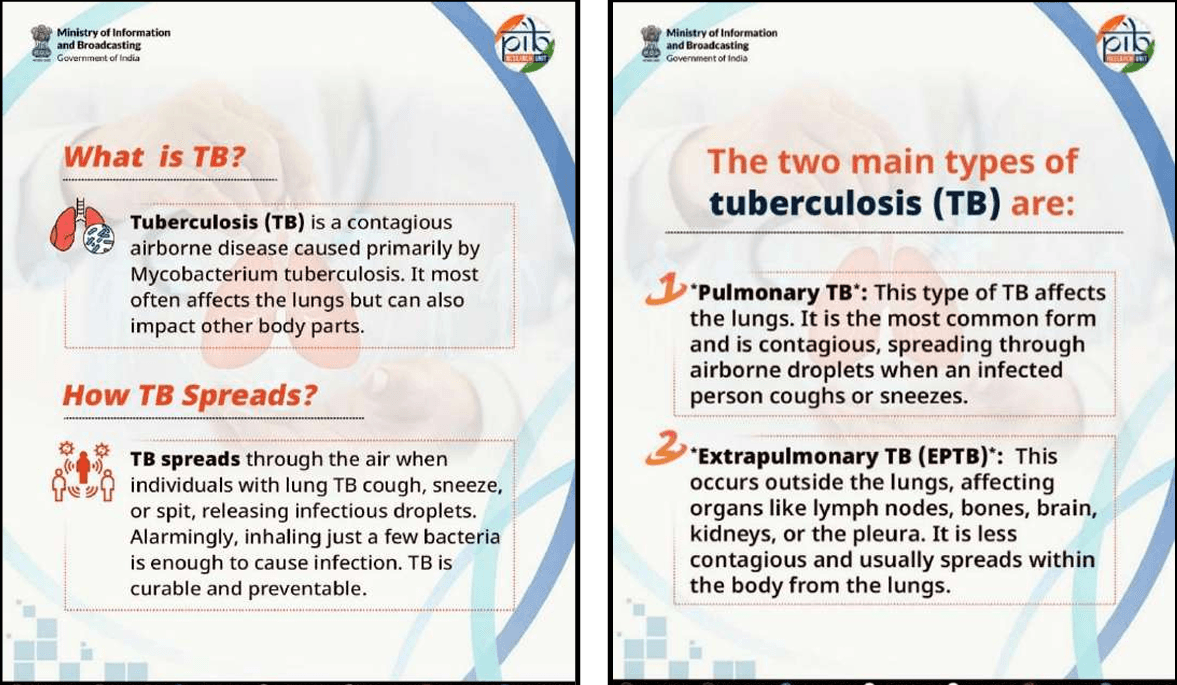
Tuberculosis; airborne bacterial disease attacking lungs

WHO Global Tuberculosis Report; yearly status audit across 200-plus countries

India; biggest TB-burden nation, pledging elimination by 2025

Quick Facts for MCQs

Trends

  • Decline; Indian incidence drop nearly twice global pace 2015-24
  • Notification; 26.18 lakh Indian cases detected 2024, record high
  • Mortality; deaths down 25 % since 2015

Risk Factors

  • Undernutrition; foremost driver of Indian TB burden
  • Co-morbidities; HIV, diabetes added 3.2 lakh cases during 2024
  • Lifestyle; smoking, alcohol, air pollution weaken lung defences

Initiatives & Technology

  • Diagnostics; 92 % patients get upfront Rifampicin resistance test via vast molecular network
  • Regimen; six-month BPaLM all-oral therapy replaces 18-24 month MDR course
  • Community; 19 crore screened, support through Ayushman Arogya Mandirs and Ni-Kshay Poshan

Targets & Gaps

  • Benchmark; elimination means <1 notified case per million per year
  • Timeline; India 2025 target versus WHO 2030 end-TB goal, progress only 21 % decline
  • Weak spots; private under-reporting, child detection lag, workforce and supply gaps

Key Data Points

FeatureData-Point
Global TB cases 202410.7 million
Global incidence rate131 / 100 000 population
Global deaths 20241.23 million
India incidence 2024187 / lakh (−21 % since 2015)
India mortality 202421 / lakh; 28 % global deaths
India treatment coverage92 % (53 % in 2015)
India treatment success90 %; world 88 %
Detection gap share India8.8 %; ~1 lakh missing cases
GS-3S&TQuick Bite

11.Hepatitis A Priority Immunisation (Hepatitis A Vaccine)

The Hindu
Illustration for Hepatitis A Priority Immunisation (Hepatitis A Vaccine)

What & Where

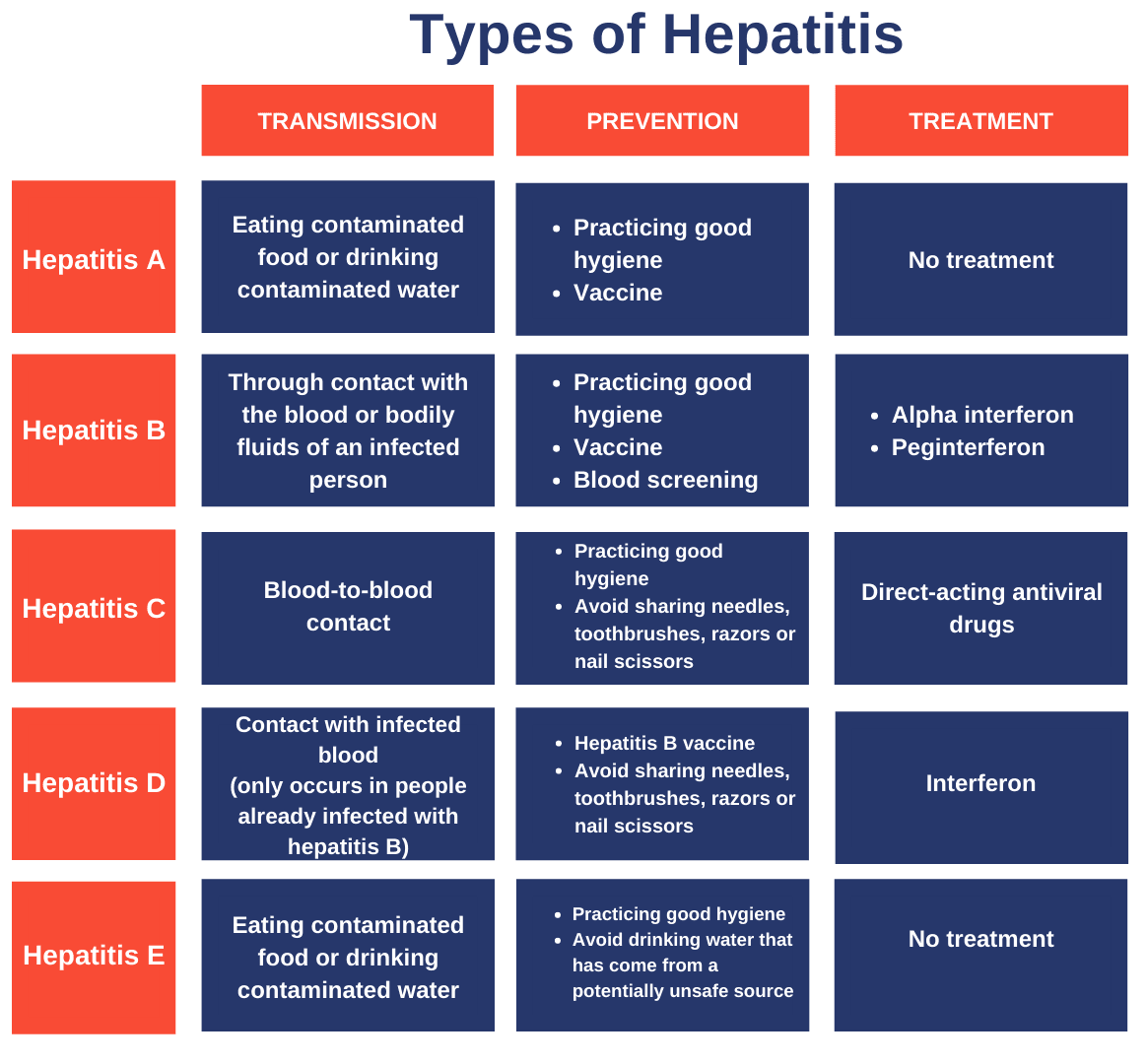
Hepatitis A = acute viral liver inflammation by Hepatitis A virus; presently rising cause of acute liver failure.

Spreads faecal–oral via contaminated food, water, unwashed hands; urban India shows falling natural immunity.

Calls to add Hep A vaccine to India’s Universal Immunisation Programme (UIP).

Quick Facts for MCQs

Health Burden

  • Emerging driver of acute liver failure in young Indians with waning childhood immunity.
  • Projected extra 9.5 m infections, 2.8 m deaths from viral hepatitis by 2030 without action.

Vaccines & Efficacy

  • Live-attenuated vaccine stable at 2–8 °C, single dose feasible for mass UIP roll-out.
  • Proven field performance in China, India; no severe adverse events reported.

Programmes & Policies

  • Experts urge MoHFW to list Hep A under UIP for nationwide free coverage.
  • WHO Global Health Sector Strategy (2022–30) underpins elimination financing & monitoring frameworks.

Transmission & Risk

  • Outbreaks peak in areas with improving sanitation where childhood exposure falls.
  • Contaminated street food, shellfish, school canteens flagged as recurrent sources.

Key Data Points

FeatureData-Point
Virus familyHepatitis A virus (HAV)
Transmission routeFaecal–oral
Key symptomsFever, fatigue, nausea, jaundice, dark urine
ChronicityNo chronic phase unlike Hep B/C
India antibody fall>90 % (2000s) → <60 % (current urban)
Global deaths 20167,134 (0.5 % viral-hepatitis mortality)
Vaccine typesLive-attenuated & Inactivated
Protective efficacy90–95 %; immunity 15–20 yrs/lifelong
Indigenous vaccineBiovac-A (Biological E), 20+ yrs safe use
TreatmentSupportive only; no specific antivirals
UIP launch year1978 (EPI); renamed 1985
UIP diseases (natl)DPT, Polio, Measles, Rubella, TB, Hep B, Hib
Hep A in UIPNot yet included
WHO 2030 target90 % incidence drop, 65 % mortality drop
NVHCP start2018; aims Hep C elimination by 2030

Related UPSC Prelims PYQs

GEO_GS, GS1 2024PYQ 1

Which one among the following diseases does not yet have any effective vaccine?

GEO_GS, GS1 2019PYQ 2

Which one of the following statements is not correct?

GS-2Environment

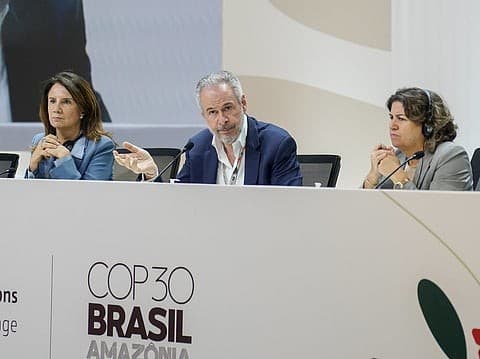
12.Integrated Climate-Trade Forum IFCCT (Climate-Trade Forum)

Down to Earth
Illustration for Integrated Climate-Trade Forum IFCCT (Climate-Trade Forum)

What & Where

Politically backed, permanent forum for dialogue on climate-trade interface, not a negotiating body

Formally launched 15 Nov 2025 at COP30, Belém, Brazil; consultation hub located in Geneva

Provides structured space to discuss carbon border taxes, green subsidies, supply-chain shifts, industrial policy

Quick Facts for MCQs

Legal & Policy

  • Addresses unilateral measures: EU CBAM, US green subsidies, national industrial policies
  • Seeks interoperability of diverse climate-trade rules without creating binding commitments
  • Integrates debate within existing WTO-centred governance, avoiding parallel treaty tracks

Economic Angle

  • Aims to cut transaction costs from overlapping carbon standards and border adjustments
  • Promotes predictability for global supply chains amid decarbonisation pressures
  • Encourages alignment of subsidy regimes to avert retaliatory trade disputes

Developing-Country Focus

  • Offers venue for South voices to influence emerging trade norms impacting exports
  • Facilitates capacity-building to navigate reporting, certification, and carbon-pricing demands
  • Targets fairness by considering varied decarbonisation pathways and developmental stages

Key Data Points

FeatureData-Point
Full nameIntegrated Forum on Climate Change and Trade (IFCCT)
Launch date15 November 2025
Launched atCOP30, Belém, Brazil
NatureNon-negotiating, politically supported platform
Consultation window2025-26, open-ended
Secretariat/BaseGeneva, Switzerland
Core aimClimate–trade coherence, friction reduction
Key participantsTrade & climate ministers, WTO leaders, industry, experts
Priority issuesCBAMs, subsidies, supply-chain decarbonisation
Beneficiary focusDeveloping countries’ adaptation & voice

Related UPSC Prelims PYQs

CAPF_GAI 2024PYQ 1

Which one among the following statements with regard to the United Nations Climate Change Conference (COP28) is NOT correct?

CAPF_GAI 2024PYQ 2

CBAM (कार्बन बॉर्डर एडजस्टमेंट मेकेनिज़्म) के संबंध में निम्नलिखित में से कौन-सा/कौन-से कथन सही है/हैं?

GS-3S&T

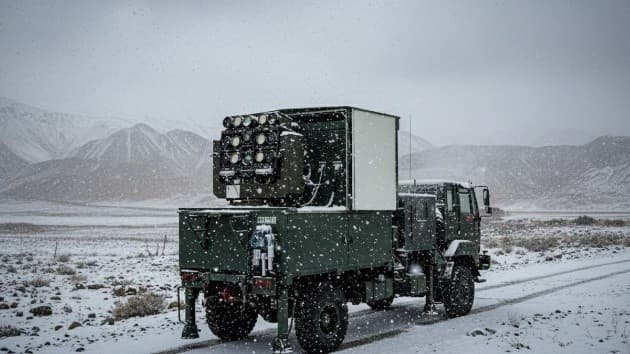
13.Mark-2 Counter-Drone System (Counter-Drone System)

Times of India
Illustration for Mark-2 Counter-Drone System (Counter-Drone System)

What & Where

Integrated Drone Detection & Interdiction System (Mark-2); indigenous counter-UAS laser-cum-jamming platform.

To be fielded by Indian Army & IAF along borders, forward bases, airports, urban VVIP venues.

Designed by DRDO-CHESS, Hyderabad, for rapid neutralisation of hostile drones & swarms.

Quick Facts for MCQs

Tech & Schemes

  • Multi-sensor fusion enables 360° detection, real-time classification, autonomous cueing.
  • Modular architecture allows plug-in of higher-power lasers, additional jamming pods.
  • AI-driven tracking minimises false alarms from birds or clutter.

Security Dimension

  • Counters rising drone threats from Pakistan border, global conflict spill-overs.
  • Shields critical assets: ammunition depots, nuclear sites, VVIP gatherings, airports.
  • DEW deployment ranks India with US, China, Russia in operational laser weapons.

Indigenisation Drive

  • Fully indigenous design supports Atmanirbhar Bharat & Defence Acquisition Procedure 2020.
  • Collaborative development with user-feedback shortens trial-to-deployment cycle.
  • Import substitution lowers lifecycle cost, ensures sovereign control over upgrades.

Key Data Points

FeatureData-Point
Laser power10 kW high-energy fibre laser
Hard-kill rangeUp to 2 km (Mark-1 was ≈1 km)
Soft-kill modesRF jamming, GNSS spoofing
Sensor suiteRadar + EO/IR + RF detectors + AI
MountingVehicle-borne, quick-deploy
Procurement lot16 units for Army & IAF
Future upgrade30 kW laser, reach ≈5 km
Lead agencyDRDO–Centre for High Energy Systems & Sciences
Kill capabilityHard-kill laser + soft-kill electronics
Target classesSurveillance UAVs, weaponised drones, swarms

Related UPSC Prelims PYQs

CDS_GK 2025PYQ 1

भारत के सैन्य आयुध (military arsenal) के बारे में निम्नलिखित में से कौन-सा/कौन-से कथन सही है/हैं?

CDS_GK 2024PYQ 2

भारत का ‘मिशन शक्ति’ (DRDO) निम्नलिखित में से किससे संबंधित है?

GS-3SecurityQuick Bite

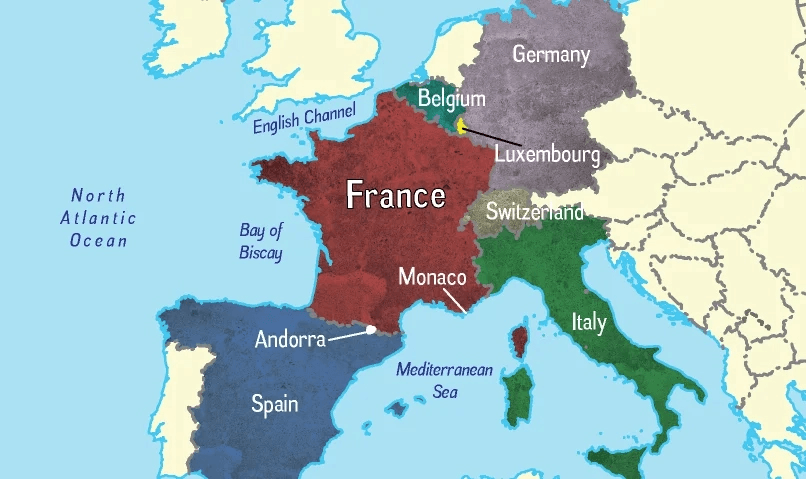
14.Garuda-25 Bilateral Air Exercise (India-France Drill)

PIB
Illustration for Garuda-25 Bilateral Air Exercise (India-France Drill)

What & Where

Garuda 25 : 8th bilateral IAF–French Air & Space Force air exercise

Location Mont-de-Marsan Air Base, France; cycle alternates India–France since 2003

Schedule 16–27 November 2025; aims operational interaction and interoperability

Quick Facts for MCQs

Security Dimension

  • Enhances Indo-Pacific strategic coordination, counters common aerial threats
  • Builds joint tactics, techniques, procedures for high-tempo multi-domain operations
  • Strengthens deterrence through demonstrated long-range force projection

Force Deployment

  • Su-30MKI supported by IL-78 extends on-station time and strike radius
  • C-17 transports personnel, spares, ground equipment in single strategic lift
  • FASF fields Rafale and other multirole platforms enabling mixed-fleet missions

India–France Defence Ties

  • Complements 1998 Strategic Partnership, deepening aerospace cooperation
  • Builds trust post Rafale procurement, aids future co-development projects
  • Reinforces tri-service engagement alongside Varuna and Shakti exercises

Key Data Points

FeatureData-Point
Partner air forcesIndian Air Force & French Air and Space Force
Current edition8th (Garuda 25)
First held2003
2025 host baseMont-de-Marsan, Nouvelle-Aquitaine, France
Exercise cycleAlternating between India and France
IAF fighters6 × Su-30MKI
IAF supportIL-78 aerial refueller, C-17 Globemaster III
French frontline jetRafale multirole fighter
Core mission setsAir-to-air combat, air defence, joint strike, TTP refinement
Related bilateral drillsVaruna (Navy), Shakti (Army), Desert Knight (Air, with UAE)

Related UPSC Prelims PYQs

CDS_GK, NDA_GAT 2021PYQ 1

'Exercise Desert Knight – 21' is a bilateral air exercise between the Indian Air Force and the Air Force of which one of the following countries?

CDS_GK, NDA_GAT 2023PYQ 2

The eighth edition of the Exercise Garuda Shakti, a bilateral military-to-military exercise, was conducted recently between the special forces of India and

GS-3SecurityQuick Bite

15.Mahe Indigenous ASW Vessel (Mahe ASW Craft)

PIB

What & Where

Mahe-class Anti-Submarine Warfare Shallow Water Craft (ASW-SWC); first unit ‘Mahe’ to be commissioned at Naval Dockyard, Mumbai.

Built by Cochin Shipyard Limited, Kochi under Aatmanirbhar Bharat; >80 % indigenous components.

Named after Mahe town, UT Puducherry; crest depicts Urumi sword from Kalaripayattu.

Quick Facts for MCQs

Defence Technology

  • Stealth-shaped hull, high mobility; optimised for precision anti-submarine tasks in shallow waters.
  • Shallow draught enables detection and neutralisation of diesel-electric submarines close to coast.
  • Modern sensors, lightweight torpedoes, rockets integrated for quick response.

Indigenisation Drive

  • Indigenous share exceeds 80 %, sourcing hull steel, sensors, propulsion locally.
  • Part of 16-vessel ASW-SWC order awarded to CSL in 2019.
  • Supports Make-in-India goals, bolsters domestic supply chain for naval combatants.

Cultural Symbolism

  • Urumi symbol highlights agility, lethal flexibility akin to vessel’s operational profile.
  • Naming after Mahe reinforces Navy’s tradition of honouring coastal heritage sites.

Security Dimension

  • Enhances coastal defence amid rising underwater drone and mini-sub threats.
  • Complements larger P-8I, MH-60R assets by filling shallow-water surveillance gap.

Key Data Points

FeatureData-Point
Vessel nameINS Mahe
Class / typeMahe-class ASW Shallow Water Craft
BuilderCochin Shipyard Limited, Kochi
Indigenous contentOver 80 %
Primary rolesHigh-speed littoral ops, submarine hunt, coastal patrol
Operating zoneNear-shore / shallow coastal waters
Commissioning locationNaval Dockyard, Mumbai
Govt initiative tagAatmanirbhar Bharat
Namesake geographyMahe, Malabar Coast, UT Puducherry
Crest motifUrumi flexible sword

Related UPSC Prelims PYQs

CDS_GK, ESE_GS 2024PYQ 1

Which one of the following ships does NOT come under Indian Navy's eight ASW Shallow Water Craft project?

CDS_GK, ESE_GS 2025PYQ 2

Which of the following statements are correct about ‘Arnala’, an Anti-Submarine Warfare Shallow Water Craft ?

GS-2Scheme

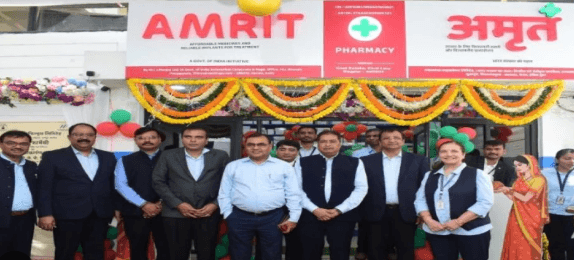
16.AMRIT Pharmacy Affordable Medicines (Affordable Medicines Scheme)

DD News
Illustration for AMRIT Pharmacy Affordable Medicines (Affordable Medicines Scheme)

What & Where

AMRIT (Affordable Medicines & Reliable Implants for Treatment) pharmacies: MoHFW scheme for cut-price lifesaving drugs.

First outlet 2015 at AIIMS Delhi; now pan-India network inside AIIMS, medical colleges, district hospitals.

Operated by HLL Lifecare Ltd, a CPSU; target 500 outlets after 10-year milestone.

Quick Facts for MCQs

Tech & Schemes

  • Upgrade: ITes Eco-Green 2.0 enables inventory, billing, environment-friendly paperless ops.
  • Outreach: Mobile Pharmacy Vans bring discounted drugs to remote blocks.
  • Addition: Ayurvedic medicines being integrated at multidisciplinary institutes.

Economic Angle

  • Savings: ₹8,400 crore out-of-pocket cost averted over decade.
  • Discounts: Oncology drugs, cardiac stents, surgical consumables slashed up to 90 %.
  • Scale: 85 crore transactions lower catastrophic health expenditure.

Healthcare Access

  • UHC boost: Complements Ayushman Bharat goal of affordable, equitable tertiary care.
  • Coverage: Planned outlet in every medical college & district hospital for last-mile reach.
  • Workforce: Only certified D.Pharm/B.Pharm professionals allowed to dispense medicines.

Key Data Points

FeatureData-Point
Launch year2015
MinistryHealth & Family Welfare
Implementing CPSUHLL Lifecare Limited
Discount range50 % – 90 %
Operational outlets (2024)255
Expansion target500 outlets
Patients benefited85 crore
MRP value dispensed₹17,000 crore
Patient savings₹8,400 crore
Anniversary celebrated10 years (2024)
Digital suiteAMRIT ITes Eco-Green 2.0
Rural outreachMobile Pharmacy Van
Helpline24×7 National Contact Centre

Ready to practice?

Test your knowledge with our UPSC test series.

Start Free Trial