UPSC Current Affairs

14 topicsGS-1: 2GS-2: 5GS-3: 7
0/14 done
GS-2Editorial

1.Internal Party Democracy India (Political Parties)

Indian Express
Illustration for Internal Party Democracy India (Political Parties)

What & Where

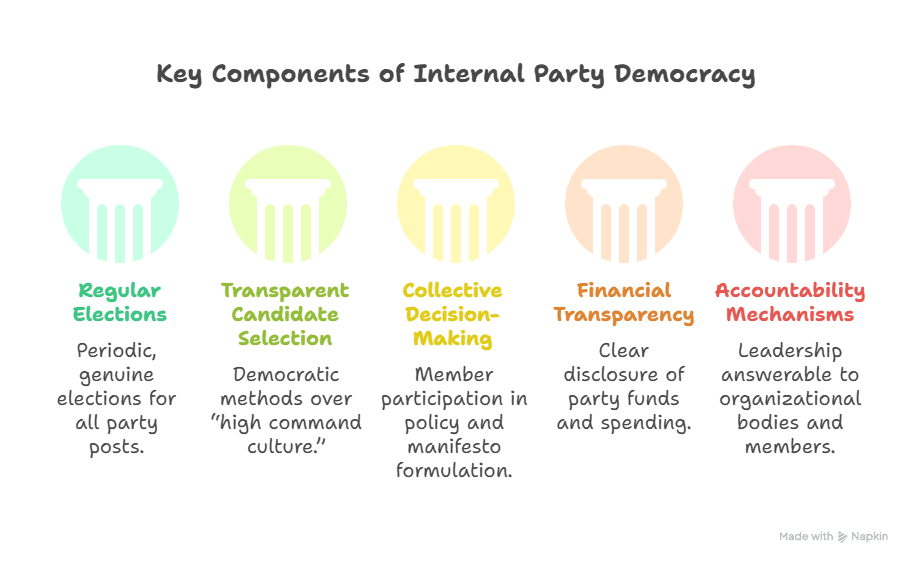
Concept: Internal Party Democracy = organisational, structural, functional adherence to democratic values within political parties.

Processes: member-driven candidate choice, periodic leadership polls, participative policy framing, transparent finance control.

Jurisdiction: Applies to Indian national & regional parties via Representation of the People Act 1951, Sec 29A.

Quick Facts for MCQs

Legal & Policy

  • RPA-vagueness: no definition or enforcement mechanism for intra-party democracy.
  • Election-Symbols: order resolves splits via numerical support, not hereditary claims.
  • Law-reform: suggestions include fines, symbol withdrawal, party de-registration.

Structural Issues

  • Power-centralisation: “High Command” culture rewards loyalty, curbs debate.
  • Nepotism: family inheritance converts parties into private enterprises.
  • Feudal-mindset: members avoid demanding reforms, risk suspension.

Reform Proposals

  • Institutional-reform: transparent constitutions, regular independently-audited internal elections, deliberative forums.
  • Legislative-amendments: insert democratic candidate selection and graded penalties into RPA.
  • Civil-society: rank parties, raise voter awareness, make internal democracy an electoral issue.

Key Data Points

FeatureData-Point
RPA 1951 Sec 29AParties must affirm democracy, secularism, socialism
Term “democracy”Undefined in statute
Election Symbols Order 1968Symbol to faction with majority legislators & office-bearers
255th Law CommissionUrged ECI power to de-register non-compliant parties
NCRWC recommendationComprehensive law for party registration & functioning
Dynasts in legislatures1,174 persons, 989 families, out of 5,294 MPs/MLAs/MLCs
Transparency committeesDinesh Goswami 1990; Indrajit Gupta 1998
Statutory internal electionsCurrently no legal mandate

Related UPSC Prelims PYQs

GS1, NDA_GAT 2001PYQ 1

Consider the following statements regarding the political parties in India:

GS1, NDA_GAT 2025PYQ 2

S1: Our Constitution reminds us of the necessity of representation in a large democracy.
GS-2Polity

2.Eighth Central Pay Commission (Pay Commission)

The Hindu
Illustration for Eighth Central Pay Commission (Pay Commission)

What & Where

Expert commission revising pay, allowances, pensions for Central Government personnel nationwide.

Announced Jan 2025; formally constituted Oct 2025 for implementation from 1 Jan 2026.

Covers serving & retired Central civil employees, defence forces, AIS, Union Territories.

Quick Facts for MCQs

Composition & Tenure

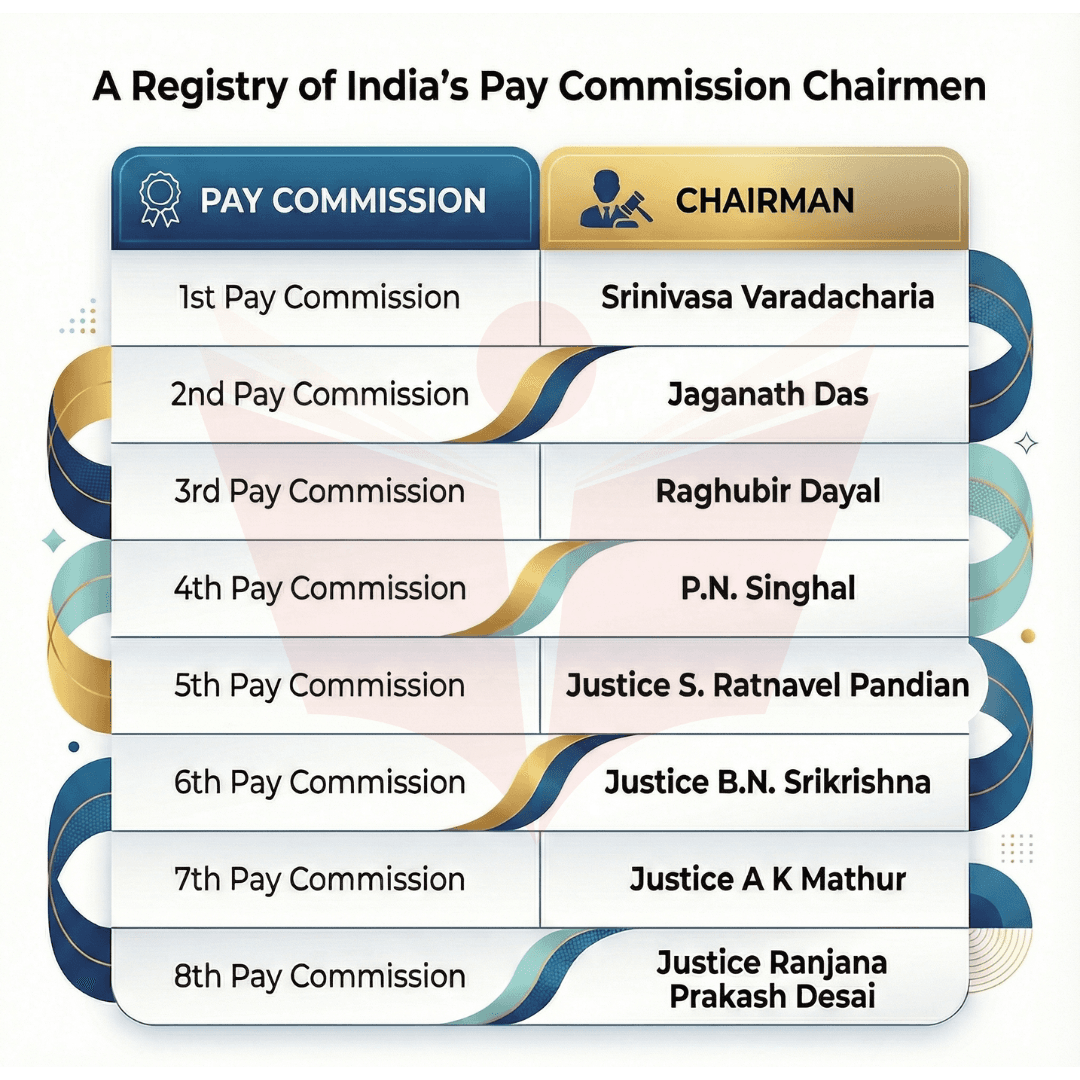
  • Membership: Justice Desai, Pulak Ghosh, Pankaj Jain constitute chair, part-time member, secretary respectively.
  • Timeline: 18-month report window; interim suggestions allowed for urgent issues.
  • Nature: Temporary expert body dissolved after submitting final recommendations.

Mandate Scope

  • Review: Pay scales, allowances, pension structures for equity across cadres.
  • Comparison: Benchmark emoluments against PSU and private sector to ensure parity.
  • States: Examine ripple effects on State finances and coordination mechanisms.

Fiscal Considerations

  • Prudence: Recommendations must align with macroeconomic conditions and budget limits.
  • Sustainability: Address non-contributory pension liabilities and long-term fiscal burden.

Key Data Points

FeatureData-Point
Commission number8th Central Pay Commission
ChairpersonJustice Ranjana Prakash Desai (Retd.)
Part-time memberProf. Pulak Ghosh, IIM Bangalore
Member-SecretaryPankaj Jain, Petroleum Secretary
Formal constitutionOctober 2025 (post Cabinet nod)
Report deadline18 months from constitution
Possible interim adviceYes
Implementation date1 January 2026
Pay-revision intervalRoughly every 10 years since 1946
Primary coverageCentral Govt employees, defence, AIS, UTs

Related UPSC Prelims PYQs

CAPF_GAI, GS1 2019PYQ 1

Which one of the following suggested that the Governor should be an eminent person from outside the State and should be a detached figure without intense political links or should not have taken part in politics in the recent past?

CAPF_GAI, GS1 2024PYQ 2

Population of the year 2011 was first introduced in the tax devolution formula for sharing Union tax revenue with the States by

GS-3Editorial

3.Urban Planning Reform India (Urban Planning)

Indian Express

What & Where

Definition : Planning discipline organising land, infrastructure, economy of towns for orderly, sustainable growth.

Scope : India follows zoning-heavy Master Plans framed under colonial Town Planning Acts.

Geography : Covers 4,000+ statutory towns and 53 metros but rarely extends beyond municipal borders.

Quick Facts for MCQs

Current Model Weaknesses

  • Vision-gap; master plans omit industry, services, jobs targets
  • Reactive sprawl-following; lacks proactive growth corridor design
  • Fragmented agencies; ULB–state coordination weak, implementation suffers

Economic Angle

  • GDP engine; cities expected to drive 75 % output by 2047
  • Evidence-led employment forecasts must set housing, land demand
  • Regional integration of peri-urban belts vital for manufacturing, logistics

Climate & Environment

  • Plans climate-blind; ignore heat, flood, pollution adaptation
  • Resource myopia; water, energy, waste budgeting absent
  • Low-carbon mobility, energy-efficient buildings mandated in future blueprints

Governance & Reforms

  • Empower ULBs with fiscal, functional autonomy under 74th Amendment
  • Modernise Planning Acts; retrain planners in economics, environment, digital tools
  • Back tier-2 corridors, satellite towns to decongest megacities

Key Data Points

FeatureData-Point
Urban population (2011)31 % of Indians
Urban population (2047 est.)50 %
Urban GDP share (today)63 % of national GDP
Urban GDP share (2047 est.)75 %
Statutory towns (2011)4,000 +
Metropolitan cities53

Related UPSC Prelims PYQs

GEO_GS, GS1 2011PYQ 1

Consider the following statements:

GEO_GS, GS1 2024PYQ 2

Which of the following statements regarding Urban Population in India as per Census 2011 is/are correct?

GS-3EconomyQuick Bite

4.Koyla Shakti Coal Dashboard (Coal Sector Digitalization)

PIB

What & Where

Koyla Shakti & CLAMP: new digital platforms for India’s coal supply chain and land management

Geography: pan-India operations of Coal PSUs, railways, ports, state depts under Ministry of Coal

Processes: real-time production-to-dispatch tracking, centralized land records, compensation & R&R workflow

Quick Facts for MCQs

Tech & Schemes

  • Integration: unified interface aggregates production, transport, dispatch, incident alerts
  • Analytics: forecasting & smart dashboards enable policy support and demand-supply optimisation
  • Digitisation: CLAMP digitises maps, deeds, compensation releases, R&R status

Governance

  • Transparency: open dashboards curb information asymmetry and discretionary allocation
  • Coordination: shared data layer accelerates inter-agency decisions during supply crunches
  • Compliance: auto-generated reports aid statutory audits and parliamentary oversight

Economic Angle

  • Efficiency: reduced turnaround time in coal movement lowers input cost for power & steel sectors
  • Investment: seamless land acquisition expedites new mine projects, boosting output and royalties

Key Data Points

FeatureData-Point
Launch month-yearOct 2025
Parent missionDigital India
Nodal ministryMinistry of Coal
Koyla Shakti coreEnd-to-end coal supply chain analytics
CLAMP coreCoal land acquisition, management, payment
Data visibilityReal-time dashboards
StakeholdersCoal Cos, Railways, Ports, Line Ministries, States
Land records coverageAll coal PSUs

Related UPSC Prelims PYQs

GS1 2022PYQ 1

भारत में, कोल कंट्रोलर संगठन (Coal Controller's Organization-CCO) की क्या भूमिका है?

GS-1MappingQuick Bite

5.Cyprus Island Nation (Island Geography)

News on Air
Illustration for Cyprus Island Nation (Island Geography)

What & Where

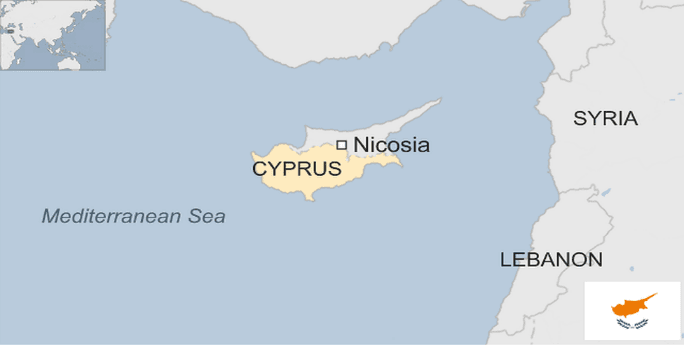
Island nation; eastern Mediterranean Sea, geographic bridge between Europe – Asia – Africa

Lies 65 km south of Turkey, 100 km west of Syria; third-largest Mediterranean island

Capital Nicosia; world’s only divided capital between Republic of Cyprus and Turkish-held north

Quick Facts for MCQs

Political Status

  • Division; 1974 Turkish invasion created Turkish Republic of Northern Cyprus, recognised only by Turkey
  • Occupation; 36 % northern territory under Turkish control
  • Capital; Nicosia physically split by UN-patrolled Green Line

International Memberships

  • EU; accession in 2004 after Copenhagen criteria compliance
  • Eurozone; adopted euro currency 2008

India Partnership

  • Visit; Foreign Minister Constantinos Kombos on three-day India tour, April 2024
  • Meeting; talks with External Affairs Minister to deepen India–Cyprus strategic partnership

Key Data Points

FeatureData-Point
Capital cityNicosia (Lefkosia)
Area9,251 sq km
Highest peakMount Olympus 1,951 m
Main rangesTroodos (south), Kyrenia (north)
Central plainMesaoria
Independence year1960 from Britain
Island division1974 Turkish invasion; 36 % north occupied
EU membership2004
Eurozone entry2008
Distance to Turkey65 km south
GS-3Environment

6.Hurricane Melissa Category-5 Cyclone (Tropical Cyclone)

Times of India
Illustration for Hurricane Melissa Category-5 Cyclone (Tropical Cyclone)

What & Where

Hurricane Melissa: Category-5 tropical cyclone over eastern Caribbean; record strongest to strike Jamaica.

Genesis: Low-pressure disturbance, rapid intensification via unusually warm sea-surface temperatures and moist atmosphere.

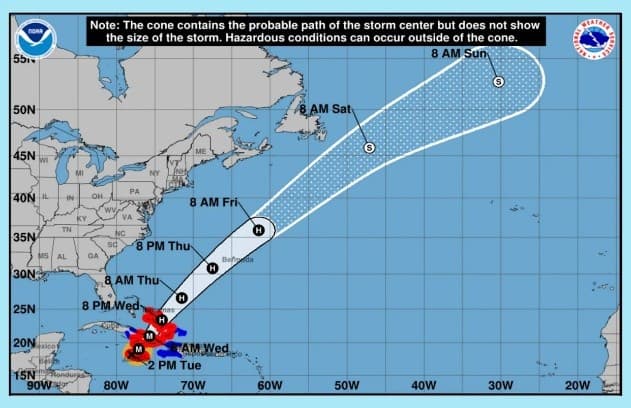
Track: Westward across Jamaica, then northeast toward Cuba’s Santiago province and onward to Bahamas.

Quick Facts for MCQs

Formation Process

  • Disturbance: Low-pressure cell over central Caribbean initiated cyclone spin and convection.
  • Fuel: Sea-surface temperatures above climatological average plus high humidity enabled explosive strengthening.
  • Steering: Westward trade winds then subtropical ridge weakness caused northeast recurvature toward Cuba.

Impact & Damage

  • Winds: 185 mph gusts uprooted trees, collapsed roofs, snapped power lines island-wide.
  • Flooding: Torrential rain caused agricultural losses, washed-out roads, contaminated water supplies.
  • Human cost: Mass evacuation, >1.5 million displaced, prolonged power and water outages expected.

Classification Scale

  • SSHWS: 1–5 wind-based scale estimating structural damage, excludes rainfall and storm-surge metrics.
  • Category 5 threshold: ≥157 mph; denotes near-total destruction, long-term uninhabitability.
  • Melissa benchmark: First recorded Category 5 landfall on Jamaica under modern instrumentation.

Key Data Points

FeatureData-Point
Max sustained wind185 mph (295 km/h)
SSHWS category5
Formation regionEastern Caribbean Sea
People displaced (Jamaica)≈1.5 million
Jamaican recordSurpassed Hurricane Gilbert (1988)
Initial triggerCentral Caribbean low-pressure disturbance
Subsequent pathJamaica → Cuba (Santiago) → Bahamas
GS-3Environment

7.AmazonFACE CO2 Forest Experiment (Climate Simulation)

DD News
Illustration for AmazonFACE CO2 Forest Experiment (Climate Simulation)

What & Where

AmazonFACE: Free-Air CO₂ Enrichment experiment simulating 2050-60 atmospheric conditions.

Six steel rings around 50–70 mature Amazon trees near Manaus, Brazil.

First large-scale FACE in a natural tropical rainforest.

Quick Facts for MCQs

Tech & Schemes

  • Continuous sensor network streams real-time rain, storm, respiration data.
  • Uses scaffold towers; no enclosure, preserving natural light & fauna.
  • Extends FACE methodology beyond temperate test beds.

Environmental Impact

  • Assesses Amazon carbon sink resilience under doubled CO₂.
  • Data to refine global climate and biodiversity models.
  • Insights on water-use efficiency shifts in rainforest canopy.

Policy Linkage

  • Results expected before COP30 hosted by Brazil, feeding NDC updates.
  • Supports evidence-based rainforest conservation financing.
  • Enhances South-South & North-South scientific diplomacy.

International Collaboration

  • UK funding supplements Brazilian budget; joint data ownership.
  • Builds on earlier UK-Brazil climate science MoUs.
  • Potential template for Congo Basin & Southeast Asian FACE sites.

Key Data Points

FeatureData-Point
Launch countryBrazil
Exact siteAdolpho Ducke Reserve, Manaus outskirts
Lead institutesINPA & Universidade Estadual de Campinas
Foreign partnerUK Government
Tech methodOpen-air CO₂ fumigation
Total rings6
Treatment rings3 with elevated CO₂
Control rings3 with ambient air
Trees per ring50–70 mature individuals
Target CO₂ levelMid-21st-century projections
Sensor intervalEvery 10 minutes
Key variablesPhotosynthesis, evapotranspiration, oxygen flux
First of its kindYes, in tropical forests
Policy milestoneInputs for COP30 carbon budget talks
Comparable past FACE sitesU.S. temperate forests
GS-3S&T

8.Delhi Cloud Seeding Trial (Weather Modification)

DH

What & Where

Cloud seeding = weather-modification dispersing AgI/KI/NaCl into moist clouds to trigger precipitation.

First Delhi trial in >50 yrs, flown over north-east Delhi to wash airborne pollutants.

Geography focus: Burari, Karol Bagh, Mayur Vihar; aircraft base at Safdarjung airport.

Quick Facts for MCQs

Technology & Method

  • Identification: Radar-satellite pick clouds with sufficient depth and liquid water.
  • Dispersal: Ignited flares release nuclei; droplets or ice crystals grow, coalesce, fall.
  • Washout: Rain scavenges PM2.5, PM10, dust, briefly improving AQI.

Governance & Collaboration

  • Initiative: Pilot funded by Delhi Environment Dept, executed by IIT-Kanpur scientists.
  • Oversight: Real-time monitoring of microphysics, dispersion path, air-quality indices.
  • Continuity: Further sorties planned only under adequate cloud availability, budget nod.

Environmental Impact

  • Benefit: Rapid but transient particulate reduction, better visibility.
  • Limitation: No effect on root emissions or stubble smoke, relief short-lived.
  • Concern: Accumulated silver iodide may affect soil-water biota.

Key Data Points

FeatureData-Point
PurposePollution washout via artificial rain
CollaboratorsDelhi Govt + IIT-Kanpur
Aircraft modelCessna 206H
Seed chemicalsSilver iodide, Potassium iodide, Sodium chloride
Flares per sortie8
Weight per flare2–2.5 kg
Cloud humidity15–20 % during trial
Target localitiesBurari, Karol Bagh, Mayur Vihar
OutcomeNot fully successful; low moisture
Previous Delhi attempt>5 decades ago

Related UPSC Prelims PYQs

GS1 2019PYQ 1

In the context of which of the following do some scientists suggest the use of cirrus cloud thinning technique and the injection of sulphate aerosol into stratosphere?

GS1 2025PYQ 2

वायु प्रदूषण माप करने हेतु भूमि-पृष्ठ-स्तर के तरीकों में किसका प्रयोग होता है?

GS-3S&T

9.Digital Multilingual Inclusion (Language Technology)

PIB
Illustration for Digital Multilingual Inclusion (Language Technology)

What & Where

Definition: AI-driven multilingual platforms offering translation, speech recognition and archives for 22 Scheduled plus tribal languages

Key types: real-time translation, text-to-speech, digital repositories, MOOCs, e-commerce language assistants

Geography: Pan-India roll-out via MeitY, MoE, MoTA; focus on rural, tribal, non-Hindi populations

Quick Facts for MCQs

Tech & Schemes

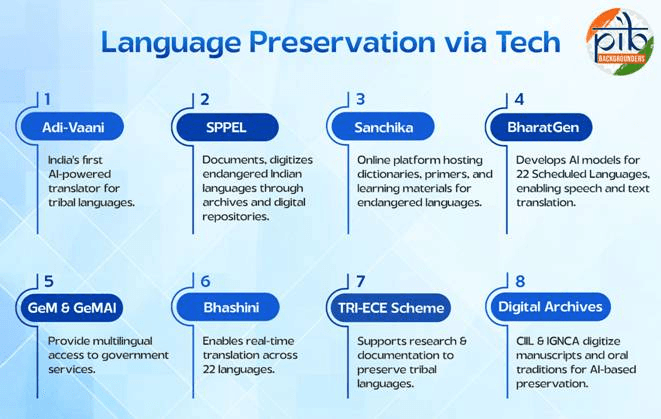
  • Bhashini provides instant speech, text and OCR translation across 22 Scheduled languages via open APIs
  • BharatGen trains T2T and TTS models using SPPEL and Sanchika multimodal datasets
  • Adi-Vaani delivers NLP, speech recognition for Santali, Bhili, Mundari, Gondi communities

Education & Skill

  • Anuvadini translates engineering, medical, law textbooks to Indian languages supporting NEP 2020 mother-tongue vision
  • e-KUMBH and SWAYAM offer free MOOCs and ebooks in multiple Bharatiya languages to five crore learners
  • NTM translates academic texts enabling regional researchers to access contemporary knowledge

Governance & Inclusion

  • GeMAI voice assistant enables MSMEs to navigate GeM procurement platform in native languages
  • Bhashini integration with public portals enhances transparency and citizen engagement in non-Hindi regions
  • Multilingual interfaces reduce information barriers boosting rural participation in digital economy

Cultural Preservation

  • SPPEL records endangered tongues under 10,000 speakers producing text, audio, video corpora for AI research
  • Sanchika stores dictionaries, primers, storybooks, audiovisual folklore safeguarding tribal literature
  • NMM digitises Sanskrit, Pali, Prakrit manuscripts expanding public access to classical knowledge

Key Data Points

FeatureData-Point
BhashiniMeitY; NLTM AI translator
BharatGenMeitY; multilingual T2T & TTS suite
Adi-Vaani2024 launch; MoTA
GeMAICommerce Ministry; GeM assistant
AnuvadiniAICTE; textbook translator
e-KUMBHAICTE; free tech ebooks
SWAYAMMoE; 5 crore learners
SPPEL2013; <10 k-speaker languages
SanchikaCIIL archive platform
TRI-ECEMoTA; tribal AI tools
GS-2Polity

10.2025 ASEAN-India Summit Highlights (ASEAN-India Summit)

Indian Express
Illustration for 2025 ASEAN-India Summit Highlights (ASEAN-India Summit)

What & Where

ASEAN–India Summit: annual leaders’ meet; 22nd edition 2025 at Kuala Lumpur under Comprehensive Strategic Partnership

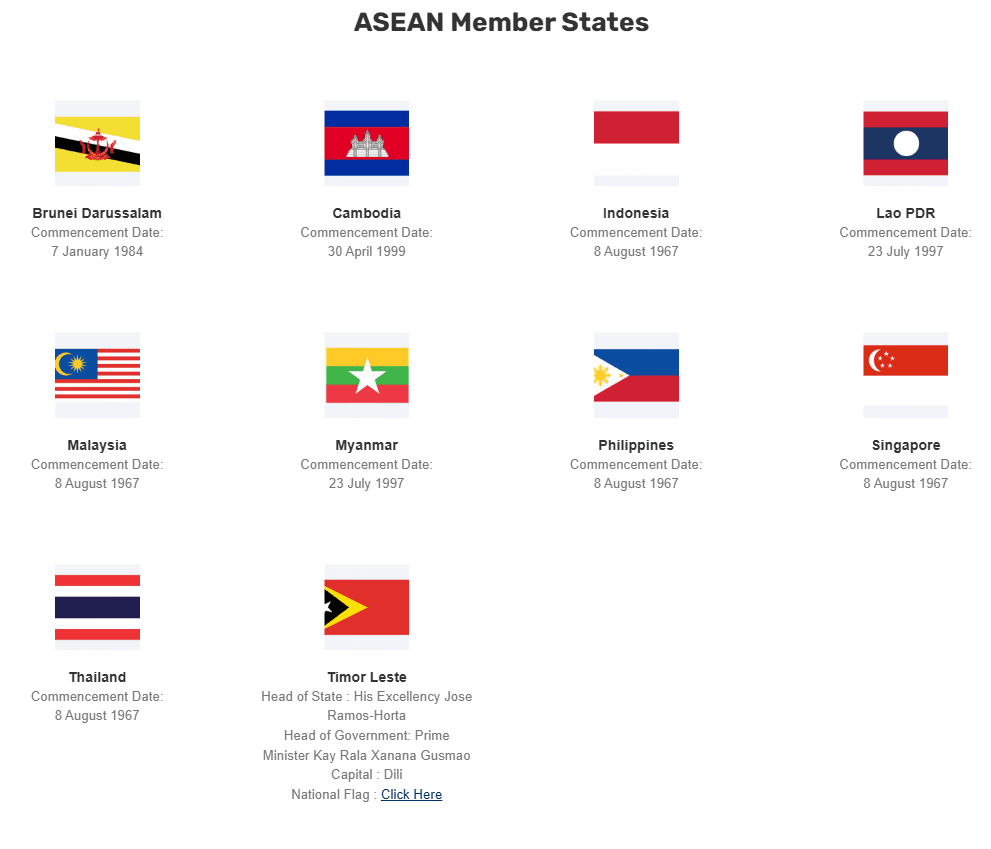
ASEAN: 11-member bloc; founded 1967 Bangkok Declaration; Timor-Leste joined Oct 2025 as newest entrant

Maritime focus: 2026 declared ASEAN–India Year of Maritime Cooperation across Indo-Pacific blue economy and security

Quick Facts for MCQs

Summit Outcomes

  • Plan: Endorsed ASEAN–India Plan of Action 2026–30 implementing 2022 Comprehensive Strategic Partnership
  • Years: Tourism 2025; Maritime Cooperation 2026; Nalanda University Centre for Southeast Asian Studies proposed
  • Heritage: India to host East Asia Summit Maritime Heritage Festival at Lothal plus Maritime Security Cooperation Conference

Economic Angle

  • Trade: ASEAN is India’s 4th largest partner; goods FTA AITGA 2009; bilateral commerce 122.67 billion USD 2023-24
  • Sectors: Cooperation targeted at semiconductors, critical minerals, fintech, clean energy, rare earths, emerging tech
  • Blue economy: 2026 initiatives aim boosting sustainable marine resources, ports, shipping links

Security & Connectivity

  • Indo-Pacific: India reiterated ASEAN Centrality via AOIP aligning with Act East and SAGAR doctrines
  • Defence: Joint maritime exercise 2023 South China Sea; BrahMos missile deal with Philippines symbolises trust
  • Infrastructure: India–Myanmar–Thailand Trilateral Highway cited as key physical link enhancing people goods mobility

Key Data Points

FeatureData-Point
Summit number22nd
Summit host cityKuala Lumpur
Plan of Action span2026 – 2030
2025 tagged asASEAN–India Year of Tourism
2026 tagged asASEAN–India Year of Maritime Cooperation
Newest ASEAN memberTimor-Leste (11th)
ASEAN GDPUSD 3.2 trillion
ASEAN population650 million
India-ASEAN trade 2023-24USD 122.67 billion
ASEAN founding pact1967 Bangkok Declaration

Related UPSC Prelims PYQs

CAPF_GAI, GEO_GS 2026PYQ 1

The 22nd India-ASEAN Summit was held in October 2025 in

CAPF_GAI, GEO_GS 2022PYQ 2

Which of the following statements is/are correct?

GS-3Security

11.UN Convention Against Cybercrime (Cybercrime Treaty)

Indian Express

What & Where

UN Convention against Cybercrime (UNCC): first global criminal-justice treaty on ICT offences; adopted by UNGA Res. 79/243, Dec 2024.

Opened for signature in Hanoi, Oct 2025; 72 of 193 members signed; enters 90 days after 40 ratifications.

Focus: cross-border e-evidence sharing; secretariat & technical aid provided by UNODC.

Quick Facts for MCQs

Legal & Policy

  • Surveillance & data-exchange clauses may clash with Puttaswamy privacy and India’s data-sovereignty stance.
  • Ends 20-year hiatus in global criminal-law treaties governing cyberspace.

India Angle

  • New non-signature mirrors Budapest stance; aims to retain leverage in norm-setting.
  • Rising cybercrime (₹4,800 cr lost Jan–May 2025) increases pressure to engage multilaterally.

Security Dimension

  • Treaty speeds e-evidence, joint probes on hacking, ransomware, online child sexual abuse.
  • UNODC capacity-building promises skill, forensic, legislative support for developing states.

Key Data Points

FeatureData-Point
Alternate nameConvention on Cybercrime: Strengthening International Cooperation
Drafting agencyUN Office on Drugs and Crime
Opening venue & yearHanoi, 2025
Opening-day signatures72
Ratification threshold40 instruments
Entry-into-force gap90 days
Implementation monitorConference of the States Parties
SecretariatUNODC
India’s status (Oct 2025)Not signed
NCRB cybercrime cases 202386,420 (↑31.2 %)

Related UPSC Prelims PYQs

GS1 2019PYQ 1

निम्नलिखित कथनों पर विचार कीजिए :

GS-2Scheme

12.Nutrient Based Subsidy Scheme (Fertilizer Subsidy)

PIB

What & Where

Scheme: Nutrient Based Subsidy (NBS) for phosphatic & potassic fertilizers across India

Mechanism: Cabinet-fixed subsidy per kg of N, P, K, S nutrients replacing product-wise support

Governance: Run by Department of Fertilizers, Ministry of Chemicals & Fertilizers

Quick Facts for MCQs

Tech & Schemes

  • Subsidy: seasonal rate fixation, same across firms, disbursed directly to companies after sale
  • Pricing: firms free to set MRP, Centre monitors compliance, barcode-based tracking improving transparency
  • Exception: urea follows separate New Urea Policy with energy norms and fixed consumer price

Economic Angle

  • Fiscal: predictable outgo, avoids open-ended reimbursements, encourages industry cost efficiency
  • Affordability: cushions farmers from global phosphatic rock and potash price spikes
  • Competition: decontrolled MRP spurs product diversification and logistics optimisation

Agriculture & Soil

  • Balance: incentivises correct N:P:K:S ratio, curbs nitrogen overuse linked to urea subsidy
  • Soil health: promotes site-specific nutrient management improving long-term productivity
  • Outcome: supports national target of sustainable, resource-efficient agriculture

Key Data Points

FeatureData-Point
Launch date1 April 2010
Coverage28 P&K fertilizer grades
Subsidy basisNutrient content (₹ per kg of N, P, K, S)
Current exceptionUrea under statutory price control
Urea MRP₹242 per 45 kg bag since Mar 2018
Implementing armDepartment of Fertilizers
Latest approvalNBS rates for Rabi 2025-26 season
Special support clauseExtra package possible for DAP price stability

Related UPSC Prelims PYQs

CDS_GK 2020PYQ 1

As per the Budget Estimates of expenditure on major subsidies during 2019–20, the maximum expenditure was likely to be on

GS-2SchemeQuick Bite

13.SNAP Food Aid Program (Food Aid Program)

Indian Express

What & Where

Supplemental Nutrition Assistance Program (SNAP) – largest US food-aid, reloadable cards for groceries, now facing funding halt.

Public Distribution System (PDS) – India’s subsidised grain supply mechanism under National Food Security Act 2013.

Coverage span – SNAP: 40 million Americans; PDS: ≈67 % Indians (2011 Census).

Quick Facts for MCQs

International Examples

  • USA SNAP largest federal nutrition aid; India parallels PDS for staple grain security.
  • Beneficiary scale: USA 40 million; India ≈813 million under NFSA.
  • Delivery difference: SNAP cash-value; PDS in-kind grain distribution.

Legal & Policy

  • NFSA 2013 mandates subsidised grains via PDS; legal right to food.
  • US budget constraints triggering SNAP stoppage, despite Farm Bill framework.
  • Policy shift in SNAP part of broader welfare rollback debate.

Tech & Schemes

  • E-Debit cards enable cashless SNAP purchases, including online groceries.
  • Poshan Abhiyan employs ICDS digital dashboards for maternal-child nutrition tracking.
  • PDS ePoS devices enhance beneficiary authentication and curb leakages.

Key Data Points

FeatureData-Point
SNAP modalityReloadable debit cards
SNAP beneficiaries40 million+ persons
SNAP status (2025)Aid halted; funding shortage & policy shifts
PDS governing lawNational Food Security Act 2013
PDS coverage≈67 % of Indian population
Grain types via PDSWheat, rice, coarse grains
Convergence schemePoshan Abhiyan

Related UPSC Prelims PYQs

CDS_GK, GS1 2004PYQ 1

Which one of the following statements is NOT correct?

CDS_GK, GS1 2020PYQ 2

Which one of the following statements with regard to the National Food Security Act is not correct?

GS-1Editorial

14.India Elderly Demographics (Elderly Welfare)

PIB

What & Where

Ageing transition: Indians aged 60+ rising from 100 mn (2011) to 230 mn (2036)

Definition: Elderly = citizens aged 60 years and above (National Policy)

Geography: Kerala tops share 23 % by 2036; Uttar Pradesh shows fastest numeric growth

Quick Facts for MCQs

Government Schemes

  • APY: unorganised pension ₹1 k–₹5 k; 8.27 cr target 2025
  • NPHCE: geriatric healthcare active in 713 districts
  • SAGE & SACRED: boost elder-care start-ups, re-employment for 60+

Challenges

  • Health: rising NCDs; scarce geriatric wards & mental-health services
  • Income: narrow pension net; high care costs hurt rural widows
  • Social: joint-family decline; digital divide fuels isolation

Way Ahead

  • Silver-economy: PPPs for assistive tech, insurance, senior housing
  • Healthcare: geriatric wards in districts; telemedicine via Ayushman Bharat
  • Social-security: universal pension; trained caregivers under NISD

Key Data Points

FeatureData-Point
Senior share 202112 %
Projected number 2036230 mn (15 %)
Projected number 2050319 mn
Elderly sex ratio1 065 ♀/1 000 ♂
Women among elderly58 %
Widows among elderly women54 %
Dependency ratio62/100 workers
Highest share state 2036Kerala 23 %
Fastest growth stateUttar Pradesh

Related UPSC Prelims PYQs

GS1 2008PYQ 1

What is the approximate percentage of persons above 65 years of age in India's current population?

GS1 2008PYQ 2

Consider the following statements with reference to Indira Gandhi National Old Age Pension Scheme (IGNOAPS):

Ready to practice?

Test your knowledge with our UPSC test series.

Start Free Trial