UPSC Current Affairs

12 topicsGS-1: 3GS-2: 3GS-3: 6
0/12 done
GS-2Polity

1.Supreme Court on Social Media Regulation (Social Media Regulation)

The Hindu

What & Where

Social-media influencer speech: monetised online expression overlapping free, commercial, prohibited categories

Supreme Court India 2025 case on derogatory humour prompting regulatory guidelines call

Coverage entire Indian digital ecosystem; executive to consult National Broadcasters and Digital Association

Quick Facts for MCQs

Judicial Observations

  • Commercialisation flagged; free speech cannot vilify disabled, women, minorities
  • Humour separated from dignity; derogatory jokes seen as stigma drivers
  • Court demanded enforceable rules, unconditional influencer apologies

Existing Legal Provisions

  • IT Act 2000 gives safe harbour yet empowers content blocking for security
  • Intermediary Rules 2021 mandate user safety, unlawful content takedown
  • 2023 amendment on false Govt content presently SC-stayed

Regulatory Need

  • Protection imperative for vulnerable groups against cyberbullying, hate, exploitation
  • Transparency needed in paid promotions to guard consumers
  • Misinformation control essential for public order and national security

Implementation Challenges

  • Volume and anonymity hamper swift moderation and enforcement
  • Subjectivity in harm definitions fuels censorship fears
  • Cross-border origin of content limits domestic jurisdiction powers

Key Data Points

FeatureData-Point
Supreme Court observation dateAug 2025
Key statuteInformation Technology Act 2000
Safe-harbour clauseSection 79(1)
Blocking powerSection 69A
Struck-down provisionSection 66A (2015)
Intermediary Rules notified2021
Amendment on Govt misinformation2023 (enforcement stayed)
Guideline consultative bodyUnion Govt + NBDA
GS-3Editorial

2.GST Revenue Loss Compensation Debate (GST Compensation)

The Hindu

What & Where

Proposal: shift GST to two slabs—5% (lower) & 18% (standard); retain ~40% for sin/luxury goods.

Geography: applies nationwide across India, impacting both Union and State fiscal positions.

Objective: simplify structure, align average GST to ~10%, boost global manufacturing competitiveness.

Quick Facts for MCQs

Economic Angle

  • Competitiveness: 10% average rate parallels advanced economies, aids “Make in India” attractiveness.
  • Consumption: lower taxes on essentials/durables expected to widen formal market, enhancing long-run buoyancy.
  • Fiscal cost: Centre faces immediate 0.2–0.3 % GDP revenue sacrifice.

Federal Finance

  • Asymmetry: industrial States reliant on higher slabs endure 3–4 % monthly GST hit; agrarian States marginal impact.
  • Trust: absence of automatic compensation may strain GST Council consensus, recalling 2017 political bargain.
  • Vulnerability: urban-tax-dependent Karnataka cited as prone to development-spend cuts.

Compensation Debate

  • Pro-aid: fairness, fiscal stability, global precedent of transitional support; ~₹45,000 crore FY 2026 gap highlighted.
  • Anti-aid: moral hazard, fiscal unsustainability, five-year window already elapsed.
  • Middle path: time-bound, performance-linked, State-specific relief via contingency pool.

Policy Options

  • Stabilisation-Fund: dedicate slice of GST to flexible pool under Council oversight.
  • Selective-Support: prioritise manufacturing States, avoid blanket payouts.
  • Compliance-Link: tie aid to e-invoicing adoption and leakage reduction.

Key Data Points

FeatureData-Point
Present weighted-average GST rate~11.5%
Targeted average post-reform rate~10%
Estimated annual revenue dip₹60,000–1,00,000 crore (0.2–0.3 % of GDP)
First partial-year loss (FY 2025-26)~₹45,000 crore
Original compensation windowJuly 2017 – June 2022
States most exposedMaharashtra, Karnataka, Tamil Nadu
Items moving 28%→18%Appliances, electronics, select durables
Example State toolKerala Flood Cess, 2019

Related UPSC Prelims PYQs

CDS_GK, GS1 2017PYQ 1

वस्तु एवं सेवा कर (Goods and Services Tax/GST) के क्रियान्वयन हेतु निम्नलिखित संभावित लाभ क्या है/हैं ?

CDS_GK, GS1 2024PYQ 2

Which one of the following statements regarding GST is not correct?

GS-3Editorial

3.Energy Sovereignty Imperatives (Energy Security)

The Hindu

What & Where

Energy sovereignty – national capability to secure uninterrupted, affordable energy without external coercion.

Five Indian levers – coal gasification + CCUS, biofuels, nuclear, green hydrogen, pumped-hydro storage.

Import hotspot geography – 85 % crude, 50 % gas; flows dominated by West Asia & Russia (35-40 % share).

Quick Facts for MCQs

Security Dimension

  • West Asia conflict; 20 mb/d Strait of Hormuz flows, crude risk > $100/bbl.
  • Russia dependence; sanctions or price cap disruption threaten 35–40 % supply.
  • Strategic reserves shortfall; 13-day gap vis-à-vis IEA norm weakens crisis buffer.

Economic Angle

  • Import bill; USD 170 bn widens CAD, strains forex.
  • Rupee depreciation; energy spikes raise inflation, cut fiscal space.
  • Carbon border taxes; EU CBAM could erode export competitiveness.

International Examples

  • 1973 embargo; prices x4, spurred strategic reserves, efficiency laws.
  • 2011 Fukushima; nuclear pullback revived coal/gas, raising emissions lesson.
  • 2021 Texas freeze; over-optimised gas + wind failed under extreme cold.

Tech & Schemes

  • Technology gaps; 80 % electrolyser parts imported, no indigenous SMR design.
  • National Green Hydrogen Mission; 5 MMT/yr target, supply-chain localisation push.
  • SATAT programme; CBG plants offer rural income, import substitution.

Key Data Points

FeatureData-Point
Crude import dependence85 % of consumption
Natural gas import dependence50 %
FY24 oil + gas import billUSD 170 bn
Share in merchandise imports25 %
Russian crude share (post-2022)35–40 %
Current strategic reserve cover77 days
IEA reserve benchmark90 days
Green-transition funding needUSD 10 trn by 2070
Nuclear installed capacity8.8 GW
Ethanol transfer to farmers₹92,000 cr (till 2024)

Related UPSC Prelims PYQs

GS1 2019PYQ 1

निम्नलिखित कथनों पर विचार कीजिए :

GS1 2012PYQ 2

Despite having large reserves of coal, why does India import millions of tonnes of coal?

GS-3Infrastructure

4.Digital Connectivity Rating Framework (Telecom Regulation)

LiveMint
Illustration for Digital Connectivity Rating Framework (Telecom Regulation)

What & Where

Digital Connectivity Rating: TRAI-framed system assessing in-building telecom quality via 1–5 star scores.

Process: Eight TRAI-approved Digital Connectivity Rating Agencies audit coverage, strength, reliability using 2025 Assessment Manual.

Geography: Applicable across Indian residential, commercial and high-rise structures; TRAI headquartered New Delhi.

Quick Facts for MCQs

Legal & Policy

  • Framework derives from TRAI 2024 Regulations; first in India to mandate digital readiness disclosure.
  • Agencies act under five-year licences, renewable on performance compliance.
  • Ratings integrate with urban-planning approvals, nudging statutory compliance.

Consumer Rights

  • Star labels aid tenants, buyers in comparing signal quality before lease or purchase.
  • Enhances grievance redressal by quantifying indoor service standards.
  • Empowers users amid upcoming 5G-IoT ecosystem.

Tech & Schemes

  • Metrics include signal strength, coverage uniformity, network reliability, cabling architecture.
  • Designed to be forward-compatible with 6G, AI-driven networks and massive IoT density.
  • Complements BharatNet, 5G rollout and Smart City ICT layers.

Economic Angle

  • Developers incentivised to invest in telecom ducts, neutral-host DAS to secure higher stars.
  • Higher ratings expected to command rental/valuation premium in dense urban markets.
  • Spurs infra vendors, consultancy and testing labs, creating new service sub-sector.

Key Data Points

FeatureData-Point
RegulatorTelecom Regulatory Authority of India (1997 Act)
Regulation notified2024
Agencies approved8 (Ardom Towergen, Crest Digitel, CTL Infocom, ESTEX Telecom, Frog Cellsat, Phistream, Shaurrya, TUV SUD South Asia)
Registration validity5 years from 27 Aug 2025
Assessment guide release13 Aug 2025
Rating scale1–5 stars
Coverage scopeHomes, offices, malls, high-rises
Core objectivesTransparency, consumer choice, competition among developers, 5G/6G readiness
Supporting missionsDigital India, Smart Cities
TRAI current focusBroadband, data privacy, connectivity ratings

Related UPSC Prelims PYQs

ESE_GS 2026PYQ 1

The Samriddh Gram Phygital Services Pilot Project was recently launched by which organization?

GS-1History

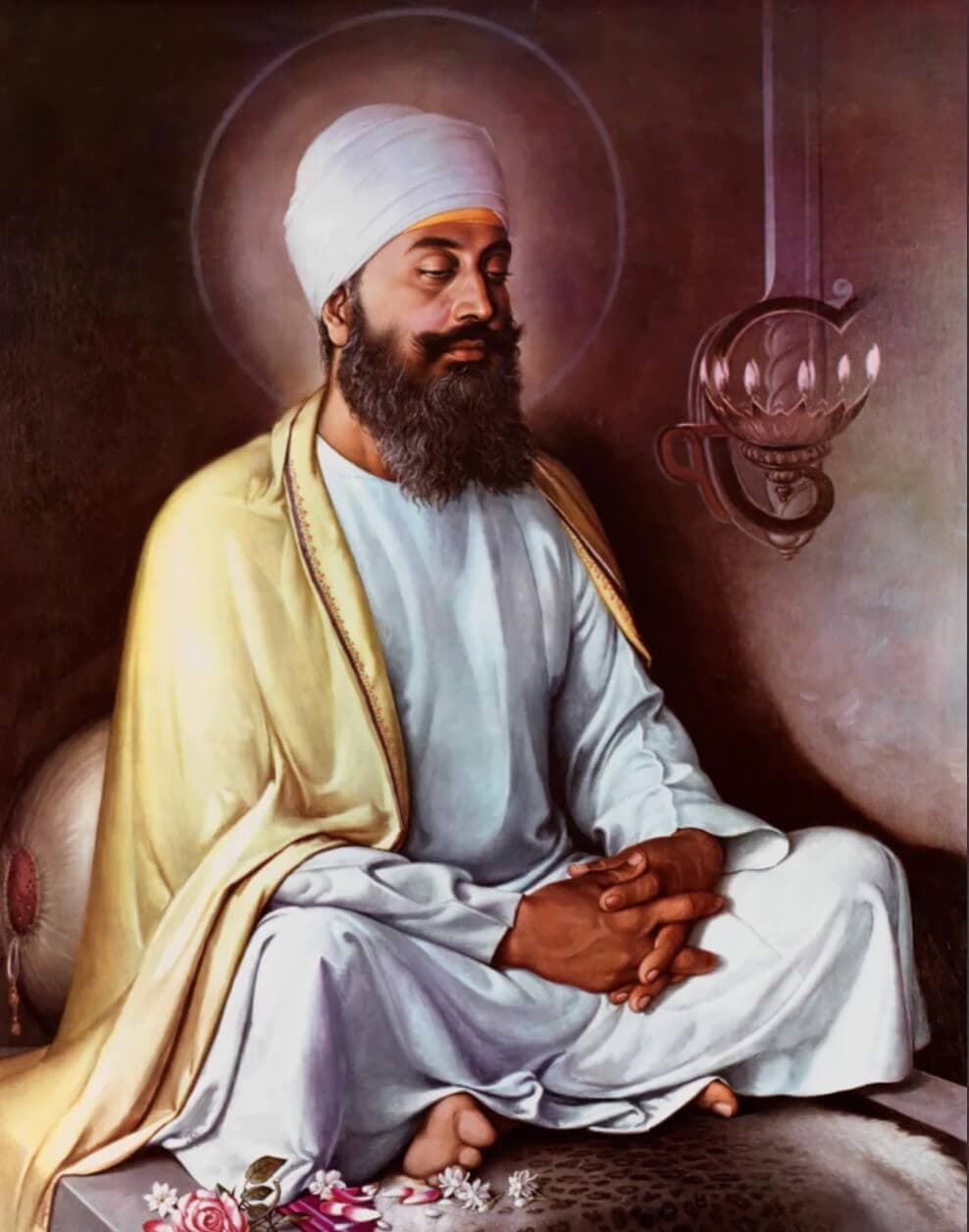
5.Guru Tegh Bahadur Legacy (Sikh Gurus)

NOA
Illustration for Guru Tegh Bahadur Legacy (Sikh Gurus)

What & Where

350th Martyrdom Day of Guru Tegh Bahadur, ninth Sikh Guru, observed across India in 2025-26.

Indian Railways plans special trains, cultural shows, heritage circuits linking Delhi, Amritsar, Anandpur Sahib.

Historic martyrdom site: Chandni Chowk (Delhi); key legacy town: Anandpur Sahib, Punjab.

Quick Facts for MCQs

Historical Profile

  • Childhood training included martial arts, scriptures, music, deep meditation.
  • Fought alongside father in early battles, instilling bravery and seva ethos.
  • Later settled at Bakala, lived austerely while guiding devotees.

Teachings & Philosophy

  • Emphasised spiritual strength over material wealth, universal equality before God.
  • Advocated religious freedom, offered life to protect faith choice rights.
  • Hymns incorporated into Guru Granth Sahib, spreading message across regions.

Legacy & Impact

  • Sacrifice catalysed Sikh militarisation under son Guru Gobind Singh.
  • Revered nationwide as symbol of human rights, religious tolerance, moral courage.
  • Annual Gurudwara Sis Ganj Sahib observances attract multi-faith participation.

Commemoration & Outreach

  • Railways to run theme-decorated trains, exhibitions, on-board kirtans.
  • Heritage circuits to spotlight sites linked to ninth Guru’s life and martyrdom.
  • Cultural programs aim to educate youth on constitutional values of freedom of conscience.

Key Data Points

FeatureData-Point
Guru rankNinth Guru of Sikhism
Birthdate1 April 1621
BirthplaceAmritsar, Punjab
FatherGuru Hargobind Ji
Honorific titleHind Di Chadar (Protector of India)
Martyrdom year1675
Martyrdom placeDelhi (Chandni Chowk)
Key adversaryMughal policy of forced conversions
Saved communityKashmiri Pandits
Founded townAnandpur Sahib
Core virtues taughtCompassion, humility, equality
Commemorating body 2025-26Indian Railways
GS-1Mapping

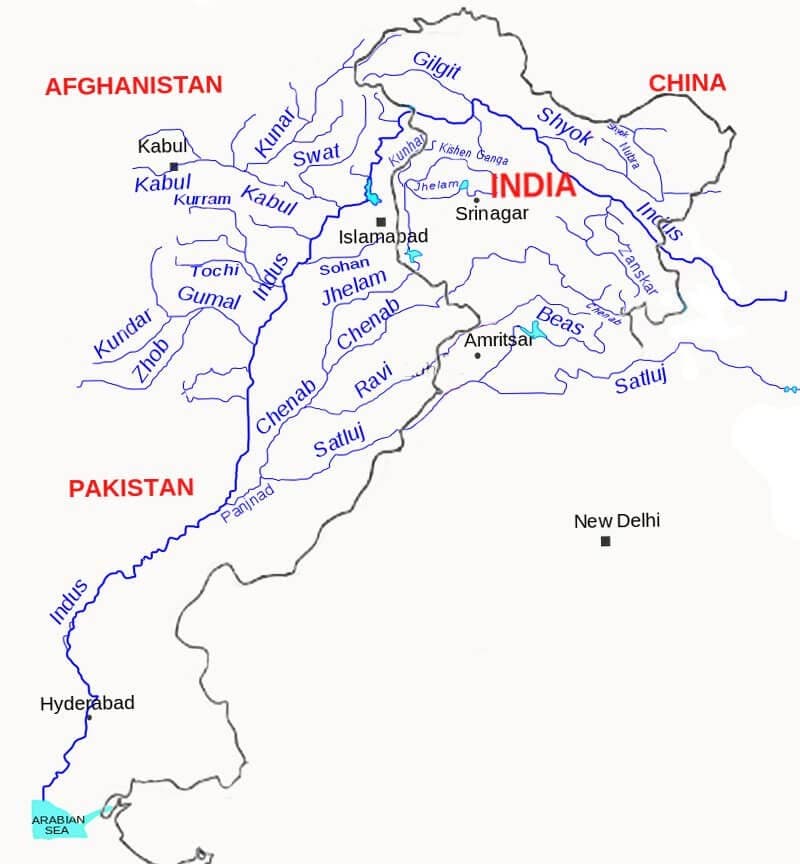
6.Ravi River Overview (Indian Rivers)

The Hindu
Illustration for Ravi River Overview (Indian Rivers)

What & Where

Eastern Indus-basin river allocated to India under 1960 Indus Waters Treaty.

Rises near Bara Bhangal (Chamba, Himachal Pradesh); flows through HP → Punjab → J&K, enters Pakistan at Narowal.

Merges with Chenab near Ahmadpur Sial after forming short India-Pakistan boundary.

Quick Facts for MCQs

Legal & Policy

  • Treaty: 1960 Indus Waters Treaty grants India exclusive Ravi use.
  • Boundary: River forms brief international border segment before Pakistan entry.
  • Allocation enables India irrigation, hydropower within stipulated limits.

Infrastructure & Projects

  • Ranjit Sagar Dam: hydropower and irrigation storage on Ravi.
  • Shahpur Kandi Project: downstream regulation, additional irrigation to Punjab & J&K.
  • Chamera I-III plants: harness upper Himalayan gradient for power.

Environmental Impact

  • Flooding: Monsoonal surges inundate Narowal–Shahdara, as seen at Kartarpur Corridor.
  • Hydrology: Snowmelt coupled with intense rainfall escalates July–Sept peak flows.
  • Soils: Periodic floods enrich Doab alluvium but erode sub-mountain tracts.

Cultural & Historical

  • Sikh heritage: Gurdwara Darbar Sahib, Kartarpur sits on Ravi’s floodplain.
  • Riverine corridor: Historical trade and pilgrim route linking Punjab heartland.
  • Name etymology: Ancient Iravati/Parushni in Vedic texts, seat of early civilizations.

Key Data Points

FeatureData-Point
Treaty allocationOne of three eastern Indus rivers
States in IndiaHimachal Pradesh, Punjab, Jammu & Kashmir
Pakistani provincePunjab (Narowal–Shahdara–Lahore belt)
Source locationBara Bhangal, Chamba region
Major right tributariesBudhil, Baira, Siul
Major left tributariesUjh, Basantar, Sewa
Peak discharge monthsJuly–September (monsoon)
Key damRanjit Sagar (Thein)
Main canal off-takeUpper Bari Doab Canal via Madhopur Headworks
Proposed projectUjh Multipurpose (J&K)
Climate feedSnowmelt + monsoon rainfall
Soil type downstreamAlluvial Doab plains

Related UPSC Prelims PYQs

GS1, NDA_GAT 2021PYQ 1

River Beas, flowing from Himachal and Punjab, joins the river

GS1, NDA_GAT 2009PYQ 2

Which one of the following rivers does not originate in India ?

GS-3Environment

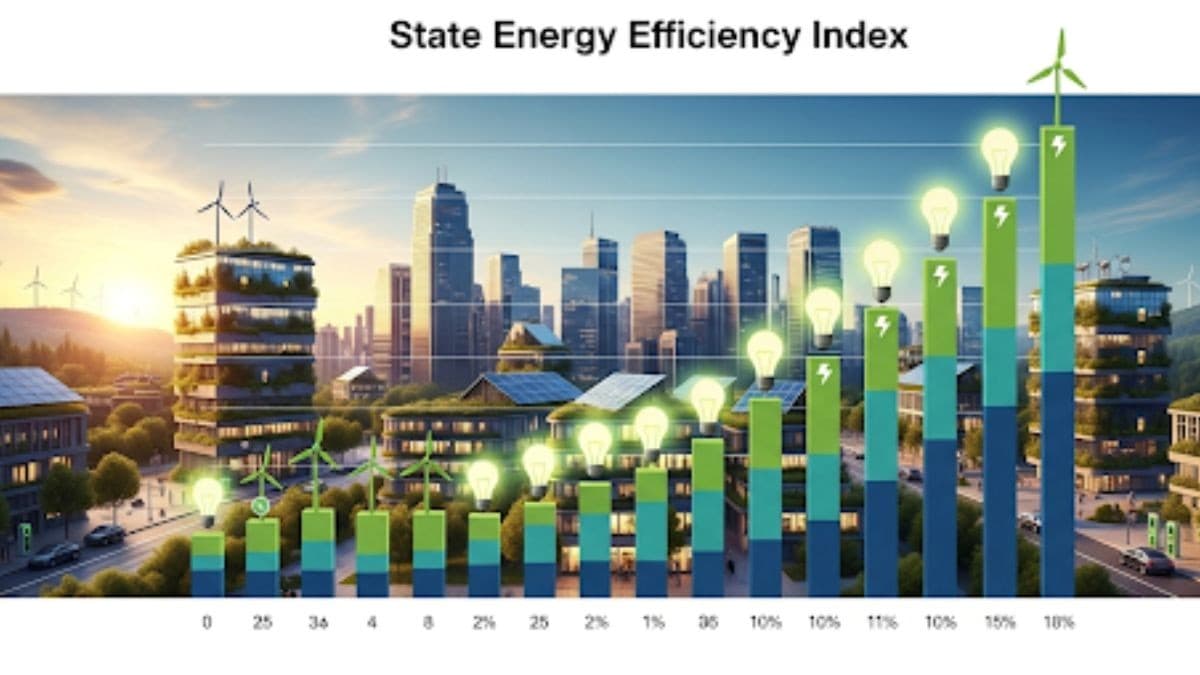
7.State Energy Efficiency Index 2024 (Energy Efficiency)

DD News
Illustration for State Energy Efficiency Index 2024 (Energy Efficiency)

What & Where

Composite index benchmarking energy-efficiency progress of all Indian States/UTs.

Developed by Bureau of Energy Efficiency and Alliance for an Energy Efficient Economy.

Sixth edition (SEEI 2024) released 29 Aug 2025; covers FY 2023-24 data for 36 States/UTs.

Quick Facts for MCQs

Performance Highlights

  • Ranking: Maharashtra, Andhra Pradesh, Assam, Tripura lead respective consumption groups.
  • Category thresholds fixed to spur competition and policy innovation.

Sectoral Measures

  • ECBC2017 adoption hits two-thirds of states, strengthening building efficiency.
  • Electric-mobility policies active in 31 states, signalling transport decarbonisation push.
  • Solar agricultural pumps promoted in 13 states; Kerala tops at 74 % conversion.

Institutional Background

  • BEE: statutory body under Energy Conservation Act 2001; operational since March 2002.
  • Functions: star labelling, codes, SEEI coordination, climate-goal support.
  • Nodal ministry: Ministry of Power.

Policy Alignment

  • All 36 jurisdictions submitted State Energy Efficiency Action Plans (SEEAPs).
  • Index framed to align sub-national efforts with India’s net-zero 2070 commitment.

Key Data Points

FeatureData-Point
Launch year2018
Current edition6th (SEEI 2024)
DevelopersBEE + AEEE
Release date29 Aug 2025
States/UTs assessed36
Indicators used66
Sectoral scopeBuildings, Industry, Transport, Agriculture, DISCOMs, Municipal, Cross-sector
Performance bandsFront Runner > 60 %; Achiever 50–60 %; Contender 30–50 %; Aspirant < 30 %
Top performer > 15 MToEMaharashtra
Top performer 5–15 MToEAndhra Pradesh
Top performer 1–5 MToEAssam
Top performer < 1 MToETripura
States with ECBC 2017 notified24
States with e-mobility policy31
States promoting solar agri pumps13 (Kerala 74 % adoption)
All SEEAPs prepared36 States/UTs

Related UPSC Prelims PYQs

GEO_GS 2023PYQ 1

According to the Climate Change Performance Index (CCPI), 2023, India climbed two spots to rank

GS-3S&T

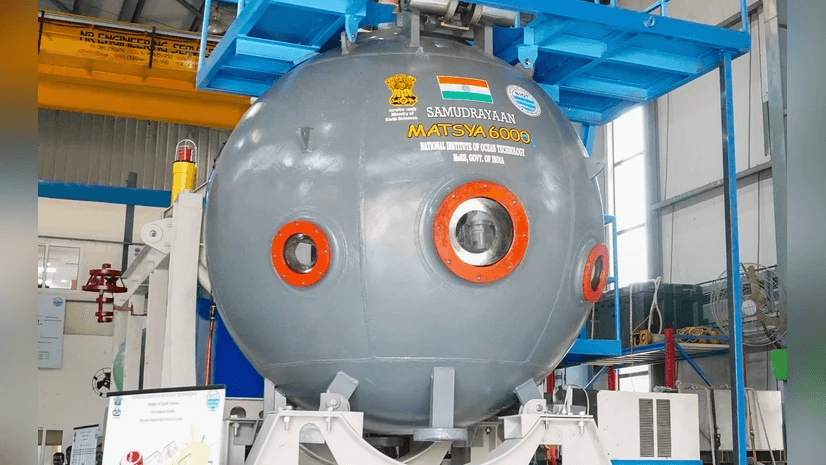
8.Samudrayaan Deep Sea Mission (Deep Sea Mission)

Indian Express
Illustration for Samudrayaan Deep Sea Mission (Deep Sea Mission)

What & Where

Samudrayaan – first Indian human deep-sea mission under Deep Ocean Mission, targets 6,000 m dive by 2027.

Vehicle Matsya-6000 – titanium spherical submersible carrying three aquanauts, 12 h normal and 96 h emergency endurance.

Exploration zone – Central Indian Ocean Basin polymetallic-nodule area allocated by International Seabed Authority.

Quick Facts for MCQs

Tech & Schemes

  • Submersible uses Li-Po batteries, acoustic comms, drop-weight escape, wearable biovests for crew health.
  • Ocean Mineral Explorer AUV mapped 14 km² at 5,271 m in 2022 Central Indian Ocean Basin.
  • Deep Ocean Mission funds OTEC desalination pilots and advanced marine station incubators.

Strategic & Security

  • Capability places India with US, Russia, China, Japan, France in manned deep-sea club.
  • Mission readies India for forthcoming International Seabed Authority commercial mining code.
  • Deep-sea tech strengthens maritime domain awareness and subsea resource security.

Blue Economy

  • Mission supports fisheries, shipping, biotech, tourism via ocean data and resource mapping.
  • Ocean Climate Change Advisory Service issues seasonal-to-decadal forecasts aiding coastal planning.
  • Bioprospecting of deep-sea microbes targets pharmaceuticals and industrial enzymes.

Progress Timeline

  • 2021 Cabinet nod; Matsya-6000 pressure hull tested to 500 bar laboratory.
  • 2024 Indian aquanauts undertook Nautile dive in Atlantic for mission training.
  • 2027 planned crewed 6 km dive to mark mission culmination.

Key Data Points

FeatureData-Point
Parent ministryMinistry of Earth Sciences
Deep Ocean Mission span2021 – 2026 (5 yrs)
Target depth6,000 m ≈ 600 bar
Submersible nameMatsya-6000
Crew capacity3 aquanauts
Hull materialTitanium alloy
Emergency life support96 h
External temp tolerance–3 °C
Key collaboratorsNIOT + VSSC + MoES
Resource focusPolymetallic nodules (Mn, Fe, Co, Ni, REE)
Recent training diveNautile submersible, Atlantic Ocean

Related UPSC Prelims PYQs

CDS_GK, NDA_GAT 2024PYQ 1

Consider the following statements about INS Sagardhwani:

CDS_GK, NDA_GAT 2024PYQ 2

Which of the following statements is not correct?

GS-2Polity

9.Shanghai Cooperation Organization Summit 2025 (Regional Organisation)

Hindustan Times
Illustration for Shanghai Cooperation Organization Summit 2025 (Regional Organisation)

What & Where

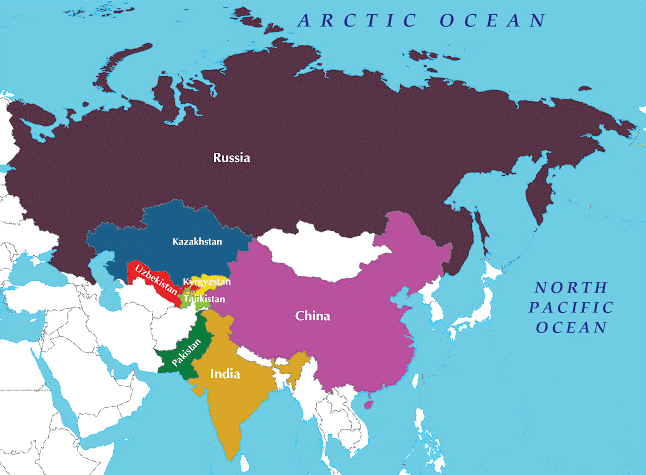
Regional intergovernmental body for political, economic, security cooperation across Eurasia

Born 2001 in Shanghai from 1996 “Shanghai Five” framework

Secretariat Beijing; 25th Heads-of-State Summit slated Tianjin, China, 31 Aug 2025

Quick Facts for MCQs

Membership & Structure

  • Members10: Belarus, India, Iran, Kazakhstan, China, Kyrgyzstan, Pakistan, Russia, Tajikistan, Uzbekistan
  • Observers2: Afghanistan, Mongolia; Dialogue partners: Turkey, Sri Lanka, Nepal, Egypt, Saudi Arabia, Qatar
  • Secretariat Beijing; RATS centre Tashkent; apex decision body Heads-of-State Council annually

Objectives & Principles

  • Goals: regional peace, stability, multipolarity, non-interference in internal affairs
  • Security focus: combat terrorism, separatism, extremism—Three Evils doctrine
  • Economic aim: boost connectivity, trade integration, energy cooperation, digital economy, sustainable growth

Key Initiatives

  • RATS: anti-terror intelligence sharing, joint exercises, training programs
  • Peace Mission: annual multinational drills enhance counter-terror interoperability
  • Proposal: SCO Development Bank to fund infrastructure, energy, connectivity projects

2025 Tianjin Summit

  • Date 31 Aug 2025; host China fifth time; venue Tianjin
  • Agenda: adopt Development Strategy 2025-35, review 25-year milestones, advance security, trade, climate action
  • Participation expected: 20+ world leaders and 10 heads of international organisations

Key Data Points

FeatureData-Point
Founded2001, Shanghai
PrecursorShanghai Five (1996)
HeadquartersBeijing, China
Members (2025)10 countries
Latest entrantBelarus, 2025
Observer statesAfghanistan, Mongolia
Dialogue partnersTurkey, Sri Lanka, Nepal, Egypt, Saudi Arabia, Qatar
RATS locationTashkent, Uzbekistan
25th Summit date31 Aug 2025
Summit cityTianjin, China
Summit theme“Upholding the Shanghai Spirit: SCO on the Move”
Ten-year planDevelopment Strategy 2025–2035

Related UPSC Prelims PYQs

CDS_GK 2024PYQ 1

शांघाई सहयोग संगठन (SCO) के संबंध में निम्नलिखित में से कौन-सा/कौन-से कथन सही है/हैं?

CDS_GK 2024PYQ 2

Consider the following statements about the Shanghai Cooperation Organisation (SCO):

GS-2Environment

10.India Japan Joint Crediting Mechanism (Carbon Markets)

PIB
Illustration for India Japan Joint Crediting Mechanism (Carbon Markets)

What & Where

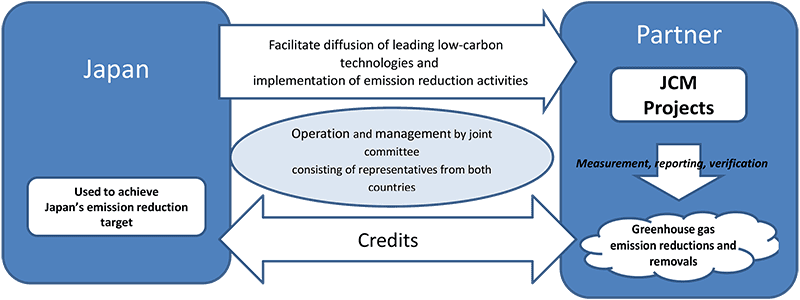
Initiative: Japan’s Joint Crediting Mechanism; bilateral carbon-market tool sharing emission-reduction credits.

Geography: Operational in developing nations; India joined through 2024 MoC with Japan.

Process: Projects install Japanese low-carbon tech; verified cuts split between host and Japan.

Quick Facts for MCQs

Legal & Policy

  • Instrument: First-of-its-kind Indo-Japan MoC on low-carbon cooperation.
  • Compliance: Credits count toward both nations’ NDCs without double counting.
  • Oversight: Joint committee to approve, monitor, and verify projects.

Tech & Schemes

  • Transfer: High-efficiency renewables, smart grids, energy-saving machinery.
  • Capacity: Training modules for Indian operators on Japanese climate tech.
  • Localisation: Clause to manufacture select components in India.

Economic Angle

  • Investment: Japanese finance mobilised for green projects and infrastructure corridors.
  • Jobs: Domestic manufacturing and O&M roles in solar, wind, efficiency sectors.
  • Market: Creates tradable carbon units enhancing India’s emerging carbon exchange.

Environmental Impact

  • Mitigation: Supports faster decarbonisation of power, transport, industry.
  • Adaptation co-benefits: Cleaner air, reduced fossil-fuel imports.
  • Leadership: Strengthens India’s profile as proactive global climate market player.

Key Data Points

FeatureData-Point
Launching countryJapan
Legal basisArticle 6.2, Paris Agreement
Indian nodal bodyNational Designated Authority for Carbon Markets
MoC signed2024, New Delhi
CoverageEquipment, machinery, systems, infrastructure localisation
NDC emission-intensity goal45 % cut by 2030 (vs 2005)
Non-fossil power target50 % installed capacity by 2030
Planned carbon sink2.5–3 billion t CO₂ via afforestation

Related UPSC Prelims PYQs

GS1 2009PYQ 1

In the context of CO₂ emission and Global Warming, what is the name of a market-driven device under the UNFCCC that allows developing countries to get funds/incentives from the developed countries to adopt better technologies that reduce greenhouse gas emissions ?

GS1 2008PYQ 2

Consider the following statements:

GS-3Security

11.Tri Service Joint Doctrines (Joint Doctrines)

Hindustan Times

What & Where

Joint doctrines: Special Forces Ops, Airborne & Heliborne Ops, Multi-Domain Ops; released by Chief of Defence Staff, India.

Purpose: integrate Army, Navy, Air Force capabilities across land, sea, air, space, cyber, cognitive domains.

Coverage: Indian territory and out-of-area contingencies; applies to Para SF, MARCOS, Garud and airborne formations.

Quick Facts for MCQs

Security Dimension

  • MDO doctrine integrates six domains ensuring compressed decision loops and resilient battlefield networks
  • Airborne-Heliborne doctrine readies forces for grey-zone to high-intensity conflict escalation ladders
  • Special Forces doctrine prescribes joint precision-guided support, electronic-warfare cover, night/adverse-weather insertion

Institutional Framework

  • CDS created for tri-service jointness, highest uniformed advisor to Defence Minister
  • JsSTIs earmarked as Centres of Excellence to standardise commando curricula, tactics, equipment
  • CDS chairs COSC, aligning procurement and doctrine through Defence Acquisition Council participation

Training & Capability

  • Advanced joint training stresses integrated simulators, UAV feed sharing, data-linked targeting
  • Airborne doctrine emphasises synchronized heli-lift, airspace control, precision airdrop logistics
  • Doctrines target seamless interoperability, reducing service-specific silos, enhancing rapid response

Key Data Points

FeatureData-Point
Release date30 Aug 2025
Releasing authorityChief of Defence Staff (CDS)
Doctrines countThree joint doctrines
Special Forces coveredPara SF, MARCOS, Garud
Training hubsJoint Service Training Institutes (JsSTIs) as Centres of Excellence
Domains in MDOLand, Sea, Air, Space, Cyber, Cognitive
CDS additional rolesPermanent Chairman COSC; head Department of Military Affairs; member Defence Acquisition Council

Related UPSC Prelims PYQs

CAPF_GAI, GS1 2024PYQ 1

सैन्य कार्य विभाग के प्रमुख के रूप में चीफ ऑफ डिफेंस स्टाफ (CDS) के कर्तव्य कौन-से हैं ?

CAPF_GAI, GS1 2025PYQ 2

Which one among the following statements about the Department of Defence (DoD) is not correct?

GS-1Polity

12.Civil Society Organizations India (Civil Society)

The Hindu
Illustration for Civil Society Organizations India (Civil Society)

What & Where

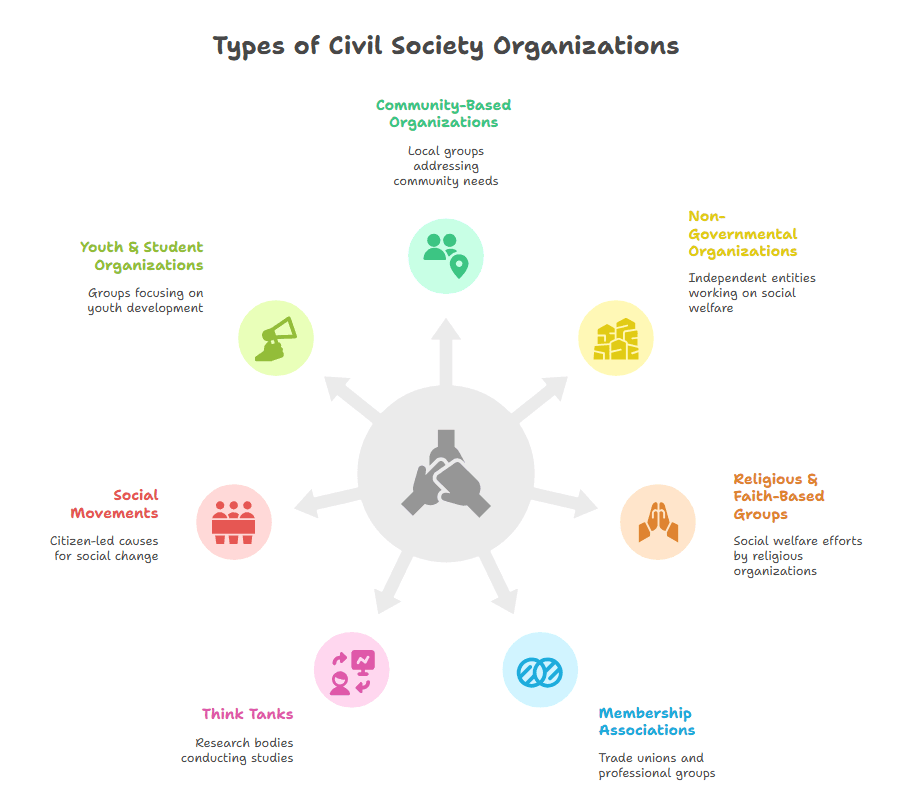
Definition : Non-state, non-profit voluntary associations working toward shared social, cultural, ethical goals

Key forms : Society (1860), Public/Private Trust (1882), Section 8 Company (2013) registration routes

Geography : ~1.5 million NGOs across India engaging >19 million volunteers and staff

Quick Facts for MCQs

Evolution

  • Ancient inspiration rooted in religious philanthropy and social reform cultures
  • 1965-67 drought brought foreign-aid NGOs, altering funding and professionalising sector
  • Current phase shifted from welfare to rights agenda covering RTI, RTE, MGNREGA, health

Legal & Policy

  • Registration options under Societies Act 1860, Trusts Act 1882, Section 8 Companies Act 2013
  • FCRA 2010 mandates prior approval for foreign inflows; 2020 amendment tightened utilisation norms
  • Panchayati Raj decentralisation created institutional space for cooperatives and community based CSOs

Democratic Functions

  • Accountability role through election monitoring and corruption exposure; MKSS example
  • Empowerment via SEWA, Jagori, disability networks securing representation and economic autonomy
  • Service gap filling seen in Goonj’s Covid Rahat, health camps, sanitation initiatives

Challenges

  • Funding crunch due to restricted foreign grants and uneven domestic philanthropy
  • Internal deficits in transparency, impact auditing, and inclusive decision making
  • External risks from extremist agendas or foreign manipulation undermining democratic credibility

Key Data Points

FeatureData-Point
Ancient value baseDharma – Daan – Karma traditions
First Five-Year Plan1951-56 endorsed Govt–NGO cooperation
Landmark eco-movementChipko 1973 (rights to forests)
Watchdog successMKSS catalysed RTI Act 2005
Core funding lawFCRA 2010; tighter 2020 cap on admin spend
Women leadership drive15 000+ trained via Women’s Political Empowerment Programme
Total NGOs (2025 est.)~1.5 million entities
Volunteer–staff strengthOver 19 million persons

Related UPSC Prelims PYQs

GS1 2024PYQ 1

भारत में निगमित सामाजिक उत्तरदायित्व (CSR) नियमों के संदर्भ में, निम्नलिखित कथनों पर विचार कीजिए:

Ready to practice?

Test your knowledge with our UPSC test series.

Start Free Trial