History
1.Vrindavani Vastra Silk Tapestry (Assamese Textile)
Times of IndiaVrindavani Vastra · Srimanta Sankardeva · Koch King Nara Narayan
What & Where
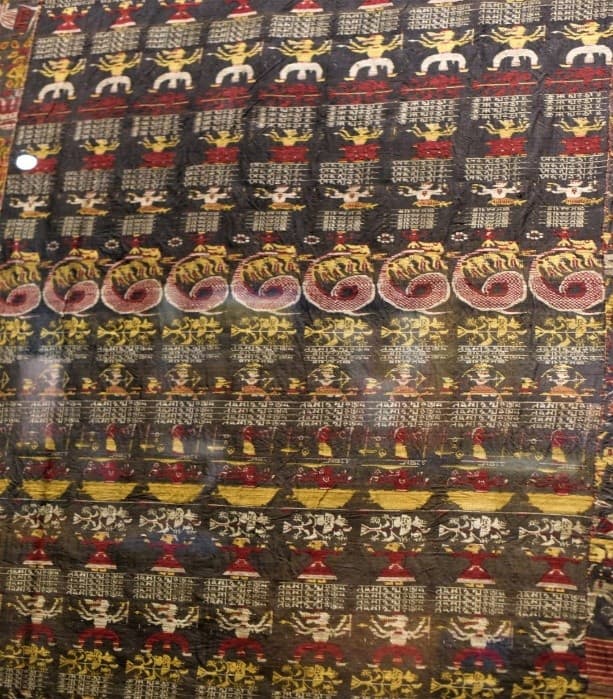
Artefact Vrindavani Vastra = 16th-century Assamese silk tapestry narrating Krishna’s Vrindavan deeds
Production 15 panels hand-woven under Vaishnavite saint Srimanta Sankardeva; final size ≈ 9.37 m × 2.31 m
Location British Museum, London; 18-month public loan to Assam confirmed for 2027
Quick Facts for MCQs
History & Provenance
- Commissioned Assam, travelled to Tibet’s Gobshi monastery, seized during 1904 Younghusband mission
- Acquired by journalist Perceval Landon; entered British Museum 1905
- Initially catalogued as Tibetan silk, Assamese origin re-established decades later
Art & Craftsmanship
- Technique complex tapestry-weave producing vibrant narrative motifs
- Iconography Krishna’s childhood, gopis, floral scrolls, mythic animals
- Medium shows Bhakti storytelling despite sect’s general avoidance of idols
Cultural Significance
- Symbol of Assamese Vaishnavite identity and neo-Vaishnavite reform movement
- Embodies fusion of spirituality, performance (bhaona), and textile art
- Often cited in repatriation debates on Indian heritage abroad
Heritage Diplomacy
- Loan signals growing global cooperation on artefact access without full restitution
- Exhibition expected to boost regional tourism and cultural scholarship
Key Data Points
| Feature | Data-Point |
|---|---|
| Century of creation | 16th C |
| Primary material | Silk |
| Patron ruler | Koch king Nara Narayan |
| Spiritual guide | Srimanta Sankardeva |
| Number of panels | 15 |
| Dimensions | 937 cm × 231 cm |
| Accession number | As1905,0118.4 |
| Present custodian | British Museum |
| Loan duration | 18 months from 2027 |