UPSC Current Affairs

17 topicsGS-1: 6GS-2: 3GS-3: 8
0/17 done
GS-2Polity

1.Supreme Court Social Media Guidelines (Online Speech Regulation)

IT

What & Where

Supreme Court directive ordering Union Government to draft social-media conduct guidelines for India’s 800 mn-user digital space

Objective: balance Article 19(1)(a) free speech with individual/community dignity under Articles 19(2) & 21

Scope covers influencers, comedians, podcasters, platforms; nationwide applicability

Quick Facts for MCQs

Legal & Policy

  • Directive seeks future-ready rules defining humour, commercial speech, prohibited content, proportionate penalties
  • Guidelines must emerge from multi-stakeholder consultations; avoid knee-jerk or overbroad censorship
  • Possible precedent for codified standards on online humour and influencer liability

Social Concerns

  • Hate speech, misinformation, derogatory humour erode inclusivity, equality goals for marginalised communities
  • Commercialised speech monetisation adds ethical responsibility for content creators
  • Virality and anonymity magnify harm, necessitating accountability mechanisms

Tech & Schemes

  • Push for AI-based monitoring, automated flagging, transparent grievance dashboards
  • Proposal of Digital Content Ombudsman for single-window, time-bound redressal
  • Independent oversight essential to prevent algorithmic bias and undue state control

Key Data Points

FeatureData-Point
Internet users≈ 800 million
Present legal baseIT Rules 2021 + IPC + IT Act
Consultative body namedNews Broadcasting Standards Authority (NBSA)
Key Constitutional articles19(1)(a), 19(2), 21
Vulnerable groups flaggedPwDs, women, children, minorities, seniors

Related UPSC Prelims PYQs

CDS_GK 2023PYQ 1

सुभाष शर्मा बनाम भारत संघ (1991) के मामले में उच्चतम न्यायालय के ऐतिहासिक निर्णय में निम्नलिखित में से भारत के संविधान के किस मूल सिद्धान्त के बारे में उल्लेख किया गया ?
GS-2Polity

2.National Pharmaceutical Pricing Authority Critique (Drug Price Control)

Financial Express
Illustration for National Pharmaceutical Pricing Authority Critique (Drug Price Control)

What & Where

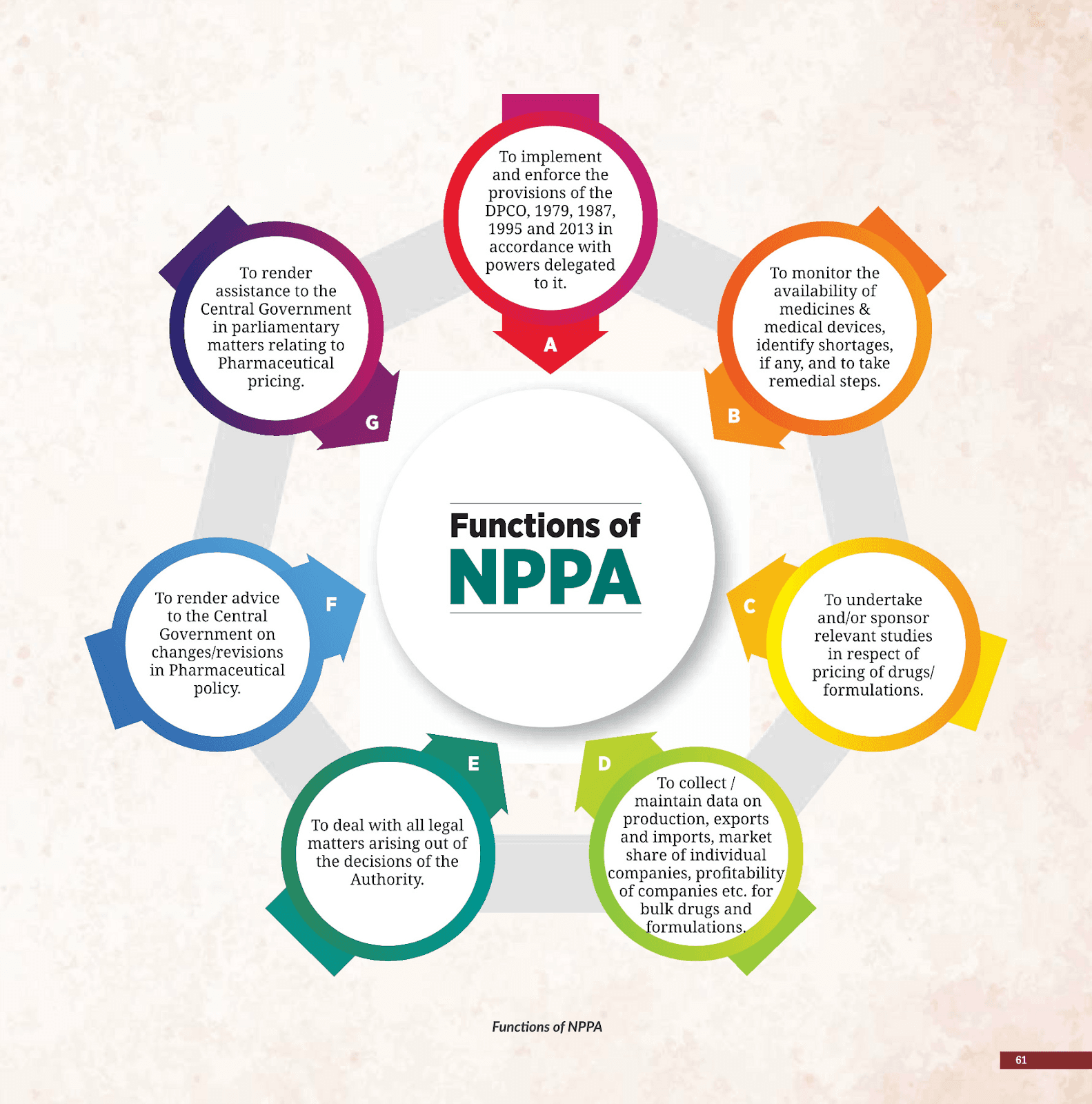
NPPA; autonomous drug-price regulator under Dept of Pharmaceuticals, MoC&F; constituted 1997.

Issue; 2024 approval of 50 % hike on 11 essential formulations across India.

Venues of scrutiny; Lok Sabha Standing Committee on Chemicals & Fertilisers, Rajya Sabha Committee on Petitions.

Quick Facts for MCQs

Parliamentary Oversight

  • Concern; hikes may erode affordability, access to asthma, antibacterial, bipolar medicines.
  • Observation; NPPA focused on input cost, ignored patient affordability metric.
  • Call; re-evaluate price-hike mechanism ensuring reasonableness, transparency.

Regulatory Gaps

  • Gap; many oncology medicines still outside DPCO, lack statutory price ceilings.
  • Effect; high, often unaffordable cancer drug prices restricting patient access.
  • Suggestion; broaden price control coverage for critical drugs.

Compliance & Monitoring Tools

  • Platform; Pharma Sahi Dam gives real-time MRP info to consumers.
  • Grievance; Pharma Jan Samadhan enables price-violation complaints.
  • Structure; 31 State/UT PMRUs assist NPPA in ground-level surveillance.

Policy Recommendations

  • Strengthen oversight; curb non-scheduled drug MRP hike above 10 % without valid reason.
  • Regular monitoring; expand list of medicines under control via periodic reviews.
  • Transparency; future adjustments must follow clear, public welfare–oriented criteria.

Key Data Points

FeatureData-Point
NPPA formation year1997
Parent ministryChemicals & Fertilisers
Legal tool governing price controlDrugs (Prices Control) Order, 2013
Advisory body citedCAMPH, NITI Aayog
Essential formulations with 2024 50 % hike11
Oncology drugs in NLEM 2022 under price cap63 (up from 40)
Permitted annual MRP rise for non-scheduled drugs≤10 %
Pharma industry value 2023-24USD 50 bn
Projected pharma size by 2030USD 130 bn
Digital monitor platformIPDMS 2.0

Related UPSC Prelims PYQs

ESE_GS 2026PYQ 1

Which organization developed the Online National Drugs Licensing System (ONDLS) portal?

ESE_GS 2024PYQ 2

To increase transparency and consumer awareness and handle customer complaints, a 'Centralised Receipt and Processing Centre' and an 'Integrated Ombudsman Scheme' have been set up. These two schemes are related to which one of the following institutions?

GS-3Economy

3.Fertilizer Sector Strategic Reclassification Demand (Fertilizer Subsidy)

Financial Express

What & Where

Fertilizer sector = critical agri-input; classified non-strategic by DIPAM despite food-security linkage

Key types = urea, DAP, NPK, MOP; emerging nano & neem-coated variants for efficiency

Core geography = production belts UP-Gujarat-Odisha; imports chiefly Saudi Arabia, Morocco, Russia, Canada

Quick Facts for MCQs

Legal & Policy

  • DIPAM non-strategic tag questioned; panel seeks strategic reclassification under Atmanirbhar Bharat
  • ONOF brands subsidised bags as Bharat Urea, Bharat DAP, etc., ensuring uniform quality
  • New Investment Policy 2012 offers incentives to revive shuttered plants

Economic Angle

  • Imports 177 LMT 2023-24 despite large domestic base, straining forex
  • PSUs act price stabilisers, key for small-holder affordability
  • Fertilizer subsidy pivotal to food-grain MSP regime and inflation control

Tech & Schemes

  • iFMS and mFMS enable real-time tracking, dealer digitalisation, DBT support
  • Nano urea/DAP cut application ~10 %, raise nutrient-use efficiency
  • PM-PRANAM rewards states reducing chemical fertilizer reliance

Challenges

  • Legacy PSU units face low energy efficiency, high capital need for modernisation
  • Long-term DAP supply pacts with Saudi, Morocco lessen urgency for domestic capacity
  • Policy incoherence between Agriculture Ministry and DIPAM delays unified roadmap

Recommendations

  • Launch mission to modernise PSUs with green technology and product diversification
  • Introduce PLI scheme for nano-fertilizer manufacturing to spur investment
  • Create regional fertilizer clusters near cropping zones to slash logistics cost

Key Data Points

FeatureData-Point
Agri share in GDP16 %
Population relying on agri46 %
Domestic output 2023-24503.35 LMT
Domestic consumption 2023-24601 LMT
Urea self-sufficiency87 %
DAP self-sufficiency40 %
MOP import dependence100 %
PSU share in urea output~25 %
Private share total output57.77 %
Reopened PSU addition7.62 MT urea/yr

Related UPSC Prelims PYQs

CDS_GK, NDA_GAT 2022PYQ 1

Which one of the following statements about fertilizers is not correct?

CDS_GK, NDA_GAT 2020PYQ 2

As per the Budget Estimates of expenditure on major subsidies during 2019–20, the maximum expenditure was likely to be on

GS-1History

4.Sardar Vallabhbhai Patel Legacy (Freedom Fighter)

Financial Express
Illustration for Sardar Vallabhbhai Patel Legacy (Freedom Fighter)

What & Where

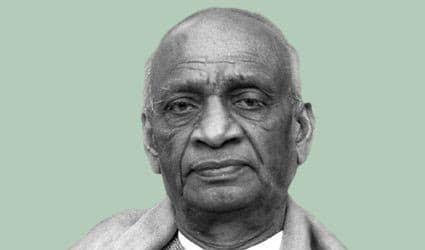
High-level committee, chaired by PM, to mark 150th birth anniversary of Sardar Vallabhbhai Patel.

Objective: nationwide commemorative events highlighting Patel’s role in unifying princely states.

Geographic focus: all-India outreach; origin of Patel in Nadiad, Gujarat.

Quick Facts for MCQs

Freedom Movement

  • Kheda Satyagraha 1918; collaborated with Gandhi against famine-era tax.
  • Bardoli Satyagraha 1928; successful tax revolt, mass leader status.
  • Civil Disobedience & Quit India; multiple imprisonments showcased resolve.

Nation-building

  • Integration diplomacy; used Instrument of Accession, force in Hyderabad, Junagarh.
  • Partition crisis management; restored law & order, refugee rehabilitation.
  • Institutionalisation; pushed for IAS/IPS to cement unified administration.

Commemoration & Legacy

  • Statue of Unity 2018 already honours Patel; new committee plans 2025 sesquicentennial.
  • Government narrative stresses unity, federal integrity as enduring Patel vision.

Key Data Points

FeatureData-Point
Birth date31 Oct 1875
Birth placeNadiad, Gujarat
CommunityLewa Patidar
Honorific titleIron Man of India
Title “Sardar” earned inBardoli Satyagraha 1928
First Union postsDeputy PM & Home Minister
Key integration task562 princely states into 26 units
Major Congress session ledKarachi 1931
Foreign legal studyMiddle Temple, London
Administrative legacyCreation of IAS

Related UPSC Prelims PYQs

CDS_GK, GS1 2020PYQ 1

The Government of India has recently constituted a civilian award in the name of Sardar Vallabhbhai Patel in the field of contribution to

CDS_GK, GS1 2003PYQ 2

The leader of the Bardoli Satyagraha (1928) was

GS-1History

5.Vithalbhai Patel Parliamentary Legacy (Swaraj Party Leader)

Hindustan Times
Illustration for Vithalbhai Patel Parliamentary Legacy (Swaraj Party Leader)

What & Where

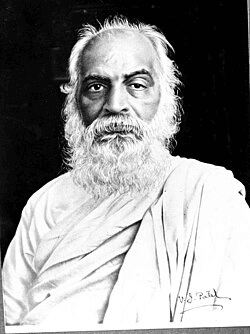
All India Speakers’ Conference, Delhi 2025; marks 100 years since Vithalbhai Patel became first Indian President, Central Legislative Assembly

Central Legislative Assembly, British-era lower house in New Delhi; precursor to present Lok Sabha

Vithalbhai Patel, Gujarati barrister; left Congress post-Chauri Chaura, co-launched Swaraj Party for council entry

Quick Facts for MCQs

Political Career

  • Elected 1918 Imperial Legislative Council; 1924 Central Legislative Assembly entry
  • Elected 1925 Speaker, first Indian to hold position under colonial rule
  • Practised law Bombay; UK legal education at Lincoln’s Inn

Parliamentary Reforms

  • Established autonomous Parliament Secretariat, shielding legislative advice from executive influence
  • Created Legislative Assembly Department 1929, Speaker gained staffing and budget control
  • Reforms became template for post-1947 Lok Sabha procedures

Security Dimension

  • Launched Ward & Watch system; Speaker retained on-floor security till 2024
  • Denied British bid to seize security after Bhagat Singh–Batukeshwar Dutt bombing 1929
  • Framework inspired current Parliament Security Service

Key Data Points

FeatureData-Point
Conference hostDelhi Legislative Assembly
Centenary celebrated24 Aug 1925 – 24 Aug 2025
First Indian President, CLAVithalbhai Patel (1925-30)
Swaraj Party foundersC.R. Das, Motilal Nehru, Vithalbhai Patel
Exit from CongressAfter 1922 suspension of Non-Cooperation
Early legislature seatBombay Legislative Council, 1912
Security innovation“Ward & Watch” system for House
Autonomy stepIndependent Parliament Secretariat under Speaker
New departmentLegislative Assembly Dept., 1929
Security stand-offResisted British control post-1929 bombing

Related UPSC Prelims PYQs

CAPF_GAI, GS1 2007PYQ 1

Who was the Speaker of the First Lok Sabha?

CAPF_GAI, GS1 2020PYQ 2

निम्नलिखित में से वह पहला गैर-सरकारी सदस्य कौन था, जो 24-8-1925 को केन्द्रीय विधान सभा (सेंट्रल लेजिस्लेटिव असेम्बली) का अध्यक्ष (स्पीकर) निर्वाचित हुआ था ?

GS-1HistoryQuick Bite

6.Sir Bani Yas Island Monastery Cross (Gulf Archaeology)

Indian Express
Illustration for Sir Bani Yas Island Monastery Cross (Gulf Archaeology)

What & Where

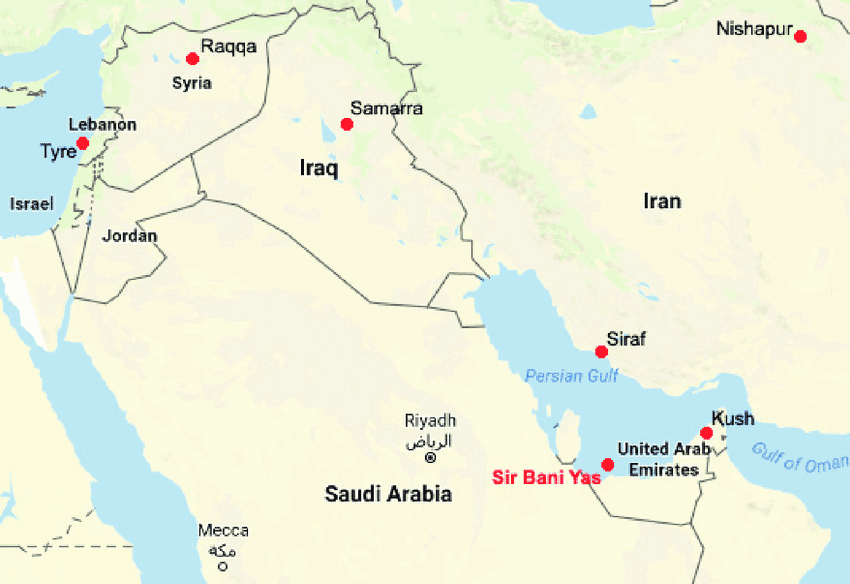
1,400-year-old Christian cross found in 7th-century monastery on Sir Bani Yas Island, Abu Dhabi, UAE.

Sir Bani Yas: largest island off Al Dhafra coast; now core of Arabian Wildlife Park.

Linked to Church of the East sites in Iraq & Kuwait, affirming early Gulf Christianity.

Quick Facts for MCQs

Archaeology & Heritage

  • Discovery: Cross unearthed inside mud-brick monastery, carbon-dated to early Islamic era.
  • Comparison: Parallel Christian liturgical finds at Failaka (Kuwait) and Al-Qusair (Iraq).
  • Affiliation: Attributed to Church of the East, active along Gulf maritime routes.

Ecology & Conservation

  • Protection: Island converted into wildlife sanctuary; strict anti-poaching and habitat restoration.
  • Fauna: Breeding programs for Arabian oryx, sand gazelle, cheetah, giraffe.
  • Tourism: Managed eco-safaris balance revenue with conservation mandates.

Historical Trade

  • Pearling: Island famed for oyster beds; commercial peak until early 20th century.
  • Record: Italian merchant Balbi highlighted pearls’ value during 1590 voyage.
  • Commerce: Gulf monastic settlements thrived near busy pearl and spice routes.

Interfaith Legacy

  • Harmony: Archaeology shows Christian communities coexisting under early Islamic governance.
  • Continuity: Multilayered sites illustrate Gulf’s long-standing cultural pluralism.

Key Data Points

FeatureData-Point
Artifact typeSandstone Christian cross
Estimated age≈1,400 years (7th–8th century CE)
Island declared reserve1971 by Sheikh Zayed
Present land-useArabian Wildlife Park with free-roaming fauna
First European record1590, Gasparo Balbi citing pearl trade
GS-1Environment

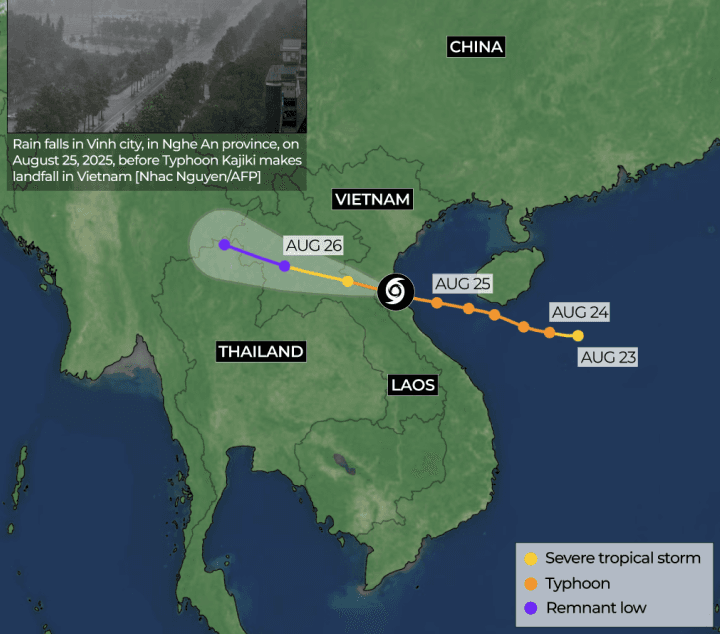
7.Typhoon Kajiki Approaches Vietnam (Tropical Cyclone)

The Hindu
Illustration for Typhoon Kajiki Approaches Vietnam (Tropical Cyclone)

What & Where

Tropical cyclone termed Typhoon forms over warm West Pacific waters

Current system Typhoon Kajiki heading for central Vietnam coast between Thanh Hoa–Nghe An

Regional naming: Hurricane-Atlantic/East Pacific; Cyclone-Indian Ocean/Australia

Quick Facts for MCQs

Disaster Response

  • Evacuation orders cover 500,000+ residents across central coast
  • Major airports closed; dozens of flights cancelled pre-landfall
  • Fishermen instructed to return; coastal shipping suspended

Meteorological Profile

  • Peak winds estimated 166 km/h equivalent Category-2 hurricane strength
  • Intensification driven by latent heat release over warm sea-surface
  • Threats include heavy rain, floods, landslides, storm surge

Historical Comparisons

  • Power rated on par with 2024 Typhoon Yagi
  • Yagi impact 300 deaths, US$3.3 bn losses underscores potential risk
  • Vietnam hit by 6-8 typhoons annually, central coast most exposed

Key Data Points

FeatureData-Point
Storm nameKajiki
System typeTyphoon (tropical cyclone)
Ocean basinWest Pacific
Peak wind speed166 km/h
Expected landfallThanh Hoa–Nghe An, Vietnam
Evacuated population> 500,000 people
Airports statusClosed; flights cancelled
Maritime orderBoats recalled to shore
Comparable stormTyphoon Yagi 2024
Yagi toll≈ 300 deaths; US$3.3 bn loss
GS-1Mapping

8.Oman Geography Overview (Gulf Country)

BT

What & Where

Country; southeastern Arabian Peninsula; junction of Persian Gulf and Arabian Sea

Terrain; rugged Ḥajar Mountains, fertile Al-Bāṭinah & Dhofar plains, Rubʿ al-Khali desert interior

Location; abuts Strait of Hormuz; hot dry interior with monsoon-affected Dhofar coast

Quick Facts for MCQs

Economic Angle

  • Diversification; tourism pushed to cut hydrocarbon reliance
  • Market; India prioritised due strong visitor base and spending power
  • Target; needs ~43 % rise over 2024 arrivals

Connectivity & Visa Policy

  • Connectivity; more flight frequencies by multiple carriers announced
  • Visa; liberal rules with e-visa and reduced paperwork for Indians
  • Facilitation; joint promotions with Indian tour operators planned

Physical Geography

  • Climate; humid coasts, arid interior, southwest monsoon in Dhofar
  • Plains; Al-Bāṭinah north, Dhofar south enable agriculture and settlements
  • Coastline; opens to Persian Gulf and Indian Ocean routes

Key Data Points

FeatureData-Point
Indian tourist target1 million per year
Indian visitors 2024~7 lakh
Neighbouring statesYemen, Saudi Arabia, UAE
Water bodiesGulf of Oman, Arabian Sea
Mountain rangeḤajar Mountains
Interior desertRubʿ al-Khali part
Strategic chokepointStrait of Hormuz
Historic exportsFrankincense, maritime trade
GS-1Mapping

9.Tawi River Jammu Geography (Jammu River)

DH
Illustration for Tawi River Jammu Geography (Jammu River)

What & Where

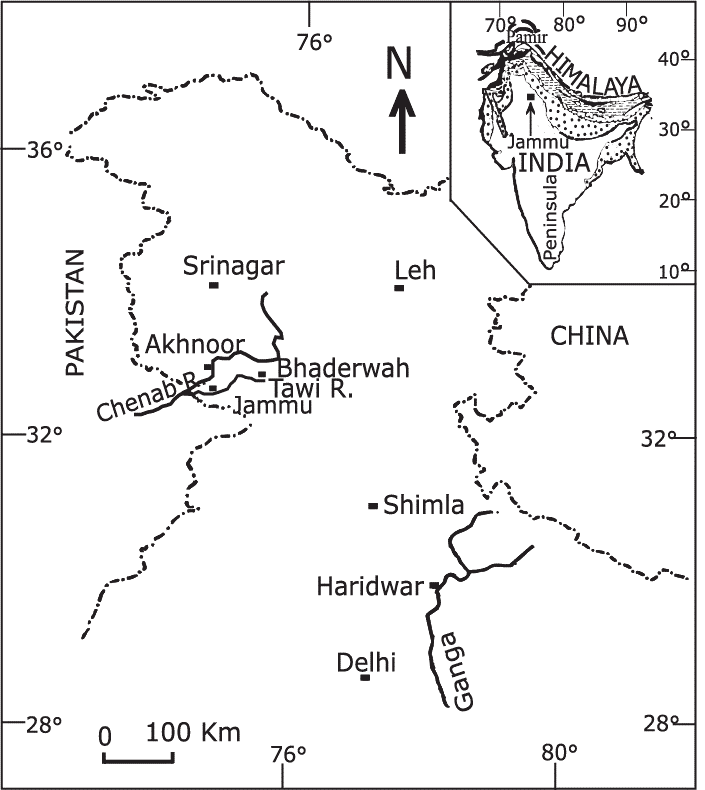
River: Tawi, sacred Surya Putri, major Himalayan stream of Jammu region

Origin: Kalpas Kund at Seoj Dhar, Bhaderwah area, Doda district, J&K Himalayas

Course: Flows southwest via Sudh Mahadev, bisects Jammu city, joins Chenab inside Pakistan

Quick Facts for MCQs

Hydrology & Course

  • Direction: Southwest flow from Doda highlands to Pakistan plains
  • Confluence: Merges with Chenab, ultimately part of Indus basin drainage
  • Terrain: Cuts deep gorge before Jammu, then wide alluvial channel

Economic Angle

  • Drinking: Principal municipal water supply for Jammu households
  • Irrigation: Supports small-scale agriculture on Jammu plains command area
  • Infrastructure: Three strategic bridges enable intra-city connectivity and trade

Cultural Significance

  • Sanctity: Regarded Surya Putri; devotees perform ghats rituals, festivals
  • Heritage: Bahu Fort and temples overlook river, boosting religious tourism
  • Identity: Considered lifeline symbol of Jammu’s historical settlement pattern

Security Dimension

  • Treaty: Tributary classed under Indus Waters Treaty; communication suspended post-Pahalgam attack
  • Alert: India issued humanitarian flood warning to Pakistan despite suspension
  • Geostrategy: Upstream control offers leverage in cross-border water diplomacy

Key Data Points

FeatureData-Point
Alternate nameSurya Putri
Source locationKalpas Kund, Seoj Dhar
Source districtDoda, J&K
Major city crossedJammu
City splitOld Jammu & New Jammu
Confluence riverChenab
Enters PakistanAfter Jammu plains
IWT statusWestern tributary; treaty communication paused
Key bridgesGumat–Vikram Chowk; Gujjar Nagar–Bahu Fort; Nagrota Bypass
Primary useDrinking water for Jammu

Related UPSC Prelims PYQs

NDA_GAT 2021PYQ 1

River Beas, flowing from Himachal and Punjab, joins the river

GS-3Environment

10.India Fossil Heritage Protection (Paleontological Sites)

The Hindu
Illustration for India Fossil Heritage Protection (Paleontological Sites)

What & Where

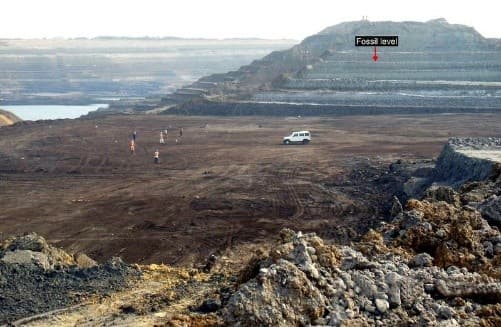
Definition – Fossils: mineralised remains/traces of ancient life; India spans Precambrian-Cenozoic record.

Key types – Dinosaur eggs/nests, 47 Mya snake Vasuki indicus, whale-ancestor Indohyus, ammonite Shaligrams.

Core belts – Kutch (Guj), Narmada Valley (MP), Deccan basalts, Himalayan foothills rich in vertebrate & invertebrate beds.

Quick Facts for MCQs

Legal & Policy

  • Absence – Fossils not covered under Antiquities & Art Treasures Act 1972.
  • Proposal – Draft National Fossil Repository & Protection Bill still unpassed.
  • Recommendation – Declare fossil zones as protected geoparks via Environment (Protection) Act.

Threats & Risks

  • Smuggling – Global auction houses, celebrity collectors drive illegal export.
  • Vandalism – Open riverbeds, roadcuts expose specimens to casual damage.
  • Hoarding – Private trusts hold unsorted collections, blocking scientific access.

International Examples

  • USA/EU – Licensing, mandatory curation, export permits for significant finds.
  • China – Criminal penalties; fossils automatically state ownership.
  • UNESCO – Global Geopark Network offers conservation & tourism frameworks.

Key Data Points

FeatureData-Point
Oldest Indian snake fossilVasuki indicus, 47 million yrs
Whale stem-ancestor foundIndohyus, Kashmir molasse
Richest dinosaur egg siteLameta Formation, Narmada Valley
Hindu-revered fossilAmmonite “Shaligram” from Gandaki R.
2013 museum theft locationMandav (MP) dinosaur eggs
Sotheby’s fossil sale citedStegosaurus, USD 44.6 million
Legal status in IndiaNo dedicated Fossil Act
Nations deeming fossils state propertyChina, several EU states

Related UPSC Prelims PYQs

GS1 2017PYQ 1

In India, if a species of tortoise is declared protected under Schedule I of the Wild Life (Protection) Act, 1972, what does it imply?

GS1 2011PYQ 2

With reference to India, consider the following Central Acts:

GS-3Environment

11.Invasive Alien Species Global Assessment (Biodiversity Threats)

Indian Express

What & Where

Invasive alien species: non-native organisms establishing self-sustaining populations, outcompeting natives, altering ecosystems.

IPBES 2023 global assessment: ~37,000 alien spp.; >3,500 confirmed invasive across all biomes.

Land, especially islands, forests & croplands, show highest damage; water hyacinth most widespread terrestrial invader.

Quick Facts for MCQs

Scale & Distribution

  • Numbers: 3,500 invasive vs 37,000 alien; 22 % alien invertebrates invasive.
  • Islands: worst hit; plant aliens surpass natives on >¼ islands.
  • Biomes: forests, woodlands, croplands register majority land impacts.

Drivers

  • Globalisation: ballast water, cargo, vehicles move propagules internationally.
  • Climate change: warmer, altered rainfall aids establishment, weakens natives.
  • Intentional introduction: forestry, aquaculture, horticulture, pet trade main pathways.

Impacts

  • Ecology: resource competition, predation, disease—85 % negative to native species.
  • Economy: infrastructure damage (zebra mussel), food loss; USD 423 bn annual hit.
  • Health: Aedes mosquitoes spread malaria, Zika, West Nile fever.

Legal & Policy

  • CBD 1992 names IAS second-biggest biodiversity threat after habitat loss.
  • CITES, CMS include IAS control within trade/migratory conservation mandates.
  • National commitment: Kunming-Montreal Framework seeks 50 % IAS reduction by 2030.

Key Data Points

FeatureData-Point
Share of invasive among alien plants6 %
Global economic cost 2019USD 423 billion/yr
Role in documented extinctions60 % of plant & animal cases
Region with most reported impactsAmericas 34 %
Kunming-Montreal IAS target–50 % introduction & establishment by 2030
Most common terrestrial invaderWater hyacinth
Second & third globallyLantana camara; Black rat
IAS cost trendQuadrupled each decade since 1970
Highest island plant ratio>25 % islands have more alien than native plants
Negative impact share on natives85 %
GS-3EnvironmentQuick Bite

12.Nepal Joins International Big Cat Alliance (Big Cat Alliance)

Hindustan Times
Illustration for Nepal Joins International Big Cat Alliance (Big Cat Alliance)

What & Where

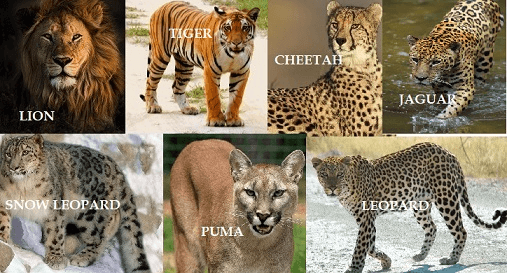
India-led global coalition conserving seven big cat species across range & non-range nations

Officially launched April 2023, Mysuru (Karnataka) on 50th year of Project Tiger

Secretariat in New Delhi; Nepal joined August 2025 expanding alliance’s South-Asian footprint

Quick Facts for MCQs

Governance Design

  • Assembly of Members supreme decision body modelled on ISA
  • Standing Committee executes policies between assemblies
  • Permanent Secretariat staffed and funded by India

Membership Spread

  • 16 founders include Bangladesh, Kenya, Peru, Uganda, etc.
  • >90 range and non-range states eligible to join coalition
  • Nepal newest entrant broadened Himalayan representation

Conservation Agenda

  • Objective curb illegal wildlife trade affecting big cats
  • Mandate habitat protection and climate-impact mitigation in range areas
  • Mechanism mobilise global financial, technical resources for field actions

Key Data Points

FeatureData-Point
Launch dateApril 2023
Launch venueMysuru, Karnataka
Concept proposed2019 by Indian PM
Secretariat cityNew Delhi
Founding members16 countries
Potential members90+ nations
Latest entrantNepal (Aug 2025)
Focus species count7 big cats
Species absent in IndiaJaguar, Puma
India-hosted speciesTiger, Lion, Leopard, Snow Leopard, Cheetah
Governance modelInternational Solar Alliance-like
Decision apexAssembly of Members
GS-3S&T

13.Veterinary Blood Transfusion Guidelines 2025 (Veterinary Medicine)

LiveMint
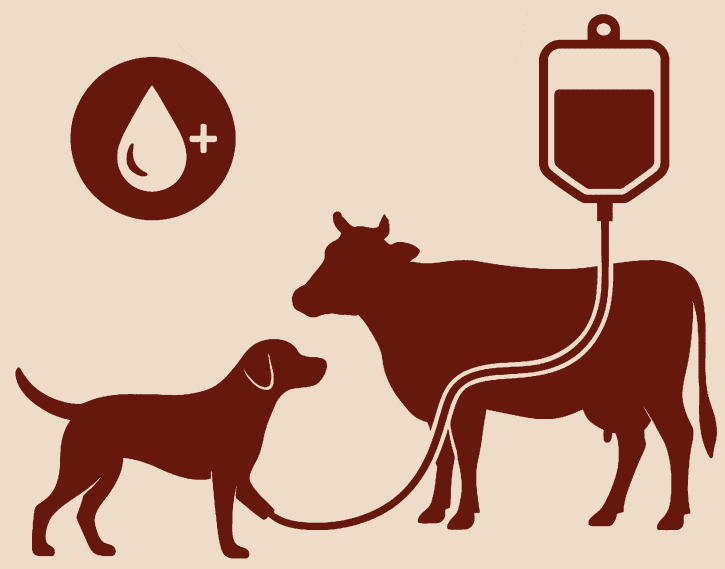
Illustration for Veterinary Blood Transfusion Guidelines 2025 (Veterinary Medicine)

What & Where

Guidelines: National Veterinary Blood Transfusion Guidelines 2025, first unified protocol for animal blood donation, storage, transfusion.

Agency: Released by Department of Animal Husbandry & Dairying, Government of India.

Reach: Applicable pan-India; embeds One Health principles for zoonotic risk control.

Quick Facts for MCQs

Legal & Policy

  • Standardisation: Replaces ad-hoc emergency transfusions with enforceable national SOPs.
  • Regulation: States license blood banks, monitor biosafety, cold-chain, records.
  • Charter: Donor Rights mandates humane handling, owner consent, post-donation care.

Tech & Schemes

  • Digital: Network offers real-time inventory, donor registry, 24×7 helpline.
  • Innovation: Planned mobile collection vans, rare-type preservation, AI matching apps.
  • Training: E-modules added to curricula, continuous-learning credits for vets.

Health & Biosafety

  • Safety: Typing and cross-matching cut hemolytic or allergic transfusion reactions.
  • Zoonoses: Mandatory donor screening curbs pathogen spill-over to humans, animals.
  • Surveillance: Central database analyses adverse events, guides protocol updates.

Key Data Points

FeatureData-Point
Launch year2025
Nodal departmentDAHD, GoI
Mandatory stepBlood typing & cross-matching
Donor eligibilityHealth check + up-to-date vaccinations
Donation modeVoluntary; protected by Donor Rights Charter
Core infrastructureState-regulated veterinary blood banks
Digital toolNational Veterinary Blood Bank Network
Biosafety focusOne Health zoonosis screening
Training targetVeterinary students & practitioners
Adverse event systemMandatory reaction reporting
GS-3S&T

14.Rice Quality Resilience Genes (Rice Genetics)

The Hindu

What & Where

Chalk9 gene, mapped by Chinese scientists, controls rice grain chalkiness.

Chalkiness makes grains brittle + opaque, cutting milling yield and sale price.

Trait matters across Kharif rice zones; India is world’s 2nd-largest producer.

Quick Facts for MCQs

Genetic Tools

  • Chalk9 selection cuts grain chalkiness, boosting head-rice recovery.
  • Pi54 & Pi9 introgressed for durable blast tolerance in high-yielding varieties.
  • BADH2 marker assists breeding of premium aromatic basmati-type lines.

Agro-Climatic Needs

  • Rice thrives in >25 °C, humid Kharif monsoon, tolerates brief 40 °C spikes.
  • Requires heavy clay/loam with water-holding, pH 5.5–6.5.
  • Semi-dwarf Sd1 lines resist lodging under high nitrogen and irrigation.

Economic Angle

  • Chalkiness lowers commercial grade, reducing export premium.
  • India’s exporter lead relies on quality traits and stress-resilient varieties.
  • Saltol deployment expands cultivation in coastal saline tracts, raising farm incomes.

Key Data Points

FeatureData-Point
Chalk9 roleGoverns grain chalkiness
Blast-resistance genesPi54, Pi9
Aroma geneBADH2
Semi-dwarf geneSd1
Salt tolerance locusSaltol (seedling stage)
India’s production rank2nd after China
Export statusLargest rice exporter
Cropping seasonKharif
Rainfall need75–125 cm
Optimal temp (day/night)30 °C / 20 °C
Ideal soil pH5.5–6.5
Top statesWest Bengal, Uttar Pradesh, Punjab

Related UPSC Prelims PYQs

CDS_GK, GS1 2025PYQ 1

Recently, ICAR (Indian Council of Agricultural Research) has developed the world's first genome-edited rice varieties. Which of the following statements is/are correct with respect to the developed products?

CDS_GK, GS1 2010PYQ 2

Mon 863 is a variety of maize. It was in the news for the following reason

GS-2Editorial

15.India–China Economic Reform Deficit (Economic Ties)

Indian Express

What & Where

Reform Deficit = lag in deep structural reforms; fuels unsustainable growth patterns.

India: consumption-led, low private investment, 15-17 % manufacturing share.

China: export-heavy, 40 % investment ratio, excess capacity and debt.

Quick Facts for MCQs

Economic Angle

  • India driver: consumption & services; China driver: investment & exports.
  • Currency stance: stabilised rupee aids imports; undervalued yuan spurs Chinese exports.
  • Overcapacity: steel, cement in China; under-investment: Indian manufacturing outside 4 coastal states.

Security Dimension

  • Boundary disputes: Aksai Chin, Arunachal; CBM pacts 1993, 1996 still fragile.
  • Strategic rivalry: BRI vs Indian opposition to CPEC; Quad seen as counterbalance.
  • Post-Galwan measures: India curbs Chinese apps, screens FDI in sensitive sectors.

Policy Prescriptions

  • India: reform land–labour–capital markets, widen manufacturing geography, redirect populist spends to infra, human capital.
  • China: boost social security, raise household income share, curb local-government debt, trim excess industrial capacity.
  • Shared need: politically costly but urgent structural shifts to avert growth slowdown.

Key Data Points

FeatureData-Point
India–China trade 2023≈ USD 135 billion
India trade deficit with ChinaElectronics, machinery, chemicals dominated
India manufacturing share of GDP15–17 % (stagnant for decades)
China investment-to-GDP ratio~40 %
China exports 2024USD 3.58 trillion
China annual trade surplusNear USD 1 trillion
India cash transfers outlay≈ 1 % of GDP
Recent border flashpointsDoklam 2017, Galwan 2020

Related UPSC Prelims PYQs

CDS_GK, NDA_GAT 2025PYQ 1

S1. Liberalisation and globalisation freed India's economy from the low GDP trap that had impeded India's progress

CDS_GK, NDA_GAT 2020PYQ 2

Since 2014-15, India has consistently run trade surplus with which one among the following countries?

GS-3Security

16.Super Garuda Shield Exercise 2025 (Military Exercise)

The Hindu
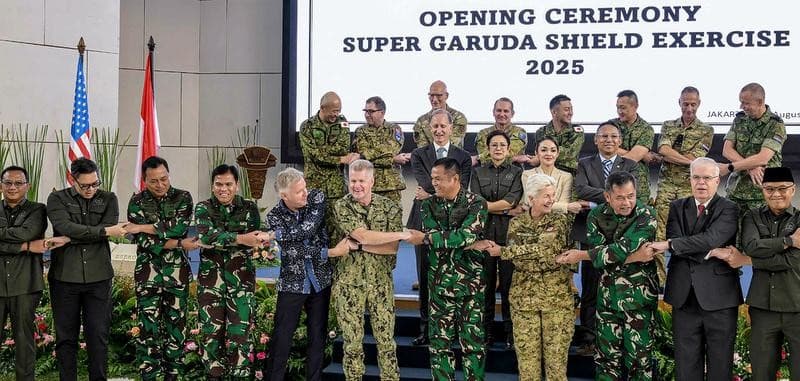
Illustration for Super Garuda Shield Exercise 2025 (Military Exercise)

What & Where

Annual, large-scale multinational military drill “Super Garuda Shield” hosted in Indonesia.

Run by Indonesian National Armed Forces + U.S. Indo-Pacific Command; 2025 edition staged in Jakarta & Sumatra.

Aims: combat readiness, force interoperability, regional security cooperation across Indo-Pacific.

Quick Facts for MCQs

Security Dimension

  • Live-fire and multi-domain manoeuvres test rapid deployment and command cohesion.
  • Interoperability focus aligns communications, logistics, and battlefield procedures.
  • Enhances collective deterrence posture against coercive regional actors.

International Cooperation

  • Exercise expanded from bilateral to 13-nation format, deepening defence networking.
  • Allied show-up signals united front without formal treaty obligations.
  • Participation by non-Pacific states reflects globalised security interests.

Geostrategic Significance

  • Underscores resistance to unilateral status-quo changes in South China Sea.
  • Complements QUAD, AUKUS, and other “arc of alliances” initiatives.
  • Reinforces Free & Open Indo-Pacific narrative balancing China’s rise.

Key Data Points

FeatureData-Point
Initiated2009
2025 Duration11 days
2025 LocationsJakarta, Sumatra
Core HostsIndonesia & United States
2025 Participants13 countries
Extra-regional EntrantsCanada, Germany, Netherlands, Brazil
Drill ElementsJoint combat training, interoperability drills, combined live-fire
Domains CoveredAir, land, maritime
Guiding PrinciplesSovereignty, territorial integrity, collective deterrence
Strategic TheatreIndo-Pacific amid China–US rivalry

Related UPSC Prelims PYQs

CDS_GK 2023PYQ 1

The eighth edition of the Exercise Garuda Shakti, a bilateral military-to-military exercise, was conducted recently between the special forces of India and

CDS_GK 2023PYQ 2

The 16th edition of Indo-Nepal annual joint training exercise in jungle warfare and counter-terrorism operations was held in December 2022 at Nepal Army Battle School, Saljhandi. What is the name of this exercise?

GS-3Security

17.INS Udaygiri and Himgiri Frigates (Nilgiri-class Frigate)

Indian Express
Illustration for INS Udaygiri and Himgiri Frigates (Nilgiri-class Frigate)

What & Where

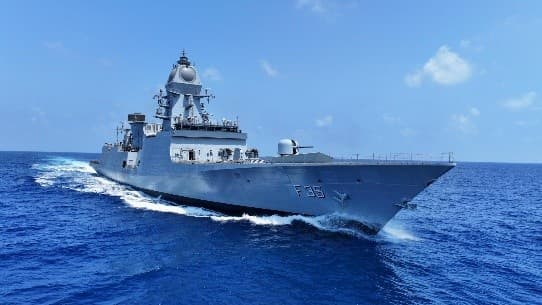
Project 17A Nilgiri-class stealth frigates INS Udaygiri & INS Himgiri commissioned together at Visakhapatnam.

Multi-mission platforms for anti-surface, anti-air, anti-submarine warfare; displacement ≈ 6,670 t, length 149 m, speed 28 knots.

Fleet allocation: Udaygiri – Eastern Naval Command; Himgiri – Western Naval Command.

Quick Facts for MCQs

Technical Specs

  • Displacement 6,670 t; beam 17.8 m; draught 5.22 m.
  • Maximum speed 28 kn; economical speed 18 kn.
  • Flight deck supports ALH/Dhruv or MH-60R helicopter.

Armament & Sensors

  • Missile load: 16-cell Barak-8 VLS, 8 BrahMos inclined launchers.
  • Sensor suite: MF-STAR radar, Humsa-NG sonar, Shakti EW, integrated combat management system.
  • ASW tools: twin torpedo tubes, RBU-6000 rocket launcher.

Industrial Ecosystem

  • Indigenous content >75 %; over 2,500 Indian firms in supply chain.
  • Modular construction technique shortened build time by ~18 months.
  • Shipyards MDL & GRSE deliver seven frigates each under earlier Projects 17/17A.

Command & Identity

  • Udaygiri nicknamed “Sunrise Fleet blade” within Eastern Command.
  • Himgiri honours Himalayan peak symbolising invisibility and invincibility.
  • Dual commissioning marks first simultaneous induction from two separate Indian yards.

Security Dimension

  • Stealth shaping reduces radar cross-section for littoral and blue-water operations.
  • Capabilities enable carrier task-force escort and independent surface-action missions.
  • Strengthens Navy’s deterrence amid Indo-Pacific strategic contest.

Key Data Points

FeatureData-Point
ClassProject 17A Nilgiri
BuildersMDL (Mumbai) & GRSE (Kolkata)
DesignerIndian Navy Warship Design Bureau
PropulsionCODOG (Gas + Diesel)
Endurance (Himgiri)5,500 NM at econ speed
Main gun127 mm
CIWSAK-630 guns
Anti-ship missile8 × BrahMos
Air-defence missileBarak-8 / LRSAM
ASW fitLightweight torpedoes, rocket launchers
SonarHumsa-NG
EW suiteShakti
Motto-UdaygiriSanyuktaha Paramojayaha
Motto-HimgiriAdrushyam Ajayam
Commission siteVisakhapatnam

Related UPSC Prelims PYQs

NDA_GAT 2022PYQ 1

With reference to India's defence, the terms ‘Surat’ and ‘Udaygiri’ refer to

NDA_GAT 2022PYQ 2

Which of the following Indian Naval Ships were decommissioned in June 2022?

Ready to practice?

Test your knowledge with our UPSC test series.

Start Free Trial