UPSC Current Affairs

16 topicsGS-1: 3GS-2: 3GS-3: 10
0/16 done
GS-3Infrastructure

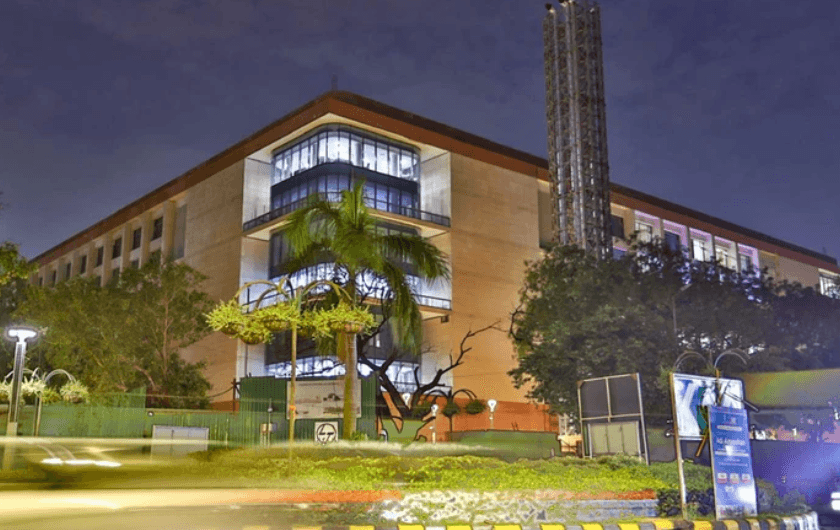
1.Kartavya Bhavan Central Secretariat (Central Vista)

Business Standard
Illustration for Kartavya Bhavan Central Secretariat (Central Vista)

What & Where

Newly built Kartavya Bhavan-03, first Common Central Secretariat block under Central Vista redevelopment

Situated on Central Vista, New Delhi

Objective consolidate 50+ dispersed ministry offices into ten modern, sustainable headquarters

Quick Facts for MCQs

Design & Structure

  • Configuration seven storeys with noise-insulated glass and energy-efficient HVAC
  • Twin basements host parking, services enhancing surface green space
  • Centralised command hub monitors building operations 24×7

Green Measures

  • Infrastructure rooftop solar, rainwater harvesting, zero-discharge waste processing reduce environmental footprint
  • Energy efficiency measures seek 30 % consumption cut, qualifying for GRIHA-4
  • HVAC and sensor lighting minimise heat gain and electricity use

Digital & Security Systems

  • Features digital workspaces, Wi-Fi, and sensor-based lighting for seamless e-governance
  • Smart ID cards enable controlled, traceable access across zones
  • CCTV network integrated with command centre for real-time security analytics

Economic Angle

  • Consolidation eliminates high private rent, driving ₹1,500 crore yearly savings post completion
  • Centralised facilities trim duplicate maintenance and utilities across scattered locations
  • Efficiency gains expected to accelerate inter-ministerial coordination and decision speed

Key Data Points

FeatureData-Point
Building codeKartavya Bhavan-03
LocationCentral Vista, New Delhi
Planned CCS blocks10
Built-up area1.5 lakh sq m
Floors7 + 2 basements
Ministries accommodatedHome, External Affairs, Rural Dev, Petroleum, MSME, DoPT, PSA
Rooftop solar yield~5.34 lakh kWh/year
Target green ratingGRIHA-4
Energy cut aim30 % vs conventional
Post-project rent saving₹1,500 crore/year
GS-3Infrastructure

2.India Inland Water Transport (Inland Waterways)

PIB

What & Where

Inland Waterway: navigable river/lake/canal supporting ≥50-ton vessels; India possesses 14,500 km such stretches.

National Waterway-57: 44 km Kopili River, Assam; fourth operational NW in state after Brahmaputra-2, Barak-16, Dhansiri-31.

Northeast link: waterways connect Brahmaputra basin with Bangladesh & mainland logistics grid under PM Gati Shakti.

Quick Facts for MCQs

Legal & Policy

  • Acts: IWAI 1985, National Waterways 2016, Inland Vessels 2021, Jetties/Terminals Regulations 2025 streamline governance.
  • Scheme: Jalvahak 2024 offers 35 % cost reimbursement to shift freight from road/rail to waterways.
  • Budget 2025-26 extends tonnage-tax to IWT, attracting private capital.

Growth & Targets

  • Expansion: operational NW length rose 2,716 km (2014) to 4,894 km (2023).
  • Goal 2030: raise freight share 2 %→5 %, surpass 200 MMT cargo.
  • Vision 2047: Maritime Amrit Kaal aims 500 MMT inland water traffic.

Bottlenecks

  • Navigability: seasonal depth loss, heavy siltation necessitate costly dredging, hamper year-round traffic.
  • Infrastructure: scarce jetties, poor multimodal links, limited finance keep waterborne trade at 3.5 % share.
  • Connectivity: weak first-last mile access nudges industries toward road/rail alternatives.

Key Data Points

FeatureData-Point
IWAI setupOct 1986
National Waterways declared111 (Act 2016)
Operational NWs 2014-153
Operational NWs 2024-2529
Operational length 2023-244,894 km
Min channel width/depth45 m / 1.5 m
Min continuous stretch50 km
Cargo moved 2023-24133 MMT
CAGR 2013-2422.1 %
IWT cost per ton-km₹0.25–0.30
CO₂ emission IWT32–36 g ton-km
Fuel efficiency IWT105 ton-km / litre
2047 cargo vision500 + MMT

Related UPSC Prelims PYQs

CAPF_GAI, CDS_GK 2025PYQ 1

Consider the following pairs with reference to National Waterways (NW) in India and the associated rivers:

CAPF_GAI, CDS_GK 2024PYQ 2

On which among the following is National Waterway No. 2 situated?

GS-3EconomyQuick Bite

3.MS Swaminathan Centenary Conference (Green Revolution)

PIB

What & Where

Event MS Swaminathan Centenary International Conference; global meet on sustainable agriculture

Theme Evergreen Revolution—the pathway to biohappiness, blends food security with ecology

Venue New Delhi, inaugurated 8 Aug 2025 by Indian Prime Minister

Quick Facts for MCQs

Agricultural Innovations

  • Semi-dwarf wheat, high-yield rice raised yields, stabilised national food security
  • Concept Evergreen Revolution advocates continuous productivity without ecological harm
  • Promoted climate-resilient cropping patterns for smallholders

Environmental Impact

  • Early champion of mangrove restoration, enhancing coastal biodiversity and storm protection
  • Linked agriculture with ecological services, framing biohappiness narrative
  • Encouraged organic inputs, low-chemical practices to curb land degradation

Recognition & Awards

  • Posthumous Bharat Ratna 2024 acknowledges agrarian transformation leadership
  • UNEP labelled him Father of Economic Ecology for marrying productivity with conservation
  • Centenary conference spotlights 100 years legacy, guides future agri-policy

Key Data Points

FeatureData-Point
Conference year2025
Conference themeEvergreen Revolution: Pathway to Biohappiness
LocationNew Delhi, India
Prime moverMS Swaminathan, Father of India’s Green Revolution
Key collaborationWith Norman Borlaug on semi-dwarf wheat
Core outcomeSurge in Indian wheat production, 1960s-70s
Environmental focusMangrove restoration, sustainable farming models
Highest civilian honourBharat Ratna (posthumous) 2024
UNEP titleFather of Economic Ecology
Core concept coinedEvergreen Revolution

Related UPSC Prelims PYQs

ESE_GS 2021PYQ 1

Which one of the following is the latest in series being organized as the largest virtual gathering to create dialogues, and accelerate innovation in agriculture ?

GS-1History

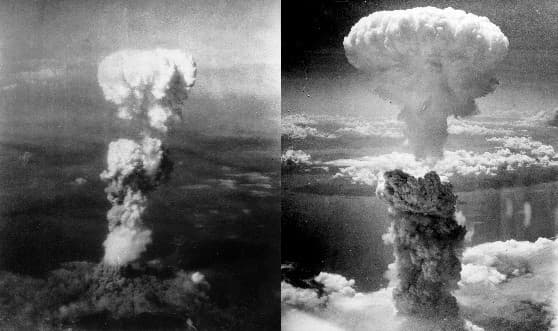
4.Hiroshima and Nagasaki Bombings (World War II)

Hindustan Times
Illustration for Hiroshima and Nagasaki Bombings (World War II)

What & Where

Atomic bombings = first wartime nuclear strikes by USA on Hiroshima (Honshu) and Nagasaki (Kyushu), August 1945.

Weapons: Little Boy (uranium gun-type) & Fat Man (plutonium implosion) from secret Manhattan Project (1942-45).

Targets picked for military-industrial hubs, clear blast assessment, and to deter planned Allied land invasion.

Quick Facts for MCQs

Military Strategy

  • Objective: Force unconditional surrender; avoid protracted amphibious assault after brutal Okinawa casualty lessons.
  • Selection: Targets spared earlier firebombing to gauge pure atomic impact; Kokura skipped due to cloud cover.
  • Timing: Dual strikes within 72 hours intended to signal repeatable capability and urgency.

Geopolitical Dimension

  • Deterrence: Demonstrated U.S. power as Cold War opening move; message to USSR amid Asia power vacuum.
  • Soviet entry accelerated U.S. schedule; fear of partitioned Japan mirrored earlier German precedent.
  • Post-1945, nuclear monopoly lasted until USSR test (1949), igniting global arms race and NPT debates.

Human Cost

  • Radiation: Acute sickness, leukemia spikes, genetic effects documented by ABCC and later RERF studies.
  • Infrastructure: Over 60% of Hiroshima buildings destroyed; Nagasaki’s Urakami valley obliterated.
  • Ethics debate: Civilian targeting questioned under just-war principles; spurred modern IHL refinements.

Technological Milestone

  • Nuclear physics: Proved controlled fission deliverable via aircraft; catalysed reactor, medical isotope, energy research.
  • Security doctrine: Introduced Mutually Assured Destruction, second-strike capability, and constant alert postures.
  • Governance: Prompted UN Atomic Energy Commission (1946) and later IAEA (1957) for oversight.

Key Data Points

FeatureData-Point
Hiroshima strike date6 Aug 1945
Nagasaki strike date9 Aug 1945
Aircraft (Hiroshima)B-29 Enola Gay
Aircraft (Nagasaki)B-29 Bockscar
Immediate deaths Hiroshima≈ 80,000
Immediate deaths Nagasaki≈ 40,000
Total 1945 deaths Hiroshima≈ 1.4 lakh
Total 1945 deaths Nagasaki≈ 73,000
Bomb yield Little Boy~15 kilotons TNT
Bomb yield Fat Man~21 kilotons TNT
Trinity test date/place16 Jul 1945, New Mexico
Potsdam Declaration issued26 Jul 1945
USSR enters war on Japan8 Aug 1945
Planned invasion codenameOperation Downfall
Estimated Allied casualties DownfallUp to 1 million
Formal Japanese surrender2 Sep 1945, USS Missouri
Manhattan Project cost≈ $2 billion (1945)

Related UPSC Prelims PYQs

CDS_GK 2020PYQ 1

What is ‘Little Boy’?

GS-1History

5.Quit India Movement Commemoration (Quit India)

Indian Express

What & Where

Mass uprising seeking immediate British withdrawal, launched 8 Aug 1942 by Gandhi during AICC session, Bombay

Venue Gowalia Tank Maidan (August Kranti Maidan); slogan “Quit India” and call “Do or Die” galvanised nation

Movement spread nationwide; temporary parallel governments in Ballia, Tamluk, Satara displayed de-facto self-rule

Quick Facts for MCQs

Precipitating Factors

  • WWII entry without consultation, Burma fall and invasion fears intensified demand for British exit
  • Cripps Mission March 1942 offered post-war dominion; Gandhi called it “post-dated cheque”, sparking outrage
  • Famine fears from wartime rice exports and economic exploitation sharpened mass resentment

Participation & Methods

  • Leaderless phase saw students, youth conduct strikes, sabotage rail and telegraph lines across urban centres
  • Strategy officially non-violent; Gandhi allowed self-defence, causing sporadic attacks on colonial property
  • Muslim League non-participation underscored growing communal divide and demand for separate state

Outcomes

  • British authority collapsed temporarily; Ballia, Tamluk, Satara instituted parallel governments for days to weeks
  • Harsh repression involved mass detentions, censorship, collective fines yet failed to restore full legitimacy
  • Movement’s psychological impact convinced British establishment independence was inevitable, paving for 1947 power transfer

Key Personalities

  • Gandhi’s Do-or-Die mantra launched; Aruna Asaf Ali unfurled Tricolour at Gowalia Tank amid police crackdown
  • Socialist Yusuf Meherally coined Quit India and earlier Simon Go Back slogans, shaping agitational messaging
  • Emerging leaders Lohia, Jayaprakash Narayan, Sucheta Kripalani, Matangini Hazra, Usha Mehta showcased youth and women energy

Key Data Points

FeatureData-Point
Launch date8 August 1942
Launch venueGowalia Tank Maidan, Bombay
Gandhi’s callDo or Die
Slogan creatorYusuf Meherally
Immediate triggerFailure of Cripps Mission 1942
Flag unfurled byAruna Asaf Ali
Parallel governmentsBallia, Tamluk, Satara
Major non-participantMuslim League

Related UPSC Prelims PYQs

GEO_GS, GS1 2009PYQ 1

With which one of the following movements is the slogan “Do or die” associated?

GEO_GS, GS1 2026PYQ 2

With reference to 8th August, 1942 in the Indian history, which one of the following statements is correct?

GS-1Mapping

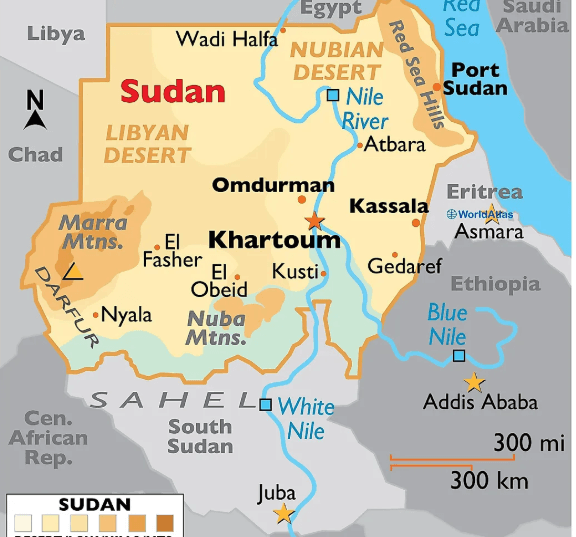
6.Sudan Geographical Overview (African Geography)

FP
Illustration for Sudan Geographical Overview (African Geography)

What & Where

Sudan: Northeastern African country in SAF–RSF civil war since Apr 2023

Nyala: South Darfur capital, RSF-held airstrip near Chad and gold routes

Nile system: Blue & White Nile meet at Khartoum, flow north to Egypt

Quick Facts for MCQs

Security Dimension

  • SAF airstrike on Nyala Airport killed 40 Colombian mercenaries supporting RSF
  • Strike destroyed UAE-linked aircraft, curbing RSF air mobility
  • Nyala airstrip vital for RSF logistics and border access to Chad

Physical Geography

  • Marrah Mountains volcanic highlands create Nile–Congo watershed around 3000 m
  • Nubian Desert & Qawz Region hold rock plateaus and extensive sand dunes north
  • Clay-rich Gezira Plain between Nile branches enables intensive irrigation farming

Economic Angle

  • Nyala corridor central to RSF-controlled gold smuggling into Chad markets
  • Gezira Plain anchors historic cotton-based Gezira Scheme, key foreign-exchange earner
  • Conflict disrupts airport trade channels and mineral revenue streams

Key Data Points

FeatureData-Point
CapitalKhartoum
River confluenceBlue + White Nile
Civil war onsetApril 2023
Neighbouring statesEgypt, Eritrea, Ethiopia, South Sudan, Chad, C.A.R., Libya
CoastlineRed Sea
Highest highlandsMarrah Mountains ≈ 3000 m
Major desertNubian Desert (north)
Fertile plainGezira clay plain
Region in newsSouth Darfur (Nyala)
Airstrike deaths40 Colombian mercenaries
Destroyed assetSuspected UAE-supplied aircraft to RSF
GS-3Environment

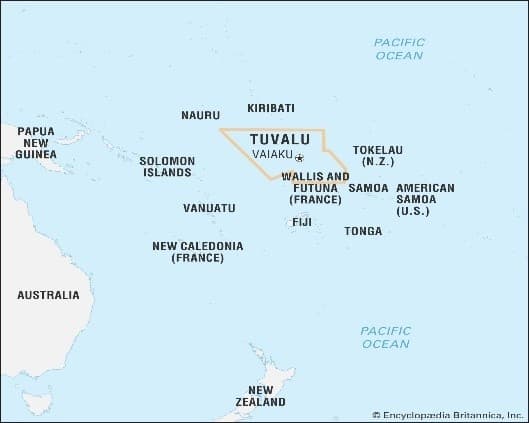
7.Tuvalu Climate Migration Treaty (Climate Migration)

Times of India
Illustration for Tuvalu Climate Migration Treaty (Climate Migration)

What & Where

Definition: First state-led climate-migration scheme relocating Tuvalu citizens permanently to Australia.

Treaty-base: Operates under 2023 Falepili Union Treaty granting annual residency quotas.

Geography: Tuvalu—9 coral atolls, central Pacific, avg elevation 2 m, acutely threatened by sea-level rise.

Quick Facts for MCQs

Legal & Policy

  • Treaty: Falepili Union creates climate-mobility pathway plus socioeconomic safeguards for migrants.
  • Residency: Visas confer healthcare, education, housing, employment parity in Australia.
  • Allocation: Ballot method ensures transparent, dignity-based migrant selection.

Environmental Impact

  • Sea-level: NASA warns most Tuvalu land may drown by 2050.
  • Elevation: Low-lying 2 m profile heightens flood, storm, erosion risks.
  • Precedent: Imminent loss drives first whole-nation relocation initiative.

Economic Angle

  • Revenue: Economy hinges on fishing licences, foreign aid, seafarer remittances.
  • Limitation: Tiny landmass inflates adaptation costs, favors migration alternative.
  • Scale: Small population enables 4 % annual relocation without overwhelming host.

Key Data Points

FeatureData-Point
Treaty year2023
Treaty nameFalepili Union
Permanent visas / yr280
Selection toolPublic ballot
First ballot applicants8,750
Max migration shareUp to 4 % population / yr
Average elevation~2 m
Submergence forecast2050 (NASA)
Capital cityFunafuti
Land area25.14 sq km
Population 2022≈11,000
Atolls count9
GS-3Environment

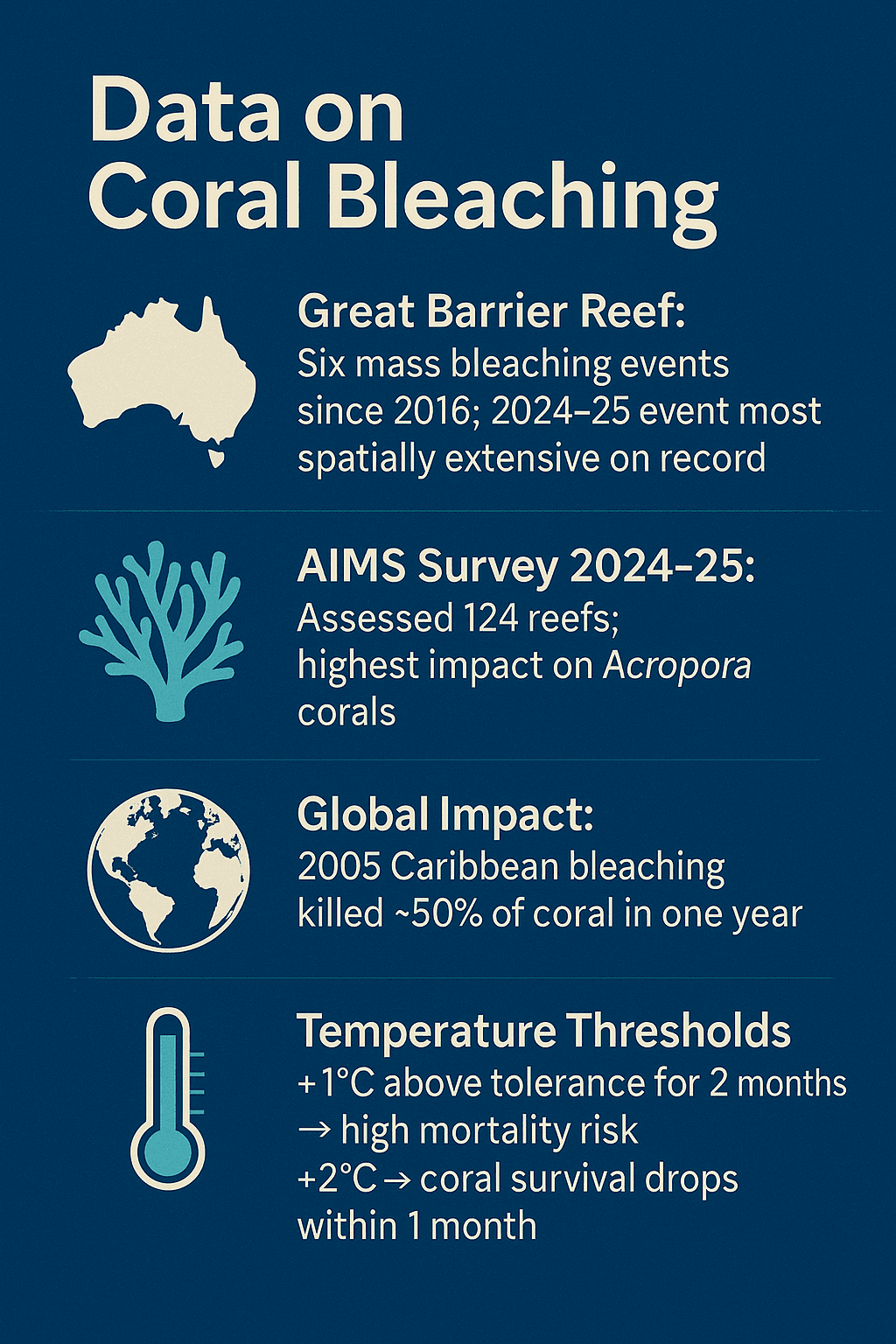
8.Great Barrier Reef Coral Bleaching (Coral Bleaching)

IT
Illustration for Great Barrier Reef Coral Bleaching (Coral Bleaching)

What & Where

Coral bleaching = stress-expulsion of zooxanthellae algae from coral tissue, leaving white, energy-starved skeleton

Great Barrier Reef, Coral Sea off northeast Australia, world’s largest reef (~2 300 km), now at 40-yr record cover loss

Bleaching reversibility possible if stress brief; prolonged stress leads to coral mortality and reef ecosystem collapse

Quick Facts for MCQs

Causes & Triggers

  • Temperature spike; climate change and El Niño amplify sea-surface heat
  • Pollution runoff; nutrients fuel algal blooms lowering water quality
  • Solar irradiance, extreme low tides, occasional cold snaps add stress layers

Bleaching Sequence

  • Symbiosis; algae photosynthesise, feed and colour coral
  • Stress signal; coral physiology disturbed, oxidative damage rises
  • Algae expulsion; tissue transparent, white skeleton visible, disease risk high

Impacts

  • Ecosystem loss; nursery and feeding grounds vanish, biodiversity plummets
  • Economic hit; reef tourism, coastal fisheries revenues shrink, shoreline erosion rises
  • Carbon role; dead reefs store less carbon, weaken natural wave barriers

Key Data Points

FeatureData-Point
LocationCoral Sea, Queensland coast, Australia
Length~2 300 km reef system
2024 StatusLargest annual coral cover decline in ~40 years
Main stressorsHeat bleaching, cyclones, crown-of-thorns starfish
Symbiotic algaeZooxanthellae
Reef-dependent biodiversity≈25 % of all marine species
Key economic stakesFisheries, tourism, coastal protection
Possible recoveryAlgae recolonisation if stress short-lived

Related UPSC Prelims PYQs

CDS_GK, NDA_GAT 2021PYQ 1

Keppel Island is completely bleached mainly due to the expansion of

CDS_GK, NDA_GAT 2020PYQ 2

The largest barrier reef system in the world is found at

GS-3Environment

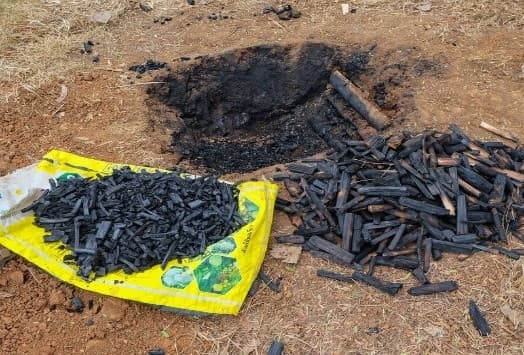
9.Biochar Potential in India (Biochar Technology)

The Hindu
Illustration for Biochar Potential in India (Biochar Technology)

What & Where

Definition: Biochar = porous, carbon-rich solid from pyrolysis of agri-residue or organic municipal waste in low-/no-oxygen.

Process sites: Decentralised village units, stubble-burning belts (Punjab), municipal waste hubs in urban India.

Application spread: Soil additive, concrete filler, syngas/bio-oil energy, decentralised wastewater adsorbent.

Quick Facts for MCQs

Energy & Byproducts

  • Syngas: powers rural micro-grids, delivers diesel-free 8–13 TWh yearly.
  • Bio-oil: could offset 8 % national diesel/kerosene, trimming 2 % fossil emissions.
  • Coal-equivalent replacement: 0.4–0.7 MT, easing import dependence.

Agriculture Impact

  • Water-holding rise improves semi-arid yields by up to 25 %.
  • Fertiliser need dips 10–20 %, lowering input costs and runoff.
  • Andhra Pradesh natural-farming pilots report higher soil organic carbon with on-farm biochar.

Construction Use

  • Concrete blend 2–5 % biochar increases heat resistance 20 %; IIT-Madras confirms mechanical strength gain.
  • Each m³ biochar-concrete locks ~115 kg CO₂, lowering embodied carbon.
  • Offers low-carbon material option for India’s $1 trn infrastructure push.

Implementation Gaps

  • Market: No uniform biomass pricing; feedstock procurement risky.
  • MRV: Weak carbon accounting deters international credit buyers.
  • Policy: Biochar absent from mainstream agri, energy, waste frameworks.

Policy Prescriptions

  • Integration: Add biochar to Crop Residue schemes, SAPCCs, bio-energy policies.
  • Incentive: Tag biochar as eligible removal tech under upcoming Indian Carbon Market.
  • R&D: Develop zone-specific pyrolysis standards; promote low-cost indigenous units.

Key Data Points

FeatureData-Point
Indian agri-residue output≈ 600 million tonnes/yr
Organic municipal waste≈ 60 million tonnes/yr
Potential biochar yield15–26 million tonnes/yr
CO₂ removal capacity0.1 gigatonnes CO₂-eq/yr
Rural jobs estimateup to 5.2 lakh
Syngas co-product20–30 million tonnes
Bio-oil co-product24–40 million tonnes
Electricity from syngas+oil8–13 TWh/yr
Coal replacement potential0.4–0.7 million tonnes
Fertiliser saving in soils10–20 %
Crop-yield boost10–25 %
N₂O emission cut30–50 %
Biochar in concrete2–5 % mix sequesters ≈ 115 kg CO₂/m³
Wastewater treated by 1 kg200–500 litres
Indian carbon market launch2026 (planned)

Related UPSC Prelims PYQs

GS1 2020PYQ 1

What is the use of biochar in farming?

GS1 2012PYQ 2

Biomass gasification is considered to be one of the sustainable solutions to the power crisis in India. In this context, which of the following statements is/are correct?

GS-3S&T

10.TRISO Advanced Nuclear Fuel (Nuclear Fuel)

IG
Illustration for TRISO Advanced Nuclear Fuel (Nuclear Fuel)

What & Where

TRISO = Tri-structural Isotropic Particle Fuel, next-gen nuclear fuel for SMRs & Gen-IV reactors

Fuel kernel (uranium-carbon-oxygen) sealed in three carbon-ceramic layers; pebble or pellet form

USA: DOE selects Standard Nuclear to launch first domestic large-scale TRISO production

Quick Facts for MCQs

Tech & Schemes

  • Durability: resists neutron irradiation, corrosion, oxidation, extreme heat
  • Versatility: compatible with diverse advanced reactor coolants, boosts SMR design flexibility
  • Production move: Standard Nuclear receives first DOE award for commercial TRISO fuel line

Economic Angle

  • Supply-chain boost: domestic TRISO reduces enriched-uranium imports cost and risk
  • Market creation: fuels expected for upcoming US SMR deployments, stimulating reactor manufacturing jobs
  • Investment signal: DOE funding de-risks private capital in advanced nuclear fuels

Security Dimension

  • Energy security: diversifies uranium sourcing away from Russia, strengthening national resilience
  • Proliferation barrier: particle micro-encapsulation complicates material diversion for weapons
  • Grid stability: high-temperature, meltdown-resistant fuel supports reliable low-carbon baseload power

Key Data Points

FeatureData-Point
Kernel compositionUranium + carbon + oxygen
Coating layers3 carbon-ceramic shells
Particle sizeApprox. poppy-seed (≤1 mm)
Temp tolerance>1600 °C without meltdown
Reactor fitHigh-temperature gas-cooled & molten-salt
Safety traitEach particle acts as self-containment
Key developerUS DOE with BWX Tech & Standard Nuclear
Strategic aimCut dependence on Russian uranium
GS-3S&T

11.WHO Declares Hepatitis D Carcinogenic (Hepatitis D)

Indian Express

What & Where

Hepatitis D Virus (HDV) = defective RNA virus needing Hepatitis B surface antigen; WHO now lists it as carcinogenic.

Global presence; Indian cases under-reported, concentrated among intravenous drug users and chronic HBV carriers.

Co- or super-infection swiftly advances fibrosis, cirrhosis, hepatocellular carcinoma.

Quick Facts for MCQs

Health Impact

  • Risk: Co/super-infection multiplies cirrhosis and HCC chances.
  • Symptom: Early phase silent; late jaundice, dark urine, fatigue.
  • Course: Acute hepatitis may evolve into chronic fibrosis.

Diagnosis & Treatment

  • Test: HDV-RNA PCR confirms active disease.
  • Drug: Bulevirtide approved abroad; few alternatives exist.
  • Care: Concurrent HBV suppression and liver monitoring crucial.

Prevention & Vaccination

  • Vaccine: HBV immunization blocks HDV entry; uptake in India ~50 %.
  • Harm-reduction: Safe needles, screened blood, condom use indispensable.
  • Screening: Prioritise IDUs, HBV positives, pregnant women.

Policy & Targets

  • WHO-Plan: Cut new infections 90 %, deaths 65 % by 2030.
  • India-Program: National Viral Hepatitis Control aligns with UIP for elimination.
  • Awareness: World Hepatitis Day marked each 28 July.

Key Data Points

FeatureData-Point
WHO 2025 statusCarcinogenic agent
Virus natureDefective, HBV-dependent
Cirrhosis/HCC risk2–6 × vs HBV alone
Global HBV cases 2022254 million
Global HCV cases 202250 million
Hepatitis deaths 20221.3 million
HBV vaccine coverage India≈ 50 %
WHO 2030 infection target90 % reduction
WHO 2030 death target65 % reduction
Indian elimination goal2030 (NVHCP)
Diagnostic gold standardHDV-RNA assay
Promising therapyBulevirtide

Related UPSC Prelims PYQs

GS1 2019PYQ 1

Which one of the following statements is not correct?

GS1 2010PYQ 2

Consider the following statements:

GS-3S&T

12.ISRO HOPE Space Analog Mission (Space Analog)

ISRO

What & Where

HOPE: ISRO’s Himalayan Outpost for Planetary Exploration, a Mars/Moon space-analog mission.

Purpose: simulate long-duration crewed flights to test tech & human factors.

Geography: Tso Kar Valley, Ladakh (≈4 600 m), cold desert Ramsar wetland.

Quick Facts for MCQs

Site Characteristics

  • Low-pressure, high-UV desert mimics Martian environment allowing ISRU, astrobiology, rover mobility trials
  • Salty permafrost & sandy regolith enable drilling, habitat sealing, resource extraction validation
  • Ramsar listing mandates minimal ecological footprint during operations

Mission Objectives

  • Validate epigenetic, genomic, microbial health protocols for multi-month missions
  • Stress-test indigenous life-support, habitat modules, EVA suits under extreme hypoxia
  • Generate operational data for mission planning, crew selection, counter-measure design

Comparative Analog Missions

  • Domestic: LHAM 2024 Leh; Anugami 2025 GANEX 10-day study
  • International: NASA Desert RATS Arizona, NEEMO Aquarius undersea, HI-SEAS Hawaii volcanic dome
  • All focus on EVA procedures, habitat logistics, crew psychology in isolation

Strategic Significance

  • Strengthens technological readiness under Atmanirbhar Bharat, leveraging public-private-academic consortia
  • Bridges gap between lab testing & space qualification for low-Earth, lunar, Martian missions
  • Positions Ladakh as permanent high-altitude research corridor, boosting local STEM and economy

Key Data Points

FeatureData-Point
AgencyISRO
Altitude~4 600 m above sea level
Temperature band+15 °C to –10 °C
Oxygen availability≈40 % of sea-level value
Soil natureRocky, sandy, salt-rich like Mars regolith
UV exposureHigh, thin atmosphere
Programme linkIndian Human Spaceflight Programme
Immediate beneficiariesGaganyaan, planned lunar landing 2040
GS-2Economy

13.World Trade Organization Overview (WTO Functions)

Times of India

What & Where

WTO; sole multilateral body setting, monitoring and enforcing global trade rules

Key processes: negotiations rounds, dispute settlement, trade policy review

HQ: Geneva, Switzerland; in force since 1 Jan 1995 (superseded 1947 GATT)

Quick Facts for MCQs

Historical Background

  • Post-WWII push for rules-based trade led to GATT tariff cuts
  • Uruguay Round expanded ambit to services and intellectual property
  • WTO formally operational 1995 replacing GATT institutional vacuum

Objectives

  • Promote free predictable transparent trade flows
  • Reduce tariffs and non-tariff barriers for goods and services
  • Support developing and least-developed members’ integration

Core Functions

  • Administer over 60 multilateral trade agreements across goods services IP
  • Provide permanent forum for future negotiations among members
  • Operate legally binding dispute settlement with possible sanctions

Current Dispute Case

  • Brazil requested WTO consultations over US 50 % tariff on Brazilian imports
  • First step in dispute process; if unresolved panel formation within 60 days
  • Highlights continuing use of WTO mechanisms despite Appellate Body paralysis

Key Data Points

FeatureData-Point
Origin agreementGeneral Agreement on Tariffs and Trade 1947
Founding roundUruguay Round 1986-94
Membership160+ economies (India founding member)
Top decision bodyMinisterial Conference (biennial)
Dispute armDispute Settlement Body + Appellate Body
Review toolTrade Policy Review Mechanism
Capacity aidTechnical assistance, training, infrastructure support
External partnersIMF, World Bank et al.

Related UPSC Prelims PYQs

ESE_GS, GS1 2001PYQ 1

The earlier name of WTO was

ESE_GS, GS1 2020PYQ 2

Which of the following are the main functions of WTO?

GS-3Security

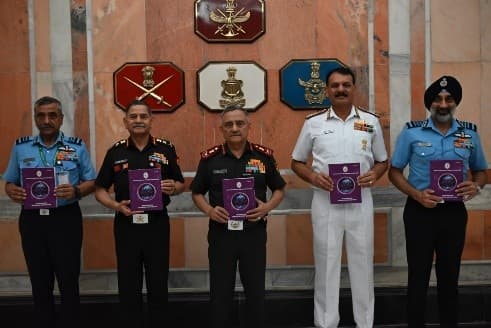
14.Joint Doctrine on Cyberspace Operations (Cyber Doctrine)

PIB
Illustration for Joint Doctrine on Cyberspace Operations (Cyber Doctrine)

What & Where

Doctrine-set: CDS-released Joint Doctrines unify Cyberspace Operations and Amphibious Operations for integrated multi-domain warfare.

Cyberspace: borderless network‐satellite-control-system realm enabling defensive, offensive, intelligence, support and resilience missions.

Amphibious: sea-launched tri-service assaults or HADR actions across India’s coastline and island territories.

Quick Facts for MCQs

Security Dimension

  • Protection: doctrines guard power grids, defence networks, coastal assets from state and non-state threats.
  • Multiplier: cyber tools amplify kinetic missions, degrading enemy C4I before physical contact.
  • Reach: amphibious forces secure choke points, island chains, littoral sea lanes.

Tech & Processes

  • Layering: firewalls, IDS, redundancies deliver depth against malware and intrusions.
  • Real-time: continuous monitoring enables instant detect-neutralise cycles in cyber battlespaces.
  • Recovery: backup architecture ensures mission continuity during sustained attacks.

Jointness Agenda

  • Interoperability: common procedures reduce duplication across services and civil cyber agencies.
  • Training: unified drills hone beach-landing, network-defence, cross-domain targeting skills.
  • Doctrine update: living documents adapt with tech change, ensuring future-proof force posture.

Key Data Points

FeatureData-Point
Issuing authorityChief of Defence Staff
DocumentsJoint Doctrine for Cyberspace Operations; Joint Doctrine for Amphibious Operations
Cyberspace traitsBorderless; dual-use; real-time impact; attribution difficult
Key cyber componentsDefensive; Offensive; Intelligence & Recon; Support; Resilience
Core cyber principleThreat-informed, layered, legally compliant action
Amphibious hallmarkNavy-Army-Air Force integration sea-to-shore
Amphibious rolesCombat, HADR, deterrent power projection
Strategic payoffHybrid-warfare readiness; maritime superiority
Legal stanceOperations within domestic law & international cyber norms
Diplomacy angleSignals credible multi-domain capability abroad
GS-2SchemeQuick Bite

15.SECI Green Ammonia Auction (Green Hydrogen)

PIB

What & Where

Green Ammonia — carbon-free NH₃ from green-hydrogen electrolysis plus atmospheric nitrogen.

First procurement auction held by SECI under SIGHT Scheme within National Green Hydrogen Mission.

Implemented pan-India; SECI is a Navratna CPSU under MNRE.

Quick Facts for MCQs

Tech & Schemes

  • SIGHT: supply-side financial incentives to expand domestic green-hydrogen output.
  • Auction: India’s inaugural tender dedicated to purchasing green ammonia volumes.
  • Incentives: payments routed via SECI to eligible manufacturers.

Institutional Setup

  • SECI: nodal agency for renewable and hydrogen auctions, enjoys autonomous Navratna flexibilities.
  • MNRE: policy oversight, implements NGHM and SIGHT through SECI instruments.

Applications & Storage

  • Fertilisers: enables climate-neutral urea, DAP production replacing fossil-based ammonia.
  • Energy Carrier: usable as zero-carbon fuel in engines, fuel cells, marine propulsion.
  • Logistics: easier long-range energy trade owing to stable liquid storage conditions.

Key Data Points

FeatureData-Point
Auction Conducted BySolar Energy Corporation of India (SECI)
SECI StatusNavratna Central Public Sector Undertaking
Parent MinistryMinistry of New & Renewable Energy (MNRE)
Scheme NameSIGHT – Strategic Interventions for Green Hydrogen Transition
Mission UmbrellaNational Green Hydrogen Mission
Auction FocusGreen Ammonia procurement
Green Ammonia InputsGreen hydrogen + atmospheric nitrogen
Key UsesFertilisers, zero-carbon engines/fuel cells, marine fuel
Storage AdvantageLiquid at moderate pressure / low temperature

Related UPSC Prelims PYQs

CAPF_GAI, GS1 2025PYQ 1

Which of the statements given below is/are correct?

CAPF_GAI, GS1 2023PYQ 2

Consider the following heavy industries:

GS-2SchemeQuick Bite

16.Swadesh Darshan Tourism Scheme (Tourism Circuit)

PIB

What & Where

Swadesh Darshan = Central-Sector scheme (2014-15) for integrated, theme-based tourist-circuit infrastructure across India.

Current push: Buddhist Circuit; 5 projects sanctioned worth ₹325.53 cr plus FAM Train Tour under Dekho Apna Desh.

Core route: Gaya-Bodhgaya, Rajgir-Nalanda (Bihar) & Sarnath-Varanasi (Uttar Pradesh).

Quick Facts for MCQs

Policy & Implementation

  • Integration: Synergises with Swachh Bharat, Skill India, Make in India.
  • Selection: Circuits include Coastal, Desert, Eco, Heritage, Himalayan, Krishna, Ramayana, Tribal etc.
  • Assistance: CFA covers physical, digital & soft infrastructure in circuits.

Funding & Infrastructure

  • Sanction: 5 new Buddhist projects total ₹325.53 cr approved 2021.
  • Pipeline: PRASHAD adds 30 pilgrimage-infrastructure projects nationwide.
  • Focus: Bodhgaya, Ajanta, Ellora declared Iconic Tourist Sites for enhanced facilities.

Soft Power & Promotion

  • Outreach: Biennial Buddhist Conclave markets India in global travel circuits.
  • Domestic: 2020 Dekho Apna Desh campaign nudges citizens to explore home destinations.
  • Branding: Buddhist Circuit Train FAM tour showcases heritage to tour operators/media.

Key Data Points

FeatureData-Point
Scheme natureCentral Sector
Launch year2014-15
Implementing ministryTourism
CFA recipientState/UT govts
Thematic circuits15 identified
Latest sanction5 Buddhist projects
Sanctioned amount₹325.53 crore
FAM tour tagDekho Apna Desh (2021)
Key Buddhist sitesBodhgaya, Ajanta, Ellora
Related schemePRASHAD (30 projects)

Related UPSC Prelims PYQs

NDA_GAT 2025PYQ 1

The scheme PRASHAD (Pilgrimage Rejuvenation & Spiritual Heritage Augmentation Drive) provides assistance for

Ready to practice?

Test your knowledge with our UPSC test series.

Start Free Trial