UPSC Current Affairs

15 topicsGS-1: 1GS-2: 2GS-3: 12
0/15 done
GS-3Economy

2.National Cooperative Development Corporation Grant Boost (Cooperative Finance)

Times of India

What & Where

Statutory corporation financing cooperative development in agriculture, rural industries, allied sectors across India

Created 1963 via National Cooperative Development Corporation Act; functions under Ministry of Cooperation

Headquarters New Delhi; network of 18 regional/state offices

Quick Facts for MCQs

Legal & Policy

  • Statutory-status ensures parliamentary oversight, independent borrowing, tax benefits
  • Mandate covers production, processing, marketing, storage, export-import of notified commodities
  • Financial assistance channelled either directly to cooperatives or through state governments

Funding Streams

  • Cabinet grant supplements existing loan portfolio for long-term credit, working capital, infra modernisation
  • Instruments include low-interest loans, grants, equity, guarantees
  • Technical-guidance funds earmarked for project preparation via regional offices

Sectoral Interventions

  • Agriculture value-chain finance: seeds, fertilisers, cold storage, agro-processing units
  • Rural non-farm support: dairy, poultry, fisheries, handloom, sericulture, textiles
  • Infrastructure projects: irrigation systems, sanitation facilities, animal health centres

Socio-Economic Impact

  • Inclusive-growth focus on women-led and labour cooperatives, boosting rural employment
  • Value-addition initiatives strengthen farmer incomes and reduce post-harvest losses
  • Cooperative empowerment aligns with vision of Atmanirbhar Bharat and grassroots rural development

Key Data Points

FeatureData-Point
Cabinet grant (2024)₹2,000 crore over 4 years
Year of establishment1963
Parent ministryMinistry of Cooperation
Legal natureStatutory body by Act of Parliament
HeadquartersNew Delhi
Field offices18 regional/state
Beneficiary cooperatives13,000+ societies
Membership base~2.9 crore individuals

Related UPSC Prelims PYQs

CAPF_GAI, ESE_GS 2026PYQ 1

Which organization is responsible for implementing the National Beekeeping & Honey Mission (NBHM)?

CAPF_GAI, ESE_GS 2025PYQ 2

नवीनी सहकार योजना के बारे में निम्नलिखित कथनों पर विचार कीजिए:

GS-3Infrastructure

3.NHAI Sustainability Report Highlights ESG Gains (Sustainability in Highways)

PIB

What & Where

NHAI – statutory body under MoRTH managing national highway development across India

Sustainability Report FY 2023-24 showcases integration of ESG, Mission LiFE and circular economy in road sector

Coverage includes 20 % construction expansion, 467 Amrit Sarovar water bodies, nation-wide operations

Quick Facts for MCQs

Environmental Impact

  • Emission-intensity cut 1.0→0.8 MTCO₂e/km despite 20 % highway length rise
  • Water-use intensity in stressed regions down 74 %; 467 rejuvenated water bodies created
  • Eco-bridges, wildlife underpasses, green belts recommended to minimise habitat fragmentation

Circular Economy

  • Recycled-inputs 631 lakh t fly-ash, plastic waste, reclaimed asphalt deployed in FY 23-24 projects
  • Excavated soil 2.4 crore m³ reused, saving ₹16,690 crore material cost
  • Guiding-motto Recycle-Reuse-Rebuild aligned with Mission LiFE, SDGs, NAPCC

Institutional Details

  • NHAI constituted by National Highways Authority of India Act 1988; operational since February 1995
  • Governance structure Chairman plus up to five full-time, four part-time members appointed by Centre
  • Sustainability report second edition institutionalises ESG metrics for public disclosure and policy alignment

Key Data Points

FeatureData-Point
Report editionSecond Sustainability Report
Financial year coveredFY 2023-24
Highway construction increase20 %
GHG emission intensity1.0→0.8 MTCO₂e/km
Recycled material utilised631 lakh metric tonnes
Water bodies developed467
Soil recovered2.4 crore m³
Estimated cost saving₹16,690 crore
Water-use intensity cut74 %
NHAI Act year1988
Operational sinceFebruary 1995
Board compositionChairman + ≤5 full-time + 4 part-time

Related UPSC Prelims PYQs

CDS_GK 2023PYQ 1

भारतीय राष्ट्रीय राजमार्ग प्राधिकरण (NHAI) के बारे में निम्नलिखित में से कौन-सा कथन सही नहीं है?

GS-3EconomyQuick Bite

4.RBI Curbs RE Investments in AIFs (Alternative Investment Funds)

The Hindu

What & Where

Alternative Investment Fund: privately pooled vehicle for sophisticated Indian/foreign investors; regulated by SEBI (AIF Regulations, 2012).

RBI Aug 2025 norms cap investments by regulated entities (REs) in AIF schemes to curb evergreening & concentration risk.

Applicable across India to banks, AIFs, NBFCs, all-India FIs.

Quick Facts for MCQs

Legal & Policy

  • Notification issued under Banking Regulation Act & RBI Act enabling prudential limits on non-core investments.
  • SEBI AIF categories remain unchanged; RBI limits operate in addition to SEBI ceilings.

Risk Management

  • Concentration-risk curb: 20 % collective ceiling prevents large single-scheme exposures from banking system.
  • Evergreening check: 100 % provisioning disincentivises indirect rollover of stressed loans via AIF route.

Institutional Coverage

  • Inclusion keyword NBFCs ensures housing finance companies also bound by new caps.
  • Exemptions continue for family trusts, employee welfare or gratuity trusts, holding companies under Companies Act 1956.

Key Data Points

FeatureData-Point
Total REs’ cap per AIF scheme20 % of corpus
Single RE cap per AIF scheme10 % of corpus
Safety-net provisioning trigger>5 % stake in AIF with downstream exposure to own borrower (non-equity)
Provisioning quantum100 % of outstanding loan to that borrower
Covered REsCommercial, RRBs, UCBs, Co-op banks, All-India FIs, NBFCs, HFCs
AlignmentBrings RBI rules in line with SEBI due-diligence norms

Related UPSC Prelims PYQs

GS1 2025PYQ 1

With reference to investments, consider the following:

GS1 2024PYQ 2

निम्नलिखित कथनों पर विचार कीजिए :

GS-1History

5.Lokmanya Bal Gangadhar Tilak Legacy (Freedom Movement Leader)

FPJ
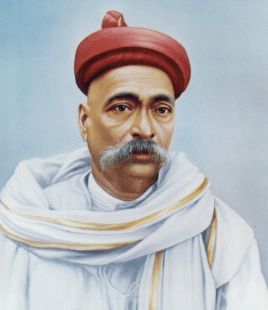
Illustration for Lokmanya Bal Gangadhar Tilak Legacy (Freedom Movement Leader)

What & Where

Revolutionary nationalist Bal Gangadhar Tilak, aka Lokmanya, led assertive freedom politics in British-ruled India

Core geography: born Ratnagiri (Maharashtra), activism centred in Pune–Bombay Presidency, message spread pan-India via Home Rule League

Famous declaration “Swaraj is my birthright”; mass festivals, press and education used to localise national struggle

Quick Facts for MCQs

Education Initiatives

  • Co-founded Deccan Education Society (1884) and Fergusson College to promote Indian-managed higher learning
  • Emphasised vernacular curriculum fostering patriotic consciousness

Journalism

  • Used Kesari editorials to criticise colonial policy, mobilise peasants and workers
  • English weekly The Mahratta targeted educated elite for nation-wide reach

Political Strategy

  • Advocated direct action over petitions; split with Moderates at Surat INC 1907
  • Launched Home Rule agitation seeking Dominion-status self-government

Imprisonment & Trials

  • Charged under Section 124A IPC; speeches on Chapekar brothers, Kundal murder cited as sedition
  • Mandalay jail term deepened study of Bhagavad Gita, producing Gita Rahasya manuscript

Legacy

  • Title “Father of Indian Unrest” coined by Valentine Chirol acknowledges his mass-mobilisation impact
  • Ideological seeds influenced Gandhi’s later Non-Cooperation and Civil Disobedience campaigns

Key Data Points

FeatureData-Point
Birth23 Jul 1856, Ratnagiri, Maharashtra
EducationB.A. & LL.B., Deccan College Pune
Key slogan“Swaraj is my birthright and I shall have it”
Newspapers foundedKesari (Marathi), The Mahratta (English)
Cultural festivals revivedGanesh Utsav 1893, Shivaji Jayanti
Trio leadershipLal-Bal-Pal (Tilak-Lajpat Rai-B.C. Pal)
Home Rule League1916, with Annie Besant
Major sedition terms1897 & 1908 imprisonments
Books authoredGita Rahasya, Arctic Home in the Vedas, Orion
Death1 Aug 1920, Mumbai

Related UPSC Prelims PYQs

GS1 1997PYQ 1

“A graduate at 18, professor and associated editor of the Sudharak at 20, Secretary of the Sarvajanik Sabha and of the Provincial Conference at 25, Secretary of the National Congress at 29, leading witness before an important Royal Commission at 31, Provincial legislator at 34, Imperial legislator at 36, President of the Indian National Congress at 39 ……… a patriot whom Mahatma Gandhi himself regarded as his master.” This is how a biographer describes

GS1 1999PYQ 2

The Congress policy of pray and petition ultimately came to an end under the guidance of

GS-3Environment

6.India Mangrove Restoration for Coastal Security (Mangrove Restoration)

The Hindu
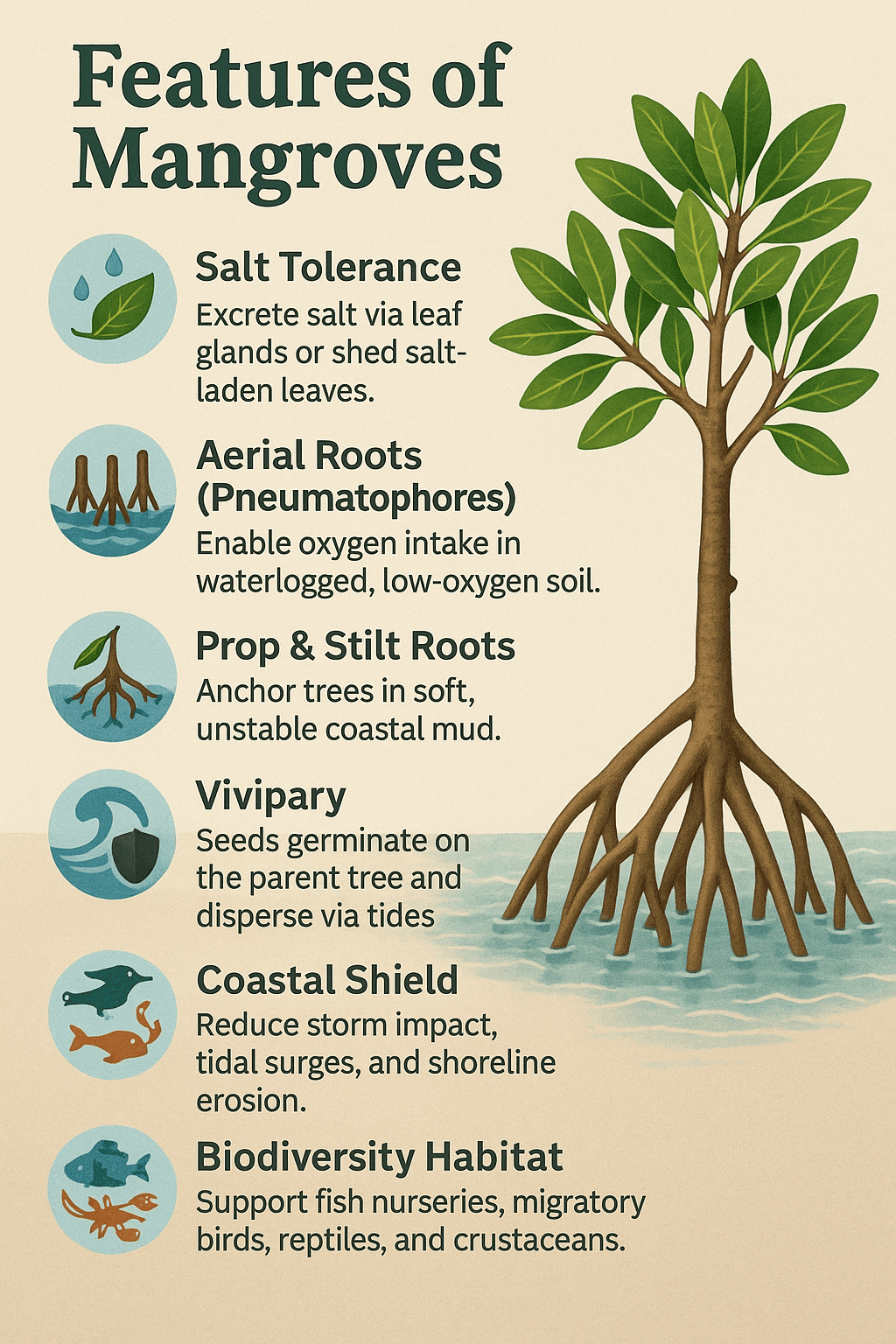
Illustration for India Mangrove Restoration for Coastal Security (Mangrove Restoration)

What & Where

Definition; salt-tolerant woody plants occupying tropical–subtropical intertidal flats, creeks, estuaries

Core Indian belts; Sundarbans, Mahanadi–Godavari deltas, Pichavaram Tamil Nadu, Gulf of Kutch Gujarat

Extent; ~4,900 sq km mangrove cover reported by FSI 2021

Quick Facts for MCQs

Threats

  • Urbanisation; land clearance for roads, ports, realty
  • Aquaculture; shrimp ponds replacing native stands, notably in Tamil Nadu, Andhra Pradesh
  • Climate change; sea-level rise altering salinity, tidal exchange

Restoration Schemes

  • Tamil Nadu; canal reworking plus native seed broadcasting under Green Tamil Nadu Mission
  • Gujarat; national leader in MISHTI implementation, targets already surpassed
  • Mumbai; mangrove planting clubbed with plastic interception along Thane Creek

Security & Livelihood

  • Disaster shield; reduced 2004 tsunami and cyclone impacts via wave energy damping
  • Income sources; fish, crab, honey gathering for coastal communities
  • Eco-tourism; restored sites in Gujarat and Sundarbans attract birdwatchers

Tech & Policy

  • Monitoring; drones, satellites, AI track health and growth real-time
  • Policy link; propose MISHTI alignment with Smart Cities and CRZ regulations
  • Community stewardship; locals engaged in mapping, seed collection, canal maintenance

Key Data Points

FeatureData-Point
India mangrove area~4,900 sq km
Tamil Nadu Green Mission gain4,500 → 9,000 ha (2021-24)
Gujarat MISHTI planting>19,000 ha in two years
Mumbai Thane Creek outlay₹10.3 crore
Saplings in Thane Creek3.75 lakh over three years
Plastic removal target150 tonnes at Thane Creek
Muthupettai seeds used4.3 lakh Avicennia
Main ecosystem serviceBlue-carbon capture exceeding tropical forests

Related UPSC Prelims PYQs

GS1 2011PYQ 1

The 2004 Tsunami made people realize that mangroves can serve as a reliable safety hedge against coastal calamities. How do mangroves function as a safety hedge?

GS1 1995PYQ 2

“Monoculture of commercially viable trees is destroying the unique natural profile of ……… Thoughtless exploitation of timber, deforesting vast tracts for palm cultivation, destruction of mangroves, illegal logging by tribals and poaching only compound the problem. Fresh water pockets are fast drying up due to deforestation and destruction of mangroves.” The place referred to in this quotation is

GS-3Environment

7.CEC Review of CAMPA Fund Utilisation (Compensatory Afforestation)

The Hindu

What & Where

CAMPA = statutory authorities (Centre + States) managing Compensatory Afforestation Fund under CAF Act 2016

Trigger: diversion of notified forest land for non-forest use; user agency pays, provides land or twice-area degraded land

Geography core: funds held in Public Account of India & States; 90 % flows to States, 10 % retained by Centre

Quick Facts for MCQs

Legal & Policy

  • Mandate: Forest (Conservation) Act 1980 requires land & full afforestation cost from user agency
  • Provision: CAF Act channels pre-2016 monies into National/State CAF, removes lapse risk
  • Gap: No statutory timeline for utilisation; Parliamentary panel flagged bureaucratic delays

Fund Utilisation

  • Accumulation: ₹1.2 lakh cr+ sitting in CAMPA, only two-thirds spent
  • Diversion: Portions routed to schemes like Green India Mission, diluting compensatory focus
  • Audit: CAG conducts annual financial audit; performance audit sporadic

Ecological Impact

  • Concern: Monoculture plantations reduce biodiversity, create edge effects, fragment corridors
  • Warning: IPCC 2023 says off-site plantations cannot offset natural forest loss, risking net ecological deficit
  • Land issue: Small, forest-rich states struggle to find suitable non-forest land contiguous to affected sites

Community & Rights

  • Exclusion: Decision-making dominated by forest bureaucracy, often ignoring FRA 2006 community rights
  • Risk: Green-washing replaces rich commons with commercial exotics, undermining livelihood ecosystems
  • Remedy: Native, multi-species, community-led plantations recommended for socio-ecological justice

Key Data Points

FeatureData-Point
Supreme Court creation year2002 (T.N. Godavarman)
Statutory backingCAF Act 2016, Rules 2018
Bodies formedNational CAMPA, 36 State/UT CAMPA
Fund natureInterest-bearing, non-lapsable
Centre–State fund split10 % : 90 %
Target afforestation achieved85 % (CEC assessment)
CAMPA money utilised67.5 % of available corpus
Audit authorityComptroller & Auditor General
Permitted activitiesCA, catchment treatment, wildlife, relocation, capacity-building
Land adjacency clauseAfforestation land to be contiguous to diverted forest

Related UPSC Prelims PYQs

GS1 2019PYQ 1

Consider the following statements:

GS-3Environment

8.Rising Marine Heatwaves around India (Marine Heatwaves)

The Hindu
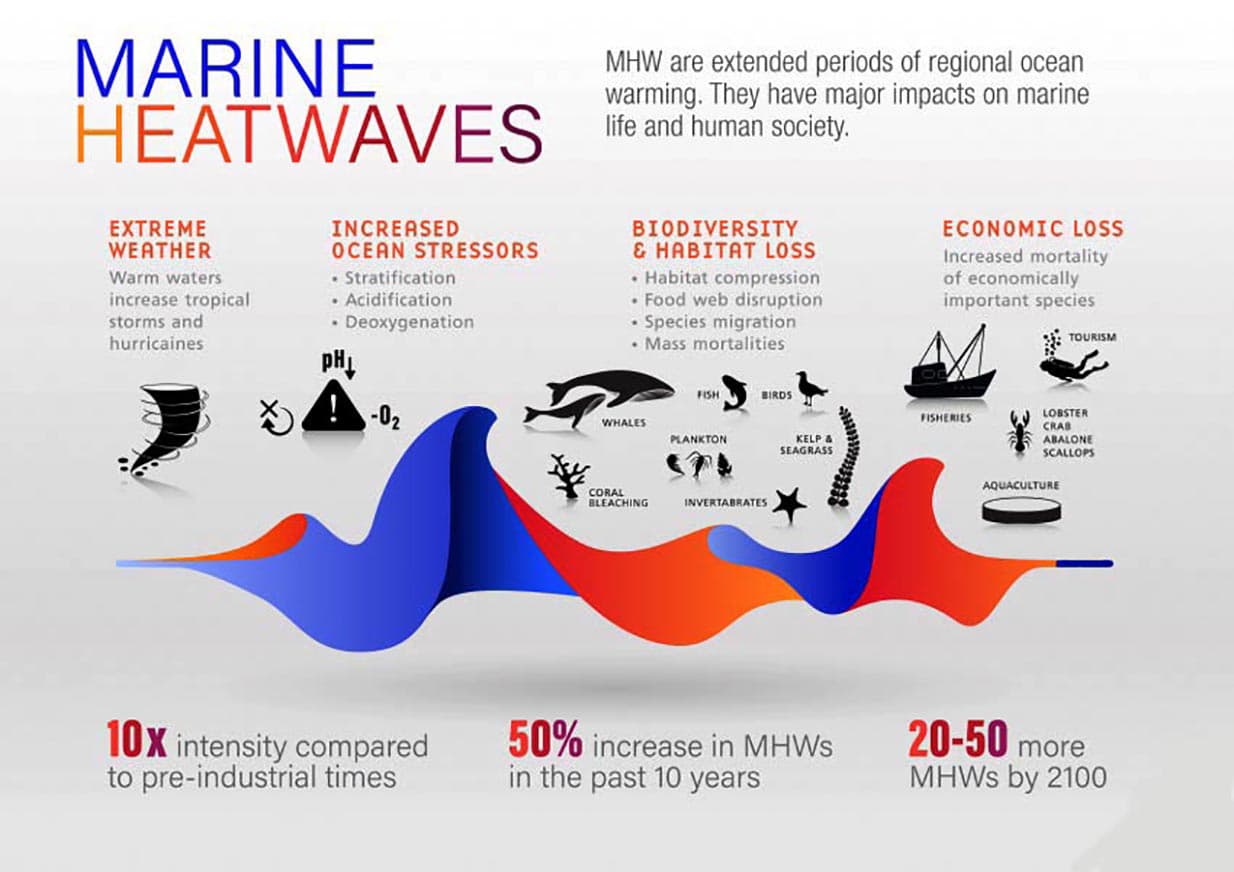
Illustration for Rising Marine Heatwaves around India (Marine Heatwaves)

What & Where

Marine Heatwaves: ≥5 days of sea-surface temperature far above local average.

Key drivers: ocean currents, air-sea heat flux, wind anomalies, ENSO phases.

Indian hotspots: Western Indian Ocean & North Bay of Bengal adjoining Indian coast.

Quick Facts for MCQs

Trend & Statistics

  • Acceleration evident; frequency, intensity, spatial extent all climbing.
  • Western Indian Ocean shows highest growth rate among global tropical basins.

Monsoon Linkages

  • MHW-induced SST gradients modulate summer monsoon winds.
  • Results: suppressed convection over central India, enhanced over southern peninsula.

Ecological Impact

  • Coral bleaching, kelp loss, seagrass destruction documented in hotspot zones.
  • Mass mortality of marine invertebrates alters food webs and biodiversity.

Mitigation & Response

  • Expand ocean observation arrays; integrate MHW metrics into weather models.
  • Local agencies urged to issue early forecasts, coordinate fisheries adaptation.

Key Data Points

FeatureData-Point
Study period1982 – 2018
W. Indian Ocean rise≈1.5 events/decade
N. Bay of Bengal rise≈0.5 events/decade
Event count 1982-2018WIO 66; BoB 94
Expected SST rise (Indian Ocean)+1 – 2 °C at 1.5-2 °C global warming
2020 Gulf of Mannar bleaching85 % corals affected
Monsoon responseDrying central India; wetter south peninsula
Primary economic hitFisheries & aquaculture losses

Related UPSC Prelims PYQs

GS1 2020PYQ 1

महासागर औसत तापमान (Ocean Mean Temperature/OMT) के संदर्भ में, निम्नलिखित में से कौन-सा/से कथन सही है/हैं?

GS1 2017PYQ 2

With reference to ‘Indian Ocean Dipole (IOD)’, sometimes mentioned in the news while forecasting Indian monsoon, which of the following statements is/are correct?

GS-3Species

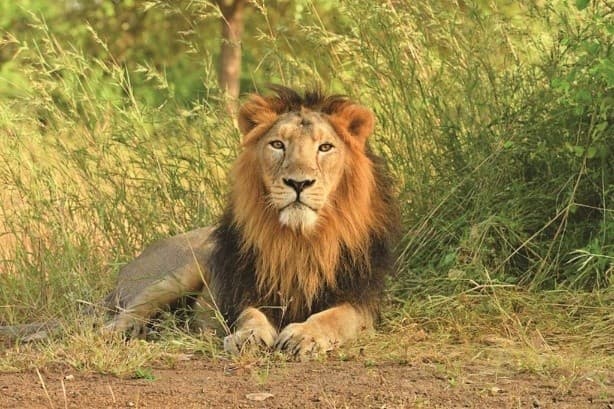
9.Asiatic Lion Conservation Status and Range (Asiatic Lion)

New Indian Express
Illustration for Asiatic Lion Conservation Status and Range (Asiatic Lion)

What & Where

Subspecies; Asiatic lion Panthera leo persica survives only in India

Geography; core in Gir NP with spill-over to Amreli, Junagadh, Bhavnagar, coastal Gujarat

Concern; cub mortality spike despite rising overall population

Quick Facts for MCQs

Conservation & Legal

  • Protection; Schedule I + Appendix I afford highest national and global safeguards
  • Recovery; <20 lions in 1900s, now >600 due to intensive state efforts
  • Risk; single wild population vulnerable to disease, disasters

Demography & Distribution

  • Dispersion; over one-third now roam revenue, coastal landscapes outside PA
  • Expansion; new territories in Amreli, Bhavnagar easing density in Gir core
  • Conflict; wider range escalates human–lion interaction, livestock predation

Morphology

  • Mane; males possess scant mane, ears clearly visible
  • Belly; longitudinal belly fold unique among lion subspecies
  • Dimensions; length 2.8 m, height 1.1 m, coat occasionally silvery

Key Data Points

FeatureData-Point
Scientific namePanthera leo persica
IUCN statusVulnerable
WPA listingSchedule I
CITES appendixAppendix I
Historic rangeEastern India–Mediterranean
Present core habitatGir National Park
Lions outside PA>200 individuals
Male weight160–190 kg
Female weight110–120 kg
Identifying traitProminent belly fold
Mane characterSparse, ears visible
Coat colourSandy to buff-grey
Shoulder height~110 cm
Body lengthUp to 280 cm

Related UPSC Prelims PYQs

GS1 1999PYQ 1

"India has the largest population of the Asian X. Today, there are just about 20,000 to 25,000 X in their natural habitat spreading across the evergreen forests, dry thorn forests, swamps and grasslands. Their prime habitats are, however, the moist deciduous forests. The X population in India ranges from Northwest India where they are found in the forest divisions of Dehradun, Bijnor and Nainital districts of UP to the Western Ghats in the states of Karnataka and Kerala and in Tamil Nadu. In Cen

GS-3Infrastructure

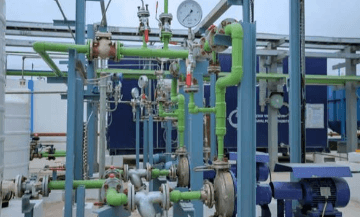
10.India's First 1 MW Green Hydrogen Port Plant (Green Hydrogen)

Times of India
Illustration for India's First 1 MW Green Hydrogen Port Plant (Green Hydrogen)

What & Where

Facility: 1 MW green hydrogen plant, first at any Indian port

Location: Deendayal Port Authority, Kandla, Gujarat

Framework: National Green Hydrogen Mission 2023 & Maritime India Vision 2030

Quick Facts for MCQs

Tech & Schemes

  • Indigenous electrolyzers powered by renewable energy enable zero-carbon hydrogen
  • Make-in-India engineering showcases domestic capability in complex clean systems
  • Alignment with National Green Hydrogen Mission funding and port decarbonisation schemes

Phased Expansion

  • Phase-1 1 MW commissioned; extra 5 MW targeted by financial-year end
  • Full 10 MW slated for mid-next fiscal, scaling hydrogen output tenfold
  • Modular design eases replication across other Indian ports

Environmental Impact

  • Replacement of diesel in port logistics cuts fossil-fuel reliance
  • Supports national Net Zero commitment by greening maritime transport

Strategic Significance

  • First port-based hydrogen plant sets benchmark for maritime sector decarbonisation
  • Four-month build highlights speed-scale-skill model for green infrastructure
  • Advances Aatma-Nirbhar Bharat through indigenous tech leadership

Key Data Points

FeatureData-Point
Current capacity1 MW
Planned total capacity10 MW
Annual H₂ output (1 MW)≈140 metric tonnes
Construction duration4 months
Site elevationSea-level port campus
Execution partnersDPA + Larsen & Toubro
Electrolyzer origin100 % indigenous
Initial end-uses11 hydrogen buses, street lighting

Related UPSC Prelims PYQs

CAPF_GAI, ESE_GS 2022PYQ 1

US-based Ohmium International has started India's first green hydrogen electrolyzer manufacturing unit at

CAPF_GAI, ESE_GS 2025PYQ 2

Which of the statements given below is/are correct?

GS-3S&T

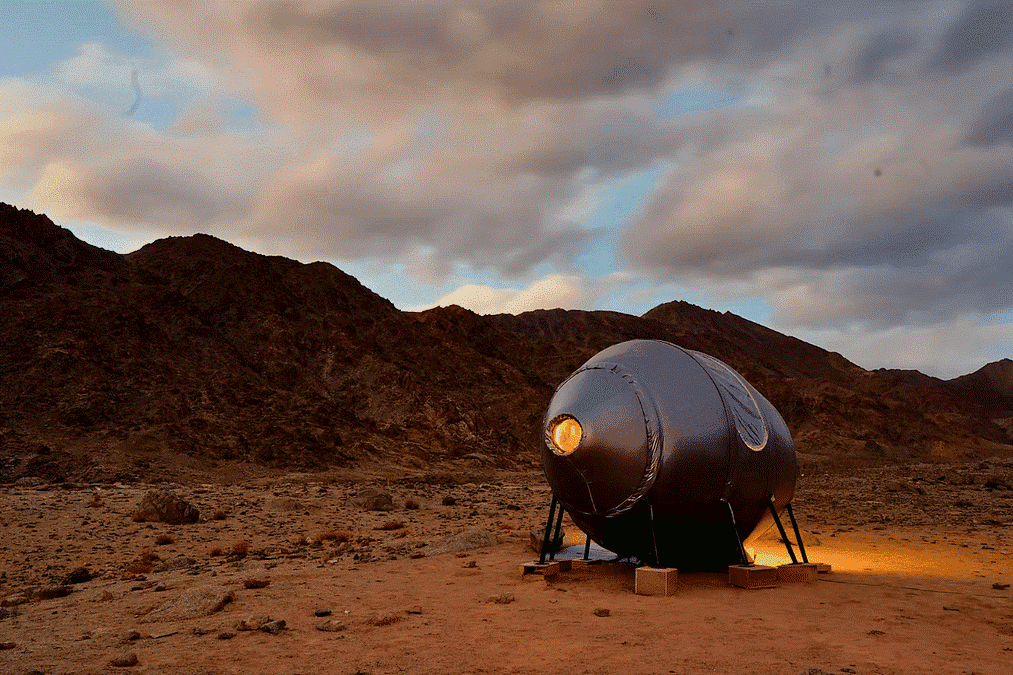
11.HOPE Moon-Mars Simulation Station in Ladakh (Mars Simulation)

The Hindu
Illustration for HOPE Moon-Mars Simulation Station in Ladakh (Mars Simulation)

What & Where

Simulation research station replicating Moon-Mars conditions, named HOPE.

Site: Tso Kar high-altitude cold desert, Ladakh (~4,500 m).

Built by Bengaluru’s Protoplanet with ISRO technical-financial aid.

Quick Facts for MCQs

Tech & Research

  • Altitude-induced low oxygen simulates extraterrestrial radiation and pressure limits
  • Periodic crew rotation tests individual variability under confinement
  • ISRO-derived crew selection mirrors Gaganyaan medical protocols

Human Factors

  • Psychological; focus on stress, circadian disruption, social isolation coping
  • Physiological; monitor vitals, immune markers, metabolic shifts
  • Epigenetic; track gene-expression changes during and post-mission

Strategic Significance

  • Capability; positions India among US, Canada, Russia in analogue research
  • Data; feeds into Bharatiya Antariksh Station design and Gaganyaan follow-ups
  • Timeline; supports roadmap toward indigenous space station 2035, crewed moonshot 2040

Key Data Points

FeatureData-Point
Full formHuman Outer Planetary Exploration
Analogue terrainLunar & Martian
Altitude≈4,500 m (Tso Kar basin)
Isolation stint2 scientists, 10 days
Lead organisationProtoplanet
Technical partnerISRO
Research focusPsychological, physiological, epigenetic adaptation
Linked national targetsSpace station 2035; Crewed Moon 2040
GS-3S&T

12.ICAR AI-Driven Agromet Advisory Service (Agro-Met Advisory)

News on Air

What & Where

Real-time, personalised Agromet Advisory Service using AI/ML for smallholder farmers

Processes: dynamic crop-weather analytics, real-time IMD + satellite integration, multi-channel delivery

Geography: piloted Maharashtra; developed by ICRISAT-ICAR for pan-India and global scale

Quick Facts for MCQs

Technology Stack

  • AI/ML: dynamic crop-weather models enable hyper-local predictions
  • Bot: WhatsApp interface pushes regional-language advisories
  • Integration: real-time fusion of weather, soil, crop and socio-economic datasets

Pilot & Scale

  • Maharashtra: deployment through ICAR Agro-Meteorological Field Units
  • National: roadmap to cover all AMFUs; CGIAR aids international replication
  • Support: partners include IMD, IITM, AI4CRA under Monsoon Mission-III

Farmer Impact

  • Resilience: actionable alerts mitigate climate variability risks
  • Productivity: timely guidance curbs losses, stabilises yields
  • Inclusion: multi-channel outreach bridges last-mile info gaps for smallholders

Key Data Points

FeatureData-Point
Lead developersICRISAT + ICAR
Central fundingMonsoon Mission-III, GoI
Tech coreAI & Machine Learning
First pilot stateMaharashtra
Data feedsIMD forecasts, satellite observations
Primary interfaceAI-powered WhatsApp bot
Dissemination modesIVRS, mobile app, village resource centres
Target beneficiaries≈120 million small & marginal farmers

Related UPSC Prelims PYQs

GS1 2021PYQ 1

In the context of India’s preparation for Climate-Smart Agriculture, consider the following statements:

GS1 2024PYQ 2

Which of the following correctly describes "100 Million Farmers"?

GS-3S&TQuick Bite

13.Ladakh Travertine Study on Life Origins (Astrobiology)

DST

What & Where

Travertine (CaCO₃) in Puga Valley hot springs, Ladakh, traps prebiotic organic molecules.

Hot springs: continuous geothermal outflow; geysers: periodic steam-water eruptions from superheated cavities.

Puga Valley, SE Ladakh, tectonically active, sulphur-rich, high geothermal energy potential.

Quick Facts for MCQs

Astrobiology Link

  • Carbonate preservation broadens Mars sampling targets beyond silica terrains.
  • Supports geothermal origin-of-life scenarios paralleling early Earth and Martian settings.
  • ISRO rover planning may prioritise carbonate-rich outcrops.

Analytical Techniques

  • GC-MS-MS identified molecular species within carbonate pores.
  • Raman & IR verified mineralogy and organic association.
  • Stable isotopes separated abiotic versus potential biogenic signatures.

Geothermal Features

  • Hot springs emerge where crustal heat raises groundwater above surface.
  • Geysers need constricted plumbing creating pressure-driven eruptions.
  • Travertine precipitates as CO₂-rich hot water degasses, entombing organics.

Key Data Points

FeatureData-Point
Study sitePuga Valley, Ladakh
Host rockTravertine (calcium carbonate)
Trapped organicsAmino acids, fatty acids, formamide
Key inferenceCarbonate can preserve biosignatures
Earlier view challengedSilica dominant preservers
Main instrumentsGC-MS-MS, Raman, XRD, IR, isotope geochem
Hot-spring example (India)Manikaran, Himachal Pradesh
Geyser example (World)Old Faithful, Yellowstone USA
Flow natureHot spring continuous; geyser intermittent
Space relevanceGuides ISRO’s Mars biosignature search
GS-2Polity

14.US Sanctions Indian Firms over Iran Petrotrade (US Sanctions)

NDTV

What & Where

ExecutiveOrder 13846 empowers US to sanction entities trading Iranian petrochemicals

Six Indian firms among twenty global entities now designated; all US-jurisdiction assets frozen

Iran situated in southwestern Asia between Persian Gulf, Gulf of Oman and Caspian Sea

Quick Facts for MCQs

Legal & Policy

  • ExecutiveOrder13846 targets revenue funnelled to terrorism, repression, regional destabilisation
  • SanctionsPackage includes property block, visa bans, denial of US export licences
  • ComplianceRequirement threatens non-US partners with penalties for substantial transactions

Economic Impact

  • TradeDisruption elevates cost and paperwork for Indian chemical exporters and shipping insurers
  • BilateralStrain may spill into India–US investment, IPEF supply-chain talks
  • RevenueCut designed to limit Iranian funding for proxies like Hezbollah, Houthis

Physical Geography

  • MountainRanges: Zagros west–southwest, Alborz north
  • InteriorTerrain: Central Plateau fringed by high ranges and desert basins
  • KeyRivers: Zayandeh critical to Isfahan but depleted; Sefid drains into Caspian Sea

Key Data Points

FeatureData-Point
Executive Order13846 (2018)
Indian firms sanctioned6
Total entities sanctioned20
Sanction triggerIranian petrochemical trade
Asset status in USFrozen
Dealings by US personsProhibited
Secondary-sanction riskYes
Iran capitalTehran
Highest Iranian peakDamavand 5,671 m
Only navigable riverKarun
Major desertsDasht-e Kavir, Lut
GS-3SecurityQuick Bite

15.Project 17A Frigate Himgiri Commissioned (Frigate Himgiri)

PIB

What & Where

Himgiri (Yard 3022): 3rd Nilgiri-class (Project 17A) stealth frigate, built at GRSE Kolkata, delivered to Indian Navy.

Project 17A: Indian multi-mission frigate programme, upgraded from Shivalik (P-17), constructed by GRSE & Mazagon Dock.

Operates mainly in Indian Ocean Region for anti-surface, anti-air, anti-submarine and land-attack roles.

Quick Facts for MCQs

Armament & Sensors

  • BrahMos provides 290-km-plus anti-ship/land-attack reach; Barak-8 covers ~70 km aerial threats.
  • Supersonic SSM, MR-SAM, CIWS integrated for layered defence.
  • Advanced radar/EW suites improve detection and survivability.

Propulsion & Platform Systems

  • CODAG combines gas turbine sprint with diesel cruise for fuel efficiency.
  • Controllable-pitch propellers aid manoeuvrability, noise reduction enhancing ASW stealth.
  • IPMS enables real-time control of power, damage, HVAC, boosting automation.

Indigenisation Drive

  • 75% indigenous content aligns with Atmanirbhar Bharat in defence shipbuilding.
  • Design by Directorate of Naval Design; construction split between GRSE & MDL.
  • Programme nurtures domestic MSMEs for weapons, hull, composites.

Security Dimension

  • Multi-mission role strengthens blue-water deterrence amid Indo-Pacific tensions.
  • Stealth, long-range strike widen Navy’s sea-denial and sea-control options.
  • Successor fleet replaces aging Leander/Shivalik units, ensuring force continuity.

Key Data Points

FeatureData-Point
Ship name & classINS Himgiri, Nilgiri-class (P17A)
Yard number3022
BuilderGarden Reach Shipbuilders & Engineers, Kolkata
PredecessorLeander-class INS Himgiri (1974-2005)
Main strike missileBrahMos supersonic SSM/LACM
Air-defence missileBarak-8 MR-SAM
Propulsion layoutCODAG with controllable-pitch propellers
Key systemIntegrated Platform Management System (IPMS)
Earlier P17A shipsINS Nilgiri, INS Udaygiri
Core upgrade over P-17Enhanced stealth, sensors, close-in weapon systems

Related UPSC Prelims PYQs

CDS_GK, NDA_GAT 2022PYQ 1

Which of the following Indian Naval Ships were decommissioned in June 2022?

CDS_GK, NDA_GAT 2024PYQ 2

Which one of the following statements about 'INS Tarmugli' is not correct?

Ready to practice?

Test your knowledge with our UPSC test series.

Start Free Trial