UPSC Current Affairs

16 topicsGS-1: 3GS-2: 3GS-3: 10
0/16 done
GS-2Editorial

1.Ethical Digital Conduct Guidelines (Civil Service Ethics)

Times of India

What & Where

Regulation: July 2025 Maharashtra circular instructs government staff to stay politically neutral and guard confidential data online

Training: April 2025 LBSNAA Mussoorie advisory counsels fresh civil servants against impulsive posts or inducements

Coverage: Guidelines operate within India under CCS 1964 & AIS 1968 conduct frameworks

Quick Facts for MCQs

Ethical Principles

  • Transparency: digital communication must remain clear, open, citizen-facing
  • Impartiality: no partisan endorsements, aligns with Rawlsian fairness duty
  • Integrity: avoid deception or leaks, preserve institutional trust

Pro-Regulation Rationale

  • Security: unchecked posts risk classified leaks, Kantian duty ethics back restraint
  • Image: unprofessional content tarnishes state dignity, virtue ethics stress propriety
  • Public-interest: utilitarianism supports limiting speech for larger societal good

Anti-Regulation Concerns

  • Expression: over-reach curbs Article 19(1)(a) rights, violates Mill’s harm principle
  • Transparency: social media aids citizen audit, curbs may dilute accountability
  • Morale: excessive policing breeds distrust, widens digital generational gap

Suggested Measures

  • Guidelines: publish precise dos & don’ts, separate personal and official handles
  • Training: mandate digital-ethics, data-privacy modules in all service courses
  • Accountability: graded response system emphasises advisory first, sanction later

Key Data Points

FeatureData-Point
Maharashtra order dateJuly 2025
Core conduct rule (Central)CCS (Conduct) Rules 1964
Conduct rule for AIS officersAIS (Conduct) Rules 1968
Constitutional freedom at stakeArticle 19(1)(a)
Example disciplinary casePSI Somnath Zende, Pune fantasy-league win

Related UPSC Prelims PYQs

ESE_GS, GS1 2024PYQ 1

Which of the following issues were addressed while establishing an IT Policy?

ESE_GS, GS1 2017PYQ 2

निम्नलिखित कथनों में से कौन-सा/से भारतीय नागरिक के मूल कर्तव्यों के विषय में सही है/हैं?
GS-3Economy

2.Banking Laws Amendment Act 2025 Reforms (Bank Governance)

LiveMint

What & Where

Reform law amending five Indian banking statutes, notified by Ministry of Finance

Focus areas: governance, audit, depositor protection, cooperative-bank regulation

Applies across India; effective 1 Aug 2025

Quick Facts for MCQs

Legal & Policy

  • Amendment modernises 50-year-old provisions, harmonises with Companies Act norms
  • Strengthens cooperative-bank governance per Article 243ZH-ZT constitutional framework
  • Clearly redefines ‘substantial interest’ to curb insider influence

Governance & Audit

  • PSB Boards now set auditor fees, enabling top-tier engagement, boosting independence
  • Streamlined RBI reporting lowers compliance load, improves data relevance
  • Tenure extension supports board continuity yet caps concentration

Depositor & Investor Safety

  • Unclaimed shares, interest, bonds routed to IEPF ensuring traceability and public utilisation
  • Enhanced audit quality expected to reduce hidden NPAs, bolstering depositor confidence
  • Higher ownership cap threshold reflects inflation, deters proxy holdings

Key Data Points

FeatureData-Point
Commencement date1 August 2025
Number of Acts amendedFive
New ‘substantial interest’ cap₹2 crore (was ₹5 lakh)
Cooperative-bank director tenure10 years (excl. chairperson, full-time)
Constitutional alignment97th Amendment—co-op governance
Unclaimed PSB assets destinationInvestor Education & Protection Fund
Auditor remuneration powerShifted to respective PSB Boards
Reporting to RBIEnd-of-fortnight/month/quarter, not every Friday

Related UPSC Prelims PYQs

GS1 2024PYQ 1

विदेशी बैंकों के साथ व्यवहार करते समय भारतीय रिज़र्व बैंक द्वारा अधिरोपित नियमों के संदर्भ में, निम्नलिखित कथनों पर विचार कीजिए:

GS1 2021PYQ 2

भारत में ‘शहरी सहकारी बैंकों’ के संबंध में, निम्नलिखित कथनों पर विचार कीजिए :

GS-3Economy

3.National Stock Exchange Growth Milestone (Capital Markets)

Business Standard
Illustration for National Stock Exchange Growth Milestone (Capital Markets)

What & Where

NSE India’s premier nationwide stock exchange, headquartered Mumbai, Maharashtra

Operates electronic, order‐driven markets across equity, debt, derivatives, ETFs, REITs, InvITs

Core geography: pan-India trading; global footprint via NSE IX at GIFT City, Gujarat

Quick Facts for MCQs

History & Milestones

  • Milestone 2025: 23 crore accounts, up 1 crore in three months
  • Pioneer 1994: first Indian bourse with screen-based anonymous trading
  • Recognition: tagged “institution of national importance”

Technology & Innovation

  • Technology: high-speed, resilient, multi-asset trading architecture
  • Platforms: NSE IX enables offshore multi-currency products at GIFT City
  • Innovation: Social Stock Exchange facilitates fundraising by non-profits

Regulation & Access

  • Access: open to all qualifying participants, dismantling traditional broker cartel
  • Oversight: regulated by SEBI; provides own clearing, settlement, risk management
  • Transparency: electronic order book ensures fair price discovery

Financial Inclusion

  • Objective: expand retail participation; investor education programmes nationwide
  • Account surge shows deepening financialisation beyond metros
  • SME focus: NSE EMERGE eases capital access for startups and small firms

Key Data Points

FeatureData-Point
Incorporated1992
SEBI recognitionApril 1993
Trading launch1994
Current unique trading accounts23 crore (July 2025)
Global equity market-cap rank5th largest
Derivatives rank1st by contracts traded
HeadquartersMumbai
Key objectiveDemocratise capital markets
Social Stock Exchange launch2023
SME platformNSE EMERGE

Related UPSC Prelims PYQs

GS1 2002PYQ 1

Among the following major stock exchanges of India, which one recorded the highest turnover during the year 2001-02?

GS1 2009PYQ 2

In the context of Indian news in recent times, what is MCX-SX ?

GS-3Infrastructure

4.Sawalkote Hydroelectric Project Revival (Hydro Power)

Times of India
Illustration for Sawalkote Hydroelectric Project Revival (Hydro Power)

What & Where

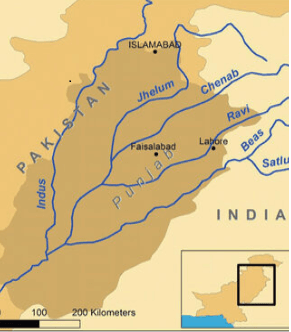
Sawalkote: 1,856 MW run-of-river hydroelectric plant on Chenab River, Sidhu village, Ramban district, J&K.

Chenab: largest Indus tributary, born at Chandra–Bhaga confluence, Tandi, Himachal Pradesh.

Objective: maximise India’s western-river utilisation amid Indus Waters Treaty suspension.

Quick Facts for MCQs

Legal & Policy

  • Indus Waters Treaty 1960 allocates western rivers to Pakistan; suspension enables fuller Indian utilisation.
  • Forest Advisory Committee grants preliminary clearance, key under Forest (Conservation) Act.
  • National-importance tag accelerates clearances and funding priorities.

Economic Angle

  • Investment ₹22,704.8 crore expected to boost J&K revenue, employment, power supply.
  • Two-phase construction distributes financial load and commissioning risk.
  • NHPC tendering signals revival of long-stalled large hydro pipeline.

Environmental Impact

  • Diversion of 847 ha forest may affect Himalayan ecology, needs compensatory afforestation.
  • Run-of-river design reduces large reservoir footprint versus storage dams.
  • FAC scrutiny includes wildlife habitat, sediment management, cumulative basin impact.

Key Data Points

FeatureData-Point
Installed capacity1,856 MW
Project typeRun-of-river hydropower
Main riverChenab
Implementing agencyNHPC
Village/DistrictSidhu, Ramban
UT/StateJammu & Kashmir
Project phasesTwo
Estimated cost₹22,704.8 crore
Forest land diversion847 ha (FAC in-principle nod)
Conceived~40 years ago
Treaty contextIWT 1960 currently suspended
Eastern rivers to IndiaBeas, Ravi, Sutlej
Western rivers to PakistanIndus, Jhelum, Chenab

Related UPSC Prelims PYQs

CDS_GK 2025PYQ 1

Salal Power Project is situated on which one among the following rivers?

CDS_GK 2021PYQ 2

The Luhri Hydro-Electric Power Project is being constructed on the river

GS-1History

5.Indian Harmonium Traditional Reed Instrument (Musical Instrument)

The Hindu
Illustration for Indian Harmonium Traditional Reed Instrument (Musical Instrument)

What & Where

Instrument: suitcase-sized, wooden, hand-pumped Indian harmonium; free-reed aerophone using bellows and metal reeds.

Process: key opens felt-lined valve; pressurised air makes reed vibrate, generating acoustic sound without electricity.

Geography/Use: staple of Hindustani classical, bhajan, qawwali and North-Indian folk/theatre music.

Quick Facts for MCQs

Design & Mechanics

  • Bellows-driven airflow pressurises chamber, propelling reeds to vibrate and emit sound waves.
  • Felt-lined pallet under each key ensures airtight, pitch-specific air channeling.
  • Stop-rod system enables simultaneous multi-reed activation, thickening timbre like mini-organ.

Performance Use

  • Hindustani concerts, qawwali, bhajan, folk theatre and early cinema rely on its portable acoustics.
  • Bellows modulation allows accents, crescendos, fades absent in fixed-volume electronic keyboards.
  • Octave-coupler reduces fingering effort during rapid melodic passages.

Tuning & Maintenance

  • Warm ambient air sharpens pitch; artists retune reeds on stage with screwdriver.
  • Brass/phosphor-bronze reed dimensions largely govern pitch stability and tone color.
  • Fully acoustic build guarantees seamless play during power outages and outdoor gatherings.

Key Data Points

FeatureData-Point
Instrument familyFree-reed aerophone
Sound sourceVibrating brass/phosphor-bronze reeds
Power needManual bellows; zero electricity
Dynamics controlVarying bellows pressure
Reeds per key1–3 via stop rods
Octave couplingLever depresses note an octave higher
Core genresHindustani classical, devotional, folk
Pitch determinantsReed length, thickness, material
On-site tuningScrewdriver adjusts reed screws
AncestryAdapted from European reed organ
GS-1Environment

6.India Preparedness for GLOF Disasters (GLOF Risk)

The Hindu
Illustration for India Preparedness for GLOF Disasters (GLOF Risk)

What & Where

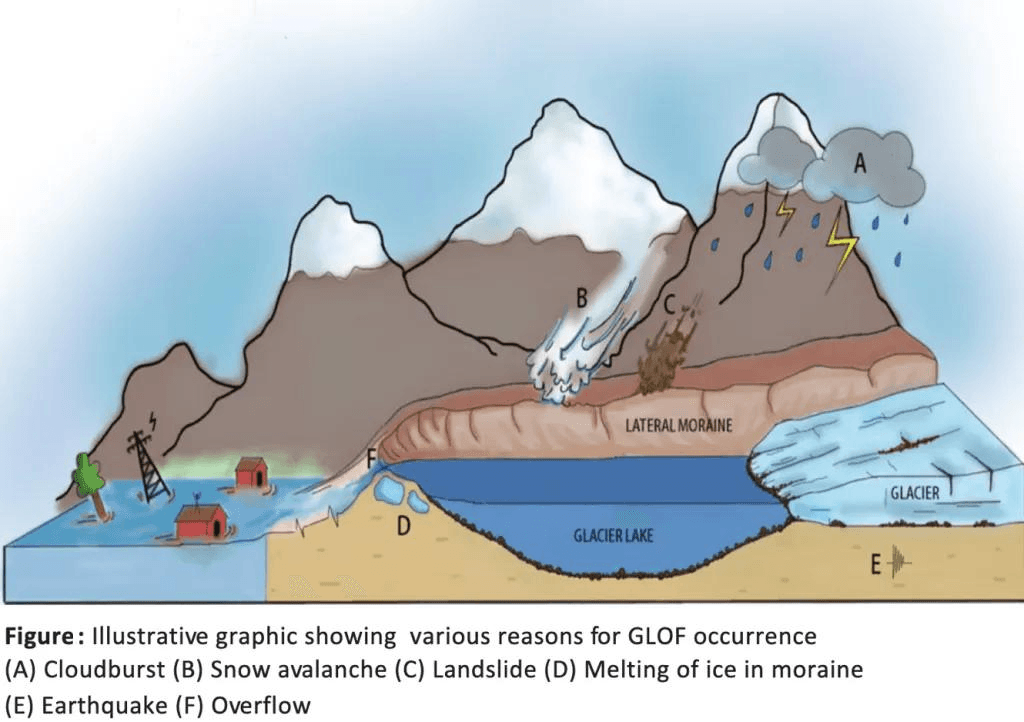
Definition Sudden flood from abrupt breach of glacial-lake moraine or ice dam

Types Supraglacial surface ponds; Moraine-dammed lakes near snout with debris walls

Geography 7,500 of 28,000 Himalayan glacial lakes lie in India, mostly > 4,500 m altitude

Quick Facts for MCQs

Causes

  • Climate-change Rapid glacial retreat enlarges lake area and hydrostatic pressure
  • Meteorology Cloudbursts, extreme rainfall abruptly raise water levels stressing weak dams
  • Geodynamics Avalanches, landslides, earthquakes generate displacement waves breaching moraines

Vulnerability & Impacts

  • Topography Remote high-altitude terrain limits year-round ground surveys and instrument deployment
  • Infrastructure Hydropower like Teesta-III destroyed; heavy sediment lowers Teesta river capacity downstream
  • Ecology Biodiversity loss plus secondary flooding follow silt pulses entering river systems

Tech & Schemes

  • Instruments Bathymetry, Electrical Resistivity Tomography, UAV mapping, SAR interferometry assess dam stability
  • Monitoring Automated Weather & Water Stations transmit 10-minute data and daily lake images in Sikkim pilot
  • Security ITBP and locals trained for manual alerts where telemetry absent

Policy & Community

  • Strategy NDMA 5-fold plan covers hazard mapping, AWWS, EWS, drawdown works, public outreach
  • Finance Upscaling eyed under 16th Finance Commission period 2027-31
  • Cooperation Push for data sharing with Nepal, China and mandatory GLOF impact assessments for projects

Key Data Points

FeatureData-Point
Identified Himalayan glacial lakes (>10 ha, 2016-17)2,431
Lakes that expanded 1984-2023676
Lakes doubled in area601
NDMA GLOF programme budgetUSD 20 million
High-risk lakes targeted initially195 (first 56 acted upon)
Record recent GLOFsKedarnath 2013 / Chamoli 2021 / South Lhonak 2023
Himalayan seismic zonesIV & V
Primary trigger share≈66 % ice avalanche or landslide

Related UPSC Prelims PYQs

CDS_GK, NDA_GAT 2024PYQ 1

ISRO, in its studies, has revealed that there is a 178% increase in the size of the Gepang Ghat Glacial Lake. In which of the following States/UTs is this lake located?

CDS_GK, NDA_GAT 2022PYQ 2

Consider the following features about a geographical phenomenon:

GS-1Mapping

7.Klyuchevskoy Kamchatka Active Volcano (Active Volcano)

Hindustan Times
Illustration for Klyuchevskoy Kamchatka Active Volcano (Active Volcano)

What & Where

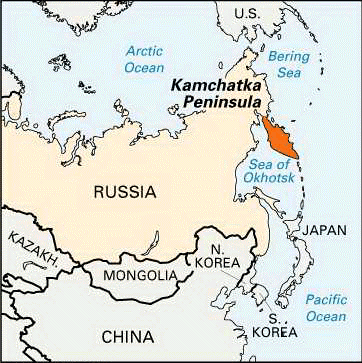
Klyuchevskoy (Klyuchevskaya Sopka) is a steep stratovolcano on Russia’s Kamchatka Peninsula, sitting within the Pacific “Ring of Fire”.

At 4,750 m, it is the tallest active volcano in the Northern Hemisphere and has erupted almost continuously since 1697.

Kamchatka, a 1,200 km-long peninsula between the Sea of Okhotsk and the Bering Sea, hosts 127 volcanoes amid high seismicity.

Quick Facts for MCQs

Volcanic Profile

  • Tallest active Eurasian cone; eruptions produce ash plumes, lava flows, strombolian fountains.
  • Lies on convergent boundary; subducting Pacific Plate fuels magma supply.
  • UNESCO listing highlights outstanding geological value and ongoing activity monitoring.

Geographic Setting

  • Kamchatka flanked by Sredinny (central) and Vostochny (eastern) ranges, creating dual volcanic arcs.
  • Peninsula borders Sea of Okhotsk (west) & Pacific/Bering Sea (east); maritime influence tempers coastal climate.
  • 8.8-magnitude quake east of peninsula underlines active tectonic margin.

Ecology & Climate

  • Sub-Arctic; long snowy winters, cool wet summers; permafrost widespread.
  • Alpine tundra hosts mosses, lichens, Kamchatka alder; lowlands bear birch, larch, poplar, willow.
  • Geysers, hot springs & geothermal fields foster unique micro-habitats and eco-tourism.

Key Data Points

FeatureData-Point
Volcano height4,750 m (15,584 ft)
Volcano typeStratovolcano
First recorded eruption1697
Activity statusNear-continuous since first record
Distance to Bering Sea~100 km
Peninsula volcanoes127 total
Active volcanoes29
Peninsula length~1,200 km N–S
Peninsula area~370,000 km²
UNESCO tagCore of “Volcanoes of Kamchatka” WHS
GS-3Environment

8.Chile Coastal Erosion Threat (Coastal Erosion)

DD News
Illustration for Chile Coastal Erosion Threat (Coastal Erosion)

What & Where

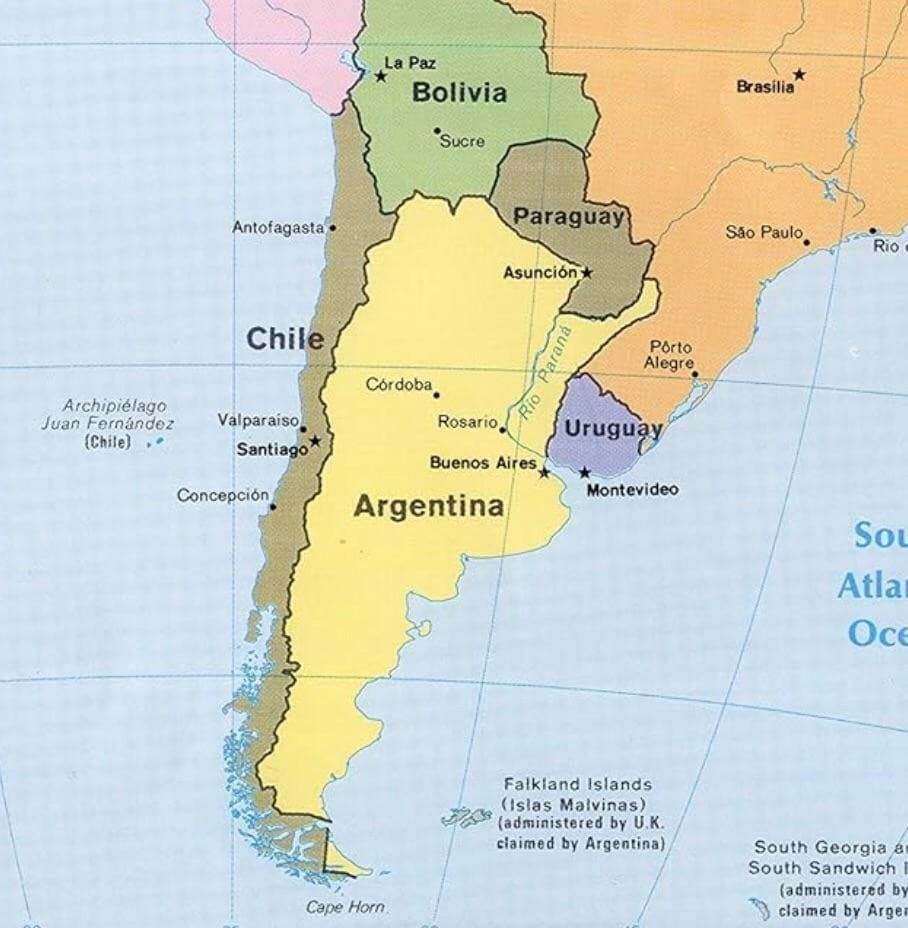
Coastal erosion; 86 % of monitored beaches on Chile’s central–southern Pacific coast are retreating

Forecast; 10 tourist beaches (Viña del Mar, Reñaca, Valparaíso, Puerto Saavedra, etc.) may vanish within 10 years

Drivers; stronger swells, sea-level rise, heatwaves plus sand cut-off by urbanisation near dunes and river mouths

Quick Facts for MCQs

Causes

  • Climate forces; frequent high-energy swells, rising sea level, marine heatwaves
  • Human actions; urban sprawl on dunes, wetland filling, degraded river basins curbing sand supply
  • Resultant sand deficit; accelerating shoreline retreat

Environmental Impact

  • Habitat loss; collapsing cliffs, saline intrusion threaten coastal forests and biodiversity
  • Erosion hotspots; Valparaíso shoreline already collapsed 2023
  • Increased storm damage; eroded beaches reduce natural wave buffering

Economic Angle

  • Livelihood risk; fisherfolk and seaside micro-businesses losing income and workspace
  • Tourism downturn; beach-centric destinations like Viña del Mar face visitor drop
  • Relocation costs; municipalities may fund defence or managed retreat

Geographical Highlights

  • Linear coast; Chile stretches ~4,300 km along southeast Pacific Rim
  • Andes backdrop; short seasonal rivers feed beaches with Andean sediments
  • Active volcano chain; Llaima, Osorno, Copahue near eroding lake and fjord zones

Key Data Points

FeatureData-Point
Shrinking beaches share86 % of monitored stretch
Critically endangered beaches10 sites
Disappearance timeline≤ 1 decade
Key coastal regionCentral & southern Chile
Capital citySantiago
Government formMultiparty republic
President (2024)Gabriel Boric
Highest active volcanoOjos del Salado 22 ,614 ft
Northern desertAtacama; among driest globally
Largest ice bodySouthern Ice Cap; 2nd in Southern Hemisphere
GS-3Environment

9.India Wetlands Sustainable Lifestyles Resolution (Wetland Conservation)

DH
Illustration for India Wetlands Sustainable Lifestyles Resolution (Wetland Conservation)

What & Where

Global Ramsar resolution led by India; title “Promoting Sustainable Lifestyles for the Wise Use of Wetlands”.

Formally adopted at Ramsar CoP15, Victoria Falls, Zimbabwe, on 30 July 2025.

Seeks whole-of-society behavioural shift to integrate sustainable consumption into wetland management.

Quick Facts for MCQs

Legal & Policy

  • Resolution urges inclusion of lifestyle interventions in national and local wetland management plans.
  • Promotes public–private partnerships for financing and implementing sustainable wetland actions.
  • Elevates India’s soft-power diplomacy within multilateral environmental agreements.

Behavioural Approach

  • Recognises individual and community choices as central drivers of wetland health.
  • Calls for education, communication, participation and awareness programmes across all age groups.
  • Aligns consumption patterns with wise-use principle enshrined in Ramsar Convention.

International Linkages

  • Builds on UNEA 6/8 and UNFCCC Mission LiFE to globalise lifestyle-based climate action.
  • Complements CEPA framework to broaden stakeholder engagement at international level.
  • Positions India as agenda-setter for nature-positive behavioural policies.

National Initiatives

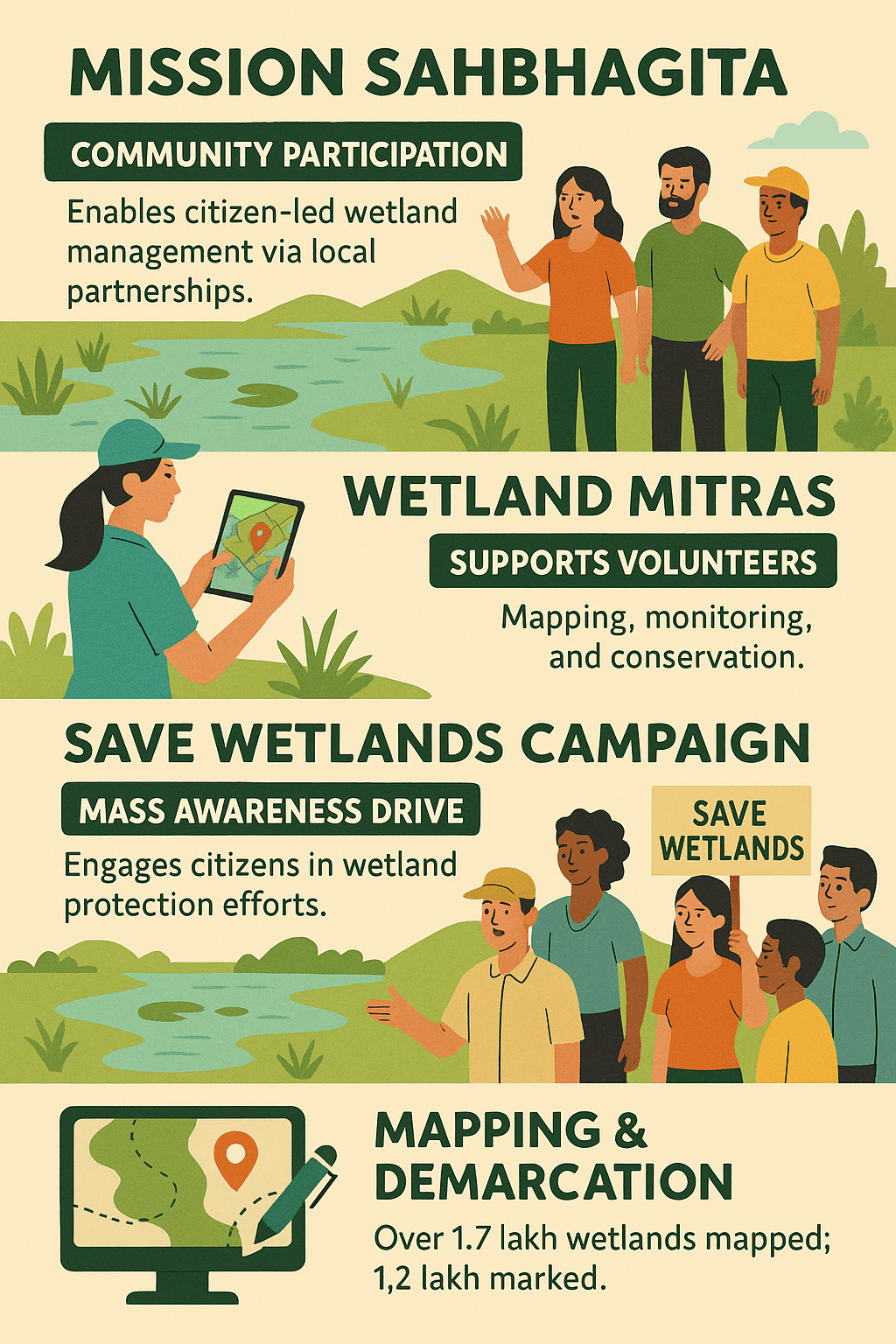
  • Synergises with Mission Sahbhagita and Save Wetlands Campaign to scale citizen involvement.
  • Reinforces domestic wetland conservation targets under National Action Plan for Climate Change.
  • Showcases replicable Indian models for sustainable wetland utilisation.

Key Data Points

FeatureData-Point
Ramsar ConferenceCoP15
Adoption date30 July 2025
VenueVictoria Falls, Zimbabwe
Proposing countryIndia
Core aimMainstream sustainable lifestyles in wetland conservation
Key linkageMission LiFE, UNFCCC CoP26
Supporting resolutionCEPA Resolution XIV.8
Referenced UNEA decisionUNEA 6/8 (2024)
Priority SDGs6, 12, 13, 15, 17
Citizen reach (India)> 2 million via Save Wetlands Campaign

Related UPSC Prelims PYQs

CAPF_GAI, GS1 2025PYQ 1

The Ramsar Convention is an intergovernmental treaty which provides the framework for national action and international cooperation for the conservation of

CAPF_GAI, GS1 2010PYQ 2

India is a party to the Ramsar Convention and has declared many areas as Ramsar Sites. Which of the following statements best describes how we should maintain these sites in the context of this Convention?

GS-3Environment

10.Lakshadweep Coral Cover Decline (Coral Bleaching)

The Hindu
Illustration for Lakshadweep Coral Cover Decline (Coral Bleaching)

What & Where

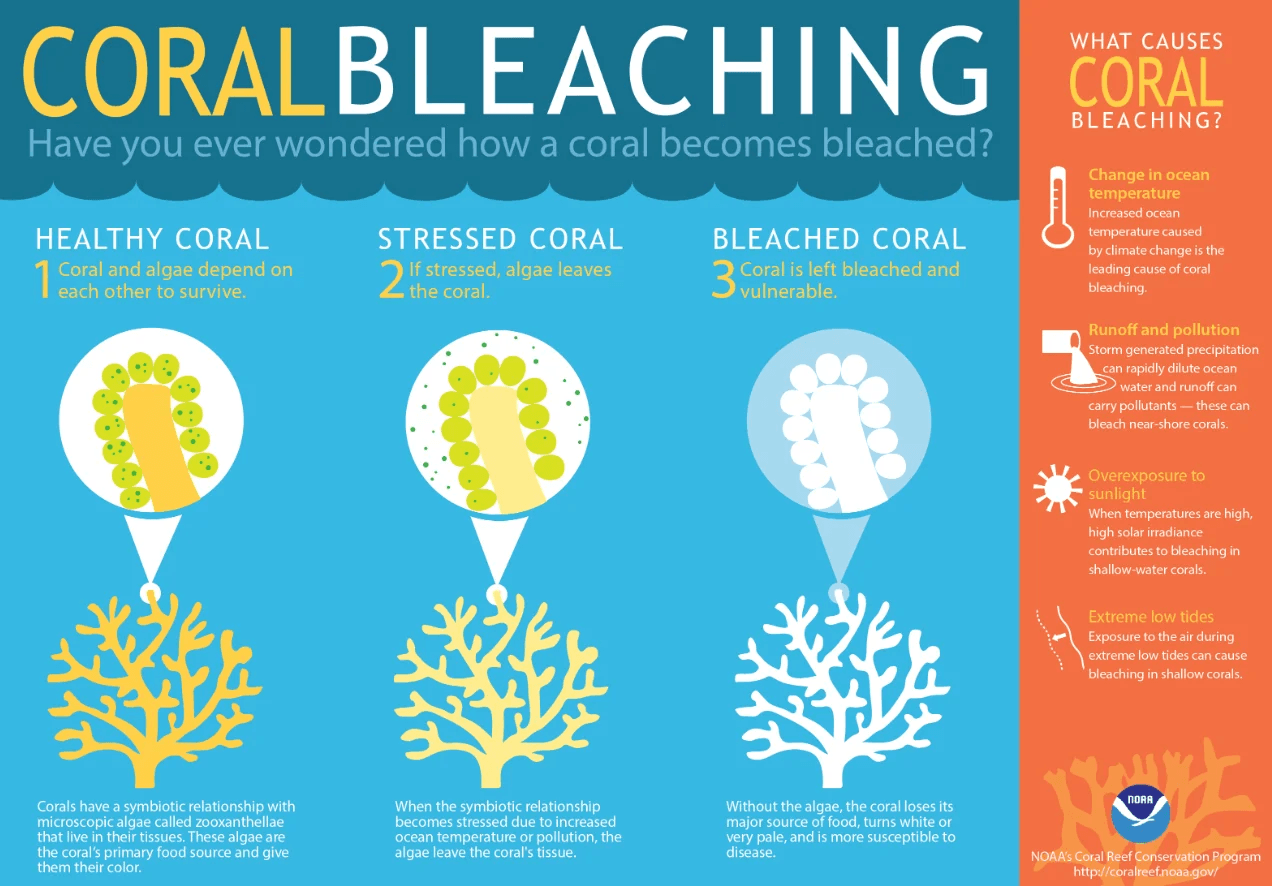
Coral reefs: calcium-carbonate marine ecosystems housing symbiotic algae, thriving in clear, shallow tropics.

Lakshadweep atolls — Agatti, Kadmat, Kavaratti — India’s only oceanic coral archipelago in the Arabian Sea.

Coral bleaching: heat-triggered algae expulsion; recovery needs ≥6 consecutive non-bleaching years.

Quick Facts for MCQs

Drivers of Decline

  • Warming: El Niño heatwaves elevate sea-surface temperatures causing mass bleaching and disease vulnerability.
  • Acidification: Rising CO₂ lowers pH, limits carbonate ions, weakens skeletal formation.
  • Pollution: Agricultural runoff and sediment trigger algal overgrowth that smothers photosynthetic corals.

Consequences

  • Biodiversity: Reef mortality jeopardises habitat for 25 % marine species and disrupts trophic networks.
  • Economy: Fishery yields and dive tourism revenues fall, threatening island employment and food security.
  • Protection: Lost reef barriers increase coastal erosion, storm-surge impacts and infrastructure costs.

Tech & Schemes

  • Biorock: Low-voltage electrolysis builds limestone skeletons, speeding coral fragment accretion.
  • Super-corals: Assisted evolution breeds heat-tolerant genotypes for transplantation into warming seas.
  • Cryomesh: Fine mesh enables −196 °C storage of coral larvae for future restoration.

Policy & Community

  • Emissions: Meeting Paris 1.5 °C target crucial to curb recurring marine heatwaves.
  • MPAs: Legally protect reefs, ban destructive fishing, monitor compliance via community patrols.
  • Eco-tourism: Promote reef-safe practices and diversify livelihoods through aquaculture and citizen monitoring.

Key Data Points

FeatureData-Point
Lakshadweep coral cover 199837.24 %
Coral cover 202219.6 %
Overall decline≈50 %
Major marine heatwave years1998, 2010, 2016
Reef share of global marine species~25 %
Required stress-free span for revival≥6 years
Key atolls studiedAgatti, Kadmat, Kavaratti
Global partnership for reefsInternational Coral Reef Initiative
Blended-finance platformGlobal Fund for Coral Reefs
Indian restoration tech siteBiorock structures, Gulf of Kachchh

Related UPSC Prelims PYQs

GEO_GS, GS1 2022PYQ 1

Which one of the following is not inhabited by corals?

GEO_GS, GS1 2022PYQ 2

"Biorock technology" is talked about in which one of the following situations ?

GS-3Species

11.Small Cats Status in Tiger Landscapes (Small Wild Cats)

Unknown
Illustration for Small Cats Status in Tiger Landscapes (Small Wild Cats)

What & Where

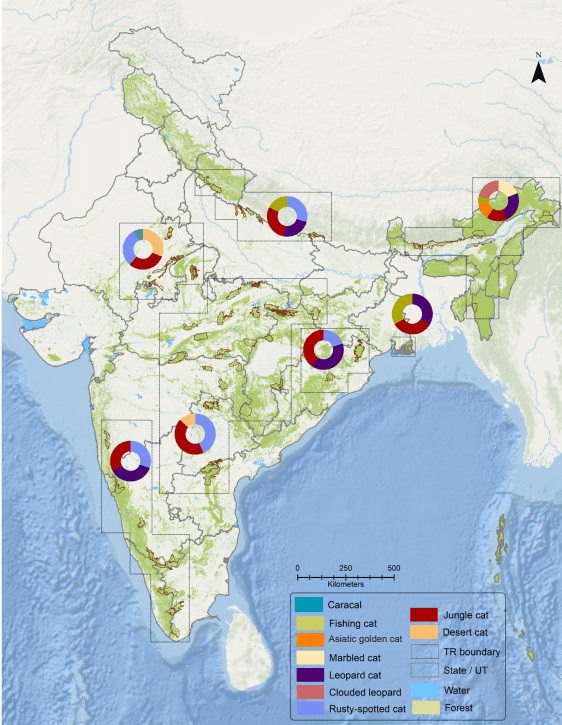
Report: first-ever assessment of nine small wild cat species within India’s tiger-range landscapes.

Focus: species occupancy, habitat preference and reliance on protected areas for conservation planning.

Quick Facts for MCQs

Species Occupancy

  • Gradient: occupancy falls sharply from adaptable jungle cat to habitat-restricted golden cat.
  • Absence: Caracal missing in historic NW & Central range, signalling possible local extinction.
  • Protected-area effect: all recorded species show higher presence inside tiger reserves.

Ecological Insights

  • Adaptability: Jungle & rusty-spotted cats tolerate dry–moist deciduous forests near human use.
  • Dependence: Fishing, leopard cats need intact wetlands or dense moist forests for survival.
  • Altitude: Marbled & golden cats confined to high-canopy evergreen forests of NE hills.

Policy Implications

  • Integration: mandate small-cat tracking within regular tiger monitoring protocols.
  • Habitat focus: strengthen ESZ norms for wetlands, dry forests, NE evergreen belts.
  • Outreach: include small felids in wildlife curricula and eco-club awareness drives.

Key Data Points

FeatureData-Point
Release date29 July 2025 (Global Tiger Day)
Released byMoEFCC & Wildlife Institute of India
Total species assessed9 small felids
Highest occupancy speciesJungle Cat – 96,275 km²
Second highestRusty-Spotted Cat – 70,075 km²
Lowest recorded occupancyAsiatic Golden Cat – 1,850 km²
Zero detectionCaracal
Habitat specialist exampleFishing Cat – wetlands, mangroves, riverine
Region with rarest speciesNortheast India – clouded, marbled, golden cats
Data source cyclesAITE 2018 & 2022

Related UPSC Prelims PYQs

GS1 1999PYQ 1

"India has the largest population of the Asian X. Today, there are just about 20,000 to 25,000 X in their natural habitat spreading across the evergreen forests, dry thorn forests, swamps and grasslands. Their prime habitats are, however, the moist deciduous forests. The X population in India ranges from Northwest India where they are found in the forest divisions of Dehradun, Bijnor and Nainital districts of UP to the Western Ghats in the states of Karnataka and Kerala and in Tamil Nadu. In Cen

GS-3EnvironmentQuick Bite

12.Anamudi Shola National Park Features (Western Ghats Park)

The Hindu

What & Where

Anamudi Shola National Park: 7.5 km² montane shola–grassland mosaic, declared 2003, Idukki district, southern Western Ghats.

Forms Anamalai sub-cluster of UNESCO World Heritage serial site; encircles Anamudi peak, highest South India (2,695 m).

Acts crucial watershed for Pambar & Chinnar rivers; contiguous with five other Kerala protected areas.

Quick Facts for MCQs

Biodiversity

  • Endemism high; supports Nilgiri Marten, Giant Grizzled Squirrel, Sloth Bear alongside apex predators.
  • Shola forests harbour dense lichens, mosses, woody climbers, stunted evergreen trees.
  • Grassland–shola ecotone vital for specialist pollinators, orchids, Kurinji shrub.

Hydrology & Geography

  • Watershed function stabilises perennial flow to Cauvery basin tributaries Pambar, Chinnar.
  • High rainfall interception by shola canopy reduces downstream flash floods, sustains Idukki agrarian belts.

Social Concerns

  • Stalled Kottakamboor–Vysapara road limits access for indigenous villages inside park buffer.
  • Development–conservation conflict highlights need for FRA-compliant mobility solutions without fragmenting core habitat.

Key Data Points

FeatureData-Point
StateKerala
Year Notified2003
Biogeographic ZoneWestern Ghats, Anamalai sub-cluster
Area~7.5 km²
Highest PointAnamudi 2,695 m
River CatchmentsPambar, Chinnar
Dominant VegetationSouthern subtropical hill, montane wet temperate, moist deciduous forests
Flagship FaunaNilgiri Tahr, Lion-tailed Macaque, Tiger
Contiguous PAsEravikulam, Mathikettan Shola, Pampadum Shola, Chinnar WLS, Kurinjimala
UNESCO TagPart of Western Ghats World Heritage

Related UPSC Prelims PYQs

NDA_GAT 2025PYQ 1

Temperate forests of South India, known as ‘Sholas’ are found in which of the following hills?

GS-3S&T

13.NISAR Dual-Frequency Earth Observation Satellite (Earth Observation)

Times of India
Illustration for NISAR Dual-Frequency Earth Observation Satellite (Earth Observation)

What & Where

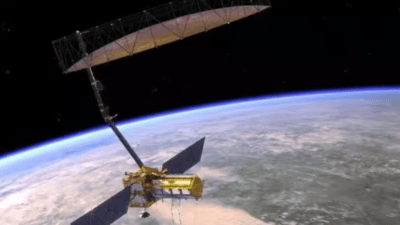
NISAR = first joint NASA–ISRO Earth-observation satellite deploying dual-frequency Synthetic Aperture Radar for land-ice deformation studies.

Launched 31 Jul 2025 aboard GSLV-F16 from Satish Dhawan Space Centre, Sriharikota into 747 km sun-synchronous polar orbit.

Scans 242 km swath every 12 days, delivering centimetre-level change detection worldwide.

Quick Facts for MCQs

Tech Specs

  • Dual-frequency: first satellite combining L- & S-band SAR for centimetre-precision surface motion.
  • SweepSAR: 12 m reflector plus deployable boom enables wide swath with high resolution.
  • All-weather: 24 × 7 imaging through cloud, smoke, night.

Collaborators

  • NASA supplies L-band radar, boom, reflector, GPS, recorder, telecom hardware.
  • ISRO provides S-band radar, I-3K bus, GSLV-F16, solar arrays, ground control.
  • Management shared by NASA-JPL and ISRO’s SAC, URSC, VSSC, NRSC.

Applications

  • Disaster: early warning for earthquakes, floods, landslides, volcanic unrest.
  • Climate: monitors glaciers, forests, wetlands, soil moisture supporting SDG-aligned adaptation.
  • Planning: aids agriculture, infrastructure, coastal management, resource governance worldwide.

Key Data Points

FeatureData-Point
Full formNASA–ISRO Synthetic Aperture Radar
Mission life5 years (2025-2030)
Radar bandsL-band (NASA) + S-band (ISRO)
Orbit typeSun-synchronous polar, 747 km
Revisit cycle12 days
Antenna sizeDeployable 12 m reflector
Swath width242 km
LauncherGSLV-F16 (ISRO)
Mission managersNASA-JPL & ISRO centres
Data policyOpen, free global access

Related UPSC Prelims PYQs

CAPF_GAI, ESE_GS 2023PYQ 1

NISAR satellite is manufactured jointly by Indian Space Research Organisation and:

CAPF_GAI, ESE_GS 2026PYQ 2

Which space organization launched the PUNCH Space Mission?

GS-2Economy

14.US 25% Tariff on Indian Imports (Trade Tariffs)

The Hindu
Illustration for US 25% Tariff on Indian Imports (Trade Tariffs)

What & Where

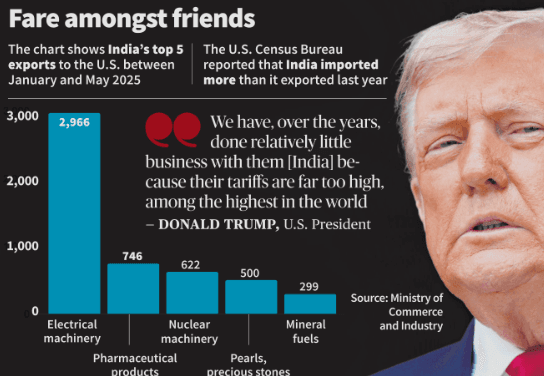
Measure: flat 25 % import tariff on all India-origin goods entering U.S. ports

Geography: applies across U.S. customs territory from 1 Aug 2025; targets Indian exports globally routed

Add-on: higher “Russia-related” duties under pending U.S. Russian Sanctions Act 2025 (RSA 2025)

Quick Facts for MCQs

Legal & Policy

  • Linkage: tariff bundled with RSA 2025, blending trade measures with sanctions authority
  • Conditionality: relief possible if India cuts tariffs, eases NTBs, curtails Russia energy/defence buys

Economic Angle

  • Competitiveness: 25 % duty erodes Indian price edge, likely diversion to EU, ASEAN markets
  • Supply-chain risk: MSME exporters face sudden cost shocks, jeopardising job-intensive clusters

Diplomatic Impact

  • Strain: move may slow Quad, Indo-Pacific cooperation, complicate proposed “fair & reciprocal” trade pact
  • Autonomy test: pressures India’s multi-alignment, especially sustained energy imports from Russia

Trade Negotiations

  • Rhetoric: U.S. President termed India’s trade stance “obnoxious”, signalling escalation path
  • Objective: tactic to fast-track comprehensive India-U.S. agreement before 2026 election cycle

Key Data Points

FeatureData-Point
Base tariff rate25 % ad-valorem
Start date1 Aug 2025
U.S. law referencedRussian Sanctions Act 2025 (bill)
Max duty under RSA 2025up to 500 % on Russia-oil trading nations
Earlier suspended duty26 % (April 2025)
Latest failed talk round5th India-U.S. trade round, Washington
Key U.S. charge“High tariffs & opaque rules” in India
Sectors flagged in IndiaTextiles, pharma, engineering
Indian ministry reactingMinistry of Commerce & Industry
FTA cited by IndiaIndia–U.K. FTA (recent)
GS-2Infrastructure

15.China Medog Dam on Brahmaputra (Transboundary Rivers)

The Hindu
Illustration for China Medog Dam on Brahmaputra (Transboundary Rivers)

What & Where

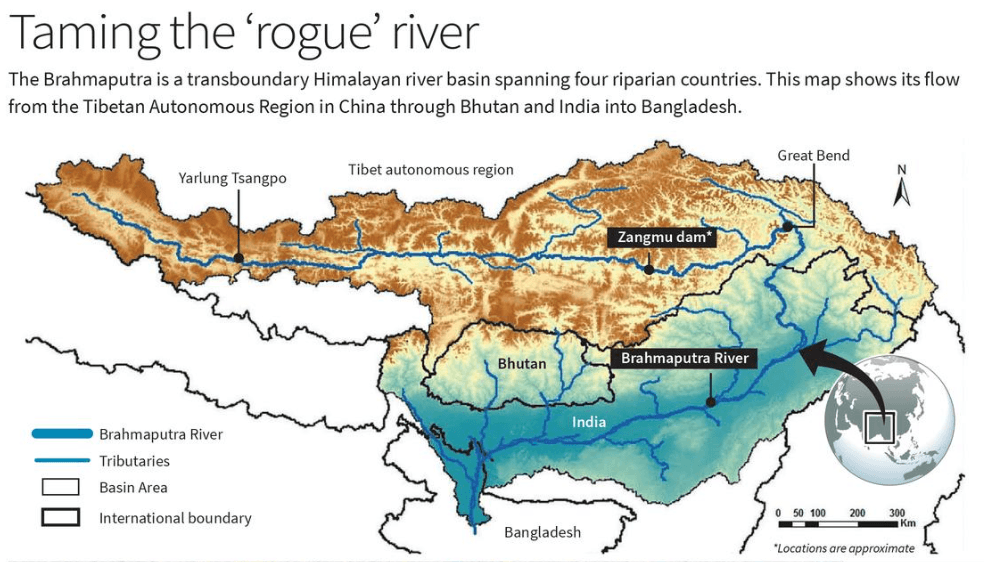
Medog Dam; proposed 60 GW run-of-river project on Yarlung Zangbo Great Bend in Medog County, TAR, China

Upstream to Arunachal; river here turns south and is thereafter called Brahmaputra

Located in high-rainfall, high-seismic Eastern Himalaya adjoining India, Bhutan, Bangladesh basin

Quick Facts for MCQs

Geopolitical Dimension

  • Upstream dominance; China can modulate flows affecting India, Bhutan, Bangladesh strategic water security
  • Border leverage; dam near territory China calls South Tibet strengthening bargaining over Arunachal boundary
  • Dam race; India announced Upper Siang Multipurpose Project as counterbalance

Environmental Impact

  • Flow alteration; storage disrupts sediment, fish migration, wetlands alluvium downstream Assam plains
  • Biodiversity risk; Eastern Himalayan aquatic species, floodplain agriculture livelihoods threatened
  • Monsoon linkage; reduced pre-monsoon discharge may affect groundwater recharge and delta ecology

Disaster & Risk

  • Seismic zone; structure endangered by tectonic activity and potential 1950-scale earthquakes
  • GLOF susceptibility; melting glaciers can trigger sudden inflows overwhelming dam safety, downstream floods
  • Unpredictable releases; low warning time undermines traditional flood management in Brahmaputra valley

Key Data Points

FeatureData-Point
Main riverYarlung Zangbo / Brahmaputra
Project nameMedog (Great Bend) Hydropower
Installed capacity60 GW (world’s largest planned)
ProvinceTibetan Autonomous Region, China
Closest Indian districtUpper Siang, Arunachal Pradesh
Seismic referenceNear 1950 Assam–Tibet quake zone
UN Watercourses statusAll four basin states non-parties

Related UPSC Prelims PYQs

GS1 2011PYQ 1

The Brahmaputra, Irrawady and Mekong rivers originate in Tibet and flow through narrow and parallel mountain ranges in their upper reaches. Of these rivers, Brahmaputra makes a "U" turn in its course to flow into India. This "U" turn is due to

GS-3Security

16.SIMBEX-25 Naval Exercise (Bilateral Naval Exercise)

PIB
Illustration for SIMBEX-25 Naval Exercise (Bilateral Naval Exercise)

What & Where

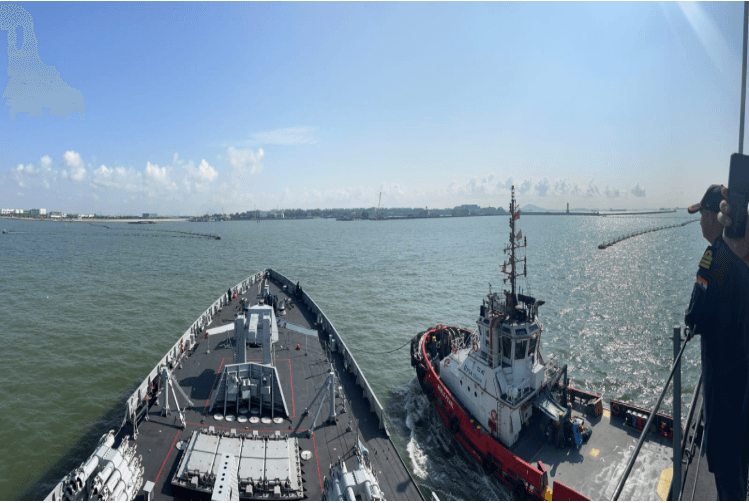
SIMBEX-25 = 32nd annual Singapore–India Maritime Bilateral Exercise, initiated 1994 (formerly “Lion King”).

Held around Singapore; Indian Naval Ship Satpura leads visiting flotilla for harbour and sea phases.

Dual phases: Harbour (SMEEs, deck familiarisation) & Sea (air-defence, cross-deck helo, VBSS, precision targeting).

Quick Facts for MCQs

Exercise Phases & Ops

  • Harbour: SMEEs, professional interactions, operational discussions onboard RSN & IN ships.
  • Sea: air-defence drills, complex manoeuvres, precision targeting, cross-deck helicopter sorties, VBSS.
  • Continuous scenario-based training enhances interoperability.

Participating Assets

  • Indian flotilla integrates destroyer, frigate, ASW corvette, fleet tanker for blue-water capability.
  • RSN contributes Formidable-class units Vigilant & Supreme as principal hosts.
  • Cross-deck operations employ embarked multi-role helicopters.

Strategic Significance

  • Milestone: 60 years of India–Singapore diplomatic ties, underscoring security convergence.
  • Supports Indo-Pacific maritime security architecture and freedom of navigation norms.
  • Complements India’s Act East outreach through sequential visits to SE Asia littorals.

Key Data Points

FeatureData-Point
Edition number32nd
Year of current drill2025
Launch year1994
Original nameExercise Lion King
Participant naviesIndian Navy & Republic of Singapore Navy
Indian vesselsDestroyer Delhi, Frigate Satpura, Corvette Kiltan, Tanker Shakti
Singaporean shipsRSN Vigilant, RSN Supreme
Major phasesHarbour & Sea
Policy linkageVision MAHASAGAR, Act East
Next port callsPhilippines, Vietnam

Related UPSC Prelims PYQs

ESE_GS, GEO_GS 2022PYQ 1

Which one of the following countries did the Indian Navy participate in the U.S. Navy-led Southeast Asia Cooperation and Training (SEACAT) military exercise, to demonstrate its maritime manoeuvres?

ESE_GS, GEO_GS 2025PYQ 2

Naseem-Al-Bahr, held in October 2024, was a joint maritime exercise between the navies of India and

Ready to practice?

Test your knowledge with our UPSC test series.

Start Free Trial