UPSC Current Affairs

14 topicsGS-1: 4GS-2: 3GS-3: 7
0/14 done
GS-2Polity

1.Judicial Pendency Crisis in Indian Courts (Judiciary)

The Hindu
Illustration for Judicial Pendency Crisis in Indian Courts (Judiciary)

What & Where

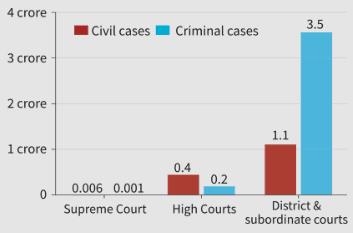
Judicial pendency — backlog across Supreme Court, 25 High Courts and 670-plus District Courts of India

Covers civil, criminal, special statutes; delay violates Article 21 right to speedy justice

5-crore-plus pending cases termed “Black Coat Syndrome” signalling eroding public trust

Quick Facts for MCQs

Causes of Pendency

  • Vacancy: judiciary at 79 % strength, only 15 judges per 10 lakh population
  • Procedure: no statutory timelines, adjournment culture retards witness examination and filings
  • Infrastructure: inadequate courtrooms, staff and tech raise judge-to-case load

Government Schemes & Tech

  • e-Courts: 3,240 court-jail video links, roadmap for paperless unified platform
  • Infrastructure scheme: ₹11,167 crore spent; court halls up by 7,200 since 2014
  • FASTER system: real-time digital despatch of bail and urgent orders to cut release delays

ADR & Access to Justice

  • Lok Adalats: mass settlement vehicle clearing 27.5 crore matters, no appeal, nominal fee
  • Mediation Act 2023: institutes pre-litigation mediation for civil, commercial conflicts
  • Tele-Law and Nyaya Bandhu: 90 lakh advised online; 11,000 pro bono lawyers mobilised

Key Data Points

FeatureData-Point
Pending cases – District4.6 crore
Pending cases – High Courts63.3 lakh
Pending cases – Supreme Court86,700
Judge-population ratio15 per 10 lakh (norm 50)
Vacant judgeships5,665 of 26,927; 79 % occupancy
Civil disposal ≤1 year38.7 %
Criminal disposal ≤1 year70.6 %
Courts digitised18,735; 99.4 % WAN
e-Courts Phase-III outlay₹7,210 crore
Court halls 2014→202415,818 → 23,020
Fast Track courts866 FTC + 755 POCSO
Lok Adalat disposals27.5 crore (since 2021)
Tele-Law reach90 lakh beneficiaries
GS-3Economy

2.India Reaches 20% Ethanol Blending Target (Biofuel Policy)

DD News

What & Where

Programme: Ethanol Blending Programme blends anhydrous ethanol with petrol; India recorded 20 % national blend (E20) in 2025

Blends: E10 already nationwide; E20 milestone met; roadmap eyes E85–E100 for next-gen flex-fuel vehicles

Geography: Output concentrated in sugarcane hubs Uttar Pradesh-Maharashtra-Karnataka and grain belts Bihar-Madhya Pradesh

Quick Facts for MCQs

Legal & Policy

  • Amendment: 2022 Biofuel Policy advanced E20 timeline and allowed multiple non-food feedstocks
  • Oversight: National Biofuel Coordination Committee allocates feedstock based on declared surplus ensuring food security
  • Facilitation: GST cut plus Industries Act tweak enabled seamless interstate ethanol movement and price assurance

Economic Angle

  • Income: Procurement generated ₹1.18 lakh cr for farmers and ₹1.96 lakh cr for distilleries by 2025
  • Savings: Lower crude imports saved ₹1.36 lakh cr strengthening external accounts
  • Employment: New molasses- and grain-based distilleries spurred rural jobs in UP, Maharashtra, Bihar

Environmental Impact

  • Emission: 700 lakh t CO₂ averted; lower CO, HC, PM with E10–E20 blends
  • Air-quality: Cleaner combustion benefits pollution hotspots Delhi, Kanpur and other non-attainment cities
  • Waste: Damaged grains, molasses, paddy straw converted to ethanol; supports circular economy

Challenges

  • Feedstock: Rising maize imports and sugarcane water intensity threaten food and water security
  • Pollution: Red-category distilleries emit acetaldehyde, formaldehyde; vinasse contaminates rivers
  • Infrastructure: Limited pipelines, storage and FFV adoption hinder uniform blending beyond E20

Tech & Schemes

  • Finance: Ethanol Interest Subvention Scheme extended soft loans 2018-22 for new plants
  • Guarantee: OMC Long-Term Offtake Agreements ensured assured demand and timely payments
  • Innovation: PM JI-VAN funds 2G-3G projects using agri-residue, algae, sorghum for greener ethanol

Key Data Points

FeatureData-Point
Year E20 achieved2025
Original E20 deadline2030 (advanced 2022)
Forex saved (till 2025)₹1.36 lakh cr
CO₂ avoided (till 2025)700 lakh t
Farmer earnings (till 2025)₹1.18 lakh cr
GST on ethanol5 %
Water use per L (grain)8–12 L
Supervising bodyNBCC

Related UPSC Prelims PYQs

CAPF_GAI, ESE_GS 2024PYQ 1

Consider the following statements about ethanol:

CAPF_GAI, ESE_GS 2021PYQ 2

E-100 pilot project, launched in Pune in June 2021, is related to the production and distribution of

GS-1History

3.Preah Vihear Border Temple Dispute (Khmer Temples)

Indian Express

What & Where

Emerald Triangle: forest-rich tri-junction of Thailand-Cambodia-Laos, site of recurring border frictions.

Preah Vihear: 11th-century Shiva shrine atop Dangrek Mountains on Cambodia-Thailand border; UNESCO World Heritage.

Prasat Ta Muen Thom: 12th-century Angkorian border complex forming trio with nearby pilgrim rest-house and hospital shrine.

Quick Facts for MCQs

Security Dimension

  • Ceasefire declared Jul 2025 after skirmishes near both temples.
  • Dispute driven by colonial-era map ambiguities.
  • Dense forests impede clear demarcation, easing troop movements.

Legal & Policy

  • ICJ 1962 ruling relied on 1904-07 French-Siam map, awarding Preah Vihear to Cambodia.
  • 2013 clarification reaffirmed Cambodian sovereignty over adjacent promontory.
  • Thailand questions ICJ competence, stalling permanent boundary settlement.

Cultural Heritage

  • Preah Vihear inscribed UNESCO list for exemplary Khmer architecture and dramatic cliff setting.
  • Prasat Ta Muen Thom evidences shift from Hindu worship to Mahayana Buddhist use.
  • Temples lie along historic pilgrimage corridor linking Angkor with Phimai.

Key Data Points

FeatureData-Point
Tri-border countriesThailand, Cambodia, Laos
Mountain rangeDangrek
ICJ verdict years1962 & 2013
Site ownership per ICJCambodia
Thai stand on ICJRejects jurisdiction
Preah Vihear buildersSuryavarman I & II
Prasat Ta Muen Thom buildersUdayadityavarman II, Jayavarman VII
Main architectural styleAngkorian
GS-3Environment

4.Contaminated Sites Management Rules 2025 (Environmental Regulation)

The Hindu
Illustration for Contaminated Sites Management Rules 2025 (Environmental Regulation)

What & Where

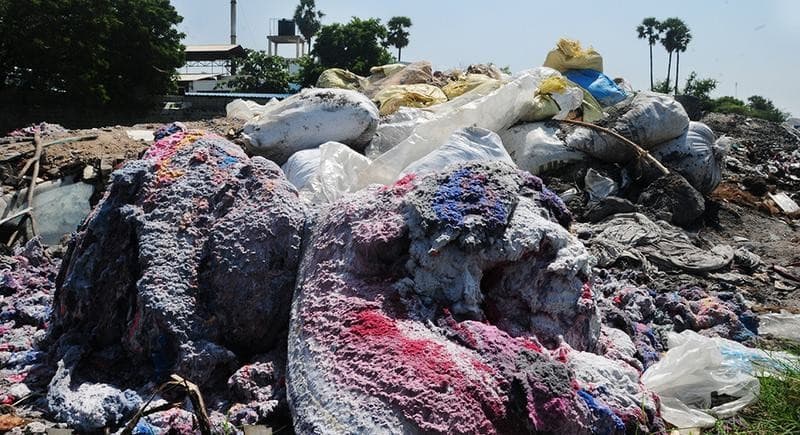
Definition: First statutory framework to identify, assess, remediate chemically-contaminated sites in India

Geography: Applies pan-India; targets abandoned landfills, defunct industrial areas, illegal dumps, spill zones

Parentage: Issued under Environment (Protection) Act, 1986 by MoEFCC

Quick Facts for MCQs

Legal & Policy

  • Statutory-teeth: Converts earlier CPCB list into enforceable regime with timelines
  • Compliance: Annual audits and public disclosure mandated for transparency
  • Inventory: Centralised registry ensures monitoring, avoids site duplication

Implementation Mechanism

  • District-level: Collect data, send twice-yearly reports on probable sites
  • State-level: SPCB leads screening, confirms contamination, pursues polluters
  • Expert-level: Reference organisation designs, oversees remediation plan execution

Responsibility & Liability

  • Accountability: Polluter funds cleanup; failure triggers government spending recovery suits
  • Joint-burden: Centre-States share cost where polluter untraceable/insolvent
  • Penalties: Proven harm invites criminal prosecution under Bharatiya Nyaya Sanhita

Governance Significance

  • Gap-fill: First dedicated rules for historical chemical contamination in India
  • Alignment: Supports SDG targets on health, water quality, sustainable waste management
  • Timelines: Time-bound stages curb bureaucratic delay, speed site restoration

Key Data Points

FeatureData-Point
Year in title2025
Parent ActEnvironment (Protection) Act, 1986
Notifying bodyMoEFCC
Key principlePolluter Pays
Preliminary assessment deadline90 days by SPCB/designated body
Full confirmation deadline180 days from flagging
Polluter identification limit90 days by SPCB
Cleanup cost if polluter absentCentre + State share
Criminal liability lawBharatiya Nyaya Sanhita 2023
Reporting by districtsBiannual suspected-site list
National inventoryMandatory, publicly accessible
Reference organisation roleDraft site-specific remediation plan
SDGs aligned3, 6, 12

Related UPSC Prelims PYQs

ESE_GS, GS1 2019PYQ 1

Consider the following statements:

ESE_GS, GS1 2020PYQ 2

Basel Convention provides

GS-3Environment

5.Kaziranga Grassland Bird Census 2025 (Biodiversity Monitoring)

Indian Express
Illustration for Kaziranga Grassland Bird Census 2025 (Biodiversity Monitoring)

What & Where

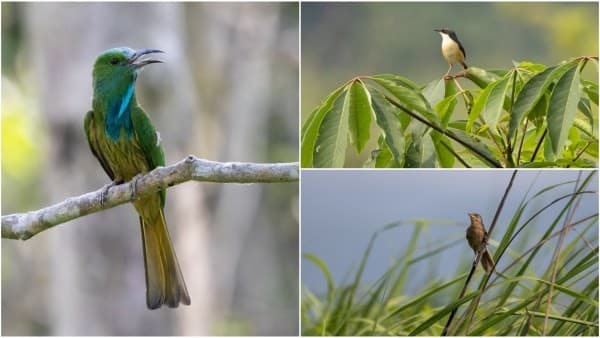
First Grassland Bird Census inside Kaziranga National Park, Assam; survey window 18 March–25 May 2025.

Targets only grassland-dwelling avifauna across 29 park locations, establishing a dedicated population baseline.

Executed by Assam Forest Department, INSPIRE-funded researchers, conservationists and park management.

Quick Facts for MCQs

Tech & Methods

  • Passive-acoustic recorders fixed on tall trees logged continuous breeding-season calls over three-day cycles.
  • Spectrogram analysis visualised frequency patterns, aiding manual cross-checks.
  • BirdNET AI rapidly matched vocalisations to global song library, boosting detection accuracy.

Conservation Outcomes

  • Enumeration of 43 species delivers India’s first grassland-specific avian baseline.
  • > 85 Finn’s Weaver nests confirm critical breeding hub within Brahmaputra floodplain endemism.
  • Detection of CR, EN, VU taxa elevates habitat’s conservation priority under IUCN guidelines.

Threats Noted

  • Succession-driven woodland encroachment steadily contracts open grass stretches.
  • Overgrazing plus seasonal cultivation fragment nesting grounds and disturb ground-nesters.
  • Climate-change-altered flood regimes disrupt grass regeneration cycles, stressing specialist birds.

Key Data Points

FeatureData-Point
Protected areaKaziranga National Park, Assam
Survey window18 Mar – 25 May 2025
Sites sampled29 locations
Recorders deployed6 passive acoustic units
Identification toolAI-based BirdNET software
Species recorded43 grassland birds
IUCN breakup1 CR, 2 EN, 6 VU
Finn’s Weaver nests> 85 discovered

Related UPSC Prelims PYQs

CDS_GK, ESE_GS 2023PYQ 1

Cheetahs, brought from Namibia, were introduced in India to which one of the following National Parks?

CDS_GK, ESE_GS 2022PYQ 2

Which one of the following national parks has become the first national park in India to be equipped with satellite phones?

GS-3EnvironmentQuick Bite

6.International Tiger Day 2025 Significance (Tiger Conservation)

Indian Express

What & Where

International Tiger Day: 29 July; instituted 2010 St Petersburg summit to rally 13 range countries.

Tx2 initiative: global pact to double wild tiger numbers by 2022.

Core range in India: 54 tiger reserves across 18 states, covering ~2.2 % of national land.

Quick Facts for MCQs

Legal & Policy

  • Authority; NTCA formed under Wildlife Protection Act 1972 to steer Project Tiger, approve reserves.
  • Core-buffer model; complete protection in core, regulated livelihood in buffer.
  • Funding; Centrally Sponsored with matching state share.

Conservation Milestones

  • Baseline 1900s ~1 lakh tigers; crash to 1,827 by 1972; rebound 6.1 % CAGR last two decades.
  • Start: 9 reserves (1973) → 54 today; area expansion central to population recovery.
  • Tx2 goal met early; India doubled numbers before 2022 deadline.

Iconic Figures

  • Machhli (T-16); Ranthambore tigress, tourism icon, poster face of Project Tiger.
  • Kailash Sankhala; “Tiger Man of India”, first Project Tiger director, architect of census methods.

Cultural Significance

  • Royal Bengal Tiger; national animal, frequent in myth, emblem of Indian pride.
  • Amur-region tribes; Udeghe, Nanai, Oroch revere tiger as forest guardian, mirroring Sundarbans’ Bon Bibi lore.

Key Data Points

FeatureData-Point
National tiger census cycleEvery 4 years (NTCA)
India’s 2022 tiger estimate3,682 (avg); upper 3,925
Share of global tigers in India~75 %
Project Tiger launch year1973
Central funding pattern60 % non-recurring, 50 % recurring
Largest tiger reserveNagarjunsagar-Srisailam, Andhra Pradesh
State with most tigersMadhya Pradesh
Reserves with top countsCorbett, Bandipur, Nagarhole, Bandhavgarh
Scheme merger from FY 24Project Tiger & Elephant
World’s largest tiger subspeciesAmur (Panthera tigris altaica)

Related UPSC Prelims PYQs

CAPF_GAI, GS1 2024PYQ 1

‘कृष्ण-बाघ (Black Tiger)’ के संदर्भ में, निम्नलिखित में से कौन-सा/कौन-से कथन सही है/हैं?

CAPF_GAI, GS1 1999PYQ 2

"India has the largest population of the Asian X. Today, there are just about 20,000 to 25,000 X in their natural habitat spreading across the evergreen forests, dry thorn forests, swamps and grasslands. Their prime habitats are, however, the moist deciduous forests. The X population in India ranges from Northwest India where they are found in the forest divisions of Dehradun, Bijnor and Nainital districts of UP to the Western Ghats in the states of Karnataka and Kerala and in Tamil Nadu. In Cen

GS-3S&TQuick Bite

7.Private Heavy Water Test Facility Launched (Nuclear Technology)

Indian Express

What & Where

Heavy water upgrade facility; first private test unit for distillation columns, by TEMA India, Mumbai.

Columns restore 99.9 % purity of depleted D₂O used in Pressurised Heavy Water Reactors (PHWRs).

Shift of testing from BARC to private site aims to shorten reactor-project schedules nationwide.

Quick Facts for MCQs

Tech & Processes

  • Distillation columns separate deuterium-depleted water, upgrading D₂O back to reactor-grade.
  • Testing infrastructure earlier exclusive to BARC; private replication retains nuclear-grade standards.
  • Deuterium sourced from natural water, hydrocarbons; enrichment entirely indigenous.

Public–Private Collaboration

  • TEMA facility marks first private entry into India’s nuclear heavy-water equipment chain.
  • Move aligns with “Atmanirbhar Bharat” focus on domestic industry in strategic sectors.
  • Faster testing expected to cut overall PHWR construction gestation, improving project IRR.

Nuclear Capacity Targets

  • Share of nuclear in total electricity: ~3 % today, slated to rise via fleet-mode PHWRs.
  • NPCIL banking on 700 MW PHWR series to reach 22.4 GW by 2032.
  • Long-range roadmap envisions 100 GW by 2047, including fast breeders & SMRs.

Key Data Points

FeatureData-Point
Heavy water formulaD₂O (deuterium oxide)
RadioactivityNon-radioactive
Role in PHWRsDual coolant & neutron moderator
Required purity99.9 %
India’s statusLargest global producer of heavy water
New testing facilityTEMA India, Navi Mumbai
Time saving1–2 years per PHWR project
Operational reactors24 units; 8,780 MW
2032 capacity aim22.4 GW
2047 capacity vision100 GW

Related UPSC Prelims PYQs

GEO_GS, GS1 2023PYQ 1

What is the use of heavy water?

GEO_GS, GS1 2006PYQ 2

In which one of the following areas did the Indira Gandhi Center for Atomic Research make significant progress in the year 2005?

GS-3S&TQuick Bite

8.Indian Rail Hydrogen Coach Test (Green Hydrogen Mobility)

Indian Express

What & Where

Hydrogen for Heritage: Indian Railways pilot converting two 1 600 HP diesel power cars to hydrogen fuel-cell units.

Location: Coach fabrication & tests at Integral Coach Factory, Chennai; 3 000 kg/day refuelling station coming up at Jind, Haryana.

Implementers: Research Designs & Standards Organisation (RDSO) oversees design, integration and validation.

Quick Facts for MCQs

Hydrogen Advantages

  • Density: Highest energy-to-weight among common fuels, apt for heavy transport.
  • Storage: Electrolysis stores surplus solar/wind, smooths grid peaks enabling 24×7 renewable power.
  • Decarbonisation: Enables low-carbon steel, cement, fertiliser where direct electrification tough.

Rail Safety Tech

  • Kavach: RFID-based ATP prevents SPAD & over-speed, auto-brakes.
  • USFD: Real-time rail crack detection averts derailments.
  • Electronic Interlocking: Automates signals, cuts human error on high-density routes.

AI & Automation

  • Gajraj: Optical-fiber AI detects elephants near tracks, alerts loco pilots.
  • Namo Bharat RRTS: AI cameras, schedule optimisation enhance suburban security and punctuality.

Sustainability Efforts

  • Bio-toilets: DRDO anaerobic bacteria convert waste to water & gases, stop track discharge.
  • Hydrogen coaches: Zero tailpipe emissions, lower noise, diesel import reduction.

Key Data Points

FeatureData-Point
Propulsion testedHydrogen fuel-cell coach (first for Indian Railways)
Energy by-productOnly water vapour; zero CO₂
Refuelling station size3 000 kg H₂ per day at Jind, Haryana
Converted unitsTwo 1 600 HP diesel power cars
Supervising bodyRDSO, Lucknow
Mission alignmentNational Green Hydrogen Mission, Net Zero 2070
Rail safety tech SILKavach certified Safety Integrity Level-4 (1 failure in 10 000 years)
Track flaw toolUltrasonic Flaw Detection (USFD) system

Related UPSC Prelims PYQs

GS1 2019PYQ 1

In the context of proposals to the use of hydrogen-enriched CNG (H-CNG) as fuel for buses in public transport, consider the following statements :

GS1 2023PYQ 2

With reference to green hydrogen, consider the following statements:

GS-3Security

9.Divya Drishti High-Altitude Tech Exercise (Military Exercise)

New Indian Express
Illustration for Divya Drishti High-Altitude Tech Exercise (Military Exercise)

What & Where

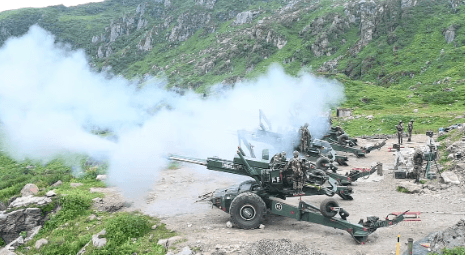
Exercise Divya Drishti – Indian Army high-altitude tech demonstration validating AI-integrated battlefield systems

Conducted by Trishakti Corps in East Sikkim’s Himalayan terrain

Focus on real-time surveillance, sensor-to-shooter linkage, battlefield digitisation under extreme cold

Quick Facts for MCQs

Tech & Schemes

  • AI sensors integrate with ground, drone, command networks ensuring real-time situational awareness
  • Secured, networked communications tested for uninterrupted high-bandwidth data flow
  • Indigenous platforms showcased, aligning with Make in India and iDEX initiatives

Security Dimension

  • Exercise enhances readiness along India-China sensitive corridor in North-East
  • Faster decision loops minimise command lag, critical for mountain warfare
  • Validated hybrid warfare doctrines combining kinetic, electronic, cyber elements

Indigenisation Drive

  • Demonstration spotlights home-grown drones, software, secure radios reducing import reliance
  • Supports domestic defence MSMEs via field-level feedback on prototypes
  • Aligns with policy target of 70% procurement from Indian vendors by 2027

Key Data Points

FeatureData-Point
Launching armIndian Army’s Trishakti Corps
LocaleEast Sikkim, Himalayas
Terrain typeHigh-altitude, extreme weather
Core techAI-enabled sensors, UAVs, secured comms
Key processSensor-to-Shooter data relay
Primary aimBattlefield digitisation validation
National policy linkAtmanirbhar Bharat, Decade of Transformation
Warfare scopeHybrid & next-generation
Indigenous pushMake in India defence systems
Year2024 (latest edition)

Related UPSC Prelims PYQs

CDS_GK, ESE_GS 2023PYQ 1

The 16th edition of Indo-Nepal annual joint training exercise in jungle warfare and counter-terrorism operations was held in December 2022 at Nepal Army Battle School, Saljhandi. What is the name of this exercise?

CDS_GK, ESE_GS 2024PYQ 2

Which one of the following is associated with 'SPRINT Challenges' aimed at giving a boost to the usage of 75 new indigenous technologies/products in collaboration with Innovations for Defence Excellence, NIIO and Technology Development Acceleration Cell?

GS-2Scheme

10.Mera Gaon Meri Dharohar Cultural Mapping (Cultural Mapping)

DD News
Illustration for Mera Gaon Meri Dharohar Cultural Mapping (Cultural Mapping)

What & Where

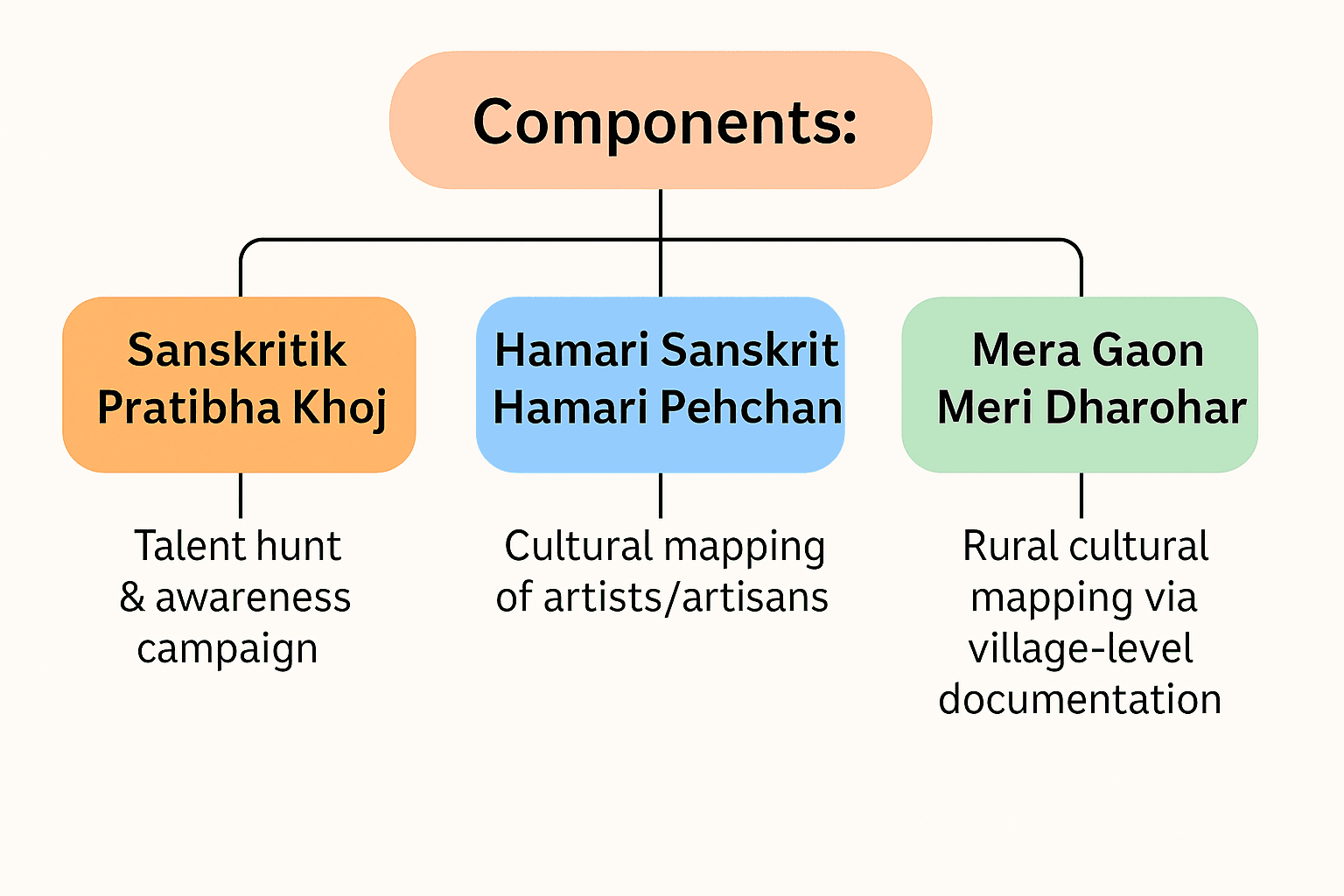
MGMD = nationwide cultural-mapping drive documenting intangible heritage of India’s ~6.5 lakh villages.

Anchored in Ministry of Culture; executed by IGNCA; portal branded National Cultural Workplace.

Operational since Jun 2023, launched during Azadi Ka Amrit Mahotsav celebrations.

Quick Facts for MCQs

Tech & Schemes

  • Portal offers user-editable datasets, artist enrolment, welfare-scheme linkages.
  • NMCM adds Virtual Living Museum, digital badges, village travel passports for tourists.
  • Artist ranking enabled through UIC integration.

Targets & Progress

  • Coverage achieved 72% villages within first year.
  • 360° visual archive begun for immersive documentation; 750 villages filmed.
  • Digital inventories aimed at complete national artist registry.

Institutional Setup

  • IGNCA handles field surveys, digitisation, metadata standards.
  • Parliament receives periodic progress updates via Culture Ministry.
  • NMCM functions as umbrella, MGMD as flagship village-level component.

Key Data Points

FeatureData-Point
Full nameMera Gaon Meri Dharohar
Parent missionNational Mission on Cultural Mapping
Line ministryMinistry of Culture
Implementing bodyIGNCA
Launch month-yearJune 2023
Villages targeted6.5 lakh
Villages documented till now4.7 lakh +
360° videos completed750 villages
Dedicated portal titleNational Cultural Workplace
Unique IDs usedUIC (Unique Identification Code)

Related UPSC Prelims PYQs

NDA_GAT 2025PYQ 1

Which Ministry has initiated the “Dhara”, a special initiative dedicated to Indian Knowledge System (IKS)?

GS-2Scheme

11.Mission for Cotton Productivity Launched (Cotton Productivity)

PIB

What & Where

Mission: five-year initiative to boost cotton productivity via science, biotech, climate-smart high-yield varieties

Scope: led by DARE with Textiles Ministry, dovetails 5F vision from farm to foreign

Geography: covers 130.61 lakh ha cotton area across northern, central, southern agro-climatic zones

Quick Facts for MCQs

Productivity Gaps

  • Ranking: India 1st in acreage yet 39th in yield at 447 kg/ha
  • Stagnation: no new GM cotton approved post-2006 reducing genetic improvement pace

Tech & Schemes

  • Biotech: Mission seeks fast-track Bt 3.0, herbicide-tolerant, RNAi traits to beat pest resistance
  • Digital: AI pest alerts, remote sensing yield maps, blockchain traceability promoted under Digital Agriculture Mission 2021-25
  • Infrastructure: PM-MITRA parks and quality testing hubs aid cluster-based textile value chain

Pest Threat

  • Pink-bollworm: resistance to Bt proteins causing production losses across central zone
  • IPM: pheromone traps, sterile male release, crop rotation protocols validated by ICAR-CICR Maharashtra

Market & Trade

  • Imports: cotton import value doubled to USD 1.04 billion in 2024-25
  • Branding: Kasturi Cotton India initiative positions premium sustainable fibre for export markets
  • ELS Focus: premium MSP and contract farming proposed to scale extra-long staple cultivation

Key Data Points

FeatureData-Point
Launch year2025-26 Budget
Mission duration5 years (2025-30)
Nodal agencyDARE
India acreage share40 % of world
Average yield447 kg/ha (rank 39)
Cotton import 2024-25USD 1.04 bn
Textile export goal 2030USD 100 bn
ELS fibre length>32 mm
Max temp tolerance43 °C

Related UPSC Prelims PYQs

CDS_GK, GS1 2010PYQ 1

An objective of the National Food Security Mission is to increase the production of certain crops through area expansion and productivity enhancement in a sustainable manner in the identified districts of the country. What are those crops?

CDS_GK, GS1 2025PYQ 2

केंद्र सरकार द्वारा 2015-16 में प्रारंभ की गई परंपरागत कृषि विकास योजना (PKVY) का उद्देश्य है:

GS-1Editorial

12.National Education Policy 2020 Five-Year Review (Education Policy)

Times of India
Illustration for National Education Policy 2020 Five-Year Review (Education Policy)

What & Where

National Education Policy 2020: India’s comprehensive school–higher-education roadmap, launched 29 July 2020

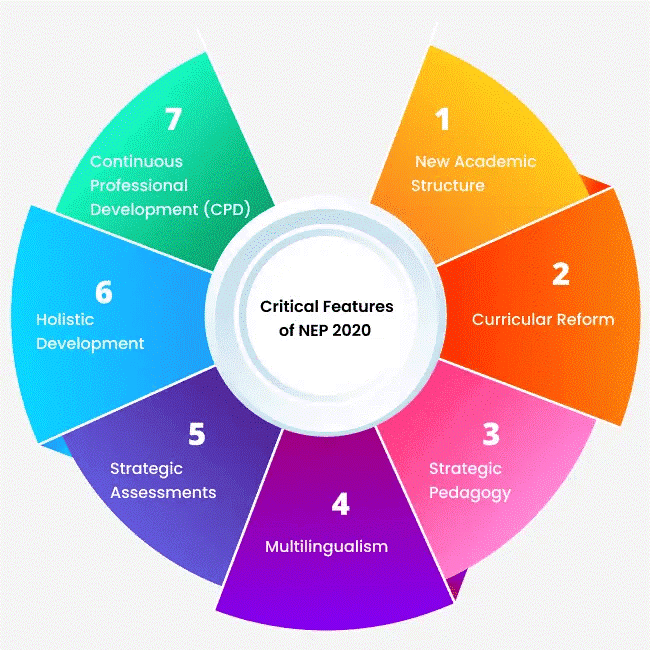
Key pillars: 5+3+3+4 school structure, FLN by Class 3, multilingual medium, credit-based UG, single regulator plan

Pan-India rollout; progress uneven amid Centre–State frictions, especially Tamil Nadu, Kerala, North-East

Quick Facts for MCQs

Regulatory Reform

  • HECI: umbrella body replacing UGC, AICTE; Bill still pending
  • NPST: sets teacher standards; NCFTE draft yet to release
  • Board exams: two-attempt idea announced, large-scale rollout awaited

Progress Metrics

  • Enrolment: SC, ST, Muslim, NE students rose 36–75 %; gender gap narrowing
  • FLN: ASER 2024 shows Class III reading proficiency up to 23.4 % from 16.3 % (2022)
  • Credit system: 2,556 institutes onboard ABC; IIT/IIM campuses opened Dubai, Zanzibar

Bottlenecks

  • Low ABC uptake despite massive ID creation; flexibility largely unused
  • Rural schools still lack digital tools, trained staff, early-grade material
  • Tamil Nadu, Kerala contest three-language formula and PM-SHRI, citing centralisation

Key Data Points

FeatureData-Point
Launch date29 July 2020
School structure5 + 3 + 3 + 4 (ages 3–18)
FLN deadlineClass 3; monitored via PARAKH
CUET start year2022 (UG admissions)
Academic Bank IDs32 crore created
Students using ABC exits≈36,500 (UG + PG)
Higher-ed enrolment 20234.46 crore
Female PhD enrolment1.12 lakh
Balvatika enrolment1.1 crore children
Target education spend6 % of GDP

Related UPSC Prelims PYQs

CDS_GK, ESE_GS 2021PYQ 1

Which one of the following statements is NOT correct regarding the National Education Policy 2020 in India ?

CDS_GK, ESE_GS 2025PYQ 2

NEP 2020 के दिशा-निर्देश के अनुसार, 'पोषण और पढ़ाई पूर्व' (PPBP), निम्नलिखित में से किस कार्यक्रम के अंतर्गत प्रारंभ की गई है?

GS-1Misc

13.Divya Deshmukh Wins 2025 FIDE World Cup (Sports Achievement)

Times of India
Illustration for Divya Deshmukh Wins 2025 FIDE World Cup (Sports Achievement)

What & Where

FIDE Women’s World Cup 2025 = 107-player knockout event selecting qualifiers for Women’s Candidates 2026

3rd edition hosted in Batumi, Georgia; ran 5 Jul – 29 Jul 2025

India’s Divya Deshmukh beat Koneru Humpy in the final to lift the cup

Quick Facts for MCQs

Tournament Structure

  • Seven elimination rounds; lose one match and exit
  • Two classical games per round decide most matches
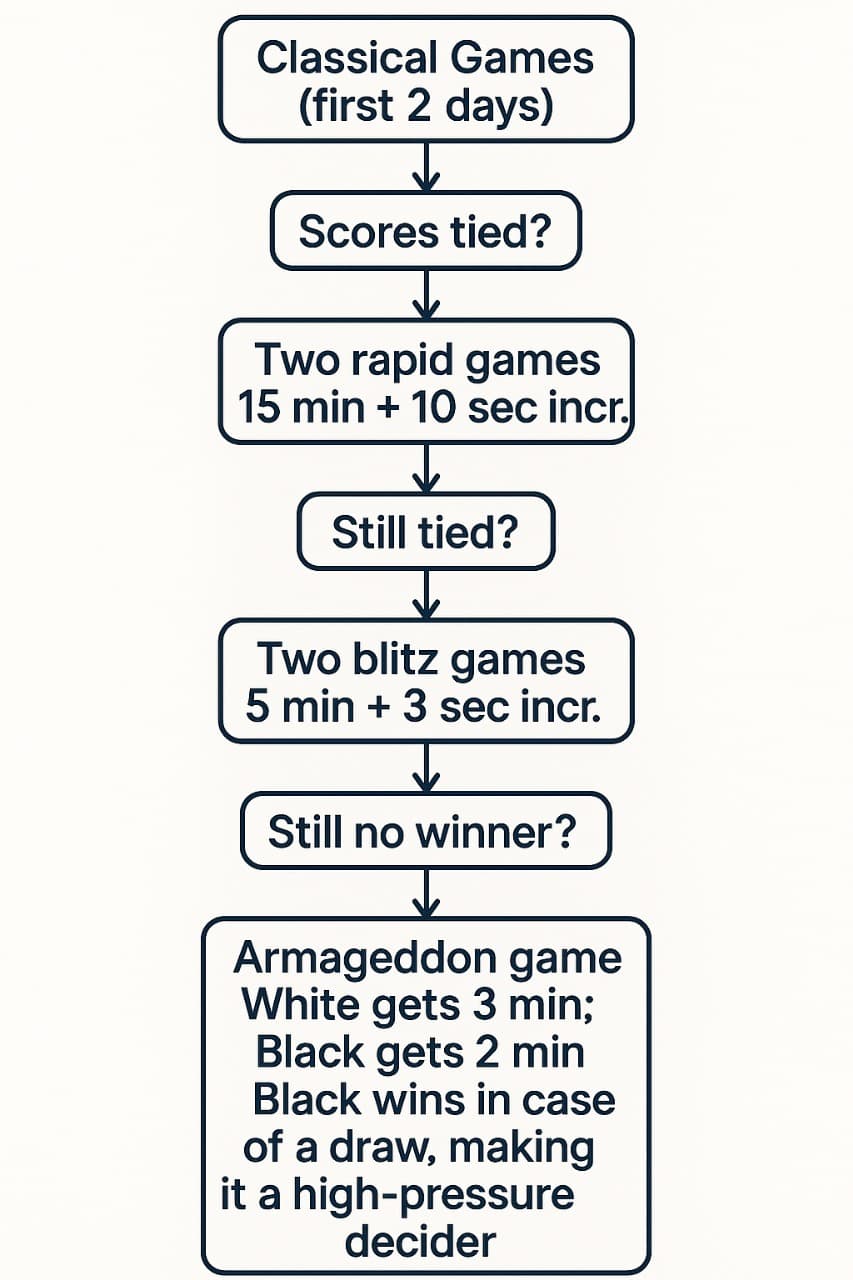
  • Tie-break ladder: rapid → blitz → Armageddon

Time Controls

  • Classical starts with generous 90-min allotment; increments prevent losses on time
  • Rapid and blitz stages escalate pressure through shorter clocks
  • Armageddon grants draw odds to Black, ensuring decisive outcome

Indian Significance

  • Breaks Humpy’s long domestic dominance, signalling generational shift
  • Elevates India’s female GM count to four, overall GM tally to 88
  • Secures Indian presence in 2026 Candidates without rating/continental quota

Key Data Points

FeatureData-Point
OrganiserInternational Chess Federation (FIDE)
Total participants107 women
Format7-round straight knockout
Top-seed byeSeeds 1–21 enter from Round 2
Classical game time90 min/40 moves + 30 min rest; 30-sec increment from move 1
Rapid tie-break 12 games, 15 min + 10-sec increment
Rapid tie-break 22 games, 10 min + 10-sec increment
Blitz tie-break2 games, 5 min + 3-sec increment
ArmageddonWhite 3 min, Black 2 min; 2-sec increment from move 61; draw = Black wins
Final scoreDeshmukh 5 – 0.5 Humpy (after rapids)
Title significanceFirst Indian woman World Cup winner
GM milestoneDeshmukh becomes India’s 88th GM; 4th Indian woman GM
Candidates slots earnedWinner qualifies for Women’s Candidates 2026

Related UPSC Prelims PYQs

CDS_GK 2022PYQ 1

Who among the following won the FIDE World Chess Championship, 2021?

GS-1Misc

14.SOFI 2025 Global Hunger Assessment (Global Hunger)

WHO
Illustration for SOFI 2025 Global Hunger Assessment (Global Hunger)

What & Where

SOFI: annual UN flagship report monitoring global hunger & malnutrition progress under SDG-2.

Jointly produced by FAO, WFP, IFAD, WHO, UNICEF.

2025 edition assesses post-COVID trends, diet affordability, 2030 outlook.

Quick Facts for MCQs

Global Trends

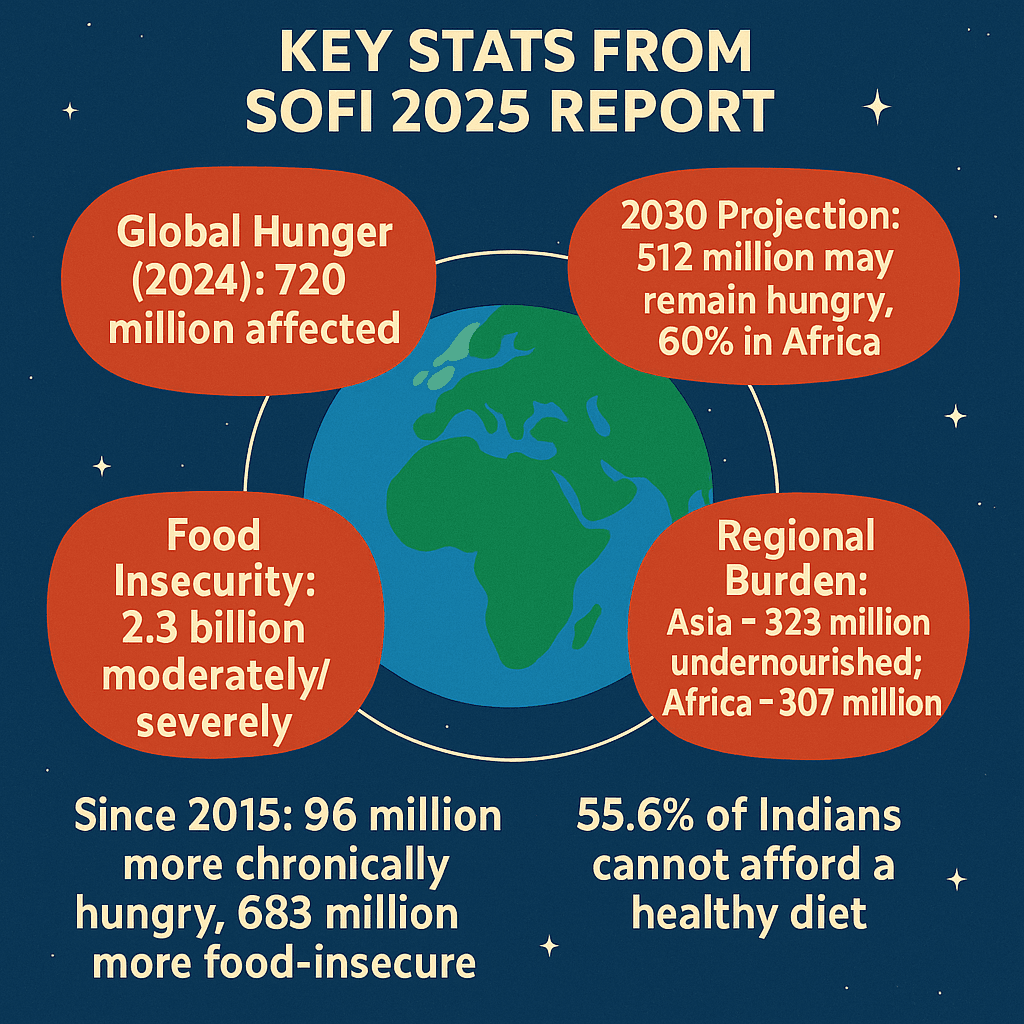
  • Hunger fell from 8.7 % (2022) to 8.2 % (2024), still above 2019 baseline.
  • Conflict, droughts, floods are dominant post-2020 hunger catalysts.
  • Healthy-food prices outpace income growth, widening inequality.

Regional Highlights

  • Africa may house 60 % of world undernourished by 2030.
  • Asia hosts half of global food-insecure despite modest gains.
  • Southeast Asia & South America reduced hunger via social protection and agri-nutrition reforms.

India-Specific

  • Persisting child stunting, wasting despite grain surpluses.
  • PDS leakages and price volatility hurt rural food access; urban recovery better.
  • Cereal-heavy diets drive widespread micronutrient deficiencies.

Policy Prescriptions

  • Reform PDS with millets, pulses, fortified staples.
  • Diversify cropping toward climate-smart, nutrient-rich varieties.
  • Stabilise food affordability through wage indexation, supply-chain efficiencies.

Key Data Points

FeatureData-Point
PublishersFAO + WFP + IFAD + WHO + UNICEF
Reference editionSOFI 2025 (data till 2024)
Global hunger share 20248.2 % ≈ 720 million
Pre-pandemic share 20197.4 %
Unable to afford healthy diet> 3 billion people
Africa undernourished rate> 20 % population
Asia’s hunger burden~50 % of world total
Post-COVID extra hungry vs 2015+ 96 million
Projected decline by 2030only 65 million
India: unaffordable diet share6 % population

Related UPSC Prelims PYQs

CDS_GK 2023PYQ 1

SDG India Index, developed by NITI Aayog, includes 17 SDGs for each State. Which one of the following is not included in that index?

CDS_GK 2023PYQ 2

According to the National Multi-dimensional Poverty Index (MPI) constructed by the NITI Aayog, a household is considered deprived if

Ready to practice?

Test your knowledge with our UPSC test series.

Start Free Trial