UPSC Current Affairs

17 topicsGS-1: 4GS-3: 13
0/17 done
GS-3Editorial

1.Breaking India’s 6% Growth Trap (Economic Reforms)

Business Standard
Illustration for Breaking India’s 6% Growth Trap (Economic Reforms)

What & Where

Term “6% GDP growth trap” denotes India’s GDP stuck near 6 % during 2000-25, barring 2006-10 spike.

Phenomenon observed across India’s economy during post-liberalisation 2000-2025 period.

Breakout needs structural reforms, tech infusion, human-capital upskilling, sustainability focus.

Quick Facts for MCQs

Growth Drivers

  • Domestic-demand surge; private consumption +6.9 % Q3 FY25, rural FMCG sales +4 % Apr-Jun 2024.
  • Capex push; Rs 11.21 lakh cr FY25-26, NIP & Gati Shakti lifted capex CAGR 38.8 % FY20-24.
  • Digital-economy rise; UPI value Rs 23.48 lakh cr Jan 2025, digital share 11.74 % of GDP 2022-23.

Structural Hurdles

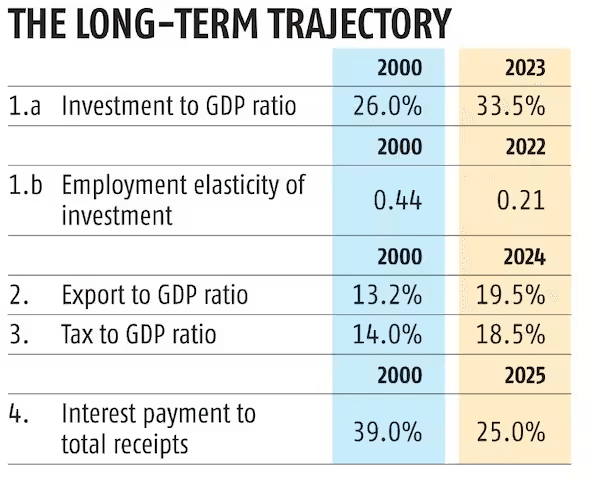
  • Investment-slide; ratio down to 33 %, employment elasticity 0.21 due to capital-intensive allocation.
  • Logistics bottlenecks; cost 14-18 % GDP, exports-GDP 19.5 % amid high tariffs, slow FTAs.
  • Tax-base narrow; 11.7 % tax-GDP, 25 % revenue on interest, squeezing social investment.

Policy Prescriptions

  • Incentivise labour-intensive sectors via zero-duty inputs, eased non-tariff barriers, targeted FDI.
  • Raise tax-GDP to 15 %; pursue strategic disinvestment, funnel savings to infra, education, health.
  • Fast-track EU/US/UK trade pacts, aim export-GDP 25 %, align standards with global norms.

Key Data Points

FeatureData-Point
IMF GDP projection 20256.2 %
IMF GDP projection 20266.3 %
Forex reserves May 2025USD 688.13 bn
Operational airports 2025159
Capacity utilisation 202575.3 %
Unemployment rate 20244.9 %
Investment-GDP ratio 202333 %
Tax-GDP ratio 202311.7 %
Logistics cost share14-18 % of GDP
Renewable capacity Oct 2024203.18 GW

Related UPSC Prelims PYQs

CAPF_GAI, NDA_GAT 2025PYQ 1

S1. Liberalisation and globalisation freed India's economy from the low GDP trap that had impeded India's progress

CAPF_GAI, NDA_GAT 2024PYQ 2

हाल के वर्षों में, निम्नलिखित में से कौन-सा, भारतीय अर्थव्यवस्था में, अवरोही क्रम में, माँग का स्रोत रहा है?
GS-3Economy

2.Jute Corporation of India (MSP Procurement)

The Hindu

What & Where

Agency Jute Corporation of India (JCI); government MSP purchaser for raw jute/mesta.

Geography DPC network across Bengal, Assam, Bihar, Odisha, Andhra; HQ Kolkata.

Update MSP for 2025-26 season raised to ₹5,650/qtl to deter distress sale.

Quick Facts for MCQs

Legal & Policy

  • Establishment supports statutory MSP, prevents trader exploitation.
  • Unlimited procurement obligation once ruling price < MSP.
  • Market intervention complements Jute Packaging Materials Act demand.

Economic Angle

  • MSP hike improves farm gate income, cushions 37 lakh jute growers.
  • Commercial operations stabilise year-round prices for 90-plus jute mills.
  • Diversified jute products promoted to expand domestic & export demand.

Tech & Schemes

  • Jute I-CARE introduces certified seeds, scientific & enzyme retting with CRIJAF.
  • ISRO remote-sensing assesses soil moisture, crop health for timely JCI entry.
  • Digital push cashless payments, QR-based farmer IDs, scheme awareness at Krishi Melas.

Farmer Outreach

  • Training on grading, yield enhancement, PMFBY & PMKSY convergence at DPCs.
  • Inclusion focus on women & smallholders through co-op based procurement.

Key Data Points

FeatureData-Point
Year of incorporation1971
Legal basisCompanies Act, 1956
Parent ministryMinistry of Textiles
Present MSP (2025-26)₹5,650 per quintal
Previous MSP₹5,335 per quintal
Procurement limitNo quantitative ceiling
Price advisory bodyCACP
Operational unitsDepartmental Purchase Centres (DPCs) & cooperatives
Key sales channelB-Twill linkage, e-auction, tenders
Flagship projectJute I-CARE
GS-3Economy

3.IMF Extended Fund Facility (IMF Lending)

Indian Express
Illustration for IMF Extended Fund Facility (IMF Lending)

What & Where

Extended Fund Facility (EFF): IMF window for members with prolonged balance-of-payments stress rooted in deep structural weaknesses.

Medium-term, repayable assistance (≥3 yrs) tied to phased, IMF-monitored structural reforms.

Recently tapped by Pakistan; accessible to all IMF members, often emerging or low-income economies.

Quick Facts for MCQs

Economic Angle

  • Bridges external financing while reforms curb chronic deficits and inflation.
  • Encourages revenue mobilisation, spending rationalisation, debt sustainability.

Approval Process

  • Steps: Country request → Staff-level pact → Executive Board vote → Tranche releases.
  • Quantitative & structural benchmarks reviewed semi-annually for tranche clearance.

Conditionalities

  • Mandatory roadmap on taxation, expenditure, financial-sector governance.
  • Non-compliance halts or cancels undisbursed amounts.

Key Data Points

FeatureData-Point
Governing bodyIMF Executive Board
Support natureLoan, not grant
Typical duration3–4 yrs; extendable
Repayment profileLonger than Stand-By Arrangement
DisbursementTranches post-review
Reform focusTax, inflation, fiscal deficit
Eligibility triggerPersistent BOP/current-account gap
2024 examplePakistan – US$1 bn

Related UPSC Prelims PYQs

CDS_GK 2022PYQ 1

Which one of the following assists a country through ‘Extended Fund Facility’, often talked about in news ?

GS-3Economy

4.Digital Banking Units Challenges (Financial Inclusion)

BL
Illustration for Digital Banking Units Challenges (Financial Inclusion)

What & Where

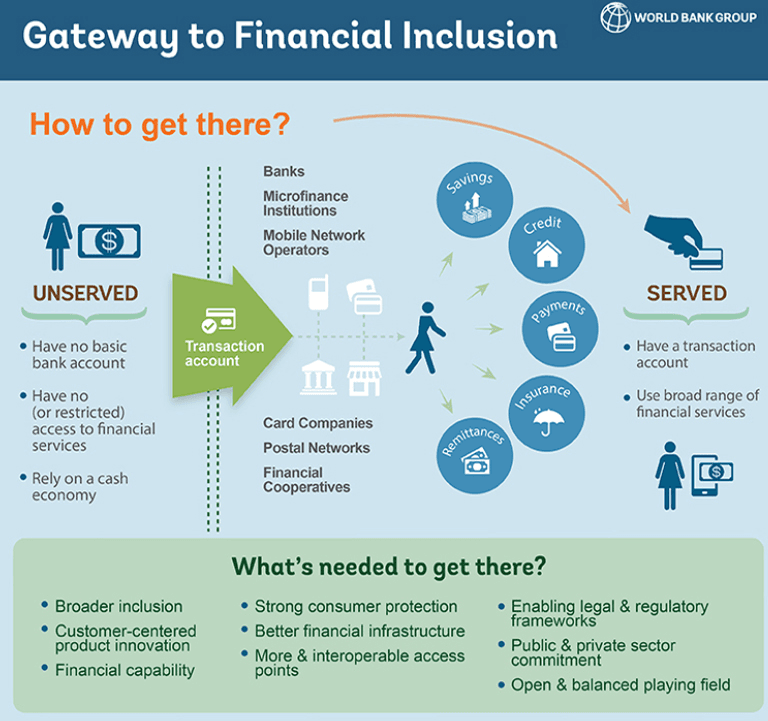
Definition: Fixed‐point digital hubs offering 24×7 self-service banking via machines, fully paperless and cash-counter-free.

Geography: 75 units opened 2022 in remote districts; permitted Tier-1-to-Tier-6 centres unless RBI restricts.

Ownership: Only scheduled commercial banks (not RRBs, payment or local-area banks) can open, no prior RBI nod.

Quick Facts for MCQs

Regulatory Mandate

  • RBI: DBU must house minimum digital infra and stay branch-separate with 24×7 access.
  • Compliance: Physical security, CCTV, failsafe power, audit trails mandated.
  • Scope: Only digital products; no full banking licence like digital-only banks.

Operational Challenges

  • Cost: High capital for machines and staffing deters expansion in low-traffic areas.
  • Connectivity: Patchy internet/power in rural belts stalls real-time transactions.
  • Literacy: Limited digital skills among seniors, women curbs uptake.

Improvement Measures

  • Decentralisation: Location selection via local demand, literacy and penetration metrics, not top-down quotas.
  • Skilling: Use PMGDISHA, SHGs, panchayats for hands-on training, multilingual helpdesks.
  • Infrastructure: Leverage BharatNet, solar backups to ensure uptime.

Comparative Perspective

  • Licence: Digital banks hold BR Act licence; DBUs are extensions of existing banks.
  • Service spread: Digital banks offer deposits, loans nationwide; DBUs provide limited digital services on-site.
  • Competition: Digital banks spur fintech rivalry; DBUs operate within parent bank framework.

Key Data Points

FeatureData-Point
Launch year2022
Roll-out districts75
Commemoration tag75th Independence
Setup timeline given45 days
RBI approval needNil for eligible SCBs
Premises ruleSeparate building, distinct entry/exit
Mandatory oversightSenior, experienced executive
Key machinesInteractive Teller, Cash Recycler, Service Terminal
Cash counter presenceNone
Eligible bank categoriesSCBs only

Related UPSC Prelims PYQs

ESE_GS, GS1 2022PYQ 1

Which one of the following is NOT important initiatives under EASE 4.0?

ESE_GS, GS1 2016PYQ 2

The term 'Core Banking Solutions' is sometimes seen in the news. Which of the following statements best describes/describe this term?

GS-1MappingQuick Bite

5.Wadge Bank Submarine Plateau (Submarine Plateau)

The Hindu
Illustration for Wadge Bank Submarine Plateau (Submarine Plateau)

What & Where

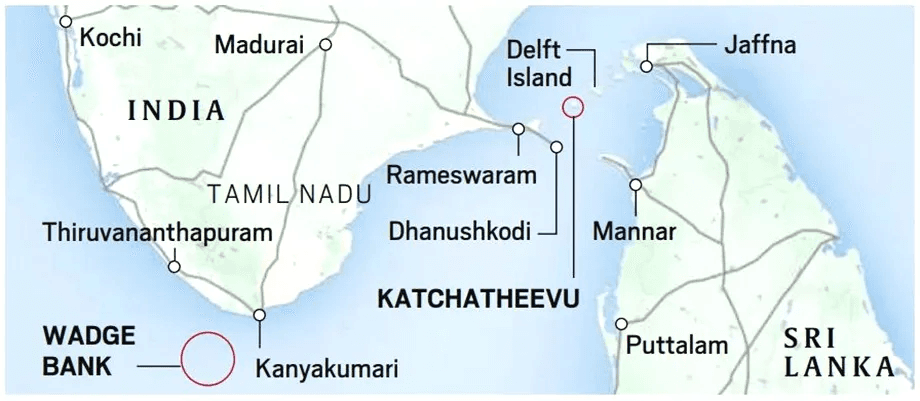
Wadge Bank; submarine plateau inside Indian Ocean EEZ, ~80 km southwest of Kanyakumari (Cape Comorin).

Continental-shelf elevation, depth < 200 m; seasonal nutrient upwelling sustains exceptional fish biomass.

Centre’s HELP hydrocarbon bid faces Kanyakumari fishermen protest citing livelihood and ecological risks.

Quick Facts for MCQs

Legal & Policy

  • Agreement 1976 delineates India–Sri Lanka boundary; grants India exclusive sovereignty over Wadge Bank resources.
  • HELP permits open acreage bidding; Centre proposes hydrocarbon blocks covering bank area.
  • Sri Lankan vessels barred from fishing, reinforcing Indian enforcement responsibility.

Environmental Impact

  • Seasonal upwelling generates plankton blooms sustaining breeding, making area ecologically sensitive.
  • Seismic surveys, drilling risk disrupting habitat, spill threats to nutrient cycles.
  • Fishermen warn exploration could collapse one of world’s richest fishing grounds.

Livelihood Concerns

  • Over 50,000 coastal fishers in Kanyakumari depend on Wadge Bank catch for income.
  • Peak season landings July–Oct account for major annual earnings.
  • Perceived project could reduce fish stock, jeopardising household food security.

Key Data Points

FeatureData-Point
Physiographic typeSubmarine plateau/bank on continental shelf
Distance from mainland~80 km off Kanyakumari, Tamil Nadu
Typical depth< 200 m
Jurisdiction treaty1976 India–Sri Lanka Maritime Boundary Agreement
Sovereign rights holderIndia (petroleum & mineral exploration)
Fishing rights for Sri LankaProhibited within Wadge Bank
Peak fishing seasonJuly – October
Productivity driverSeasonal upwelling enhancing nutrients
Governing exploration regimeHydrocarbon Exploration & Licensing Policy (HELP)
Key resource targetedHydrocarbons (oil & gas)
GS-1Mapping

6.Shakargarh Bulge Strategic Corridor (Strategic Geography)

Business Standard
Illustration for Shakargarh Bulge Strategic Corridor (Strategic Geography)

What & Where

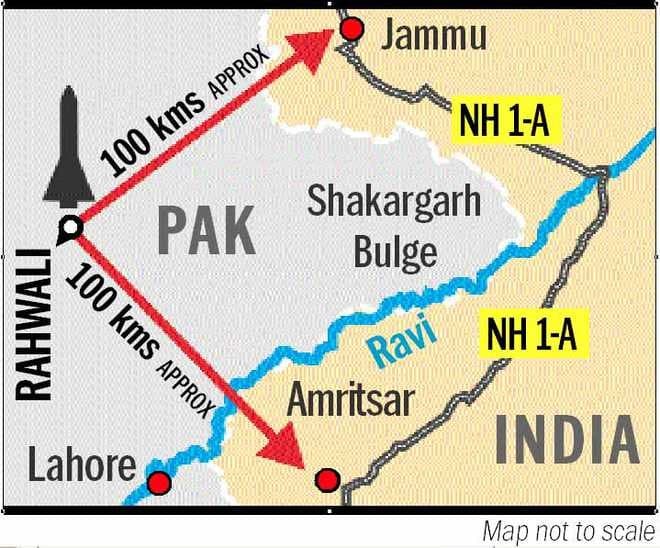
Shakargarh Bulge: wedge-shaped Pakistani salient in Sialkot district, between Ravi & Chenab rivers, abutting Jammu–Pathankot axis.

Flat alluvial plain with dense road-rail grid, favouring large-scale armour manoeuvre toward Indian Punjab & J-K.

Hosted 1971 Battle of Basantar, one of the largest post-WWII tank battles.

Quick Facts for MCQs

Physical Geography

  • Alluvial plain enables rapid armour movement, unlike nearby Himalayan foothills.
  • Ravi & Chenab act as natural flanks, limiting defensive depth.
  • Rail-cum-road corridor links Sialkot-Shakargarh to Pakistani heartland.

Strategic Importance

  • Controlling bulge lets Pakistan threaten Jammu-Pathankot lifeline; India must hold to keep Kashmir supplied.
  • Capture could isolate Indian forces west of Chenab; alter war-time negotiations.
  • Terrain offers Pakistan shortest offensive route into Indian Punjab plains.

1971 Battle Highlights

  • Indian Centurion, AMX-13 tanks countered Pattons using hull-down night tactics.
  • Diversionary bridgeheads across Basantar River surprised Pakistani armour masses.
  • Victory strengthened India’s leverage at 1972 Shimla talks.

Current Security Dimension

  • Post-Pahalgam attack, Pakistan massing troops, tanks, artillery in bulge; India on western-front alert.
  • Buildup hints at potential reuse of historical attack corridor.
  • Indian surveillance and armour formations reinforced along Jammu–Pathankot line.

Key Data Points

FeatureData-Point
Country & districtPakistan, Sialkot
Bounding riversRavi & Chenab
TerrainFlat alluvial plain
Key 1971 clashBattle of Basantar
Battle dates4–16 Dec 1971
Main Indian units54 Inf Div; 16 Indep Armd Bde; 75 Med Regt
Pakistani tanks lost> 60 M48 Pattons
Indian objectiveSecure Jammu–Pathankot supply line
GS-3Environment

7.Tsarap Chu Conservation Reserve (Conservation Reserve)

Down to Earth
Illustration for Tsarap Chu Conservation Reserve (Conservation Reserve)

What & Where

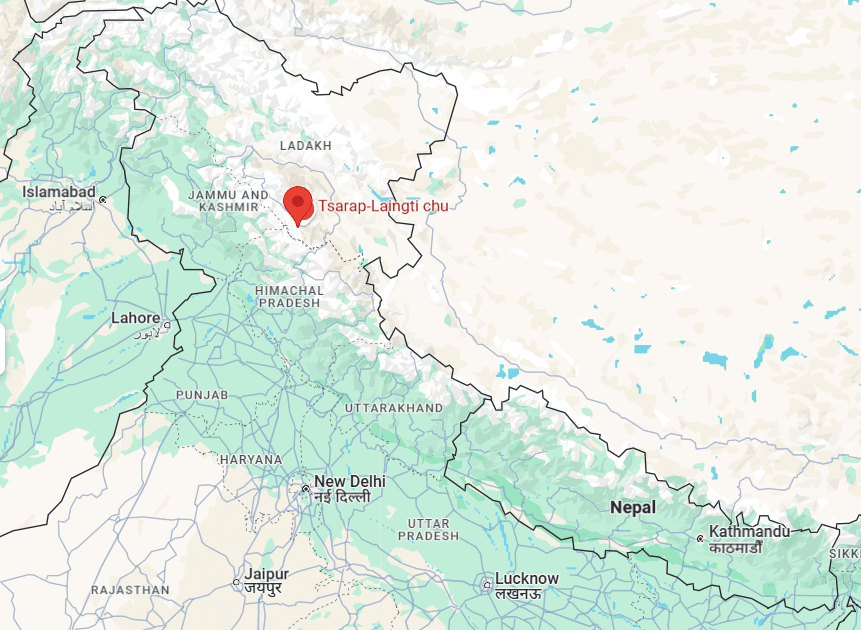
Protected area: Tsarap Chu Conservation Reserve, Spiti Valley, Himachal Pradesh; India’s largest conservation reserve at 1,585 sq km.

Location: Borders Ladakh UT; lies between Kibber & Chandratal Wildlife Sanctuaries, creating a continuous high-altitude corridor.

Purpose: Safeguards snow leopard–centric Trans-Himalayan biodiversity under Section 36A(1), Wildlife (Protection) Act 1972.

Quick Facts for MCQs

Legal & Policy

  • Notification: Himachal govt issued gazette, expanding protected network without converting land to National Park status.
  • Corridor: Legal shield secures linkage between two existing sanctuaries, aiding gene flow for apex predators.

Biodiversity Highlights

  • Mammals: Tibetan wolf, bharal, Himalayan ibex, kiang, Tibetan argali share habitat with snow leopard.
  • Birds: Rose finch, Tibetan raven, yellow-billed chough indicate intact alpine avifauna.

Community & Livelihood

  • Governance: Local panchayats co-manage, embedding traditional knowledge in patrols and planning.
  • Eco-tourism: Trekking, wildlife research expected to augment village incomes while funding conservation.
  • Resilience: Protected alpine pastures buffer climate stress on pastoral economies and water sources.

Key Data Points

FeatureData-Point
Legal categoryConservation Reserve
Notification clauseSec 36A(1), WLPA 1972
StateHimachal Pradesh
Area1,585 sq km
Ecosystem typeHigh-altitude Trans-Himalayan
Flagship speciesSnow leopard
AdjoinsLadakh UT, Kibber & Chandratal WLS, Kabjima Nala
Wildlife corridorConnects Kibber–Chandratal sanctuaries
Governing bodyConservation Reserve Management Committee with local panchayats
GS-3Environment

8.India’s Escalating E-Waste Challenge (E-Waste Management)

The Hindu
Illustration for India’s Escalating E-Waste Challenge (E-Waste Management)

What & Where

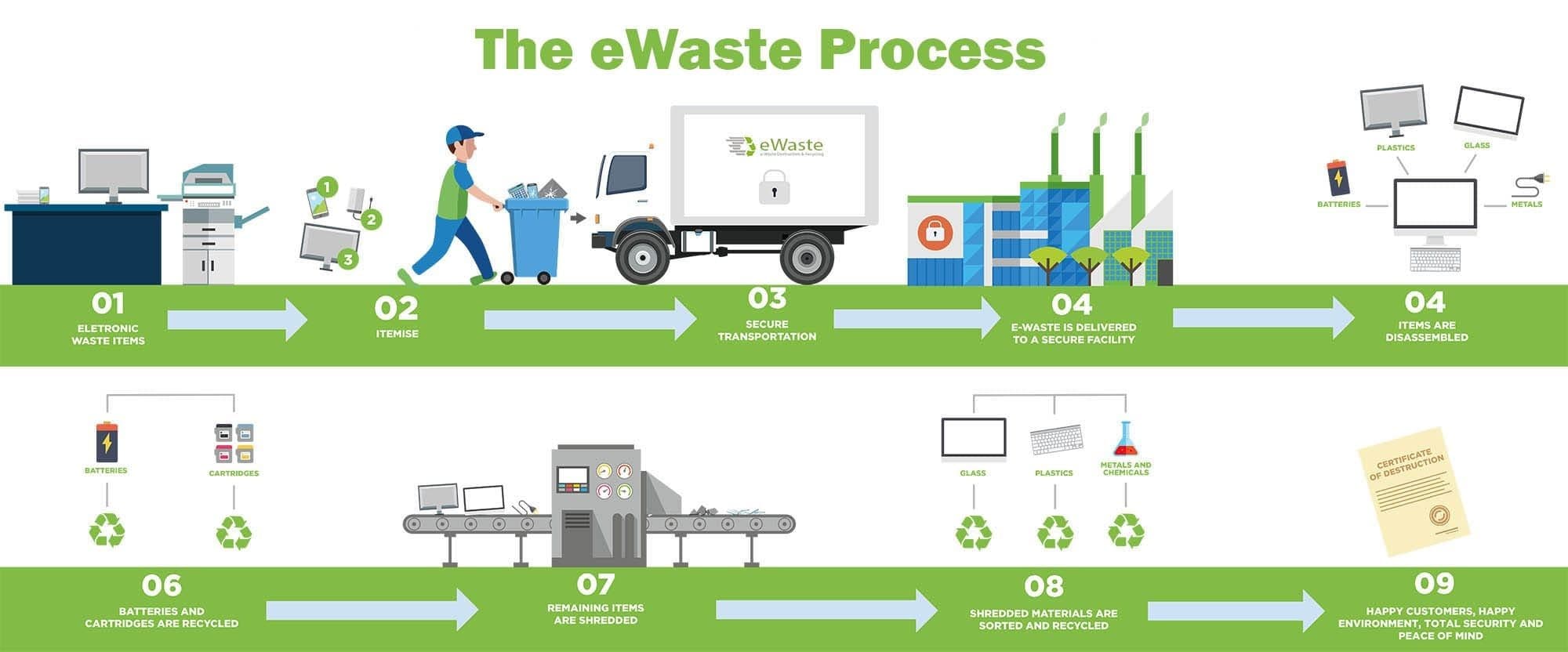
Definition: Discarded electronic equipment like mobiles, laptops, TVs containing toxic and precious metals

Trend: India’s e-waste rose from 7.08 lakh t (2017-18) to 17.78 lakh t (2023-24)

Geography: Urban centres host most authorised recyclers while informal backyard units operate nationwide

Quick Facts for MCQs

Legal & Policy

  • Rules2022: Enforce EPR, digital tracking portal, recycler audits
  • FloorPrice: Suggested minimum EPR certificate value to prevent market crash
  • Alignment: Mirrors European high EPR fees and formal recycling norms

Economic Angle

  • PreciousMetals: Formal recovery yields gold, copper, boosting circular economy revenues
  • Formalisation: Floor price shifts waste flow to licensed plants, creating green jobs
  • Investment: Price certainty encourages automated, eco-friendly recycling technology

Challenges

  • InformalDominance: About 90 % processed by unregistered units lacking safety standards
  • AwarenessGap: Consumers seldom use take-back schemes or kiosks for disposal
  • UrbanBias: Tier-2 and rural areas lack collection centres and recycling hubs

Key Data Points

FeatureData-Point
Six-year growth rate151 % increase (2017-18 to 2023-24)
Global rankIndia among top five e-waste producers
Informal sector share≈95 % of national e-waste handled
Current rule setE-Waste (Management) Rules 2022
Compliance toolEPR certificates bought from authorised recyclers
Proposed floor price aimGuarantee minimum revenue to recyclers

Related UPSC Prelims PYQs

GS1 2019PYQ 1

In India, ‘extended producer responsibility’ was introduced as an important feature in which of the following?

GS1 2019PYQ 2

As per the Solid Waste Management Rules, 2016 in India, which one of the following statements is correct?

GS-3Environment

9.Kendu Leaf Forest Produce (Non-Wood Forest Product)

Down to Earth
Illustration for Kendu Leaf Forest Produce (Non-Wood Forest Product)

What & Where

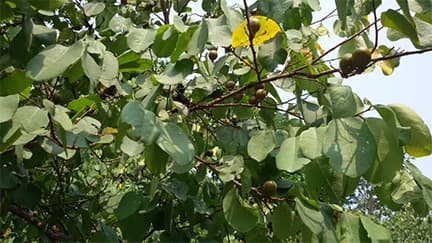
Kendu/Tendu leaf (Diospyros melanoxylon) – nationalised, premier non-wood forest product, bidi‐wrapper nicknamed “green gold” of Odisha.

Core belt: Madhya Pradesh > Chhattisgarh > Odisha; also Andhra Pradesh, Jharkhand, Gujarat, Maharashtra.

Odisha gathers leaf mainly April–May; only state supplying fully processed, graded 5 kg bundles.

Quick Facts for MCQs

Processing & Grades

  • Uniqueness: Odisha supplies processed leaf, rest of India largely sells phal (raw) form.
  • Grading: four quality classes determined by colour, texture, size, body condition.

Economic Angle

  • Livelihood: Major cash source for tribal households; principal MFP traded in state.
  • Revenue: Contributed ~73 % of Odisha forest earnings during 1990-2000 decade.
  • National output: Odisha’s 20 % slice underpins sizeable bidi cottage industry.

Medicinal Use

  • Traditional cure: Kendu fruits treat malaria, diarrhoea, dysentery; leaves applied on wounds for antimicrobial action.

Social Concerns

  • Child labour: Minors engaged in plucking/drying receive very low wages each April–May.
  • Legal gap: Children <14 barred; 14–18 allowed only non-hazardous jobs, yet field enforcement weak.
  • Needed: Stricter monitoring, village sensitisation, proactive child-protection units.

Key Data Points

FeatureData-Point
Botanical nameDiospyros melanoxylon
Product statusNationalised Minor Forest Produce
Local tag“Green gold of Odisha”
Main useWrapper for bidis
Odisha’s producer rank3rd after MP, Chhattisgarh
Odisha annual output4.5–5 lakh quintals
Odisha share in India≈20 % of national leaf
Forest revenue 1990-2000₹635 mn of ₹868 mn total
Processing formOnly Odisha sells in processed, graded leaf
Grade typesI, II, III, IV based on colour, texture, size
Standard bundle5 kg leaf pack
Harvest windowApril–May (peak plucking season)
GS-3S&TQuick Bite

10.Near-Earth Asteroid 2024 YR4 (Planetary Defence)

Indian Express
Illustration for Near-Earth Asteroid 2024 YR4 (Planetary Defence)

What & Where

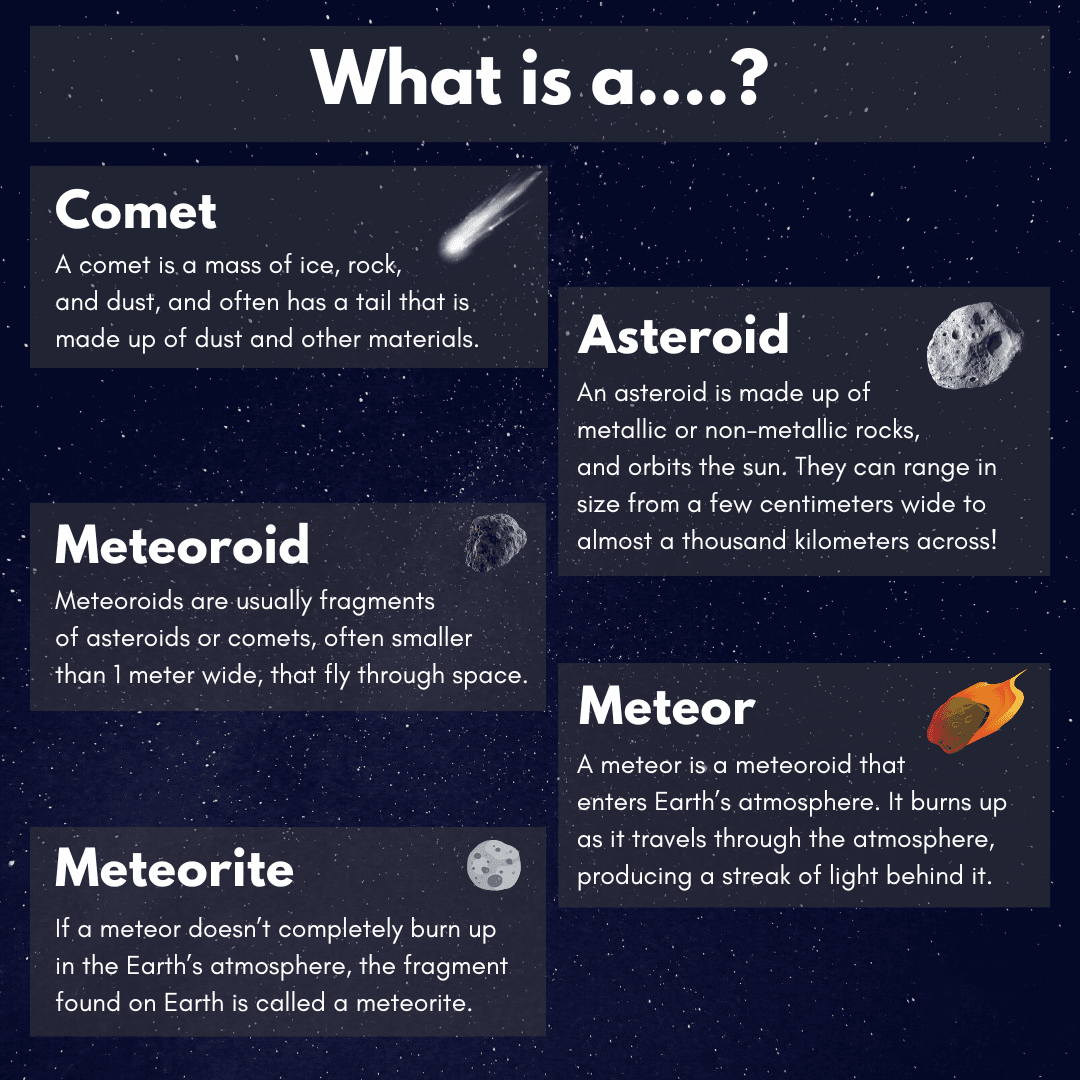
Asteroids: rocky leftovers; bulk in Main Belt (Mars–Jupiter); some drift into Near-Earth region.

2024 YR4: NEA detected Dec 2024; passed 0.8 million km; next apparition 2028.

Ranked Torino-Scale 3, giving ~1 % impact probability in 2032 with 8–10 Mt potential yield.

Quick Facts for MCQs

Risk Assessment

  • Probability: NASA JPL computes >1 % hit chance; will refine after 2028 observations.
  • Yield: 8-10 Mt TNT could flatten metropolitan area; localised not global catastrophe.
  • Comparison: Chelyabinsk released 0.5 Mt; dinosaur-killer Chicxulub orders-of-magnitude larger.

Planetary Defence Tech

  • DART: 2022 kinetic impactor shortened Dimorphos orbit by 33 minutes, validates momentum-transfer method.
  • Hera: ESA 2024 mission will map DART crater, mass, internal structure.
  • NETRA: ISRO optical network to catalogue hazardous Near-Earth Objects and orbital debris.

Asteroid Taxonomy

  • Main Belt: Millions of bodies 1 m–900 km between Mars and Jupiter.
  • Trojans: Co-orbiting asteroids at Lagrange L4/L5; Jupiter, Neptune, Earth host groups.
  • Near-Earth: Perihelion ≤1.3 AU; sub-classes Aten, Apollo, Amor; Earth-crossers monitored continuously.

Key Data Points

FeatureData-Point
Discovery month/yearDecember 2024
Closest approach 2024800,000 km (≈2 lunar distances)
Next observation windowYear 2028
Possible impact year2032
Impact probabilitySlightly over 1 %
Torino Scale ratingLevel 3 of 10
Estimated blast energy8–10 megaton TNT
Chelyabinsk 2013 energy0.5 megaton TNT
DART mission year2022
Primary asteroid reservoirMain Belt (Mars–Jupiter)
GS-3S&TQuick Bite

11.ISRO Semi-Cryogenic Engine (Launch Vehicle Tech)

ISRO
Illustration for ISRO Semi-Cryogenic Engine (Launch Vehicle Tech)

What & Where

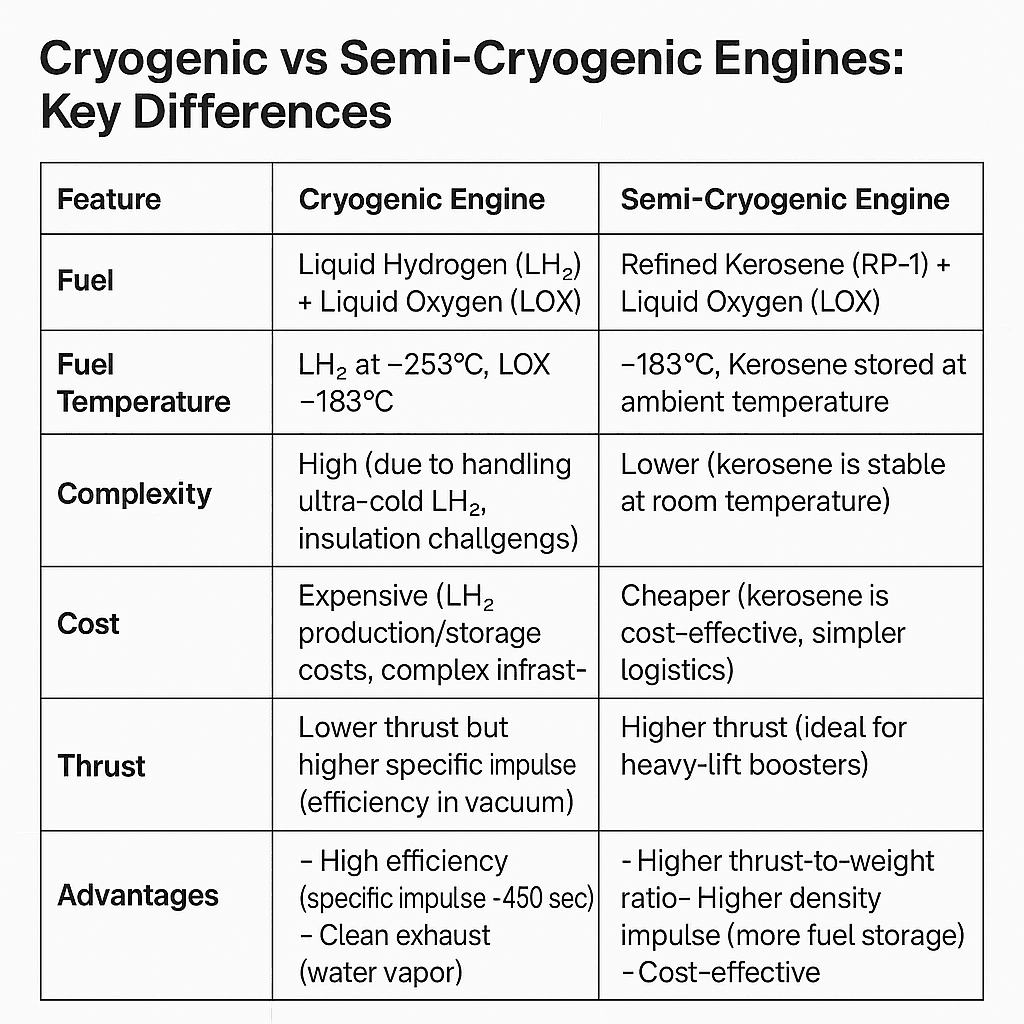
Semi-cryogenic engine: LOX + refined kerosene booster for heavy-lift rockets.

Short-duration hot test: brief ignition to validate start-up, performance.

Test site: ISRO Propulsion Complex (IPRC), Mahendragiri, Tamil Nadu.

Quick Facts for MCQs

Technology Specs

  • LOX-kerosene combo delivers greater volumetric impulse, improving thrust-to-volume ratio.
  • Short test confirms ignition sequence, combustion stability, engine health.

Cost & Handling

  • Kerosene cheaper, storage at near-ambient pressure simplifies ground infrastructure.
  • Reduced propellant cost lowers overall mission expenditure.

Future Launch Vehicles

  • Semi-cryogenic boosters planned for NGLV three-stage, partly reusable architecture.
  • NGLV slated for comsat lifts, deep-space probes, crewed cargo missions.

Key Data Points

FeatureData-Point
Test typeShort-duration hot test
Current milestoneSecond success; first in Mar 2025
Test date14 May 2025
FacilityIPRC Mahendragiri, Tamil Nadu
OxidizerLiquid oxygen (LOX)
FuelRefined kerosene (RP-1)
Density impulseHigher than LOX–LH₂ cryogenics
Target rocketNext Generation Launch Vehicle (NGLV)
NGLV LEO payload≈ 30 tonnes

Related UPSC Prelims PYQs

GS1 2008PYQ 1

ISRO successfully conducted a rocket test using cryogenic engines in the year 2007. Where is the test-stand used for the purpose, located?

GS1 2007PYQ 2

Consider the following statements:

GS-3Editorial

12.India’s Emerging Military Doctrine (Military Strategy)

DH
Illustration for India’s Emerging Military Doctrine (Military Strategy)

What & Where

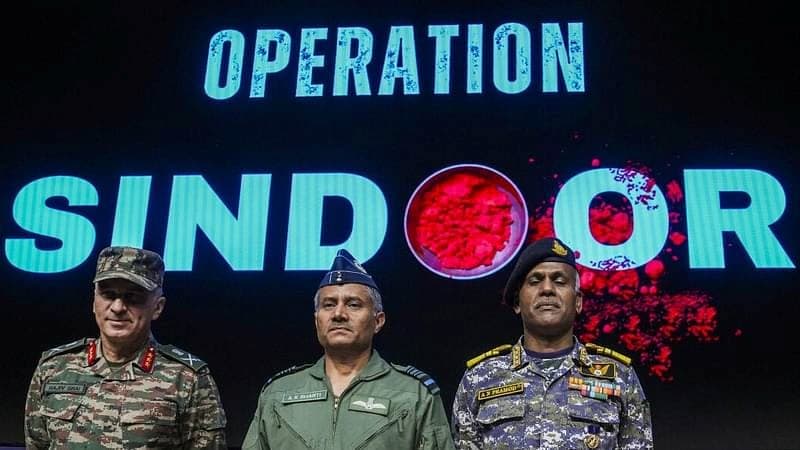
Operation Sindoor = deep-strike air & drone offensive on terror hubs inside Pakistan-occupied J&K and Pakistani Punjab.

Conducted by tri-services + intelligence; relied on stand-off precision weapons, avoided ground invasion.

Embodies India’s new proactive doctrine countering cross-border terror and nuclear blackmail.

Quick Facts for MCQs

Strategy Shifts

  • Timing control; India selects moment & target, ignores escalation fears.
  • Zero-tolerance; nuclear threats won’t restrain counter-terror strikes.
  • Unified target set; handlers and state sponsors hit alike.

Tech & Capability

  • Multi-domain build-up post-Galwan: cyber, space, ISR satellites integrated.
  • Stand-off PGMs enable deep strikes with minimal own-force exposure.
  • Enhanced air defence intercepted incoming Pakistani drones/missiles.

Indo-Pak Implications

  • Pre-emptive, deep retaliations likely new bilateral normal.
  • Strategic credibility up; proxy terror faces higher cost calculus.
  • Near-Cold-Start readiness achieved without formal doctrinal label.

Key Data Points

FeatureData-Point
Operation codenameSindoor
Geography struckPoJK & Pakistani Punjab
Facilities destroyed9 terror sites
Key targetsJeM HQ Bahawalpur; LeT base Muridke
Main weaponsSCALP cruise missiles, HAMMER PGMs, kamikaze drones
Forces involvedArmy, Air Force, Navy, intel
Core doctrine lineStrike first, strike deep; tech deterrence
Distinction policyNo separation of state & non-state actors
Talks agendaOnly PoJK—no trade/diplomacy
Post-Galwan focusMulti-domain: cyber, space, drones, satellites

Related UPSC Prelims PYQs

CAPF_GAI, CDS_GK 2025PYQ 1

भारत द्वारा पाकिस्तान के विरुद्ध संचालित निम्नलिखित सैन्य अभियानों (military operations) को सही कालानुक्रमानुसार व्यवस्थित कीजिए :

CAPF_GAI, CDS_GK 2025PYQ 2

Which one of the following military operations was not undertaken by India ?

GS-3Security

13.Integrated Air Command-Control System (Air Defence Network)

Indian Express
Illustration for Integrated Air Command-Control System (Air Defence Network)

What & Where

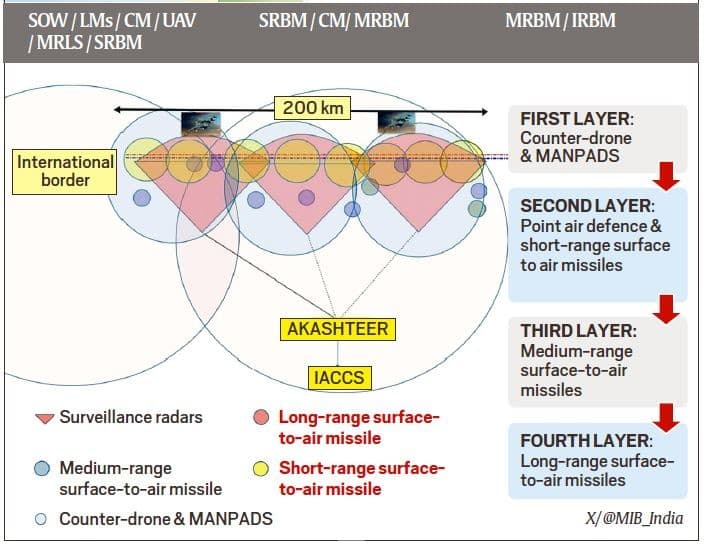
IACCS: automated, BEL-developed network linking all Indian air-defence assets for real-time threat response

Processes: multi-sensor data fusion, instant command relay, central control with decentralised weapon engagement

Geography: pan-India grid covering Delhi-NCR, western, eastern and southern commands plus sensitive border bases

Quick Facts for MCQs

Tech & Schemes

  • Architecture: distributed nodal centres connected via secured fibre, satellite and troposcatter links
  • Compatibility: plug-and-play for new missile batteries, radars, electronic warfare suites
  • Upgradability: software defined modules enable rapid AI, ML algorithm insertion

Security Dimension

  • Deterrence: 24×7 composite picture curtails surprise aerial incursions along western and northern borders
  • Interception: quick cueing to Mirage-2000, Su-30MKI, SPYDER, Akash batteries for layered kill options
  • Integration: civilian ATC feeds reduce fratricide and false alarms in dense air corridors

Future Upgrades

  • AI-based Threat Ranking: predictive algorithms to prioritise hostile tracks amid swarm overload
  • Indigenous Networking: shift toward secure Indian crypto & satellite links reducing import dependence
  • Joint Ops Expansion: planned Navy data-links to create tri-service aerospace command network

Key Data Points

FeatureData-Point
DeveloperBharat Electronics Ltd (BEL)
Core UsersIndian Air Force; integrated with Army’s Akashteer
Sensors FusedGround & civilian radars, AWACS, AEW&C, fighter avionics
Visual OutputLive 360° digital airspace map
First DemonstratedDuring interceptions of Pakistani drones/missiles
Response AdvantageDetection-to-kill time drastically shortened
Defence Layers LinkedMANPADS to S-400/Barak-8 LR-SAMs
Future Ready ForAI analytics, drone swarms, LR-SAM, QR-SAM integration
Coverage NatureNationwide, sectorised nodes with secure fibre/sat links

Related UPSC Prelims PYQs

CAPF_GAI, GS1 2003PYQ 1

With reference to Indian defence, which one of the following statements is correct?

CAPF_GAI, GS1 2022PYQ 2

भारत की सुरक्षा के संदर्भ में, निम्नलिखित हेलीकॉप्टरों पर विचार कीजिए :

GS-3Security

14.Operation Keller Counterterrorism (Counterterrorism Operation)

Hindustan Times
Illustration for Operation Keller Counterterrorism (Counterterrorism Operation)

What & Where

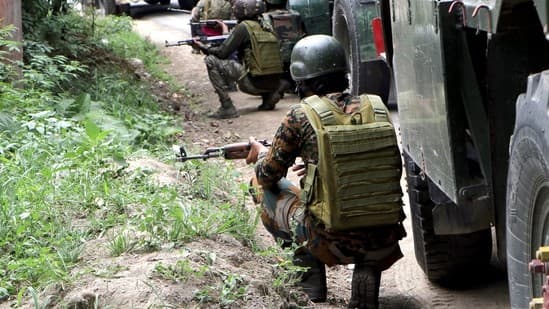
Operation Keller – Indian Army search-and-destroy mission, launched 13 May 2025 in Shoekal Keller, Shopian

Target – TRF chief Shahid Kuttay, mastermind of Pahalgam attack killing 26 civilians

Theatre – Shopian district, south Kashmir Valley bordered by Pulwama, Anantnag, Kulgam and Pir Panjal range

Quick Facts for MCQs

Security Dimension

  • Neutralisation: Shahid Kuttay eliminated, weakening Pakistan-backed LeT proxy network
  • Coordination: Army, Police, CRPF executed tight cordon to deny escape corridors
  • Prevention: Mission aims to avert retaliatory strikes across South Kashmir

Geography & Climate

  • Terrain: Forested valleys and apple orchards at 2,146 m elevation
  • Climate: Sub-zero winters, heavy snowfall hampers both civilian and militant movement
  • Borders: Pir Panjal range offers infiltration cover, complicating counter-insurgency

Economic Angle

  • Agriculture: Apple cultivation dominates local GDP and employment
  • Connectivity: Mughal Road via Shopian revives trade between Poonch and Srinagar
  • Development: 2007 district upgrade spurred agro-processing units and road projects

Key Data Points

FeatureData-Point
Launch date13 May 2025
Core locationShoekal Keller, Shopian
Lead forceIndian Army
Supporting agenciesJ&K Police; CRPF
Intelligence sourceRashtriya Rifles
Principal targetShahid Kuttay (TRF)
Civilian deaths, Pahalgam26
Altitude of Shopian2,146 m
Winter low−7 °C
District status year2007
Historic routeMughal Road (Lahore–Srinagar)
GS-3Security

15.Territorial Army Reserve Force (Reserve Forces)

Times of India

What & Where

Volunteer reserve force of part-time “citizen soldiers” under Territorial Army Act, 1948

Mobilised nationwide to reinforce Regular Army, maintain essential services, aid civil power

65 units spread across India; administrative control with Ministry of Defence

Quick Facts for MCQs

Legal & Policy

  • Constitutional status auxiliary; second line of defence during war, insurgency, national emergency
  • Rule 33 allows Government/Army Chief to order full embodiment in “national exigencies”
  • Delegation reflects heightened India–Pakistan border tensions

Eligibility & Training

  • Citizenship mandatory; candidates retain civilian jobs while serving
  • Medical fitness per regular Army standards; no permanent military tenure in peacetime
  • Annual training includes recruit camp, weapon handling, field craft

Operational History

  • Wars 1947-48, 1962, 1965, 1971: logistics, rear-area security, infrastructure guard
  • Counter-insurgency: Operation Rakshak (Punjab, J&K); Operation Pawan (Sri Lanka)
  • Kargil 1999: protected ammo dumps, supply routes, strategic installations

Key Data Points

FeatureData-Point
Establishment ActTerritorial Army Act, 1948
Formal launch9 Oct 1949
Controlling ministryMinistry of Defence
Empowering rule for full call-outRule 33, TA Act
Current authorised strength≈ 50,000 personnel
Unit count65
Age eligibility18–42 years
Training obligation~2 months annually
Service typePart-time in peace; full-time when embodied
Recent delegationArmy Chief empowered to fully mobilise TA
GS-1Editorial

16.Social Media Youth Wellbeing (Mental Health)

The Hindu
Illustration for Social Media Youth Wellbeing (Mental Health)

What & Where

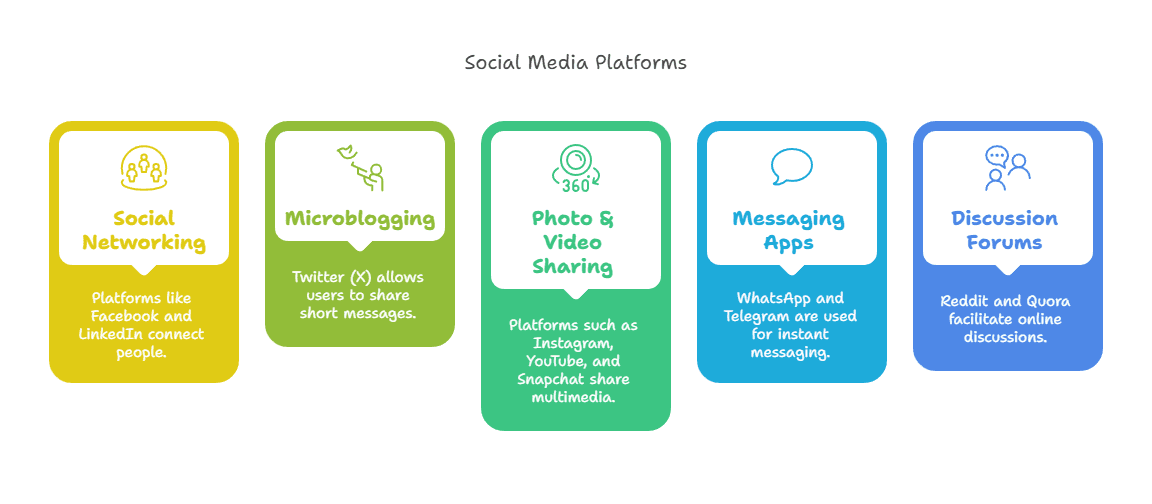
Social media: online intermediaries hosting user-generated content & networking, governed in India under IT Act 2000.

Key processes: safe-harbour (s 79), takedown under IT Rules 2021/23, data protection via DPDP Act 2023.

Geography: India’s youth, creator economy and mental-health landscape constitute primary focus.

Quick Facts for MCQs

Legal & Policy

  • IT Act 2000: Section 79(1) safe-harbour conditional on no content control.
  • SC rulings: Shreya Singhal (free speech), Puttaswamy (privacy fundamental right) shaping DPDP Act 2023.
  • IT Rules 2021/23 demand prompt removal of unlawful, govt-flagged content; 2023 clause under SC stay.

Economic Angle

  • Creator economy quadrupled 2020-24, powering SMEs, artisans, gig workers via YouTube, Instagram, WhatsApp catalogues.
  • USD 1 bn creator fund boosts capital, skilling, global market access.
  • Social media propels digital payments formalisation; WhatsApp Pay simplifies micro-transactions.

Social Concerns

  • Mental-health: FOMO, validation loops drive anxiety, depression, loneliness among teens.
  • Algorithms create filter bubbles, escalating extremism, limiting viewpoint diversity.
  • Child influencers face exploitation, cyberbullying, deepfake grooming before emotional maturity.

Mitigation Measures

  • Algorithm reform: block behavioural ads to minors; elevate educational, skill content; allow user customisation.
  • Digital literacy: NEP-aligned cyber-safety modules; teacher-parent training; NGO-school collaboration.
  • Platform duties: teen accounts, screen-time alerts, swift grievance cells; DPDP audits penalise child-data misuse.

Key Data Points

FeatureData-Point
Influencers 2020 vs 20249.62 lakh → 40.6 lakh
Workforce share of creators8 % (2024)
Creative economy valueUSD 30 bn; 2.5 % of GDP (2024)
Section 66A struck downShreya Singhal v UoI, 2015
IT Rules amendment stayed2023 (false-content takedown)
Post-WAVES government fundUSD 1 bn for creators
GS-1History

17.Jenu Kuruba PVTG (Tribal Rights)

The Hindu
Illustration for Jenu Kuruba PVTG (Tribal Rights)

What & Where

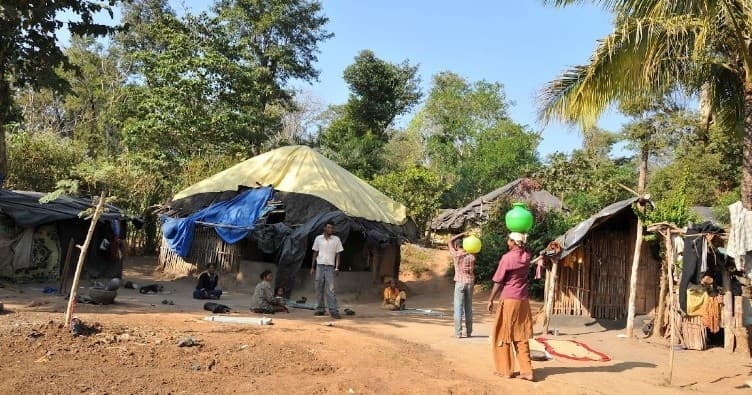
Jenu Kuruba (PVTG) = “honey collectors” forest tribe of Western Ghats, chiefly Kodagu–Mysuru (Karnataka).

Small hamlets called Hadi; semi-nomadic, reliant on honey, tubers, minor forest produce.

Now clash at Nagarhole Reserve over Forest Rights Act, 2006 land claims.

Quick Facts for MCQs

Livelihood & Economy

  • Subsistence from honey, tubers; trade minor produce with plains markets.
  • Land loss pushed households into low-wage coffee-plantation labour, deepening poverty.
  • No sustainable access to health, education services post displacement.

Social Structure

  • Decentralised leadership via Yajamana (secular) and Gudda (ritual); decisions stay within clan.
  • Semi-nomadic movement between forest patches; limited external political or religious ties.
  • Hamlets cluster in 5–10 bamboo-mud huts, kin-based.

Culture & Beliefs

  • Animistic worship of sylvan deities, nature spirits; Hindu festival overlays like Holi, Diwali.
  • Rich oral heritage—songs, dances narrate marriage, harvest, forest myths.
  • Rituals invoke ancestors, forest guardians before honey collection seasons.

Legal & Policy

  • FRA 2006 allows individual/community forest rights; 52 families attempted land re-entry at Nagarhole.
  • Past relocations executed for Project Tiger, eco-tourism; compensation often inadequate.
  • PVTG tag grants focused schemes: MSP for Minor Forest Produce, development funds via MoTA.

Key Data Points

FeatureData-Point
Official classificationParticularly Vulnerable Tribal Group (PVTG)
Literal meaningKannada: Jenu = honey, Kuruba = shepherd
Alternate namesThen Kurumba, Kattu Naikar
Core statesKarnataka, Kerala, Tamil Nadu
Main districts (KA)Kodagu, Mysuru
Traditional hamletHadi
Community leadersYajamana (headman), Gudda (ritual chief)
Key livelihoodHoney collection; minor forest produce
Post-eviction workCoffee-estate plantation labour
Governing legislationForest Rights Act, 2006

Ready to practice?

Test your knowledge with our UPSC test series.

Start Free Trial