UPSC Current Affairs

17 topicsGS-1: 5GS-2: 3GS-3: 9
0/17 done
GS-2Polity

1.Freebies Versus Clientelism Debate (Electoral Freebies Debate)

The Hindu

What & Where

Clientelism – election-time, broker-monitored swap of cash, liquor, gifts for assured votes; rampant in urban slums & rural belts.

Patronage – long-horizon allotment of jobs, loans, local posts through state capture to cement loyal constituencies.

Freebies – state-funded, auditable, universally targeted welfare (e.g., free bus rides, DBT to women) with no direct vote bargain.

Quick Facts for MCQs

Democratic Impact

  • Autonomy-loss: Clientelism distorts preference, entrenches inequality, weakens democratic fairness.
  • Inclusion-gain: Universal freebies broaden access, can improve health, mobility, gender outcomes.
  • Visibility gap: Informal inducements stay under-reported, escaping public audit and critique.

Oversight & Regulation

  • Audit-boost: Strengthen election expenditure scrutiny, flying squads, ECI surveillance for real-time deterrence.
  • Legal-clarity: Codify distinction between welfare entitlements and quid-pro-quo inducements.
  • Hiring-reform: Transparent, merit-based recruitment to break patronage chains in state jobs.

Welfare vs Vote-Buying

  • Delivery-tech: DBT, cashless transfers curb intermediaries, leakage, political mediation.
  • Voter-literacy: Ethics campaigns reduce acceptance of liquor/cash handouts during polls.
  • Urban-rural divide: Patronage/clientelism often city-centric; universal schemes aim to bridge marginalisation.

Key Data Points

FeatureData-Point
Core motive: ClientelismImmediate vote buying
Core motive: PatronageLong-term voter loyalty
Core motive: FreebiesInclusive social welfare
Monitoring levelHigh in clientelism; low in freebies
Funding sourceOften private/opaque (clientelism) vs budgetary (freebies)
GS-1HistoryQuick Bite

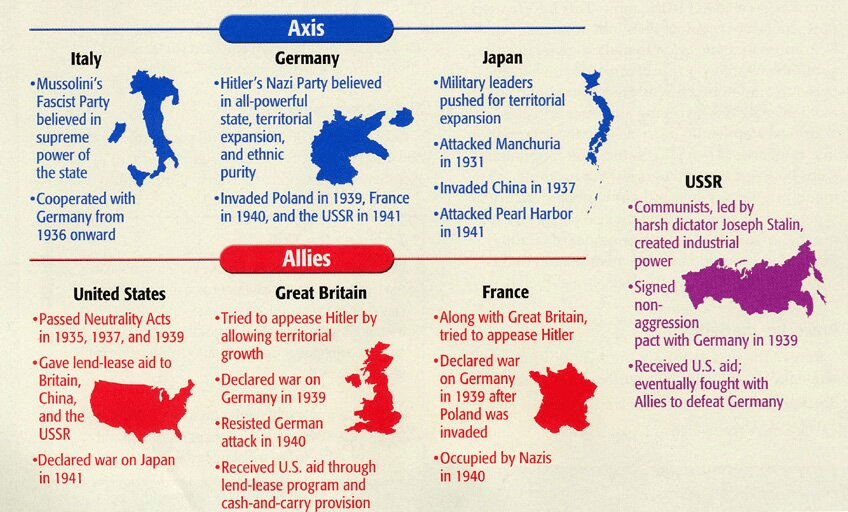
4.World War II 80th Anniversary (World War II Anniversary)

The Hindu
Illustration for World War II 80th Anniversary (World War II Anniversary)

What & Where

Victory Day: Russian commemoration of Nazi Germany’s defeat in World War II

Celebrated 9 May on Moscow’s Red Square with military parade

Marks effect‐time of German surrender, differing from Western 8 May observance

Quick Facts for MCQs

Historical Timeline

  • Outbreak 1939, European war ends May 1945, global cease September 1945
  • Major turning point: Stalingrad defeat forced German retreat eastward
  • Berlin capture by Red Army precipitated unconditional German capitulation

Key Battles

  • Battle of Berlin: urban assault causing fall of Nazi regime
  • Stalingrad: bloodiest confrontation, 1.1 mn Soviet casualties, strategic Axis loss
  • Barbarossa setbacks: winter and logistics stalled German blitzkrieg

Observance Differences

  • Time-zone gap placed surrender after midnight Moscow time, hence 9 May celebration
  • Western allies commemorate earlier 8 May due to CET timing
  • Parade tradition showcases tanks, ICBMs, troops as patriotic display

War Impact

  • WWII remains deadliest conflict; ~70 mn fatalities, vast civilian toll
  • Decolonisation speeded as European powers weakened post-war
  • UN and Bretton Woods institutions emerged to prevent future global wars

Key Data Points

FeatureData-Point
Russian Victory Day9 May each year
Western V-E Day8 May 1945
German surrender signed7 May 1945 at Reims
Surrender effective8 May 1945, 23:01 CET
Battle of Berlin20 Apr – 2 May 1945
WWII outbreak1 Sep 1939: German invasion of Poland
Axis powersGermany, Italy, Japan
Principal AlliesUSSR, USA, UK, France, China
Operation BarbarossaGerman attack on USSR, June 1941
Battle of StalingradAug 1942 – Feb 1943; Axis advance halted
Japan’s surrender2 Sep 1945 after Hiroshima & Nagasaki bombings
Years since victory (2025)80
GS-1HistoryQuick Bite

5.UN Vesak Day 2025 (UN Vesak Day)

PIB

What & Where

Vesak Day – holiest Buddhist observance on May full-moon; commemorates Buddha’s birth, enlightenment, Mahaparinirvana

2025 Vesak venue – Ho Chi Minh City, Vietnam; delegates from 85 countries, India an active participant

Piprahwa Relics – Buddha’s bone fragments etc., excavated 1898 near Kapilavastu (Siddharthnagar, UP), now largely in Indian Museum

Quick Facts for MCQs

Cultural Significance

  • Vesak promotes peace, compassion, ethical living across global Buddhist communities
  • Brahmi inscription authenticates relics as directly associated with Gautama Buddha
  • Sacred artefacts bolster Buddhist pilgrimage circuits and cultural diplomacy

Legal & Policy

  • Antiquities & Art Treasures Act 1972 bars export/sale of Piprahwa relics
  • Indian government intervention stopped Sotheby’s Hong Kong auction May 2025
  • ASI custody ensures conservation, display in Indian Museum since colonial transfer

International Dimension

  • UN Vesak designation grants Buddhism formal international observance since 1999
  • British gifting of relic share to Siam deepened historic Indo-Thai religious ties
  • 2025 Vietnam gathering showcased Buddhist soft power and multilateral solidarity

Key Data Points

FeatureData-Point
2025 host cityHo Chi Minh City, Vietnam
Participating countries85
2025 Vesak themeSolidarity & Tolerance for Human Dignity
UN Vesak recognition1999 GA resolution
First UN HQ celebration2000, New York
Observance timeFull-moon of May
Triple events markedBirth, Enlightenment, Mahaparinirvana
Piprahwa excavation year1898
Site locationSiddharthnagar district, Uttar Pradesh
Original depositorsSakya clan (Buddha’s kinsmen)
Key inscription scriptBrahmi
Main relic contentsBone fragments, stone & crystal caskets, gold, gems
Primary repositoryIndian Museum, Kolkata (since 1899)
Protective lawsAntiquities & Art Treasures Act 1972; Treasure Trove Act 1878
2025 auction halted atSotheby’s, Hong Kong
Relics gifted toKing of Siam (Thailand) by British
GS-1Mapping

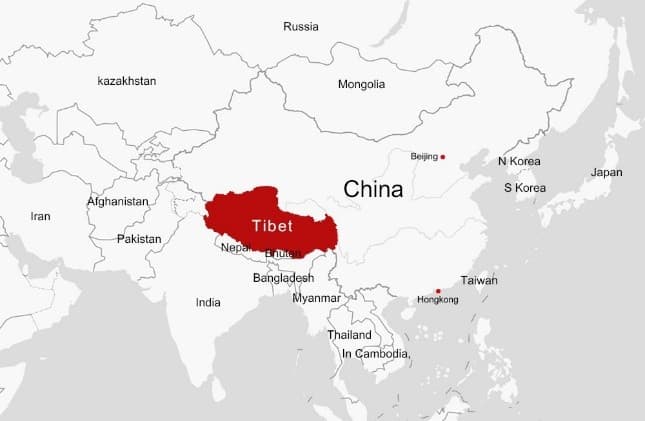
6.Tibet Plateau Geography (Tibetan Plateau)

Times of India
Illustration for Tibet Plateau Geography (Tibetan Plateau)

What & Where

Tibet: Chinese autonomous region on 4,500–5,000 m plateau, nicknamed Roof of the World

Shigatse quake: Magnitude 5.5, 10 km depth, reported by China Earthquake Administration

Capital: Lhasa located at 3,650 m in Yarlung Tsangpo valley

Quick Facts for MCQs

Physical Geography

  • PlateauElevation: 4,500–5,000 m yields hypoxic, cold climate
  • Landforms: Qiangtang desert north, ravine-cut southeast, Himalayas and Kunlun frame edges
  • Seismicity: Indian–Eurasian collision triggers frequent shallow earthquakes like 5.5 M Shigatse

Mountains & Peaks

  • Everest: World tallest, Tibet–Nepal border, local name Qomolangma
  • Kailash: Sacred to Hindus, Buddhists, Jains, Bon traditions
  • Ranges: Gangdise, Tanglha augment main Himalayan arc

River Systems

  • Yarlung Tsangpo: Cuts Himalayas, becomes Brahmaputra in India
  • Other headwaters: Indus, Sutlej, Mekong, Salween, Yangtze start on plateau
  • AlpineLakes: Nam, Siling, Manasarovar support wetlands and pilgrimage

Biodiversity

  • Vegetation: Grasslands, alpine shrubs, bamboo, rhododendron, oak, conifer pockets
  • MedicinalPlants: gro-ba, om-bu, khres-pa in moist valleys
  • FlagshipFauna: Wild yak, snow leopard, musk deer, Tibetan antelope among 100+ mammals

Key Data Points

FeatureData-Point
CapitalLhasa (3,650 m)
EpicenterShigatse city, Tibet
Earthquake magnitude5.5 Mw
Hypocenter depth10 km
Average plateau height4,500–5,000 m
Highest peakMount Everest 8,848 m
Sacred peakMount Kailash
Northern plateauQiangtang cold desert
Main border rangesHimalayas south, Kunlun north
Major river sourceYarlung Tsangpo (Brahmaputra)
GS-1Mapping

7.Chambal River Overview (Chambal River System)

Down to Earth

What & Where

Chambal River; 1,024 km Yamuna tributary originating at 843 m near Janapav Hills, flowing through MP-Rajasthan-UP badlands

National Chambal Sanctuary; 5,400 sq km tri-state riverine protected area along 425 km of Chambal

Illegal sand mining now rampant, imperilling river biodiversity and safety of enforcers and reporters

Quick Facts for MCQs

Biodiversity

  • Gharial; hosts world’s largest breeding population
  • Aquatic keystone; Ganges dolphin, mugger crocodile, smooth-coated otter sustain river health
  • Avifauna; IBA supporting Indian skimmer, black-bellied tern, 320+ bird species

Geomorphology & Habitat

  • Ravines; 30-60 m deep erosion gullies create unique sandy nesting banks
  • Flow; perennial clear water due to minimal urban-industrial discharge
  • Dams; upstream storage alters sediment load yet 435 km remains free-flowing

Threats & Governance

  • Illegal sand mining; mechanised dredgers, gunmen, multi-state jurisdiction thwart enforcement
  • Safety; violent attacks on forest staff, police, journalists reported
  • Habitat loss; bank erosion destroys gharial nests, turbidity harms dolphin echolocation

Key Data Points

FeatureData-Point
Origin pointBhadakla Falls, Indore district
Origin elevation843 m
MouthYamuna at Jalaun, Uttar Pradesh
States traversedMadhya Pradesh, Rajasthan, Uttar Pradesh
Ancient nameCharmanvati
TaglineIndia’s cleanest river
Major right-bank tributariesBanas, Kali Sindh, Parbati, Shipra
Other tributariesKuno, Seep, Kuwari, Mej, Gambhir
Key damsGandhi Sagar, Rana Pratap Sagar, Jawahar Sagar
Sanctuary area5,400 sq km
Protected river length425 km
Flagship speciesGharial (largest global population)
Other focus speciesGanges dolphin, Red-crowned roof turtle
EcoregionKathiar-Gir dry deciduous forest
IBA statusRecognised Important Bird Area

Related UPSC Prelims PYQs

GS1 2017PYQ 1

If you want to see gharials in their natural habitat, which one of the following is the best place to visit?

GS1 2008PYQ 2

Consider the following pairs:

GS-3Environment

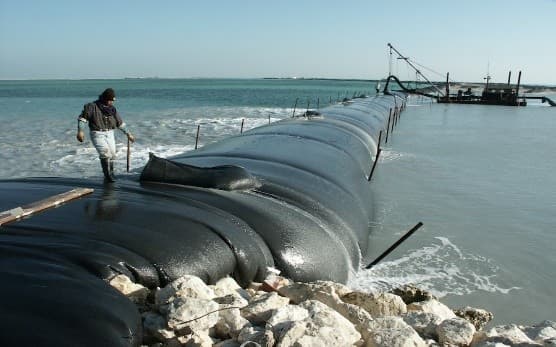
8.Geotubing Coastal Protection (Coastal Erosion Control)

The Hindu
Illustration for Geotubing Coastal Protection (Coastal Erosion Control)

What & Where

Geotubing: submerged geotextile tubes filled with sand/slurry to dissipate wave energy and trap sand.

Process: three vertical layers of 15-m-circumference tubes placed perpendicular to shore, acting as offshore breakwaters.

Geography: Pilot installed at Poonthura coast, Thiruvananthapuram district, Kerala; study by NIOT & KSCADC.

Quick Facts for MCQs

Tech & Materials

  • High-performance PP/PET geotextiles ensure tensile strength and durability.
  • Permeability lets water exit while retaining sand fill.
  • Modules custom-sized to terrain and project load.

Environmental Impact

  • Submerged barrier cuts wave force, enabling natural sand accretion.
  • Non-polluting material aids coastal & wetland restoration.
  • Reduces need for hard-engineering seawalls, preserving littoral ecology.

Economic Angle

  • Lower capital & maintenance costs versus concrete/steel structures.
  • Rapid, modular installation shortens project timelines.
  • Multipurpose utility (flood control, dewatering) spreads cost over sectors.

Multi-sector Applications

  • Coastal: breakwaters, dune reinforcement, seawalls.
  • Inland: riverbank stabilisation, sludge dewatering, landfill covers.
  • Infrastructure: sub-foundations for roads, railways, reservoirs.

Key Data Points

FeatureData-Point
Core purposeCoastal erosion control & sustainable beach build-up
Pilot sitePoonthura, Kerala
ImplementersNIOT + Kerala State Coastal Area Development Corp.
Configuration3 vertical tube layers, perpendicular to coast
Tube circumference15 metres each
FabricWoven polypropylene / polyester geotextile
Key propertiesPermeable, UV-, chemical-, microbe-resistant
Major benefitCheaper, faster than concrete/steel breakwaters
GS-3Species

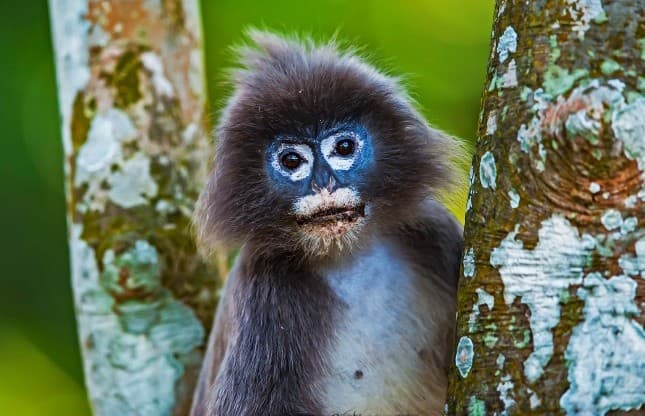
9.Endangered Indian Primates (Endangered Primates)

Down to Earth
Illustration for Endangered Indian Primates (Endangered Primates)

What & Where

Primates in Peril: biennial global list naming 25 most-endangered primate species

Published by IUCN-SSC Primate Specialist Group, Bristol Zoological Society, Conservation International

Geographic split: Africa 6, Asia 9, Madagascar 4, Neotropics 6 threatened taxa

Quick Facts for MCQs

Phayre’s Langur

  • Range Northeast India, East Bangladesh, West Myanmar; evergreen, deciduous, bamboo forests
  • Traits deep bluish-brown coat, spectacle eye rings, tail longer than body
  • Ecology arboreal diurnal folivore, group living, specialised dentition for seeds

Western Hoolock Gibbon

  • Range Northeast India, Eastern Bangladesh, Western Myanmar; tall evergreen canopies
  • Traits males black white brows, females grey-brown; loud pair duets, white facial rings
  • Behaviour brachiation up to 55 km/h, monogamous pairs, primarily frugivorous

Report Metrics

  • Eight species feature for first time, signalling rapid population declines
  • Cross River Gorilla and Tapanuli Orangutan rank among highest global concern
  • Inclusion pressure underscores habitat loss, hunting, fragmentation across continents

Key Data Points

FeatureData-Point
Current edition2023-2025
Reporting cycleBiennial
Total species listed25
Newly added since 2021-2315 (8 first-time)
Indian species consideredPhayre’s Langur; Western Hoolock Gibbon
Phayre’s Langur Red ListEndangered
Western Hoolock Gibbon WPASchedule I
Western Hoolock Gibbon CITESAppendix II

Related UPSC Prelims PYQs

GS1 2008PYQ 1

Among the following, which one is not an ape?

GS1 2012PYQ 2

Which one of the following groups of animals belongs to the category of endangered species?

GS-3S&T

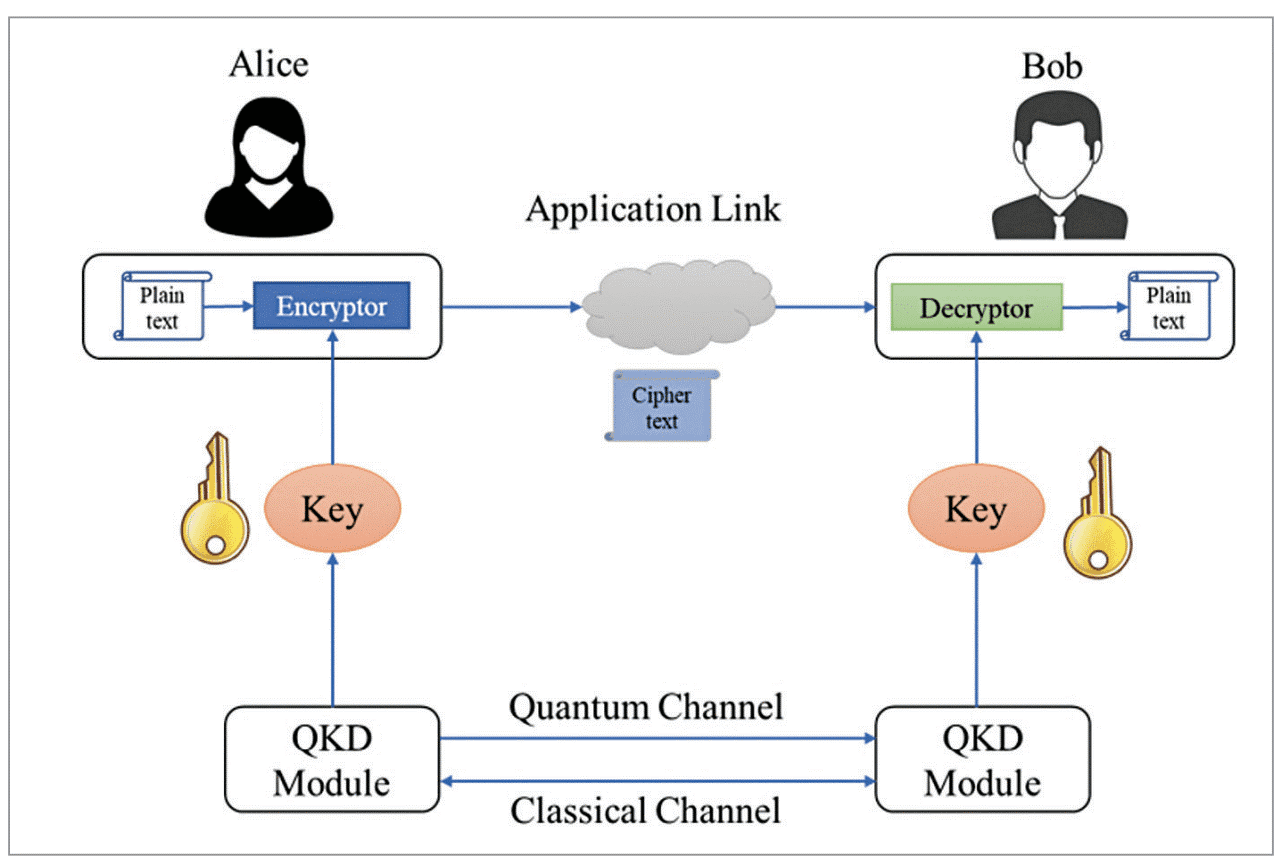
10.Drone Quantum Key Distribution (Quantum Cryptography)

DD News
Illustration for Drone Quantum Key Distribution (Quantum Cryptography)

What & Where

Quantum Key Distribution: physics-based exchange of cryptographic keys via single photons, enabling instant eavesdropper detection.

Core processes: Prepare-and-Measure (BB84, Decoy-state), Entanglement-based, Discrete-Variable, Continuous-Variable variants.

India focus: C-DOT & Synergy Quantum India MoU to field drone-mounted QKD links across remote, border and disaster zones.

Quick Facts for MCQs

Tech & Schemes

  • Protocols: BB84, Silberhorn CV-QKD, entanglement-based offer diverse encoding approaches.
  • Encoding: DV-QKD uses photon polarization; CV-QKD modulates laser amplitude, phase.
  • Enhancement: Decoy-state technique thwarts photon-number-splitting, boosts key rate.

Security Dimension

  • Assurance: Tamper attempts alter quantum states, immediately revealed to users.
  • Proof: Security derives from immutable physical laws, not computational hardness.
  • Benefit: Immunity against Shor-algorithm attacks on classical encryption.

Implementation & Deployment

  • Mobility: Drone relays bypass fibers; effective in mountains, borders, disaster sites.
  • Prototype: MoU targets outdoor demonstrator achieving TRL-6 within relevant environment.
  • Alignment: Advances Atmanirbhar Bharat through indigenous quantum communications network.

Key Data Points

FeatureData-Point
Indian agencyCentre for Development of Telematics (C-DOT)
Private partnerSynergy Quantum India
Delivery platformUnmanned aerial vehicle (drone)
Protocol adoptedDecoy-State BB84
Target readinessTechnology Readiness Level 6+
Key physics lawsNo-cloning theorem; measurement disturbance
Main advantageReal-time eavesdropper detection
Future-proofingResistant to quantum-computer attacks
Priority usesDefence, disaster response, rural connectivity

Related UPSC Prelims PYQs

GS1 2022PYQ 1

"क्यूबिट (qubit)" शब्द का उल्लेख निम्नलिखित में कौन-से एक प्रसंग में होता है ?

GS-3S&TQuick Bite

11.National Technology Day 2025 (National Technology Day)

PIB

What & Where

Commemoration; National Technology Day observed every 11 May across India.

Origin; marks 1998 Operation Shakti nuclear tests and Hansa-3 aircraft’s maiden flight.

Geography; celebrations nationwide, anchored by DST, DRDO, industry hubs.

Quick Facts for MCQs

Historical Context

  • Operation Shakti; five underground nuclear tests conducted 11 May 1998.
  • Aviation; indigenously designed Hansa-3 took first flight same day.
  • Declaration; 1999 notification institutionalized annual observance.

2025 Theme & Objectives

  • YANTRA; highlights indigenous tech heritage plus forward-looking acceleration.
  • Deep-tech; focus areas include AI, semiconductors, precision manufacturing.
  • Showcase; platform for cutting-edge innovations, awards, tech demos.

Stakeholder Engagement

  • Policymakers; ministries frame supportive R&D policies during events.
  • Industry; forums enable academia-industry collaboration for commercialization.
  • Society; outreach programs promote STEM awareness among youth.

Key Data Points

FeatureData-Point
First observance11 May 1999
Declared byPM Atal Bihari Vajpayee
Key 1998 sitePokhran, Rajasthan (nuclear tests)
Aviation milestoneHansa-3 maiden flight, Bengaluru
2025 theme“YANTRA – Yugantar for Advancing New Technology, Research & Acceleration”
“Yugantar” meaningShowcases India’s rise as global tech leader
“YANTRA” focusHeritage, innovation, scalable solutions
2025 emphasisDeep-tech, precision engineering, transformative R&D
Stakeholders 2025Policymakers, scientists, industry leaders
Core intentHonor scientific excellence & promote science-industry-society partnerships

Related UPSC Prelims PYQs

CAPF_GAI, NDA_GAT 2025PYQ 1

राष्ट्रीय प्रौद्योगिकी दिवस के संबंध में निम्नलिखित कथनों पर विचार कीजिए :

CAPF_GAI, NDA_GAT 2020PYQ 2

National Technology Day is observed on

GS-3Security

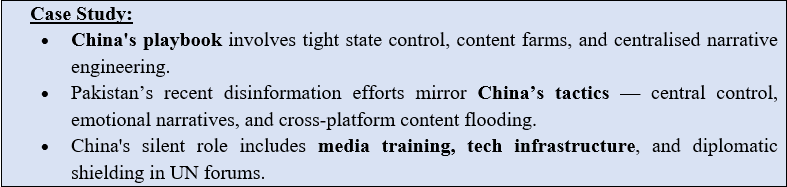
12.Disinformation as Warfare Tool (Information Warfare)

DH
Illustration for Disinformation as Warfare Tool (Information Warfare)

What & Where

Disinformation: deliberate false or misleading content deployed as non-kinetic warfare tool

Theatre: India-Pakistan information space, especially social media, Telegram, influencer networks

Goal: manipulate morale, global opinion, communal harmony without crossing physical borders

Quick Facts for MCQs

Security Dimension

  • National-security: Disinformation classified as hybrid-warfare threat alongside kinetic attacks
  • Cross-border: Content transcends borders complicating attribution and punitive action
  • Crisis-response: Real-time monitoring units proposed within defence and election bodies

Tech & Schemes

  • Deepfake: Hyper-realistic AI videos heighten debunking difficulty
  • Platform-partnerships: Govt urged to collaborate with social media for takedowns
  • IT Rules: Update suggested to cover coordinated disinformation networks

Social Concerns

  • Polarisation: False communal strike claims risk riots, sectarian rifts
  • Information-fatigue: Repeated exposure breeds apathy, media distrust
  • Literacy-gap: Large populace lacks critical digital skills to spot fakes

International Cooperation

  • Cyber-diplomacy: Align with like-minded nations to trace cross-border campaigns
  • Intelligence-sharing: Joint mechanisms for prompt source attribution
  • Norm-setting: Push global rules on state-led information warfare

Key Data Points

FeatureData-Point
Core tacticState-sponsored doctored visuals, fake narratives
Key objectivesDestabilise morale, shape diplomacy, seed communal divides
Viral methodsMisattributed videos, meme warfare, fake news templates
Tech enablersAI deepfakes, fast-spreading platforms outrunning verification
Security riskPanic, flawed military decisions, erosion of institutional trust
Diplomatic falloutDamaged global reputation, reduced multilateral support
Primary challengeVirality exceeds fact-checking speed
Mitigation toolsFact-checking networks, updated IT Rules, media literacy drives
Global model citedFinland’s school-level critical media education
Institutional actorsElection Commission, Defence agencies, PIB Fact Check
GS-3Security

13.BrahMos and S-400 Overview (BrahMos and S-400)

Indian Express
Illustration for BrahMos and S-400 Overview (BrahMos and S-400)

What & Where

BrahMos – Indo-Russian supersonic cruise missile; land, sea, air, sub-surface launch; first test 2001.

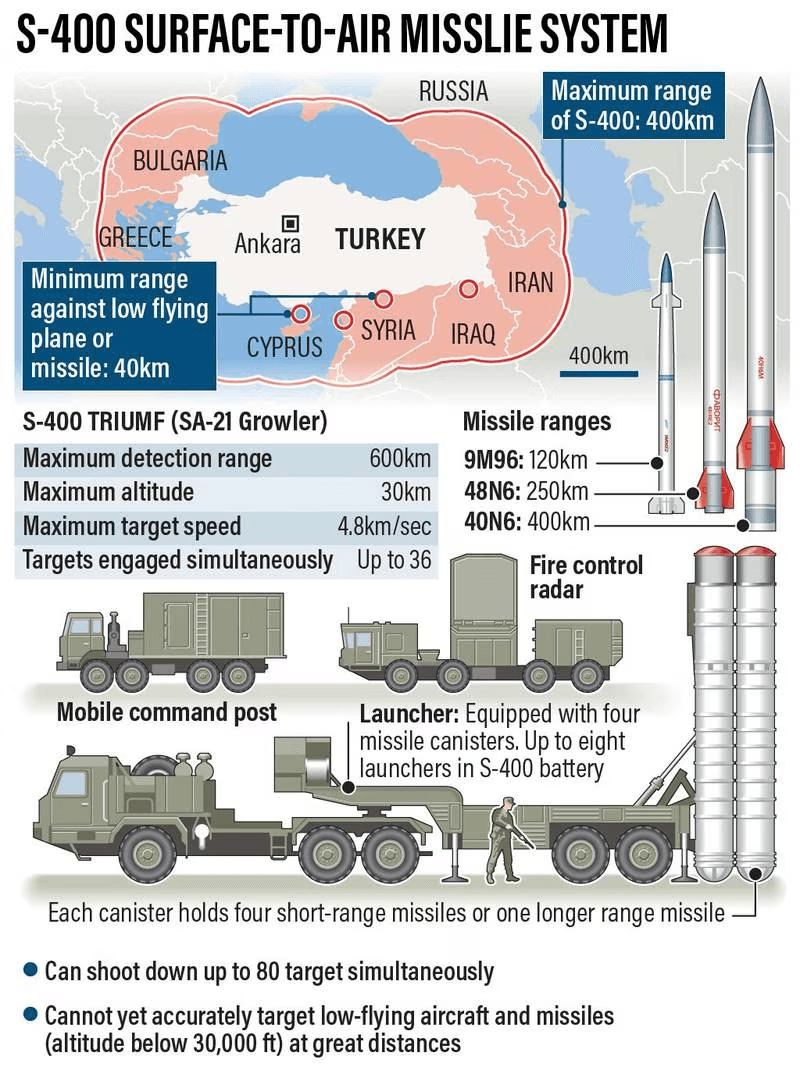
S-400 Triumf – Russian long-range SAM; IAF squadrons christened Sudarshan Chakra operational since 2021.

New BrahMos Integration & Testing Centre opened at Lucknow, Uttar Pradesh Defence Corridor.

Quick Facts for MCQs

Variants & Platforms

  • Ship-variant: salvo eight missiles; sea-sea/sea-land strikes since 2005.
  • Land-variant: six 3-tube launchers; 2.8 Mach; 400 km precision.
  • Air/Sub-surface: Su-30 ALCM 1,500 km; 50 m-depth submarine launch; NG lighter stealth model.

S-400 Capability

  • Engagement: 400 km range, 30 km altitude, layered shield against aircraft, cruise, ballistic, drones.
  • Radar: 600 km detection, tracks 300, engages 36 simultaneously.
  • Missiles: 40N6 long, 48N6 medium, 9M96E/E2 short-medium.

Warfare Typology

  • Kinetic: Balakot 2019, Operation Sindoor 2025 exemplify precision airstrikes.
  • Non-kinetic: cyber, electronic, info, psychological, economic tools erode opponent without firepower.

Defence Deals

  • Russia: Su-30MKI, T-90, AK-203 licensed; five S-400 units complete 2026; BrahMos co-production.
  • USA: COMPACT, SOSA; C-17, C-130J, Apache in service; F-35 talks active.
  • UK/France: Hyderabad STARStreak line; Inter-Govt pact for 26 Rafale-M; Scorpene roadmap.

Key Data Points

FeatureData-Point
Joint venture splitDRDO 50.5 % : NPOM 49.5 %
BrahMos cruise speed~Mach 3
Current BrahMos range350 km (aim ≤ 800 km)
Flight altitude band10 m – 15 km
Indian Army induction2007 mobile batteries
First naval deployment2005 INS Rajput
ALCM deterrence radius1,500 km with Su-30MKI
S-400 engagement reach400 km / 30 km ceiling
S-400 intercept speedUp to Mach 14
Indo-Russia S-400 dealUS$ 5.4 bn for 5 squadrons

Related UPSC Prelims PYQs

CDS_GK 2022PYQ 1

With reference to BrahMos missile, consider the following statements:

CDS_GK 2025PYQ 2

भारत के सैन्य आयुध (military arsenal) के बारे में निम्नलिखित में से कौन-सा/कौन-से कथन सही है/हैं?

GS-3SecurityQuick Bite

14.IMDEX Asia 2025 (IMDEX Asia Expo)

PIB
Illustration for IMDEX Asia 2025 (IMDEX Asia Expo)

What & Where

IMDEX Asia – biennial maritime-defence exhibition at Changi Exhibition Centre, Singapore, running since 1997.

International Maritime Security Conference & MARISX exercise form its security-dialogue core.

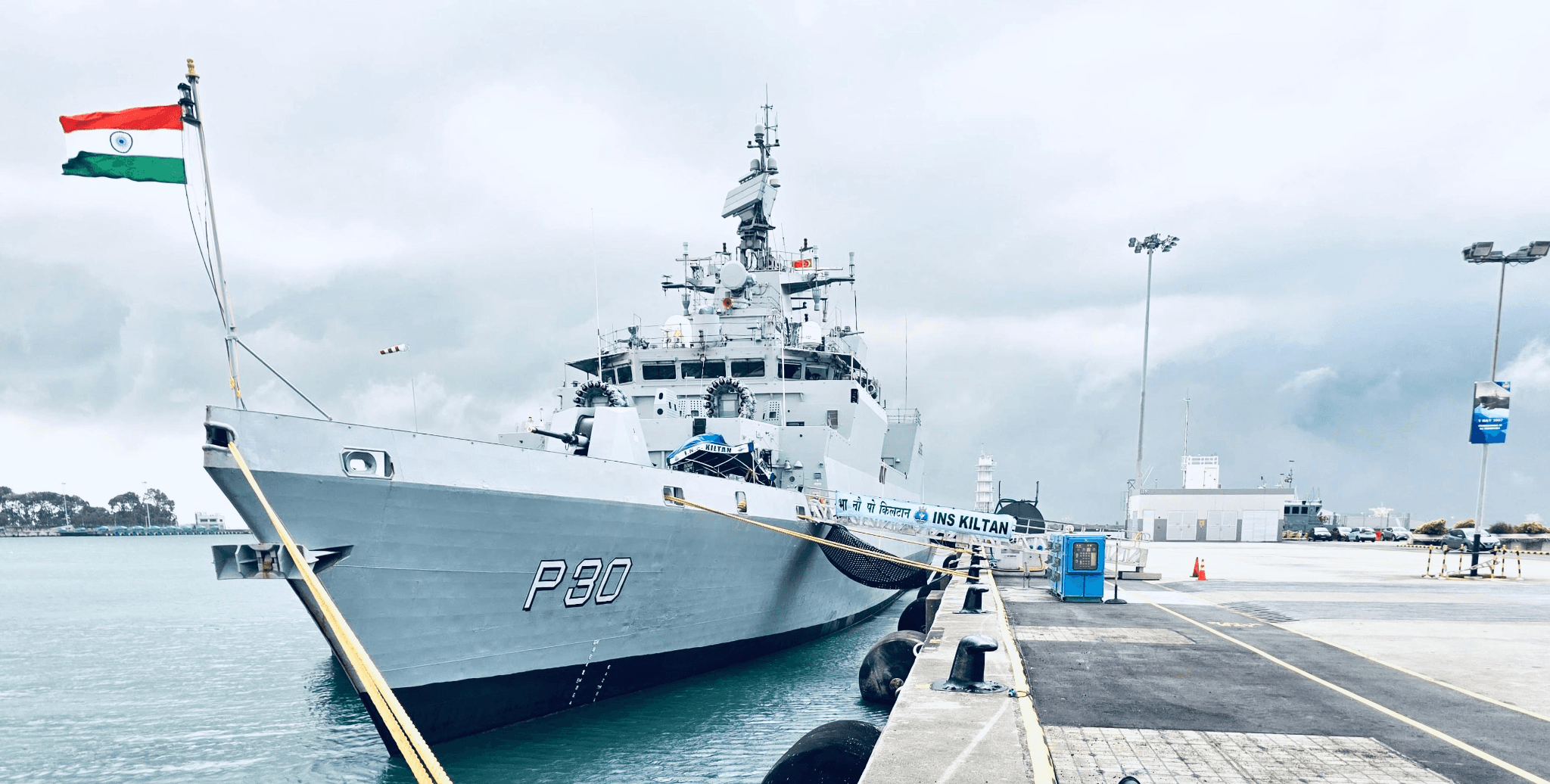
INS Kiltan – 3rd Kamorta-class ASW stealth corvette, indigenously built under Project 28, named after Lakshadweep’s Kiltan Island.

Quick Facts for MCQs

Security Dimension

  • Participation reinforces India naval presence across Indo-Pacific sea-lanes and multilateral security dialogues.
  • IMSC gathers navy chiefs, coast-guard heads, policymakers to debate cooperative maritime security solutions.
  • MARISX employs scenario-based drills to hone information-sharing, coordination against common maritime threats.

Tech & Design

  • Carbon-fibre superstructure lowers radar signature, weight, maintenance, boosting Kiltan stealth efficiency.
  • Kamorta-class built with 90 % indigenous content under Make-in-India naval programme.
  • ASW fit includes bow sonar, torpedo tubes, RBU-6000 anti-sub rockets (data implied by class specification).

Strategic Outreach

  • IMDEX Asia functions as premier Asia-Pacific showcase for cutting-edge naval platforms and technologies.
  • Event facilitates industry-military networking, procurement leads, and inter-service interoperability planning.
  • Indian Navy leverages exhibition platforms to display indigenous design capability, attract defence partnerships.

Key Data Points

FeatureData-Point
IMDEX Asia frequencyBiennial
First IMDEX Asia1997
2025 venueChangi Exhibition Centre, Singapore
Flagship conferenceInternational Maritime Security Conference (IMSC)
Key exerciseMaritime Information Sharing Exercise (MARISX)
INS Kiltan classKamorta-class ASW corvette
Project numberProject 28
Hull position3rd of four ships
Superstructure materialCarbon-fibre composite
NamesakeKiltan Island, Aminidivi subgroup, Lakshadweep
Wartime legacyPetya-class Kiltan (P79), Operation Trident 1971
Participated event 2025IMDEX Asia

Related UPSC Prelims PYQs

CDS_GK, ESE_GS 2022PYQ 1

Which one of the following countries did the Indian Navy participate in the U.S. Navy-led Southeast Asia Cooperation and Training (SEACAT) military exercise, to demonstrate its maritime manoeuvres?

CDS_GK, ESE_GS 2020PYQ 2

The maiden trilateral naval exercise involving India, Singapore and Thailand was held at

GS-2Scheme

15.MY Bharat Youth Portal (Youth Development)

News on Air
Illustration for MY Bharat Youth Portal (Youth Development)

What & Where

Autonomous body Mera Yuva Bharat (MY Bharat) under Ministry of Youth Affairs & Sports

Tech-driven national platform enabling youth development and youth-led transformation

Launched 31 Oct 2023, Sardar Patel birth anniversary, for Amrit Kaal & Viksit Bharat @ 2047

Quick Facts for MCQs

Volunteer Mobilisation

  • Engagement in public welfare, disaster relief, awareness campaigns nationwide
  • Youth act as grassroots ambassadors for central schemes dissemination
  • Hands-on projects executed with local bodies, businesses, NGOs

Digital & Networking Features

  • Personal digital profiles list skills, interests, completed activities
  • Platform matches youth with volunteering, learning, mentoring opportunities
  • Nationwide mentor and peer network fostered for knowledge exchange

Capacity Building

  • Experiential learning emphasised through field projects for practical exposure
  • Equal access ensured across regions, genders, socio-economic backgrounds
  • Aims to groom youth change-makers for Amrit Kaal leadership roles

Key Data Points

FeatureData-Point
Parent ministryYouth Affairs & Sports
Legal statusAutonomous body
Launch date31 Oct 2023
Launch occasionNational Unity Day (Sardar Patel Jayanti)
Core objectiveInclusive youth participation in nation-building
Vision horizonViksit Bharat @ 2047
Key toolTech-enabled volunteer portal
Major functionsVolunteer mobilisation, digital profiles, mentorship, scheme outreach

Related UPSC Prelims PYQs

NDA_GAT 2024PYQ 1

निम्नलिखित में से किस युवा संगठन/योजना का आदर्श वाक्य “स्वयं से पहले आप (Not me, but you)” है ?

GS-2Scheme

16.SVAMITVA Land Mapping Scheme (SVAMITVA Scheme)

PIB

What & Where

SVAMITVA Scheme maps and titles rural abadi land across India using drone‐GIS

Gram Manchitra is a nationwide GIS planning tool for Panchayati Raj Institutions

Both showcased at World Bank Land Conference 2025, a global land governance forum

Quick Facts for MCQs

Tech & Schemes

  • Drones capture high-resolution imagery; CORS network generates precise digital cadasters
  • GIS layering assigns unique property IDs and digital Record of Rights
  • Gram Manchitra overlays scheme assets, demographics, infrastructure for data-driven Gram Sabha plans

Legal & Policy

  • Property card grants legal ownership enabling collateral use and dispute reduction
  • Coverage limited to inhabited village areas, excluding agricultural parcels for now
  • Central funding ensures uniform technical standards across states

Economic Angle

  • Monetised land value pegged at USD 1.162 trillion enhances rural credit potential
  • Clear titles ease bank lending, mortgages, insurance uptake in villages
  • Accurate land data expected to cut litigation and boost investment climate

International Forum

  • India presented SVAMITVA and Gram Manchitra as global good practice case studies
  • Conference gathers governments, NGOs, researchers to share tenure reform solutions
  • Event promotes South-South exchange on scalable land governance technologies

Key Data Points

FeatureData-Point
MinistryPanchayati Raj
SVAMITVA launch year2020
Scheme categoryCentral Sector
Core technologyDrone & GIS
Property cards issued (Apr 2025)24.4 million households
Villages covered1.6 lakh
Land value unlockedUSD 1.162 trillion
Gram Manchitra natureGIS rural planning platform
Conference nameWorld Bank Land Conference
Conference year2025

Related UPSC Prelims PYQs

CDS_GK 2024PYQ 1

Which one among the following statements about the objectives of Vibrant Village Programme is correct?

GS-1Editorial

17.Global Nursing Shortage Report (Nursing Workforce)

Down to Earth

What & Where

WHO “State of the World’s Nursing 2025” report; global stock-take of nursing numbers, education, policy gaps

Warns 2023-30 shortfall; Africa & Eastern Mediterranean projected to bear 70 % of deficit

India spotlighted for low nurse density, high outward migration

Quick Facts for MCQs

Workforce Gaps

  • Shortage; rural PHCs & CHCs face acute understaffing against IPHS norms
  • Urban bias; private tertiary centres attract majority of registered nurses
  • Low public investment limits sanctioned posts and infrastructure

Education & Training

  • Intake expansion; quality uneven due to faculty, clinical exposure deficits
  • NEP thrust; vocational pathways, blended learning proposed for capacity scale-up
  • Need; digital records, AI literacy to future-proof curriculum

Migration Dynamics

  • High outflow; bilateral deals (e.g., India–UK) ease recruitment pipelines
  • Source-country loss; domestic capacity eroded without compensatory mechanisms
  • Remittances benefit households but not health system resilience

Policy & Leadership

  • Recommendation; appoint Chief Nursing Officers to influence planning, budgeting
  • Retention levers; competitive pay, safe workplaces, mental-health support
  • Rural service; bonded scholarships, incentives to ensure equitable deployment

Key Data Points

FeatureData-Point
India nurse density~30 per 10,000 population
WHO threshold (health workers)44.5 per 10,000
Global shortage by 2030Heaviest in Africa & EMR (70 %)
Top exporter of nursesIndia (UK, Gulf, Australia main destinations)
Key push factors (India)Low wages, weak leadership roles, poor conditions
Urban share of Indian nursesConcentrated in private hospitals
Faculty shortfallPersistent in nursing colleges
Governance gapFew Chief Nursing Officers at state/national levels

Ready to practice?

Test your knowledge with our UPSC test series.

Start Free Trial