Editorial
1.Debate on Judicial Overreach (Judicial Overreach)
The HinduArticle 142 · PIL · Separation of Powers
What & Where
Judicial despotism = courts crossing interpretative role to dictate policy, dilute legislature–executive domain.
Manifest in India via broad use of Art 142, PIL, suo-motu orders, collegium discretion.
Debate revived after SC verdicts on Art 370 abrogation, Governors’ assent delay, Babri, Pegasus, electoral-bonds cases.
Quick Facts for MCQs
Constitutional Provisions
- Article 142, 370, 129/215 contain broad, undefined phrases enabling judicial discretion.
- Lack of constitutional limits on collegium or PIL scope magnifies bench latitude.
- Emergency-era judgments (e.g., Minerva Mills) expanded “basic structure” review.
Drivers of Overreach
- Legislative/executive inaction or delay invites court intervention (e.g., Governor Bill assent stalemates).
- Public/media pressure casts judiciary as civil-liberty saviour post-Emergency.
- Absence of performance or electoral accountability for judges encourages unchecked authority.
Governance & Federal Impact
- Overreach can stall reforms (NJAC) and blur separation of powers.
- Potential erosion of state autonomy when SC decisions override elected state choices.
- Frequent suo-motu PILs reshape policy domains without parliamentary debate.
Reform Measures
- Restrict Art 142 usage to truly exceptional, law-backed contexts.
- Make collegium transparent; institute periodic judicial performance reviews.
- Strengthen legislative diligence to reduce policy vacuums inviting judicial entry.
Key Data Points
| Feature | Data-Point |
|---|---|
| Core Article enabling overreach | Article 142: “complete justice” power |
| PIL novelty | Locus standi waived; starts 1980s post-Emergency |
| Collegium issue | Seniority supersession; opaque appointments |
| Struck-down reform | 99th CAA + NJAC Act, 2015 |
| Policy directions without statute | Crackers ban, mob-lynching guidelines |
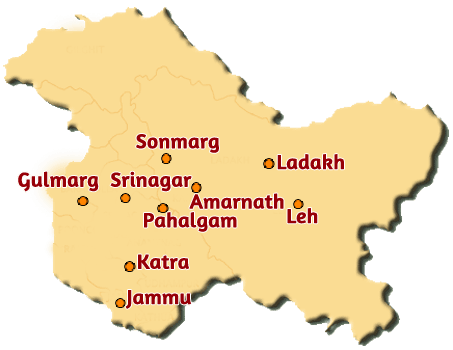
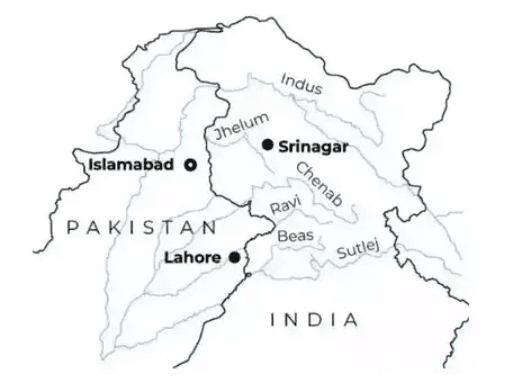
| Federal flashpoint | Refusal to restore full J&K statehood |
| Contempt power source | Articles 129 & 215 |
Related UPSC Prelims PYQs
CAPF_GAI, GS1 2019PYQ 1
With reference to the Constitution of India, prohibitions or limitations or provisions contained in ordinary laws cannot act as prohibitions or limitations on the constitutional powers under Article 142. It could mean which one of the following?
CAPF_GAI, GS1 2023PYQ 2
भारत के संविधान के अनुच्छेद 226 के अधीन उच्च न्यायालयों की शक्तियों के संबंध में निम्नलिखित में से कौन-सा/कौन-सा सही नहीं है ?