UPSC Current Affairs

15 topicsGS-1: 6GS-2: 1GS-3: 8
0/15 done
GS-2Polity

1.Telangana Implements SC Sub Classification (SC Sub-Classification)

Times of India

What & Where

Telangana Scheduled Castes (Rationalisation of Reservations) Act 2025 creates intra-SC quotas within existing state reservations.

Enabled by 2024 Supreme Court ruling that permits sub-classification of SCs/STs.

Geographic focus: Telangana; potential template for other Indian states.

Quick Facts for MCQs

Legal & Policy

  • SupremeCourt: SCs not homogeneous; reasonable intra-group classification fits Article 14 equity.
  • Articles 15(4) & 16(4) allow targeted affirmative action if representation lacking.
  • PresidentialList unchanged; states only redistribute quota share internally.

State Implementation

  • Telangana Act divides existing 15 % SC quota among sub-groups using socioeconomic survey findings.
  • Notification timed with Ambedkar Jayanti for symbolic emphasis on social justice.
  • Expected legal scrutiny will test compliance with fresh SC guidelines.

Social Concerns

  • Historically dominant SC sections may cede seats, sparking intra-caste resistance.
  • Smaller, most-backward SC communities anticipate fairer access to jobs & education.
  • Data-driven model aims substantive, not merely formal, equality.

Key Data Points

FeatureData-Point
First state to operationalise SC categorisationTelangana
State Act notification date14 Apr 2025
Enabling judgment year2024
Case overruledV. Chinnaiah 2004
Constitution Bench strength7 judges
Majority ratio6 : 1
Core Articles invoked14; 15(4); 16(4); 341
Power given to statesSub-classify within Presidential SC list
Mandatory basis for splitEmpirical data on inter-se backwardness
Can states alter SC list?No; only Parliament can modify

Related UPSC Prelims PYQs

GEO_GS 2021PYQ 1

Article 243 (D) of the Constitution of India provides reserved seats in Panchayats for:

GEO_GS 2024PYQ 2

Consider the following statements:
GS-3Economy

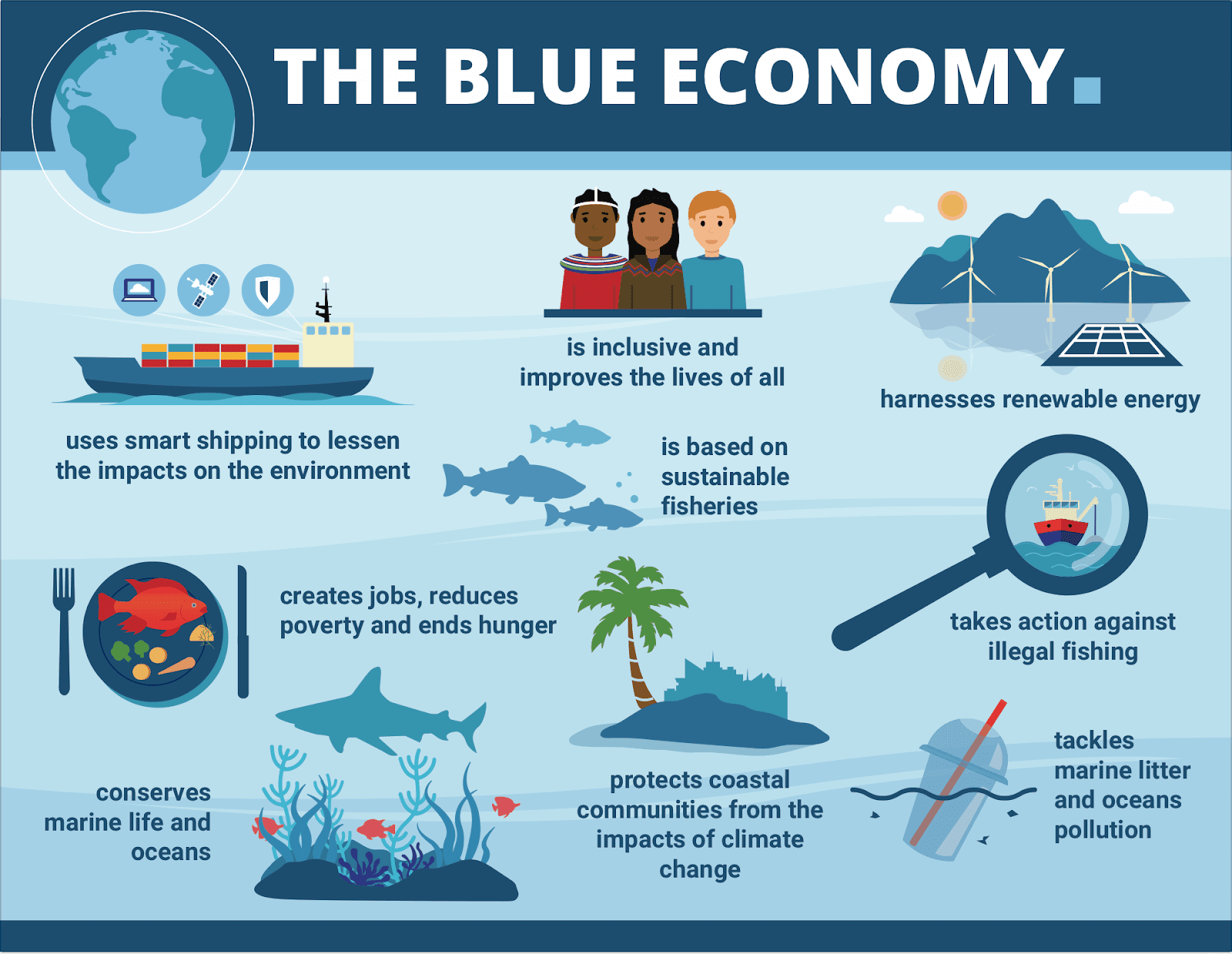
2.India’s Prawn Aquaculture Growth (Aquaculture)

The Hindu
Illustration for India’s Prawn Aquaculture Growth (Aquaculture)

What & Where

Aquaculture = controlled cultivation of aquatic plants/animals; now >50 % of global seafood supply.

Core global hubs: China (~60 % output), followed by Indonesia, India, Vietnam.

Indian hotspot: Andhra Pradesh leads brackish-water prawn farming; blends canal water with saline groundwater.

Quick Facts for MCQs

Economic Angle

  • 17 % prawn growth drives nutrition, export earnings, rural livelihood diversification.
  • Small ponds cut capital loss during outbreaks; faster harvest cycles raise ROI.

Diseases & Control

  • Probiotics (Bacillus) outcompete Vibrio; phage therapy targets bacteria selectively.
  • Nets, drying, fallowing between cycles lower pathogen carry-over.
  • SPF broodstock ensures seed free from 12 listed pathogens.

Tech & Schemes

  • Fisheries & Aquaculture Infrastructure Development Fund finances hatcheries, cold-chains.
  • MPEDA assists quality certification for export markets.
  • PM-MSY targets 22 m t fish output by 2024-25.

Key Data Points

FeatureData-Point
India’s global aquaculture rank3rd
India’s prawn output rank2nd
Avg. annual prawn-output growth17 %
Global seafood share from aquaculture>50 %
China’s share in world aquaculture~60 %
Premium Indian prawn speciesBlack tiger (Penaeus monodon)
Ideal salinity for black tiger10–25 g / litre
Typical crop cycle length4–6 months
Yield loss from bacterial/viral diseases≈25 % p.a.
Andhra Pradesh’s contribution to Indian prawnsHighest among states
Major disease organismVibrio harveyi
Key viral threatWhite-spot syndrome virus
Specific Pathogen Free broodstock developerICAR-CIBA, Chennai
Pond-cover purposeBlocks crow-borne contaminants
Main Fisheries scheme (2020-25)PM Matsya Sampada Yojana

Related UPSC Prelims PYQs

NDA_GAT 2024PYQ 1

aquaculture nation in the world and P

GS-1History

3.Sir Sankaran Nair Nationalist Jurist (Freedom-Era Jurist)

Indian Express
Illustration for Sir Sankaran Nair Nationalist Jurist (Freedom-Era Jurist)

What & Where

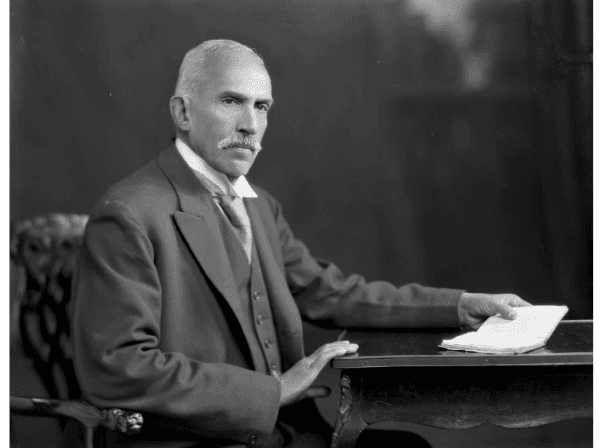
Identity: Sir Chettur Sankaran Nair – jurist, statesman, nationalist who challenged British rule

Geography: Born 1857 Mankara village, Palakkad (Malabar, present-day Kerala); career centred in Madras Presidency

Event-link: Resigned Viceroy’s Executive Council after 1919 Jallianwala Bagh massacre, later sued by O’Dwyer in London

Quick Facts for MCQs

Career Trajectory

  • Prosecutor 1899 then Madras HC Judge 1908 showcasing rapid colonial-era ascent
  • Councillor to Secretary of State for India 1920–21 influencing policy from London
  • Chaired All-India Committee engaging with Simon Commission 1928–29

Freedom Movement Role

  • Advocated self-governance through constitutional means inside INC and Council halls
  • Resignation post-massacre signalled elite protest strengthening nationalist morale
  • Critiqued both British repression and Gandhian methods reflecting moderate constitutionalist stance

Jallianwala Bagh Litigation

  • Held O’Dwyer personally liable in book sparking defamation suit
  • London jury ruled against Nair yet exposed imperial bias to Indian public
  • Refusal to apologise demonstrated moral courage inspiring contemporaries

Social Reform & Legal Contributions

  • Judgments upheld inter-caste/inter-faith marriages advancing social modernity
  • Asserted reconversion to Hinduism need not forfeit caste status in Budasna case
  • Editorial work disseminated progressive legal thought via pioneering journals

Key Data Points

FeatureData-Point
Birth year1857
Alma materPresidency College, Madras
First legal mentorSir Horatio Shepherd
Madras HC Judge1908
Knighthood1912
Viceroy’s Executive Council portfolioEducation, 1915–19
INC session presidedAmraoti, 1897
Resignation triggerJallianwala Bagh massacre, 1919
Defamation suit opponentMichael O’Dwyer, 1923 London High Court
Book authored“Gandhi and Anarchy” (1922)
Landmark caste judgmentBudasna v Fatima, 1914
Journals foundedMadras Law Journal; Madras Review
GS-1HistoryQuick Bite

4.Rongali Bihu Spring Festival (Assamese Bihu)

The Hindu

What & Where

Bihu = tri-annual agrarian festival of Assam celebrated as Bohag, Kati, Magh Bihu.

Bohag/Rongali Bihu in mid-April marks Assamese New Year, spring sowing, first day Hindu solar calendar.

Celebrations centre on dance, dhol, Muga silk attire, gamosa exchange across Assam’s Brahmaputra valley.

Quick Facts for MCQs

Cultural Elements

  • Music–Dance driven by dhol, pepa horn; communal courtyard performances dominate.
  • Gamosa exchanged as bihuwan symbolising respect, new ties.
  • Colour palette led by red-white motifs mirroring Assamese identity.

Political Symbolism

  • Gamosa used as anti-foreigner banner during 1979-85 Assam Agitation.
  • Re-emerged in 2019 rallies opposing Citizenship Amendment Act.
  • Textile thus evolved into silent yet potent protest iconography.

COVID-19 Impact

  • Lockdown halted public Bihu stages and village husori troupes.
  • 2020 celebrations confined to homes, digital greetings.
  • Festival’s first recorded year sans mass ‘rong’ merriment.

Key Data Points

FeatureData-Point
Bohag Bihu dates 202013–21 April
Other Bihu variantsKati (Oct), Magh (Jan)
Coinciding festivalsPunjab Baisakhi; also New Year in Bengal, Kerala, Tamil Nadu, etc.
Core produce honouredFirst sowing of paddy
Signature foodsPitha, larus (rice-coconut sweet)
Iconic textilesMuga silk attire; gamosa handloom cloth
Leading folk danceBihu dance with bihu dhol
Recent first without ‘rong’2020 Covid-19 lockdown
Gamosa protest historyAssam Agitation 1979-85; CAA protests 2019
Covid adaptationGamosa repurposed as face mask
GS-1Mapping

5.Thangjing Hills Cultural Landscape (Manipur Hills)

DH
Illustration for Thangjing Hills Cultural Landscape (Manipur Hills)

What & Where

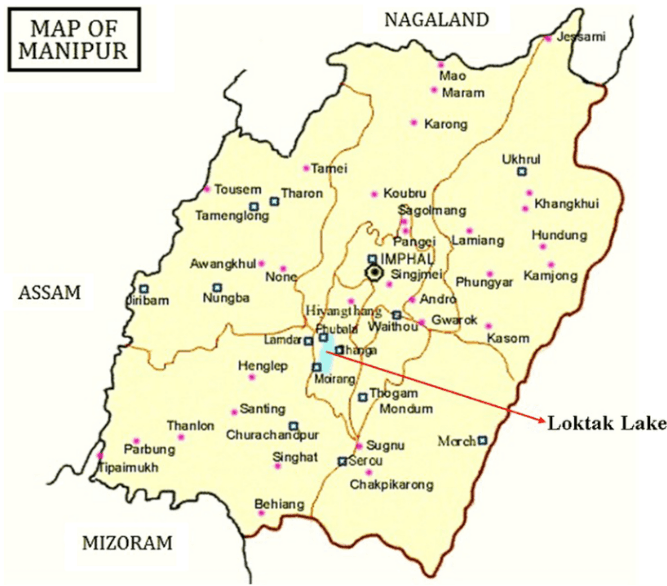
Thangjing Hills: 2,100 m massif in Churachandpur district, western Manipur, along Thangjing Hill Range.

Forms western rim of Imphal Valley; thick forests, steep ridges, multiple hill-valley feeder rivers.

Lies in ethnic buffer zone between Meitei-dominated valley and Kuki-Zo-dominated hills.

Quick Facts for MCQs

Physical Geography

  • Ridge flanked by tributaries nourishing both hill and valley settlements, aiding inter-zone connectivity.
  • Dense subtropical forests and precipitous slopes restrict mechanised access, reinforcing natural isolation.
  • High rainfall catchment feeds Imphal Valley irrigation via Khuga & Leimatak systems.

Cultural & Religious Significance

  • Meiteis revere hills as abode of guardian deity; rituals include offerings atop peak during Sajibu.
  • Legend of Khamba-Thoibi dances and narrations still enacted at Moirang, tying valley culture to hill shrine.
  • Pilgrimage sustains inter-village barter of forest produce and ritual items.

Security Dimension

  • 2024: Meitei pilgrims turned back after Kuki-Zo opposition, reflecting ongoing ethnic strife.
  • Buffer-zone geography makes site flashpoint for valley-hill territorial assertions.
  • Denial of access risks amplifying grievance narratives among Meitei communities.

Key Data Points

FeatureData-Point
StateManipur
DistrictChurachandpur
Elevation~2,100 m (6,900 ft)
Hill RangeThangjing Hill Range
Key RiversLeimatak, Tuila, Lanva, Khuga
Meitei DeityEputhou Thangjing
Annual Pilgrimage MonthSajibu (April)
Peak Pilgrimage DayFull-moon & days after
Cultural Legend LinkedKhamba–Thoibi love tale
Strategic PositionBuffer between valley & hills
GS-3Environment

6.Governmentality Drives Punjab Stubble Burning (Stubble Burning)

The Hindu

What & Where

Governmentality – Foucault’s idea of state-led self-regulation via incentives, penalties, narratives rather than overt force

Agriculture governmentalities in Punjab: Neoliberal, Disciplinary, Pastoral, Security & Market-driven shaping rice-wheat decisions

Geography – Punjab generates 35 Mt paddy residue; 85 % MSP rice; stubble fires peak Oct–Nov across Malwa belt

Quick Facts for MCQs

Policy Types

  • Neoliberal MSP sustains rice-wheat monoculture; millets, pulses lack assured procurement
  • Disciplinary fines reach ₹2.5 lakh; residue machines costly ₹1.3 lakh even after subsidy
  • Pastoral narrative blames farmers, ignores 30 % Delhi PM2.5 from industry

Pollution Data

  • Emission contrast: NCR industry 280 t/day PM2.5 vs stubble 120 t/day
  • Burning season Oct–Nov; adds 25–30 % to Delhi winter PM2.5 peaks
  • Machine adoption 15 %; burning cheapest at ~₹300/acre

Economic Angle

  • Arhatia credit locks sales at ₹1,900/qtl despite >₹2,500 market price
  • 60 % cultivators indebted; burning saves tillage cost ~₹1,500/acre
  • Diversified MSP plus straw markets (biofuel, fodder) can monetise 35 Mt residue

Key Data Points

FeatureData-Point
Paddy residue burnt/yr35 million t
Punjab paddy under MSP85 % area
Farmers using residue machines15 %
Fine for stubble burning₹2.5 lakh
Industrial PM2.5 (NCR)280 t/day
Stubble PM2.5120 t/day
Indebted Punjab farmers60 %
MSP vs market paddy rate₹1,900 vs >₹2,500/qtl
Central aid uptake (machines)20 % farmers
Haryana biomass plants12 units; 1.2 Mt/yr straw
GS-3Environment

7.Global Shipping Carbon Tax Adoption (Shipping Emissions)

The Hindu

What & Where

IMO’s first-ever global carbon tax targets international shipping; endorsed by India and 62 other states.

Starts 2028; levies CO₂ fee on vessels exceeding 5,000 GT plying worldwide sea lanes.

Collections channelled into maritime decarbonisation projects, not general climate-adaptation funds.

Quick Facts for MCQs

Legal & Policy

  • IMO move fills Paris Agreement gap; first sector-specific global carbon pricing.
  • Applies via MARPOL; no earmarking for broader climate adaptation.
  • Nations must integrate levy compliance into flag-state regulations.

Economic Angle

  • USD 100–380 carbon price nudges shift to LNG, bio-methanol, green hydrogen.
  • Up to USD 40 bn funds R&D, retrofits, zero-emission corridors.
  • Freight costs may rise, influencing global trade competitiveness.

Indian Maritime Sector

  • Vision 2047, Sagarmala to leverage levy funds for cleaner shipyards, fuel bunkering.
  • 87 % port capacity surge boosts throughput but demands emissions reporting upgrades.
  • Compliance offers edge for India’s 3rd-ranked recycling yards adopting low-carbon methods.

Key Data Points

FeatureData-Point
Implementing bodyInternational Maritime Organisation
Shipping GHG share≈3 % of global emissions
Coverage threshold>5,000 gross tonnage
Emission share covered85 % of sector CO₂
Tax bandUSD 100–380 per t CO₂
Commencement year2028
Expected revenue≤USD 40 bn by 2030
Supporting states63 (incl. India)
Indian fleet (2023)1,530 ships
India ship-recycling rank3rd globally
Shipbuilding goalTop 5 by 2047
Port capacity 2014-15871.52 mt
Port capacity 2023-241,629.86 mt
Capacity growth87 % increase
GS-3S&T

8.Type 5 Malnutrition Diabetes Recognition (Malnutrition Diabetes)

Times of India
Illustration for Type 5 Malnutrition Diabetes Recognition (Malnutrition Diabetes)

What & Where

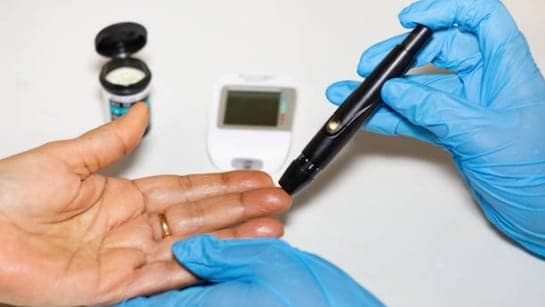
Definition: Malnutrition-related insulin-deficient diabetes, now labelled Type 5, formally recognised by IDF in 2024

Demography: Predominantly young, lean (BMI < 18.5) individuals in low- and middle-income nations

Geography: High prevalence estimated 20–25 million cases across Asia and Africa

Quick Facts for MCQs

Clinical Profile

  • Symptoms: Sudden weight loss, polyuria, polydipsia, mimic Type 1 yet without autoimmune markers
  • Onset: Appears in adolescence or early adulthood after chronic childhood undernutrition
  • Physiology: Absolute insulin deficiency compounded by low glycogen stores, micronutrient deficits

Treatment & Management

  • Strategy: Small-dose insulin plus oral hypoglycaemics avoids severe hypoglycaemia
  • Nutrition: High-protein, low-carbohydrate diet and micronutrient supplementation essential
  • Guideline gap: No WHO or IDF standard protocol currently

Comparison with Type 1 & Type 2

  • Autoimmunity: Absent in Type 5 unlike Type 1
  • Obesity link: None, unlike insulin-resistant Type 2
  • Risk: Standard insulin regimens dangerous owing to minimal glycogen reserves

Key Data Points

FeatureData-Point
Formal labelType 5 Diabetes
Recognising bodyInternational Diabetes Federation
Announcement year2024
Congress venueBangkok, World Diabetes Congress
Global burden20–25 million persons
Dominant regionsAsia, Africa
Main etiologyProtein-energy malnutrition
Usual BMI profile<18.5 kg/m²
GS-3S&T

9.Q-Shield Quantum-Safe Cryptography Platform (Quantum Cryptography)

News on Air
Illustration for Q-Shield Quantum-Safe Cryptography Platform (Quantum Cryptography)

What & Where

What: Q-Shield, unified quantum-safe cryptography management platform securing data against future quantum-computer attacks

Processes: integrates Quantum Key Distribution (Armos), True Random Number Generation (Tropos), Hardware Security Module (QHSM), Post-Quantum Cryptography

Where: Built by QNu Labs, IIT-Madras Research Park, supported by DST under India’s National Quantum Mission

Quick Facts for MCQs

Tech & Schemes

  • Integration: Single API exposes QKD, TRNG, HSM, PQC for enterprise workflows
  • Alignment: Complements NQM goal of indigenous quantum communication products
  • Usability: Plug-and-play with existing enterprise software stacks and SDKs

Security Dimension

  • Resilience: Mitigates Shor-algorithm threat to RSA/ECC before Y2Q horizon
  • Lifecycle: Automates key generation, rotation, revocation within secure hardware
  • Coverage: Protects data in motion, at rest, and during collaborative workflows

International Positioning

  • Benchmark: Rivals US, China initiatives yet first to offer end-to-end unified suite
  • Market: Targets telecom, BFSI, defence, government for quantum-ready compliance
  • Sovereignty: Indigenous stack reduces dependence on foreign encryption providers

Key Data Points

FeatureData-Point
DeveloperQNu Labs, Bengaluru
Incubation hubIIT Madras Research Park (2016)
Launch claimWorld’s first unified quantum-safe cryptography suite
Supporting bodyDepartment of Science & Technology
National programmeNational Quantum Mission (NQM)
Core toolsArmos (QKD), Tropos (TRNG), QHSM, PQC stack
Service appsQosmos, QConnect, QVerse, QSFS, QVault
Deployment modesCloud, on-premise, hybrid
Compliance targetNIST Post-Quantum Cryptography standards
Strategic aimStrengthen Indian digital sovereignty & critical infrastructure security
GS-3S&T

10.Private Space Tourism Debate (Space Tourism)

Indian Express

What & Where

Definition Space tourism = private recreational travel beyond Kármán line (100 km) using vehicles of Blue Origin, Virgin Galactic, SpaceX

Types Sub-orbital (~11 min weightlessness), Orbital (multi-day ISS docking), Lunar (planned Moon fly-bys/landings)

Current geography Launchpads mostly USA (Texas, Florida, New Mexico) with ISS or eventual lunar trajectory as destination

Quick Facts for MCQs

Economic Angle

  • Exorbitance Current market ≈ USD 1.3 bn driven by high-net-worth clients
  • Demand Low volume bookings despite rising billionaire counts
  • Taxation EU considering luxury Space Tax to fund climate projects

Environmental Impact

  • Emissions Black carbon and alumina particles deplete stratospheric ozone
  • Climate Single sub-orbital launch CO₂ footprint equals yearly output of 75 cars
  • Mitigation Shift to methane or green hydrogen engines like Prometheus under study

Safety & Regulatory

  • Risk Private flights lack mature redundancies; 2022 Virgin Galactic crash paused operations
  • Regulation Suggested mandatory scientific payloads and civilian seat quotas
  • Access Lottery or subsidised research slots proposed to democratise participation

Key Data Points

FeatureData-Point
Kármán line altitude100 km
Sub-orbital ticket price (Virgin Galactic)USD 450,000
Blue Origin New Shepard CO₂ per launch≈ 300 t (≈ 75 cars / yr)
Tourists booked globally≈ 1,000+ people
Planned lunar tourism projectSpaceX DearMoon 2025*
Ozone-friendly engine exampleESA Prometheus cuts emissions 90 %
GS-3Security

11.GPS Spoofing Cybersecurity Threat (GPS Spoofing)

The Hindu

What & Where

GPS spoofing = cyberattack broadcasting stronger counterfeit satellite signals, tricking receivers on position, velocity, time.

Reported against IAF relief aircraft in Myanmar airspace during Operation Brahma earthquake aid, 2024.

High-value targets: aircraft, ships, military assets, consumer navigation worldwide.

Quick Facts for MCQs

Security Dimension

  • Airspace cybersecurity now includes spoofing alongside radar jamming, electronic warfare
  • Spoofing may reroute reconnaissance or strike platforms, diluting strategic awareness
  • Defence planners urge satellite-signal authentication and hardened receivers

Operational Mitigation

  • IAF crews relied on inertial, manual navigation when GPS data turned suspect
  • Multi-constellation receivers compare multiple GNSS feeds to isolate anomalies
  • Software filters drop signals with inconsistent Doppler shift or timing

Civilian Disruptions

  • Logistics fleets risk route errors, delivery delays, added fuel costs
  • Rideshare, food apps can misplace pickups, harming urban mobility efficiency
  • Consumer devices lack cryptographic validation, making mass spoofing easier

Key Data Points

FeatureData-Point
Attack strengthFake RF signal power exceeds genuine satellite signal
Primary risk sectorAviation navigation & safety
Typical detectionSudden coordinate jumps or impossible ground speed
Redundancy measureCross-check with GLONASS, Galileo constellations
Indian incidentIAF sorties, Apr 2024, Myanmar corridor
GS-3SecurityQuick Bite

12.DRDO Glide Bomb Gaurav (Glide Bomb)

PIB
Illustration for DRDO Glide Bomb Gaurav (Glide Bomb)

What & Where

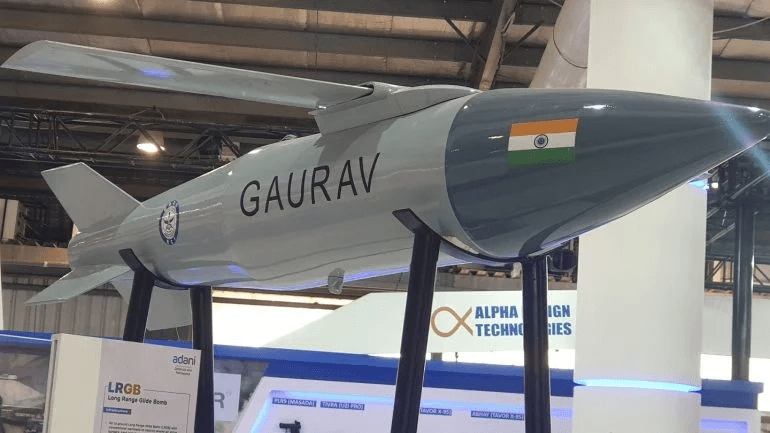
LRGB ‘Gaurav’ – DRDO’s indigenously built long-range glide bomb, air-launched from Su-30 MKI.

Role: precision land strikes at 30–150 km stand-off, outside enemy air-defence.

Variants: 1,000 kg winged ‘Gaurav’ & 550 kg non-winged ‘Gautham’.

Quick Facts for MCQs

Tech & Design

  • Winged airframe generates lift, allowing unpowered glide beyond 100 km.
  • INS-satellite navigation fused with digital autopilot delivers pin-point accuracy.
  • Two mass variants enable mission flexibility against diverse target sets.

Security Dimension

  • Stand-off launch keeps aircraft outside hostile surface-to-air missile envelopes.
  • Indigenous design cuts import bills, supports Atmanirbhar Bharat defence initiative.
  • Precision conventional strike option enhances strategic deterrence below missile threshold.

Aerospace Platforms

  • Su-30 MKI multirole fighter integrates Gaurav using Russian hardpoints and Indian avionics.
  • Heavy-lift capability enables carriage of 1,000 kg winged bomb without performance penalty.
  • Success paves way for integration on Tejas, Jaguar, Mirage fleets after clearance.

Key Data Points

FeatureData-Point
DeveloperDRDO
Launch platformSu-30 MKI fighter
Weapon classLong-Range Glide Bomb
Demonstrated range≈ 100 km
Operational range30 – 150 km
Guidance suiteINS + satellite + digital control
Weight ‘Gaurav’1,000 kg
Weight ‘Gautham’550 kg
PropulsionNone; aerodynamic glide
Strategic valueIndigenous precision-strike capability

Related UPSC Prelims PYQs

CDS_GK 2024PYQ 1

भारत का ‘मिशन शक्ति’ (DRDO) निम्नलिखित में से किससे संबंधित है?

CDS_GK 2022PYQ 2

P-75 I (या P-75 भारत) परियोजना किनके निर्माण से संबंधित है?

GS-1Editorial

13.Feminism Amid Global Polarisation (Gender Politics)

The Hindu

What & Where

Feminism movement pursuing equal political, economic, social rights for women

Four Waves: I 1848-1920s suffrage; II 1960s-80s equality; III 1990s-2010s diversity; IV 2013-present digital mobilisation

Spread global: cases from US, UK to India Women’s Reservation Bill 2023, Argentina Green Wave 2020

Quick Facts for MCQs

Historical Waves

  • First Wave white-centric, marginalised activists of colour
  • Second Wave added workplace, reproduction, violence agendas
  • Third Wave promoted diversity, sex positivity, online activism

Contemporary Challenges

  • Overgeneralisation conflates rural security with urban work-life privilege
  • Male backlash rises amid job stress, changing gender norms
  • Digital extremism fuels anti-feminist trolling exemplified by #GamerGate 2014

Policy Way Ahead

  • Contextual policy: tailor rural toilets safety, urban childcare support
  • Male allyship via HeForShe; integrate mental health, economic skilling
  • Institutional strength: enforce POSH, Women’s Reservation, grassroots Beti Bachao outreach

Key Data Points

FeatureData-Point
First Wave focusWomen’s suffrage, legal rights
Second Wave key bookThe Feminine Mystique 1963
Intersectionality termKimberlé Crenshaw 1989
Fourth Wave flagship hashtag#MeToo (2017 peak)
Male suicide rate (WHO)13.5 / 100,000 men
POSH Act compliance India≈30 % companies
Roe v. Wade overturned2022 USA
Argentina abortion legalised2020 Green Wave

Related UPSC Prelims PYQs

CDS_GK, GS1 2025PYQ 1

आधुनिक भारत में सफल महिलाओं के संदर्भ में, निम्नलिखित कथनों पर विचार कीजिए:

CDS_GK, GS1 2021PYQ 2

निम्नलिखित कथनों पर विचार कीजिए :

GS-1Editorial

14.Feminised Climate Vulnerability (Gender & Climate)

The Hindu
Illustration for Feminised Climate Vulnerability (Gender & Climate)

What & Where

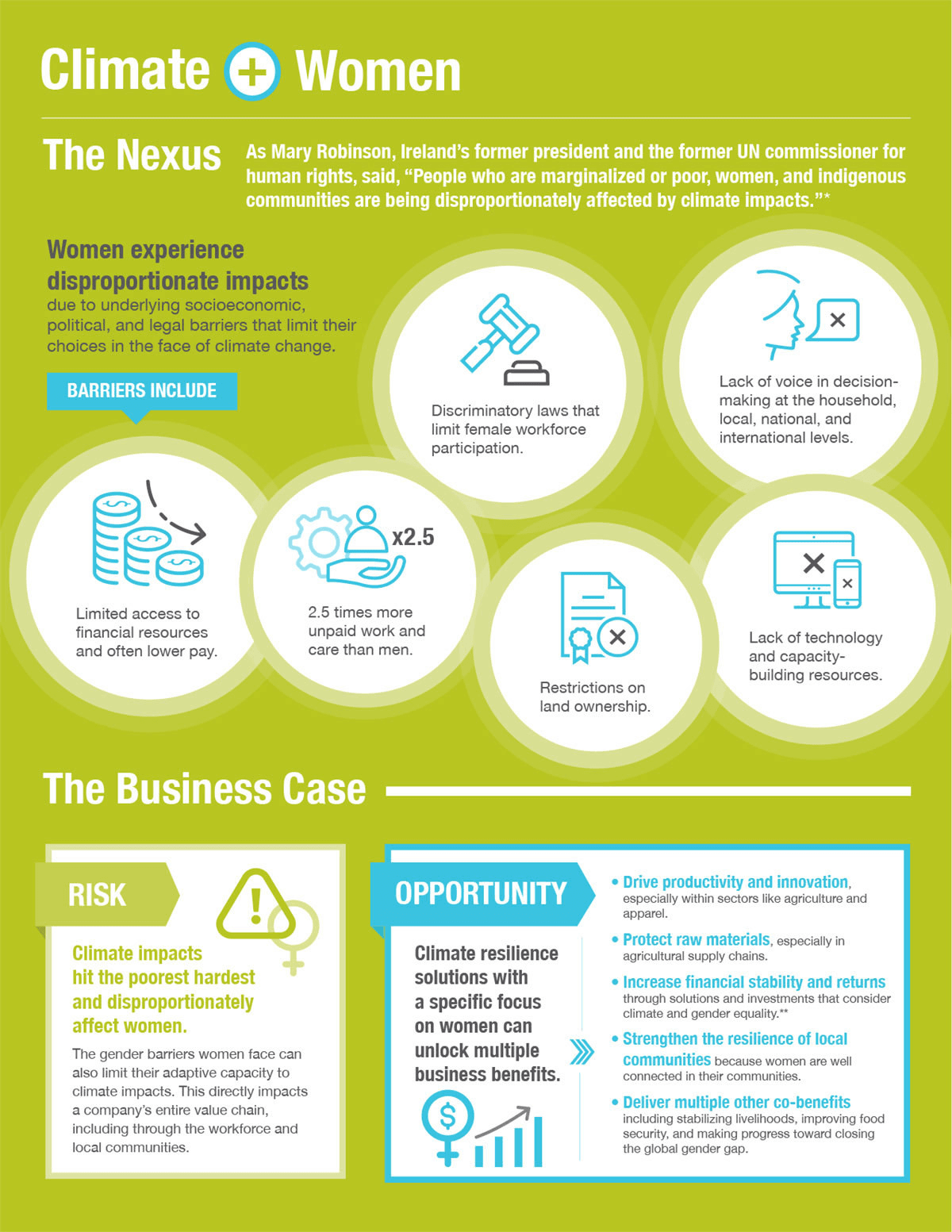
Beijing Declaration 1995 global blueprint for advancing women’s rights and equality

Beijing India Report 2024 gauges 30-year compliance with Beijing commitments

Intersection climate change–gender inequality acute in rural, climate-vulnerable India

Quick Facts for MCQs

Health Impact

  • Malnutrition risk women 1.6 times higher under food insecurity
  • Heat exposure boosts stillbirths and vector diseases dengue malaria Zika
  • IPCC flags greater gender-based violence and trafficking post disasters

Economic Angle

  • Heat stress and erratic rain slash female farm earnings and productivity
  • Unpaid care work climbs 8 → 8.3 hrs/day by 2050 limiting paid employment
  • Climate change may impoverish 158 million additional women and girls

Migration & Violence

  • Distress migration from floods droughts heightens GBV and exploitation risks
  • Women constitute 80 % of climate refugees facing camp insecurity
  • Indigenous forest women lose land-linked livelihoods to extraction and warming

Women as Resilience Agents

  • Seed-saving women conserve climate-resilient varieties securing household nutrition
  • Odisha Ganjam collectives lead cyclone preparedness ecosystem restoration
  • Rajasthan johad projects showcase women-led water harvesting against drought

Policy Prescriptions

  • Gender-mainstreamed NAPCC & SAPCC with sex-disaggregated indicators urged
  • Climate budgets need gender audits to avoid greenwashing ensure equitable funds
  • Local Climate Support Hubs proposed for healthcare legal aid land rights protection

Key Data Points

FeatureData-Point
Households where women fetch water80 % worldwide
Indian women water workdays≈150 million/yr
Pregnant women anaemic (NFHS-5)52.2 %
Women among climate-displaced≈80 %
Projected rise domestic violence 2090+23.5 %
Extra women into poverty by 2050158.3 million

Related UPSC Prelims PYQs

GEO_GS 2024PYQ 1

Consider the following statements with reference to a Report titled 'The Paths to Equal', published in 2023, prepared by 'UN Women' and 'UNDP' (United Nations Development Programme):

GEO_GS 2020PYQ 2

According to the Global Climate Risk Index 2020, published by environmental think tank Germanwatch, in the year 2018 India’s rank in the list of top most climate affected nations is:

GS-1Editorial

15.World Bank Social Protection Report 2025 (Social Protection)

Down to Earth
Illustration for World Bank Social Protection Report 2025 (Social Protection)

What & Where

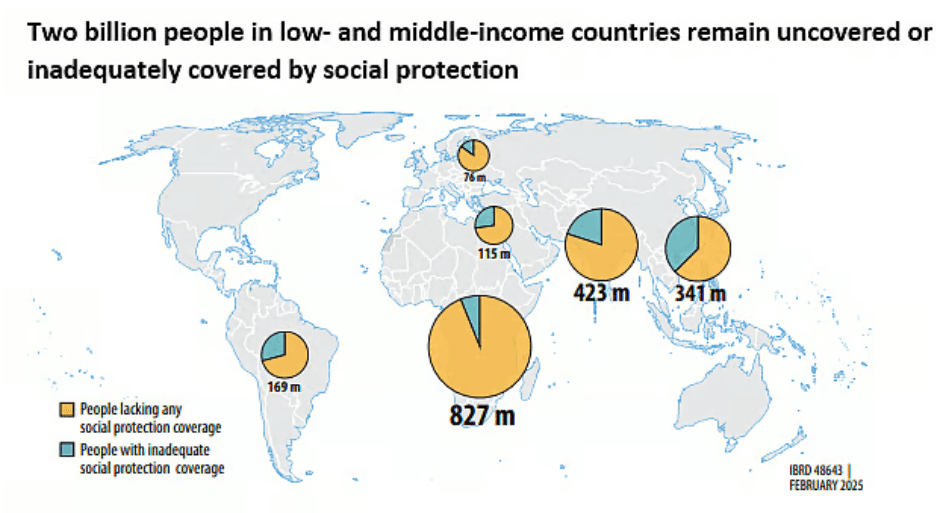
Social protection: public cash/food/insurance measures averting poverty, income loss, lifecycle risks.

Report: World Bank “State of Social Protection 2025” tracks LIC–MIC coverage 2010-22.

Hotspots: LICs, LMICs, Sub-Saharan Africa; India classified lower-middle-income.

Quick Facts for MCQs

Coverage Gaps

  • Unprotected: 1.2 bn in MICs; 70 % Sub-Saharan Africans lack any scheme.
  • SDG 1.3 trajectory: poorest 20 % covered only by 2045 without acceleration.

Fiscal Issues

  • Disparity: HICs spend 5.3× GDP share compared to LICs; subsidies USD 7 trn skew to rich.
  • Spending bias: formal worker insurance dominates; informal poor under-served.

India Snapshot

  • Flagship schemes: PM-JAY 39.9 cr, PM-GKAY 80.7 cr, APY 7.25 cr, eShram 30.7 cr.
  • Challenges: fragmented databases, low eShram uptake, ageing lowers support ratio to 4.6:1 by 2050.

Key Data Points

FeatureData-Point
LIC GNI cap≤ USD 1,145
LMIC GNI bandUSD 1,146–4,515
Unprotected in LIC+MIC1.6 billion people
Extreme poor lacking cover88 % globally
Coverage LIC+MIC 2010→202241 % → 51 %
Full extreme-poor cover at current paceYear 2043
LIC social assistance spend0.8 % of GDP
HIC vs LIC per-capita spend gap85.8 times
Climate-induced new extreme poor130 million by 2030
India coverage (ILO 2024-26)48.8 % population
PM-GKAY reach80.67 crore beneficiaries
Unused construction-cess funds₹70,000 crore

Related UPSC Prelims PYQs

GEO_GS 2020PYQ 1

The Swavalamban Scheme of the Government of India is directed to provide a social safety net to:

Ready to practice?

Test your knowledge with our UPSC test series.

Start Free Trial