UPSC Current Affairs

16 topicsGS-1: 4GS-3: 12
0/16 done
GS-3Economy

1.Microfinance Regulation Challenges in India (Microfinance Regulation)

The Hindu
Illustration for Microfinance Regulation Challenges in India (Microfinance Regulation)

What & Where

Microfinance: small-ticket loans, savings, insurance for low-income, unbanked households.

Key model: 1980s Self-Help Group–Bank Linkage, later expanded via regulated Microfinance Institutions (MFIs).

Karnataka: 2024 Micro Loan & Small Loan (Prevention of Coercive Actions) Bill targets coercive recoveries after borrower suicides.

Quick Facts for MCQs

Financial Inclusion

  • Outreach: MFIs penetrate rural women excluded from banks, catalysing livelihood credit for farming, dairy, petty trade.
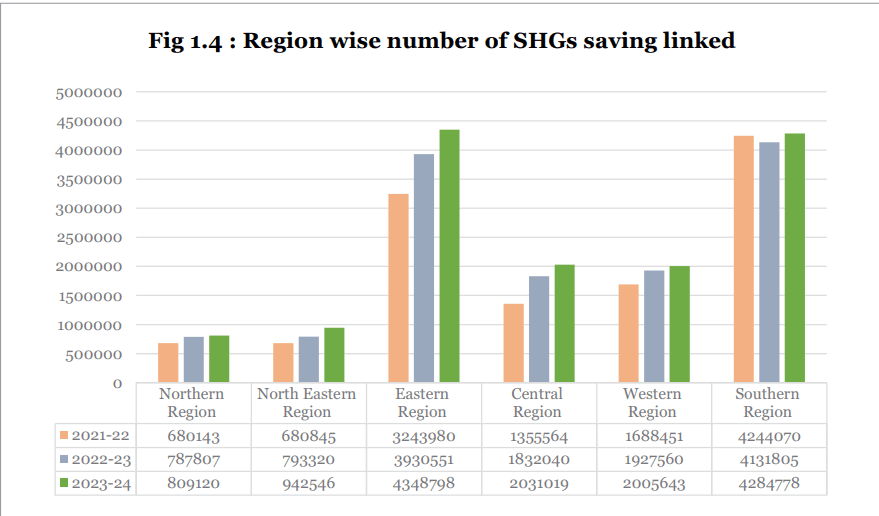
  • Scale: Over 1 crore SHGs mobilised nationwide, significant female empowerment via joint-liability lending.
  • Impact: Reduces reliance on informal moneylenders, lowers effective borrowing costs.

Regulatory Gaps

  • Unregistered lenders: Fly-by-night agents escape RBI oversight, foster aggressive recovery practices.
  • Over-indebtedness: Multiple concurrent loans, weak credit-bureau integration, create repayment spirals.
  • Political waivers: Election-time moratorium promises (e.g., Assam 2021) erode repayment culture.

Corrective Measures

  • Legal: Enforce RBI Fair Practices Code, restrict unlicensed entities, enable local ombudsmen.
  • Tech: Mandatory bureau reporting, real-time caps on borrower exposure, social performance ratings.
  • Literacy: Grass-roots campaigns on debt limits, borrower rights, complaint channels.

Key Data Points

FeatureData-Point
All-India microfinance portfolio₹3.91 lakh crore, FY25 Q3
Karnataka unique borrowers63 lakh persons
Typical MFI interest18–26 % p.a.
Moneylender interest60–120 % p.a.
SHG credit disbursed FY24₹1 lakh crore
Karnataka MFI loan bookFell ₹42,000 cr → ₹34,000 cr in 2024
Reported Karnataka loan-stress deaths22–38 in six months
Bill passage year2024

Related UPSC Prelims PYQs

CDS_GK, GS1 2022PYQ 1

Which one of the following statements about a borrower from a Microfinance Company is NOT correct?

CDS_GK, GS1 2011PYQ 2

Microfinance is the provision of financial services to people of low-income groups. This includes both the consumers and the self-employed. The service/services rendered under microfinance is/are:
GS-1History

2.Ambedkar–Gandhi Ideological Convergence and Divergence (Freedom Movement Debates)

Indian Express

What & Where

Concept — Ambedkar–Gandhi interface on caste, democracy, social justice in colonial-to-early-Republic India

Key processes — non-violent mass mobilisation, constitutional reform, state affirmative action, moral persuasion

Core geography — Maharashtra, Gujarat, Delhi; linked sites Mhow, Nagpur, Mumbai, London, Vadodara

Quick Facts for MCQs

Ideological Convergence

  • Non-violence; both rejected Bolshevik class-war violence, upheld ethical means
  • Human-dignity focus; Sarvodaya versus Bahujan Hitay yet shared compassion aim
  • Public-ethics stress; character considered prerequisite for leadership

Ideological Divergence

  • Caste; Ambedkar sought total annihilation, Gandhi initially reformed varna later said caste must go
  • Political safeguards; Ambedkar pressed separate electorates, Gandhi fasted leading to joint-seat compromise
  • Religion; Ambedkar found Hinduism discriminatory, embraced Buddhism, Gandhi practiced Sarva Dharma Sambhava

State & Economy

  • Ambedkar; state socialism, land reform, public ownership of key industries, constitutional remedy for inequality
  • Gandhi; trusteeship, village swaraj, swadeshi, minimal state, small-scale production

Government Tributes

  • Panchteerth circuit funding commemorates Mhow, London, Nagpur, Mumbai, Delhi sites
  • DACE centres in 31 universities give free UPSC coaching to Scheduled Castes
  • ASIIM mission finances SC youth startups and innovations

Key Data Points

FeatureData-Point
Ambedkar birth-year1891
Gandhi birth-year1869
Poona Pact year1932
Book “Annihilation of Caste”1936
Book “Buddha or Karl Marx”1956
Navayana Buddhism launch14 Oct 1956
States & Minorities memo1947
Posthumous Bharat Ratna1990
Constitution Day26 Nov (since 2015)
BHIM App launch2016

Related UPSC Prelims PYQs

GS1, NDA_GAT 2022PYQ 1

The Mahad Satyagraha of 1927 was organized by

GS1, NDA_GAT 1997PYQ 2

The Poona Pact which was signed between the British Government and Mahatma Gandhi in 1932 provided for

GS-1Environment

3.Industrial Ammonia Gas Leak Hazards (Industrial Disasters)

The Hindu
Illustration for Industrial Ammonia Gas Leak Hazards (Industrial Disasters)

What & Where

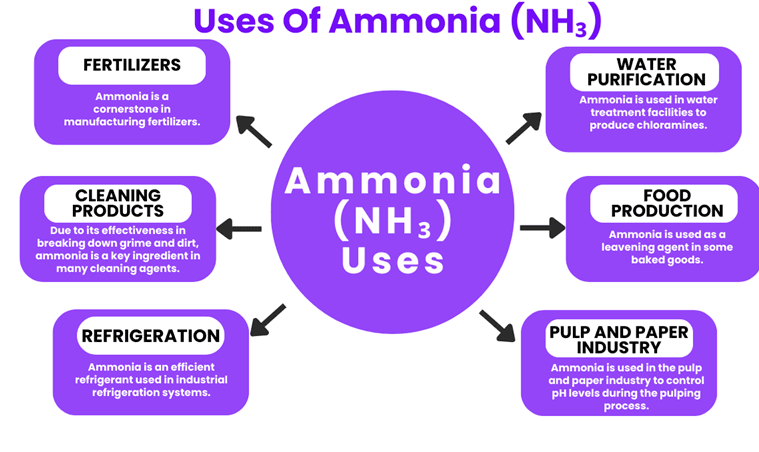
Ammonia: colorless pungent NH₃; Haber-Bosch synthesis; stored compressed for fertilizer, refrigeration, emerging green fuel.

Industrial/Chemical disaster: major MAH-unit accident releasing hazardous agents; India logged 130 events (2013-23).

Geography: leaks at Ratlam-MP (2025), Chennai (2024), Vizag (2020), Bhopal (1984) highlight high-risk industrial belts.

Quick Facts for MCQs

Legal & Policy

  • Statutes: EPA 1986, Factories Act 1948, MSIHC Rules 1989 enforce hazardous-chemical safeguards.
  • PLIA 1991 mandates compulsory insurance, instant relief to accident victims.
  • OHSWC Code 2020 adds employer duty, contract-worker protection, gender-inclusive jobs.

International Conventions

  • Basel 1989 controls hazardous-waste cross-border movement and disposal.
  • Rotterdam 2004 enforces Prior-Informed-Consent for hazardous chemical trade.
  • UNEP CAPP 2006 gives flexible template for accident prevention in developing nations.

Risk Mitigation Measures

  • Mapping: GIS hazard-zonation, mandatory buffer zones; aligns with SDG-11 & SDG-3.
  • Enforcement: emergency response centres, off-site plans, strict safety-violation penalties.
  • Surveillance: real-time monitoring, HAZOP/HAZAN studies; fiscal incentives for tech upgrades.

Recent Incidents

  • 2025 Ratlam ice-factory ammonia leak caused local panic, minimal casualties.
  • 2024 Chennai ammonia pipeline rupture during Cyclone Michaung restoration.
  • 2020 Vizag styrene leak; 1984 Bhopal MIC disaster remains worst industrial accident.

Key Data Points

FeatureData-Point
Haber-Bosch reactionN₂ + 3H₂ → 2NH₃
Ammonia energy density9× Li-ion; 3× compressed H₂
SolubilityHighly soluble; forms NH₄OH
NDMA decade toll130 accidents; 259 deaths; 563 injuries
Public Liability Insurance Act1991
Environment Protection Act1986
Sendai Framework span2015-2030
UN Industrial Accidents Convention1992
GS-1Mapping

4.Tanzania Key Geographical Features (East Africa Geography)

ANI
Illustration for Tanzania Key Geographical Features (East Africa Geography)

What & Where

Africa-India Maritime Exercise (AIKEYME-2025); first India-Africa naval drill, hosted off Tanzania’s coast.

Participants: Indian Navy + nine African navies; aims anti-piracy, maritime-security, interoperability.

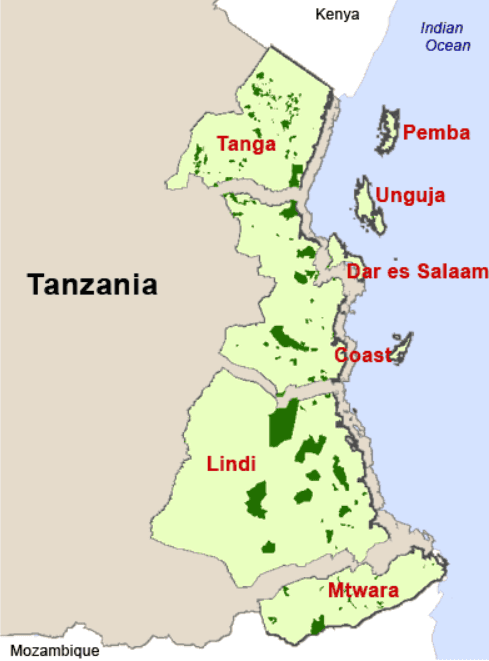
Tanzania: East African Indian-Ocean nation south of Equator; official capital Dodoma.

Quick Facts for MCQs

Security Dimension

  • AIKEYME-2025 drills: visit-board-search-seizure, EEZ patrols, search-and-rescue, tactical manoeuvres.
  • Exercise reinforces Indian Ocean security architecture under India’s SAGAR doctrine.
  • Showcases India’s defence outreach to African littorals amid piracy resurgence near Gulf of Aden.

Physical Geography

  • Mt Kilimanjaro, dormant stratovolcano, highest free-standing mountain globally.
  • Western Rift Valley hosts Lakes Tanganyika & Victoria, vital inland waterways.
  • Rufiji delta creates country’s largest mangrove estuary along Indian Ocean.

Biodiversity & Heritage

  • Serengeti supports annual 1.5 mn-strong wildebeest migration, a key eco-tourism draw.
  • Selous Game Reserve among world’s largest faunal reserves; rich in elephant populations.
  • Ngorongoro Crater, world’s largest intact volcanic caldera, harbours dense predator densities.

Key Data Points

FeatureData-Point
Official capitalDodoma
Continent positionEast Africa, south of Equator
Land neighboursKenya, Uganda, Mozambique, Malawi, Zambia, Rwanda, Burundi, DR Congo
Maritime neighboursComoros, Seychelles
Highest peakMt Kilimanjaro – 5,895 m
Largest riverRufiji – drains into Indian Ocean
Nile-source riverKagera – feeds Lake Victoria
Deepest lakeLake Tanganyika – 1,436 m (world’s 2nd)
Largest African lake shareLake Victoria – with Kenya & Uganda
UNESCO WH sitesSerengeti NP; Kilimanjaro NP; Selous Game Reserve
GS-3Environment

5.UNESCO BIOCOM Biodiversity-Livelihood Programme (Madagascar Conservation)

UNESCO

What & Where

BIOCOM: UNESCO flagship for Biodiversity Conservation & Sustainable Natural Resource Management with Integrated Community Development.

Scope: Vocational, governance and ecological actions in Montagne des Français, Marojejy, Andohahela protected areas, Madagascar.

Goal: Link livelihood alternatives to forest, carbon and watershed protection against climate-change stresses.

Quick Facts for MCQs

Livelihood Generation

  • Training: Market-oriented masonry, metalwork, eco-tourism, cooking, basketry replacing extractive forest jobs.
  • Employment: Creates income streams reducing reliance on slash-and-burn fields.
  • Youth focus: Addresses rural unemployment, curbs outward migration.

Community Governance

  • Dina contracts: Customary pacts for forest rules, conflict resolution.
  • Participation: Local committees supervise resource use and benefit sharing.
  • Ownership: Community stewardship fosters compliance over external policing.

Ecological Outcomes

  • Carbon sinks: Regenerating forests enhance sequestration capacity.
  • Watershed health: Vegetation cover curbs erosion, stabilises water flow.
  • Connectivity: Restored corridors aid species movement, biodiversity retention.

Climate Resilience

  • Nature-based solutions: Reforestation buffers floods, landslides in erosion belts.
  • Adaptation: Diversified incomes cushion climate-induced crop failures.
  • Education: Awareness programmes mainstream sustainable practices into daily livelihoods.

Key Data Points

FeatureData-Point
Full formBiodiversity Conservation and Sustainable Natural Resource Management for Integrated Community Development
Launch year2020
Lead agencyUNESCO
Funding partnerKorea International Cooperation Agency (KOICA)
Primary geographyNorthern & Southern Madagascar reserves
Core beneficiariesLocal youth, women, school dropouts
Key livelihood skillsMasonry, metalwork, eco-tourism, cooking, basketry
Forest governance tool“Dina” community contracts
Main threats tackledSlash-and-burn farming, illegal logging
Ecosystem services boostedCarbon sequestration, watershed integrity, habitat connectivity

Related UPSC Prelims PYQs

GEO_GS, GS1 2024PYQ 1

Biosphere Reserve Programme was initiated by:

GEO_GS, GS1 2015PYQ 2

‘BioCarbon Fund Initiative for Sustainable Forest Landscapes’ is managed by the

GS-3Environment

6.Decline of Indigenous Traditional Seeds in India (Indigenous Crop Seeds)

The Hindu
Illustration for Decline of Indigenous Traditional Seeds in India (Indigenous Crop Seeds)

What & Where

Traditional seeds = indigenous, heirloom, open-pollinated crop lines saved/exchanged by farmers for generations.

Traits: rich genetic diversity, climate-hardy, low external inputs, superior micronutrients.

Indian exemplars: Pokkali rice (Kerala), Bhut Jolokia chili (Assam), Red Rice (Manipur), Odisha landrace millets.

Quick Facts for MCQs

Agro-Biodiversity

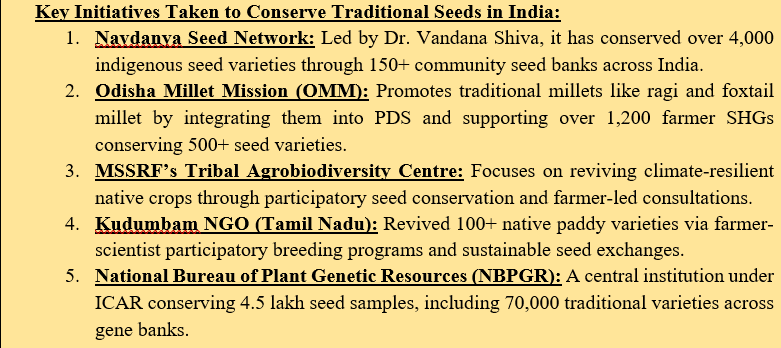
  • Diversity: 500 + millet landraces conserved by 1,200 Odisha SHGs.
  • Example: 100 + native paddy strains revived by Tamil Nadu’s Kudumbam NGO.
  • Ecological: Red Rice naturally enriches soil fertility.

Market & Consumer

  • Procurement: Only 6 % of rice bought by govt is traditional.
  • Demand: Urban diets pushed quinoa imports up 200 % in five years.
  • Cost: GM cotton seeds tie 80 % farmers to yearly purchases.

Policy & Schemes

  • Mission: Odisha Millet Mission raised ragi procurement 300 %, offers MSP.
  • Storage: India hosts just 40 functional community seed banks.
  • Funding: ₹100 cr set for Uttarakhand ‘Bhaat Protsahan’ Yojana.

Climate Resilience

  • Tolerance: Pokkali rice thrives in saline coastal waters.
  • Efficiency: Desi cotton uses 70 % less water than Bt variant.
  • Stress: Navara rice shrank 30 % after repeated Kerala floods.

Key Data Points

FeatureData-Point
Traditional seed aliasesIndigenous / heirloom / desi
Pollination modeOpen-pollinated, seed true-to-type
Desi cotton water need70 % less than Bt cotton
Finger millet calcium3 × higher than milk
Kodo millet fibre3 × higher than wheat
Govt rice procurement share6 % traditional varieties
R&D funds to wheat-rice-maize90 % of total
Functional community seed banks40 (MSSRF, 2023)
Quinoa import rise (5 yrs)200 %
Navara rice loss in floods30 % decline (Kerala)

Related UPSC Prelims PYQs

GS1 2014PYQ 1

In the context of food and nutritional security of India, enhancing the ‘Seed Replacement Rates’ of various crops helps in achieving the food production targets of the future. But what is/are the constraint/constraints in its wider/greater implementation?

GS1 2018PYQ 2

भारतीय कृषि की परिस्थितियों के संदर्भ में, “संरक्षण कृषि” की संकल्पना का महत्व बढ़ जाता है। निम्नलिखित में से कौन-कौन से संरक्षण कृषि के अंतर्गत आते हैं?

GS-3Environment

7.Indoor Air Quality Concerns in Urban India (Indoor Air Pollution)

The Hindu

What & Where

Definition: Indoor Air Quality (IAQ) denotes air condition inside/around buildings affecting occupants’ health and comfort.

Key pollutants: CO, formaldehyde, asbestos, radon, lead, mould, pesticides, smoke, allergens, PM2.5.

Geography: India records world-highest indoor PM2.5 average 55.18 µg/m³; urban citizens stay indoors 70–90 % time.

Quick Facts for MCQs

Health Implications

  • Morbidity: Stroke, heart disease, COPD, lung cancer linked to prolonged indoor pollutant exposure.
  • Mortality: WHO attributes 3.2 million premature deaths annually to household air pollution.
  • Vulnerability: Women and children endure highest exposure owing to domestic roles and longer indoor stay.

Pollution Sources

  • Combustion: Solid fuels, kerosene, cigarettes, incense release CO, PM2.5, toxic gases indoors.
  • Infiltration: Outdoor particulate matter penetrates poorly sealed urban dwellings through structural gaps.
  • Materials: VOC paints, formaldehyde woods, asbestos sheets, lead plumbing continuously off-gas pollutants.

Mitigation Measures

  • Technology: HEPA air purifiers effectively trap PM2.5 and allergens.
  • Materials: Low-VOC paints, furnishings plus Eco-Niwas Samhita compliant design cut emissions.
  • Alternatives: Shift to LPG, electricity, biogas; deploy pollutant-absorbing plants like spider plant, peace lily.

Policy & Awareness

  • Gap: India lacks enforceable IAQ standards; regulation centred on outdoor Air Act 1981.
  • Initiative: Indian Green Building Council integrates health metrics with Eco-Niwas Samhita guidelines.
  • Outreach: Mass education on ventilation, clean fuels, and safe building materials remains critical.

Key Data Points

FeatureData-Point
India average indoor PM2.555.18 µg/m³ (Dyson 2024)
Global household-air-pollution deaths3.2 million/year (WHO)
Urban indoor time share70–90 % of day
Principal high-risk groupsWomen and children
Main indoor generation activitiesCooking, smoking, incense, chemical cleaners
Ventilation-linked ailmentSick Building Syndrome via CO₂ buildup

Related UPSC Prelims PYQs

GEO_GS, GS1 2022PYQ 1

WHO के वायु गुणवत्ता दिशानिर्देशों के संदर्भ में, निम्नलिखित कथनों पर विचार कीजिए :

GEO_GS, GS1 2022PYQ 2

Which of the following major parameters are considered while deriving the Air Quality Index (AQI) of an area in India?

GS-3Environment

8.Domoic Acid Algal Bloom Impacts Sea Lions (Harmful Algal Blooms)

Down to Earth

What & Where

Harmful algal bloom by diatom Pseudo-nitzschia off California’s Pacific coast

Produces domoic acid neurotoxin that bio-accumulates through marine food web

Fueled by wind-driven upwelling, pollutant discharge, wildfire nutrient runoff

Quick Facts for MCQs

Environmental Impact

  • Sea lions show aggression, spasms, brain damage leading to unprecedented human attacks
  • Domoic acid bioaccumulates, killing fish, birds, other marine mammals
  • Harmful algal blooms disrupt coastal food webs, tourism economies

Climate Linkages

  • Warming-driven stronger winds boost upwelling, surfacing nutrient-rich deep water
  • Wildfire runoff and urban effluents inject extra nitrogen, phosphorus feeding algae
  • Scientists project higher HAB frequency, duration under climate change scenarios

Health Risk

  • Domoic acid causes amnesic shellfish poisoning in humans, memory loss, seizures
  • Authorities impose seafood harvest bans, monitoring during bloom periods
  • Aggressive disoriented sea lions pose direct beach safety hazard

Species Facts

  • Sea lions are pinnipeds with external ear flaps; strong foreflippers for swimming
  • Form large rookeries, vocalize loud barks; majority range in Pacific waters
  • Haul out on shore for rest, mating, pupping, molting

Key Data Points

FeatureData-Point
NeurotoxinDomoic acid
Producer organismDiatom Pseudo-nitzschia
Impacted mammalsSea lions (pinnipeds)
Human risk pathwayContaminated seafood, direct attacks
Physical driverStronger winds → upwelling
Extra nutrient sourcesUrban discharge, Los Angeles wildfire runoff
Core geographyCalifornia coast, Pacific Ocean
Pinniped traitsFin-footed, loud bark, group living
GS-3S&T

9.Saras Mk2 Indigenous Civilian Aircraft (Indigenous Aircraft)

The Hindu
Illustration for Saras Mk2 Indigenous Civilian Aircraft (Indigenous Aircraft)

What & Where

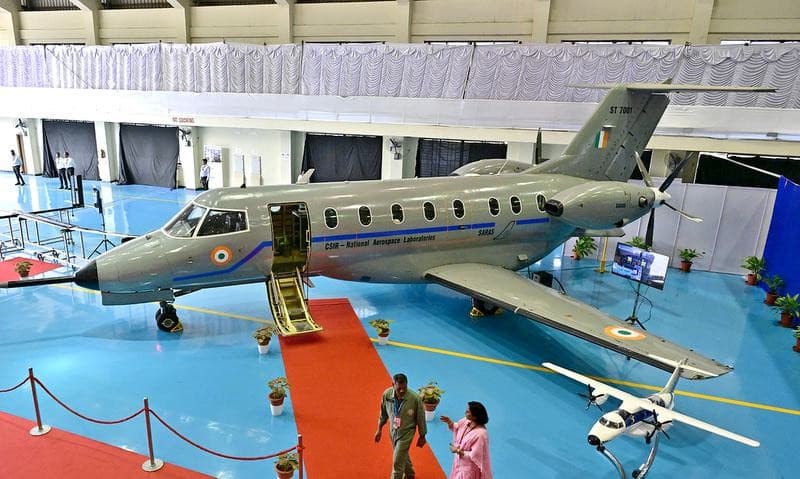
Indigenous aircraft; 19-seater Saras Mk2 designed by CSIR-NAL Bengaluru

Connects tier-2/3 towns under UDAN; operates from short, minimally equipped runways across India

First test flight Dec 2027; build partner HAL; IAF considering 15 units

Quick Facts for MCQs

Tech & Schemes

  • Composite wings, indigenous avionics, CSIR-NAL computer allow modular upgrades including automation, AI
  • Twin-prototype plan hastens DGCA certification, cuts development delay
  • UDAN alignment; short-haul design suits <500 km hinterland routes

Economic Angle

  • Indigenous aircraft lowers forex outgo versus imported ATR, Dornier
  • Suitable for tier-2/3 traffic; boosts passenger volume on low-demand sectors
  • Civil aviation R&D revival may spur local supplier ecosystem, export prospects

Security Dimension

  • IAF expressed interest in 15 units, strengthening civil-military production synergy
  • Indigenous platform aids fleet self-reliance, maintenance security
  • Dual-use roles include air ambulance, surveillance with minor modifications

Key Data Points

FeatureData-Point
Seating capacity19 seats
DeveloperCSIR–NAL (Min S&T)
Manufacturing partnerHindustan Aeronautics Ltd
First flight targetDecember 2027
Earlier variant14-seater Saras, 2004
Intended schemeUDAN regional connectivity
Prototype strategyTwo aircraft for parallel testing
Key materialComposite wings
Indigenous subsystemsAvionics Genesis; brake & ECS by CSIR-NAL
Prospective defence orderIAF interest: 15 aircraft

Related UPSC Prelims PYQs

GS1 2005PYQ 1

Which one of the following pairs is not correctly matched?

GS-3S&T

10.STELLAR Indigenous Power Planning Model (Power Planning Software)

PIB

What & Where

STELLAR: Fully indigenous resource-adequacy software for Indian electricity sector.

Integrates generation, transmission, storage, demand-response planning through FY 2034-35.

Built by Central Electricity Authority; offered free to all States/Discoms nationwide.

Quick Facts for MCQs

Tech & Schemes

  • Chronological modelling simulates load flow, ramp rates, ancillary services minute-by-minute.
  • Endogenous demand response shifts consumer load, optimises renewables and storage.
  • Transparent architecture enables user tweaks, periodic dataset updates.

Legal & Policy

  • Guideline support: tool provides template for mandatory annual state adequacy plans.
  • Centre-state coordination on transmission corridors eased through common dataset.
  • Atmanirbhar push showcases domestic capability in advanced energy analytics.

Economic Angle

  • Least-cost optimisation avoids surplus capacity, lowers system tariffs.
  • Strategic storage sizing curtails renewable spillage; defers peaking investments.
  • Zero-load-shedding objective minimises outage-driven economic losses.

Key Data Points

FeatureData-Point
Full formState-of-the-art Totally indigenously developed Resource adequacy modeL
DeveloperCentral Electricity Authority + The Lantau Group; ADB support
Launch contextFirst Indian resource-adequacy model, 2024
Planning horizonUp to FY 2034-35
Core modulesGeneration, Transmission, Storage, Demand Response, Ancillary Services
Cost to StatesFree, open-access, customizable
Policy linkage2023 Resource Adequacy Guidelines
GS-3S&T

11.BatEchoMon AI Bat Monitoring Device (Wildlife Monitoring Tech)

The Hindu
Illustration for BatEchoMon AI Bat Monitoring Device (Wildlife Monitoring Tech)

What & Where

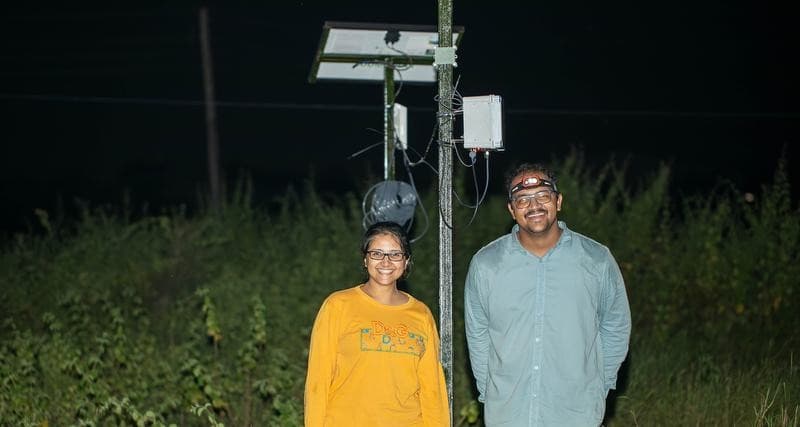
BatEchoMon = autonomous, AI-powered device capturing and classifying bat echolocation calls in real time.

Developed at Indian Institute for Human Settlements (IIHS), Bengaluru; deployable across urban, peri-urban, forest-edge habitats.

India’s first fully automated bat monitoring system; among few worldwide with on-board recording + classification.

Quick Facts for MCQs

Tech & Innovation

  • Integrated microphone, processor, storage, power; enables stand-alone field deployment.
  • Algorithms isolate ultrasonic calls, match with labelled library for instant species ID.
  • Claimed world’s first unit performing both recording and classification on board.

Conservation & Ecology

  • Facilitates continuous monitoring of insectivorous bat populations and habitat preferences.
  • Suitable for city parks, agricultural fringes, forest corridors to map biodiversity patterns.
  • Real-time data aids early detection of population declines or disease outbreaks.

Research & Data Access

  • Cuts 11 months of manual acoustic analysis to mere hours, accelerating publications.
  • Low cost broadens participation by universities, NGOs, citizen-science groups nationwide.
  • Standardised outputs compatible with global bat call repositories, improving comparative studies.

Key Data Points

FeatureData-Point
Full nameBat Echolocation Monitoring (BatEchoMon)
DeveloperIIHS, Bengaluru
Core processorRaspberry Pi
AI modelConvolutional Neural Networks
Housing size200 × 80 × 80 mm
PowerSolar-charged battery; 8-day runtime
ConnectivityWi-Fi for data push
ActivationAutomatic at sunset
Cost< ⅓ price of imported detectors
OutputSpectrograms + species-wise activity stats
GS-3S&T

12.GenomeIndia National Genetic Mapping Project (Human Genomics)

The Hindu
Illustration for GenomeIndia National Genetic Mapping Project (Human Genomics)

What & Where

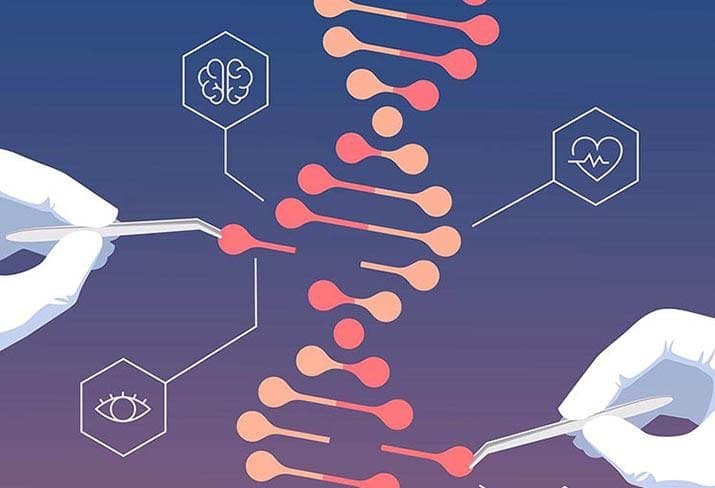
Genetic mapping - systematic DNA sequencing to locate variants across populations

GenomeIndia project - decoded genomes of 9 ,772 Indians from 83 endogamous groups, Nature Genetics April 2025

Pan-India coverage - 100+ locations spanning four language families, 30 tribal and 53 non-tribal cohorts

Quick Facts for MCQs

Sampling Scope

  • Demography - balanced sex ratio; parent-child pairs enable fresh mutation identification
  • Linguistics - Indo-European, Dravidian, Tibeto-Burman, Austro-Asiatic families represented nationwide
  • Endogamy - ~4,000 Indian groups create genetically distinct, low-gene-flow clusters

Genetic Insights

  • Mutations - 180 million variants detected, 98 % in non-coding regulatory regions
  • Community signature - unique variant patterns per group owing to centuries of endogamy
  • Global gap - project plugs major under-representation of Indian alleles in world databases

Health Applications

  • Precision care - pharmacogenomics, tailored cancer and cardiovascular risk panels for Indian genotypes
  • Screening tools - low-cost, tribe-specific tests for sickle cell and other recessive disorders
  • Policy input - evidence base for national rare-disease registries and cluster-based genetic counselling

Key Data Points

FeatureData-Point
Total individuals9 ,772
Male : Female4 ,696 : 5 ,076
Population groups83
Tribal groups30
Non-tribal groups53
Locations sampled100+
Total mutations180 million
Autosomal variants130 million
Sex-linked variants50 million
Genome non-coding share98 %
Sequencing institutesIISc, CCMB, IGIB, NIBMG, GBRC
Publication outletNature Genetics
Parent-child triosIncluded to flag de novo mutations
GS-3Security

13.Mk-II Laser Directed Energy Weapon (Directed Energy Weapons)

News on Air
Illustration for Mk-II Laser Directed Energy Weapon (Directed Energy Weapons)

What & Where

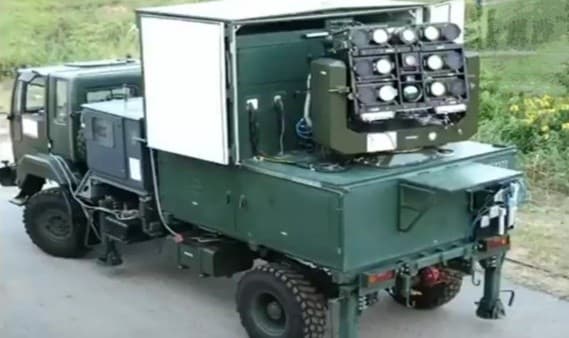
Mk-II(A) Laser-Directed Energy Weapon: 30 kW, line-of-sight laser neutralising drones/missiles via thermal structural failure

Developed by DRDO-CHESS, Hyderabad; first field test at Kurnool, Andhra Pradesh

Places India as 4th nation (after US, China, Russia) with operational laser-DEW capability

Quick Facts for MCQs

Technical Specs

  • Beam stability aided by adaptive optics, ensuring sub-cm accuracy at km ranges
  • Silent, stealth emission; minimal signature compared to kinetic interceptors
  • Scalable architecture allows power upgrade without redesigning mount

Strategic Significance

  • Adds layered air-defence tier against low-RCS, low-altitude threats
  • Reduces dependence on costly imported SAMs, boosting deterrence posture
  • Demonstration strengthens export potential under Defence Production Policy

Cost & Logistics

  • Petrol-equivalent shot enables high firing rates without magazine limits
  • Compact powerpack fits standard 8×8 truck, easing forward-area deployment
  • Low maintenance; no explosive warheads, simplifying storage & safety norms

Indigenization Push

  • 100 % indigenous laser source, beam director, fire-control software
  • Collaboration with BEL, L&T, IITs showcases industry-academia synergy
  • Aligns with Atmanirbhar Bharat target of 75 % defence procurement indigenously

Key Data Points

FeatureData-Point
Developer labCHESS, DRDO, Hyderabad
Tested atKurnool, Andhra Pradesh
Laser power30 kilowatt
Target setFixed-wing UAVs, swarming drones, sensors, missiles
Engagement speedBeam travels at light speed; kill in seconds
Firing costFew litres of petrol (vs ₹crore-class missile)
MountingVehicle-based; future air/space variants planned
Global rank4th nation with such capability
Guidance sensorsRadar & Electro-Optic (EO) tracker

Related UPSC Prelims PYQs

ESE_GS 2024PYQ 1

Ministry of Defence signed contract with which one of the following organizations for Upgraded Super Rapid Gun Mount (SRGM) and other equipment for around 3000 crores?

GS-3Security

14.Siachen Day and Operation Meghdoot Significance (Siachen Conflict)

Business Standard
Illustration for Siachen Day and Operation Meghdoot Significance (Siachen Conflict)

What & Where

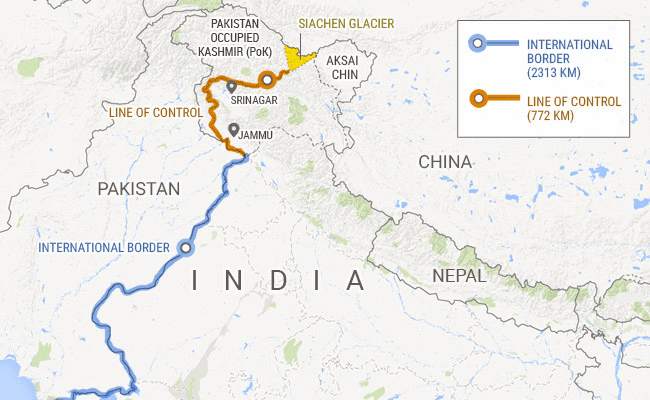
Siachen Glacier, longest in Karakoram, ~20 000 ft high between Saltoro Ridge and eastern Ladakh

Operation Meghdoot, launched 13 Apr 1984, gave India control; date marked annually as Siachen Day

Zone lies beyond LoC point NJ9842, undefined since 1949 Karachi Agreement, now world’s highest militarised area

Quick Facts for MCQs

Historical Timeline

  • 1949 Karachi line ends at NJ9842 with phrase “thence North to the glaciers”
  • 1972 Simla Agreement retains boundary ambiguity beyond NJ9842
  • 1984 Operation Meghdoot occupies glacier and Saltoro ahead of Pakistan

Security Dimension

  • Control secures Gilgit-Baltistan → Leh route and Karakoram Pass
  • Position blocks Pakistan’s potential land corridor to China via Shaksgam Valley
  • Heights deliver observation and artillery dominance over western Ladakh approaches

Geographical Features

  • Saltoro Ridge southwest of glacier forms main watershed and high-ground advantage
  • Key passes Bilafond La, Sia La, Gyong La enable access to ridge and glacier
  • Environment harsh; designated world’s highest battlefield and militarised zone

Key Data Points

FeatureData-Point
Altitude≈ 20 000 ft
Mountain rangeKarakoram
Adjacent ridgeSaltoro Ridge (SW)
Key passes heldBilafond La, Sia La
First assault13 Apr 1984
Prime MinisterIndira Gandhi
CommemorationSiachen Day – 13 April
Battlefield statusHighest globally
Karachi Agreement1949
LoC formalised1972 Simla Agreement
GS-3SecurityQuick Bite

15.CAPTCHA Online Bot Prevention Mechanism (Cyber Security Tools)

The Hindu

What & Where

CAPTCHA = online challenge-response test separating humans from bots, defending forms, logins, payments

Devised early-2000s by Luis von Ahn at Carnegie Mellon; now ubiquitous across websites, mobile apps, e-commerce

Key variants: Distorted-text (2003), reCAPTCHA using scanned words (2009), Google Invisible reCAPTCHA with behavioural scoring (2014)

Quick Facts for MCQs

Evolution & Types

  • Distorted-text; warped alphanumerics thwart early OCR engines
  • reCAPTCHA; dual-word boxes both verify users and digitise archival texts
  • Invisible reCAPTCHA; monitors cursor moves, clicks, dwell-time to assign human score

Benefits & Limitations

  • Benefits; curbs automated sign-ups, comment spam, credential stuffing, ticket scalping
  • Limitations; strains visually impaired, slows mobile UX, sophisticated ML bots now bypass many tests
  • Trade-off; higher security often inversely impacts accessibility and frictionless design

Alternate Cybersecurity Tools

  • Two-Factor Authentication; SMS, authenticator code or hardware token after password
  • Biometrics; fingerprints, face-ID add non-replicable physical layer
  • Honeypots & behavioural biometrics; decoy fields and keystroke/swipe analytics flag non-human activity

Key Data Points

FeatureData-Point
Full formCompletely Automated Public Turing test to tell Computers and Humans Apart
InventorLuis von Ahn, Carnegie Mellon University
First version year2003 (distorted-text)
reCAPTCHA roll-out2009; leveraged scanned book words
Invisible reCAPTCHA2014; behavioural analysis, no user input
Core use-caseBlocks bots, spam, fake accounts, data scraping
GS-1MiscQuick Bite

16.Permitted and Banned Fruit Ripening Agents (Food Safety Standards)

The Hindu
Illustration for Permitted and Banned Fruit Ripening Agents (Food Safety Standards)

What & Where

Fruit ripening = senescence stage altering colour, texture, flavour, sugars, acidity.

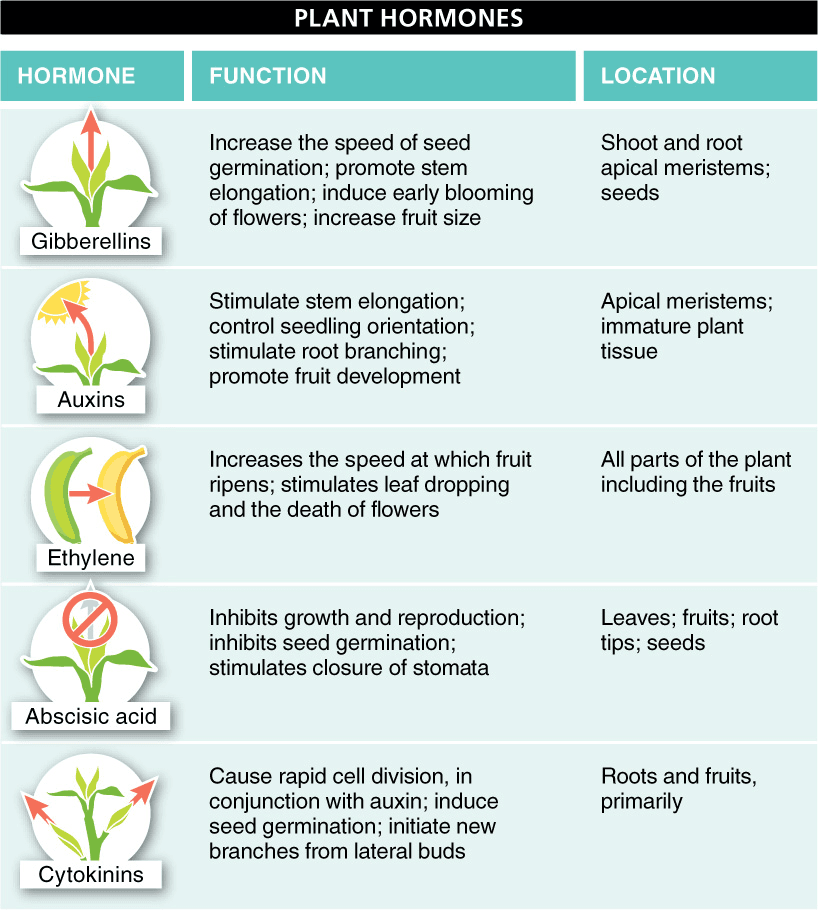
Governed naturally by ethylene; often accelerated using external agents.

In India, FSSAI regulates artificial ripening under Food Safety & Standards Regulations, 2011.

Quick Facts for MCQs

Legal & Policy

  • FSSAI bans calcium carbide use for ripening under FSSR, 2011.
  • Ethylene application permitted up to 100 ppm in designated chambers.
  • Enforcement targets wholesale markets, cold stores, transport nodes.

Health Concerns

  • Calcium carbide exposure causes neurological, respiratory, gastrointestinal damage.
  • Arsenic contamination labelled carcinogenic by WHO and IARC.
  • Acetylene inhalation risk greater for pregnant women, children.

Technology & Operations

  • Controlled ripening chambers maintain 20-25 °C, 90-95 % RH for uniform ripening.
  • Ethylene generators or gas cylinders ensure ppm-level precision.
  • Ethephon solution often sprayed pre-harvest for synchronized maturation.

Key Data Points

FeatureData-Point
Natural ripening hormoneEthylene
Banned ripening agentCalcium carbide
Toxic gas released by carbideAcetylene
Carcinogenic impurities in carbideArsenic, phosphorus
FSSAI ethylene limit≤ 100 ppm
Required application modeControlled ripening chambers, no direct fruit contact
Approved ethylene releasersEthephon, Ethereal
Governing regulation year2011 (FSSR)

Ready to practice?

Test your knowledge with our UPSC test series.

Start Free Trial