UPSC Current Affairs

8 topicsGS-1: 3GS-2: 2GS-3: 3
0/8 done
GS-2Polity

1.SC protects housing rights in Prayagraj demolitions (Judiciary)

Indian Express
Illustration for SC protects housing rights in Prayagraj demolitions (Judiciary)

What & Where

Supreme Court ruling on Prayagraj 2021 house demolitions in Uttar Pradesh, India

Addresses arbitrary “bulldozer justice” under Uttar Pradesh Urban Planning & Development Act 1973

Reinforces pan-India constitutional right to shelter within Article 21

Quick Facts for MCQs

Legal & Policy

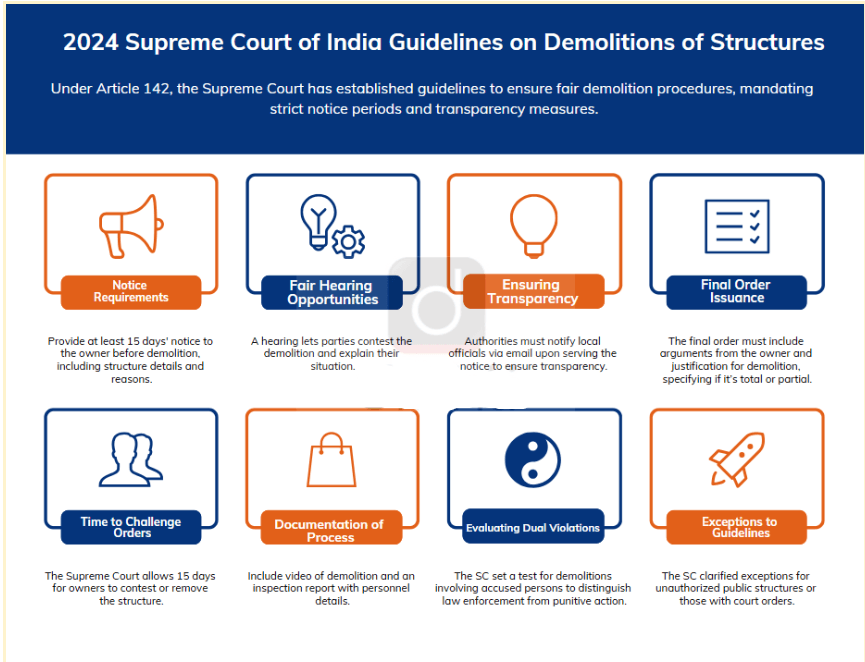
  • Article 21 right to shelter; demolition sans due process unconstitutional
  • UPUPD 1973 mandates personal service of notice; SC 2024 adds clear violation details, challenge window
  • Key precedents: Maneka Gandhi 1978, Olga Tellis 1985, KT Plantation 2011

Human Rights

  • Geneva Convention Article 87 bans collective punishment; arbitrary razing breaches norm
  • 7.38 lakh displaced in 2022-23; urban poor worst hit
  • Loss of livelihood, education disruption, mental trauma documented

Implementation Measures

  • SC awards monetary relief, labels action inhumane and illegal
  • Calls for codifying 2024 guidelines, framing national eviction law aligned with UN standards
  • Suggests tribunals, ADR, online demolition portal, rehabilitate-first policy with PM Awas Yojana

Key Data Points

FeatureData-Point
Demolition year2021
SC compensation ordered₹10 lakh per affected individual
Mandatory pre-demolition notice (SC 2024)15 days
Core statute breachedUP Urban Planning & Development Act 1973
Homes demolished 2022-23 (HLRN)1.5 lakh+
People displaced 2022-237.38 lakh

Related UPSC Prelims PYQs

CAPF_GAI 2023PYQ 1

The Judgment of the Supreme Court in Peoples’ Union for Civil Liberties v. Union of India 2004 is related to which of the following ?
GS-2Polity

2.Debate on genuine dual citizenship for Indians (Citizenship)

Indian Express

What & Where

Dual citizenship = legal nationality in two States; enables passports, political rights, unrestricted residence/employment.

India bars dual nationality; offers Overseas Citizenship of India (OCI) with visa-free entry but no political or land rights.

Indian diaspora ≈ 3.5 crore spread across US, Gulf, UK etc.; world’s largest remittance source to India.

Quick Facts for MCQs

Legal & Policy

  • Constitutional bar: Article 9 causes automatic loss of Indian nationality upon foreign naturalisation.
  • Democratic concern: Dual citizens voting/office-holding viewed as dilution of undivided allegiance.
  • Revocation issue: OCI status unilateral withdrawal creates insecurity, prompting demand for stronger legal certainty.

Economic Angle

  • Remittance weight: USD 129 billion exceeds FDI; dual citizenship could deepen economic ties and investments.
  • Emotional cost: 2.3 lakh Indians yearly renounce citizenship; dual nationality may stem outflow.
  • Soft power: Integrated diaspora projected as national asset for advocacy, market access, technology inflow.

Security Dimension

  • Partition precedent: Post-1947 clarity of citizenry guided strict single-nationality policy.
  • External influence: Fears of diaspora funding skewing domestic politics; “comprador class” risk highlighted.
  • Grey zones: Dual nationals in sensitive professions complicate legal jurisdiction during security breaches.

International Examples

  • Permissive models: US, Canada, Australia, UK, France, Germany allow dual nationality with safeguards.
  • Restrictive shift: US debates ending birthright citizenship, signalling tougher global migration environment.
  • Comparative lessons: Other nations manage security via tailored exclusions, suggesting feasibility for India.

Middle-path Reforms

  • OCI upgrade: Propose land-ownership relaxations, transparent due process for rejection or revocation.
  • Local participation: Permit OCI voting in panchayats; constitute Global-INK advisory councils without national franchise.
  • Selective dual: Restrict to strategic partner nations, exclude high offices and security-sensitive roles.

Key Data Points

FeatureData-Point
Indian diaspora size3.5 crore (≈1 in 40 Indians)
Remittances to India 2024USD 129 billion (global No. 1)
FDI inflows 2024USD 42 billion
Constitutional barArticle 9: foreign naturalisation ⇒ loss of Indian citizenship
OCI political rightsNo voting, no public-office eligibility

Related UPSC Prelims PYQs

CDS_GK, GS1 2020PYQ 1

Overseas Indians can exercise franchise in an election to the Lok Sabha under which of the following conditions?

CDS_GK, GS1 2021PYQ 2

With reference to India, consider the following statements:

GS-3Economy

3.Energy Statistics India 2025 key findings (Energy Statistics)

PIB
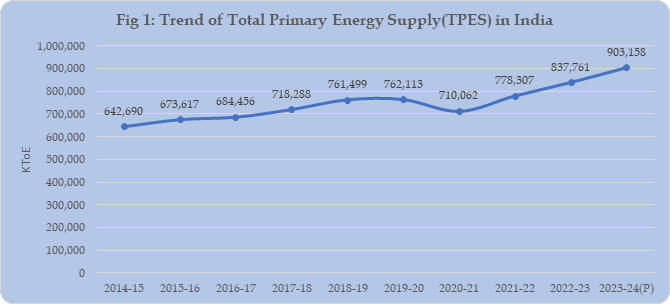
Illustration for Energy Statistics India 2025 key findings (Energy Statistics)

What & Where

Energy Statistics India 2025: annual NSO compendium on reserves, capacity, production & use across fuels.

Key processes tracked: Total Primary Energy Supply (TPES), sectoral consumption, renewable installation & generation.

Core geography focus: pan-India; highest renewables potential in Rajasthan, Maharashtra, Gujarat, Karnataka.

Quick Facts for MCQs

Supply & Demand

  • TPES rise reflects robust economic activity despite global headwinds.
  • Industrial sector remains dominant energy user, ahead of transport & residential.
  • Per-capita uptick signals expanding energy access and living standards.

Renewables Expansion

  • Installed green capacity jumped from 81 GW (2015) to 200 GW (2024).
  • Generation from renewables grew 85 % over 2014-15 baseline.
  • Wind retains largest untapped potential, surpassing solar & hydro.

State Distribution

  • Rajasthan leads renewable potential due to vast wind-solar resources.
  • Maharashtra, Gujarat, Karnataka collectively add ~30 % potential.
  • Policy incentives and land availability drive statewise capacity clustering.

Tech & Schemes

  • National Solar Mission, Green Hydrogen, FAME propel clean-energy shift.
  • PAT scheme links industrial efficiency to marketable energy-saving certificates.
  • ECBC sets mandatory standards for new commercial buildings.

Key Data Points

FeatureData-Point
TPES 2023-24 growth7.8 % YoY
Per-capita use 2023-2418,410 MJ
Per-capita CAGR 2014-242.55 %
Industrial demand 2023-243.12 lakh KToE
National renewable potential≈ 21 lakh MW
Wind share in potential55 %
Installed renewable capacity 2024~2 lakh MW
Renewable generation 2023-24~3.7 lakh GWh
Top state share in potentialRajasthan 20.3 %
Four-state combined share> 50 % total potential

Related UPSC Prelims PYQs

GEO_GS, GS1 2026PYQ 1

India's installed solar capacity in 2025 is close to

GEO_GS, GS1 2009PYQ 2

Which one of the following brings out the publication called "Energy Statistics" from time to time ?

GS-1HistoryQuick Bite

4.Postage stamp honours saint Mata Karma Bai (Bhakti Saints)

PIB

What & Where

Mata Karma (Karma Bai) – 11th-century Krishna devotee from present-day Jhansi, UP; khichdi-offering tradition

2025 commemorative postage stamp released on her 1009th birth anniversary by Department of Posts

Jagannath Temple, Puri, Odisha; 12th-century Kalinga-style Char Dham pilgrimage centre

Quick Facts for MCQs

Culture & Heritage

  • Khichdi offering by Karma Bai institutionalised at Puri since 11th century
  • Jagannath shrine revered as Char Dham; believed to spare devotees from Yamraj, hence Yamanika Tirtha
  • Annual Ratha Yatra draws global pilgrims, sustaining Vaishnavite continuity

Temple Architecture

  • Kalinga style: rekha deula tower, pidha deula mandapas, heavy sandstone use
  • Aruna Stambha monolithic chlorite pillar relocated from 13th-century Konark Sun Temple
  • Eastern Ganga dynasty blended Chalukyan influence with local Odishan motifs

Philately & Commemoration

  • Department of Posts issued commemorative stamp 2 Apr 2025 for Mata Karma’s 1009th birthday
  • Philately initiative highlights lesser-known Bhakti saints and related food traditions like khichdi

Key Data Points

FeatureData-Point
Birth year Karma Bai1017 AD
Birth placeJhansi, Uttar Pradesh
Commemoration1009th birth anniversary stamp, 2 Apr 2025
Primary deity servedLord Krishna
Jagannath Temple founderAnantavarman Chodaganga Deva
Completion underAnangbheema Deva III, 1230 AD
Architecture styleKalinga
Entrance pillar originAruna Stambha from Konark Sun Temple
Alternate temple nameYamanika Tirtha
Signature festivalAnnual Ratha Yatra
GS-1HistoryQuick Bite

5.Rana Sanga’s campaigns and Khanwa defeat (Rajput Leader)

The Hindu
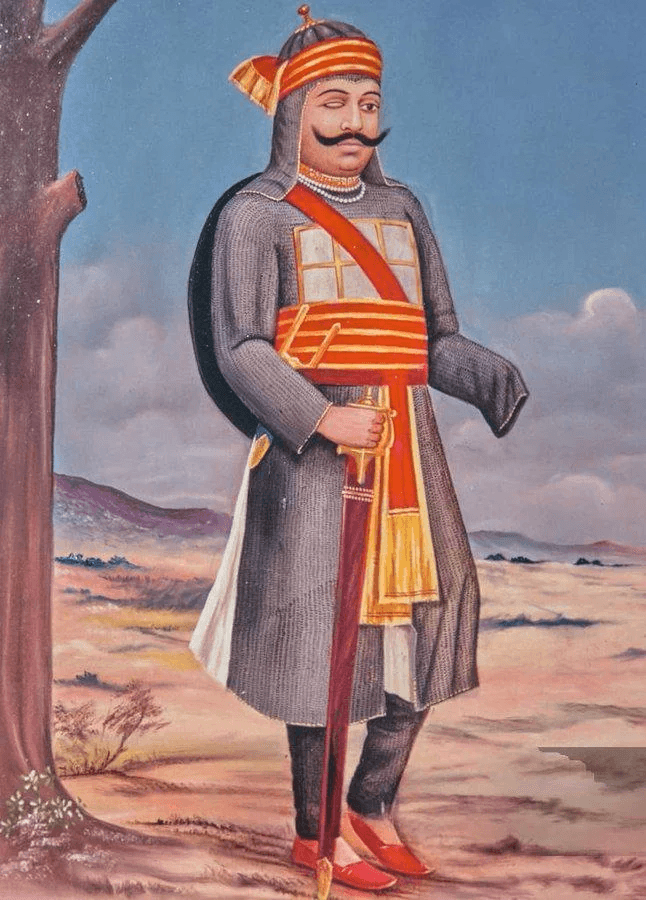
Illustration for Rana Sanga’s campaigns and Khanwa defeat (Rajput Leader)

What & Where

Identity: Maharana Sangram Singh (Rana Sanga), Sisodia Rajput ruler of Mewar, 1508 – 1528 CE

Geography: Domain spread over Rajasthan, Madhya Pradesh, Gujarat, parts of Uttar Pradesh & Haryana

Era: Early-16th-century North India, transitional phase before firm Mughal control

Quick Facts for MCQs

Military Campaigns

  • Battles: Khatoli 1517, Dholpur 1518, Gagron 1519 entrenched Rajput supremacy
  • Defeat: Khanwa 1527; Mughal artillery and internal betrayal decisive
  • Expansion: Consolidated territories across western, central and northern India

Political Context

  • Rivals: Challenged Delhi Sultan Ibrahim Lodi and Malwa Sultan Mahmud Khilji II
  • Timing: Reign overlapped Babur’s entry; Panipat 1526 reshaped power equations
  • Strategy: Led broad Rajput confederacy opposing Afghan-Mughal ascendancy

Legacy & Symbolism

  • Valor: Cited in Lok Sabha as enduring emblem of Rajput courage
  • Inspiration: Precedent for later Sisodia resistance under Rana Pratap

Key Data Points

FeatureData-Point
Birth–death1484 – 1527
ClanSisodia Rajput
Core kingdomMewar
Reign span1508 – 1528 CE
Major victoriesKhatoli 1517; Dholpur 1518; Gagron 1519
Opponents beatenIbrahim Lodi; Mahmud Khilji II
Decisive defeatKhanwa 1527 vs Babur
Legacy tagIcon of Rajput bravery

Related UPSC Prelims PYQs

GS1 2001PYQ 1

Assertion (A): The Battle of Khanua was certainly more decisive and significant than the First Battle of Panipat.

GS-1Environment

6.7.7-magnitude earthquake strikes Myanmar Sagaing fault (Earthquake Sagaing)

The Hindu
Illustration for 7.7-magnitude earthquake strikes Myanmar Sagaing fault (Earthquake Sagaing)

What & Where

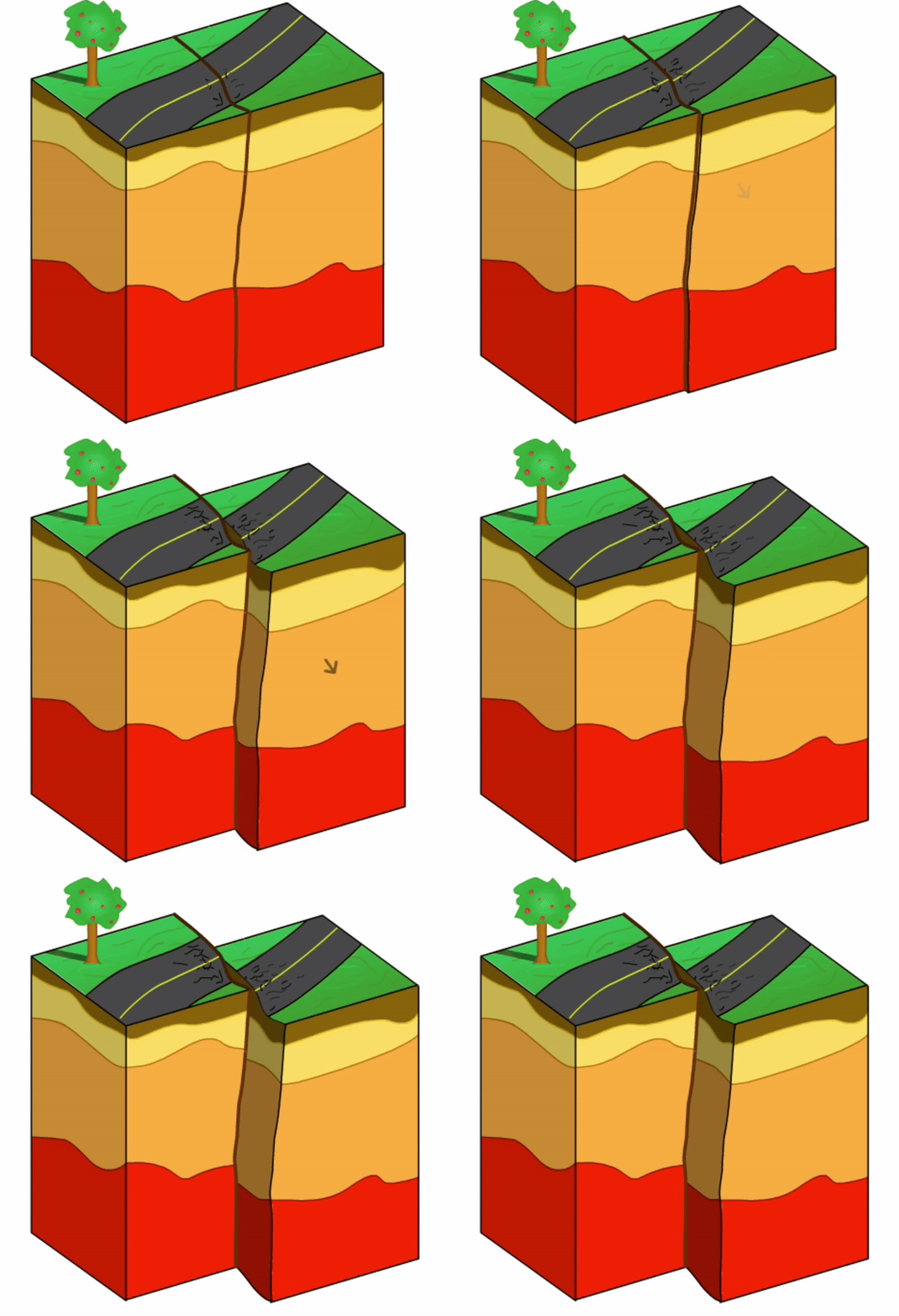
Sagaing Fault, 1 500 km Myanmar transform boundary, among world’s longest active strike-slip systems

Indian plate drifts northward against Eurasian, stress buildup released as 7.7 Mw Mandalay quake

Motion type right-lateral strike-slip, mainly horizontal crustal displacement

Quick Facts for MCQs

Tectonic Setting

  • Transform boundary mechanics dominate Sagaing system separating Indian and Eurasian plates
  • System classed as right-lateral similar to California’s San Andreas example mentioned
  • Length and activity place it among world’s longest active strike-slip faults

Disaster Response

  • India activated Operation Brahma, reaffirming regional First Responder tag
  • Relief convoy comprised INS Satpura, Savitri, Karmuk missile corvette and LCU-52 utility craft
  • Cargo included essential relief stores for humanitarian assistance and disaster relief to Yangon

Fault Classification

  • Normal fault, dip-slip extension, hanging wall moves down, rift settings
  • Reverse or thrust fault, compression pushes hanging wall above footwall, subduction cases like Japan
  • Strike-slip fault, horizontal sliding, displacement direction defines right or left lateral

Key Data Points

FeatureData-Point
Magnitude7.7 Mw
Fault length1 500 km
Fault typeRight-lateral strike-slip
Plate boundaryIndian ↔ Eurasian
HADR missionOperation Brahma
Relief vesselsINS Satpura, INS Savitri, INS Karmuk, LCU-52
Key city affectedMandalay, central Myanmar
GS-3EnvironmentQuick Bite

7.Education ministry bans asbestos in central schools (Asbestos Ban)

Indian Express
Illustration for Education ministry bans asbestos in central schools (Asbestos Ban)

What & Where

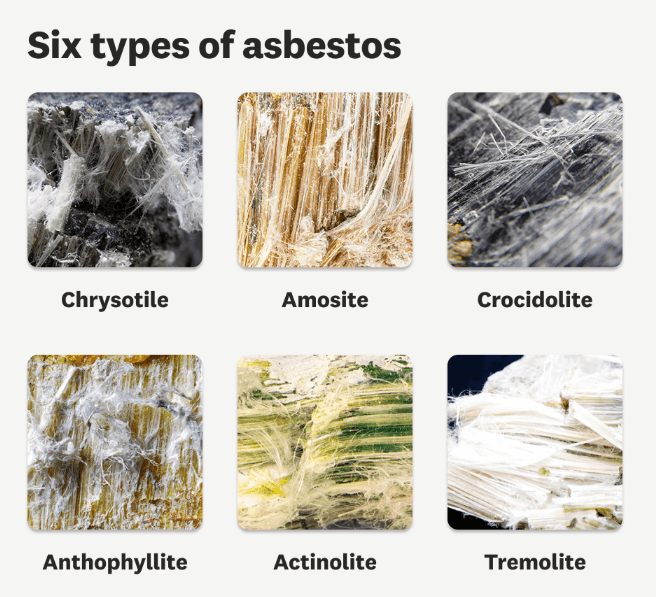
Asbestos mineral fiber; six forms; valued for heat and corrosion resistance

Chrysotile white asbestos; most used variant in construction and automobile friction parts

Education Ministry India; bans asbestos in Kendriya Vidyalaya & Jawahar Navodaya Vidyalaya construction and refurbishment

Quick Facts for MCQs

Health Impact

  • Carcinogenicity causes lung cancer, mesothelioma, chronic respiratory illness
  • Mortality exceeds 200,000 deaths worldwide each year

Legal & Policy

  • Factories Act 1948 lists asbestos manufacture, handling, processing as hazardous
  • Mining ban in India continues alongside regulated chrysotile imports
  • Education Ministry 2025 order targets cancer-free learning spaces in central schools

International Examples

  • Global bans exceed 65 nations citing severe health risks
  • WHO calls for elimination of asbestos related diseases worldwide

Key Data Points

FeatureData-Point
Carcinogen groupIARC Group 1
Annual global deaths200,000 +
Countries with total banOver 65
Indian mining statusExtraction banned; imports allowed
Indian use focusChrysotile in asbestos-cement roofing
Governing safety lawFactories Act 1948 (hazardous process)
New ban coverageKV & JNV buildings
GS-3EnvironmentQuick Bite

8.Mass coral bleaching hits Australian reefs (Coral Bleaching)

The Hindu
Illustration for Mass coral bleaching hits Australian reefs (Coral Bleaching)

What & Where

Coral bleaching: stress-induced zooxanthellae expulsion, whitening corals; dominant trigger – elevated sea-surface temperatures.

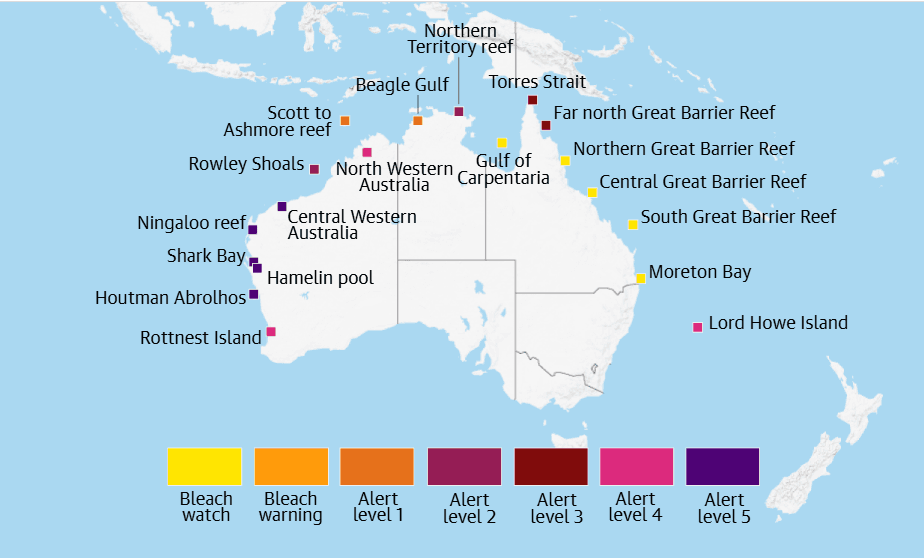
Event: 2023-25 worst mass bleaching hitting Australia’s Great Barrier & Ningaloo Reefs during prolonged marine heatwaves.

Geography: Great Barrier off Queensland, 2 300 km; Ningaloo 300 km fringing reef along Western Australia’s Indian-Ocean coast.

Quick Facts for MCQs

Environmental Impact

  • Marine heatwaves push SST above bleaching threshold for consecutive weeks.
  • Zooxanthellae loss starves corals, leading to tissue death if stress persists.
  • Repeated bleaching reduces reef carbonate build-up, weakening coastal protection.

Biodiversity

  • Ningaloo hosts endemic reptiles: Exmouth Spiny-tailed Gecko, Western Netted Dragon, West Coast Banded Snake.
  • Great Barrier shelters dugong, green turtle, >1 500 fish species.
  • Seasonal 300-500 whale sharks enrich Ningaloo megafauna diversity.

Conservation Status

  • UNESCO listings: GBR 1981, Ningaloo 2011 under natural criteria vii, viii, x.
  • Ongoing bleaching spurs global pressure for stronger climate-mitigation actions.
  • Australian agencies running aerial & in-water surveys to gauge damage, plan response.

Key Data Points

FeatureData-Point
Bleaching-level heat stress83.6 % global reefs (since 2023)
Countries reporting bleaching81
Great Barrier length2 300 km
Great Barrier UNESCO year1981
Ningaloo length300 km
Ningaloo UNESCO year2011
Reef type (Ningaloo)Fringing reef
Annual whale sharks300–500 at Ningaloo
Endangered GBR faunaDugong; Green turtle

Related UPSC Prelims PYQs

CDS_GK, NDA_GAT 2021PYQ 1

Keppel Island is completely bleached mainly due to the expansion of

CDS_GK, NDA_GAT 2020PYQ 2

The largest barrier reef system in the world is found at

Ready to practice?

Test your knowledge with our UPSC test series.

Start Free Trial