UPSC Current Affairs

16 topicsGS-1: 4GS-2: 3GS-3: 9
0/16 done
GS-2Polity

1.Tribhuvan Sahkari University Bill (Cooperative University)

The Hindu

What & Where

Tribhuvan Sahkari University — India’s first national cooperative university, cleared by Lok Sabha, April 2025.

Located Anand, Gujarat; enjoys all-India training, affiliation and certification mandate.

Outputs degree–PhD programmes, targets 8 lakh certified cooperative professionals each year.

Quick Facts for MCQs

Legal & Policy

  • 97th Amendment 2011 made forming cooperatives a Fundamental Right under Article 19(1)(c).
  • Cooperative Societies Act 1912 (state) and MSCS Act 2002 (multi-state) provide legislative framework.
  • MSCS Amendment 2023 tightens audit, election, dispute-resolution norms for transparency.

Institutional Setup

  • University affiliates existing cooperative training institutes nationwide for standard curricula.
  • Offers diplomas, degrees, PhDs focused on management, finance, governance of cooperatives.
  • Governance model via society registration confers functional autonomy and flexibility.

Socio-Economic Rationale

  • Cooperatives bolster rural credit, dairy, marketing, housing, financial inclusion nationwide.
  • Current NCDC/NCUI training reach limited versus 8.5 lakh registered societies.
  • New university expected to professionalise sector, improve managerial capacity, spur rural development.

Key Data Points

FeatureData-Point
Establishing lawTribhuvan Sahkari University Bill 2025
Registration ActSocieties Registration Act 1860
NamesakeAmul founder Tribhuvan Kashibhai Patel
Planned annual certifications8 lakh persons
Apex training bodies nowNCDC; NCUI
Constitutional backingArt 19(1)(c), 97th Amendment 2011
Multi-State law reformMSCS Amendment Act 2023
GS-3Economy

2.NITI-NCAER States Economic Portal (State Data Portal)

The Hindu
Illustration for NITI-NCAER States Economic Portal (State Data Portal)

What & Where

Digital portal housing 30-year state-wise socio-economic, fiscal datasets (1990-91–2022-23)

Jointly developed by NITI Aayog and National Council of Applied Economic Research

Covers 28 Indian States; launched by Ministry of Finance for evidence-based policymaking

Quick Facts for MCQs

Tech & Schemes

  • Dashboard feature visualises key trends, offers downloadable graphs and datasets
  • Data repository supplies raw, categorised files under five predefined verticals

Economic Angle

  • Benchmarking enables inter-state and state-vs-national comparisons of growth and finances
  • Insight support for fiscal reforms, development planning, public finance optimisation

Governance & Federalism

  • Transparency boost encourages cooperative federalism through open, comparable statistics
  • Resource aids policymakers, academics, journalists in informed, data-driven dialogue

Key Data Points

FeatureData-Point
Portal nameNITINCAER States Economic Forum
Launch authorityFinance Minister, Government of India
DevelopersNITI Aayog + NCAER
Data coverage years1990-91 to 2022-23
States included28
Repository verticalsDemography, Economic Structure, Fiscal, Health, Education

Related UPSC Prelims PYQs

ESE_GS, NDA_GAT 2024PYQ 1

Which one of the following Institutions launched Centre of Data for Public Good (CDPG) for multidisciplinary research, bringing together experts from academia, industry, and Government to harness the power of data to benefit the public?

ESE_GS, NDA_GAT 2025PYQ 2

Under which one of the following initiatives does the NITI Aayog support interested States to establish a State Institution for Transformation (SIT)?

GS-1History

3.Harichand Thakur Legacy (Matua Movement)

PIB

What & Where

Harichand Thakur: Bengal Vaishnavite reformer (1812-1878), founded Matua/Namasudra anti-caste movement.

Birthplace: Orakandi, present Gopalganj district, Bangladesh; venerated as Vishnu-Krishna avatar by SC peasants.

Matua Dharma Maha Mela: annual religious-cultural fair; 2025 edition marked 27 March, heritage sites Orakandi & West Bengal.

Quick Facts for MCQs

Social Reform

  • Anti-caste: rejected Brahmanical hierarchy, promoted dignity through bhakti.
  • Inclusivity: opened kirtan halls to all oppressed communities.
  • Education: Guruchand led pathsala, temperance, widow-remarriage drives.

Demographic Significance

  • Population: second-largest SC bloc in West Bengal after Rajbanshis.
  • Geography: high concentration North 24 Parganas, Nadia, South 24 Parganas.
  • Politics: swing influence across 40+ assembly constituencies.

Migration & Citizenship

  • Exodus: large inflows post-1947 Partition and 1971 war.
  • Refugee colonies: settled around Kolkata, Dinajpur, Cooch Behar.
  • CAA: viewed as legal pathway for undocumented Matua migrants.

Events & Festival

  • Maha Mela: week-long kirtan, mass baptism, communal feast at Thakurbari.
  • Timing: 12th day of Chaitra per Bengali lunar calendar.
  • State support: rail concessions, security deployment, cultural grants each year.

Key Data Points

FeatureData-Point
Birth year1812
Death year1878
Anniversary in 2025214th
Founding sectNamasudra (Matua)
Core doctrineReformist Vaishnavism, anti-caste
Birthplace country (today)Bangladesh
Key follower baseSC groups Namasudras, Malis, Telis
Son & successorGuruchand Thakur
Missionary collaboratorCecil Silas Mead
Major festivalMatua Dharma Maha Mela
WB SC share (Matua)17.4 %
Larger SC groupRajbanshis
Mass migration phase1971 Bangladesh Liberation War
Citizenship stanceSupports CAA enactment
PM tribute date27 Mar 2025

Related UPSC Prelims PYQs

CAPF_GAI 2021PYQ 1

Who among the following founded the Dharma Sabha?

GS-1Environment

4.Naini Lake Geographic Features (Tectonic Lake)

Indian Express

What & Where

Natural freshwater, tectonic-origin crescent lake in central Nainital, Kumaon, Uttarakhand

Sandwiched between Mallital (north) & Tallital (south); linked by bridge hosting world’s only lake-bridge post office

Third-largest Uttarakhand lake by surface area; encircled by seven hills incl. Naina Peak, Tiffin Top, Snow View

Quick Facts for MCQs

Hydrology & Supply

  • Groundwater; subsurface exchanges contribute half total inflow–outflow cycle
  • Drainage; 26 drains deliver surface runoff, Balia Nala sole perennial feeder
  • Dependency; town secures three-quarters drinking water directly from lake

Environmental Concern

  • Snowfall-decline; warmer winters shrinking recharge, lowering lake depth
  • Construction; unregulated hill-slope development impairing catchment infiltration
  • Climate-shift; altered hydrology triggering anticipated summer water scarcity

Historical & Cultural

  • Colonial-genesis; 1839 discovery spurred British hill-station development
  • Heritage; lake central in Kumaoni folklore, literature, tourism economy
  • Landmark; Mallital–Tallital bridge post office symbolises unique postal heritage

Key Data Points

FeatureData-Point
Origin typeTectonic, freshwater
Shape causeRepeated landslides; crescent form
Surface-area rank in state3rd largest
Surrounding hillsSeven
Fed drains count26
Main perennial streamBalia Nala
Subsurface inflow–outflow share≈50 %
Municipal drinking water share~76 %
Unique structureWorld’s only post office on lake bridge
First documentedP. Barron, 1839
Current water level (2024)4.7 ft; five-year low

Related UPSC Prelims PYQs

GS1 2018PYQ 1

निम्नलिखित में से कौन-सी एक कृत्रिम झील है?

GS-1Mapping

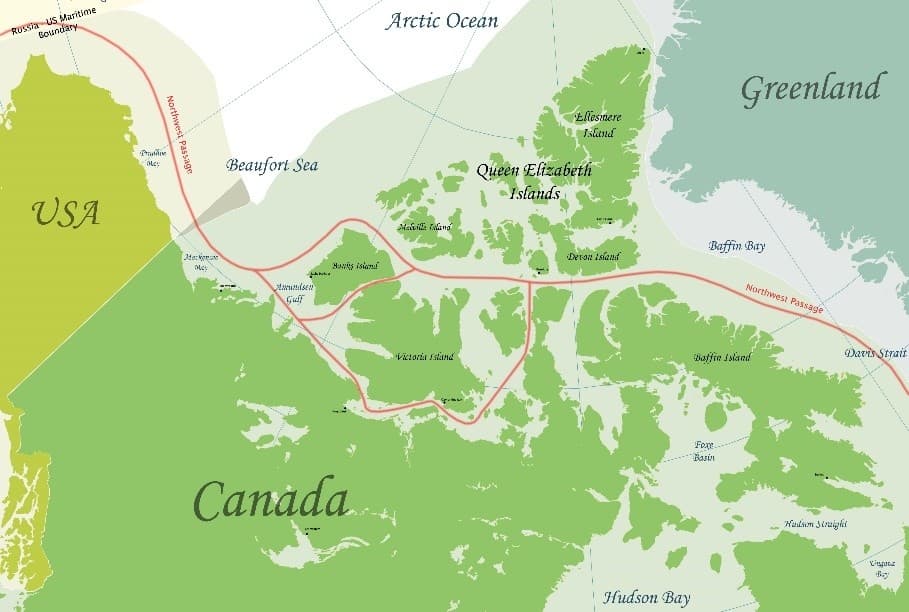
5.Arctic Northwest Passage Dispute (Arctic Route)

The Hindu
Illustration for Arctic Northwest Passage Dispute (Arctic Route)

What & Where

Arctic: polar zone north of 66°30′ N, spanning Canada, Denmark/Greenland, Finland, Iceland, Norway, Russia, Sweden, USA.

Northwest Passage: Atlantic–Pacific sea route through Canada’s Arctic Archipelago, increasingly ice-free in summer.

Arctic Council: 1996 Ottawa forum coordinating eight Arctic states on environment, development, indigenous issues.

Quick Facts for MCQs

Legal & Policy

  • Canada asserts Northwest Passage internal waters under UNCLOS Article 8; regulates navigation.
  • US, EU label route an international strait granting transit passage rights.
  • Absence of Antarctic-style demilitarized treaty leaves Arctic governance fragmented.

Environmental Impact

  • Arctic sea-ice melt lengthens summer navigability of passages, sharpening jurisdictional disputes.
  • Rapid warming threatens permafrost, tundra, indigenous livelihoods.
  • Climate change opens access to previously locked hydrocarbons and fisheries.

Economic Angle

  • Region holds estimated 13 % oil and 30 % gas of global undiscovered reserves.
  • Trans-Arctic route can cut Europe–Asia voyages by ~40 % versus Suez Canal route.
  • Rare earths, seafood, cruise tourism drive intensified commercial interest by Arctic and observer states.

Key Data Points

FeatureData-Point
Arctic Circle latitude66°30′ N
Arctic countries8
Undiscovered global oil13 %
Untapped global gas30 %
Warming speed vs world~4 × faster
Main Arctic routesNorthwest & Northeast Passages
Northwest Passage claimCanada-internal; US-international strait
Governing treatyNone; falls under UNCLOS
Arctic Council founding1996, Ottawa Declaration
Council membersCanada, Denmark, Finland, Iceland, Norway, Russia, Sweden, USA

Related UPSC Prelims PYQs

GS1 2014PYQ 1

Consider the following countries:

GS1 2022PYQ 2

Which one of the following statements best describes the ‘Polar Code’?

GS-3Environment

6.Nagarahole National Park Overview (Tiger Reserve)

The Hindu
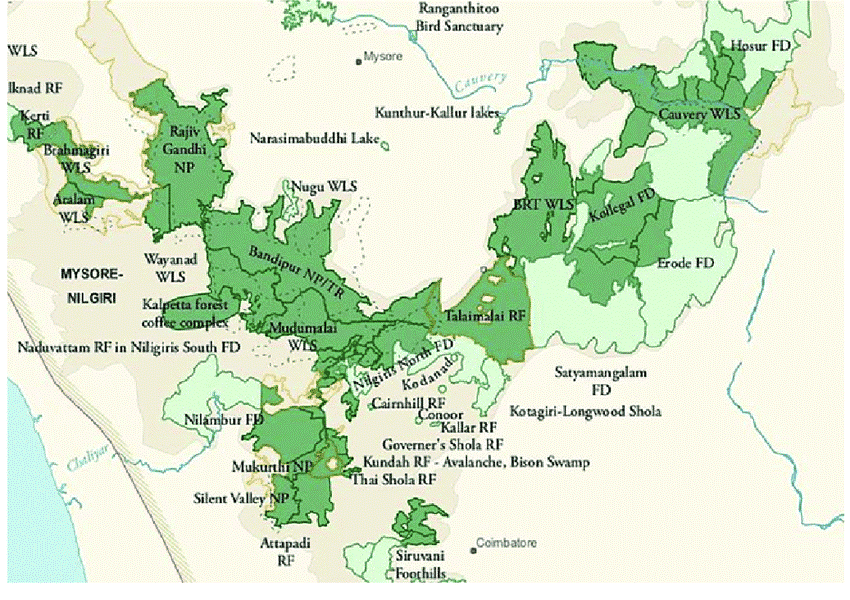
Illustration for Nagarahole National Park Overview (Tiger Reserve)

What & Where

Tiger Reserve in Western Ghats, officially Rajiv Gandhi NP, notified under Project Tiger.

Lies in Kodagu & Mysuru districts, Karnataka; 847.98 km² (core 643.39, buffer 204.59).

Borders Bandipur TR & Wayanad WLS, forming key elephant–tiger corridor.

Quick Facts for MCQs

Legal & Policy

  • Notification sequence: Sanctuary 1955 → National Park 1988 → Tiger Reserve 1999.
  • Governed by Karnataka Forest Department under Wildlife (Protection) Act.
  • Core–buffer zoning legally published, restricting diversion.

Flora & Fauna

  • Vegetation: teak–rosewood–sandalwood stands, swampy Hadlu grasslands.
  • Carnivores: tiger, leopard, dhole; Herbivores: gaur, sambar, chital, muntjac, mouse-deer.
  • Endemic primate: South-western langur underscores Western Ghats importance.

Hydrology

  • Nagarahole stream bisects park; name means Serpent River.
  • Kabini backwaters ensure year-round water, crucial during dry spells.
  • Seasonal inundation sustains nutrient-rich swamp grasslands for herbivores.

Ecological Significance

  • Contiguity with Bandipur & Wayanad secures 6,000 km² predator–prey landscape.
  • Corridor supports genetic flow for elephants across Ghats–Mysore plateau.
  • High biodiversity underpins UNESCO World Heritage site candidature of Western Ghats.

Current Concern

  • Proposed land grants inside core Hadlu swamps raise habitat-fragmentation fears.
  • Potential loss of forage wetlands could push elephants toward conflict zones.
  • Conservationists cite WLPA ban on non-forest use of critical core areas.

Key Data Points

FeatureData-Point
Sanctuary notification1955
National Park status1988
Tiger Reserve tag1999
Total area847.98 km²
Core : Buffer643.39 : 204.59 km²
States coveredKarnataka only
Main riversNagarahole, Kabini, Taraka
Northern boundaryKabini River
Major habitatsMoist & dry deciduous, Hadlu swamps
Biosphere linkPart of Nilgiri BR
Flagship faunaTiger, Asiatic elephant
Unique noteWorld’s largest Asiatic elephant herd

Related UPSC Prelims PYQs

GS1 2020PYQ 1

Which of the following Protected Areas are located in Cauvery basin ?

GS1 2017PYQ 2

From the ecological point of view, which one of the following assumes importance in being a good link between the Eastern Ghats and the Western Ghats ?

GS-3Environment

7.WHO Air Pollution Health Conference (WHO Air Pollution)

WHO

What & Where

WHO-led Second Global Conference on Air Pollution & Health, high-level platform on air pollution, energy poverty, public health

Held March 2025, Cartagena (Colombia); co-hosted by WHO and Colombian Government

Builds on first edition (Geneva 2018); central aim—halve 2015-level air-pollution deaths by 2040

Quick Facts for MCQs

Goals & Timelines

  • Mortality: 50 % reduction by 2040, science-based coordinated action
  • Cities: 2030 commitment to WHO Air Quality Guidelines via BreatheLife pledges
  • Equity: Align clean-air goals with gender justice and climate objectives

Energy & Equity

  • Transition: Advocate clean, affordable energy to eradicate energy poverty
  • Justice: Support “just transition” ensuring vulnerable groups benefit from cleaner fuels
  • Empowerment: Enable local governments to finance and implement clean-energy solutions

Research Focus

  • Health-impacts: Present evidence on brain development, mental health, paediatric outcomes
  • Evidence-sharing: Encourage data-driven policymaking across sectors
  • Co-benefits: Highlight simultaneous gains for climate mitigation and public health

Key Data Points

FeatureData-Point
Conference editionSecond (after 2018)
Host city 2025Cartagena, Colombia
Host agenciesWHO + Govt of Colombia
Conference month/yearMarch 2025
Global mortality goal50 % cut by 2040 vs 2015
Flagship city exampleLondon Ultra-Low Emission Zone (ULEZ)
Outreach campaignBreatheLife
First conference30 Oct–1 Nov 2018, WHO HQ Geneva
GS-3Environment

8.Illegal Light Fishing Threat (Light Fishing Ban)

Down to Earth
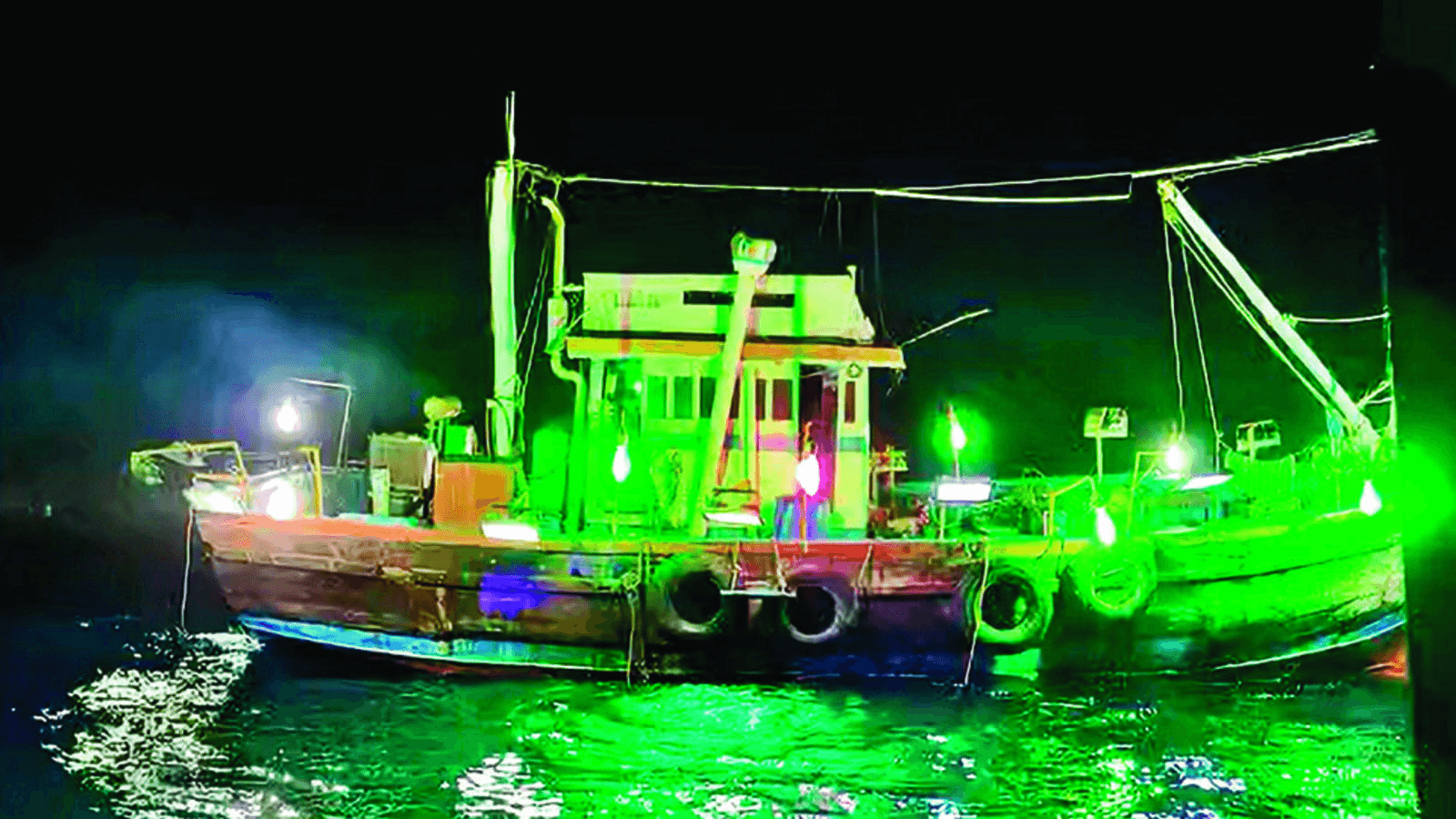
Illustration for Illegal Light Fishing Threat (Light Fishing Ban)

What & Where

Light fishing: deploying high-intensity LEDs/generators at night to lure fish/squid to surface for trawling.

Geography: Reported along India’s 7,500-km coastline; hotspots- Andhra Pradesh, Tamil Nadu, Maharashtra, Kerala.

Legal zone: Ban inside Exclusive Economic Zone (EEZ) since 2017; states control territorial waters (0-12 nm).

Quick Facts for MCQs

Environmental Impact

  • Depletion: Indiscriminate catch of juveniles lowers future stock, weakens food web.
  • Habitat-loss: Continuous illumination stresses coral reef ecosystems.
  • Cascade: Squid decline affects higher predators, disrupting trophic balance.

Legal & Policy

  • Prohibition: NPMF 2017 labels light fishing “destructive practice”, bans in EEZ.
  • Gap: Tamil Nadu, Andhra Pradesh allow partial use; Maharashtra targets only trawling.
  • Reform-need: Proposal for nationwide uniform ban covering 0-200 nm.

Enforcement Gaps

  • Capacity: Patrolling beyond 5 nm weak; activity mostly 5-12 nm.
  • Deterrence: Low fines versus high profits undermine compliance.
  • Coordination: Fragmented Coastal Police, Fisheries Dept, Coast Guard operations.

Economic Angle

  • Inequity: Mechanised trawlers with LEDs outcompete traditional small boats, fuelling conflicts.
  • Transition: PM Matsya Sampada Yojana could fund eco-friendly gear, alternate livelihoods.
  • Tech-driver: Cheap LEDs and portable generators spur rapid adoption.

International Examples

  • Benchmark: Japan, Italy impose seasonal/depth limits on light fishing.
  • Lesson: Adaptive, science-based quotas balance biodiversity with fisher income.

Key Data Points

FeatureData-Point
National ban notifiedNational Policy on Marine Fisheries (NPMF) 2017
EEZ coverage12–200 nautical miles from baseline
State jurisdiction clauseEntry 21, State List, 7th Schedule
Coastal police reach≤ 5 nautical miles
Typical fine (Karnataka)₹16,000 per offence
Profit from one light-fishing tripUp to ₹1 lakh
Key species attractedSquid (soft-bodied mollusk)
SDG linkageSDG-14 : Life Below Water
GS-3S&T

9.Vibe Coding Concept (AI-assisted Coding)

CNBC

What & Where

Definition: Casual, intuition-driven coding where AI turns plain-language prompts into executable code

Process: User states desired functionality; tools like ChatGPT, Cursor, Sonnet auto-generate, user copies-runs with minimal review

Popularisation: Term trended after OpenAI co-founder demo; spreading worldwide for hobby, prototype, weekend hacks

Quick Facts for MCQs

Accessibility & Learning

  • Inclusion: Opens coding to beginners without CS background, attracting non-traditional learners
  • Education: Encourages playful experimentation over formal logic drills, nurturing early tech curiosity

Development Process

  • Reliance: Heavy dependence on AI suggestions for writing, debugging, refactoring code
  • Review: Users often accept all AI changes without meticulous verification

Limitations & Risks

  • Quality: Generated code may be inefficient, insecure, poorly performing in production scenarios
  • Blindspots: Limited user understanding hampers maintenance, scalability, and compliance checks

Use-Cases

  • Prototyping: Fits quick MVPs, small utilities, weekend app or game experiments
  • Automation: Allows seasoned developers to offload repetitive snippets, focusing on complex tasks

Key Data Points

FeatureData-Point
Core approachPrompt-based generation
Primary toolsChatGPT, Cursor, Claude Sonnet
Underlying skillsMinimal syntax knowledge
Ideal projectsLow-risk creative/personal tasks
Main concernsEfficiency, security, performance gaps
Debug methodAI-assisted trial-and-error
GS-3S&T

10.Indo-US Small Modular Reactor Deal (Small Modular Reactors)

Times of India
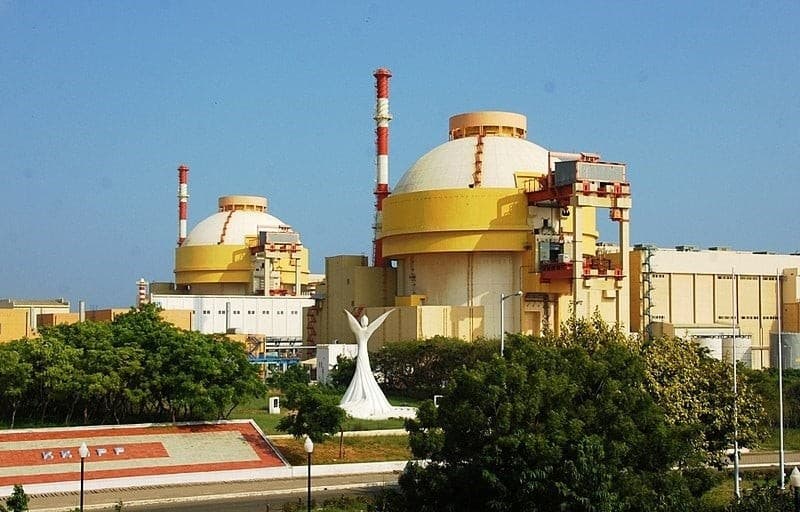
Illustration for Indo-US Small Modular Reactor Deal (Small Modular Reactors)

What & Where

Small Modular Reactors (SMRs): factory-built ≤300 MWe nuclear units; now cleared for Indo-US technology transfer

10CFR810 licence: US export-control rule; Holtec granted 10-year approval for India, reviewed every 5 years

Key sites: Kovvada (AP) six 1208 MWe units; Kakrapar, RAPP, Jaduguda mine strengthen domestic programme

Quick Facts for MCQs

International Collaboration

  • Holtec SMR transfer enables first US-designed reactors to be co-developed and manufactured in India
  • Initiative follows 2025 Modi–Trump Energy Security Dialogue on resilience and decarbonisation
  • Retransfer barred; Indian firms need prior US consent for onward sharing

Legal & Policy

  • Atomic Energy Act 1962 curtails private investment; amendments under study to widen participation
  • ASHVINI JV (NPCIL–NTPC) operates within current legal framework
  • Regular 10CFR810 compliance audits mandated for Indian recipients

Capacity & Projects

  • Nuclear capacity rose 4,780 MW (2014) to 8,180 MW (2025); 24 reactors in operation
  • Kovvada plans six 1208 MWe Westinghouse AP1000-class reactors
  • Kakrapar 3 & 4 (700 MWe PHWRs) showcase full indigenous design

Challenges

  • High capital and long gestation; public opposition persists post-Fukushima
  • Uranium import dependence; thorium cycle still in R&D stage
  • Multi-agency clearances delay builds; Kovvada start stalled by regulatory layers

Way Forward

  • Fast-track five indigenous SMRs by 2033; earmark ₹20,000 crore
  • Build domestic component and fuel supply chains under Make-in-India
  • Enhance public outreach on safety; repurpose retired coal plants for SMR siting

Key Data Points

FeatureData-Point
Indo-US civil nuclear pact123 Agreement (2007)
US exporter clearedHoltec International
Indian partnersL&T, Tata Consulting Engineers, Holtec Asia
Regulation cited10CFR810
Approval validity10 years; review in 5th
Installed nuclear capacity 20258,180 MW (24 reactors)
Planned nuclear target100 GW by 2047
Net-zero commitment2070
PFBR milestone year2024
New uranium findJaduguda life +50 yrs

Related UPSC Prelims PYQs

GS1, NDA_GAT 2025PYQ 1

The Joint Venture named ‘ASHVINI’ to develop nuclear power facility in India is between

GS1, NDA_GAT 2020PYQ 2

In India, why are some nuclear reactors kept under “IAEA Safeguards” while others are not?

GS-3S&TQuick Bite

11.Transgenic Research Applications (Transgenic Mice)

The Hindu
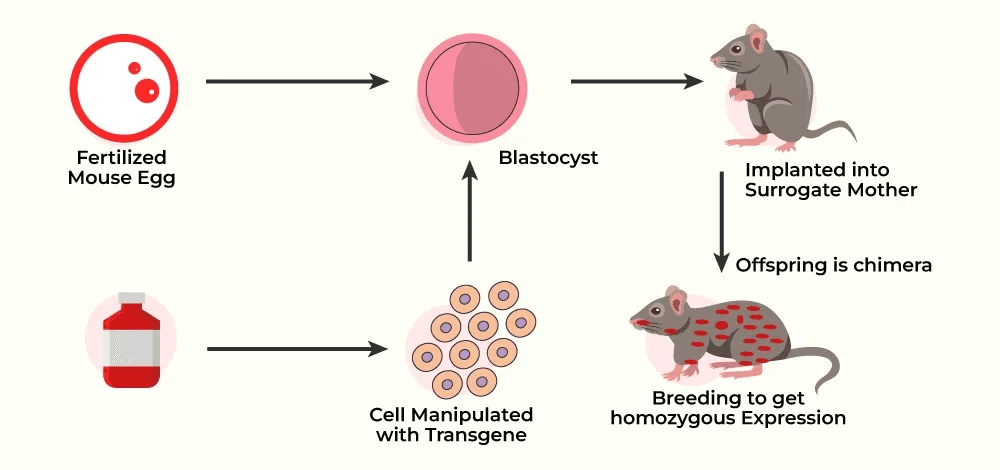
Illustration for Transgenic Research Applications (Transgenic Mice)

What & Where

Transgenic research, laboratory insertion of foreign DNA across species to alter genome

Core subjects include transgenic animals, plants, microorganisms for genetic studies, disease models, biotech traits

India context, only Bt-cotton commercialised, oversight by Genetic Engineering Appraisal Committee under MoEFCC

Quick Facts for MCQs

Research Applications

  • Gene function mapping, disease mechanism exploration using transgenic mice
  • Cancer research models, hereditary disorder simulations, reproductive biology insights
  • Agriculture trait enhancement, pharmaceutical protein production, vaccine development prospects

Indian Scenario

  • Cotton only commercially cultivated transgenic crop till date
  • Multiple GM food crops in confined field trials under regulatory scrutiny
  • Public debate on food safety, biodiversity impact influences policy pace

Regulatory Oversight

  • Genetic Engineering Appraisal Committee evaluates environmental impact, large-scale deployment proposals
  • GEAC operates under Environment Protection Act 1986 and Rules 1989
  • Approvals cover laboratory work, confined trials, commercial release decisions

Key Data Points

FeatureData-Point
Word rootsLatin trans = across, genic = genes
Classic model organismTransgenic mouse
First Indian GM cropBt-cotton (2002)
Only transgenic crop in marketsCotton
Apex regulatory bodyGEAC
Parent ministryMoEFCC
GEAC mandateEnvironmental appraisal of GM research, field & industrial use

Related UPSC Prelims PYQs

CDS_GK, GS1 2022PYQ 1

अनुवांशिककृत संशोधित जीवों के विषय में निम्नलिखित में से कौन-सा एक कथन सही नहीं है?

CDS_GK, GS1 2014PYQ 2

Consider the following techniques/phenomena :

GS-2Misc

12.Sixth BIMSTEC Summit Bangkok (BIMSTEC Summit)

DD News
Illustration for Sixth BIMSTEC Summit Bangkok (BIMSTEC Summit)

What & Where

Regional grouping uniting seven Bay-of-Bengal littorals from South and Southeast Asia for technical and economic cooperation

Geographical span covers Bangladesh, Bhutan, India, Myanmar, Nepal, Sri Lanka, Thailand; Secretariat in Dhaka

Sixth Summit scheduled 4 Apr 2025, Bangkok; theme Prosperous, Resilient, and Open BIMSTEC

Quick Facts for MCQs

Institutional Evolution

  • 1997 foundation through Bangkok Declaration
  • 2004 Nepal and Bhutan joined, final acronym BIMSTEC adopted
  • Secretariat operational 2014; Charter 2022 granted legal status

Summit 2025 Agenda

  • Adoption targets include Bangkok Vision 2030 roadmap
  • Members expected to sign Maritime Transport Agreement boosting connectivity
  • Theme highlights prosperity, resilience and openness post-pandemic

Geostrategic Importance

  • Bridge role links SAARC and ASEAN architectures in Bay-of-Bengal rim
  • Platform vital for Indo-Pacific maritime security and counter-terror cooperation
  • Offers alternative to stalled SAARC for India’s Neighbourhood First & Act East policies

Sectoral Cooperation

  • Cooperation now streamlined into seven pillars after 2021 review
  • Priority areas cover trade, technology, energy, transport, environment, security, people-to-people
  • Each member leads or co-leads assigned sector ensuring shared ownership

Key Data Points

FeatureData-Point
Established6 June 1997, Bangkok Declaration
Original nameBIST-EC
Renamed BIMST-EC22 Dec 1997 with Myanmar
Full members7
HQDhaka, Bangladesh (operational 2014)
Chair rotationAlphabetical order
Charter year2022
Core sectors7 (after 2021 rationalisation)
Next summit6th, 4 Apr 2025 Bangkok

Related UPSC Prelims PYQs

CAPF_GAI, GS1 2025PYQ 1

BIMSTEC के संदर्भ में, निम्नलिखित कथनों पर विचार कीजिए :

CAPF_GAI, GS1 2022PYQ 2

Which of the following sets of nations are members of the BIMSTEC Initiative?

GS-3Security

13.Resurgent Balochistan Insurgency (Baloch Insurgency)

The Hindu
Illustration for Resurgent Balochistan Insurgency (Baloch Insurgency)

What & Where

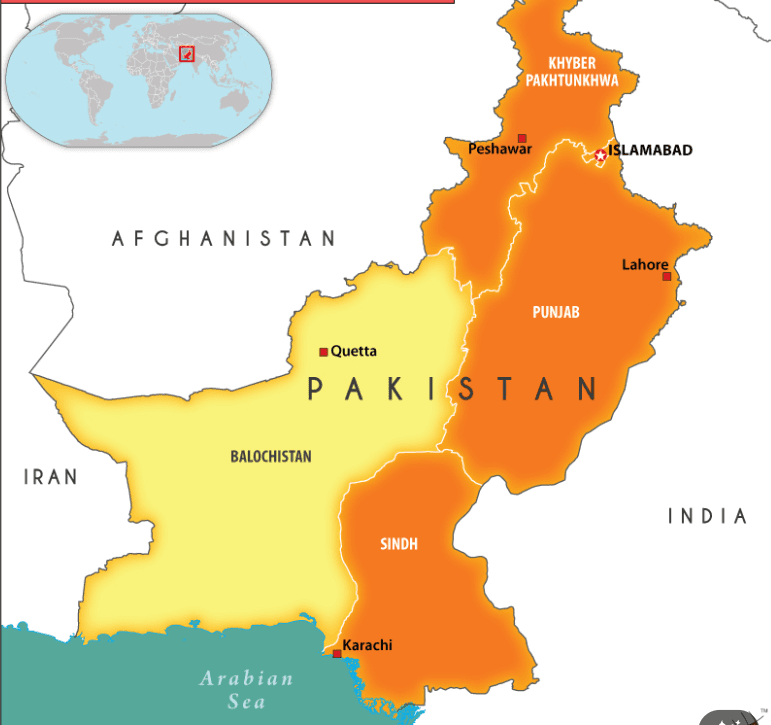
Province: Balochistan—Pakistan’s south-west flank abutting Afghanistan, Iran, Punjab, Sindh and Arabian Sea.

Scale: 44 % national land, 5 % population; gas-, coal-, gold-, copper-rich yet 70 % multidimensionally poor.

Conflict: Five insurgency waves since 1948 annexation; current phase (mid-2000s→) led by BLA and allied groups.

Quick Facts for MCQs

Historical Timeline

  • 1954 One-Unit merger sparked first organised rebellion.
  • 1973 provincial govt dismissal ignited four-year conflict mirroring Bangladesh precedent.
  • Mid-2000s surge followed Bugti killing, heavy militarisation.

Socio-Economic Grievances

  • Resource royalties, jobs, infrastructure perceived Punjab-centric; locals stuck in low-skill work.
  • Province posts Pakistan’s lowest literacy and worst Gender Parity Index.
  • Gwadar & CPEC feared to alter demography, deepen exploitation.

Human-Rights Record

  • Counter-insurgency uses enforced disappearances, extrajudicial killings, fake encounters.
  • Civil groups cite 7,000+ missing 2002-24; Hazara Shia regularly targeted.
  • Militarisation breeds Al-Qaeda, TTP, sectarian recruitment.

External & Geopolitical

  • Pakistan alleges Afghan, Iranian sanctuary and foreign intel support to Baloch militants.
  • Chinese investments attract attacks, pushing PLA security presence.
  • Instability threatens regional energy routes and Arabian Sea shipping.

India’s Position

  • Official denial of militant support; urges Pakistan to fix internal governance.
  • Raises rights issues at UN forums; 2016 speech signalled moral backing.
  • Strategy calibrated against CPEC security and broader South-Asia stability.

Key Data Points

FeatureData-Point
Land share44 % of Pakistan
Population share~5 %
Poverty (MPI)70 % residents
Key mineralsNatural gas, coal, gold, copper
Annexation year1948 (Kalat forced merger)
Insurgency wavesFive; latest ongoing
CoI disappearances2,752 cases (2011-24)
Amnesty figure10,000 missing since 2011
PM India referenceIndependence Day speech 2016
Major Chinese assetGwadar Port, CPEC corridor
GS-3Security

14.IOS Sagar-AIKEYME Naval Initiatives (Indian Ocean Exercises)

The Hindu
Illustration for IOS Sagar-AIKEYME Naval Initiatives (Indian Ocean Exercises)

What & Where

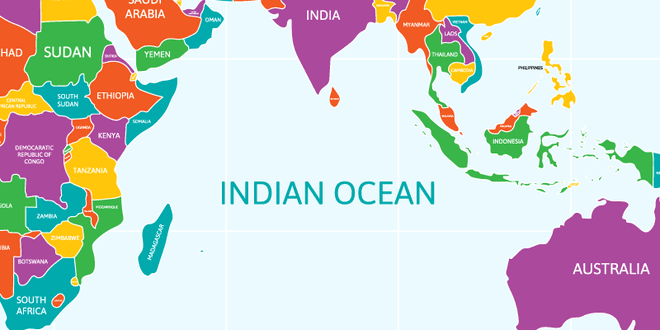
IOS Sagar: maiden multilateral deployment of INS Sunayna to Southwest Indian Ocean for joint EEZ surveillance

AIKEYME: first Africa-India naval exercise, co-hosted with Tanzania at Dar-es-Salaam, April 2025

Area: Comoros-South Africa arc, focusing on piracy-prone Mozambique Channel and adjoining EEZs

Quick Facts for MCQs

Security Dimension

  • Objective: establish India as Preferred Security Partner and First Responder in IOR under MAHASAGAR vision
  • Drills: anti-piracy focus reflecting resurgence near Horn of Africa and Mozambique Channel
  • Multinational crew encourages intelligence sharing and coordinated maritime domain awareness

Geography & Logistics

  • Route: Southwest IOR touching Tanzania, Mozambique, Mauritius, Seychelles, Maldives
  • Strategic chokepoint coverage: Mozambique Channel, Northern Madagascar approaches, vital for energy lanes
  • Dar-es-Salaam chosen for centrality to East African littoral navies

Platforms & Training

  • INS Sunayna: 105-m OPV, endurance ideal for prolonged EEZ patrols
  • Training modules include VBSS boarding, SAR coordination, deck-based helicopter interoperability
  • Harbour phase allows cross-deck familiarisation among 11 navies

Key Data Points

FeatureData-Point
Full form IOSIndian Ocean Ship Sagar
Full form AIKEYMEAfrica India Key Maritime Engagement
Lead vesselINS Sunayna (Offshore Patrol Vessel)
Command baseSouthern Naval Command, Kochi
First AIKEYME editionApril 2025, Dar-es-Salaam
AIKEYME co-hostsIndia & Tanzania
IOS Sagar crew mixIndia + 9 Friendly Foreign Countries
AIKEYME participant count11 nations
Key drillsAnti-piracy, SAR, VBSS, seamanship, helo ops
Planned port callsDar-es-Salaam, Nacala, Port Louis, Port Victoria, Male

Related UPSC Prelims PYQs

CAPF_GAI, CDS_GK 2024PYQ 1

Which one among the following statements with regard to India’s maritime initiative, SAGAR, is correct?

CAPF_GAI, CDS_GK 2024PYQ 2

Which of the following statements is not correct?

GS-2Scheme

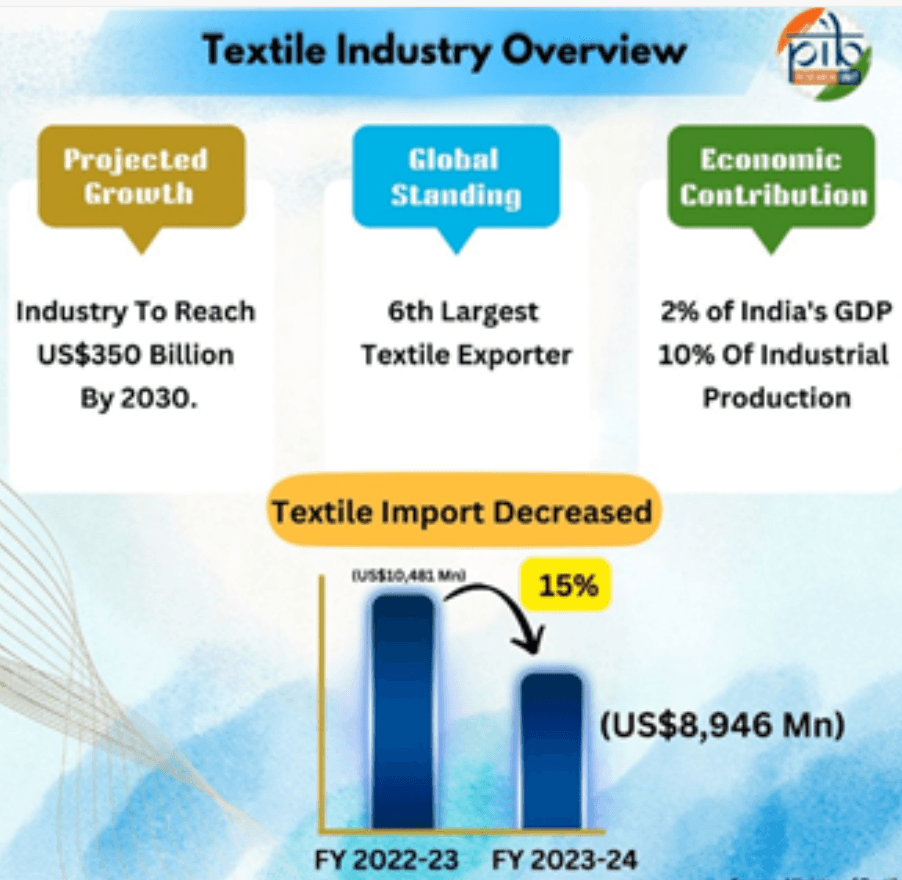
15.National Technical Textiles Mission Milestones (Technical Textiles)

PIB
Illustration for National Technical Textiles Mission Milestones (Technical Textiles)

What & Where

Technical textiles: functional fabrics (natural/synthetic) for defence, healthcare, infra, automotive, agri, etc.

National Technical Textiles Mission (NTTM), India; span 2020-21 → 2025-26, Ministry of Textiles.

PM MITRA Parks: integrated textile zones under PPP, pan-India, aligned with 5F vision.

Quick Facts for MCQs

Mission Highlights

  • Funding supports indigenous R&D for advanced fibres, composites, smart textiles.
  • Export thrust: diversify into geotech, meditech, protech categories.
  • Completion: 5 years of rollout marked April 2025.

Related Schemes

  • ATUFS offers capital subsidy for tech up-gradation in mills.
  • SITP develops brownfield/greenfield parks with common facilities.
  • SAMARTH focuses on weaving, knitting, dye-processing skilling.

Skill & Employment

  • Training modules mapped to NSQF; emphasis on women workforce.
  • PM MITRA aims 1 lakh direct, 2 lakh indirect jobs per park.
  • Power-Tex India upgrades power-loom clusters, boosting MSME employment.

Key Data Points

FeatureData-Point
NTTM launch year2020
Implementing ministryTextiles
Mission durationFY 2020-21 to 2025-26
Target status by 2025-26Global leader in technical textiles
Skill training goal50,000 persons
Core focus areasR&D, market adoption, exports, skilling
Example productsMosquito nets, seat belts, helmets
PM MITRA modelPPP via Special Purpose Vehicles
5F vision chainFarm → Fibre → Factory → Fashion → Foreign
Allied schemesATUFS, SITP, SAMARTH, Power-Tex India

Related UPSC Prelims PYQs

GS1 2019PYQ 1

अटल नवाचार (Innovation) मिशन किसके अधीन स्थापित किया गया है?

GS-1Misc

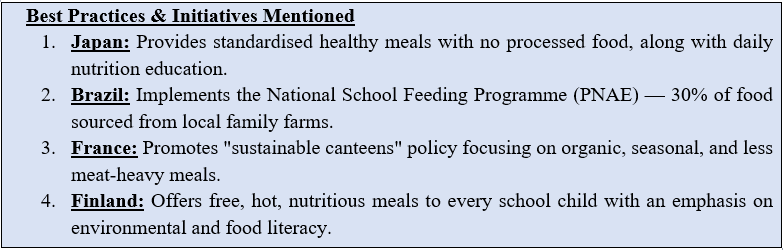
16.UNESCO Education-Nutrition Report Findings (School Feeding)

UNESCO
Illustration for UNESCO Education-Nutrition Report Findings (School Feeding)

What & Where

School feeding programmes – organised provision of free/low-cost meals to enrolled children during class hours

UNESCO report “Education and Nutrition: Learn to Eat Well” released March 2024 at Nutrition for Growth summit, France

Coverage spans 161 countries; India’s PM-POSHAN among world’s largest operations

Quick Facts for MCQs

Health Outcomes

  • Nutritious meals enhance attention, memory, classroom performance, underpinning cognitive development
  • Balanced childhood diet lowers future disease risk, boosts adult productivity and earnings
  • Obesity doubling in 100+ nations warns against calorie-dense, nutrient-poor school menus

Equity & Economy

  • Free meals raise enrolment and retention, especially for girls and poorest quintiles
  • Local procurement creates farm-to-table supply chains, supporting smallholder incomes and crop diversity
  • Acts as social safety net, cushioning households during inflation and food shocks

Implementation & Policy

  • Overreliance on rice, wheat, maize limits micronutrients and dietary diversity
  • Only 8 % nations monitor meal quality against WHO norms, hindering accountability
  • UNESCO urges integrated nutrition curriculum, WHO-aligned standards, teacher training, and national benchmarks

Key Data Points

FeatureData-Point
Global children reached418 million
Countries with programmes161
Lacking fruit/vegetables>50 % of programmes
Offering sugary drinks≈33 % of programmes
Obesity trendDoubled in 100+ countries since 2000
India PM-POSHAN reach118 million children daily
Curriculum-linked nutrition educationOnly 17 countries
Nations tracking meals vs WHO norms8 %

Related UPSC Prelims PYQs

GS1 2023PYQ 1

‘पोषण मुक्त भारत अभियान’ के अंतर्गत की जा रही व्यवस्थाओं के संबंध में, निम्नलिखित कथनों पर विचार कीजिए :

GS1 2004PYQ 2

Which one of the following statements is NOT correct?

Ready to practice?

Test your knowledge with our UPSC test series.

Start Free Trial