UPSC Current Affairs

15 topicsGS-1: 3GS-2: 7GS-3: 5
0/15 done
GS-2Polity

1.Waqf Amendment Bill 2025 (Waqf Governance)

The Hindu

What & Where

Waqf: irrevocable Muslim endowment of property for religious or charitable use under Islamic law

Waqf (Amendment) Bill, 2025: overhauls Waqf Act 1995, covering registration, governance, disputes across India

Targets ~6 lakh waqf estates overseen by Central & 32 State/UT Waqf Boards

Quick Facts for MCQs

Governance Changes

  • Inclusion: Non-Muslims on Boards, tribunals to infuse administrative, audit skills
  • Tribunal revamp: Adds judicial and executive members replacing earlier 2-member setup
  • Appeals: High Court jurisdiction retained for tribunal decisions

Transparency Tools

  • Digitisation: Mandatory central portal for property maps, revenues, encumbrances
  • Audit: Annual state-led audit, CWC empowered for compliance inspections
  • Survey: Bill mandates time-bound completion of pending state surveys

Contentious Clauses

  • Limitation: Encroachers after 12 years can claim title, risking waqf erosion
  • Five-year Muslim practice rule bars fresh converts from creating waqf deeds
  • Oversight shift: More power to state officers, critics fear reduced community voice

Key Data Points

FeatureData-Point
‘Waqf by User’ clauseCustom-created sites before 2025 remain waqf unless contested
Non-Muslim representationUp to 2 of 22 seats in Central Waqf Council
Digital registration deadline6 months; extension only by Waqf Tribunal
New tribunal makeupDistrict Judge + Joint Secretary-rank + Muslim-law expert
Limitation Act effectAdverse possession possible after 12 years occupancy
Board contribution fee cut7 % → 5 % of waqf income
Section 40 statusRepealed; Boards lose power to suo motu declare property waqf
GS-2Polity

2.Speaker Delays in Anti-Defection Cases (Anti-Defection Law)

The Hindu

What & Where

Anti-Defection Law: 52nd Amendment 1985; inserted Tenth Schedule to curb defections in Parliament & State Legislatures.

Speaker/Chairman: quasi-judicial authority to decide disqualification; no constitutional deadline specified.

Supreme Court: can compel timely action under Article 142, treating Speaker as tribunal.

Quick Facts for MCQs

Legal & Policy

  • Provision: Tenth Schedule aims party discipline, stable governments, penalises opportunistic switching.
  • Gap: No statutory timeframe enables indefinite Speaker inaction.
  • ARC-II: Favours President/Governor acting on EC advice for neutrality.

Judicial Precedents

  • Kihoto Hollohan 1992: Speaker’s decision subject to judicial review, not unconstitutional.
  • Ravi Naik 1994: “Voluntarily giving up” inferred from conduct, no written resignation needed.
  • SC 2025 remark: Judiciary “not powerless” to force Speaker decisions.

Governance Concerns

  • Democratic cost: Defectors retain office, distort voter mandate, enable power shifts (e.g., Maharashtra 2022).
  • Political morality: Delays fuel horse-trading, erode public trust.
  • Opposition impact: Reduced numbers weaken legislative scrutiny, policymaking suffers.

Reform Proposals

  • Deadline: Statutory 90-day limit for Speaker rulings, echoing SC suggestion.
  • Neutral adjudicator: Transfer defection cases to independent tribunal or Election Commission.
  • Whip scope: Limit to confidence & money bills, allow conscience votes on policy issues.

Key Data Points

FeatureData-Point
Constitutional Amendment52nd (1985)
Schedule addedTenth Schedule
Key grounds (party member)Voluntarily gives up seat; votes/abstains against whip
Key grounds (independent)Joins party after election
Key grounds (nominated)Joins party after 6 months in House
Merger exemption≥ 2/3 members support merger
Speaker exemptionNot disqualified on party change while in chair
Landmark deadline hintKeisham Meghachandra 2020: decide within ~3 months
Article invoked for SC powerArticle 142
Leading validation caseKihoto Hollohan 1992 (Speaker power upheld)

Related UPSC Prelims PYQs

CDS_GK, NDA_GAT 2023PYQ 1

Any question pertaining to the disqualification of a member of the Lok Sabha on the ground of defection is decided by:

CDS_GK, NDA_GAT 2024PYQ 2

In which Schedule of the Constitution of India, provisions as to disqualification on grounds of defection are given?

GS-2PolityQuick Bite

3.Public Disclosure of Judges Assets (Judicial Transparency)

Indian Express

What & Where

Public asset-declaration scheme for Supreme Court judges, India

Process: yearly statement to Chief Justice of India, then upload on SC website

Trigger: 2025 cash seizure at Delhi High Court judge’s home

Quick Facts for MCQs

Legal & Policy

  • 1997_Resolution: compulsory declaration to CJI, secrecy retained
  • 2009_SC: enabled but did not require website disclosure
  • 2019_SC: categorised assets as non-personal, accessible via RTI

Transparency & Accountability

  • April_2025: SC judges unanimously adopt public posting norm
  • Cash_raid: Rs-crore haul at Delhi HC judge revived disclosure debate
  • Hosting_site: supremecourt.gov.in to carry individual statements

Comparative Provisions

  • Civil_Servants: AIS Rule 16(1) enforces annual, department-held statements
  • Politicians: ADR 2002 made candidate assets part of nomination papers
  • Ministers_MPs: file with PMO/Speaker; many houses publish online

Judicial Statistics

  • HC_Publication: only 13 % judges disclosed despite 2009 option
  • Resistant_HCs: six benches rejected RTI pleas citing privacy, autonomy
  • Data_Gap: majority high-court assets remain unavailable to citizens

Key Data Points

FeatureData-Point
Legal compulsionNo statute mandates judges’ public disclosure
1997 SC resolutionDeclaration to CJI; not public
2009 SC decisionVoluntary web publication allowed
2019 SC rulingJudges’ assets fall under RTI Act
HC compliance (Mar 2025)97 / 770 judges = 13 %
Opposing HCsAllahabad, Rajasthan, Bombay, Gujarat, Andhra Pradesh, Uttarakhand
Civil-servant ruleAIS Conduct Rules 1968 — Rule 16(1) annual filing
Political candidatesMandatory disclosure since ADR v UoI 2002
GS-3Editorial

4.Labour Reforms for Viksit Bharat (Labour Reforms)

Indian Express
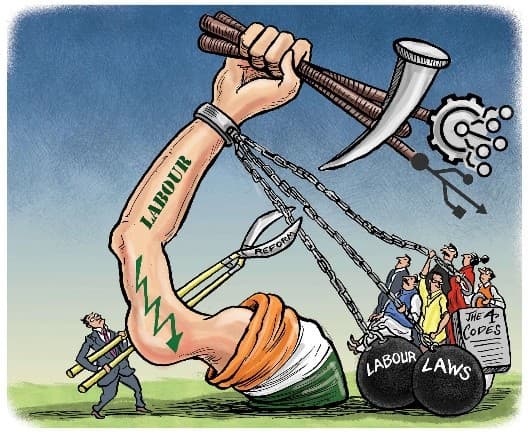
Illustration for Labour Reforms for Viksit Bharat (Labour Reforms)

What & Where

Jobs deficit: only 6 crore formal jobs for 9 crore new entrants since 2017-18.

Labour profile: 65 % Indians <35 yrs; 90 % workers informal, low social security.

Issue spans pan-India as automation, capital-heavy growth outpace labour-intensive sectors.

Quick Facts for MCQs

Economic Angle

  • Automation impact: capital-intensive expansion cuts low-skill posts; textiles lost 30 % manual roles (ICRA 2024).
  • Wage drag: 2 % real growth limits consumption, slowing demand-led GDP gains.
  • Productivity skew: IT & pharma generate 8 % GDP yet employ only 5 % workforce.

Skill Gap

  • Training deficit: merely 10 % workforce vocationally certified; PLI electronics faces hiring shortfalls.
  • ITI upgrade: propose industry-linked curricula; Toyota-run JIM cited as template.
  • Incentive idea: graded EPFO subsidies for firms onboarding certified youth in niche segments.

Labour Reforms & Schemes

  • Flexibility need: fixed-term contracts like Gujarat’s shown to lift formal hiring.
  • PLI-ELI linkage: production incentives tied to certified employment; drone sector pilot highlighted.
  • Data alignment: NSDC-NSO collaboration to map regional skill demand and adjust training seats.

International Examples

  • China (1990-2010): labour-intensive manufacturing maximised demographic dividend.
  • Vietnam textiles: low wages attracted export-oriented FDI, spurring job surge.
  • Germany dual model: classroom plus shop-floor training informs proposed Indian skill subsidies.

Key Data Points

FeatureData-Point
Formal jobs added (2017-23)6 crore
New working-age citizens9 crore
Workforce with formal skilling10 %
Share of informal employment90 %
Annual real wage growth (2012-22)2 %
Manual textile jobs lost to robotics30 %
Population under 35 yrs65 %
IT+Pharma: GDP vs employment8 % GDP; 5 % workforce

Related UPSC Prelims PYQs

GS1 2013PYQ 1

To obtain full benefits of demographic dividend, what should India do?

GS1 2025PYQ 2

विश्व बैंक ने यह चेतावनी दी है कि भारत वह पहला देश बन सकता है जहाँ आर्टिफ़िशियल इंटेलिजेंस-आधारित ऑटोमेशन (डेटा-ड्रिवन ऑटोमेशन) के कारण 35% से अधिक नौकरियाँ प्रभावित होंगी। निम्नलिखित कथनों पर विचार कीजिए:

GS-3Economy

5.Domestic Iron and Steel Policy 2025 (Domestic Steel)

BL

What & Where

Policy: DMISP-2025 mandates exclusive use of domestically melted-and-poured iron & steel in all Union-funded procurements.

Coverage: Every ministry, PSU, trust, statutory body, including state-executed Centrally-funded works valued above ₹5 lakh.

Governance: Ministry of Steel; Standing Committee chaired by Steel Secretary grants exemptions, resolves disputes, monitors compliance.

Quick Facts for MCQs

Legal & Policy

  • Mandate: DMISP supersedes 2017 order, aligns with Public Procurement (Preference to Make in India) framework.
  • Exemption: Ministry of Steel may relax norms only when certified domestic capacity shortfall exists.
  • Reciprocity: Clause operationalised under Rule 144(xi) GFRs to bar non-reciprocating countries.

Economic Angle

  • Import-curb: Addresses 38 % YoY surge in FY24 steel imports threatening capacity utilisation.
  • Industry boost: Ensures assured demand for ~130 MT domestic steel, encouraging new mills & expansions.
  • Value-chain push: 50 % localisation requirement stimulates capital-goods manufacturing ecosystem.

Implementation & Compliance

  • Certification: Suppliers file self-declaration; auditor attested value-addition reports mandatory for capital goods.
  • Oversight: Standing Committee can blacklist errant firms, recommend procurement suspensions.
  • Monitoring: Quarterly ministry-wise compliance data reviewed for corrective directives.

International Dimension

  • Access denial: Chinese state firms barred from Indian government steel tenders until equal access granted.
  • WTO-safe: Policy leverages national security and government procurement carve-outs to withstand trade disputes.

Key Data Points

FeatureData-Point
Launch applicabilityCalendar year 2025 onward
Melt & Pour ruleSteel must be melted, poured and solidified within India
Global Tender Enquiry banAbsolute for iron & steel items
GTE allowed for capital goodsOnly if > ₹200 crore and pre-cleared
Domestic value addition≥ 50 % in capital goods like furnaces, rolling mills
Reciprocal clause targetNations blocking Indian bids (e.g., China) denied Indian tenders
Minimum contract size coveredAny procurement above ₹5 lakh
Penalty for false claimBlacklisting + forfeiture of earnest money
GS-1History

6.Devaraya I of Vijayanagara (Vijayanagara Ruler)

The Hindu

What & Where

Inscribed copper plates dated 1406 CE record Devaraya I’s coronation and Brahmin grant

Plates surfaced in Bengaluru; displayed by Falcon Coins Gallery with Archaeological Survey of India

Context is Sangama-era Vijayanagara Empire centred at Hampi, Karnataka

Quick Facts for MCQs

Dynasty Overview

  • Founding 1336 by Harihara I-Bukka Raya I establishing resilient Hindu bulwark in South India
  • Succession: Key rulers Harihara II, Devaraya I, Devaraya II; Sangama declined by 1485
  • Administration: Central authority with Nadu, Sime units enabling revenue collection and rapid troop deployment

Ruler Highlights

  • Ascension: Devaraya I seized throne after post-Harihara II civil war among brothers
  • Military: Campaigns into Tamil Nadu, Konkan, Tondaimandalam; repelled Bahmani incursions along Krishna-Tungabhadra doab
  • Infrastructure: Constructed canals and tanks, notably Haridra canal, enhancing irrigation and food surplus

Cultural & Economic

  • Patronage: Supported Kannada and Telugu writers, temples; tolerated Jain and Islamic scholarship
  • Commerce: Encouraged coastal ports enabling spice-horse trade with Arabs and Chinese fleets
  • Agrahara: 1406 plates mention tax-free land grant at Devarāyapura to Brahmin beneficiaries

Key Data Points

FeatureData-Point
Coronation date (Devaraya I)1406 CE
Devaraya I reign1406 – 1422 CE
DynastySangama, founding line of Vijayanagara
Dynasty span1336 – 1485 CE
FoundersHarihara I & Bukka Raya I
Capital cityVijayanagara (present-day Hampi)
Administrative unitsNadu and Sime
Key adversaryBahmani Sultanate (also Gajapati)
Signature worksCanals & tanks along Tungabhadra
Overseas trade linksArab and Chinese merchants

Related UPSC Prelims PYQs

GS1, NDA_GAT 2023PYQ 1

Who among the following rulers of Vijayanagara Empire constructed a large dam across Tungabhadra River and a canal-cum-aqueduct several kilometres long from the river to the capital city?

GS1, NDA_GAT 2022PYQ 2

Who among the following laid the foundation of the Vijayanagara Empire?

GS-1HistoryQuick Bite

7.Shyamji Krishna Verma Tribute (Revolutionary Nationalist)

PIB
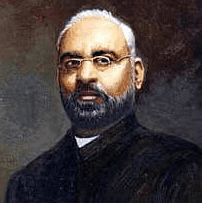
Illustration for Shyamji Krishna Verma Tribute (Revolutionary Nationalist)

What & Where

Shyamji Krishna Varma (1857-1930): Indian revolutionary-journalist, key expatriate voice for Swaraj

Core platforms abroad: Indian Home Rule Society, India House hostel, The Indian Sociologist journal

Geographic arc: Mandvi (Gujarat) ➜ London ➜ Paris ➜ Geneva (final exile and demise)

Quick Facts for MCQs

Early Life & Influences

  • Birth coincided with 1857 Revolt, shaping anti-colonial psyche
  • Arya Samaj philosophy molded Varma’s socio-religious reform outlook
  • Scholarship under Swami Dayanand Saraswati boosted Sanskrit prowess

Institution Building

  • Indian Home Rule Society sought self-rule, armed propaganda among diaspora
  • India House became nerve-centre for expatriate revolutionaries; hosted Savarkar, Madan Lal Dhingra
  • The Indian Sociologist disseminated seditious literature, evading British press laws

Exile Trajectory

  • Paris offered diplomatic cover; interacted with French radicals and socialists
  • Geneva citizenship request secured safety during World War I neutrality
  • Persisted in propaganda via mail; avoided British extradition attempts

Key Data Points

FeatureData-Point
Birth date4 Oct 1857
BirthplaceMandvi, Kutch, Gujarat
Flagship bodyIndian Home Rule Society, 1905 London
Student hostelIndia House, Highgate (London)
Journal startedThe Indian Sociologist, 1905
First public rolePresident, Bombay Arya Samaj
Ideological menteeVinayak Damodar Savarkar
Shift to Paris1907 after British censure
Final residenceGeneva, Switzerland (till 30 Mar 1930 death)
MemorialKranti Teerth, near Mandvi, inaugurated 2010

Related UPSC Prelims PYQs

GS1 1999PYQ 1

'Abhinav Bharat' a secret society of revolutionaries was organised by

GS1 1997PYQ 2

“A graduate at 18, professor and associated editor of the Sudharak at 20, Secretary of the Sarvajanik Sabha and of the Provincial Conference at 25, Secretary of the National Congress at 29, leading witness before an important Royal Commission at 31, Provincial legislator at 34, Imperial legislator at 36, President of the Indian National Congress at 39 ……… a patriot whom Mahatma Gandhi himself regarded as his master.” This is how a biographer describes

GS-1Mapping

8.North Sentinel Island Overview (Andaman Island)

IT
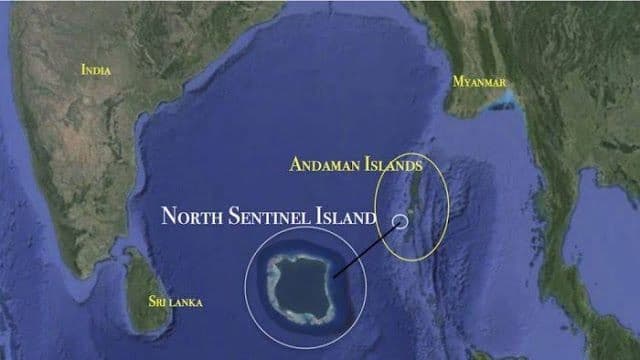
Illustration for North Sentinel Island Overview (Andaman Island)

What & Where

North Sentinel Island – protected tribal reserve in Bay of Bengal, South Andaman district; ≈ 60 sq km.

Coral-reef ring, no natural harbour; land uplifted after 2004 tsunami.

Exclusively inhabited by uncontacted, hostile Sentinelese; entry banned within 5 nautical miles.

Quick Facts for MCQs

Legal & Policy

  • Regulation 1956 prohibits outsider entry; exempts Sentinelese from prosecution for defensive violence.
  • RAP list revision 2018 removed paperwork, yet tourism, research, filming explicitly barred.
  • Continuous naval/Coast Guard patrol ensures isolation and biosafety.

Physical Geography

  • Coral reefs act as natural moat, hindering vessel approach.
  • White-sand beaches merge into mangroves, then thick evergreen canopy inland.
  • 2004 earthquake uplifted reef flats, adding usable land for tribe.

Indigenous Tribe

  • Sentinelese likely among earliest out-of-Africa migrants; population estimate 50–150, unverified.
  • Subsistence via hunting, fishing, gathering; weapons include bows, wooden-tip arrows, spears.
  • Language, social structure, rituals remain unstudied due to zero voluntary contact.

Security Dimension

  • 24-year-old U.S. citizen arrested for illegal entry in 2023; earlier 2018 missionary killed.
  • Hostility deters poachers; island occasionally eyed for strategic surveillance, yet policy prioritises non-interference.

Key Data Points

FeatureData-Point
Distance from Port Blair~50 km west
Administrative unitSouth Andaman district
Area≈ 60 sq km
Legal shieldAndaman & Nicobar (Protection of Aboriginal Tribes) Regulation, 1956
No-go buffer5 nautical miles (≈ 9 km)
Restricted Area PermitRequirement lifted 2018; practical ban continues
Patrol agencyIndian Navy & Coast Guard
Post-2004 changeExposed reefs expanded shoreline
Dominant vegetationDense tropical forest, Malabar silk-cotton, bulletwood
Prominent faunaCoconut crab, wild boar, sea turtles, sharks
GS-3Environment

9.Bioluminescent Bloom along Indian Coasts (Harmful Algal Bloom)

Down to Earth
Illustration for Bioluminescent Bloom along Indian Coasts (Harmful Algal Bloom)

What & Where

Natural light-emitting bloom (kavaru) by bioluminescent plankton in marine & brackish waters

Dominant organism Noctiluca scintillans (sea sparkle); occasional fungi, dinoflagellates, bacteria

Seen along Indian coasts—Kochi backwaters, Chennai, Mumbai, Lakshadweep, Goa—nutrient-rich estuaries

Quick Facts for MCQs

Causes & Conditions

  • Eutrophication; nutrient overload nitrates phosphates stimulate plankton bloom
  • Anthropogenic; untreated sewage, industrial effluent, agricultural runoff supply nutrients
  • Climatic; warmer waters and calm saline backwaters favour proliferation

Environmental Impact

  • Hypoxia; dense blooms consume oxygen killing fish, shellfish
  • Toxins; plankton release neuro, hepato, dermato toxins harming marine fauna
  • Biodiversity loss; disruption of trophic chain in estuarine ecosystems

Economic Angle

  • Catch decline; fish mortality and migration lower fisher income
  • Aquaculture hit; cage farms lose stock due to oxygen depletion
  • Export setback; toxin fears reduce seafood market price

Key Data Points

FeatureData-Point
Local nameKavaru
Dominant speciesNoctiluca scintillans (sea sparkle)
Water typeCoastal & estuarine, high nutrients
Key triggerEutrophication from sewage, industrial, fertilizer run-off
Favouring factorsHigh salinity, warm temperature, turbidity
Major Indian sitesThiruvanmiyur, Juhu, Bangaram, Betalbatim, Kochi
Toxins releasedNeurotoxins, hepatotoxins, dermatotoxins
Main ecological effectHypoxia causing fish mortality
Stakeholders hitFishers, aquaculture farms, seafood export

Related UPSC Prelims PYQs

ESE_GS, GS1 1998PYQ 1

Estuaries possess distinct blooms of excessive growth of a pigmented dinoflagellate. These blooms are called

ESE_GS, GS1 2025PYQ 2

‘Algal Bloom’ is, when unusually large concentrations of

GS-2Editorial

10.Soft Power of US and India (Soft Power)

The Hindu

What & Where

Soft power — Joseph Nye; shaping preferences via attraction, culture, values, diplomacy, not coercion

Hard power — military, economic pressure; states ideally blend both as “smart power”

Core theatres: US global alliances (NATO, AUKUS, West Asia), India’s neighbourhood per Gujral Doctrine

Quick Facts for MCQs

US Soft Power Decline

  • Alliances; unilateral stances on Ukraine, Gaza erode NATO, Global South trust
  • Domestic shifts; DEI rollback, protectionist tariffs, immigration curbs tarnish “land of opportunity” image
  • Education; protest crackdowns, funding squeeze cut foreign student inflows

India’s Soft Power Assets

  • Culture; Yoga, Ayurveda, Bollywood, cuisine, Buddhism spread global appeal
  • Tech-health; UPI, Aadhaar, vaccine diplomacy showcased during Covid-19
  • Democracy; Gandhian non-violence, NAM leadership champion Global South causes

Institutional & Financial Gaps (India)

  • Fragmentation; ICCR lacks clear mandate, MEA yet to audit soft-power inventory
  • Funding; allocations trail US, China, limiting overseas centres, media presence
  • Diaspora link; no structured mechanism beyond Pravasi Bharatiya Divas

Policy Prescriptions

  • Strategy; draft national soft-power policy integrating Track 2 & 3 diplomacy
  • Restructure; revamp ICCR, use PPPs, launch Doordarshan International for outreach
  • Multilateralism; leverage UNESCO, G20, expand cultural pacts, scholarships under ITEC & Study in India

Key Data Points

FeatureData-Point
USAID cutsFunding reduced to 17 % of programmes
Humanitarian outlets closedUS Institute of Peace, Voice of America
Diaspora size (India)≈ 35 million persons
Gujral DoctrineUnilateral concessions to smaller neighbours, no reciprocity
Smoot-Hawley parallel1930 tariff hike worsened Great Depression
Indian cultural bodiesICCR, AYUSH, Tourism Ministry (poor coordination)
GS-2Economy

11.Cape Town Convention on Aircraft Leasing (Aircraft Leasing)

Indian Express

What & Where

Convention; 2001 Cape Town treaty creating uniform rules for financing/leasing of aircraft, helicopters, engines

Bill; Protection of Interests in Aircraft Objects Bill 2025 incorporates Convention & Aircraft Protocol into Indian law

Geography; global applicability with DGCA as India’s domestic registry for interests

Quick Facts for MCQs

Legal & Policy

  • Enforceability; Bill grants Convention full legal force overriding inconsistent domestic clauses
  • Remedies; creditors obtain interim relief, sell or re-lease asset without court delays
  • Reporting; airlines/lessors must file periodic dues statements with DGCA

Economic Angle

  • Cost-saving; lower insurance premiums & risk weightage push lease rentals down
  • Investment; alignment with global norms aimed at positioning GIFT City as leasing hub
  • Consumer impact; cheaper leases may translate into lower airfares over time

Implementation Mechanism

  • Registry; DGCA records international interests, liens, defaults ensuring priority rankings
  • Timeline; India must lodge declarations with Convention depository within 60 days of Act notification
  • Dispute resolution; parties may opt for international arbitration under UNIDROIT rules

International Dimension

  • Adoption; over 80 states including US, EU members already enforce Convention benefitting their lessors
  • Precedent; Indonesia & Vietnam saw leasing rates fall after ratification
  • Creditor confidence; cross-border enforceability lowers capital cost for emerging-market airlines

Key Data Points

FeatureData-Point
Convention adoption year2001
Associated protocolAircraft Protocol
Core assets coveredAircraft, helicopters, engines
Key creditor rightSwift repossession & deregistration
Global registry locationOnline International Registry
Indian implementing lawProtection of Interests in Aircraft Objects Bill 2025
Repossession timeline (India)≤ 2 months post-default
Domestic registry agencyDGCA
Expected leasing cost cut8–10 %
Parliamentary passageRajya Sabha, 2025 Budget Session
GS-3Security

12.Combating Synthetic Drug Trafficking (Synthetic Drugs)

BL

What & Where

Definition – Synthetic drugs: fully lab-manufactured psychoactives derived from precursor chemicals, no plant input.

Key types – Amphetamines, ecstasy, fentanyl analogues; proliferate as New Psychoactive Substances (NPS).

Core geography – India (major API hub) between Golden Crescent & Golden Triangle; Haryana forms Anti-Synthetic Narcotics Task Force.

Quick Facts for MCQs

Security Dimension

  • Loophole – Minute molecular tweaks keep NPS outside current NDPS schedules.
  • Concealment – Small hidden labs, legitimate pharma consignments bypass sniffer dogs/border checks.
  • Dark-net finance – Traffickers use cryptocurrencies, blockchain channels, encrypted forums.

Legal & Policy

  • Reform – Generic scheduling plus fast-track listing of new NPS under MHA proposed.
  • Precursor control – Plan for national, real-time transaction log integrating all state FDAs.
  • Central agency – NCB coordinates enforcement; finance ministry’s revenue dept implements NDPS Acts.

Tech & Schemes

  • AI alerts – Pattern analysis flags bulk chemical purchases for investigation.
  • Blockchain forensics – Tools like Chainalysis to trace crypto drug payments.
  • Demand reduction – Nasha Mukt Bharat Abhiyan & NAPDDR expand de-addiction, awareness drives.

Social Concerns

  • Potency – Micro-doses of fentanyl can cause fatal overdoses.
  • Youth impact – Rising psychosis, crime, education dropouts linked to cheap synthetic highs.
  • Public health – Decentralised production risks mass addiction waves across states.

International Coordination

  • Convention compliance – India parties to 1961, 1971, 1988 UN treaties.
  • INTERPOL – Intelligence sharing urged against transnational synthetic cartels.
  • Comparative shift – Production moving to low-risk, high-access regions like South & East Asia.

Key Data Points

FeatureData-Point
Constitutional basisArticle 47 – prohibits intoxicants except medicinal use
Drugs & Cosmetics Act1940
NDPS Act1985
Prevention of Illicit Traffic Act1988
Narcotics Control Bureau start1986
Haryana Anti-Synthetic Task Force2025
Key UN drug conventions1961, 1971, 1988
Major API producersIndia & China

Related UPSC Prelims PYQs

ESE_GS 2026PYQ 1

Which organization developed the Online National Drugs Licensing System (ONDLS) portal?

GS-3SecurityQuick Bite

13.AFSPA Extension in Northeast States (AFSPA Northeast)

Times of India

What & Where

AFSPA 1958 empowers armed forces to act in officially notified “disturbed areas” of India.

Fresh extension: whole Manipur minus 13 police-station zones; parts of Nagaland & Arunachal till 30 Sep 2025.

“Disturbed” tag issuable by both Union Home Ministry and concerned State government.

Quick Facts for MCQs

Legal & Policy

  • Enactment: Parliament passed AFSPA September 1958 under Article 355 obligation.
  • Immunity: Section 6 bars court action unless Union grants prior consent.
  • Delegation: Both Union & State executives competent to issue or revoke notifications.

Security Dimension

  • Objective: Facilitate counter-insurgency, restore public order in hard-to-police zones.
  • Powers: Personnel may fire upon, arrest, enter premises without warrant when “necessary for maintenance of public order”.
  • Duration: Extensions typically issued semi-annually after security review by MHA.

Geographic Scope

  • Northeast: Manipur (excluding 13 PS areas across Imphal, Kakching, Thoubal, Bishnupur, Jiribam).
  • Frontier belt: Eight police stations along Assam–Arunachal border remain under AFSPA.
  • Nagaland: 16 of 16 districts earlier covered; gradual rollback continues except high-risk pockets.

Key Data Points

FeatureData-Point
Year enacted1958
Latest extension notified01 Apr 2025 for six months
Maximum validity per notification6 months, renewable
States presently coveredManipur, Nagaland, Arunachal Pradesh (parts)
Who can declare disturbedGovernor/State govt or Central govt
Core powersLethal force, arrest & search without warrant
Immunity clausePrior Central sanction needed for prosecution
Original trigger regionNortheast insurgency
GS-2Scheme

14.Green Credit Programme Highlights (Green Credits)

Indian Express

What & Where

Definition: Voluntary, market-based scheme awarding tradable “green credits” for verified eco-actions under Green Credit Rules, 2023.

Key process: Register with ICFRE → activity on ≥5 ha degraded land → verification → 1 grown tree = 1 credit → domestic trading.

Core geography: Pan-India implementation; nodal agency ICFRE, Dehradun; state forest departments supply land parcels.

Quick Facts for MCQs

Legal & Policy

  • Notification: Green Credit Rules issued under Environment (Protection) Act powers.
  • Alignment: Integrates with Forest Conservation Act 2023 compensatory afforestation clauses.
  • Oversight: Central Steering Committee chaired by MoEFCC Secretary.

Operational Flow

  • Registration: Online portal managed by ICFRE.
  • Verification: State forest departments certify survival, silvi-climatic suitability.
  • Issuance: Credits uploaded to electronic registry for trading.

Economic Angle

  • Incentive: Generates alternate revenue stream for states and private planters.
  • Buyers: Industries needing afforestation compliance or ESG score enhancement.
  • Market nature: Price discovered through supply-demand on domestic exchange.

Environmental Impact

  • Target: Restore degraded forests, improve carbon sinks, conserve water and mangroves.
  • Density clause: High stocking mandates biodiversity-friendly mixed plantations possible.
  • Risk: Monoculture plantations may threaten local ecology if guidelines lax.

Criticism & Concerns

  • Diversion: Fear of incentivising fresh forest clearance compensated by off-site credits.
  • Ecological sensitivity: Plantations on community commons or fragile habitats contested.
  • Governance: Dependence on accurate survival audits to prevent greenwashing.

Key Data Points

FeatureData-Point
Launch notificationOct 2023
Unveiled atCOP28, Dubai
Implementing agencyICFRE, Dehradun
Legal backingGreen Credit Rules 2023
Participation natureFully voluntary
Eligible activities7 (plantation, water, sustainable farming, waste, air, mangroves, eco-restoration)
Land size threshold≥5 ha degraded forest land
Completion window2 years post-approval
Credit metric1 grown tree = 1 green credit
Plantation density≥1,100 trees per ha
Compliance useCompensatory afforestation under Forest Conservation Act 2023; ESG reporting
Trading platformDomestic, yet-to-be-notified
Mission linkageSupports Mission LiFE

Related UPSC Prelims PYQs

CDS_GK, GS1 2009PYQ 1

In the context of CO₂ emission and Global Warming, what is the name of a market-driven device under the UNFCCC that allows developing countries to get funds/incentives from the developed countries to adopt better technologies that reduce greenhouse gas emissions ?

CDS_GK, GS1 2024PYQ 2

‘ग्रीन क्रेडिट इनिशिएटिव’ के संदर्भ में, निम्नलिखित में से कौन-सा/कौन-से कथन सही है/हैं?

GS-2Scheme

15.Government e-Marketplace Procurement Portal (Digital Procurement)

News on Air
Illustration for Government e-Marketplace Procurement Portal (Digital Procurement)

What & Where

Platform; Government e-Marketplace is India’s paperless, cashless, contactless portal for public procurement of goods & services

Processes; e-bidding, reverse auction, demand aggregation streamline purchasing, incl. >33 000 service categories such as manpower hiring

Location; Operates nationwide under Commerce & Industry Ministry, Rule 149 GFR 2017 providing statutory backing

Quick Facts for MCQs

Legal & Policy

  • Authorization; GeM transactions compulsory for ministries per Finance Ministry directives referencing Rule 149
  • Compliance; SLAs enforce labour laws in outsourced manpower services
  • Bamboo-specific window launched with National Bamboo Mission, aligning with sectoral policies

Tech & Schemes

  • Integration; Single portal offers catalogue, payment gateway, analytics, digitally signs contracts
  • Innovation; Country-of-Origin filter, preferential procurement algorithms boost domestic industry
  • Automation; Reduced human interface curbs corruption, accelerates cycle time

Economic Angle

  • Value; Competitive bidding assures value-for-money, lowers public expenditure
  • Scale; Demand aggregation pools orders, unlocking bulk-buy discounts
  • Ease-of-doing-business; Paperless workflow slashes procedural cost for suppliers

Social Inclusivity

  • Empowerment; Dedicated sections showcase women, tribal, SHG products
  • MSME boost; Simplified registration plus zero-fee onboarding increases market access
  • Fair labour; Outsourced manpower monitored through SLA-based dashboards, ensuring timely payment

Key Data Points

FeatureData-Point
Launch year2016
Parent ministryCommerce & Industry
DeveloperDGS&D with NeGD (MeitY support)
Legal mandateRule 149, GFR 2017
Business rules linkAllocation of Business Rules 1961
FY 2024-25 manpower hires>1 million
Total service categories>33 000
Key e-toolsE-bidding, Reverse auction, Demand aggregation
Inclusive storefrontsMSME, Start-up, SHG, Women, Tribal
Make-in-India leverMandatory Country-of-Origin tag

Related UPSC Prelims PYQs

ESE_GS 2025PYQ 1

Which one of the following is an effort to get to the next stage of creating a pan-India electronic portal, which networks the existing APMC mandis by creating a national market for agricultural commodities?

ESE_GS 2021PYQ 2

Which one of the following frameworks is developed to assess the value of the increasing investments made on e-governance projects in terms of service orientation, technology architecture, replicability and sustainability in various states across the country ?

Ready to practice?

Test your knowledge with our UPSC test series.

Start Free Trial