UPSC Current Affairs

14 topicsGS-1: 1GS-2: 5GS-3: 8
0/14 done
GS-2Editorial

1.Court Contempt Powers Comparison (Contempt Powers)

Indian Express

What & Where

Contempt of court = civil/criminal sanction to secure compliance with judicial orders.

Core tools: fines, imprisonment, property attachment, attorney sanctions, summons.

Geography focus: US federal courts vs Indian courts—three-tier structures, differing powers.

Quick Facts for MCQs

Court Structure

  • US: Circuit Courts decide appeals through 3-judge panels; SC picks cases via certiorari.
  • India: SC entertains broad appeals and Public Interest Litigations, enlarging access.
  • Exclusive original jurisdiction: only SC hears Union vs State suits.

Contempt Powers

  • US: Civil contempt ends on compliance; criminal contempt pardonable by President; no sitting President punished.
  • India: Suo motu or AG-sanctioned petitions; courts may fine or jail offenders.
  • Fair, accurate comment on a finally-decided case not contempt (1971 Act).

Compliance & Immunity

  • US: Strong sovereign + qualified immunity; judges prefer negotiation over penalties.
  • India: Article 300 offers limited immunity; officials personally liable for wilful defiance.
  • Tools: US—sanctions/fees; India—CrPC property attachment, arrest, direct summons.

Judicial Review

  • India: Keshavananda Bharati 1973 affirmed power to invalidate unconstitutional actions.
  • US: Judicial interpretation strong, yet executive defiance rare (e.g., Lincoln–Merryman).
  • Both systems anchor separation of powers and rule of law.

Key Data Points

FeatureData-Point
US court tiersDistrict → Circuit → Supreme Court
India court tiersDistrict → High Court → Supreme Court
India SC exclusive originalArt. 131 (Union-State disputes)
India SC advisoryArt. 143 (Presidential reference)
SC contempt powerArt. 129
HC contempt powerArt. 215
Contempt statute (India)Contempt of Courts Act 1971
US contempt authorityJudiciary Act 1789

Related UPSC Prelims PYQs

GS1 2022PYQ 1

Consider the following statements:

GS1 1997PYQ 2

Assertion (A): Willful disobedience or non-compliance of Court Orders and use of derogatory language about judicial behaviour amounts to Contempt of Court.
GS-2Polity

2.National Judicial Appointments Commission Debate (Judicial Appointments)

Indian Express

What & Where

National Judicial Appointments Commission (NJAC): proposed constitutional body to appoint SC & HC judges in India

Enacted via 99th Constitutional Amendment Act & NJAC Act, 2014; meant to replace collegium system

Operative jurisdiction: Union of India; mixes judiciary, executive, civil-society inputs

Quick Facts for MCQs

Legal & Policy

  • BasicStructure: SC held judicial primacy in appointments non-negotiable, voided NJAC for executive veto risk
  • FederalConsensus: Bill cleared with near-unanimity in Parliament; ratified by 16 states before quashing
  • CollegiumOpacity: Justice Ruma Pal called existing system “well-kept secret”, spawning demand for statutory overhaul

Institutional Design

  • CompositionParity: 3 judicial vs 3 non-judicial seats risk 3-3 deadlock, flagged by bench
  • DiversityClause: eminent members ensure external, socially diverse voice in selections
  • TransparencyGoal: statutory body to record reasons, minutes—absent in current collegium

Challenges & Reform Paths

  • JudicialResistance: court views equal executive role as threat to independence, hard to amend without compromise
  • CriteriaVoid: “eminent” undefined, enabling political appointments; needs objective metrics
  • MiddleRoad: retain judicial casting vote, publish eligibility yardsticks, integrate performance review for accountability

Key Data Points

FeatureData-Point
Constitutional amendment99th, 2014
Total membersSix
ChairpersonChief Justice of India
Other judicial membersTwo senior-most SC judges
Executive seatUnion Law Minister
Eminent personsTwo; one mandatorily SC/ST/OBC/women/minority
Eminent-person selectorPanel of PM + CJI + LoP, LS
Veto ruleAny two members can block a name
SC verdict year2015
Bench strength & ratio5-judge; 4:1 striking down
Key groundBreach of Basic Structure—judicial primacy

Related UPSC Prelims PYQs

GEO_GS, GS1 2005PYQ 1

The Constitution (98th Amendment) Act is related to:

GEO_GS, GS1 2026PYQ 2

The number of Judges in the Supreme Court can be increased by

GS-3Scheme

3.Gold Monetisation Scheme Closure (Gold Monetisation)

Times of India

What & Where

Gold Monetisation Scheme (GMS): India-wide programme to turn idle household/institutional gold into interest-earning deposits.

Three deposit types: STBD (1-3 yr, bank), MTGD (5-7 yr, GoI), LTGD (12-15 yr, GoI).

Managed by Finance Ministry, RBI and scheduled commercial banks via CPTCs for purity testing.

Quick Facts for MCQs

Tech & Schemes

  • Interest, redemption and premature closure quantified in gold weight, hedging currency risk.
  • CPTCs melt/test gold before deposit, issue purity certificate to depositor.
  • Banks may still offer STBD post-2025 subject to RBI clearance.

Economic Angle

  • Scheme aimed at lowering gold imports, easing current account deficit pressure.
  • Low public response kept inflows modest; policy now narrows focus to short-term deposits.

Legal & Policy

  • Finance Ministry notification ends MTGD/LTGD; RBI circular operationalises rules.
  • No penalty on existing MTGD/LTGD premature withdrawal if aligned with RBI norms.

Key Data Points

FeatureData-Point
LaunchNov 2015 (revamp of 1999 Gold Deposit Scheme)
Minimum deposit10 g gold; no upper cap
Interest creditIn grams of gold, not rupees
STBD tenure1-3 years; rate set by bank
MTGD tenure5-7 years; 2.25 % p.a.
LTGD tenure12-15 years; 2.5 % p.a.
Tax on interestExempt under Income-tax Act
Purity check nodesCollection & Purity Testing Centres (CPTCs)
Discontinuation noticeMedium & long terms stopped from 26 Mar 2025
Existing depositsContinue till maturity; no fresh mobilisations/renewals

Related UPSC Prelims PYQs

GS1 2016PYQ 1

What is/are the purpose/purposes of Government's 'Sovereign Gold Bond Scheme' and 'Gold Monetization Scheme'?

GS1 2020PYQ 2

“स्वर्ण-त्रण” (Gold Tranche) निरूपित करता है

GS-3Economy

4.India Bioeconomy Report 2024 Highlights (Bioeconomy Growth)

Indian Express
Illustration for India Bioeconomy Report 2024 Highlights (Bioeconomy Growth)

What & Where

Bioeconomy: market output derived from renewable biomass, biotech R&D, bio-manufacturing

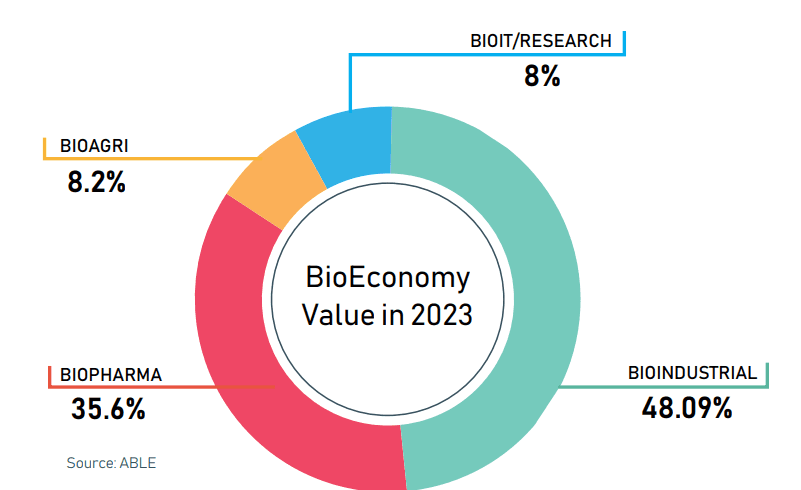
Segments: industrial biofuels/bioplastics, pharma vaccines, research-IT bioinformatics & diagnostics

Geography: Maharashtra, Karnataka, Telangana, Gujarat, Andhra Pradesh together supply two-thirds value

Quick Facts for MCQs

Economic Angle

  • Doubling: Market leapt from USD 86 bn 2020 to 165 bn 2024
  • Projection: USD 1 trillion bioeconomy envisaged by 2047
  • Jobs: 35 million positions anticipated across research IT biomanufacturing by 2030

Tech & Schemes

  • Policy: BioE3 targets Economy Environment Employment; prioritises biomanufacturing and R&D
  • Mission: Report urges National Bioeconomy Mission for unified funding and regulation
  • Support: BIRAC incubators and single-window clearance proposed to accelerate startups

Regional Disparity

  • Concentration: Five western-southern states generate 66 % of bioeconomy value
  • Lag: Northeast and East contribute under 6 % owing to weak labs
  • Measure: Incentivise biotech parks PPPs academia-industry links in backward zones

Challenges & Remedies

  • Regulation: GM crop approval delays impede agri-biotech productivity gains
  • Infrastructure: Eastern labs lack equipment funding cold-chain pilot plants
  • Investment: Venture capital lower than IT pharma; needs PPP and FDI push

Key Data Points

FeatureData-Point
Size 2024USD 165 bn
Size 2020USD 86 bn
CAGR 2020-24≈18 %
GDP share 20244.2 %
Target 2030USD 300 bn
Vision 2047USD 1 trn
Industrial share48 %
Pharma share35 %
Biotech companies 202410,075
Expected companies 203020,000 +
Jobs potential 203035 million
Top-5 states share66 %
NE & East share<6 %
Fastest-growing sliceResearch & IT
BioE3 launch2024

Related UPSC Prelims PYQs

ESE_GS 2026PYQ 1

Which institution released the report titled “India’s Blue Economy: Strategy for Harnessing Deep-Sea and Offshore Fisheries”?

GS-3Infrastructure

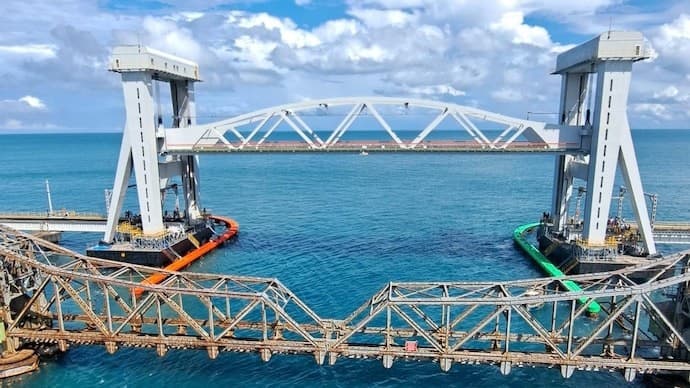
5.Pamban Vertical-Lift Rail Bridge (Rail Bridge)

The Hindu
Illustration for Pamban Vertical-Lift Rail Bridge (Rail Bridge)

What & Where

Pamban sea bridge: rail link between Mandapam (mainland Tamil Nadu) and Rameswaram Island across Palk Strait

Old 1914 double-leaf bascule replaced by 2024 India-first vertical-lift railway span

Corrosive marine zone demands high-durability, low-maintenance materials

Quick Facts for MCQs

Engineering & Design

  • Vertical-lift mechanism raises 72 m span swiftly for vessel passage
  • Corrosion-resistant steel, special coatings extend structural lifespan
  • Solar-ready deck enables future renewable power integration

Timeline

  • Old bridge finished 1914 after 2.5 years under Madras Railway
  • Manual bascule section operated till shutdown for corrosion Feb 2022
  • New automated bridge enters service April 2024 following ₹531 crore build

Connectivity & Safety

  • Wider, quicker clearance ensures unhindered Palk Strait navigation
  • Higher axle load, speed improve pilgrim and freight reach to Rameswaram
  • Automation curbs human error, enhances operational safety

Key Data Points

FeatureData-Point
Construction agencyRail Vikas Nigam Ltd
Project cost₹531 crore
New bridge length2.2 km
Old bridge length2.065 km
Vertical-lift span72 m
Old piers143
Clearance above MSL12.5 m
Old service life108 years
Old closure year2022
Inauguration date6 Apr 2024
GS-1History

6.Bodh Gaya Heritage Significance (Buddhist Site)

DH
Illustration for Bodh Gaya Heritage Significance (Buddhist Site)

What & Where

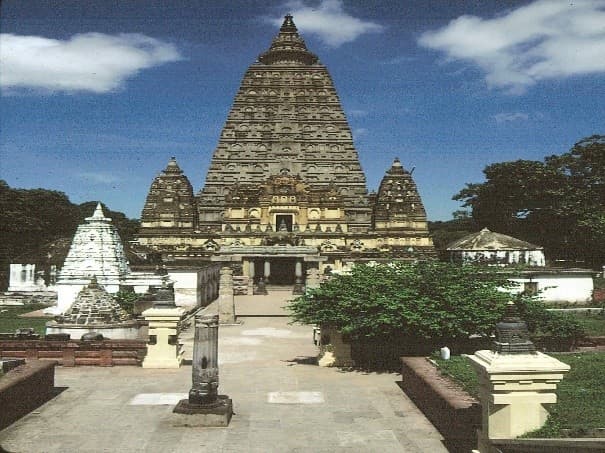
Bodh Gaya: holiest Buddhist site where Siddhartha attained enlightenment under Bodhi Tree, Mahabodhi Temple now stands

Location: Bodh Gaya town, Gaya district, Bihar, west bank of seasonal Falgu River

Pilgrimage circuit: one of four prime Buddhist centres with Lumbini, Sarnath, Kushinagar; UNESCO World Heritage 2002

Quick Facts for MCQs

History Timeline

  • Sequence: 6th cent BCE enlightenment; Ashoka builds Vajrasana; Harshavardhana expands in 7th cent CE
  • Decline: 12th cent CE invasions; revival under British archaeologist Alexander Cunningham 19th cent

Architecture & Elements

  • Main-shrine: 52 m brick pyramidal tower flanked by four smaller spires, elaborate stucco carvings
  • Bodhi Tree: direct botanical descendant of original pipal behind temple, fenced for protection
  • Vajrasana & Animesh Lochana: mark enlightenment spot and second-week gazing meditation

Legal & Governance

  • Act1949: Board includes four Hindus, four Buddhists, Gaya District-Magistrate chairperson; joint management mandated
  • Protests2024: Buddhist groups demand sole control, object to compulsory Hindu representation on board
  • Custody: Bihar police secure complex; ASI conserves structure under Ancient Monuments law

Key Data Points

FeatureData-Point
StateBihar
DistrictGaya
Nearby riverFalgu (Niranjana)
Enlightenment era6th century BCE
First shrine builderEmperor Ashoka, 3rd cent BCE
Diamond Throne nameVajrasana
Main temple height≈52 m
Major expansionKing Harshavardhana, 7th cent CE
Decline phase12th cent CE Islamic incursions
19th-century restorerAlexander Cunningham (British)
UNESCO inscription2002
Governing statuteBodh Gaya Temple Act, 1949
Board composition4 Hindus + 4 Buddhists + Gaya DM (Hindu)

Related UPSC Prelims PYQs

GS1, NDA_GAT 2002PYQ 1

Which one of the following statements is correct?

GS1, NDA_GAT 2022PYQ 2

Early Buddhist sculptors did not show Buddha in human form. Through which of the following symbols was Buddha's presence shown by the early sculptors?

GS-3Environment

7.Lead Poisoning Health Impacts (Lead Toxicity)

Down to Earth

What & Where

Lead poisoning — chronic absorption of toxic metal lead, inducing multi-system damage, especially in young children.

Main exposure routes: inhalation of smelting/recycling fumes; ingestion of contaminated dust, water or food.

Current hotspot: Kabwe mining zone, Zambia; one of the world’s most lead-polluted residential areas.

Quick Facts for MCQs

Health Impact

  • Symptoms: fatigue, abdominal pain, anaemia, gum “lead line”, limb weakness, cognitive decline.
  • Chronic effects: hypertension, renal impairment, immunotoxicity, reproductive toxicity.
  • High maternal bone lead mobilises during pregnancy, exposing fetus.

Sources & Pathways

  • Smelting, battery recycling, aviation fuel, stripping leaded paint generate inhalable particles.
  • Lead-soldered cans, glazed pottery, leaded pipes contaminate food and water.
  • Soil-borne dust around legacy mines remains persistent exposure reservoir.

International Response

  • WHO-UNEP Global Alliance targets elimination of lead paint worldwide.
  • GEF project aims legal lead-paint controls in ≥ 40 nations.
  • Leaded petrol globally phased out by 2021; paint now primary focus.

Indian Regulation

  • MoEFCC “Regulation on Lead Contents in Household & Decorative Paints, 2016” bans manufacture, trade, import beyond 90 ppm.
  • Rule covers domestic sale and export, making India compliant with global best practice.

Key Data Points

FeatureData-Point
Global deaths, 2019 (IHME)≈ 9 lakh
Global DALYs lost, 201921.7 million
Share of lead used in batteries> 75 %
Age group most vulnerable< 6 years
Indian decorative-paint lead cap90 ppm (2016 Rules)
WHO status1 of 10 major public-health chemicals
Safe exposure thresholdNone established

Related UPSC Prelims PYQs

ESE_GS, GS1 2012PYQ 1

Lead, ingested or inhaled, is a health hazard. After the addition of lead to petrol has been banned, what still are the sources of lead poisoning?

ESE_GS, GS1 2025PYQ 2

Nitrate when present in excess in drinking water causes

GS-3Species

8.Great White Shark Ecology (Marine Predator)

The Hindu
Illustration for Great White Shark Ecology (Marine Predator)

What & Where

Great White Shark; apex, regionally endothermic fish; scientific name Carcharodon carcharias.

20-year False Bay, South Africa study shows population crash triggers trophic cascade.

Natural range: temperate coasts of USA, South Africa, Australia, Japan; migrates to tropics seasonally.

Quick Facts for MCQs

Biological Traits

  • Endothermy allows higher cruising speed in cool waters.
  • Torpedo body and serrated dentition enable swift, lethal ambushes.
  • Low fecundity and late maturity heighten vulnerability to exploitation.

Ecological Impact

  • Apex removal drives mesopredator release of seals, sevengill sharks.
  • Collapsed mid-level fish affects commercial fisheries and biodiversity balance.
  • Indicator decline signals broader ecosystem instability.

Conservation Status

  • Vulnerable tag demands stricter by-catch limits, anti-poaching patrols.
  • South African data inform global shark-conservation action plans.
  • Maintaining predator numbers key for Sustainable Development Goal 14 targets.

Key Data Points

FeatureData-Point
IUCN categoryVulnerable
ReproductionViviparous; 12-month gestation
Sexual maturity♂ 11–13 ft (~10 yr); ♀ 15–16 ft (~12–18 yr)
Key preySeals, dolphins, fish; ambush “bite-and-wait”
Ecological roleTop predator; indicator of marine health
Unique physiologyRegional endothermy (partial warm-bloodedness)
Study locationFalse Bay, Western Cape, South Africa
Trophic outcomeShark loss → surge seals & sevengill sharks → small fish/shark collapse
Distribution zoneTemperate coastal waters; returns after tropical migrations
Body shapeTorpedo, serrated teeth for cutting prey
GS-3EnvironmentQuick Bite

9.Bhadra Wildlife Sanctuary Soft-Release Plan (Bhadra Sanctuary)

The Hindu
Illustration for Bhadra Wildlife Sanctuary Soft-Release Plan (Bhadra Sanctuary)

What & Where

Soft-release: step-wise rehabilitation of captured elephants via temporary enclosure before full freedom.

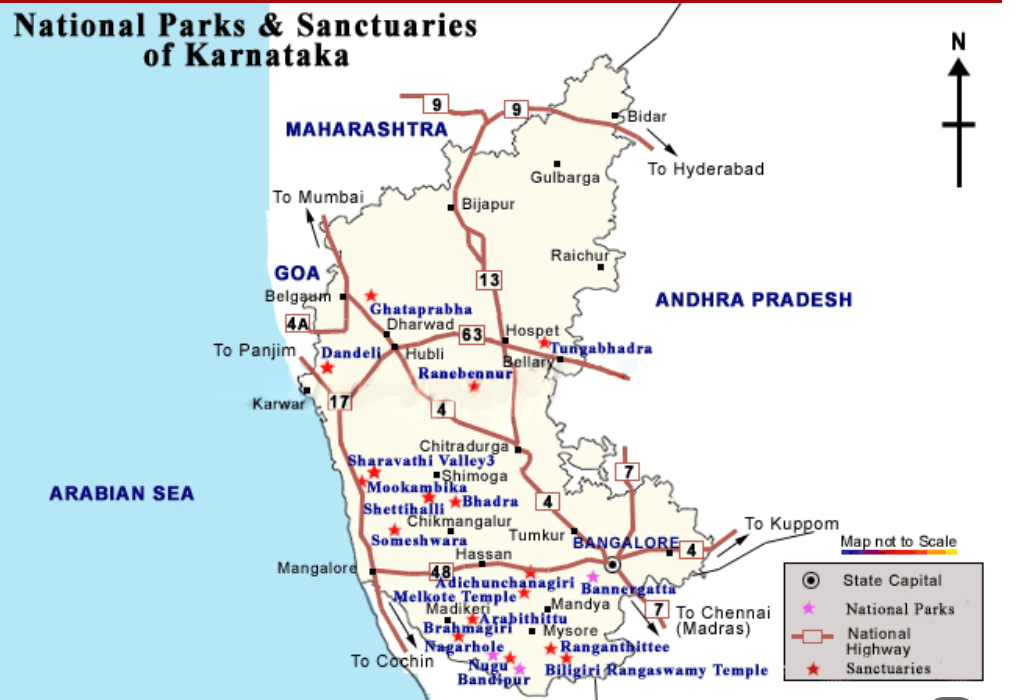
Location: Bhadra Wildlife Sanctuary (BWS), Western Ghats, Chikkamagaluru–Shivamogga districts, Karnataka.

Conflict source districts: Hassan, Chikkamagaluru, Kodagu; elephants shifted to BWS.

Quick Facts for MCQs

Conservation Strategy

  • Soft-release reduces stress, allows health checks, builds site fidelity before total release.
  • Targets escalating crop-raiding and human casualties in adjoining districts.
  • Capacity study indicates BWS can absorb additional herds safely.

Habitat Profile

  • Elevation gradient supports moist deciduous to Shola mosaics.
  • Bhadra River and tributaries ensure perennial water, critical for mega-fauna.
  • Teak, rosewood, bamboo dominate lower canopies.

Biodiversity Highlights

  • Apex predators: tiger, leopard, dhole regulate ungulate populations.
  • Herbivores: gaur, sambar, spotted deer maintain grassland-forest ecotones.
  • Over 250 bird species confer Important Bird Area potential.

Key Data Points

FeatureData-Point
Enclosure size for acclimatization20 sq km
Planned release sites inside BWS4
River giving sanctuary its nameBhadra
Alternate name of sanctuaryMuthodi Wildlife Sanctuary
National programme statusProject Tiger reserve
Dominant forest typesSouthern Moist Mixed Deciduous, Dry Deciduous, Shola
400-yr-old teak nicknameJagara Giant
Present elephant population≈ 450
Estimated carrying capacity+ 200 elephants
Recorded bird species250 +
Iconic Western Ghats endemicsHornbills, Malabar Trogon, Hill Myna

Related UPSC Prelims PYQs

GS1 2017PYQ 1

Recently there was a proposal to translocate some of the lions from their natural habitat in Gujarat to which one of the following sites?

GS-3S&T

10.BISAG-N Geo-Spatial Agency (Geo-Spatial Agency)

Business Standard
Illustration for BISAG-N Geo-Spatial Agency (Geo-Spatial Agency)

What & Where

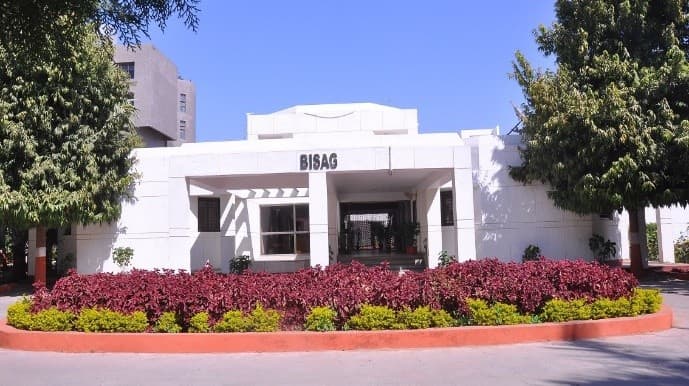
BISAG-N – national technical agency delivering space & geo-spatial solutions for governance, planning and development

Originated 1997 as Remote Sensing & Communication Centre; renamed 2003 after mathematician Bhaskaracharya

Headquartered Gandhinagar, Gujarat; administratively under Ministry of Electronics & IT (MeitY)

Quick Facts for MCQs

Tech & Schemes

  • Supports Digital India, PM-GatiShakti, disaster management via end-to-end GIS platforms
  • Integrates AI, ML, big-data analytics into governmental workflows
  • Provides GNSS-linked tools for land, agriculture, education, health sectors

Functions & Services

  • Geo-spatial offerings include remote sensing, photogrammetry, terrain modelling, disaster analytics
  • Builds integrated GIS solutions: data creation, migration, visualisation, map-based decision support
  • Delivers smart governance platforms: ERP, MIS, satellite communication networks

Capacity Building

  • Conducts training programmes for central/state officials on GIS and satellite tech
  • Runs ‘finishing schools’ and startup outreach using dedicated satellite bandwidth

Institutional Evolution

  • Began as Gujarat state unit; later designated national-level technical agency
  • Expanded mandate from mapping to full-stack geo-spatial R&D and custom software development

Key Data Points

FeatureData-Point
Full nameBhaskaracharya National Institute for Space Applications and Geo-informatics
Year founded (as RESECO)1997
Renamed to BISAG2003
Parent ministryMeitY, Govt. of India
HeadquartersGandhinagar, Gujarat
Recent MoU partnerComptroller & Auditor General (CAG)
Core mandateSpace-based GIS solutions for governance
Named after12th-century mathematician Bhaskaracharya

Related UPSC Prelims PYQs

GEO_GS, GS1 2010PYQ 1

In the context of space technology, what is “Bhuvan”, recently in the news?

GEO_GS, GS1 2021PYQ 2

The CollabCAD software is jointly launched by NIC and:

GS-2Polity

11.USCIRF India CPC Recommendation (Religious Freedom)

News on Air
Illustration for USCIRF India CPC Recommendation (Religious Freedom)

What & Where

USCIRF – independent, bipartisan U.S. body tracking global Freedom of Religion or Belief; based Washington D.C.

Country of Particular Concern (CPC) – IRFA tag for “systematic, egregious” religious-freedom violations; enables targeted U.S. actions.

2025 USCIRF report places India in CPC draft list, sparking New Delhi’s “biased, politically motivated” rebuttal.

Quick Facts for MCQs

USCIRF Structure & Mandate

  • Monitor global FoRB trends; maintain public FoRB Victims List.
  • Advise U.S. President, Secretary of State, Congress on policy, sanctions, designations.
  • Engage NGOs, foreign governments, religious groups; advocate prisoners of conscience.

2025 India Recommendations

  • Designate India CPC for “systematic, egregious” FoRB violations; first repeat call since 2020.
  • Impose targeted sanctions on RAW, named officials; integrate FoRB references in all bilateral dialogues.
  • Reassess arms transfers, especially MQ-9B Predator drones; revive Transnational Repression Reporting Act 2024.

Impact & Diplomatic Angle

  • Recommendations non-binding yet shape U.S. foreign-policy debates, human-rights discourse, Congressional hearings.
  • Potential to delay defence deals, tech transfers, strategic dialogues if State Department concurs.
  • Adds friction to Quad, I2U2, Indo-Pacific security calculus where India-U.S. cooperation is pivotal.

Key Data Points

FeatureData-Point
Parent lawInternational Religious Freedom Act, 1998
Governing members9 Commissioners
AppointmentPresident + Congressional leadership
Legal guideUDHR Article 18
Reporting cadenceAnnual, non-binding to Executive & Congress
2025 focusRecommend India as CPC
Suggested penaltySanctions on RAW, individual Vikash Yadav
Defence tie-inReview Predator drone sale to India
Extra bill citedTransnational Repression Reporting Act 2024
Indian responseRejection as “biased, politically motivated”
GS-3SecurityQuick Bite

12.Sahyog Portal for Cyber Compliance (Cyber Governance)

The Hindu

What & Where

Sahyog Portal: MHA platform uniting law-enforcement & social-media intermediaries for unlawful-content action across India.

IT Act focus: Sec 69A (blocking power) vs Sec 79 (safe-harbour) at centre of X Corp challenge.

Litigation site: X Corp (formerly Twitter) moved an Indian High Court to restrict takedown orders to Sec 69A.

Quick Facts for MCQs

Legal & Policy

  • Argument: Section 79 lacks explicit takedown mandate; coercive orders must follow Sec 69A procedure.
  • Precedent: Shreya Singhal (2015) upheld constitutional validity of Sec 69A blocking rules.
  • Liability: Loss of safe-harbour exposes intermediaries to criminal/civil action.

Tech & Schemes

  • Features: Single login, ticketing, status-tracking, real-time dashboards for takedown requests.
  • Timelines: Mirrors IT Rules 2021—24 hrs for removal, 72 hrs for data handover.
  • Data access: Portal channels lawful interception/info disclosure under IT Act & subordinate rules.

Security Dimension

  • Objective: Rapid curb on terror content, hate speech, CSAM, financial-fraud scams online.
  • Multi-agency: Police, cyber cells, central security can lodge parallel requests, avoiding duplication.
  • Audit trail: Digital logs ensure traceability, oversight, and later judicial scrutiny.

Key Data Points

FeatureData-Point
Portal ownerMinistry of Home Affairs
Launch aimFaster compliance & safer cyberspace
Key stakeholdersAuthorised agencies + intermediaries
IT Act year2000
Section 69A powerCentre blocks content for security/public order
Section 79 benefitSafe-harbour from third-party liability
Safe-harbour lost whenNo “expeditious” action under Sec 79(3)(b)
Litigating companyX Corp (formerly Twitter)
Court approachedHigh Court (India)
Core pleaOrders be issued only under Sec 69A
GS-2Scheme

13.Samagra Shiksha Abhiyan Overview (School Education)

The Hindu

What & Where

Samagra Shiksha Abhiyan: centrally sponsored umbrella for school education, Pre-school-Class 12, launched 2018.

Merges Sarva Shiksha, Rashtriya Madhyamik Shiksha, Teacher Education; implemented pan-India via MoE-State sharing.

PM SHRI Schools: 2022 model-school scheme; requires Centre-State MoU; targets 14,500 exemplars.

Quick Facts for MCQs

Fiscal Details

  • Pending-release: Committee flags ₹4,000 cr SSA share withheld from Tamil Nadu, Kerala, West Bengal.
  • Objection: Funding linkage to PM SHRI MoU termed unjustified by panel.
  • Cost-ratio: SSA continues standard Centre-State splits regardless of PM SHRI sign-up.

Legal & Policy

  • RTE: SSA vehicle for fulfilling 2009 Act mandates on free, compulsory schooling.
  • NEP 2020: PM SHRI designed as showcase for new policy principles.
  • Oversight: Parliamentary Standing Committee monitors scheme compliance, fund flow.

Tech & Schemes

  • Digital-push: SSA & PM SHRI emphasise smart classrooms, ICT labs, experiential learning.
  • Green-school: PM SHRI envisages solar, water harvesting, plastic-free campuses.
  • Vocationalisation: SSA finances skill modules for Classes 9-12.

Social Concerns

  • Equity-drive: SSA prioritises aspirational districts, LWE areas, Educationally Backward Blocks.
  • Inclusion: PM SHRI promises joyful, barrier-free learning for CWSN & girls.
  • Language-policy: Multilingual pedagogy central under PM SHRI, echoing NEP.

Key Data Points

FeatureData-Point
SSA Launch2018
Parent MinistryMinistry of Education
Merged SchemesSSA, RMSA, Teacher Education
Fund-share (NE & Himalayan)90 : 10
Fund-share (Other States)60 : 40
Fund-share (UTs w/o Legislature)100 % Centre
Core ObjectivesAccess, equity, quality, RTE compliance
Key FocusTeachers & Technology
AlignmentSDG 4
PM SHRI Launch2022-23
PM SHRI Duration5 yrs (2022-27)
PM SHRI Target Schools14,500
PM SHRI ThemesInclusivity, green infra, multilingual tech
MoU RequirementMandatory for PM SHRI participation
Parliamentary Concern₹4,000 cr SSA dues to TN, KL, WB

Related UPSC Prelims PYQs

CDS_GK, NDA_GAT 2025PYQ 1

NEP 2020 के दिशा-निर्देश के अनुसार, 'पोषण और पढ़ाई पूर्व' (PPBP), निम्नलिखित में से किस कार्यक्रम के अंतर्गत प्रारंभ की गई है?

CDS_GK, NDA_GAT 2022PYQ 2

भारत सरकार द्वारा हाल ही में आरम्भ की गई ‘SHRESHTA’ योजना के बारे में निम्नलिखित में से कौन-सा/कौन-से कथन सही है/हैं?

GS-2Scheme

14.LPG Subsidy Schemes Milestones (LPG Subsidy)

BL

What & Where

PAHAL; 2015 nationwide DBT by MoPNG for direct LPG-subsidy transfer into consumer bank accounts

Two transfer modes; Aadhaar Transfer Compliant & Bank Transfer Compliant

Complements ‘Give It Up’ voluntary subsidy surrender and PMUY deposit-free LPG rollout across India

Quick Facts for MCQs

Implementation & Scale

  • PAHAL; covers 30.19 crore consumers through Aadhaar/Bank compliant modes
  • PMUY; 103.3 million deposit-free LPG links issued in three phases till Jan 2025
  • GiveItUp; voluntary subsidy surrender plateaued at 11.5 million by 2025

Fiscal Impact

  • Savings; ₹1.5 lakh crore leakage plugged via PAHAL authentication purge
  • Subsidy; ₹2,200 per 14.2-kg, ₹1,300 per 5-kg connection under PMUY
  • Loan; interest-free credit for stove purchase widens initial access

Usage Barriers

  • RefillCost; ~₹1,100 per cylinder deters 83 % surveyed BPL households
  • LowUsage; PMUY users average 3.95 refills vs 6.5 for non-PMUY, cap 12 subsidised
  • Alternatives; freely available firewood/dung sustain chulha preference in rural areas

Key Data Points

FeatureData-Point
PAHAL launchJanuary 2015
Nodal ministryPetroleum & Natural Gas
PAHAL enrolment (2024)30.19 crore consumers
Govt saving via PAHAL₹1.5 lakh crore
‘Give It Up’ surrenders (2025)11.5 million users
PMUY launchMay 2016
Total PMUY connections (Jan 2025)103.3 million
PMUY Phase-1 target & date80 mn; met Sep 2019
Subsidy per 14.2 kg connection₹2,200 (FY 23-24)
Avg PMUY refills 2023-243.95 times/year

Related UPSC Prelims PYQs

CAPF_GAI, GS1 2020PYQ 1

PAHAL, an initiative to transfer the subsidy to direct bank account of the beneficiaries, is related to

CAPF_GAI, GS1 2004PYQ 2

Consider the following statements:

Ready to practice?

Test your knowledge with our UPSC test series.

Start Free Trial