UPSC Current Affairs

17 topicsGS-1: 4GS-2: 5GS-3: 8
0/17 done
GS-2Polity

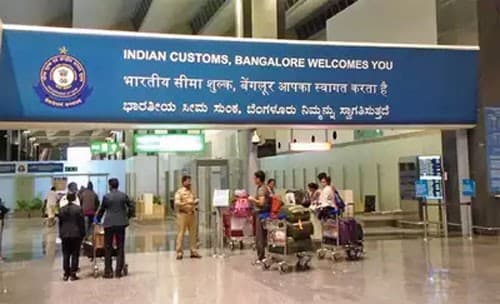
1.Customs Act 1962 Provisions (Customs Legislation)

Business Standard
Illustration for Customs Act 1962 Provisions (Customs Legislation)

What & Where

Customs Act 1962: primary Indian law governing import-export, valuation, seizure and levy of customs duty.

Operates across all customs stations; enforced at airports, seaports and land borders.

Administered by Central Board of Indirect Taxes & Customs (CBIC), Ministry of Finance.

Quick Facts for MCQs

Legal & Policy

  • Act empowers bans/restrictions for security, health, environment.
  • Provides warehousing, drawback, confiscation, search & seizure provisions.
  • DRI operates under Act for intelligence-based interdictions.

Passenger Allowances

  • Separate concessions for gold, electronics, liquor, tobacco; cumulative, not interchangeable.
  • Exemptions available only after ≥ 6 months stay abroad.
  • Allowances inapplicable to crew; crew must declare all dutiable goods.

Enforcement & Penalties

  • Smuggling threshold invokes arrest without warrant; goods & conveyance liable to confiscation.
  • Value-based penalties escalate for repeat offences.
  • Adjudication by customs officers; appeals lie with CESTAT and higher judiciary.

Key Data Points

FeatureData-Point
Enactment year1962
Admin ministryFinance
Key duty basisCustoms Tariff Act 1975
General duty-free allowance₹50,000 per passenger
Gold allowance-male20 g; value ≤ ₹50,000
Gold allowance-female40 g; value ≤ ₹1,00,000
NRI gold limit (6 mth)up to 10,000 g; duty after exemption
Laptop allowance1 per adult
Alcohol limit2 litres
Tobacco limit100 cigarettes (or equiv.)
Indian currency carry≤ ₹25,000 without declaration
Foreign currency declarationMandatory if > US$5,000 cash or US$10,000 aggregate
Imprisonment for smuggling3 – 7 years
Monetary penaltyUp to 3 × value of goods
Warehousing optionDuty deferred till clearance/export

Related UPSC Prelims PYQs

GS1 2011PYQ 1

With reference to India, consider the following Central Acts:
GS-2Polity

2.SC Balances Development and Environment Rights (Environmental Jurisprudence)

The Hindu

What & Where

Supreme Court judgment Auroville Foundation vs Navroz Kersasp Mody (2025) reversed NGT stay on township development

Site concerned Darkali forest tract inside Auroville township, Villupuram district, Tamil Nadu

Core issue balancing industrialisation and environmental protection under Articles 14, 19 and 21

Quick Facts for MCQs

Legal & Policy

  • SC states right to development equals right to clean environment; advocates golden balance
  • Ruling: Statutory Auroville Master Plan needs no additional environmental clearance
  • Darkali area adjudged non-forest under Forest (Conservation) Act 1980

Constitutional Rights

  • Article 14 mandates equitable treatment of environment and economic progress
  • Article 19 protects trade, industry; allows reasonable ecological restrictions
  • Article 21 subsumes clean environment plus sustainable economic life

Institutional Actors

  • National Green Tribunal halted project in 2022 citing ecological harm
  • Auroville Foundation appealed, invoking statutory planning authority
  • Supreme Court delivered final binding verdict supporting controlled development

Key Data Points

FeatureData-Point
Case Year2025
Lower Tribunal OrderNGT, 2022
Disputed AreaDarkali forest, Auroville, TN
Forest Law InvokedForest (Conservation) Act 1980, deemed inapplicable
Constitutional Articles14 – 19 – 21
Master Plan StatusStatutory; no extra clearance needed
SC OutcomeDevelopment ban lifted; plan upheld

Related UPSC Prelims PYQs

ESE_GS, GS1 2012PYQ 1

The National Green Tribunal Act, 2010 was enacted in consonance with which of the following provisions of the Constitution of India?

ESE_GS, GS1 2021PYQ 2

Which one of the following is NOT included in the 27 principles issued at the Rio-92 UN Conference on the Environment and Development?

GS-3Economy

3.De-Dollarization Initiatives and India (De-Dollarization)

Business Standard

What & Where

De-dollarisation: replacing US dollar with other currencies, gold, CBDCs in trade, finance, reserves

Key tools: mBridge CBDC, BRICS Bridge/Clear networks, gold-backed “Unit” currency (Kazan 2024)

Core geography: BRICS+ bloc plus Shanghai Energy Exchange driving petro-yuan trades

Quick Facts for MCQs

Initiatives & Platforms

  • mBridge CBDC pilot connects China-Thailand-UAE; BIS withdrew amid alleged US pressure
  • BRICS Bridge & Clear propose unified payment, clearing framework across enlarged BRICS+
  • Unit settlement currency, 40 % gold-60 % local FX, agreed at Kazan 2024

Benefits & Concerns

  • Diversification reduces sanction exposure, exchange-rate volatility tied to US monetary moves
  • Fragmentation risk: competing currency blocs, liquidity gaps, short-term market volatility
  • US retaliation possible via tariffs, sanctions against de-dollarising economies

India Angle

  • Rupee-based oil trade with Russia, UAE illustrates cautious participation
  • Plans: global UPI/RuPay, e-Rupee; reserves diversified to Euro, Yen, gold
  • Challenge: potential dip in dollar-centred FDI, remittance disruptions, yuan dependence

Key Data Points

FeatureData-Point
Petro-yuan share in oil trade10.5 % world total
Petro-yuan share in oil futures14.4 % global contracts
Russian assets frozen (2022)USD 300 billion
“Unit” backing ratio40 % gold : 60 % local FX
New BRICS+ entrants 2024Egypt, Ethiopia, Iran, UAE, Indonesia

Related UPSC Prelims PYQs

GS1 2016PYQ 1

Recently, which one of the following currencies has been proposed to be added to the basket of IMF's SDR?

GS1 2020PYQ 2

यदि निकट भविष्य में दूसरा वैश्विक वित्तीय संकट होता है, तो निम्नलिखित में से कौन-सी कार्यवाही/नीति, भारत को, सबसे अधिक संभावना के साथ, कुछ सुरक्षा प्रदान कर सकती है?

GS-1History

4.PEPSU Muzhara Agrarian Movement (Agrarian Movements)

Indian Express

What & Where

Agrarian Muzhara Movement: landless tenants sought ownership of fields they tilled

Targeted Biswedari landlord system in Patiala & East Punjab States Union (PEPSU)

Peak reach 1940s-50s, covering 784 villages across present Punjab & Jind (Haryana)

Quick Facts for MCQs

Historical Timeline

  • 1930s small protests began in Patiala state
  • Intensified post-1947 as feudal dues persisted despite Independence
  • Land reforms enacted 1952 under PEPSU authority

Socio-Economic Causes

  • Exploitation chain: tenants → landlords → princely rulers → British revenue
  • Small proprietors downgraded to tenants after indebtedness and force
  • Poverty deepened by mandatory one-third crop surrender

Leadership & Organisation

  • Jagir Singh Joga coordinated village committees, mass conferences
  • Teja Singh Sutantar infused revolutionary, wider peasant-front linkages
  • Sewa Singh Thikriwala’s earlier anti-feudal work inspired mobilisation

Resistance Methods

  • Initial petitions and peaceful gatherings for tenancy rights
  • Defensive arming when police-landlord violence escalated
  • Collective crop-withholding and land-occupation pressured administration

Outcomes & Legacy

  • Ownership transfer turned muzharas into proprietors, weakening feudal hold
  • Movement stands as Punjab’s emblem of peasant assertion
  • 19 March commemorations honour martyrs, educate on agrarian rights

Key Data Points

FeatureData-Point
Launch phaseEarly-1930s, Patiala princely state
Peak years1940s–1950s
Villages involved784
Produce demanded by landlordsOne-third share
Feudal system nameBiswedari
Key leadersJagir Singh Joga; Buta Singh; Teja Singh Sutantar; Sewa Singh Thikriwala
Turning violentWhen landlords & state used force, tenants armed for self-defence
Reform milestone1952 land reforms granted tenant ownership
Annual remembrance19 March each year
Core provinces todayPatiala, Barnala, Mansa, Sangrur, Bathinda, Mohali, Fatehgarh Sahib, Faridkot, Jind
GS-1History

5.Aurangzeb Reign Overview (Mughal Rulers)

Business Standard

What & Where

Aurangzeb (Alamgir I) – sixth Mughal emperor, noted for expansion and Islamic conservatism.

Geography: born Dahod (Gujarat); died Ahmednagar (Deccan) while on campaign.

Current flashpoint: Nagpur clashes demanding removal of his tomb.

Quick Facts for MCQs

Administration & Revenue

  • Centralisation: emperor vetted every edict, curbing ministerial autonomy.
  • Revenue farming: middlemen collected taxes, boosting corruption, reducing efficiency.
  • Muhtasibs appointed to police morality under Sharia.

Military & Expansion

  • Continuous campaigns expanded frontiers to Bengal, Deccan, Kabul.
  • Deccan wars drained treasury, led to death at Ahmednagar.
  • Empire reached largest Mughal size ≈ 4 million sq km.

Art & Culture

  • Architecture: Badshahi Mosque, Bibi Ka Maqbara, Mathura Idgah symbolize authority.
  • Literature: patronised Persian-Arabic scholars; compiled Fatawa-e-Alamgiri.
  • Personal piety: hand-copied Quran copies for income.

Religious Policies

  • Jizya 1679 restored, targeting non-Muslims for revenue and orthodoxy.
  • Ordered selective temple demolitions, often for political control.
  • Executed Guru Tegh Bahadur 1675 amid rising Sikh assertion.

Key Data Points

FeatureData-Point
Birth3 Nov 1618
BirthplaceDahod, Gujarat
FatherShah Jahan
MotherMumtaz Mahal
Reign1658 – 1707 (longest Mughal, 50 yrs)
Death3 Mar 1707, Ahmednagar
Empire extent≈ 4 million sq km
Revenue tweakIntroduced revenue farming
Legal codeFatawa-e-Alamgiri
Jizya re-imposed1679
Sikh eventGuru Tegh Bahadur executed 1675
Major mosqueBadshahi Mosque, Lahore 1673
Taj-like tombBibi Ka Maqbara, Aurangabad 1678
Recent unrest siteNagpur, Maharashtra

Related UPSC Prelims PYQs

GS1 2000PYQ 1

The given map refers to the kingdom of

GS1 2006PYQ 2

Bhakta Tukaram was a contemporary of which Mughal Emperor?

GS-1Mapping

6.Betwa River Profile (Indian Rivers)

NDTV

What & Where

River Betwa right-bank tributary of Yamuna, draining north Madhya Pradesh to south-central Uttar Pradesh

Origin Jhiri village, Raisen district, Vindhya Range at 470 m elevation

Runs 590 km via Bhopal, Vidisha, Orchha, Hamirpur before meeting Yamuna near Hamirpur

Quick Facts for MCQs

Hydrography

  • Tributaries Halali, Dhasan plus 12 smaller streams form 14-stream Betwa basin
  • Basin majority 11 tributaries entirely in Madhya Pradesh, 3 shared with Uttar Pradesh

Environmental Impact

  • Drying indicators reduced surface flow, exposed riverbed, ecological imbalance
  • Deforestation around origin lowered groundwater recharge, raised erosion

Human Pressures

  • Sand-mining rampant, disturbs channel morphology, redirects flow
  • Illegal borewells over-extract groundwater, blocking natural spring inflows
  • Concrete encroachments near source choke recharge channels

Key Data Points

FeatureData-Point
Origin villageJhiri, Raisen district
Origin elevation470 m
Total length590 km
States traversedMadhya Pradesh, Uttar Pradesh
Confluence pointNear Hamirpur, UP
River orientationRight-bank tributary of Yamuna
Major tributariesHalali, Dhasan
Longest tributaryHalali – 32 km
Total tributaries14 (11 MP, 3 shared UP)
Key degradation driversIllegal sand mining, deforestation, excessive borewells

Related UPSC Prelims PYQs

GS1 2006PYQ 1

Recently Uttar Pradesh and Madhya Pradesh governments signed a Memorandum of Understanding for the linking of two rivers as a link project. Which are these two rivers?

GS-3Environment

7.State of Global Climate 2024 Findings (Climate Change Report)

Hindustan Times
Illustration for State of Global Climate 2024 Findings (Climate Change Report)

What & Where

State of Global Climate: WMO’s yearly audit of temperature, oceans, cryosphere, extremes against pre-industrial (1850-1900) baseline.

Paris 1.5 °C ceiling: temperature rise limit to avoid worst impacts; report shows approach and potential near-term overshoot.

Coverage global; highlighted hotspots Arctic, Antarctic, Indian Ocean, equatorial Pacific, East Asia, Mediterranean, West Asia, Andes.

Quick Facts for MCQs

Extreme Weather

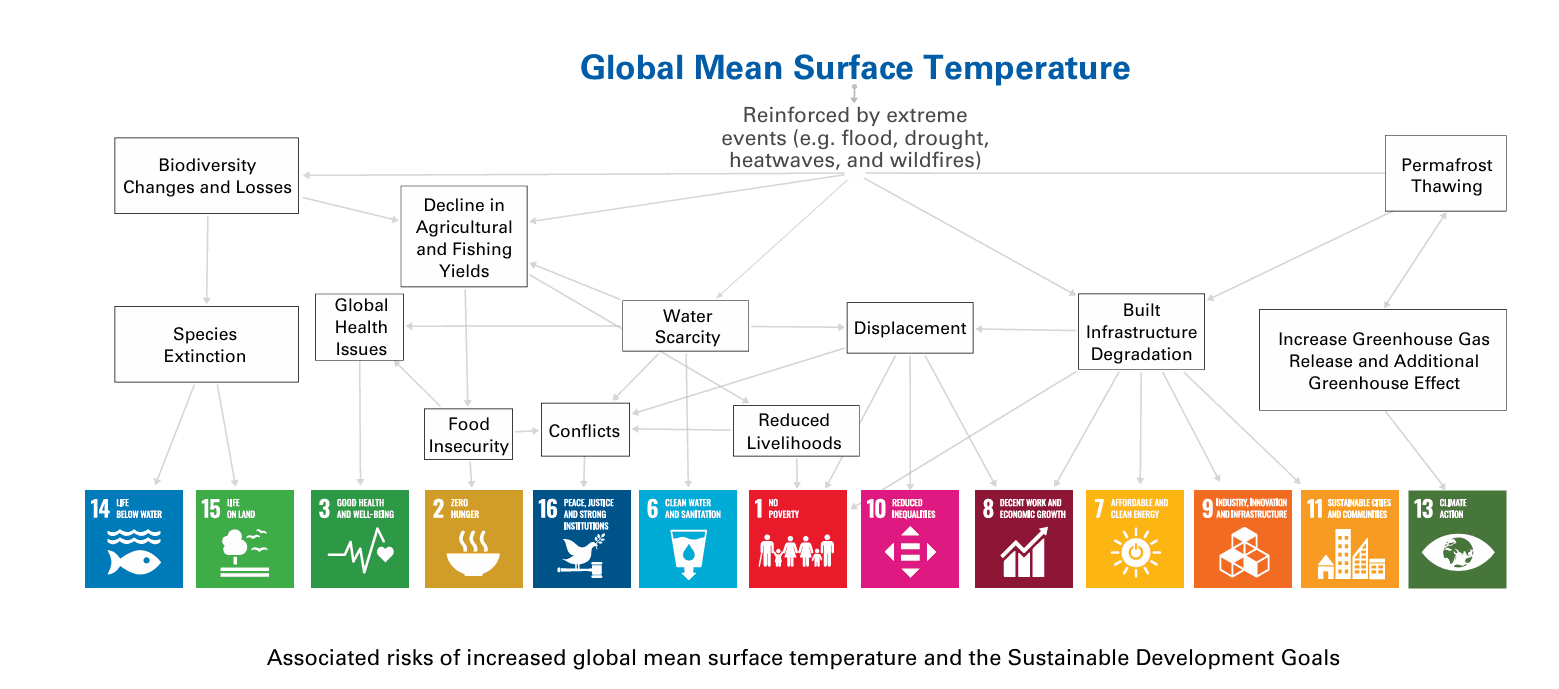
  • Displacements record 2024; cyclones, floods, droughts aggravated food crises across several regions.
  • Heatwaves scorched East Asia, Southeast Europe, Mediterranean, West Asia, US Southwest, taxing health systems.
  • Extremes attributed to elevated greenhouse gases and accumulated warming.

Cryosphere

  • Arctic sea-ice minimum below average every year since 2007; 18-year decline streak.
  • Antarctic sea-ice 2024 only above 2023 historic low, underscoring rapid polar change.
  • Glacier mass losses sharpest in Norway, Sweden, Svalbard, tropical Andes during 2022-24.

Oceanic Trends

  • Ocean heat content record; warming rate doubled versus 1960.
  • Global mean sea level hits new peak; rise rate doubled compared with 1990s satellite era.
  • Acidification intensifying in Indian, Southern, equatorial Pacific waters, effects irreversible for centuries.

Future Outlook

  • WMO warns temporary Paris-limit overshoot likely within five years without drastic emission cuts.
  • Continued inertia risks locking irreversible sea-level rise and ecosystem collapse.
  • Findings intended to pressure forthcoming COP negotiations toward accelerated mitigation and adaptation.

Key Data Points

FeatureData-Point
Current warming (2024)1.34–1.41 °C above baseline
Months >1.5 °C (last 20)19
Probable 1.5 °C breachBy September 2029
Atmospheric CO₂ level151 % of pre-industrial
Arctic low-ice streak18 consecutive years
Antarctic ice 20242nd-lowest extent
Sea-level rise 2015-244.7 mm / year
Sea-level rise 1993-022.1 mm / year
Ocean heat contentHighest in 65 years
Worst glacier balance2022–2024 period

Related UPSC Prelims PYQs

GEO_GS, GS1 2014PYQ 1

The scientific view is that the increase in global temperature should not exceed 2 °C above the pre-industrial level. If the global temperature increases beyond 3 °C above the pre-industrial level, what can be its possible impact/impacts on the world?

GEO_GS, GS1 2021PYQ 2

Which one of the following statements on Climate of India is NOT correct?

GS-3SpeciesQuick Bite

8.New Endemic Killifish in Kenya (Endemic Fish Species)

Down to Earth
Illustration for New Endemic Killifish in Kenya (Endemic Fish Species)

What & Where

Discovery: Nothobranchius sylvaticus, first forest-dwelling killifish, found in 7.09-myo Gongoni Forest, coastal Kenya

Taxon: Killifish = small, oviparous “toothcarps” (Order Cyprinodontiformes) inhabiting fresh & brackish waters worldwide

Status: Species endemic to Kenya; IUCN classifies it as Critically Endangered

Quick Facts for MCQs

Biodiversity Status

  • IUCN listing Critically Endangered; distribution limited to single Kenyan forest stream
  • First ever forest-endemic killifish underscores vulnerability of niche freshwater fauna

Species Traits

  • Adaptability: tolerates salinity spikes and hypoxic water, aiding survival in ephemeral African wetlands
  • Utility: short lifespan and genetic tractability make killifish preferred ageing research model

Kenya Geography

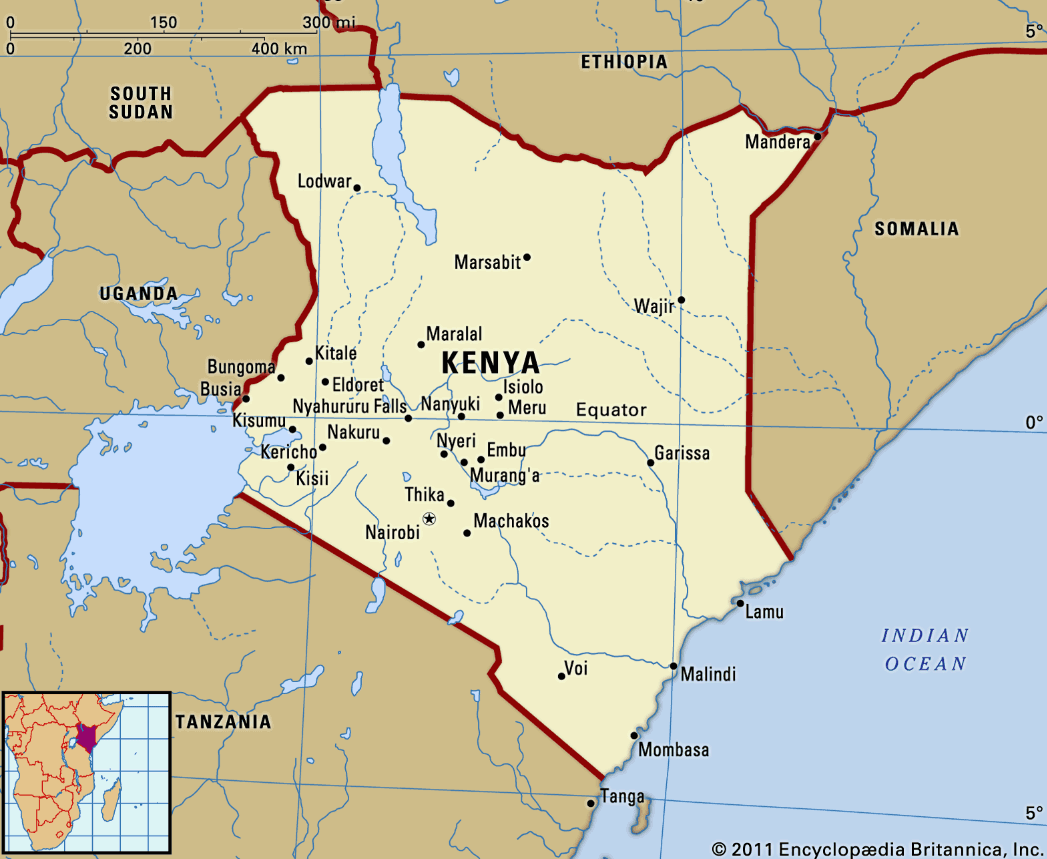
  • Location: Equatorial East Africa; coastline along Indian Ocean with strategic wildlife and refugee zones
  • Lakes: Turkana in north rift; portion of Lake Victoria in west supports fisheries and transport

International Wildlife Exchange

  • Initiative: India sourcing 20 Kenyan cheetahs to bolster Gandhi Sagar reintroduction, diversifying founder genetics

Key Data Points

FeatureData-Point
Species nameNothobranchius sylvaticus
Common groupKillifish (toothcarps)
Discovery siteGongoni Forest, Kenya
Forest age7.09 million years
Habitat typeFreshwater stream inside forest
EndemismKenya only
IUCN statusCritically Endangered
ReproductionEgg-laying (oviparous)
OrderCyprinodontiformes
Environmental toleranceHigh salinity; low oxygen
Research valueModel for ageing & genetics
Kenyan bordersS. Sudan, Ethiopia, Somalia, Uganda, Tanzania, Indian Ocean
Major lakesTurkana; Victoria (shared)
Refugee complexDadaab (Somali refugees)
India-Kenya wildlife deal20 cheetahs for Gandhi Sagar WLS
GS-3S&T

9.Audible Enclave Sound Technology (Acoustic Engineering)

The Hindu
Illustration for Audible Enclave Sound Technology (Acoustic Engineering)

What & Where

Audible Enclaves – localized pockets of audible sound created only where two ultrasonic beams intersect

Developed at Penn State, enables headphone-free private listening in public or shared spaces

Uses 3D-printed metasurface lenses to self-bend beams around obstacles up to ~1 m range

Quick Facts for MCQs

Tech & Innovation

  • Self-bending beams follow crescent paths, converge only at programmed coordinate
  • Intersection zone acts as virtual headset, no audible spillover beyond a few centimetres
  • Directionality allows sound delivery even behind partial barriers or around human heads

Limitations

  • Range constrained by current ultrasonic power, rapid intensity drop beyond 1 m
  • Volume capped at 60 dB; higher levels need stronger non-linear interaction risking safety norms
  • Performance sensitive to ambient noise, wind, unpredictable outdoor acoustics

Potential Applications

  • Museum exhibits, ATMs, driver navigation prompts, classroom individualized audio
  • Assistive tech for hearing-impaired without isolating from environment
  • Secure voice communications in military or crowded control rooms

Key Data Points

FeatureData-Point
Core principleNonlinear acoustic interaction of dual ultrasonic waves
Beam carriersSlightly different ultrasonic frequencies
Lens type3D-printed acoustic metasurfaces
Typical range≈ 1 metre from source
Output loudness≈ 60 dB (normal conversation)
Tested venuesClassrooms, vehicles, open outdoor areas
Lead institutionPennsylvania State University
GS-3S&TQuick Bite

10.Micro-Lightning Role in Origin of Life (Prebiotic Chemistry)

Stanford

What & Where

Micro-lightning: tiny electrical discharges created when charged water droplets collide or break apart.

Key settings: oceans’ wave-spray, waterfalls, rainfall, laboratory microdroplet jets; prevalent on early Earth.

Process chain: droplet charge separation ➔ spark ➔ synthesis of prebiotic organics (uracil, glycine, HCN).

Quick Facts for MCQs

Origin Hypotheses

  • Study challenges Miller-Urey by emphasizing ubiquitous water-borne sparks over rare atmospheric strikes.
  • Both models rely on electrical energy but differ in location (air vs liquid interface).

Experimental Evidence

  • Lab jets of water droplets in methane–ammonia mix produced measurable sparks and organic molecules within milliseconds.
  • No external electrodes required; charge separation arises naturally during droplet breakup.

Astrobiology

  • Icy moon plumes mimic spray conditions, suggesting similar micro-lightning driven chemistry beyond Earth.
  • Raises probability estimates for independent life emergence in subsurface oceans.

Key Data Points

FeatureData-Point
Lead institutionStanford University, 2025 study
Core mechanismCharge buildup on splashing/spraying microdroplets
Spark scaleMicro-lightning; invisible to naked eye
Biomolecules formedUracil, glycine, hydrogen cyanide
Comparison modelMiller-Urey (1952) large-scale lightning
Frequency implicationDroplet sparks far more common than atmospheric bolts
Potential extraplanetsEuropa, Enceladus icy plumes
Scientific conceptAbiogenesis via prebiotic chemistry
GS-3S&TQuick Bite

11.Sunita Williams Extended ISS Mission Return (Human Spaceflight)

The Hindu
Illustration for Sunita Williams Extended ISS Mission Return (Human Spaceflight)

What & Where

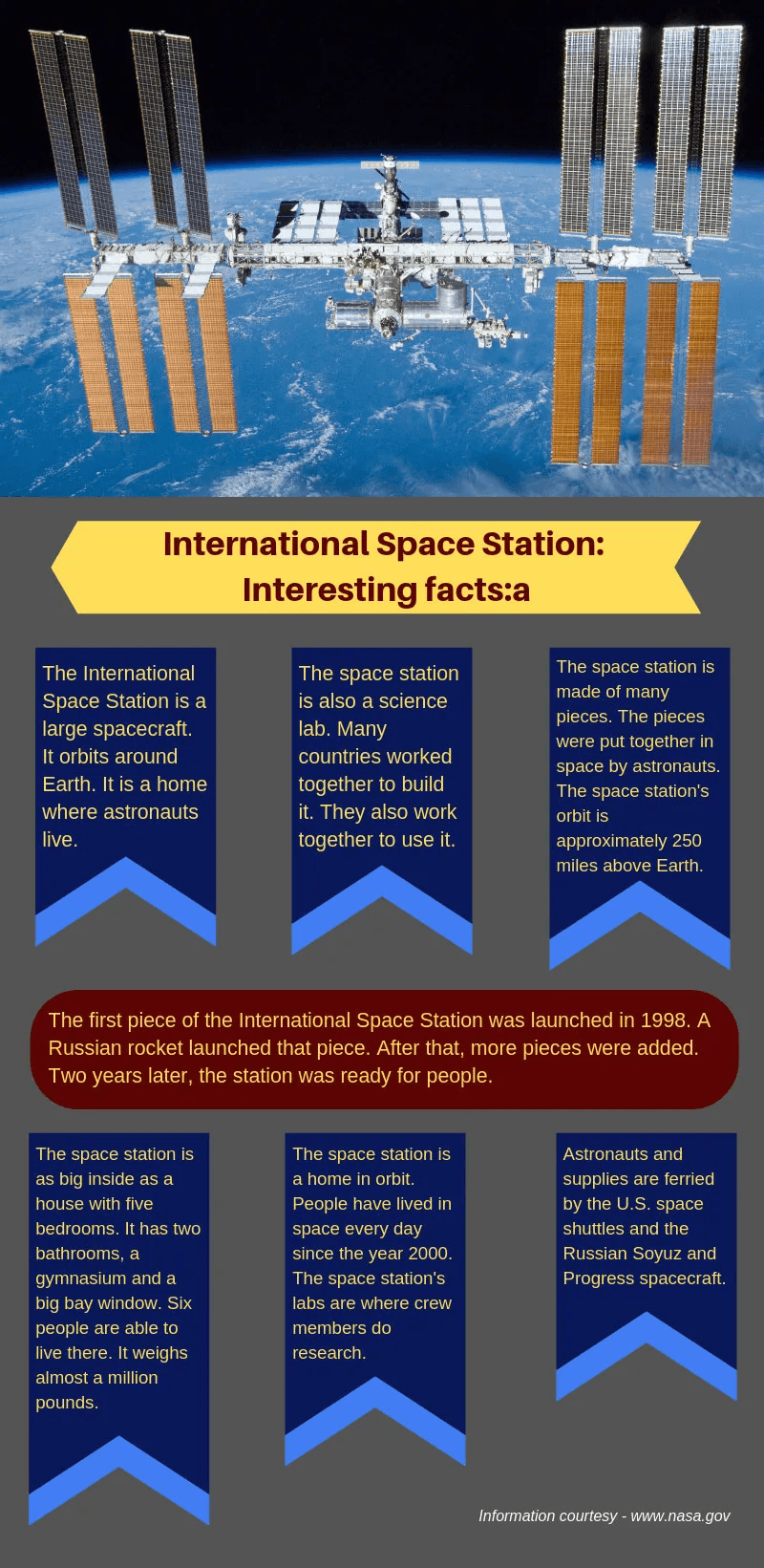
NASA Commercial Crew Programme ferries astronauts to the International Space Station (~400 km Low-Earth Orbit).

Two crew vehicles: Boeing Starliner (capsule, Atlas V/ULA Vulcan launcher) & SpaceX Crew Dragon (reusable capsule on Falcon 9).

India planning Gaganyaan crewed LEO flight and Bhartiya Antriksh Station orbiting 400–450 km by 2035.

Quick Facts for MCQs

Spacecraft Tech

  • Starliner reusable capsule; service module issues delayed Earth-return capability.
  • Crew Dragon fully autonomous docking; launches atop reusable Falcon 9, offers contingency redundancy for NASA.
  • CCP encourages parallel private designs, reducing sole-vendor risk for ISS access.

Human Health

  • Microgravity triggers fluid shift → anemia, SANS, soft-feet syndromes.
  • Resistive exercise devices mandatory to curb 2 % monthly bone-mineral loss.
  • Cosmic rays bypass Earth shielding, raising mutation & cancer odds on Moon/Mars missions.

Indian Plans

  • Gaganyaan precursor abort & uncrewed tests ongoing; crewed flight slated before BAS base-module launch.
  • BAS envisaged 20-tonne modular outpost enabling long-duration Indian human presence.
  • Domestic ecosystem push: life-support, docking tech, microgravity R&D, global collaborations.

Key Data Points

FeatureData-Point
Astronauts affectedButch Wilmore, Sunita Williams
Actual ISS stay286 days (planned 8 days)
Cause of delayStarliner propulsion anomalies
Return craftCrew Dragon “Freedom” (SpaceX Crew-9)
Starliner builderBoeing under NASA-CCP
Crew Dragon variantsCrew (people) & Cargo (supplies)
Bone loss in micro-g≈ 2 % per month
Space AnemiaDrop in red-cell count causing fatigue
SANSOptic-disc swelling, farsightedness
“Baby Feet”Callus loss ⇒ hypersensitive soles post-flight
Radiation threatDNA damage, ↑ cancer risk in deep space
Gaganyaan target3 astronauts, 3 days, 400 km orbit
BAS timelineBase module 2028; full station 2035

Related UPSC Prelims PYQs

CDS_GK, ESE_GS 2022PYQ 1

India's maiden human space mission will be launched in 2023. What is its name?

CDS_GK, ESE_GS 2021PYQ 2

Name the NASA astronaut who after setting the record of 328-day stay on the International Space Station (ISS), returned through Earth’s atmosphere and landed on the Kazakhstani desert on 6th Feb 2020.

GS-2SecurityQuick Bite

12.Yemen Houthis and Red Sea Security (Red Sea Security)

The Hindu
Illustration for Yemen Houthis and Red Sea Security (Red Sea Security)

What & Where

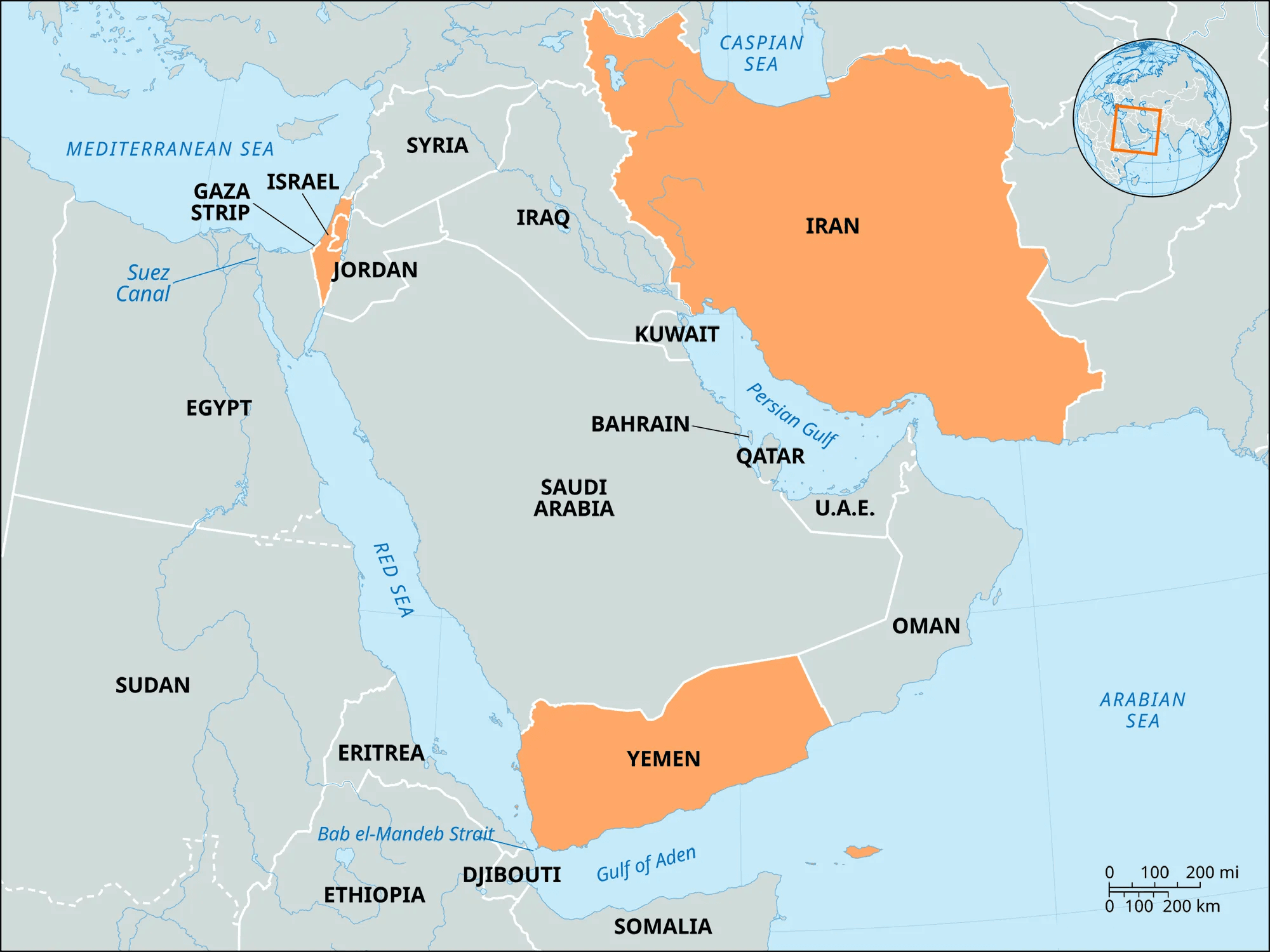
Yemen – southern Arabian Peninsula nation, coastline on Red Sea, Gulf of Aden, Arabian Sea, Guardafui Channel.

Bab el-Mandeb Strait – 29 km narrow chokepoint between Yemen & Djibouti linking Indian Ocean–Red Sea–Suez Canal.

Houthis – Zaidi-Shia insurgent faction from north-west Yemen, Iranian-backed, now target Israeli-linked shipping.

Quick Facts for MCQs

Security Dimension

  • US-led airstrikes aim to degrade Houthi launch sites, protect global shipping lanes.
  • Houthi drones/missiles threaten ∼12 % world trade transiting Bab el-Mandeb–Suez corridor.
  • Strait classified as maritime chokepoint by US Energy Information Administration.

Geography & Trade

  • Bab el-Mandeb handles major Europe–Asia oil, LNG, container flows; diversion around Cape adds ~10 days.
  • Guardafui Channel south of Yemen funnels traffic entering Gulf of Aden toward the strait.
  • Chokepoint disruption raises global freight and energy insurance premiums.

International Relations

  • Iran supplies Houthis with missiles, drones, intelligence, bolstering regional proxy leverage.
  • Axis of Resistance actors (Hezbollah, Iraqi militias, Houthis) synchronize responses to Gaza conflict.
  • Red Sea security mission involves US, UK, France; India monitors SLOCs under Operation Sankalp.

Key Data Points

FeatureData-Point
Yemen northern neighbourSaudi Arabia
Yemen eastern neighbourOman
Seas bordering YemenRed Sea, Gulf of Aden, Arabian Sea
Strait width (narrowest)≈ 29 km (Bab el-Mandeb)
Strait connectsIndian Ocean ↔ Mediterranean Sea (via Red Sea, Suez)
Group typeZaidi Shia militant (Houthis)
External backerIran
Coalition nameAxis of Resistance
Recent US actionIntensified airstrikes on Houthi sites
Trigger for strikesHouthi missile & drone attacks in Red Sea
GS-3Security

13.Sonic Weapons Technology (Non-Lethal Weapons)

Indian Express
Illustration for Sonic Weapons Technology (Non-Lethal Weapons)

What & Where

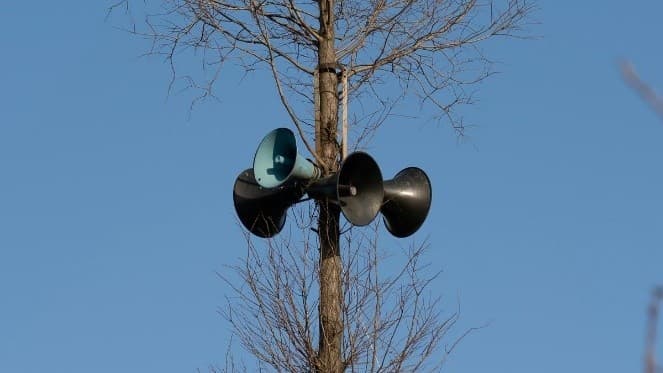
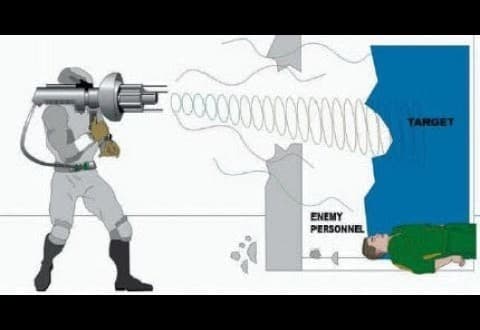
Definition – Sonic weapons: devices projecting high-intensity audible/inaudible beams to disperse, disorient or communicate.

Key types – LRAD (≤160 dB, 8.9 km), Mosquito (<18 kHz tone only youth hear), Infrasonic (<20 Hz, experimental).

Geography – Alleged recent use in Belgrade, Serbia; earlier military-police deployment on ships, borders, protest sites worldwide.

Quick Facts for MCQs

Technology & Types

  • Transducers convert electrical energy into tightly focused acoustic beams.
  • Operators modulate frequency, volume, direction for selective impact.
  • Narrow beam geometry prevents significant side-lobe spread.

Health Impact

  • Exposure above 120 dB risks permanent cochlear damage.
  • Reported effects: ringing, headaches, vomiting, sweating, disorientation.
  • Collateral harm possible to bystanders and security personnel alike.

Security Dimension

  • Authoritarian regimes criticised for crowd-dispersal deployment.
  • Navies use LRAD for non-lethal ship perimeter warnings.
  • Commercial premises fit Mosquito units to curb youth loitering.

Key Data Points

FeatureData-Point
Max loudness (LRAD)≈160 dB
Operational range (LRAD)≈8,900 m
Mosquito frequency band~17–18 kHz
Age group chiefly affected (Mosquito)<30 years
Infrasonic band cutoff<20 Hz
Hearing-loss threshold≥120 dB prolonged
Core health symptomsTinnitus, vertigo, nausea, ear bleeding
Main current allegationSerbian govt vs Belgrade protesters
Primary usesCrowd control, long-range alerts, loitering deterrence

Related UPSC Prelims PYQs

NDA_GAT 2022PYQ 1

SONAR is a device that is used to measure the distance of underwater objects by a ship. Which of the following types of waves does it use for this purpose?

GS-3SecurityQuick Bite

14.Exercise Varuna 2025 Overview (India-France Naval Exercise)

Hindustan Times

What & Where

Varuna: annual bilateral India–France naval exercise; 23rd edition slated for 2025.

Theatre: Arabian Sea, western Indian Ocean littoral.

Major platforms: carriers INS Vikrant & Charles de Gaulle, destroyers, frigates, Scorpene-class submarine.

Quick Facts for MCQs

Defence Procurement

  • 26 Rafale-M fighters to equip Vikrant, enhancing carrier-borne air power.
  • CCS nod: three additional Scorpenes, extending Project-75 production run.
  • Kalvari-class submarine tally to rise from six to nine post-order.

Industrial Collaboration

  • Indo-French roadmap prioritises joint design, development, production of advanced defence hardware.
  • MDL continues licensed Scorpene manufacture with sustained French technology transfer.
  • Initiative dovetails with Atmanirbhar Bharat push for indigenous defence manufacturing.

Security Dimension

  • Varuna amplifies Indo-French maritime deterrence across Indian Ocean Region.
  • Carrier, surface combatant, submarine operations refine high-end interoperability.
  • Exercise complements wider Indo-Pacific partnerships advocating rules-based order.

Key Data Points

FeatureData-Point
Exercise nameVaruna
1st edition year2001
2025 edition number23rd
2025 venueArabian Sea
Indian carrierINS Vikrant
French carrierCharles de Gaulle
Upcoming fighter deal26 Rafale-M for Vikrant
Extra submarines cleared3 Scorpenes under Project-75
Scorpenes already built6 Kalvari-class at MDL
New defence roadmapCo-design, co-develop, co-produce equipment

Related UPSC Prelims PYQs

GEO_GS, NDA_GAT 2024PYQ 1

Which one among the following Joint Military Exercises was NOT conducted between India and USA?

GEO_GS, NDA_GAT 2025PYQ 2

Naseem-Al-Bahr, held in October 2024, was a joint maritime exercise between the navies of India and

GS-2Scheme

15.Samarth Telecom Incubation Program (Telecom Incubation)

PIB

What & Where

Samarth Incubation Program — C-DOT, DoT–run platform nurturing telecom-ICT startups from ideation to market.

Nationwide rollout via Software Technology Parks of India; six-month cohorts operated in hybrid physical–virtual mode.

Targets emerging domains: 5G/6G, AI, IoT, cybersecurity, quantum tech.

Quick Facts for MCQs

Tech & Schemes

  • Focus technologies: 5G/6G, AI, IoT, cybersecurity, quantum computing.
  • Support basket: grants, mentorship, R&D labs, networking with industry-academia.
  • Hybrid delivery ensures pan-India reach without relocation burden.

Economic Angle

  • Grant and mentorship aim to convert prototypes into scalable, revenue-ready products.
  • Program envisages job-creating, export-capable telecom ventures strengthening startup ecosystem.
  • Encourages sustainable business models aligned with domestic demand and global markets.

Policy Push

  • Initiative complements Digital India and Atmanirbhar Bharat innovation objectives.
  • Requires DPIIT recognition, aligning with national startup regulatory framework.
  • Promotes public–private R&D partnerships, accelerating indigenous telecom solutions.

Key Data Points

FeatureData-Point
Launching bodyCentre for Development of Telematics (C-DOT)
Parent ministryDepartment of Telecommunications, Ministry of Communications
Implementing partnerSoftware Technology Parks of India (STPI)
Cohort size18 startups
Planned total36 startups in two cohorts
Cohort duration6 months each
Financial aidGrant up to ₹5 lakh per startup
Incubation modelHybrid – physical plus virtual
Lab accessC-DOT R&D facilities
EligibilityDPIIT-recognised startups

Related UPSC Prelims PYQs

CDS_GK, ESE_GS 2026PYQ 1

The Samriddh Gram Phygital Services Pilot Project was recently launched by which organization?

CDS_GK, ESE_GS 2024PYQ 2

Which one of the following is an ‘end-to-end secure mobile ecosystem’ developed recently by the Indian Army?

GS-2Scheme

16.Rashtriya Gokul Mission Expansion (Indigenous Cattle Breeds)

The Hindu

What & Where

Rashtriya Gokul Mission (RGM): flagship scheme for conserving & developing indigenous cattle/buffalo breeds in India

Nationwide coverage; launched December 2014

Implemented by Ministry of Fisheries, Animal Husbandry & Dairying

Quick Facts for MCQs

Fiscal Details

  • Cabinet revision raises total mission corpus to ₹3,400 cr
  • Additional ₹1,000 cr earmarked for FY 2021-22 to 2025-26 activities
  • Subsidy caps designed to crowd-in private farm investment

Scheme Objectives

  • Boost bovine productivity via high-genetic-merit bulls & modern tech
  • Preserve, promote indigenous cattle & buffalo breeds scientifically
  • Expand AI services to farmers’ doorsteps for breeding improvement

Implementation Mechanism

  • Central grants released to states/UTs; no beneficiary share for core components
  • IVF, sex-sorted semen, breed farms operate on cost-sharing model
  • Monitoring through National Dairy Development Board & state livestock agencies

Key Data Points

FeatureData-Point
Revised outlay (Cabinet, 2023)₹3,400 cr
Extra allocation 2021-26₹1,000 cr
Funding mode100 % grant-in-aid*
*Exception 1₹5,000 subsidy per IVF pregnancy
*Exception 250 % subsidy on sex-sorted semen
*Exception 350 % subsidy, cap ₹2 cr, breed multiplication farm
Core aimHigher sustainable milk yield
Key toolDoorstep Artificial Insemination (AI)

Related UPSC Prelims PYQs

GS1 2025PYQ 1

Consider the following statements about the Rashtriya Gokul Mission:

GS-1Polity

17.APAAR Student Digital ID (Education Digital ID)

The Hindu

What & Where

Definition: Automated Permanent Academic Account Registry (APAAR) provides a lifelong 12-digit student ID

Coverage: Applies to all school + higher-education learners across India under One Nation One Student ID

Platform: Records stored on DigiLocker; ID generated via UDISE+ after Aadhaar authentication

Quick Facts for MCQs

Tech & Schemes

  • Integration: Supports multiple entry-exit credits and lifelong learning trajectories
  • Utility: Consolidates curricular + co-curricular certificates for jobs, skilling, higher admission
  • Portability: Enables seamless inter-institution transfers with verified digital records

Legal & Policy

  • Voluntariness: Ambiguous state circulars vs central claim of opt-in raises constitutional questions
  • Data-protection: No dedicated statute yet governs massive child data collection and sharing
  • Compliance: Schools must verify data, secure consent, update UDISE+ regularly

Social & Implementation Challenges

  • Privacy: Internet Freedom Foundation warns open APIs could expose children’s personal data
  • Mismatch: Bengaluru Urban South achieved only 24 % IDs owing to data errors and Aadhaar linkage glitches
  • Capacity: Staff training and clear parent communication essential to build trust and ensure uptake

Key Data Points

FeatureData-Point
Full formAutomated Permanent Academic Account Registry
ID length12 digits
Parent ministryEducation
Policy anchorsNEP 2020; National Credit & Qualifications Framework
Storage platformDigiLocker cloud
Generation portalUDISE+ with Aadhaar e-KYC
Consent ruleWritten parental nod for minors
Official statusVoluntary; several states seek 100 % coverage

Related UPSC Prelims PYQs

GS1 2018PYQ 1

पहचान प्लेटफॉर्म ‘आधार’ खुला (ओपन) ‘एप्लिकेशन प्रोग्रामिंग इंटरफेस’ (ए.पी.आई.) उपलब्ध कराता है। इसका क्या अभिप्राय है ?

Ready to practice?

Test your knowledge with our UPSC test series.

Start Free Trial