UPSC Current Affairs

15 topicsGS-1: 2GS-2: 6GS-3: 7
0/15 done
GS-2Polity

1.Comptroller and Auditor General Appointment Reform (CAG Appointment)

The Hindu

What & Where

Constitutional apex audit authority under Articles 148-151; HQ New Delhi.

Audits Union & State finances; reports to Parliament/Legislatures; “watchdog of the public purse”.

Appointment presently executive-controlled; SC PIL demands non-partisan selection panel.

Quick Facts for MCQs

Legal & Policy

  • Petition seeks collegium-style, bipartisan, judicially-involved appointment mechanism.
  • Supreme Court issued notice to Union Government on constitutional validity of current practice.
  • Independence ensured constitutionally via fixed tenure, protected pay, removal safeguards.

Powers & Functions

  • Audits compliance, financial, performance, propriety of all govt expenditures.
  • Certifies net tax proceeds; reviews debts, advances, suspense accounts.
  • Submits audit reports to President/Governors for legislative laying.

Accountability Mechanisms

  • Functions as Parliament agent ensuring legality, economy, efficiency in spending.
  • Administrative expenses non-votable, guaranteeing financial autonomy.
  • PAC examination converts audit findings into enforceable legislative oversight.

Key Data Points

FeatureData-Point
Constitutional PartPart V, Arts 148-151
Appointing authorityPresident by warrant
Proposed selector mixPM + LoP + CJI
Tenure6 yrs / age 65
Post-office barNo future Govt posts
Removal modeSC-judge procedure, special majority
Salary paritySupreme Court judge
Expense chargeConsolidated Fund of India
Audit ambitConsolidated, Contingency, Public Account, PSUs, aided bodies
Report scrutinyPublic Accounts Committee

Related UPSC Prelims PYQs

GEO_GS, GS1 2024PYQ 1

As per the Constitution of India, which one among the following statements is correct?

GEO_GS, GS1 2012PYQ 2

In India, other than ensuring that public funds are used efficiently and for intended purpose, what is the importance of the office of the Comptroller and Auditor General (CAG)?
GS-2Polity

2.ADR Report on Political Criminalization (Criminal Politics)

ADR

What & Where

ADR 2025 study on criminalisation among sitting MLAs across India

Covers 4,092 MLAs from 28 States + 3 UTs

Maps prevalence of criminal, serious criminal, wealth & education indicators

Quick Facts for MCQs

State Rankings

  • Andhra Pradesh: 79 % criminal, 56 % serious; Kerala & Telangana 69 % criminal each
  • Bihar 66 %, Maharashtra 65 %, Tamil Nadu 59 % criminal MLAs indicate regional clustering

Causes

  • Strongmen perception: weak governance lets muscle-money figures fill service gaps
  • Judicial delay: slow trials permit accused to contest repeatedly
  • Party calculus: winnability outweighs integrity; voter affidavit awareness remains low

Consequences

  • Democratic trust erosion; turnout dips where crime-tainted leaders dominate
  • Policy paralysis and higher impunity foster rising crime-corruption nexus

Reform Proposals

  • Disqualify heinous-charge candidates; special courts per SC 2014 directive
  • State election funding (Indrajit Gupta) plus digital & grassroots voter disclosures
  • Penalise parties repeatedly fielding tainted nominees per SC 2020 order

Key Data Points

FeatureData-Point
MLAs analysed4,092
MLAs with criminal cases45 % (1,861)
MLAs with serious cases29 % (1,205)
Highest criminal-case stateAndhra Pradesh 79 %
Highest serious-case stateAndhra Pradesh 56 %
Women MLAs with cases23 % (of 282)
MLAs charged with murder54
MLAs charged with attempt to murder226
Crimes against women cases127 (13 rape)
Top educated MLAsDelhi 100 % graduates
Highest billionaire shareAndhra Pradesh 36 %
GS-2Polity

3.Key Electoral Reforms in India (Electoral Reforms)

The Hindu

What & Where

India’s electoral reforms: changes in laws, technology, institutions since 1950, overseen by Election Commission of India (ECI).

Geography: nationwide; EVM-VVPAT, indelible ink, electoral roll processes used in all 36 States/UTs.

Core processes: voter eligibility, polling, counting, appointment of CEC/ECs, Model Code enforcement.

Quick Facts for MCQs

Institutional Evolution

  • Deputation clause 1985: roll staff under ECI control during duty.
  • 2023 Act replaces 1991 law; Selection Committee: PM, Cabinet Minister, LoP.
  • ECI allocation of cable/e-media time added 2003.

Technological Upgrades

  • Coloured ballot boxes replaced by paper ballots, then EVMs, then EVM-VVPAT combo.
  • EVMs, VVPATs indigenously built by BEL & ECIL under ECI tech panel.
  • Online electoral-roll enrolment enabled via 2013 Rules.

Legal & Policy

  • Exit polls restricted 2009; ban from polling start till last phase end.
  • MCC strengthened under CEC T.N. Seshan; EPIC launched 1993.
  • Provision to adjourn polls on booth capture inserted 1989.

Voter Facilitation

  • Voting age lowered to 18 brought 6 cr+ youths into electorate.
  • NOTA ensures secret right to reject all candidates.
  • Indelible ink exported to 25+ countries by Mysore Paints & Varnish.

Key Data Points

FeatureData-Point
ECI establishment25 Jan 1950; Sukumar Sen first CEC
1st General ElectionOct 1951–Feb 1952; 17.5 cr voters
Voting age cut61st Amendment, 1989: 21 → 18 yrs
Multi-member ECI finalised1 Oct 1993; CEC + 2 ECs
Booth-capturing countermand ruleAdded 1989
First EVM experimental use1998 polls: Rajasthan, MP, Delhi
First full-state EVM use1999 Goa Assembly election
VVPAT rule notifiedAug 2013; first used 2013 Noksen by-poll, Nagaland
NOTA introductionSC directive; used from 2013
Indelible ink contentSilver nitrate; visible ≥ 72 hrs
New appointment lawCEC & Other ECs Act 2023; PM-led committee

Related UPSC Prelims PYQs

CDS_GK, GEO_GS 2022PYQ 1

The use of ‘Electors Photo Identity Cards (EPIC)’ by the Election Commission of India was started in which one of the following years ?

CDS_GK, GEO_GS 2021PYQ 2

Which one of the following statements about the Election Commission of India is NOT correct?

GS-1History

4.Philosophical Legacy of Dr Ambedkar (Ambedkar Philosophy)

The Hindu

What & Where

Ambedkarian philosophy = pragmatic pathway to eradicate caste and institute liberty-equality-fraternity across India

Core strands : caste annihilation, constitutional morality, state-steered economy, gender justice, Buddhist reform (Navayana)

Spatial anchors : colonial–post-colonial India; mass Dalit conversion at Nagpur on 14 Oct 1956

Quick Facts for MCQs

Social Justice

  • Reservation policy for SC ST OBC mirrors Ambedkar affirmative-action blueprint
  • Caste labelled division of labourers demanding complete legal abolition
  • Slogan “Educate Agitate Organize” frames Dalit empowerment strategy

Constitutional Vision

  • Drafted Constitution embedding Fundamental Rights, rule of law, affirmative action
  • Advocated constitutional morality to restrain majoritarian impulses and protect minorities
  • Warned liberty minus equality breeds domination, equality without liberty breeds oppression

Economic Thought

  • Rejected laissez-faire and extreme socialism, favoured state-led industrialisation and land reforms
  • Linked economic justice to dismantling caste hierarchy
  • Ideas anticipated later Five-Year Plan approach

Gender Reforms

  • Piloted Hindu Code Bill modernising marriage, inheritance, divorce for women
  • Connected caste oppression with patriarchy, urged universal female education
  • Positioned gender equality as integral to egalitarian Constitution

Key Data Points

FeatureData-Point
Birth–Death1891 – 1956
Intellectual mentorJohn Dewey’s pragmatism
Landmark work 1936The Annihilation of Caste
Buddhism variantNavayana, launched 1956
Navayana rejectsKarma, rebirth, Four Noble Truths, monasticism
Conversion day14 Oct 1956 → Dhammachakra Pravartan Day
Constitutional triadLiberty, Equality, Fraternity

Related UPSC Prelims PYQs

CDS_GK, GS1 1996PYQ 1

His ‘principal forte was social and religious reform. He relied upon legislation to do away with social ills and worked unceasingly for the eradication of child marriage, the purdah system …… To encourage consideration of social problems on a national scale, he inaugurated the Indian National Social Conference, which for many years met for its annual sessions alongside the Indian National Congress.’ The reference in this passage is to

CDS_GK, GS1 2021PYQ 2

The Self-Respect Movement was initiated by

GS-1Mapping

5.Ana Sagar Lake in Rajasthan (Indian Lakes)

Times of India
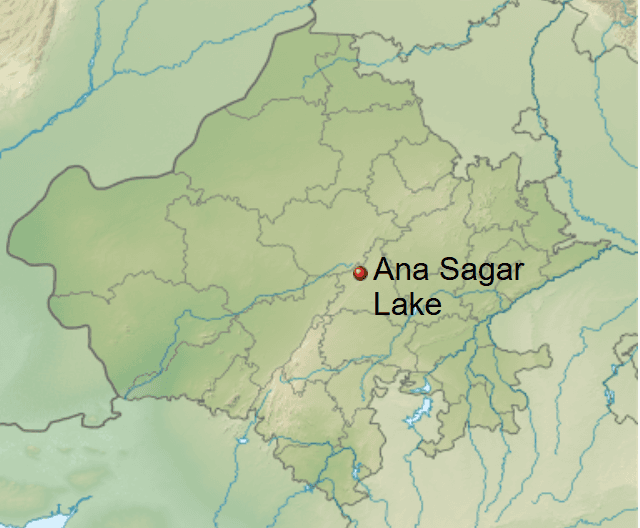
Illustration for Ana Sagar Lake in Rajasthan (Indian Lakes)

What & Where

Ana Sagar Lake; 13 km² man-made waterbody in Ajmer district, central Rajasthan

Excavated 1135-1150 AD by Chauhan king Arnoraja (“Ana”), grandfather of Prithviraj Chauhan

Present site of Supreme Court–flagged Seven Wonders Park encroachment near designated wetland zone

Quick Facts for MCQs

Legal & Policy

  • SupremeCourt ordered Rajasthan to demolish illegal Seven Wonders Park within six months
  • Court cited Wetlands Rules 2017 and excessive concretisation around buffer zone
  • State must restore lake ecology post-demolition, submit compliance reports

Historical Heritage

  • ChauhanDynasty built lake, showcasing 12th-century hydro-engineering
  • MughalEmperors Jahangir, Shah Jahan enhanced landscape with garden and five marble pavilions

Environmental Impact

  • EncroachmentReduced wetland area, hampered natural recharge and migrant bird habitat
  • DemolitionPlan expected to revive catchment, improve water quality, prevent urban flooding
  • Lake absence from Ramsar list weakens formal international protection status

Key Data Points

FeatureData-Point
LocationAjmer district, Rajasthan
TypeArtificial lake (man-made)
CreatorKing Arnoraja (Ana)
Construction period1135–1150 AD
Surface area~13 km²
Mughal additionsJahangir’s Daulat Bagh; Shah Jahan’s five marble Baradaris
Ramsar statusNot designated
SC demolition deadlineSix months to raze Seven Wonders Park
GS-3Environment

6.Water Circularity via Wastewater Reuse (Wastewater Reuse)

Down to Earth
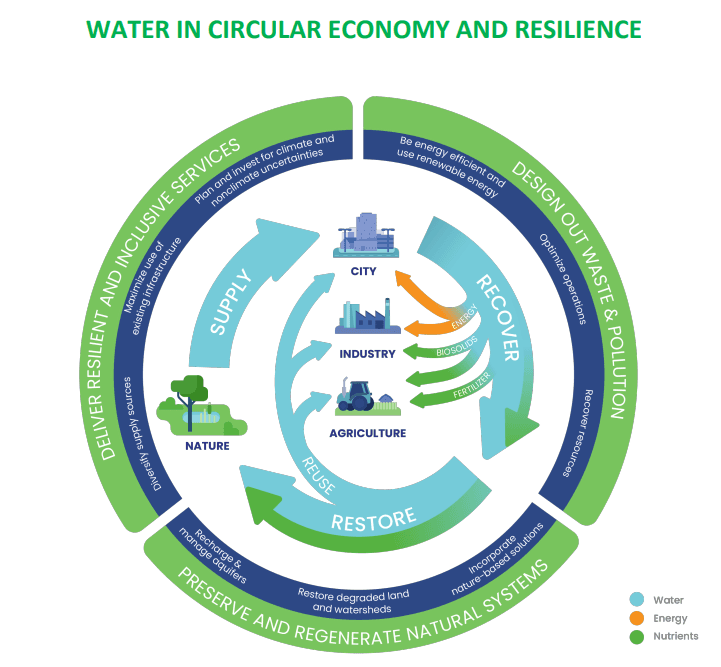
Illustration for Water Circularity via Wastewater Reuse (Wastewater Reuse)

What & Where

Water circularity = closed-loop recycling of treated sewage, resource recovery, minimal freshwater draw.

Target stream: 72,368 MLD urban sewage from Class I & II cities.

Hotspots: metros importing Cauvery, Krishna-Godavari, Narmada, Bisalpur waters.

Quick Facts for MCQs

Water Scarcity Metrics

  • Per-capita availability already below 1,700 m³; may dip under 1,000 m³ without action.
  • Irrigation canals like Narmada, Bisalpur diverted to cities, shrinking farm water.

Wastewater Gap

  • Projection: sewage volume +75-80 % by 2050, hitting 48 BCM annually.
  • Reality: 72 % effluent currently discharged untreated, polluting rivers.

Circular Economy Gains

  • Savings: thermal plant reuse 10 MCM/yr, worth USD 300 mn.
  • Potential: 317 km³ sewage irrigates 40 Mha; 2,500 t nutrients daily recovered.

Policy & Governance

  • Compliance: Jal Shakti 20 % reuse mandate weak; informal raw-sewage farming widespread.
  • Index: 16 states score <50/100 on Composite Water Management Index.

Proposed Instruments

  • Market-based: water-reuse credits, extraction charges for industries using freshwater despite reuse option.
  • Decentralisation: AMRUT 2.0 local STPs, IoT sensors, canal repurposing, low-interest ZLD finance.

Key Data Points

FeatureData-Point
Per-capita water 19515,200 m³
Per-capita water 20211,486 m³
Per-capita projection 20311,367 m³
Global rank (availability)132nd
Sewage generated 2020-2172,368 MLD
Installed treatment capacity31,841 MLD (44%)
Operational capacity26,869 MLD
Share actually treated28 %
Untreated discharge72 %
Sewage rise by 205048 BCM / yr; 3.5 × capacity
Govt reuse mandate≥20 % treated water
States <50 on CWMI16
India land : population2 % : 18 %
Potential irrigable area40 Mha (10 % total)
Daily nutrients recoverable2,500 t worth ₹19.5 mn

Related UPSC Prelims PYQs

GS1 2012PYQ 1

If National Water Mission is properly and completely implemented, how will it impact the country?

GS1 2023PYQ 2

Consider the following statements:

GS-3SpeciesQuick Bite

7.Uniyala keralensis New Endemic Plant (Endemic Plant)

The Hindu
Illustration for Uniyala keralensis New Endemic Plant (Endemic Plant)

What & Where

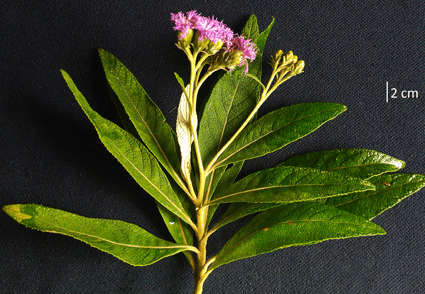
Uniyala keralensis: newly confirmed Asteraceae shrub, endemic to Southern Western Ghats.

Found 700–1 400 m inside Agasthyamala Biosphere Reserve (Kerala-TN).

Current wild count ≈5 000 plants in four scattered sites.

Quick Facts for MCQs

Taxonomy

  • Family Asteraceae; third recorded Uniyala species after U. comorinensis, U. salviifolia.
  • Morphology Dense shrub; purple capitula; larger foliar characters than congeners.
  • Discovery confirms genus’ diversification within Western Ghats hotspot.

Habitat & Distribution

  • Range Strictly inside Southern Western Ghats moist evergreen forests.
  • Prefers mid-elevation slopes, 700–1 400 m, high rainfall regime.
  • Four fragmented sites increase vulnerability to stochastic events.

Conservation Angle

  • IUCN Data Deficient due to limited surveys; potential risk inferred from small range.
  • Biosphere-reserve zoning plus WLS/TR affords legal shield against habitat loss.
  • Kani tribal knowledge could aid future participatory monitoring.

Key Data Points

FeatureData-Point
GenusUniyala
FamilyAsteraceae
Plant height1–3 m
Flower colourLight purple
Flowering–fruitingAug–Apr
Key diagnosticLarger leaves, longer petiole, fewer lateral veins
Elevation band700–1 400 m
Wild population~5 000 individuals
Subpopulations4 over 250 km²
IUCN tagData Deficient
Endemism zoneSouthwest India
Biosphere ReserveAgasthyamala
UNESCO-MAB year2016
Protected areas insideShendurney, Peppara, Neyyar WLS; Kalakad-Mundanthurai TR
Higher plant diversity2 254 spp; 405 endemic
Flagship faunaNilgiri Tahr, Lion-tailed Macaque, Bengal Tiger, Indian Elephant
Indigenous tribeKani
GS-3S&T

8.Chandrayaan-5 Mission and Second Spaceport (Lunar Mission)

Times of India

What & Where

Chandrayaan-5: Indo-Japan lunar mission to land 350 kg rover for expanded science and tech demo.

Second spaceport: Kulasekarapattinam, Thoothukudi district, Tamil Nadu; dedicated to SSLV south-bound launches.

First SSLV from new site targeted 2027, reducing load on Sriharikota.

Quick Facts for MCQs

Tech & Schemes

  • Demonstration focus safe precision landing, sample return readiness, larger rover operations.
  • Builds sequentially on Chandrayaan-3 success and planned Chandrayaan-4 sample collection.
  • SSLV platform tailored for booming small-satellite commercial market.

Infrastructure

  • Spaceport includes dedicated launchpad, rocket integration, ground range, checkout complexes.
  • Strategic coastal site shortens flight path, cuts fuel, avoids land overflight.
  • MLS enables rapid roll-out, quick turnaround between missions.

International Collaboration

  • Joint India–Japan effort strengthens lunar science synergy and shared technology development.
  • Enhances bilateral space ties beyond existing radar and navigation projects.
  • Positions both nations within emerging lunar resource and habitation discourse.

Strategic Rationale

  • New spaceport diversifies launch nodes, boosting resiliency of Indian access to space.
  • Larger lander tech advances pave path for eventual crewed Indian lunar landing.
  • Capacity expansion targets greater share of global small-satellite launch revenues.

Key Data Points

FeatureData-Point
Rover mass350 kg
Partner nationJapan
Lander typeHigh-capacity, crew-mission capable
Human-landing tech goalBy 2040
Spaceport land area2,350 acres
Major facilities planned35
Annual SSLV capacity24 satellites
First SSLV launch year2027
Launch azimuth advantageDirect southward over Indian Ocean
Mobile Launch StructureIntegrated with advanced checkout
GS-3S&T

9.Autopen Signature Replication Device (Signature Automation)

Business Standard
Illustration for Autopen Signature Replication Device (Signature Automation)

What & Where

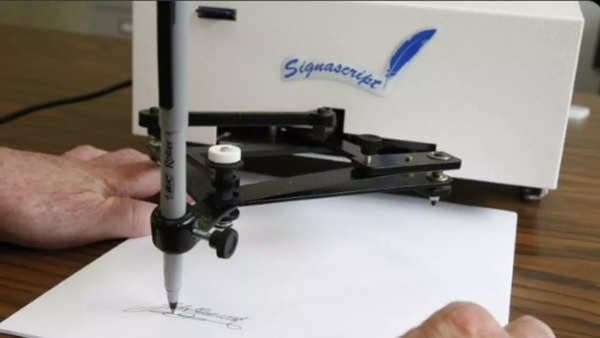
Autopen – mechanical/digital device that automatically reproduces a stored human signature on documents

Process – signature path recorded once; motorised arm later guides real pen for replication

Usage – common in US executive offices, corporate high-volume signing, remote authorisations

Quick Facts for MCQs

Historical Evolution

  • 1803 Polygraph used pantograph mechanics to mirror handwriting simultaneously
  • 1930s Robot Pen commercialised signature templates on record-like discs
  • 1942 De Shazo device achieved mass governmental adoption in the United States

Technology & Operation

  • Recording phase captures complete signature trajectory onto metal drum or digital memory
  • Activation sequence drives motor linkages that trace ink pen along stored coordinates
  • Modern units allow remote triggering for rapid bulk signing of proclamations and letters

Security Dimension

  • Early models featured detachable signature cassettes limiting unauthorised activations
  • Contemporary debate questions authenticity and legal validity of autopen-signed state documents

Political Context

  • Trump claims Biden pardons void due to autopen usage, injecting constitutionality debate into 2024 campaign

Key Data Points

FeatureData-Point
Earliest duplication devicePolygraph
Polygraph inventorJohn Isaac Hawkins
Year Polygraph invented1803
First commercial autopenRobot Pen
Robot Pen era1930s
Inventor of first successful autopenRobert M. De Shazo Jr.
Year De Shazo model released1942
Core working principleStored template guides pen path
Noted early securityRemovable signature segments
Current controversyBiden pardons allegedly autopen-signed
GS-3S&T

10.Supersolid Light Quantum State (Quantum Physics)

TN

What & Where

Supersolid light: quantum state showing solid-like lattice yet superfluid, friction-free flow of photons/polaritons.

Realised by Italian researchers inside cryogenic gallium-arsenide micro-ridge semiconductor platform.

Appears when laser-driven polaritons form satellite condensates with equal energy, opposite wavenumbers.

Quick Facts for MCQs

Physics Basis

  • Symmetry breaking: simultaneous phase and translational symmetry loss yields rigid yet coherent state.
  • Maintains long-range quantum coherence despite spatial modulation.

Experimental Setup

  • Micro-ridge waveguide confines photons, enhancing light–matter coupling.
  • Increasing polariton density via laser drives transition to supersolid phase.
  • Cryogenic environment prevents decoherence of delicate condensate.

Tech Significance

  • Stabilised photonic qubits may lower error rates in quantum computers.
  • Supports low-loss, tunable on-chip photonic circuitry for next-gen optics.
  • Serves test-bed for studying exotic quantum phase transitions.

Key Data Points

FeatureData-Point
Discovering teamItalian scientists (2024)
Underlying particlePolaritons (light + matter hybrid)
Host materialGallium arsenide semiconductor
Key geometryMicroscopic ridges guide light
Temperature regimeNear absolute zero
Trigger mechanismContinuous laser pumping
Supersolidity markerSatellite condensates, ±k symmetry
Dual propertyLattice order + frictionless flow
Earlier supersolidsBose-Einstein condensates of atoms
Promised sectorsQuantum computing, photonic circuits

Related UPSC Prelims PYQs

ESE_GS 2026PYQ 1

Consider the following statements regarding quantum dots:

GS-3S&T

11.Neuroscience Behind Addiction (Addiction Neuroscience)

The Hindu
Illustration for Neuroscience Behind Addiction (Addiction Neuroscience)

What & Where

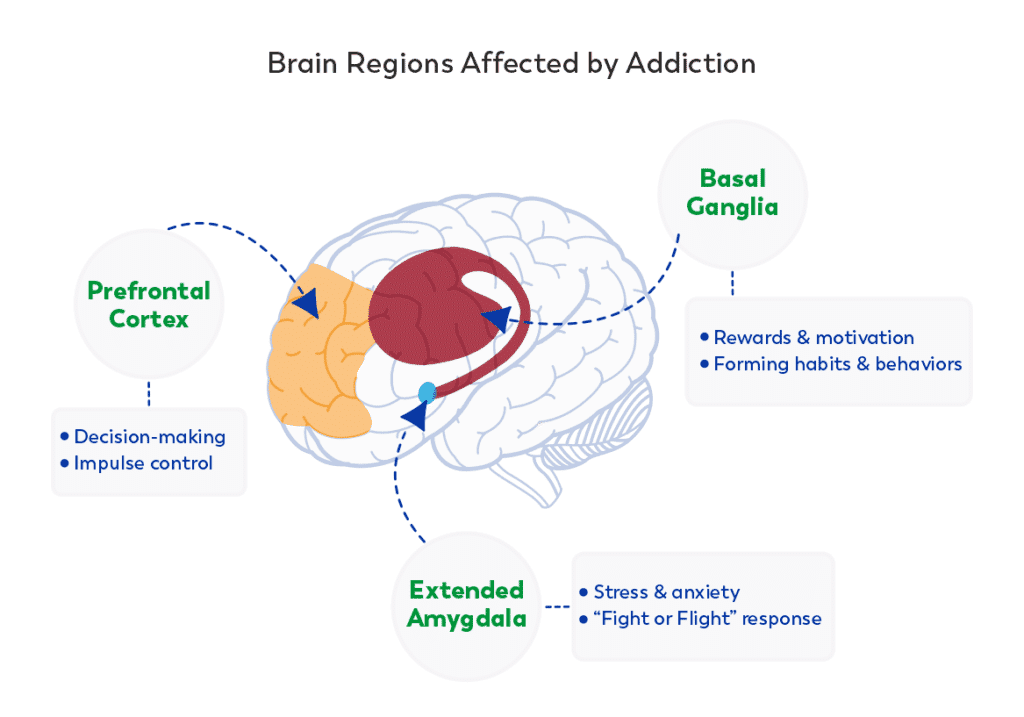
Addiction = chronic brain disorder driven by basal ganglia, extended amygdala, prefrontal cortex circuitry

Processes = reward reinforcement, withdrawal stress, impaired decision-making mediated by dopamine & serotonin

Geography = Brain Awareness Week held worldwide each third March week, led from New York-based Dana Foundation

Quick Facts for MCQs

Neuroscience Basis

  • Reward loop reinforces substance cues via dopamine spikes in basal ganglia
  • Extended amygdala triggers anxiety, irritability during abstinence, driving relapse
  • Prefrontal cortex hypoactivity weakens impulse control, sustaining compulsive use

Adolescent Vulnerability

  • Ongoing cortical pruning renders teens impulsive, heightening experiment risk
  • Early exposure correlates with higher lifelong dependency probability

Risk Factors

  • Genetics, trauma, mental disorders amplify addiction predisposition
  • Peer pressure, low socioeconomic status, family history act as potent environmental levers

Treatment & Tech

  • CBT reshapes maladaptive thoughts improving self-control circuitry
  • Neurofeedback trains patients to modulate cortical activity patterns seen on real-time EEG/fMRI

Awareness Initiative

  • Brain Awareness Week educates on brain health, disorders, research breakthroughs
  • Activities span lectures, lab visits, school outreach across >100 countries

Key Data Points

FeatureData-Point
Key reward hubBasal ganglia
Withdrawal centreExtended amygdala
Executive control seatPrefrontal cortex
Main neurotransmitterDopamine (plus serotonin)
Highest risk life-stageAdolescence
Last brain area to maturePrefrontal cortex
Genetic influenceUp to 50 % susceptibility
Imaging tool citedMRI
Core therapy typesCBT, neurofeedback
BAW founding bodyDana Foundation, New York
GS-2Editorial

12.India-New Zealand Bilateral Relations Update (Bilateral Ties)

MEA

What & Where

India–New Zealand bilateral ties: two Commonwealth democracies bridging South Asia & South-West Pacific in the Indo-Pacific matrix.

Diplomatic channel: 1950 Indian Trade Commission in Wellington, now High Commission; latest PM-level visit 16–20 Mar 2025.

Cooperation pillars: trade, defence, technology, climate, multilateralism (ISA, CDRI, IPOI).

Quick Facts for MCQs

Economic Angle

  • Trade skew: Indian imports largely primary wood products; diversification & value-addition urged.
  • FTA negotiations termed “priority”; aim—comprehensive tariff & services liberalisation.
  • Direct flights, tourism, agri-tech and edu-services targeted for rapid growth.

Security Dimension

  • Convergent Indo-Pacific outlook; uphold UNCLOS, oppose coercive maritime actions.
  • Defence ties modest; roadmap: bilateral naval drills, staff talks, coast-guard cooperation.
  • NZ membership in CDRI complements disaster-response and resilience collaboration.

Climate & Tech Cooperation

  • NZ supports India-led International Solar Alliance; joint R&D on renewables, green hydrogen mooted.
  • Focus sectors: horticulture tech, climate-smart agriculture, disaster-mitigation systems.
  • 2025 visit agreed to scale funding for bilateral climate projects.

Diaspora & Mobility

  • 2.5 lakh PIOs concentrated in Auckland, Wellington; strong socio-economic bridge.
  • Issues: student visa delays, skills-mobility bottlenecks, irregular migration monitoring.
  • Call for vibrant cultural diplomacy: film festivals, academic chairs, Hindi-Māori exchanges.

Key Data Points

FeatureData-Point
NZ PM India visit16–20 March 2025
India’s rank in NZ trade11th largest partner
Bilateral trade (2020)USD 1.80 billion
Indian diaspora in NZ≈ 2,50,000
Indian tourists to NZ (2018)67,953
Main Indian importLogs & wood pulp
Shared groupsCommonwealth, ISA, CDRI
Maritime stanceFreedom of navigation under UNCLOS

Related UPSC Prelims PYQs

CDS_GK, ESE_GS 2026PYQ 1

What is the name of the initiative launched by India and Denmark in November 2025 to enhance bilateral ties?

CDS_GK, ESE_GS 2022PYQ 2

समृद्धि के लिए हिंद-प्रशांत आर्थिक ढाँचा (Indo-Pacific Economic Framework for Prosperity) का गठन करते समय, सदस्य देशों ने चार स्तंभों पर भावी समझौता-वार्ता के लिए सामूहिक परिचर्चा शुरू की है। उन स्तंभों में, निम्नलिखित में से कौन-सा नहीं है ?

GS-2Security

13.Indo-Pacific Oceans Initiative Framework (Maritime Initiative)

DD News

What & Where

Voluntary, non-treaty maritime framework launched 2019 at East Asia Summit, Bangkok.

Promotes free, open, rules-based order across the entire Indo-Pacific oceanic expanse.

Open to all like-minded Indo-Pacific states; pillars currently steered by Australia, Japan, Singapore, Indonesia, France, UK, India.

Quick Facts for MCQs

Strategic Goals

  • Security: uphold rule-based maritime order, ensure safe sea lanes.
  • Growth: boost blue-economy trade, infrastructure, connectivity.
  • Sustainability: protect marine environment, enable climate-resilient development.

Functional Areas

  • Resource-management: coordinate fisheries, seabed minerals, energy exploration.
  • Disaster-response: share early-warning, risk-reduction, HADR capacities.
  • Knowledge-exchange: foster academic, tech collaboration for sustainable oceans.

Membership & Leadership

  • Openness: any like-minded Indo-Pacific nation may join without legal bindings.
  • Pillar-leaders: Australia, Japan, Singapore, Indonesia, France, UK drive specific workstreams.
  • India-role: founding architect leveraging IPOI to operationalise SAGAR vision.

Key Data Points

FeatureData-Point
Launch year2019
Launch platformEast Asia Summit, Bangkok
NatureNon-treaty, voluntary cooperation
ProposerIndia
Vision alignmentSAGAR (Security and Growth for All in the Region)
Potential membershipAll Indo-Pacific countries
Current pillar leadsAustralia, Japan, Singapore, Indonesia, France, UK, India
Core focusMaritime security, sustainability, growth

Related UPSC Prelims PYQs

CAPF_GAI, GS1 2024PYQ 1

Which one among the following statements with regard to India’s maritime initiative, SAGAR, is correct?

CAPF_GAI, GS1 2015PYQ 2

‘क्षेत्रीय सहयोग के लिए हिन्द महासागर रिम संघ (Indian Ocean Rim Association for Regional Cooperation – IOR-ARC)’ के संदर्भ में, निम्नलिखित कथनों पर विचार कीजिए :

GS-2Security

14.Nagorno-Karabakh Peace Agreement Progress (Nagorno-Karabakh)

Indian Express
Illustration for Nagorno-Karabakh Peace Agreement Progress (Nagorno-Karabakh)

What & Where

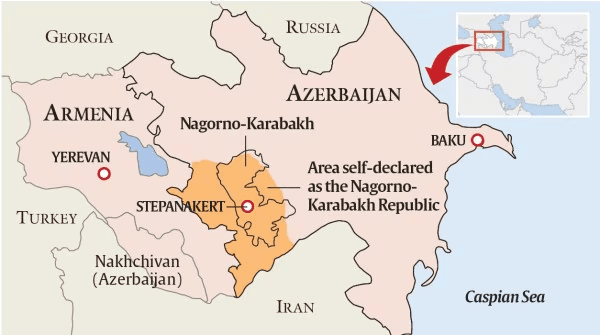
Nagorno-Karabakh : landlocked, mountainous enclave in South Caucasus, inside internationally recognised Azerbaijan.

Ethno-religious mix : Armenian Christian majority amid Muslim-majority Azerbaijan.

Strategic corridor : lies near routes linking Black Sea, Caspian Sea, Persian Gulf.

Quick Facts for MCQs

Conflict Timeline

  • 1988-94 : Armenia captured enclave plus adjacent Azerbaijani districts.
  • 2020 : Azerbaijan retook large swathes using drones, Turkish support.
  • Sep 2023 : Baku’s lightning operation dissolved de-facto republic.

Human Impact

  • Displacement : 2023 exodus emptied almost entire Karabakh Armenian population.
  • Casualties : Thousands across both wars; exact verified numbers remain contested.
  • Cultural loss : Heritage sites, churches, mosques damaged during cyclical offensives.

India’s Diplomacy

  • Stance : Neutral; urges peaceful settlement under Minsk Group principles.
  • Balance : Maintains defence ties with Armenia, energy links with Azerbaijan.
  • Interest : Stability critical for INSTC viability and access to Eurasian markets.

Regional Geostrategy

  • Turkey : Strong Azerbaijani ally, supplies drones, training.
  • Russia : Traditional Armenian partner, peacekeepers deployed post-2020 deal.
  • Iran : Opposes border changes; seeks corridor access circumventing sanctions.

Key Data Points

FeatureData-Point
First Nagorno-Karabakh War1988 – 1994
Ceasefire brokered1994, Russia-led
Second WarSep-Nov 2020
2023 Offensive durationOne day
Population exodus 2023≈1 lakh moved to Armenia
Mediating forum backed by IndiaOSCE Minsk Group
Both states on INSTCYes
Religious demographyArmenia-Christian; Azerbaijan-Muslim
GS-3Security

15.Global Intelligence and Security Chiefs Conference (Intelligence Summit)

The Hindu
Illustration for Global Intelligence and Security Chiefs Conference (Intelligence Summit)

What & Where

Conference of Global Intelligence & Security Chiefs – annual high-level security dialogue under Raisina Dialogue framework.

4th edition, Mar 2025, New Delhi; hosted by India’s NSA, organised by R&AW and NSCS.

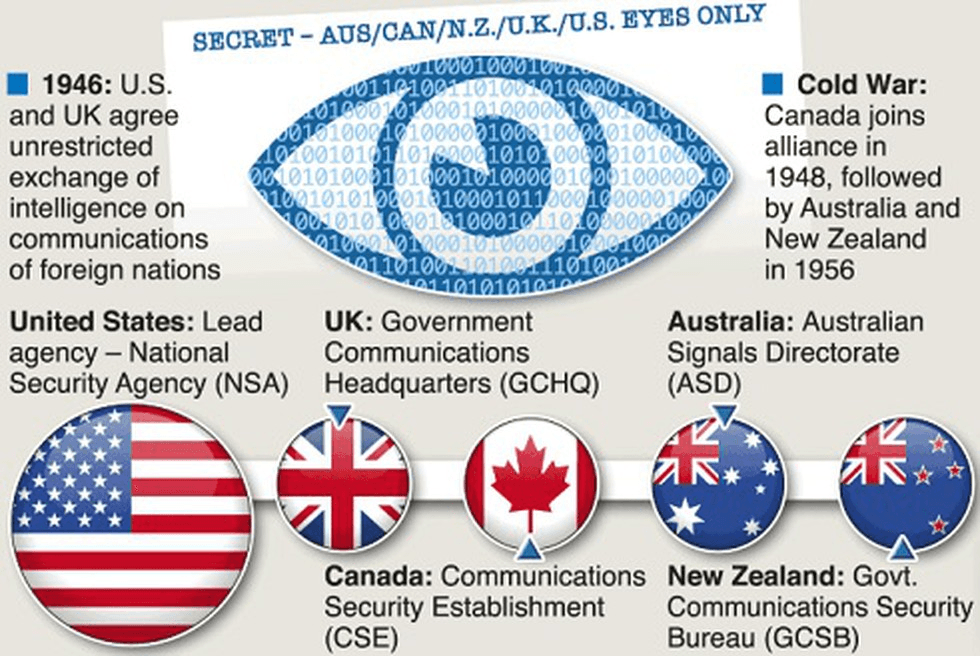
>20 participating nations, incl. Five Eyes members: Australia, Canada, New Zealand, UK, USA.

Quick Facts for MCQs

Security Dimension

  • Counterterrorism, terror-financing and narcotics trade listed as “immediate threats”.
  • Immigration, extradition processes discussed for seamless law-enforcement cooperation.
  • Indo-Pacific security cooperation stressed to deter grey-zone activities.

Institutional Framework

  • Raisina Dialogue provides Track-1.5 platform; conference functions as its security enclave.
  • Inspired by Munich Security & Shangri-La Dialogues, enabling frank intelligence exchange.
  • R&AW-NSCS partnership ensures both operational and policy perspectives.

Historical Context

  • Annual meet uninterrupted since 2022, signalling institutionalisation of intel networking.
  • Five Eyes traces to WWII code-breaking collaboration between UK-US.
  • 1946 UKUSA pact formalised integrated global signals-intelligence architecture.

Key Data Points

FeatureData-Point
First held2022
2025 edition4th
Indian host-bodyNational Security Advisor
OrganisersR&AW + NSCS
Umbrella forumRaisina Dialogue (MEA + ORF)
2025 agendaCounter-terror, transnational crime, Indo-Pacific, terror finance, narcotics
Five Eyes membersAUS, CAN, NZ, UK, US
Five Eyes founding pactUKUSA Agreement 1946

Related UPSC Prelims PYQs

CAPF_GAI, GEO_GS 2025PYQ 1

वर्ष 2025 में निम्नलिखित में से किसके तत्वावधान में आयोजित की गई बैठक का विषय 'दुश्मान युग के लिए सहयोग (Collaboration for the Intelligent Age)' था?

CAPF_GAI, GEO_GS 2021PYQ 2

Which one of the following is NOT a member country of the Five Eyes Intelligence Oversight and Review Council (FIORC)?

Ready to practice?

Test your knowledge with our UPSC test series.

Start Free Trial