UPSC Current Affairs

15 topicsGS-1: 4GS-2: 5GS-3: 6
0/15 done
GS-2Polity

1.Autonomous District Councils Sixth Schedule Governance (Sixth Schedule)
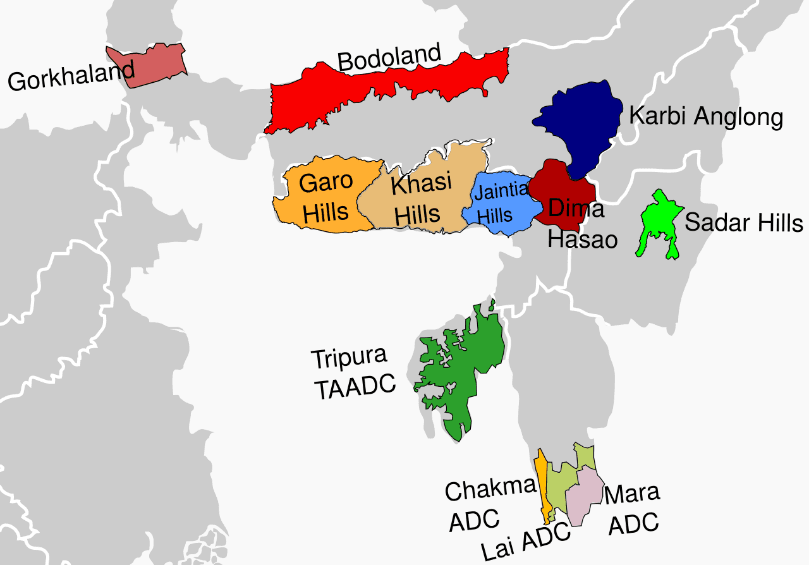
Business Standard
Illustration for Autonomous District Councils Sixth Schedule Governance (Sixth Schedule)

What & Where

Autonomous District Councils (ADCs): Sixth Schedule tribal self-governance bodies in Assam, Meghalaya, Mizoram & Tripura

Assam 2023 amendment: empowers Governor to run 7 state-made tribal councils when elections remain infeasible post-extension

Affected councils: Mising, Bodo Kachari, Thengal Kachari, Deori, Sonowal Kachari, Rabha Hasong, Tiwa

Quick Facts for MCQs

Legal & Policy

  • Sixth Schedule grants law-making, executive & judicial powers to ADCs
  • Assam amendment passed via state Assembly; targets non-Sixth-Schedule tribal councils
  • Governor’s takeover provision kicks in only after extended poll deadline lapses

Institutional Structure

  • Composition mixes elected majority with nominated representatives for marginalised voices
  • Councils administer village councils & traditional chiefs, ensuring cultural continuity

Financial Powers

  • Councils impose taxes, fees, tolls on property, transport & trade for local infrastructure
  • Funds supplement state grants, enabling autonomous budgeting for development works

Key Data Points

FeatureData-Point
Constitutional anchoringSixth Schedule, Arts 244(2) & 275(1)
Normal council term5 years
Election vs NominationMajority elected; limited Governor-nominated seats
Legislative domainLand, forests, water, agriculture, public health, social customs
Judicial ceilingTribal courts can award ≤ 5 years imprisonment
Key executive subjectsVillage councils, inheritance, policing, local governance
Revenue powersTaxes on land, buildings, boats; entry of goods; ferries, roads, employment
2023 Assam changeGovernor assumes control if polls impossible even after statutory extension

Related UPSC Prelims PYQs

CDS_GK 2023PYQ 1

Who among the following is given discretionary powers under the Fifth Schedule of the Constitution of India to set up a Tribes Advisory Council in a State which has Scheduled Tribes but not Scheduled Areas?

CDS_GK 2024PYQ 2

As per Article 371G of the Constitution of India, special provisions have been made with respect to the state of Mizoram. Accordingly, no Act of Parliament shall apply on certain matters unless the Legislative Assembly of Mizoram so decides by a resolution. Which one of the following matters is not covered under this Article?
GS-2HistoryQuick Bite

2.Colonial Dramatic Performances Act Repeal (Colonial Legislation)

Indian Express

What & Where

Dramatic Performances Act 1876; British‐era law empowering governments to ban “scandalous, seditious, obscene” stage shows across colonial India

Geographical scope: entire Presidencies & Provinces of British India; post-1947 carried into multiple Indian states via Article 372

Formally removed from statute books in 2018 repeal drive targeting obsolete, colonial-era enactments

Quick Facts for MCQs

Legal & Policy

  • Repeal drive: 1,500+ archaic laws scrapped since 2014 per PM statement
  • Government must defend colonial laws; they lack presumption of constitutionality after Keshavananda dicta
  • HC verdict 1956 held Act violative of freedom of speech under Article 19(1)(a)

Constitutional Aspect

  • Article 372 saves pre-1947 laws “until altered or repealed” by Parliament
  • Burden-of-proof doctrine shifts on State for colonial statutes when challenged
  • Repeal reinforces constitutional morality and fundamental rights compliance

Colonial Suppression

  • British toolkit: Dramatic Performances Act 1876, Vernacular Press Act 1878, Section 124A IPC 1870 targeting dissent
  • Acts aimed at chilling theatre, press, literature fostering nationalist consciousness
  • Nationalist playwrights and vernacular editors primary victims during late 19th-century Bengal, Bombay presidencies

Key Data Points

FeatureData-Point
Enactment year1876
Primary aimCurb nationalist or “seditious” public theatre
Constitutional carry-forward clauseArticle 372
Declared unconstitutionalAllahabad HC, State v Baboo Lal & Ors, 1956
Formal repealRepealing & Amending Act, 2018
Other contemporaneous gag lawsVernacular Press Act 1878; Sedition law 1870

Related UPSC Prelims PYQs

CAPF_GAI, GS1 2022PYQ 1

Consider the following historical events in India carefully:

CAPF_GAI, GS1 2002PYQ 2

Match List I (Acts of Colonial Government of India) with List II (Provisions) and select the correct answer using the codes given below the lists:

GS-3InfrastructureQuick Bite

3.Lineman Diwas Power Sector Recognition (Power Sector)

PIB
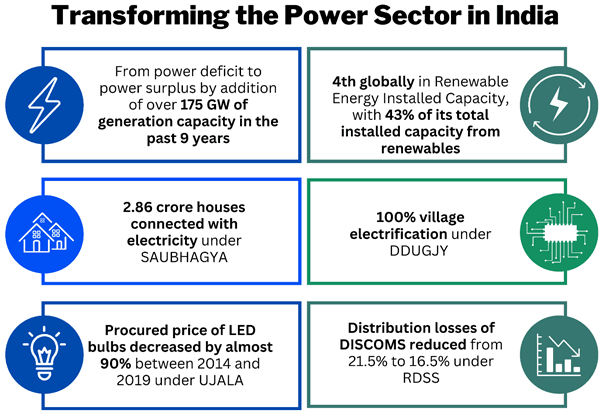
Illustration for Lineman Diwas Power Sector Recognition (Power Sector)

What & Where

Lineman Diwas – annual national day honouring linemen & ground maintenance staff across India’s power network.

Conducted by Central Electricity Authority (CEA) with Tata Power-DDL; 5th edition held 4 March 2025.

CEA headquartered New Delhi; operates country-wide under Ministry of Power.

Quick Facts for MCQs

Event Significance

  • Recognition day boosts morale, highlights safety culture among 7-lakh-plus frontline power workers.
  • Theme stresses service commitment, accident-free operations, professional dignity.
  • Public-private model showcases industry-government synergy in workforce welfare.

Legal & Policy

  • Electricity Act 2003 mandates CEA to advise Union Govt on policy, techno-economic norms.
  • Issues grid standards, safety codes binding on all generating, transmission, distribution entities.
  • Inputs shape National Electricity Plan and tariff regulations.

Organisational Structure

  • Chairperson leads authority; Members drawn from generation, transmission, distribution specialisations.
  • Four core divisions ensure holistic oversight from planning to workforce safety.
  • Safety & Training Division anchors capacity building, including Lineman-centric initiatives.

Key Data Points

FeatureData-Point
2025 edition5th Lineman Diwas
Celebration date4 March 2025
2025 theme“Seva, Suraksha, Swabhiman”
First observedMarch 2021
Core collaboratorsCEA & Tata Power-DDL
CEA statusStatutory body
Parent ministryMinistry of Power
Initial legal basisElectricity (Supply) Act 1948
Current legal basisElectricity Act 2003
CEA headquartersNew Delhi
CEA leadershipChairperson + technical Members
Key divisionsPlanning, Grid Ops, Distribution, Safety & Training
GS-1Environment

4.Increasing Avalanche Risks in Himalayas (Avalanche Hazards)

Hindustan Times
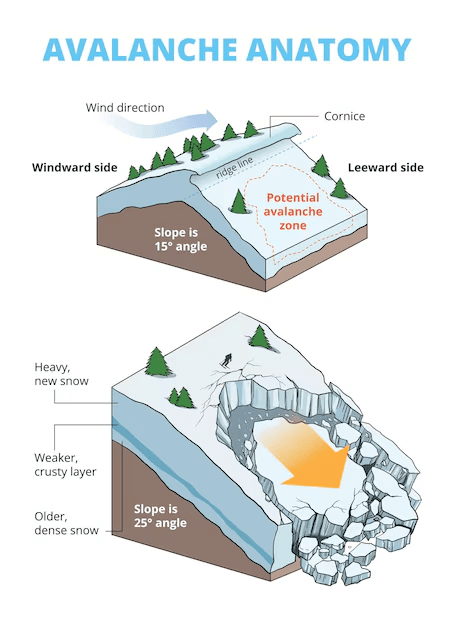
Illustration for Increasing Avalanche Risks in Himalayas (Avalanche Hazards)

What & Where

Avalanche – rapid downslope movement of snow-ice-debris; Himalayan risk peaks December–April

Types – loose-snow, slab (50–100 km/h), gliding, wet-snow triggered by warmth or rain

Core zone – steep seismo-active Western & Central Himalayas (Uttarakhand, Himachal, J-K)

Quick Facts for MCQs

Causes

  • Snow-accumulation plus wind loading destabilises weak layers
  • Temperature-fluctuation induces meltwater weakening bonds creating wet slides
  • Deforestation and adventure tourism disturb snowpack initiating failures

Himalayan Vulnerability

  • Rapid regional warming shifts snowline upward increasing meltwater
  • Seismic tremors regularly jolt unstable snow layers
  • High wind speeds redistribute fresh snow creating fragile slabs

Mitigation Tools

  • Early-warning via sensors satellites and Sikkim radar enables rapid alerts
  • Engineering measures include snow sheds splitting wedges dams wall reinforcement
  • Controlled explosions intentionally trigger small slides safeguarding roads and settlements

Landslide Contrast

  • Flowing material – avalanche carries snow + air while landslide moves soil-rock-mud
  • Avalanche speed often equals or surpasses fast landslides despite limited to snowy terrain

Key Data Points

FeatureData-Point
Peak danger seasonDec – Apr
Slab avalanche speed50–100 km/h
Extreme recorded speed≈250 mph
India’s first avalanche radar2022, Sikkim, detects within 3 s
Common natural triggerHeavy snowfall with wind loading
Noted human triggerGulmarg skiers, Feb 2024
Karakoram anomalyGlaciers stable or gaining mass

Related UPSC Prelims PYQs

CDS_GK, NDA_GAT 2022PYQ 1

Consider the following features about a geographical phenomenon:

CDS_GK, NDA_GAT 2021PYQ 2

An avalanche is a type of which one of the following disasters?

GS-1Mapping

5.Sagar Island Geography Vulnerabilities (Island Geography)

Down to Earth
Illustration for Sagar Island Geography Vulnerabilities (Island Geography)

What & Where

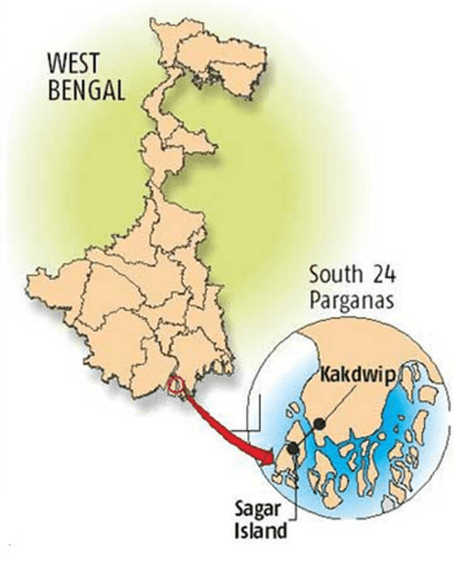
Island; lies at Hooghly–Bay of Bengal confluence within Ganges Delta.

Largest landmass of Indian Sundarbans, South 24 Parganas district, West Bengal.

Climate-risk hotspot; rapid coastal erosion and saline ingress reported.

Quick Facts for MCQs

Legal & Policy

  • NGT directives; state agencies implementing anti-erosion embankments and saline-barrier projects.
  • Measures monitored under Coastal Regulation Zone norms.

Environmental Impact

  • Erosion progressively shrinking land area, displacing settlements.
  • Salinity intrusion degrading freshwater lenses, soil fertility, mangrove cover.

Economic Angle

  • Fishing fleets and paddy fields underpin local income; losses escalate with saline ingress.
  • Tourism spike during Gangasagar Mela provides seasonal revenue buffer.

Social Concerns

  • Annual Gangasagar pilgrimage attracts millions, heightening disaster-management and waste-handling challenges.
  • Relocation of vulnerable hamlets strains traditional community networks.

Key Data Points

FeatureData-Point
Alternative nameSagardwip
River meeting pointHooghly River
Physiographic zoneBay of Bengal, Ganges Delta
Administrative unitSouth 24 Parganas, WB
Status in SundarbansLargest island
Major fairGangasagar Mela
Key livelihoodsFishing, agriculture
Main climate threatsErosion, salinity, extreme weather
GS-3Environment

6.CAMPA Compensatory Afforestation Funds Oversight (Compensatory Afforestation)

Business Standard
Illustration for CAMPA Compensatory Afforestation Funds Oversight (Compensatory Afforestation)

What & Where

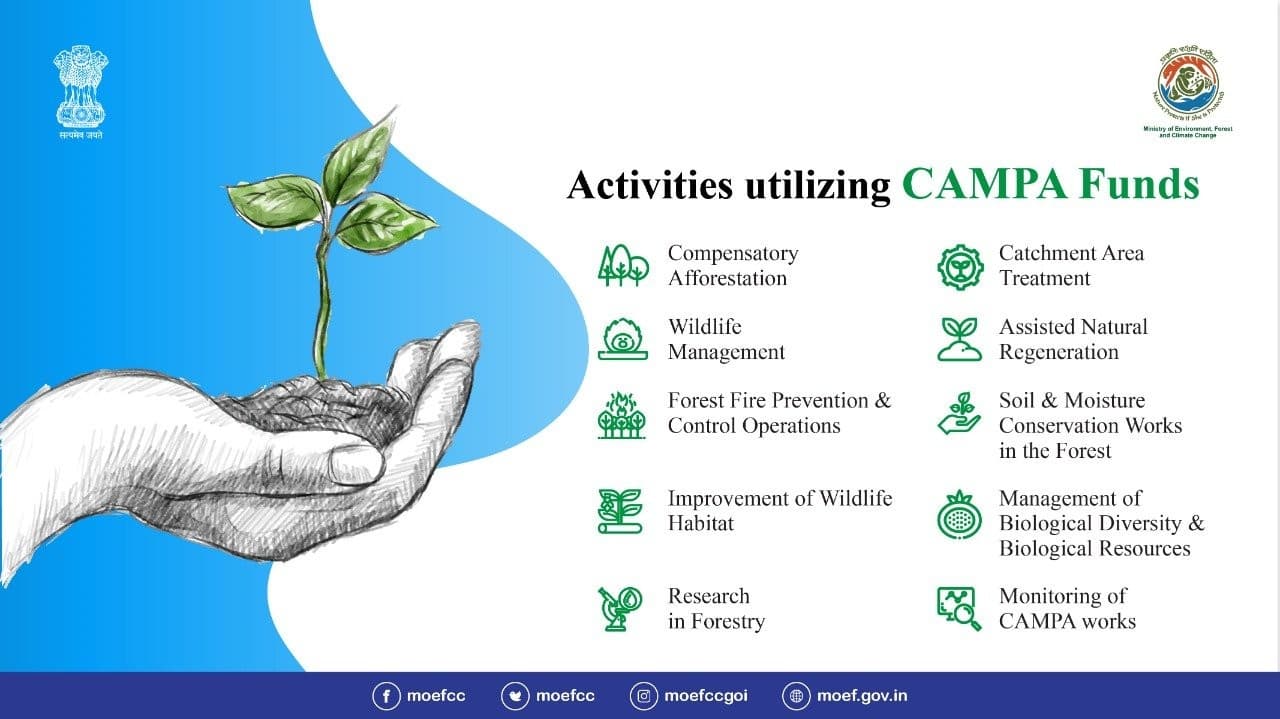
Mechanism: Compensatory Afforestation Fund Management & Planning Authority offsets diversion of forest land for non-forest use

Scale: Dual tier—National CAMPA Advisory Council and State CAMPA bodies operating across India

Process: Project proponents deposit levies; funds finance afforestation, wildlife conservation, regeneration projects

Quick Facts for MCQs

Legal & Policy

  • SupremeCourt directs Uttarakhand Chief Secretary to reply on CAG-flagged CAMPA irregularities
  • CAMPA Rules earmark money solely for compensatory afforestation, wildlife, forest-protection works
  • StateCAMPA executes Annual Plan of Operations under Council guidelines

Financial Oversight

  • CAG found iPhone, laptop, fridge purchases, office renovations using CAMPA funds
  • Misuse underscores gaps in transparency, concurrent monitoring, audit enforcement
  • SupremeCourt monitoring intended to deter fund diversion, enhance accountability

Environmental Goals

  • Objective: restore lost forest cover, promote biodiversity, support sustainable development
  • Funds cover protection infrastructure, research, frontline staff training, community livelihoods
  • Afforestation projects aim to balance economic growth with ecological security

Key Data Points

FeatureData-Point
Established bySupreme Court order, 2009
Legal anchorForest (Conservation) Act 1980 & CAMPA Rules 2018
Fund sourceNet Present Value & Compensatory Afforestation charges
Central depositoryAd-hoc CAMPA, MoEF&CC
State channelSeparate State CAMPA bank accounts
Main advisory bodyNational CAMPA Advisory Council chaired by Union Environment Minister

Related UPSC Prelims PYQs

GS1 2019PYQ 1

Consider the following statements:

GS-3S&T

7.Gene-Edited Woolly Mice Proof-of-Concept (Genetic Engineering)

Indian Express
Illustration for Gene-Edited Woolly Mice Proof-of-Concept (Genetic Engineering)

What & Where

Woolly mice = lab-engineered Mus musculus carrying seven mammoth‐style gene variants for fur length, colour, cold metabolism

Created by Colossal Biosciences, Texas (US); serves as proof-of-concept platform for future woolly-mammoth de-extinction

Traits mimic Pleistocene Arctic adaptation—thick, wavy, golden coat; altered lipid handling for thermoregulation

Quick Facts for MCQs

Tech & Methods

  • CRISPR multiplex editing inserted mammoth alleles into mouse embryos in single generation
  • Comparative genomics mapped mammoth cold-adaptation SNPs against Asian elephant reference
  • Phenotype verification via thermal chamber tests and hair-shaft microscopy

Conservation Angle

  • Gene editing flagged as tool to bolster existing species before climate-driven extinction events
  • De-extinction narrative positions engineered elephants for Arctic grassland restoration
  • Critics caution resource diversion from habitat protection priorities

Research Significance

  • Multi-gene edit success showcases control over complex traits, beyond single-gene disease models
  • Provides small-mammal platform to study thermoregulation genetics under experimental conditions
  • Opens dialogue on ethical thresholds for editing higher-order mammals

Key Data Points

FeatureData-Point
Creator firmColossal Biosciences (USA)
Model speciesLaboratory house mouse
Target analogueWoolly mammoth
Gene-editing toolCRISPR-Cas9
Total genes editedSeven
Key hair geneFGF5 – tripled fur length
Key colour geneMC1R – golden coat
Metabolism geneFABP2 – lipid uptake tweak
Proof-of-concept aimValidate de-extinction edits
Closest living relative used for comparisonAsian elephant genome
Primary adaptation studiedCold tolerance
Potential applicationBiodiversity conservation, climate resilience
GS-3S&T

8.AI Kosha Secure National AI Dataset Platform (AI Platform)

The Hindu

What & Where

AI Kosha – secure, centralised platform giving unified access to datasets, models, AI-tools.

Developed by MeitY under IndiaAI Mission; launched on Mission’s first anniversary.

Hosted in India; targets researchers, startups, government for faster AI innovation.

Quick Facts for MCQs

Tech & Schemes

  • Sandbox enables in-platform model training, testing, deployment.
  • AI-readiness scoring helps quick shortlisting of relevant datasets.
  • Platform evolution depends on wider industry dataset contributions.

Security Dimension

  • Encryption plus API-gates minimise data leakage risks.
  • Real-time malicious-traffic filter strengthens cyber-defence.
  • Consent-based, ethically sourced datasets align with Responsible-AI norms.

Economic Angle

  • Cuts R&D costs for startups by offering ready datasets/models.
  • Eases public procurement of AI solutions via standardised resources.
  • Access restrictions may slow commercial adoption of non-government players.

Key Data Points

FeatureData-Point
Nodal ministryElectronics & IT (MeitY)
Parent schemeIndiaAI Mission
Repository size300+ datasets; 80+ AI models
Extra utilityIntegrated AI Sandbox IDE with tutorials
Access modelTiered, permission-based via secure APIs
Core securityEncryption at rest & in motion; real-time traffic filtering
Key scoring toolAI-readiness index for dataset discoverability

Related UPSC Prelims PYQs

ESE_GS 2026PYQ 1

Which Ministry released the India AI Governance Guidelines in 2025?

ESE_GS 2024PYQ 2

Which one of the following Institutions launched Centre of Data for Public Good (CDPG) for multidisciplinary research, bringing together experts from academia, industry, and Government to harness the power of data to benefit the public?

GS-3S&TQuick Bite

9.Rare Seven-Planet Parade Alignment (Planet Alignment)

Economic Times
Illustration for Rare Seven-Planet Parade Alignment (Planet Alignment)

What & Where

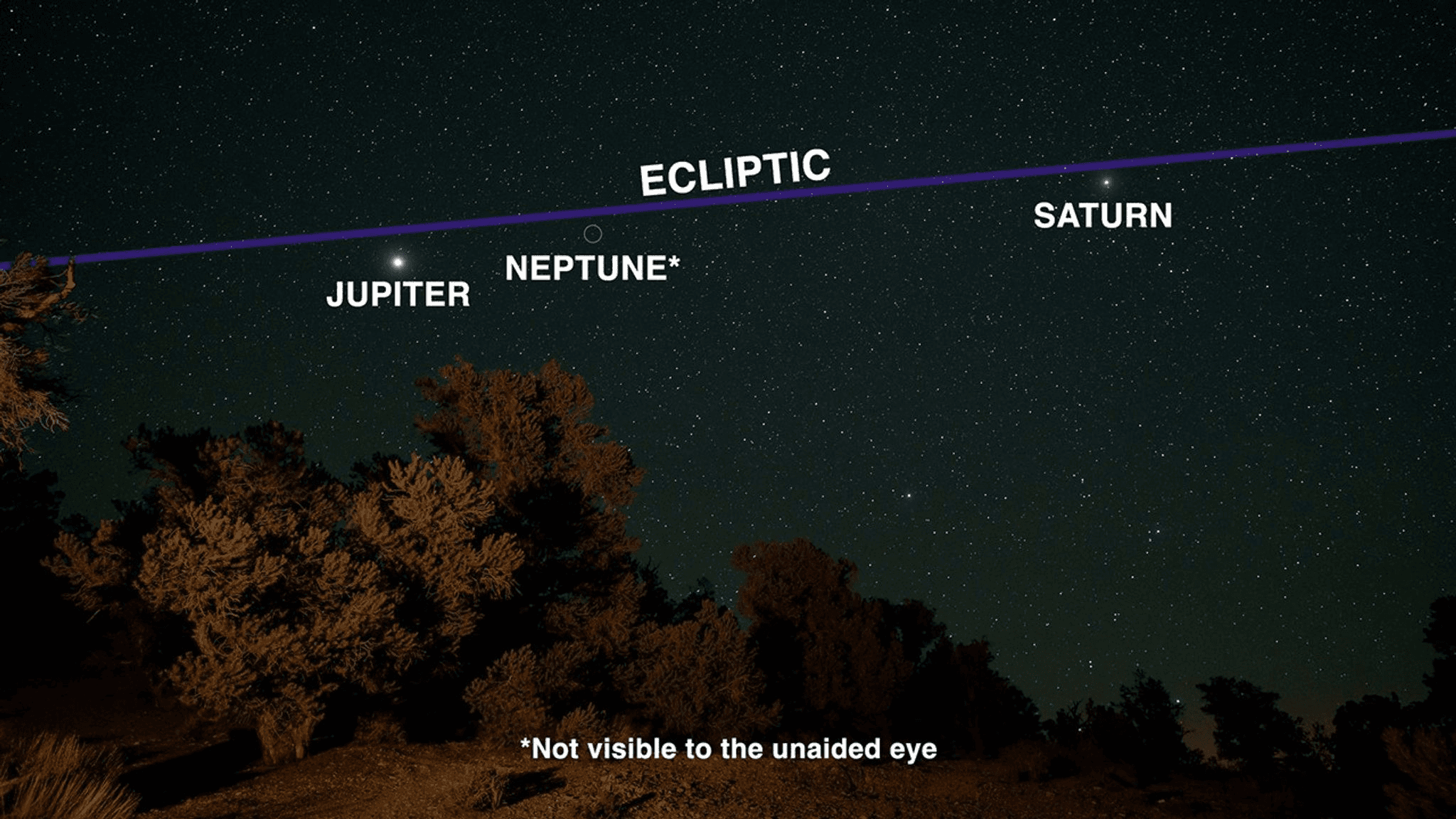
Planetary Parade: seven planets align on one Sun-side along the Solar System’s ecliptic plane.

Event visible from Earth; five planets naked-eye, two need telescopes.

Occurs only once every few decades; next forecast in 2040.

Quick Facts for MCQs

Orbital Dynamics

  • Alignment arises because planetary orbits lie roughly flat within the ecliptic.
  • Apparent line-up; actual spatial separations remain enormous.

Observation Aspects

  • Optimal just before dawn or after dusk when planets cluster near horizon.
  • Dark skies crucial for detecting faint Mercury and telescope targets.

Rarity & Timeline

  • Tagged “extremely rare” by astronomers, with multi-decade gaps.
  • 2040 parade anticipated as next comparable seven-planet event.

Key Data Points

FeatureData-Point
Planets involvedMercury, Venus, Mars, Jupiter, Saturn, Uranus, Neptune
Alignment planeEcliptic
Naked-eye planetsMercury, Venus, Mars, Jupiter, Saturn
Telescope-only planetsUranus, Neptune
Next occurrence2040
Typical frequencyOnce in a few decades
GS-3S&TQuick Bite

10.Endogamy Linked Genetic Disease Prevalence (Population Genetics)

BL

What & Where

Endogamy marriage restricted within ethnic / caste / religious group, widespread in India

Study Indian genomic data links endogamous inbreeding to population-specific genetic disorders and altered drug metabolism

Hotspot Reddy community, Andhra Pradesh shows elevated ankylosing spondylitis prevalence

Quick Facts for MCQs

Genetic Impact

  • Inbreeding increases homozygosity, exposing recessive pathogenic variants
  • Restricted gene pool limits adaptability to environmental pressures
  • Endogamous isolates aid fine-scale mapping of disease alleles

Social Concerns

  • Endogamy sustains caste hierarchies and socioeconomic segregation
  • Violations may trigger honor killings and ostracism
  • Cultural norms discourage inter-group marriages, preserving identity

Health Implications

  • Community-targeted carrier screening can pre-empt genetic disorders
  • Custom drug-dose guidelines needed for variant metabolism patterns
  • Genetic counselling advised before consanguineous unions

Key Data Points

FeatureData-Point
Practice typeEndogamy (in-group marriage)
Contrasting practiceExogamy
Key biological effectReduced genetic diversity; higher recessive disease load
Community exampleReddy caste, Andhra Pradesh – ankylosing spondylitis
Pharmacogenomic noteDrug metabolism varies across endogamous groups
GS-2Editorial

11.USAID Funding Cuts Impact Indian Programs (Foreign Aid)

Indian Express
Illustration for USAID Funding Cuts Impact Indian Programs (Foreign Aid)

What & Where

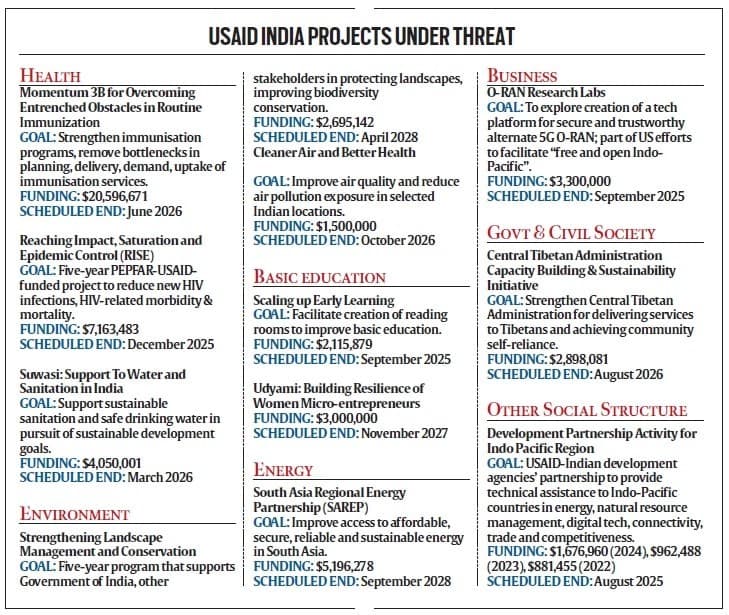
USAID – US agency funding Indian health, environment, tech since 1958; $2.8 bn sent 2001-24

Executive Order 20 Jan 2025 freezes most foreign aid; Supreme Court upheld on 5 Mar 2025

India’s hit sectors – TB, HIV/AIDS, maternal health, Covid relief, clean-air and 5G projects

Quick Facts for MCQs

Legal & Policy

  • Executive order targets deficit reduction; suspends foreign aid authorisations
  • Federal court stay 13 Feb 2025 overturned by Supreme Court 5 Mar 2025
  • Verdict injects uncertainty into multiyear development contracts

Health Implications

  • TB initiative Breaking the Barriers, polio, maternal care all face closure
  • $12.13 m HIV/AIDS cut risks infection surge and higher mortality
  • NGO KHPT anticipates layoffs, service delivery gaps

Strategic & Economic

  • Aid vacuum may invite Chinese finance, shifting South Asian influence balance
  • USAID backed 5G O-RAN R&D, strengthening India’s telecom security
  • Reduced donor diversity strains research partnerships and NGO ecosystems

Mitigation Measures

  • Engage alternate donors – Japan, EU, Germany to plug gaps
  • Raise domestic allocations; mobilise CSR and philanthropic capital for health, environment
  • Boost indigenous R&D in public health, digital infra, clean energy

Key Data Points

FeatureData-Point
Cumulative USAID aid to India (2001-24)$2.8 billion
USAID disbursement to India in 2022$228 million
Donor rank for India 20224th largest
Health & population allocation 2022$180 million
Covid-19 response support 2022$120 million
Environment & tech funding 2024$17.12 million
Global projects reviewed post-order5,800; only 500 kept
Federal stay date13 Feb 2025
Supreme Court verdict date5 Mar 2025
HIV/AIDS funds lost 2023$12.13 million
GS-2Editorial

12.PMMVY Implementation Gaps in Maternity Benefits (Maternity Benefits)

The Hindu

What & Where

PMMVY — Centrally Sponsored cash-transfer scheme (2017), Ministry of Women & Child Development, pan-India.

NFSA 2013 mandates universal ₹6,000 maternity benefit, excluding only formal-sector employees.

Current PMMVY aid: ₹5,000 for first live birth; ₹6,000 only if second child is a girl.

Quick Facts for MCQs

Legal & Policy

  • NFSA universality clause breached; PMMVY limits to first two births, second only if girl.
  • Maternity Benefit (Amendment) Act 2017 secures 26-week paid leave for formal workers.
  • ILO Convention 183 sets 14-week minimum; India exceeds only for formal sector.

Budget & Coverage

  • Allocation cut by two-thirds since 2019-20; funding gap about 14-fold for universal reach.
  • Effective coverage plunged from 36 % to 9 % in four years.
  • Majority of 2.4 crore annual births now unsupported.

Implementation Gaps

  • Aadhaar authentication, multi-stage forms, software crashes block poor, digitally illiterate applicants.
  • Payment delays common despite DBT and Jan Dhan linkage.
  • Independent audits, alternate ID verification proposed for leakage and exclusion control.

Comparative State Schemes

  • Tamil Nadu Dr. Muthulakshmi Reddy: ₹18k, 84 % reach, multi-installment with nutrition kits.
  • Odisha Mamata: ₹10k, 64 % coverage, four installments via Anganwadi.
  • State models illustrate higher payouts plus simpler processes yield better outcomes.

Key Data Points

FeatureData-Point
Launch year (PMMVY)2017
Implementing ministryWomen & Child Development
Scheme natureCentrally Sponsored, 60:40 Centre-State (norm)
NFSA Section on maternitySection 4
Legal entitlement per child₹6,000
PMMVY budget 2023-24₹870 crore
Allocation 2019-20≈₹2,700 crore
Required outlay for 90 % births≈₹12,000 crore
Coverage 2019-2036 % of births
Coverage 2023-249 % of births
Tamil Nadu scheme amount₹18,000
Tamil Nadu coverage84 % births
Odisha scheme amount₹10,000
Odisha coverage64 % births
Formal-sector leave (2017 Act)26 weeks paid

Related UPSC Prelims PYQs

GS1 2019PYQ 1

Which of the following statements is/are correct regarding the Maternity Benefit (Amendment) Act, 2017?

GS1 2024PYQ 2

With reference to the ‘Pradhan Mantri Surakshit Matritva Abhiyan’, consider the following statements:

GS-2Scheme

13.Sashakt Panchayat-Netri Abhiyan Empowering Women PRI (Women PRIs)

PIB

What & Where

Sashakt Panchayat-Netri Abhiyan – nationwide capacity-building drive for Women Elected Representatives (WERs) in Panchayati Raj Institutions

Model Women-Friendly Gram Panchayats – at least one gender-sensitive GP in every Indian district

Rolled out March 2025 by the Ministry of Panchayati Raj, Government of India

Quick Facts for MCQs

Schemes & Targets

  • Capacity-building modules include leadership, governance, digital literacy for WERs
  • District administrations to identify, mentor, showcase MWFGPs as replicable models
  • Abhiyan promotes continuous training instead of one-time orientation

Social Concerns

  • Proxy husbands culture undermines autonomous female leadership in PRIs
  • Gender-friendly GPs expected to prioritise sanitation, safety, menstrual health, girl education
  • Enhanced WER voice aims to curb local gender violence and harmful practices

Legal & Policy

  • Primer summarises POCSO, Domestic Violence, Dowry, Child Marriage and trafficking provisions
  • Initiative aligns with SDG 5 and 73rd Constitutional Amendment on local self-governance
  • Ministry urges states to exceed the 33 % quota towards equal representation

Key Data Points

FeatureData-Point
Launching ministryPanchayati Raj
Target groupWomen Elected Representatives
Abhiyan focusLeadership & decision-making skills
MWFGP goal≥1 model GP per district
Women holding PRI seats≈1.4 million
State with 50 % women PRI repsBihar
Constitutional quota floor≥33 % seats for women
New reference toolPrimer on Law Addressing Gender-Based Violence
Cultural issue flagged“Mukhiya Pati/Sarpanch Pati” proxy practice

Related UPSC Prelims PYQs

GS1 2010PYQ 1

Two of the schemes launched by the Government of India for Women’s development are Swadhar and Swayam Siddha. As regards the difference between them, consider the following statements:

GS1 2008PYQ 2

What is the name of the scheme which provides training and skills to women in traditional and non-traditional trades?

GS-1Editorial

14.UN Report Highlights Gender Equality Backslide (Gender Equality)

The Hindu

What & Where

Report: UN-Women global review of gender equality, 30 yrs after 1995 Beijing Declaration.

Scope: Assesses legal rights, violence, leadership, economic-social outcomes across 193 UN member states.

Timing: Released ahead of International Women’s Day 2025; flags rollback in ~25 % countries.

Quick Facts for MCQs

Violence & Security

  • Surge: Conflict sexual violence up 50 %; overwhelming 95 % victims female.
  • Domestic threat: Femicide occurs every 10 minutes by intimate or family member.
  • Erosion: Rights rollback coincides with heightened violence in multiple regions.

Political Representation

  • Scarcity: Only 87 nations have ever had a female head of state/government.
  • Under-representation: Women occupy just 26 % of global parliamentary seats.
  • Governance gap: Decision-making inequality persists despite legal reforms.

Economic & Social Gaps

  • Poverty: One in ten women or girls lives in extreme poverty.
  • Health: Female youth (15-24) face limited access to modern family planning.
  • Resources: Gender-biased allocation of economic assets sustains disparity.

Legal & Policy Progress

  • Legislation: 88 % states have enacted laws against violence toward women.
  • Capacity-building: 44 % countries advancing female education and vocational training.
  • Contrast: Legal gains offset by simultaneous weakening of rights in 25 % nations.

Key Data Points

FeatureData-Point
Women’s legal rights share64 % of men’s rights globally
Countries ever led by woman87
Women in parliaments26 % seats worldwide
Conflict-related sexual violence↑ 50 % since 2022
Victims of conflict sexual violence95 % women & girls
Femicide rate1 woman/girl killed every 10 min by partner/family
Nations with anti-violence laws88 % of countries
Nations improving female education/training44 %
Women & girls in extreme poverty10 %
Countries weakening women’s rights~25 % since last review

Related UPSC Prelims PYQs

GEO_GS, GS1 2024PYQ 1

Consider the following statements with reference to a Report titled 'The Paths to Equal', published in 2023, prepared by 'UN Women' and 'UNDP' (United Nations Development Programme):

GEO_GS, GS1 2015PYQ 2

‘Beijing Declaration and Platform for Action’, often seen in the news, is

GS-1Editorial

15.Forced Urbanisation Challenges Rural Livelihoods (Forced Urbanization)

Down to Earth

What & Where

Forced-urbanisation: state reclassifies gram panchayats as municipal towns without prior community consent.

Geography: recent flashpoint Hanumangarh (Rajasthan); similar moves reported pan-India since 2001, adding 3,878 census towns.

Core process: rural status lost ➔ panchayat dissolution, land-use shift, welfare exclusion, new urban taxes.

Quick Facts for MCQs

Legal & Policy

  • Article 243Q(2) mandates objective criteria before rural-to-urban conversion, often bypassed.
  • Reform demand: statutory village consultations pre-reclassification to ensure free, prior, informed consent.
  • Proposal: hybrid model retaining panchayat for local matters while municipal body handles infrastructure.

Economic Angle

  • MGNREGA ineligibility removes crucial counter-seasonal income, heightening rural employment precarity.
  • New liabilities: property tax, water fee, solid-waste charge inflate household budgets.
  • Land-use conversion incentivises speculative acquisition, eroding cultivators’ income security.

Social Concerns

  • Governance shift dilutes residents’ voice; issues travel farther up bureaucratic chain.
  • Agricultural communities fear cultural dislocation alongside economic loss.
  • Absence of master plans spawns unregulated growth, exacerbating service inequities.

Infrastructure & Planning

  • Urban tag promises better roads, sanitation, but many reclassified areas lack sanctioned master plans.
  • Haphazard expansion strains water supply, waste management, and transport corridors.
  • Planned, inclusive urbanisation eyed as remedy to current ad-hoc conversions

Key Data Points

FeatureData-Point
Families losing MGNREGA, Hanumangarh≈3,100
Guaranteed MGNREGA workdays100 per household/year
Projected urban share, India 203638.2 % (National Commission)
Constitutional clause on “area as municipality”Article 243Q(2)
New census towns added 2001-113,878

Ready to practice?

Test your knowledge with our UPSC test series.

Start Free Trial