UPSC Current Affairs

15 topicsGS-1: 2GS-2: 6GS-3: 7
0/15 done
GS-1HistoryQuick Bite

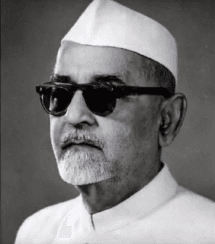
1.Zakir Husain Birth Anniversary

PIB
Illustration for Zakir Husain Birth Anniversary

What & Where

Personality Dr Zakir Husain, Indian educationist-statesman born 8 Feb 1897 at Hyderabad

Co-founder National Muslim University later Jamia Millia Islamia, linked to Aligarh & Delhi academic hubs

Became 3rd President of India 1967-69, first Muslim & first to die in office

Quick Facts for MCQs

Educational Contributions

  • Institution-building National Muslim University 1920, relocation to Delhi, evolution into Jamia Millia Islamia
  • Vice-Chancellor roles emphasised inclusive modern pedagogy at AMU 1948-56 and Jamia 1926-48
  • Basic-education blueprint drafted under Gandhian Nai Talim philosophy via 1937 committee chairmanship

Freedom Struggle Role

  • Non-cooperation participation, promoted swadeshi education outside colonial framework
  • Advocacy education as nation-building tool during pre-Independence mobilisations
  • Collaborated with Mahatma Gandhi and nationalist leaders in educational reform drives

International Engagements

  • UNESCO Executive Board member 1956-58 representing India’s soft-power in global education forums
  • Promoted cultural diplomacy and scientific collaboration during early UN years
  • Strengthened India’s voice on literacy and basic education agendas internationally

Public Offices

  • Governor Bihar 1957-62 overseeing land-reform implementation phase
  • Vice-President 1962-67 under President Radhakrishnan, presided Rajya Sabha sessions
  • Presidency 1967-69 marked by linguistic reorganisation issues and nascent Green Revolution policies

Key Data Points

FeatureData-Point
Birth date8 February 1897
Birth placeHyderabad, Telangana (then Hyderabad State)
DoctoratePhD Economics, Aligarh Muslim University
University co-foundedNational Muslim University (Jamia Millia Islamia)
VC tenuresAMU & Jamia Millia Islamia
Gandhian roleChair, National Committee on Basic Education (1937)
UNESCO postExecutive Board member 1956-58
GovernorshipBihar 1957-62
Vice-Presidency1962-67
Presidency13 May 1967 – 3 May 1969
Presidential order3rd President of India
Notable firstsFirst Muslim President, first President to die in office
Death date3 May 1969
Successor (acting)V. V. Giri
GS-1Mapping

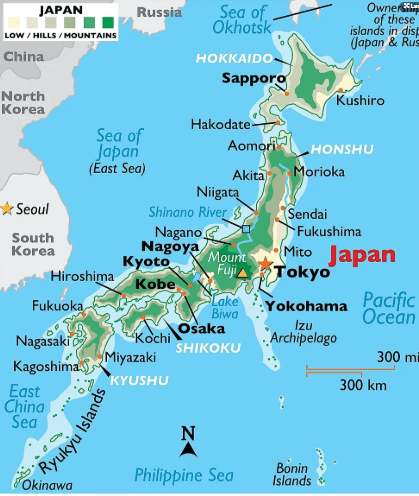
2.Japan Mapping Overview

Times of India
Illustration for Japan Mapping Overview

What & Where

Constitutional monarchy; 1947 Constitution gives real executive power to Prime Minister and Cabinet

Island nation in western North Pacific; arcs northeast–southwest off East Asian mainland

Four main mountainous islands on Pacific Ring of Fire; quakes and volcanoes common

Quick Facts for MCQs

Political Structure

  • Emperor ceremonial; succession hereditary
  • National Diet bicameral; upper House of Councillors, lower House of Representatives
  • Prime Minister elected by Diet; heads Cabinet and government

Physical Geography

  • Island chain: Hokkaido, Honshu, Shikoku, Kyushu north-to-south
  • Rivers short, swift; narrow coastal plains host dense population centers
  • Mount Fuji iconic stratovolcano; major tourist and cultural symbol

Tectonic Setting

  • Location Ring of Fire; high seismic and volcanic frequency
  • Pacific and Philippine plates subduct beneath Eurasian plate near Japan Trench
  • Seismic risk drives stringent building codes and disaster preparedness

Key Data Points

FeatureData-Point
Form of governmentConstitutional monarchy, parliamentary
Constitution adopted1947
CapitalTokyo
Largest islandHonshu
Highest peakMount Fuji 3,776 m
Legislature nameNational Diet
Diet structureBicameral
Lower houseHouse of Representatives
Mountainous terrain> 80 % land area
Neighbouring seasSea of Japan, East China Sea, Sea of Okhotsk, Pacific
GS-2Editorial

3.India Balances US-Russia Ties

Indian Express

What & Where

Agreement: 2026 India–US trade package links tariff relief to India curbing discounted Russian-oil purchases.

Geography: Supply triangle spans Russian Baltic/Far-East ports, Indian refineries (Jamnagar, Paradip) and US Gulf-Coast exporters.

Process: Strategy of multi-alignment—secure tech–market access from US while retaining Russian defence–energy insurance.

Quick Facts for MCQs

Historical Evolution

  • Cold-War: 1971 Peace & Friendship Treaty gave Soviet nuclear umbrella during Bangladesh crisis.
  • Post-2000: 2000 Strategic Partnership, 2010 upgrade to Special & Privileged Strategic Partnership.
  • Present: INDRA and Zapad-2025 drills conducted under 2021-31 defence roadmap.

Trade Profile

  • Surplus: India enjoys surplus with US, heavy deficit with Russia due to oil-centric imports.
  • iCET: Shifts India-US commerce toward semiconductors, AI, space from mere commodities.
  • FDI: US among top investors, catalysing startups and infrastructure growth in India.

Defence Dependence

  • Platforms: Su-30MKI fighters, T-90 tanks, S-400 SAMs largely Russian origin.
  • Technology: BrahMos JV and nuclear-submarine leasing uniquely provided by Moscow.
  • Risk: Sanctions or Russia-China closeness could stall spares, hurting readiness on LAC.

Energy Security

  • Price: Post-2022 Urals discounts lowered India’s import costs substantially.
  • Shift: US pushing light-sweet crude/LNG; higher freight and refinery recalibration needed.
  • Mitigation: Diversify with West Africa, Iraq; expand Strategic Petroleum Reserves for shocks.

Key Data Points

FeatureData-Point
India-US total trade FY 2024-25USD 128 billion
India-Russia total trade FY 2024-25USD 68.7 billion
Russian share in Indian military inventory≈60 %
India’s crude import bill from Russia FY 25USD 63.84 billion
India-Russia trade target by 2030USD 100 billion
Military-technical cooperation pact span2021 – 2031

Related UPSC Prelims PYQs

CDS_GK, NDA_GAT 2022PYQ 1

India signed a deal with which one of the following countries to supply MH-60R helicopters to the Indian Navy?

CDS_GK, NDA_GAT 2023PYQ 2

भारत ने निम्नलिखित में से किस देश से S-400 ट्रायम्फ एयर डिफेंस मिसाइल सिस्टम प्राप्त किया है ?

GS-2Polity

4.Proposed Child Social-Media Ban

The Hindu

What & Where

Social-media ban: legal curb stopping < 16 yrs from opening/keeping accounts on major platforms.

Mechanism: platform-side age verification via govt ID/biometrics; penalties for non-compliance.

Geography: Debate centred in India; precedents in Australia, Singapore.

Quick Facts for MCQs

Need & Risks

  • Addiction; Ghaziabad 2026 triple suicide linked to task-based online game.
  • Survey: high screen time correlates with anxiety, depression, body-image issues (15-24 age group).
  • Cyber-grooming & self-harm contagion amplified by algorithmic recommendation loops.

Implementation Challenges

  • Tech-savvy minors bypass bans via VPNs, fake IDs.
  • Mandatory ID linking risks Aadhaar-enabled mass surveillance under DPDP Act.
  • Potential widening of existing digital gender divide through selective device confiscation.

Global Examples

  • Australia: first hard under-16 prohibition with steep corporate fines.
  • Singapore: regulates app stores, not users, enforcing pre-download age gates.
  • Indian app bans drove migration to unmoderated Telegram groups—policy cautionary tale.

Policy Way Forward

  • Statutory Duty of Care making safety-by-design obligatory for Big Tech algorithms.
  • Independent digital-safety regulator outside MeitY’s current structure.
  • Nationwide digital-literacy curriculum plus longitudinal research across caste/region cohorts.

Social Equity Angle

  • Queer, disabled, rural youth rely on online spaces for community support—blanket bans may isolate further.
  • Ensuring children’s voices in policymaking preserves their digital rights alongside protection goals.

Key Data Points

FeatureData-Point
India Instagram/Facebook users (proj. 2026)400 + million each
Indian teens active on social media> 90 % (ASER 2025-26)
Urban kids online > 3 hrs/day61 %
Internet gender gap (men vs women)57.1 % vs 33.3 %
Economic Survey 2025-26 flagScreen addiction = public-health concern
Australia minimum-age law< 16 ban; fines up to $50 mn
Singapore modelApp-store age-rating & checks

Related UPSC Prelims PYQs

ESE_GS 2024PYQ 1

Which one of the following Acts mandates schools and libraries in India to use some form of technological protection to block computer access to obscene material, pornography, and anything else considered harmful to minors?

GS-2Polity

5.SC Halts Autism Stem-Cell Therapy

The Hindu

What & Where

Stem cells = unspecialised units able to regenerate blood, bone, muscle and repair tissues

Key types : Embryonic (pluripotent), Tissue-specific (multipotent/unipotent), Induced-pluripotent (iPSC)

India : Clinical use limited to ICMR-DBT approved trials per National Guidelines for Stem Cell Research 2025

Quick Facts for MCQs

Legal & Policy

  • Supreme Court: patient autonomy cannot override unproven therapy prohibition
  • Directive: Union to establish exclusive stem-cell research regulator
  • Penalty ground: Offering therapy breaches standard of care duty

Ethical Issues

  • Informed-consent impossible without validated risk-benefit data
  • Embryonic stem-cell sourcing raises separate bioethical debates

Medical Science

  • Embryonic cells pluripotent; tissue-specific only lineage-restricted
  • iPSCs emulate embryonic versatility without embryo destruction

Health Statistics

  • ASD underreported in low- and middle-income nations
  • Intellectual ability in ASD ranges from severe impairment to above average

Technology & Research

  • Stem-cell therapy presently permissible solely as clinical trial intervention
  • Goal: regenerate or replace damaged tissue, long-term outcomes still uncertain

Key Data Points

FeatureData-Point
SC verdict year2026
Target disorderAutism Spectrum Disorder (ASD)
Verdict coreStem-cell therapy banned outside trials
Cited safety evidence“Not established”
Governing documentNational Guidelines for Stem Cell Research 2025
Violated rulesNew Drugs & Clinical Trial Rules 2019
Regulators namedICMR & Dept. of Biotechnology
Court orderCreate dedicated stem-cell authority
Consent statusInvalid without proven safety/efficacy
ASD global prevalence≈ 1 in 100 children
Common ASD co-morbiditiesEpilepsy, anxiety, depression, sleep issues
iPSC originAdult cells reprogrammed in lab
Therapy categoryRegenerative medicine

Related UPSC Prelims PYQs

GS1 2002PYQ 1

With reference to the latest developments in stem-cell research, consider the following statements:

GS1 2012PYQ 2

With reference to 'stem cells', frequently in the news, which of the following statements is/are correct?

GS-2Polity

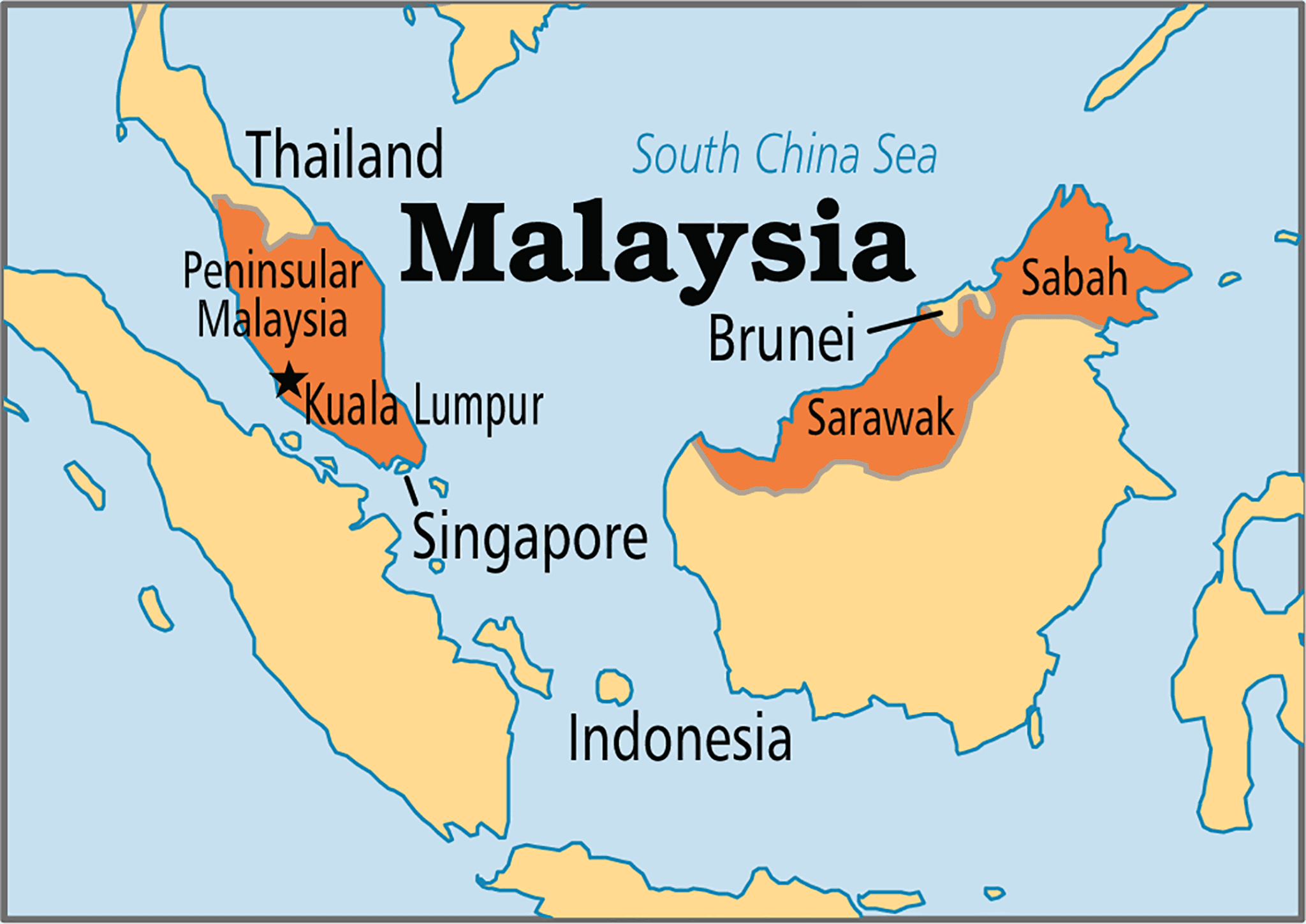
6.India-Malaysia Comprehensive Partnership

PIB
Illustration for India-Malaysia Comprehensive Partnership

What & Where

CSP: 2026 India–Malaysia Comprehensive Strategic Partnership covering economy, digital, defence, energy, education, health

Processes: 9 MoUs including fintech council, corruption-probe cooperation, disaster management, social security portability

Geography: Links South Asia to Malay Peninsula across Strait of Malacca, vital Indo-Pacific shipping chokepoint

Quick Facts for MCQs

Economic Angle

  • Local-currency trade activated to cut USD dependence and transaction costs
  • Semiconductor value-chain cooperation targets R&D, skills, supply-chain resilience
  • Palm-oil trade still drives Indian deficit, long-term G2G contracts proposed

Tech & Digital

  • MIDC to steer fintech, AI, cybersecurity, Digital Public Infrastructure collaboration
  • NIPL–PayNet tie-up enables low-cost UPI-DuitNow cross-border payments
  • E-governance knowledge sharing planned under ITEC and MTCP programmes

Security Dimension

  • Joint exercises: Harimau Shakti, Samudra Lakshmana, Udara Shakti deepen interoperability
  • India–Malaysia co-chair ADMM-Plus EWG enhancing regional HADR and peacekeeping drills
  • Leaders reiterated zero-tolerance on cross-border terrorism and maritime law violations

Cultural Linkages

  • Thiruvalluvar Chair at Universiti Malaya plus new scholarships amplify Tamil studies
  • Tamil cinema icons like M G Ramachandran bolster soft-power connect
  • Traditional medicine collaboration includes homeopathy research MoU with University of Cyberjaya

Multilateral Forums

  • Malaysia supports India’s 2026 BRICS chairmanship; India backs Malaysian BRICS partner status
  • Both uphold ASEAN centrality, align AOIP with Indo-Pacific Oceans Initiative
  • Malaysia acceded to IBCA, expanding India-led conservation diplomacy

Key Data Points

FeatureData-Point
CSP operationalisedFeb 2026
Bilateral trade FY 24-25USD 19.86 billion
Malaysia rank in ASEAN trade with India3rd
Diaspora size in Malaysia~2.7 million PIO
Flagship Army exerciseHarimau Shakti
Digital forum createdMalaysia-India Digital Council
Currency pair for settlementINR–MYR
New Indian consulateKelantan (announced)
Malaysia joinedInternational Big Cat Alliance
ADMM-Plus EWG co-chair term2024-2027

Related UPSC Prelims PYQs

ESE_GS 2026PYQ 1

What is the name of the initiative launched by India and Denmark in November 2025 to enhance bilateral ties?

ESE_GS 2022PYQ 2

Which one of the following countries did the Indian Navy participate in the U.S. Navy-led Southeast Asia Cooperation and Training (SEACAT) military exercise, to demonstrate its maritime manoeuvres?

GS-2Economy

7.India-US Interim Trade Agreement

PIB

What & Where

Interim Trade Agreement; early-harvest trade framework between India & United States, precursor to a full Bilateral Trade Agreement.

Covers reciprocal tariff cuts, market-access openings and non-tariff barrier reforms across goods, agriculture, technology, energy.

Operates on India–U.S. trade corridor; targets resilient Indo-Pacific supply chains and balanced bilateral commerce.

Quick Facts for MCQs

Economic Angle

  • Tariff-liberalisation exchange prioritises zero-duty access for generic pharmaceuticals, gems & jewellery, aircraft parts.
  • Indian ethanol by-product imports bolster domestic biofuel blending roadmap.
  • Objective: narrow ~$40 billion India goods trade deficit with U.S. through balanced access.

Supply Chain & Security

  • Cooperation on export controls and investment screening mirrors U.S. CHIPS, India trusted-sourcing policies.
  • Clause to counter non-market third-country practices, implicitly addressing China dependence.
  • Joint rules of origin deter triangular trade via third-country hubs.

Standards & Tech

  • Technical-regulation alignment eases compliance for medical devices, ICT hardware, agri inputs.
  • Digital-trade talks tackle data-localisation, discriminatory e-levies, fostering interoperable norms.
  • Planned GPU imports to power domestic data centres, advancing India’s AI compute capacity.

Key Data Points

FeatureData-Point
Agreement natureTemporary, outcome-oriented early-harvest pact
PartiesGovernment of India & United States
US initial tariff on select Indian exports18 %
Indian tariff cuts sectorsIndustrial goods, DDGs, oilseeds, fruits, nuts, wine, spirits
Section 232 relief itemsAircraft parts, steel, aluminium items; TRQ for auto components
Planned Indian strategic purchasesUSD 500 billion in energy, aircraft, critical minerals, tech (5 yrs)
Rules of origin purposeBlock third-country circumvention; benefits confined to signatories
Digital trade clausePathway for ambitious rules under forthcoming BTA

Related UPSC Prelims PYQs

CDS_GK, GS1 2024PYQ 1

If India enters into Free Trade Agreements (FTAs) with other nations, then the growth of exports of India would depend upon which of the following?

CDS_GK, GS1 2017PYQ 2

निम्नलिखित कथनों पर विचार कीजिए :

GS-2PolityQuick Bite

8.National Lung Cancer Guidelines

PIB

What & Where

Definition; national, evidence-based Lung Cancer Treatment & Palliation Guidelines to standardise care.

Key processes; 15 systematically synthesised recommendations for diagnosis, treatment, palliation.

Geography; applicable pan-India across public and private facilities, released by Union Health Minister.

Quick Facts for MCQs

Policy & Governance

  • Standardisation; targets reduced inter-facility treatment variation nationwide.
  • Alignment; spans both public and private oncology practices.
  • First-ever; India’s maiden domestically produced national oncology guideline.

Clinical Focus

  • Screening; mandates proactive detection among high-risk populations.
  • Pathways; sets uniform algorithms for surgery, chemotherapy, radiotherapy.
  • Palliation; outlines symptom control and quality-of-life protocols.

Institutional Framework

  • Coordination; DHR oversees research, DGHS steers implementation.
  • Collaboration; drafted with top oncologists and partner institutes.
  • Monitoring; national roll-out to enable audit and outcome tracking.

Key Data Points

FeatureData-Point
Launch yearFeb 2026
Released byUnion Health Minister
Lead developersDHR & DGHS
Total recommendations15
Core emphasisEarly diagnosis, high-risk screening, standardised treatment, robust palliation
Evidence methodSystematic evidence synthesis adapted to Indian settings
GS-3Scheme

9.Aatmanirbharta Pulses Mission

PIB

What & Where

Mission for Aatmanirbharta in Pulses: centrally sponsored, Oct 2025 launch, roadmap finalised at FLRP Amlaha, Sehore (MP).

Emphasis crops: Tur (Arhar), Urad, Masoor—largest domestic gaps, daily‐diet staples.

Goal geography: expand cultivation by 35 lakh ha to 310 lakh ha pan-India, cluster model across pulse belts.

Quick Facts for MCQs

Policy & Targets

  • Expansion timeline six years; aims self-sufficiency, cut forex outgo on pulse imports.
  • Focus on yield, climate-resilient varieties, assured MSP-linked procurement.
  • Integrate pulses into PDS, Mid-Day Meal for sustained demand.

Operational Tools

  • SATHI portal ensures seed traceability from breeder stage to retail.
  • Cluster approach enables local seed hubs, 1,000 decentralised mills for value addition.
  • Direct state-level seed release replaces Delhi-centric distribution.

Nutrition & Environment

  • Pulses supply 20-25 % dietary protein; per-capita intake below 85 g/day norm.
  • Legumes fix nitrogen, lower input needs, support low-carbon, climate-resilient farming.
  • Rice-fallow utilisation and intercropping recommended to raise output sustainably.

Key Data Points

FeatureData-Point
Scheme outlay₹11,440 crore
Funding patternCentrally Sponsored
Target years2025-26 to 2030-31
Production goal 2030-31350 lakh tonnes
Current production 2024-25252.38 lakh tonnes
Imports 2023-2447.38 lakh tonnes
Area addition planned35 lakh ha
SATHI full formSeed Authentication Traceability & Holistic Inventory
Procurement coverage100 % for Tur, Urad, Masoor (4 yrs)
Procurement agenciesNAFED & NCCF under PM-AASHA
Pulse mills plan1,000 units; ₹25 lakh subsidy each
Farmer aidSeed kits + ₹10,000/ha for model farming
Key NITI inputOne Block-One Seed Village

Related UPSC Prelims PYQs

GS1 2010PYQ 1

An objective of the National Food Security Mission is to increase the production of certain crops through area expansion and productivity enhancement in a sustainable manner in the identified districts of the country. What are those crops?

GS-3Economy

10.RBI Credit & Consumer Reforms

The Hindu

What & Where

RBI policy package, Feb 2026; applies across Indian banking and capital markets.

Targets MSME credit, listed Real Estate Investment Trusts (REITs), digital‐payment users, Urban Co-operative Banks.

Instruments used: lending‐norm tweaks, customer-protection frameworks, capacity-building mission.

Quick Facts for MCQs

Banking Reforms

  • Collateral-free MSME doubling cuts informal-credit dependence, boosts small-firm expansion.
  • Lending window to REITs aligns bank credit policy with SEBI’s equity treatment.
  • Recovery-agent rules to be harmonised across banks, NBFCs, UCBs ensuring uniform conduct.

Consumer Safeguards

  • Small-value e-fraud framework shifts liability from user to bank for losses ≤₹25k.
  • Draft norms on third-party product sales enforce suitability, curb mis-selling at branches.

Capacity & Training

  • Mission SAKSHAM (‘Sahakari Bank Kshamta Nirman’) creates sector-wide certification in regional languages for UCBs.

Investment Trusts

  • REITs: income via rent/leases; lower leverage, higher liquidity, retail friendly unit size.
  • InvITs: cashflows from tolls/availability payments; higher borrowing flexibility, larger unit size.

Key Data Points

FeatureData-Point
Collateral-free MSME limit (new)₹20 lakh
Earlier MSME limit₹10 lakh
Bank lending newly allowed toListed REITs
Fraud-compensation ceiling₹25,000 per case
Mission SAKSHAM target≈1.40 lakh UCB staff
REIT leverage cap≈49 % of asset value
InvIT leverage cap≈70 % of asset value
Mandatory completed assets in REIT/InvIT≥80 % of portfolio
Regulator for both trustsSEBI (Regulations 2014)

Related UPSC Prelims PYQs

ESE_GS 2024PYQ 1

To increase transparency and consumer awareness and handle customer complaints, a 'Centralised Receipt and Processing Centre' and an 'Integrated Ombudsman Scheme' have been set up. These two schemes are related to which one of the following institutions?

ESE_GS 2022PYQ 2

Which one of the following is NOT important initiatives under EASE 4.0?

GS-3S&T

11.Kyasanur Forest Disease Highlights

Times of India
Illustration for Kyasanur Forest Disease Highlights

What & Where

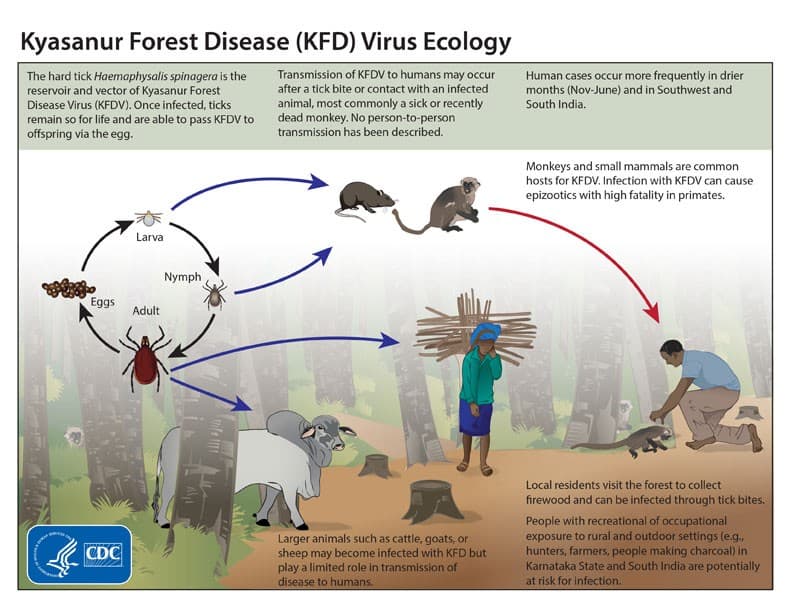
Tick-borne viral haemorrhagic fever first spotted (1957) in Kyasanur Forest, Karnataka.

Endemic belt: Western Ghats—Karnataka, Tamil Nadu, Kerala, Goa, Maharashtra.

Spread via Hemaphysalis spinigera tick bite; no human-to-human route.

Quick Facts for MCQs

Clinical Trials & Vaccine

  • Milestone: India begins first-ever fully indigenous KFD vaccine Phase-I at human level.
  • Objective: Validate safety, immunogenicity before wider Phase-II/III deployment.
  • Strategic need: Existing formalin-inactivated vaccine shows limited, short-lived protection.

Transmission Details

  • Vector: Nymph & adult ticks on small mammals, cattle, monkeys carry virus.
  • Seasonality: Peak December-May when tick activity surges.
  • Occupational risk: Forest workers, farmers, herders, hunters face highest exposure.

Symptomatology

  • Phase-I: High fever, headache, myalgia, vomiting, haemorrhage in severe cases.
  • Phase-II (biphasic): Tremors, mental confusion, neurological deficits.
  • Recovery: Prolonged fatigue common; relapses rare.

Public Health Angle

  • Surveillance: Sentinel monkey deaths signal outbreak onset in endemic districts.
  • Control tools: Tick-repellent use, livestock acaricides, forest-entry advisories.
  • Reporting: Notifiable disease under Integrated Disease Surveillance Programme.

Key Data Points

FeatureData-Point
Incubation period3 – 8 days
Case fatality rate3 – 10 %; rises without early care
Vector speciesHard tick Hemaphysalis spinigera
Animal amplifierMonkeys; human infection via contact/bite
Human-to-human spreadAbsent
Second-phase cases10 – 20 % show neurological issues
Key symptomsSudden fever, chills, myalgia, GI upset, possible bleeding
TherapySupportive—fluids, O₂, BP control, manage infections
New vaccine statusIndigenous candidate in Phase-I human trials
Lead agencyICMR-led collaboration
GS-3S&T

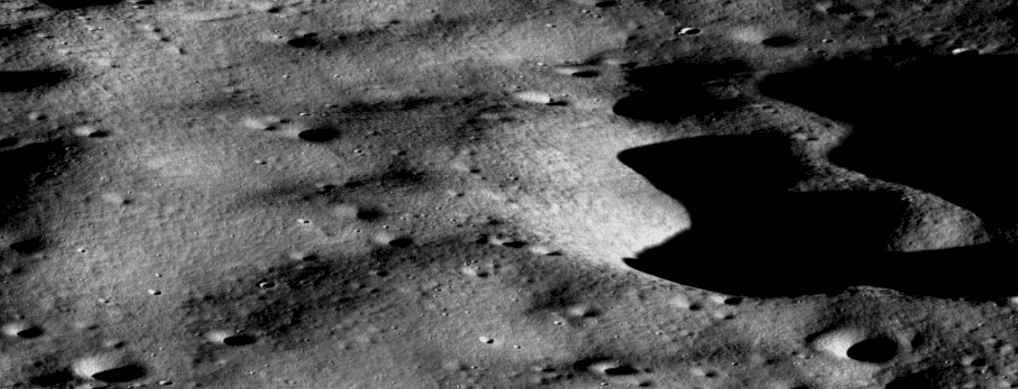
12.Mons Mouton Lunar Massif

Times of India
Illustration for Mons Mouton Lunar Massif

What & Where

Mons Mouton: flat-topped lunar mountain massif, officially named by IAU.

Sits on South Pole–Aitken Basin rim, ~160 km from lunar south pole.

Spans ~100 km; rises ~6 km; mixes near-continuous sunlight with permanent shadows.

Quick Facts for MCQs

Geological Context

  • Formation: rim uplift from ancient SPA asteroid impact exposing deep lunar crust.
  • Topography: rugged slopes, steep gradients, craters, scattered boulder fields.
  • Science value: preserves clues to early Moon formation and impact chronology.

Mission Planning

  • Chandrayaan-4: SAC-ISRO marks safe patch with gentle slopes and low boulder density.
  • Artemis zones: massif falls within NASA south-pole exploration interest area.
  • Global interest: site may host collaborative sample-return and tech demos.

Resource Potential

  • Volatiles: proximity to permanently shadowed craters suggests water-ice deposits.
  • Power: near-continuous sunlight enables reliable solar energy for landers.
  • ISRU prospects: volatile mapping aids future propellant and life-support extraction.

Observation & Visibility

  • Libration: massif visible from Earth during favourable Moon tilts.
  • Amateur telescopes: detectable under good seeing, enhancing public science outreach.
  • Visual cue: bright elevated block bordering SPA rim near lunar south pole.

Key Data Points

FeatureData-Point
Naming authorityInternational Astronomical Union
Terrain typeFlat-topped massif
Width≈ 100 km
Relative height≈ 6,000 m
Distance to south pole≈ 160 km
Adjacent structureSouth Pole–Aitken Basin rim
IlluminationSunlit patches plus shadowed zones
ISRO linkChandrayaan-4 sample-return landing site candidate
GS-3Environment

13.Project Tiger Modernisation Panels

New Indian Express

What & Where

Project Tiger: Centrally Sponsored Scheme conserving tigers via core–buffer reserves across India

Core–buffer process: inviolate National Park/Sanctuary core plus livelihood-oriented multi-use buffer

Geography: 51 reserves in 18 tiger-range states, covering ~2.23 % of national area

Quick Facts for MCQs

Legal & Policy

  • NTCA decisions under review: 28 policy directives spanning 50 years
  • Working groups zoned North, South, East, West for contextual recommendations
  • Mandate: propose future-ready tiger policy roadmap for next 25 years

Tech & Schemes

  • Central assistance funds habitat management, anti-poaching, community uplift in buffers
  • Scientific monitoring uses landscape ecology, camera traps, prey-base analysis
  • Core areas enjoy National Park/Sanctuary legal status ensuring inviolate protection

Social Concerns

  • Buffer zones encourage coexistence, livelihood schemes, people-centric development
  • Review seeks to identify gaps in community components of the Centrally Sponsored Scheme

Institutional Coordination

  • Tasked review to strengthen links between NTCA and national scientific institutions
  • Enhanced data sharing envisioned for adaptive management across tiger landscapes

Key Data Points

FeatureData-Point
Launch year1973
Scheme natureCentrally Sponsored
Nodal ministryMoEFCC
Statutory overseerNTCA under Wildlife (Protection) Act 1972
Start-up reserves (1973)9
Present reserves (2023)51
States covered18
Area coverage~2.23 % of India
Monitoring toolAll-India Tiger Estimation (camera traps, prey assessments)
Current review bodies4 zone-wise expert groups

Related UPSC Prelims PYQs

GS1 2012PYQ 1

Consider the following protected areas:

GS1 2020PYQ 2

Among the following Tiger Reserves, which one has the largest area under “Critical Tiger Habitat”?

GS-3Environment

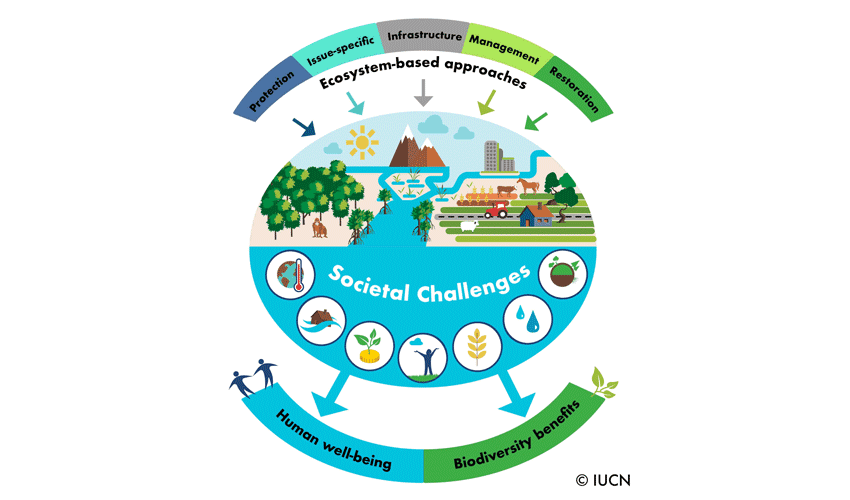
14.Nature-Based Solutions Financing Gap

IUCN
Illustration for Nature-Based Solutions Financing Gap

What & Where

IUCN: NbS = protect/manage/restore ecosystems to tackle climate, water, food, disaster risks with co-benefits.

Major forms: afforestation, agroforestry, mangrove–wetland revival, urban blue-green infrastructure.

India hotspots: Aravalli Green Wall (NW), MISHTI coasts of Odisha–WB, Bengaluru rejuvenated lakes.

Quick Facts for MCQs

Finance & Economy

  • Investment-gap severe; Sovereign Forest Bonds, private carbon markets proposed to bridge funding shortfall.
  • Ecosystem services: mangroves yield 10-fold return via avoided flood losses.
  • UNEP urges tripling flows to $571 bn/yr by 2030.

Indian Schemes

  • Aravalli Green Wall targets 6.31 m ha restoration; Digital CAMPA APO offers real-time plantation tracking.
  • MISHTI strengthens coastal resilience; MGNREGS pivots to natural-resource works.
  • Meri LiFE portal + DPDP Act enable digital MRV, carbon-credit verification.

Implementation Challenges

  • Non-standard methods enable greenwashing; monoculture eucalyptus drains groundwater.
  • Overlapping land rights stall Aravalli work across Delhi, Haryana, Rajasthan, Gujarat.
  • Only ~30 % national climate policies carry budgeted NbS components.

Key Data Points

FeatureData-Point
CO₂ mitigation potential≤37 % of cost-effective cuts needed by 2030
NbS finance ratio$1 pro-nature : $30 nature-negative (UNEP 2026)
Needed annual funds$571 billion globally by 2030 (≈3× today)
Mangrove flood savings$57 billion damages avoided; 18 million people shielded
India forest status25.17 % area; 9th largest global forest cover
Ek Ped Maa Ke Naam262.4 crore saplings planted in 2025
Agroforestry share~20 % of India’s carbon stock
GS-3S&TQuick Bite

15.PRIYA Vitamin B12 Trial

The Hindu

What & Where

PRIYA trial = rural Pune (Maharashtra) RCT testing vitamin B12 pills in 10–18 yr adolescents

Embedded in Pune Maternal Nutrition Study, tracked births 2012-2020 for inter-generational outcomes

Finding = higher neonatal ponderal index via epigenetic modulation of foetal growth pathways

Quick Facts for MCQs

Clinical Findings

  • Supplemented adolescents yielded neonates with significantly better ponderal indices indicating improved foetal growth
  • Evidence links B12 status in parents to offspring metabolic programming via DNA methylation

Biological Roles

  • Cofactor for methionine synthase enabling DNA methylation and myelin maintenance
  • Deficiency triggers homocysteine accumulation leading to anaemia and neuropathy

Public Health Policy

  • MoHFW IFA Weekly Programme can integrate ~2 µg B12 to curb hidden hunger
  • Strategy targets adolescents & reproductive-age women to strengthen human capital and reduce NCD risk

Key Data Points

FeatureData-Point
Full namePune Rural Intervention in Young Adolescents (PRIYA)
Study period2012 – 2020
GeographyRural Pune district, Maharashtra
Target groupAdolescents 10-18 yrs
Supplement usedPhysiological-dose vitamin B12 (cyanocobalamin)
Key neonatal metricPonderal index ↑ (weight/height³)
Mechanism flaggedEpigenetic changes influencing metabolic risk
Policy cueAdd B12 to Iron-Folic-Acid (IFA) regimen for teens & WRA
Vitamin B12 natureWater-soluble, microbe-derived, animal-food source
Core functionsRBC formation, DNA synthesis, nervous-system upkeep
India deficiency statusHighly prevalent due to low animal-food intake
Major deficiency effectsMegaloblastic anaemia, neurological disorders

Ready to practice?

Test your knowledge with our UPSC test series.

Start Free Trial