History
1.Denotified Tribes Classification Issues
The HinduDenotified Tribes · Criminal Tribes Act 1871 · Vimukta Jatis
What & Where
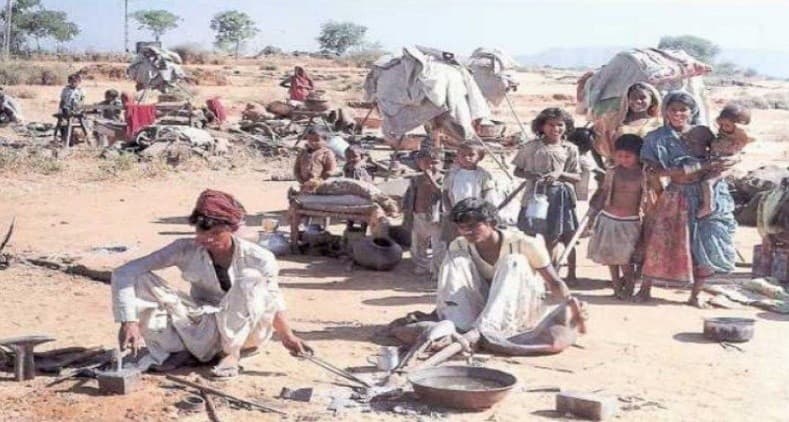
Denotified Tribes (Vimukta Jatis) = groups branded “criminal” under 1871 Act; legally freed in 1952 yet still stigmatised
Spread pan-India, largely nomadic/semi-nomadic; livelihoods in pastoralism, salt trade, acrobatics, snake-charming, transport, crafts
Demand separate column/code in 2027 caste Census, citing misplacement inside SC, ST, OBC lists
Quick Facts for MCQs
Historical Background
- Act 1871 labelled entire communities crime-prone by birth, enabling surveillance and movement restrictions
- Repeal 1952 removed legal tag but stigma persisted through Habitual Offenders provisions
- Term “Denotified” derives from official removal of criminal status post-Independence
Legal & Policy
- Habitual Offenders laws allow continued police targeting despite denotification
- No exclusive constitutional category; benefits routed via SC/ST/OBC quotas, often ineffective
- Separate Schedule would legally recognise distinct historical injustice beyond caste hierarchy
Social Concerns
- Persistent born-criminal stereotype fuels social ostracism and biased policing
- Whole communities often lack caste certificates, domicile papers, land titles, deepening invisibility
- Severe educational neglect; some regions report near-zero secondary enrolment
Economic Angle
- Livelihoods seasonal, informal, migration-dependent, causing chronic income instability
- Limited access to credit, skill schemes, market linkages due to lack of documentation
- Competitive disadvantage inside existing reservation groups reduces upward mobility
Key Data Points
| Feature | Data-Point |
|---|---|
| Criminal Tribes Act enacted | 1871 |
| Act repealed / tribes denotified | 1952 |
| Post-repeal policing law | Habitual Offenders framework |
| DNT communities still unclassified | ≈ 260 |
| Current list placement | Mixed within SC, ST, OBC |
| Core demand | Dedicated Schedule & Census code 2027 |
Related UPSC Prelims PYQs
GEO_GS, GS1 1996PYQ 1
In the Indian context the term De-notified tribes refers to
GEO_GS, GS1 2020PYQ 2
Which one of the following was NOT a feature of Criminal Tribes Act, 1871?