UPSC Current Affairs

13 topicsGS-1: 3GS-2: 2GS-3: 8
0/13 done
GS-2Polity

1.Supreme Court DNA Evidence Guidelines (Forensic Evidence)

The Hindu

What & Where

SC’s four-point procedural guidelines for DNA evidence management in criminal investigations

Origin: Kattavellai @ Devakar v. State of Tamil Nadu; judgment year 2025; applies pan-India

Standardises collection, 48-hour dispatch, sealed storage, continuous chain-of-custody

Quick Facts for MCQs

Legal & Policy

  • Uniformity; overrides State policing differences via Article 142 power
  • Enhances evidentiary value, curbs acquittals due to procedural lapses
  • Non-compliance may invite adverse inference against prosecution

Forensic Process

  • Sample packaged in tamper-proof containers with unique seal and documentation
  • Refrigerated transport protects biological integrity, minimising degradation
  • Register tracks movement till final court disposal or authorised destruction

Judicial Precedent

  • Anil 2014 underscored lab quality control for admissibility
  • Manoj 2022, Rahul 2022 show courts discard evidence with contamination risk
  • New guidelines aim to pre-empt such rejection by codifying safeguards

Key Data Points

FeatureData-Point
Total procedural guidelines4
Dispatch deadline≤48 hours to FSL
Case that triggered normsKattavellai @ Devakar v. Tamil Nadu (2025)
Mandatory package detailsFIR, IPC sections, IO, medical officer, 2 witnesses
Re-opening sealed sampleOnly with trial court permission
Chain-of-custody toolDedicated register signed at every handover
Delay explanationWritten reason by Investigating Officer
Preservation requirementRefrigeration/approved medium until dispatch
Key precedent accepting DNAAnil v. Maharashtra 2014
Precedents rejecting DNAManoj v. MP 2022; Rahul v. Delhi 2022
GS-3Editorial

2.India Tariff Rationalisation Debate (Tariff Policy)

Indian Express

What & Where

Definition Tariff rationalisation means lowering and harmonising import duties for a competitive, innovation-driven economy

Geography India carries 16.2 % simple average tariff, second highest in G20 after Turkey

Coverage Agriculture shielded by 64.3 % tariff; industrial goods taxed at 9.2 %

Quick Facts for MCQs

Economic Angle

  • Competitiveness Lower duties spur efficiency, innovation, export growth, example 1991 auto liberalisation
  • Consumer welfare Cheaper edible-oil imports ease inflation, improve nutrition security
  • GDP Jobs Export-led GVC entry expected to lift output and employment

Trade Negotiations

  • FTAs High tariffs block deeper India-UK and India-EU agreements
  • Credibility Predictable regime boosts bargaining power in WTO, G20, lowers retaliation risk
  • Diplomatic effect Lower tariffs could unlock EU, UK, GCC deals

Challenges & Risks

  • Farmers Protectionists fear losses for dairy, sugar, pulses; possible street protests
  • Revenue Customs duties sizeable for fiscal balance, limit reform space
  • MSME Vulnerability Cheap imports threaten small firms amid logistics deficits

Reform Toolkit

  • Tiered structure 0–10 % raw; 10–20 % non-sensitive; 20–35 % sensitive; 35–50 % luxury
  • Tariff Rate Quotas Permit limited low-duty imports while cushioning small farmers
  • Subsidy shift Direct cash fertiliser support via DBT curbs leakage, frees price signals

Key Data Points

FeatureData-Point
India’s simple average tariff16.2 % (G20 rank 2)
Agriculture trade-weighted tariff64.3 % (world’s highest)
Industrial goods tariff9.2 %
Workforce in farming46 % of labour force
US punitive duty on Indian goods50 %
Tariff spread exampleCotton 0 %; Milk powder 60 %; Food prep 150 %
Proposed tiered ceiling for luxury items35–50 %
Target Agri-R&D spend1 % of Agri-GDP (OECD 3 %)

Related UPSC Prelims PYQs

CDS_GK, NDA_GAT 2024PYQ 1

If India enters into Free Trade Agreements (FTAs) with other nations, then the growth of exports of India would depend upon which of the following?

CDS_GK, NDA_GAT 2025PYQ 2

S1. Liberalisation and globalisation freed India's economy from the low GDP trap that had impeded India's progress

GS-3Infrastructure

3.Assam Bamboo Ethanol Plant (Biofuel Plant)

New Indian Express

What & Where

First bamboo-based 2G bioethanol plant located in Numaligarh Refinery, Golaghat district, Assam

Converts abundant Northeast bamboo into ethanol via enzymatic hydrolysis + fermentation for E20 petrol blending

Integral to National Bio-Energy Mission and Ethanol Blending Programme targeting energy security and import reduction

Quick Facts for MCQs

Economic Angle

  • ImportSubstitution saves significant foreign exchange on crude oil
  • ValueAddition spurs polypropylene, ethanol and allied clusters in Assam
  • JobCreation throughout supply chain strengthens regional economy

Farmer Empowerment

  • AssuredMarket contracts guarantee steady bamboo income
  • CultivationScale encourages expansion of bamboo acreage in Northeast
  • LogisticsWork opens new roles in collection and transport

Environmental Impact

  • GHGReduction through fossil-fuel displacement by renewable ethanol
  • WasteAvoidance eliminates bamboo residue burning practices
  • NetZeroSupport aligns with India’s 2070 climate commitment

Technology & Schemes

  • 2GProcess utilises non-food lignocellulosic feedstock, avoiding food-fuel conflict
  • SchemeAlignment with Ethanol Blending Programme and National Bio-Energy Mission
  • ReplicableModel for other bamboo-rich regions to adopt advanced bio-refineries

Key Data Points

FeatureData-Point
LocationNumaligarh Refinery, Golaghat, Assam
FeedstockBamboo biomass (lignocellulosic)
Plant type2G bioethanol refinery
Annual ethanol capacity60,000 KL
Implementing entitiesAssam Bio-Ethanol Pvt Ltd + NRL, MoPNG
National target supported20 % ethanol blending by 2025
Expected import saving₹1,000 + crore per year
Primary technologyEnzymatic hydrolysis → fermentation
Mission linkageNational Bio-Energy Mission
Job potentialThousands across cultivation, transport, processing
GS-3Infrastructure

4.Indigenous Solar Manufacturing (Solar Manufacturing)

Financial Express
Illustration for Indigenous Solar Manufacturing (Solar Manufacturing)

What & Where

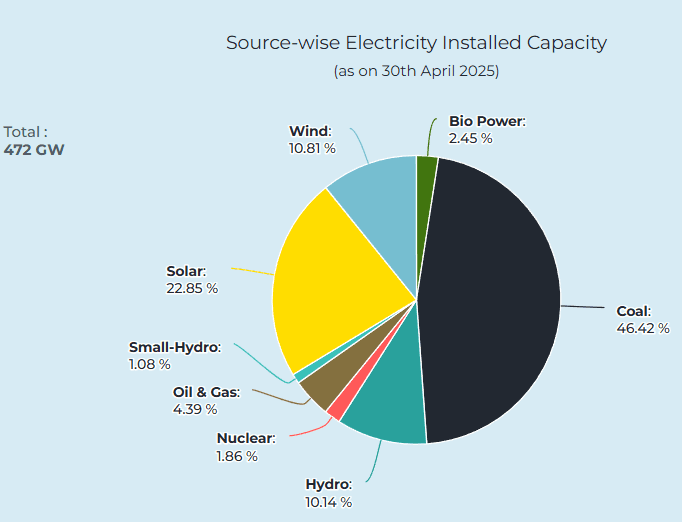
Solar PV chain: quartz sand → polysilicon → ingot → wafer → cell → laminated module → field/rooftop installation.

Upstream (polysilicon-cell) capital-heavy, tech-intense; downstream (module-installation) labour-centric.

India hosts >100 GW module lines yet relies on Chinese upstream; key clusters Gujarat, Rajasthan, Andhra Pradesh.

Quick Facts for MCQs

Capacity & Targets

  • Expansion: 1,800 GW renewable by 2047; 5,000 GW by 2070 envisaged.
  • Upstream roadmap: Swadeshi polysilicon production to erase 100 % import dependence.
  • Module capacity already quadruple annual domestic demand, risking idle plants without upstream support.

Policy Tools

  • ALMM acts as non-tariff barrier, ensuring only approved domestic manufacturers supply government-linked projects.
  • Production-Linked Incentive, phased customs duties, and greenfield capital subsidies attract upstream investors.
  • State PPAs, PM Suryaghar & PM-KUSUM schemes anchor predictable offtake.

Challenges

  • Cost: Small scales raise rupee-per-watt price versus Chinese mega-factories.
  • Tech gap: Polysilicon/wafer know-how limited, demanding high-purity processes and huge energy inputs.
  • Land & RoW delays plus discom payment issues slow project commissioning.

Key Data Points

FeatureData-Point
Indigenous ecosystem deadline2028
Present module capacity100 GW
Present cell capacity27 GW
Ingot + wafer capacity2.2 GW
Non-fossil capacity (Aug 2025)251.5 GW
2030 renewable target500 GW
Net-zero commitment year2070
Rooftop installs (Suryaghar)20 lakh; target 50 lakh soon
Solar pumps under PM-KUSUM1.6 million
Diesel saved annually by pumps1.3 billion litres
CO₂ cut by pumps40 million t
ALMM current scopeModules only
Proposed ALMM expansionCells, wafers, ingots

Related UPSC Prelims PYQs

GEO_GS, GS1 2018PYQ 1

With reference to solar power production in India, consider the following statements:

GEO_GS, GS1 2026PYQ 2

India's installed solar capacity in 2025 is close to

GS-1Environment

5.Grey Rhino Disaster Risk (Disaster Risk)

Down to Earth
Illustration for Grey Rhino Disaster Risk (Disaster Risk)

What & Where

Grey Rhino = visible, highly probable, high-impact risk ignored till crisis.

Coined 2016 by Michele Wucker (USA) to contrast predictable dangers with rare “black swans”.

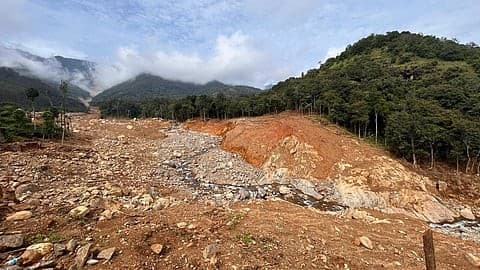
Label now applied to July 2024 Wayanad landslide, Kerala, Western Ghats.

Quick Facts for MCQs

Concept Origin

  • Finance roots; term created to spotlight overlooked yet near-certain systemic threats.
  • Grey hue evokes large animal charging slowly but plainly visible.
  • Adoption widened to climate, debt, health and disaster risk discourse.

Triggers & Impact

  • Rainburst >600 mm/48 hr saturated lateritic Western Ghats slopes.
  • Collapse erased settlements, livelihoods, biodiversity corridors across Wayanad.
  • Case typifies monsoon-amplified cascading hazards in humid tropics.

Governance & Preparedness

  • ESA terrain maps, state studies marked landslide-prone zones; enforcement remained weak.
  • Development pressure overrode buffer-zone, drainage, afforestation norms.
  • Grey Rhino framing pushes strict land-use zoning, early evacuation, eco-sensitive construction.

Key Data Points

FeatureData-Point
MetaphorGrey Rhino
Key attributesPredictable, visible, neglected, high-impact, actionable
Coined byMichele Wucker
Year of coinage2016 (book “The Gray Rhino”)
Local exampleWayanad landslide, Kerala, Jul 2024
Rainfall trigger modelled>600 mm in 48 hours
Warning sourceESA slope-stability studies
Report citing event“Sliding Earth, Scattered Lives”, Sept 2025
Contrasted conceptBlack Swan (rare, unpredictable)
GS-1Mapping

6.Salamis Bay Geography Spotlight (Place in News)

PIB
Illustration for Salamis Bay Geography Spotlight (Place in News)

What & Where

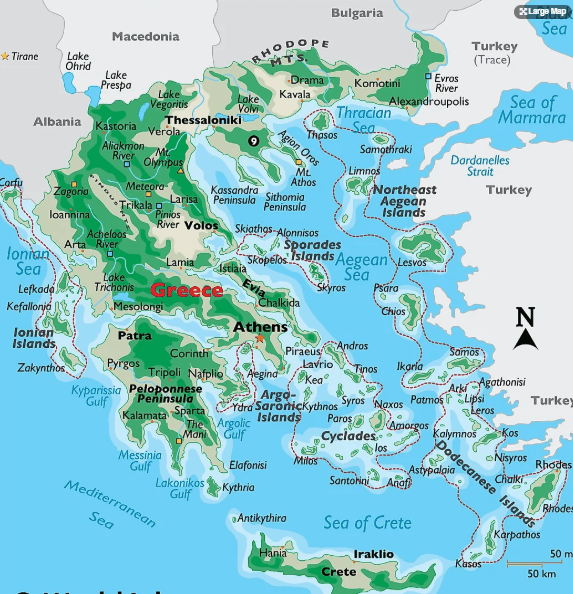
Salamis Bay – natural harbour on west Salamis Island opening into the Saronic Gulf, Aegean Sea

Location – ~16 km west of Athens; length ≈9 km; Cape Petriti guards its southwest mouth

Significance – Battle of Salamis 480 BCE site; hosting first India–Greece naval drill with INS Trikand

Quick Facts for MCQs

Security Dimension

  • Exercise – aims interoperability between INS Trikand and Hellenic Navy platforms
  • Outreach – deepens Indo-Mediterranean maritime partnerships beyond Suez
  • Capability – stealth frigate deployment showcases Indian blue-water reach

Historical Context

  • Battle – Greek triremes defeated larger Persian fleet within Salamis Bay narrows
  • Outcome – safeguarded Greek city-states, shaping Western civilisational trajectory
  • Legacy – still studied for naval strategy and asymmetric advantage

Geographical Highlights

  • Greece – southern tip of Balkan Peninsula, bordering Ionian, Aegean, Mediterranean seas
  • Coastline – longest Mediterranean stretch with thousands of islands including Crete, Rhodes
  • Land borders – Albania, North Macedonia, Bulgaria, Turkey form northern frontier

Key Data Points

FeatureData-Point
Indian vesselINS Trikand stealth frigate
Exercise statusFirst-ever bilateral India–Greece maritime drill
Bay typeNatural bay
Parent islandSalamis Island
Sea connectivityOpens to Saronic Gulf, Aegean Sea
Max bay length~9 km
Historic battle year480 BCE
Nearest capital distance~16 km from Athens
Cape at SW endCape Petriti
Greece’s land neighboursAlbania, North Macedonia, Bulgaria, Turkey
Greece UNESCO sites20 inscribed
Mediterranean coastline rankLongest among littoral states
GS-3Editorial

7.Global Plastic Pollution Crisis (Plastic Pollution)

The Hindu
Illustration for Global Plastic Pollution Crisis (Plastic Pollution)

What & Where

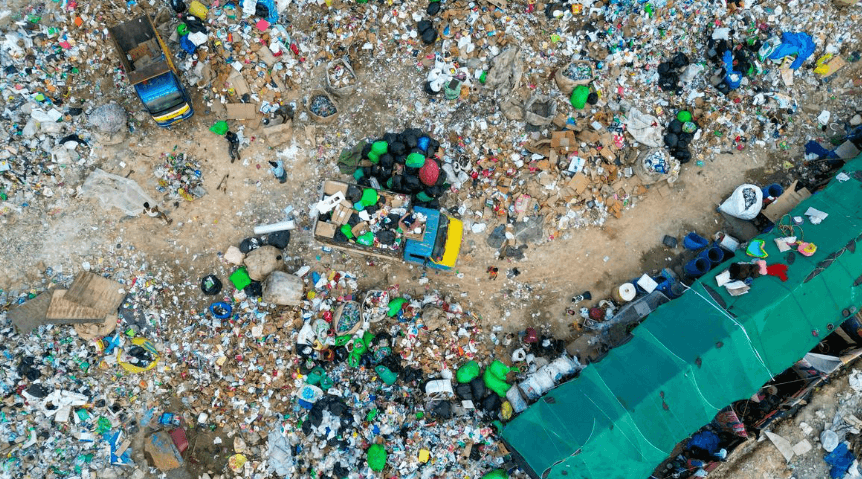
Plastic pollution: persistent synthetic polymers leaking from production, use & disposal into land, rivers, oceans worldwide.

Key forms: macro-plastics (bags, bottles), micro/nano-plastics (≤5 mm) infiltrating air, soil, food chain.

Hotspots: landfills/open dumps, 11 MT yearly ocean inflow, projected 1.2 bn t global waste by 2060.

Quick Facts for MCQs

Environmental Impact

  • Persistence: centuries to degrade, causing cumulative ecosystem loading.
  • Biodiversity: ingestion/entanglement harms turtles, seabirds, fish; disrupts reproduction.
  • Human health: carcinogens & endocrine disruptors leach into food, water, blood, lungs.

International Initiatives

  • UNEA-5: 193 nations negotiating legally binding treaty; aligns with SDGs 12, 13, 14.
  • Circular economy push: global campaigns for reuse, redesign, recycling over virgin production.
  • Tax-incentive tools: landfill, incineration levies adopted or proposed by multiple countries.

Indian Actions

  • Plastic Waste Management Rules 2016/22: bans select single-use items; tightens EPR.
  • Swachh Bharat Mission 2.0: targets 100 % segregation, processing of municipal waste.
  • Innovation: plastic-bitumen mix on roads cuts bitumen use, improves durability.

Way Forward

  • 6Rs: Refuse, Reduce, Reuse, Recycle, Recover, Redesign to guide stakeholders.
  • Decentralise: empower ULBs, panchayats with funds, autonomy for waste handling.
  • R&D thrust: invest in bio-based, compostable polymers & advanced recycling tech.

Key Data Points

FeatureData-Point
Global production (2000-19)doubled to 460 million t
Current recycling rateonly 9 %
Annual ocean leakage~11 million t
GHG share3.4 % of global emissions
Economic loss (marine)US $13 billion/yr
2060 waste projection1.2 billion t (OECD)
UNEA-5 mandatetreaty to end plastic pollution by 2024
Indian plastic roads>1.2 lakh km laid

Related UPSC Prelims PYQs

CDS_GK 2024PYQ 1

The use of plastics has led to a number of environment-related problems. For this, which one of the following statements is correct?

CDS_GK 2020PYQ 2

The 'Basel Convention' is aimed at protecting human health and environment against adverse effects of which of the following?

GS-3Environment

8.Great Nicobar Island Mega Project (Island Development)

The Hindu
Illustration for Great Nicobar Island Mega Project (Island Development)

What & Where

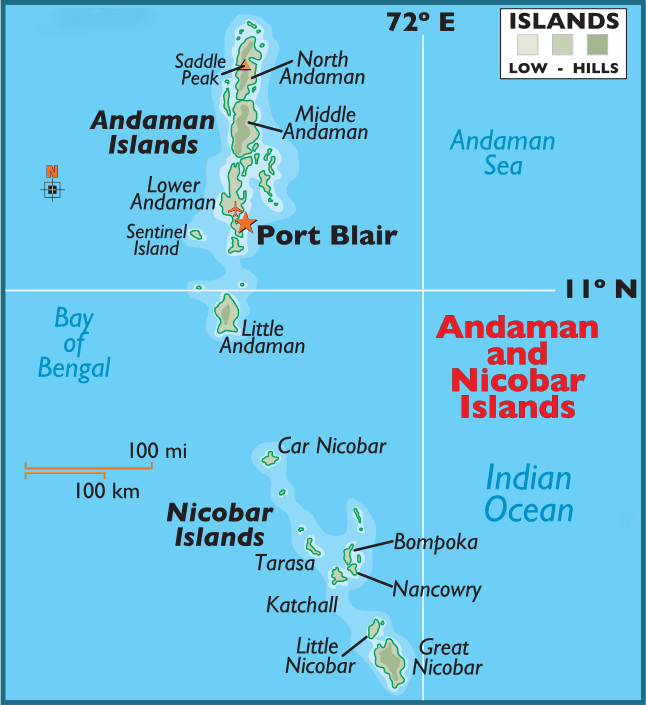
Great Nicobar Island Project: port, airport, power-plant, township over 16,610 ha at southern tip of Andaman & Nicobar.

Location advantage: equidistant from Colombo, Port Klang, Singapore; sits near busy East-West international shipping lane.

Governance: Environment clearance stayed by NGT; review committee constituted April 2023.

Quick Facts for MCQs

Project Components

  • Port: international container trans-shipment terminal targeting regional cargo hub status.
  • Airport: greenfield international facility planned for civilian-military dual use.
  • Township & utilities: planned settlement plus gas-solar power plant feeding 450 MVA.

Environmental Impact

  • Biodiversity loss: mangroves, evergreen forests, coral reefs, turtle nesting at Galathea Bay threatened by dredging, runoff.
  • Tree felling: large-scale clearance raises sedimentation risk harming reefs.
  • Assessment lapses: only single-season EIA data, ToR compliance questioned.

Legal & Policy

  • NGT order: stay on clearance, expert committee for compliance check April 2023.
  • Coastal norms: Project falls within CRZ-IA, IB requiring stringent safeguards.
  • Review focus: adherence to ICRZ 2019, tribal rights, multi-season impact data.

Strategic & Economic Angle

  • Maritime leverage: site offers gateway control in Indian Ocean Region amid rising Chinese presence.
  • Trans-shipment potential: aims to capture traffic now handled by Colombo, Singapore, Port Klang.
  • Concept origin: strategic vision first mooted 1970s, revived by NITI Aayog 2021.

Tribal Concerns

  • Shompen lifestyle: hunter-gatherer dependence on forest and marine resources could be disrupted.
  • Encroachment issue: critics flag PVTG areas vulnerable despite highest statutory protection.
  • Post-tsunami: Nicobarese already relocated once, amplifying resettlement sensitivities.

Key Data Points

FeatureData-Point
Estimated cost₹72,000 crore
Project area16,610 hectares
Island total area1,03,870 hectares
Power capacity450 MVA gas-solar mix
Biosphere reserve peakMt Thullier 642 m
Flora species~650 angiosperms, ferns etc.
Fauna species>1,800, several endemic
Key tribesShompen (~200) , Nicobarese (~300)
Applicable coastal lawIsland Coastal Regulation Zone 2019
CRZ sub-zones presentIA & IB
GS-3Species

9.Eustoma Ornamental Flower (Ornamental Flower)

The Hindu
Illustration for Eustoma Ornamental Flower (Ornamental Flower)

What & Where

Definition : Eustoma / Lisianthus, herbaceous gentian family annual, prized cut-flower with long vase life

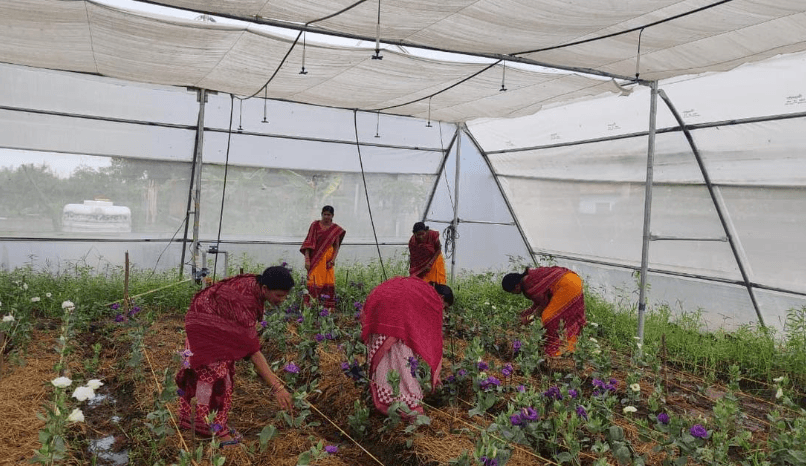
Location : First indigenous bloom in CSIR-NBRI polyhouse, Sanatanpali village, Sambalpur district, Odisha

Native range : Mexico, southern USA, Caribbean to N South America; typically in warm grasslands

Quick Facts for MCQs

Economic Angle

  • Import substitution saves premium décor flower outgo, opens export avenue beyond roses
  • High gross returns boost floriculture diversification for 400 + NBRI farmer clusters

Agronomy & Adaptability

  • Warm-climate tolerance suits Indian tropics, demonstrated in 40 °C plus Sambalpur summer
  • Twice-yearly cut possible under protected cultivation, enhancing farmer cash flow

Market & Use-Cases

  • Preferred in luxury weddings, hotel lobbies, retail displays owing to long shelf life
  • Dwarf cultivars fit balcony pots, landscaping, expanding domestic consumer segment

Key Data Points

FeatureData-Point
Common namesLisianthus, Prairie Gentian
Plant height30 – 90 cm
Vase life2 + weeks
Harvest frequency2 times / year
Indicative profit≈ ₹2 lakh per acre per season
First India successPolyhouse, Sambalpur, Odisha
Developer agencyCSIR-NBRI, Lucknow
Earlier import sourcesNetherlands, Kenya
Flower formsSingle & double; incl. rare bicolors
Major coloursPink, purple, white, blue
GS-2Mapping

10.Scarborough Shoal South China Sea (South China Sea)

Economic Times
Illustration for Scarborough Shoal South China Sea (South China Sea)

What & Where

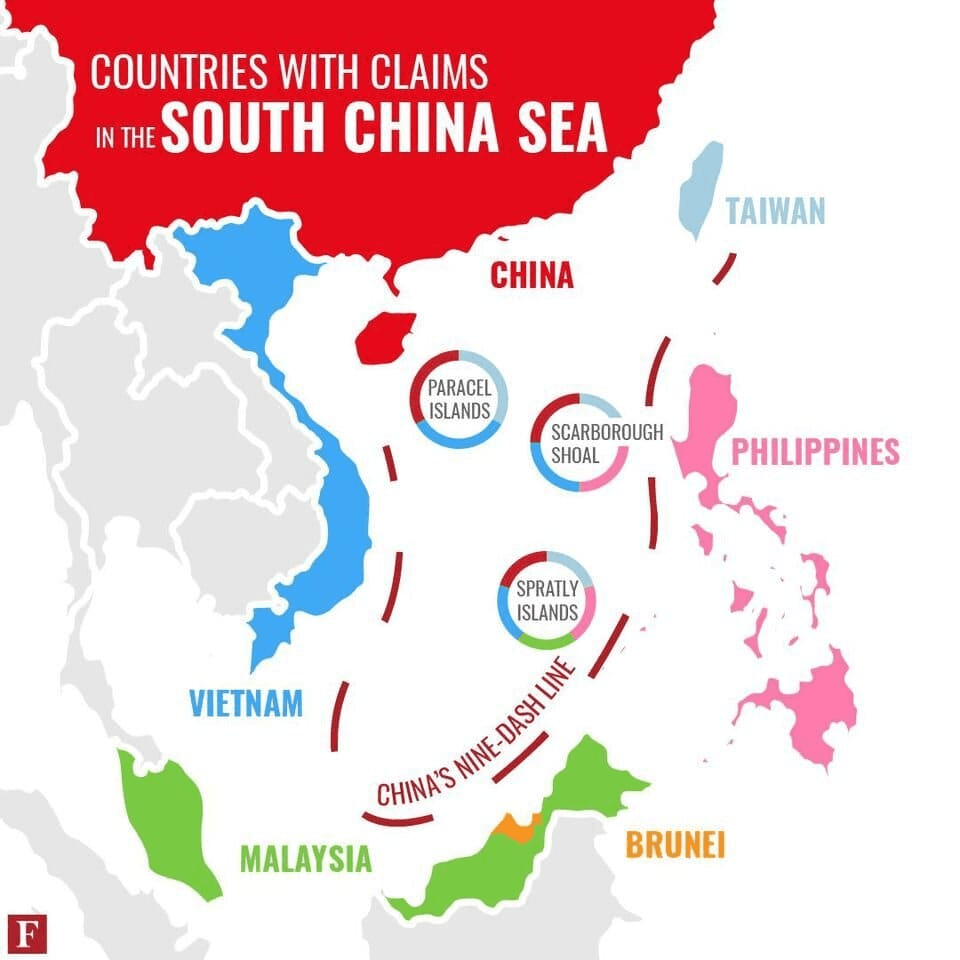
Atoll: Triangular Scarborough Shoal sits ~200 km west of Luzon inside Philippine EEZ

Claim: China’s Nine-Dash Line overlaps, making it a persistent Manila–Beijing flashpoint

Context: Part of larger South China Sea contest involving Spratlys, Paracels and multiple ASEAN EEZs

Quick Facts for MCQs

Legal & Policy

  • UNCLOS: Grants Philippines 200 nm EEZ covering shoal
  • Arbitration: Sovereignty unresolved despite PCA rejection of Chinese maritime claims
  • Reserve plan: Manila labels Beijing proposal illegal within international law

Security Dimension

  • Chokepoint: Control offers radar, missile and coast-guard leverage in busy waterway
  • Standoffs: Regular face-offs, blockades, water-cannon incidents reported since 2012
  • Regional balance: US-Philippines Mutual Defense Treaty heightens strategic stakes

Economic Angle

  • Fisheries: Livelihood lifeline for Filipino fishers, vital protein source
  • Commerce: Proximity to Malacca–Luzon route underpins energy and merchandise flow
  • Resource potential: Suspected seabed hydrocarbons add to competition

Key Data Points

FeatureData-Point
Nearest coastPhilippines (≈200 km)
Legal frameUNCLOS 1982 EEZ provisions
2016 PCA awardInvalidated China’s historic-rights claim
Fish richnessMajor regional fishing ground
Trade relevanceAdjacent lanes move ≈ USD 3 trillion yearly
Natural useSafe anchorage for vessels
Beijing’s 2025 moveProposed nature reserve at shoal

Related UPSC Prelims PYQs

GS1 2022PYQ 1

Which one of the following statements best reflects the issue with Senkaku Islands, sometimes mentioned in the news?

GS-3Security

11.Defence Procurement Manual 2025 Reforms (Defence Procurement)

News on Air

What & Where

Definition : Defence Procurement Manual 2025—policy for all revenue purchases of Indian Armed Forces & MoD units.

Scope : Governs ~₹1 lakh crore yearly goods/services procurement; supersedes DPM 2009.

Geography : Applicable across Union of India, including tri-services and attached organisations.

Quick Facts for MCQs

Legal & Policy

  • Alignment : Mirrors Finance Ministry norms ensuring transparency, audit compliance.
  • Collegiate : Multi-level consultations mandated for fair, quick decisions.
  • Decentralisation : CFAs at field level empowered to amend bids, extend deliveries.

Industry & Economy

  • Assurance : 5 + 5-year order validity boosts production planning and credit access.
  • Penalties : Relaxed LD structure reduces working-capital stress on genuine suppliers.
  • Payment : Provisions for timely settlement to ease cash flow.

Technology Push

  • Chapter : New Innovation & Indigenisation section encourages IIT/IISc collaboration.
  • Support : Govt provides technical hand-holding, equipment sharing for prototypes.
  • Goal : Accelerate import substitutes and local spare-parts manufacturing.

Procurement Process

  • Simplification : Redundant approvals removed; file movement minimised.
  • Tendering : Limited tenders and Proprietary Article Certificate routes clearly detailed.
  • G2G : Codified high-value government-to-government acquisition pathway for critical gear.

Key Data Points

FeatureData-Point
Release year2025
Replaces manual of2009
Annual procurement covered~₹1 lakh crore
Limited-tender ceiling₹50 lakh (higher in special cases)
Assured order duration5 years + 5 years optional
Normal LD cap5 % of contract value
LD during development0 % (none)
Exceptional LD cap10 % for prolonged delay
NOC from DPSUsDispensed with for open tenders
Growth provision in repair contracts15 % upfront for aerial & naval platforms
AlignmentSynchronized with MoF Manual for Procurement of Goods
G2G procurementDedicated fast-track procedure added

Related UPSC Prelims PYQs

CAPF_GAI, ESE_GS 2025PYQ 1

केंद्रीय बजट, 2025-26 में व्यय की निम्नलिखित में से किस मद को उच्चतम आवंटन प्राप्त हुआ?

CAPF_GAI, ESE_GS 2024PYQ 2

Ministry of Defence signed contract with which one of the following organizations for Upgraded Super Rapid Gun Mount (SRGM) and other equipment for around 3000 crores?

GS-3SecurityQuick Bite

12.INS Aravali Naval Base (Naval Base)

PIB

What & Where

INS Aravali: newly commissioned Indian Navy information-&-communication base boosting Maritime Domain Awareness.

Location: Gurugram, Haryana; inland facility named after resilient Aravali mountain range.

Anchors MAHASAGAR collaborative vision for a secure, networked Indian Ocean Region.

Quick Facts for MCQs

Tech & Schemes

  • Information-grid: Links multiple naval centres via secure, high-bandwidth digital backbone.
  • MAHASAGAR: Unified platform fusing sensors, satellites, coastal radars for holistic MDA.
  • C4I upgrade: Enables real-time command, control, communication, intelligence to commanders.

Security Dimension

  • IOR coverage: Boosts surveillance against piracy, smuggling, illegal fishing in critical sea-lanes.
  • Partnership: Facilitates intelligence sharing with like-minded navies, projecting India as net security provider.
  • Rapid response: Real-time situational picture accelerates decision-making during maritime contingencies.

Geographic Significance

  • Inland siting: Away from coast, reducing vulnerability to seaborne attacks, ensuring operational continuity.
  • Delhi proximity: Quick liaison with MoD, National Command Authorities and national cyber infrastructure.
  • Aravali symbolism: Highlights pan-India linkage from mountains to maritime frontiers.

Key Data Points

FeatureData-Point
Base categoryInformation & Communication Naval Base
Commissioned locationGurugram, Haryana
NamesakeAravali range
Motto‘सामुद्रिकसुरक्षायाः सहयोगं’
Core roleStrengthen C4I & MDA
Strategic intentPreferred Security Partner in IOR
GS-1History

13.Manki Munda Tribal Governance (Tribal Governance)

Indian Express

What & Where

Centuries-old Ho self-rule in Kolhan, Jharkhand, called Manki-Munda system

Village led by hereditary Munda; cluster of 8–15 villages (pidh) led by Manki

Deals only with dispute resolution, no revenue, land or tax powers

Quick Facts for MCQs

Historical Milestones

  • 1757–64 Company diwani introduced taxation igniting tensions
  • 1793 Permanent Settlement empowered zamindars seizing Ho lands triggering revolts
  • 1857 Ho warriors joined Porahat Raja against British forces

Colonial Impact

  • Codification integrated Manki-Munda into colonial administration maintaining local order
  • Pattas introduced private ownership replacing communal holdings
  • Dikkus influx altered demography, intensified resource competition

Legal & Policy

  • Post-1947 Kolhan largely retained Wilkinson’s Rules as customary practice
  • 2000 Patna High Court upheld customs yet denied statutory status
  • 2021 Jharkhand’s Nyay Manch sought but failed to modernise system

Socio-Cultural

  • Governance remains hereditary causing vacant posts, reform demands
  • Over 80 percent Ho engaged in settled agriculture reliant on sal forests
  • Dance and music centred in village akhra, festivals mark agricultural cycle

Key Data Points

FeatureData-Point
Core regionKolhan, West Singhbhum district, Jharkhand
CommunityHo (Kolha) Austroasiatic tribe
Village headMunda
Cluster headManki
Villages per pidh8–15
Codified byCapt Thomas Wilkinson, 1833
Codification nameWilkinson’s Rules
Major uprisingsHo 1821–22, Kol 1831–33
Key court caseMora Ho vs State of Bihar 2000
2021 proposalNyay Manch reform initiative
Ho language scriptsDevanagari, Latin, Warang Citi
Main festivalsMage Parab, Baa Parab, Sohrai, Jomnama

Related UPSC Prelims PYQs

GS1 2000PYQ 1

Which one of the following pairs of primitive tribes and places of their inhabitation is not correctly matched?

Ready to practice?

Test your knowledge with our UPSC test series.

Start Free Trial