UPSC Current Affairs

15 topicsGS-1: 3GS-2: 6GS-3: 6
0/15 done
GS-2Polity

1.Overseas Citizen of India Updates (Overseas Citizens)

BT

What & Where

OCI scheme; Citizenship Act 1955 amendment; operational since Aug 2005 across all Indian immigration points

Cancellation now widened under Sec 7D (da); Home Ministry can revoke on fresh criminal criteria

~4.5 million cardholders; largest pools in USA, UK, Australia, Canada

Quick Facts for MCQs

Eligibility & Exclusions

  • Eligibility; self or ancestor citizen on/after 26 Jan 1950; foreign spouse married ≥2 years
  • Exclusion; past or present citizenship of Pakistan or Bangladesh automatically barred
  • NRI contrast; NRIs are Indian citizens abroad, hence not eligible for OCI

Rights & Restrictions

  • Visa; lifelong, multiple-entry to India without FRRO registration
  • No constitutional posts; cannot be President, Vice-President, Judge etc
  • Property; unrestricted purchase except agricultural or plantation land barred

Revocation Grounds

  • Fraud; false information or concealment in application
  • Security; actions prejudicial to sovereignty, integrity, foreign relations, public interest
  • Criminality; conviction ≥2 yrs or chargesheet for offence carrying ≥7 yrs imprisonment

Key Data Points

FeatureData-Point
Governing lawCitizenship Act 1955 Sec 7A–7D
New cancel clauseSec 7D (da)
Launch month-yearAugust 2005
Fresh jail triggerConviction ≥2 yrs
Chargesheet triggerOffence punishable ≥7 yrs
Dual citizenshipNot permitted
Police registrationExempt irrespective stay length
Political rightsNo voting or contesting
Govt jobs (Art 16)Not eligible unless notified
Excluded nationalitiesPresent/ former Pakistan, Bangladesh
Minimum spousal marriage≥2 years before application
Special permitsResearch, journalism, missionary, mountaineering, protected areas

Related UPSC Prelims PYQs

CDS_GK 2023PYQ 1

The Citizenship Act, 1955 deals with the determination of citizenship on or after
GS-2Polity

2.Sports Governance and Anti-Doping Bills (Sports Governance)

The Hindu

What & Where

Two 2025 Bills passed by Indian Parliament to reform sports governance and anti-doping frameworks

Create National Sports Board plus aligned Olympic, Paralympic, Federation bodies; reinforce NADA through a new oversight board

Apply across India; sports continues as State subject under Entry 33, List II

Quick Facts for MCQs

Institutional Setup

  • NSB plus National Olympic & Paralympic Committees, sport-wise Federations
  • National Sports Tribunal for non-doping disputes; Disciplinary & Appeal Panels retained under NADA
  • National Board for Anti-Doping supervises NADA, advises Centre, accesses panel data

Powers & Functions

  • NSB recognises, suspends, cancels sports bodies including BCCI; regulates elections via National Sports Election Panel
  • Centre frames rules, relaxes eligibility norms, controls foreign participation for security reasons
  • NADA conducts testing, enforces revised anti-doping rules aligned to UNESCO Convention

Accountability Tools

  • Recognised bodies under RTI 2005 when publicly funded; must keep CAG-audited books
  • Code of Ethics & Safe Sports Policy to be framed by NSB; mandatory committees for ethics, dispute resolution, athletes
  • Use of “India” or national insignia needs prior government approval

Federal Angle

  • Parliament legislates despite sports being State subject using national interest rationale
  • States retain routine sports administration; NSB decisions override for international compliance
  • Eligibility relaxations or participation bans subject to Centre’s discretion under listed conditions

Key Data Points

FeatureData-Point
Nodal regulator for sportsNational Sports Board (NSB)
Mandatory Executive Committee size15 members; ≥2 sportspersons, ≥4 women
Sports Tribunal composition3 members; chair is sitting/ex-SC Judge or HC Chief Justice
Tribunal appeal lies toSupreme Court of India
RTI coverage triggerReceipt of govt grants/financial aid
Audit requirementCAG-audited accounts for recognised bodies
New anti-doping overseerNational Board for Anti-Doping in Sports
Core implementing agencyNational Anti-Doping Agency (NADA)
Key constitutional entryEntry 33, State List (sports)
Centre’s restriction powerMay bar national teams abroad for security, public order, safety

Related UPSC Prelims PYQs

ESE_GS 2024PYQ 1

To increase transparency and consumer awareness and handle customer complaints, a 'Centralised Receipt and Processing Centre' and an 'Integrated Ombudsman Scheme' have been set up. These two schemes are related to which one of the following institutions?

GS-2Misc

3.79th Independence Day Initiatives (Independence Day Initiatives)

Hindustan Times

What & Where

79th Independence Day (15 Aug 2025), Red Fort, Delhi; PM unveiled multi-sector “Viksit Bharat 2047” roadmap.

Focus: jobs, defence, semiconductors, deep-sea mining, tax reform, demography, clean & nuclear energy.

Targets align with $10-trn economy, developed-nation status by 2047.

Quick Facts for MCQs

Employment & Demography

  • Rozgar Yojana covers ≈3 crore beneficiaries; complements demographic-imbalance mission securing border districts.
  • Direct cash incentive aimed at formal first-time employees, boosting LFPR.

Defence & Security

  • Sudarshan Chakra to intercept, retaliate against aerial threats; indigenous tech push.
  • Demography mission framed as national-security imperative in sensitive regions.

Tech & Schemes

  • Made-in-India semiconductor positioning India in global chip supply chain by 2025.
  • Samudra Manthan explores offshore oil, gas, minerals in mission mode.

Fiscal & Governance Reforms

  • GST tweaks: lower essential-goods slab, MSME relief; Task Force to slash red tape.
  • Reform Task Force central to $10-trn economy, modernised governance by 2047.

Energy Transition

  • Nuclear expansion: ten reactors underway; long-term tenfold capacity boost targeted.
  • Non-fossil electricity milestone achieved 2025, surpassing 2030 NDC pledge.

Key Data Points

FeatureData-Point
Job scheme namePM Viksit Bharat Rozgar Yojana
Job creation target3.5 crore in 2 years
Direct youth support₹15,000 per new hire
Iron-Dome analogueMission Sudarshan Chakra, deadline 2035
First Indian chipBy end-2025
Deep-sea mission title“Samudra Manthan”
GST reforms launchOct 2025
Economy vision$10 trn GDP by 2047
Demography mission focusIllegal migration in border districts
Nuclear capacity goal10× rise by 2047
Reactors under build10
Non-fossil power share hit50 % capacity, 5 yrs early

Related UPSC Prelims PYQs

CDS_GK, NDA_GAT 2023PYQ 1

भारत के "ब्लू ग्रोथ" से क्या अभिप्राय है ?

CDS_GK, NDA_GAT 2024PYQ 2

निम्नलिखित कथनों पर विचार कीजिए :

GS-3Economy

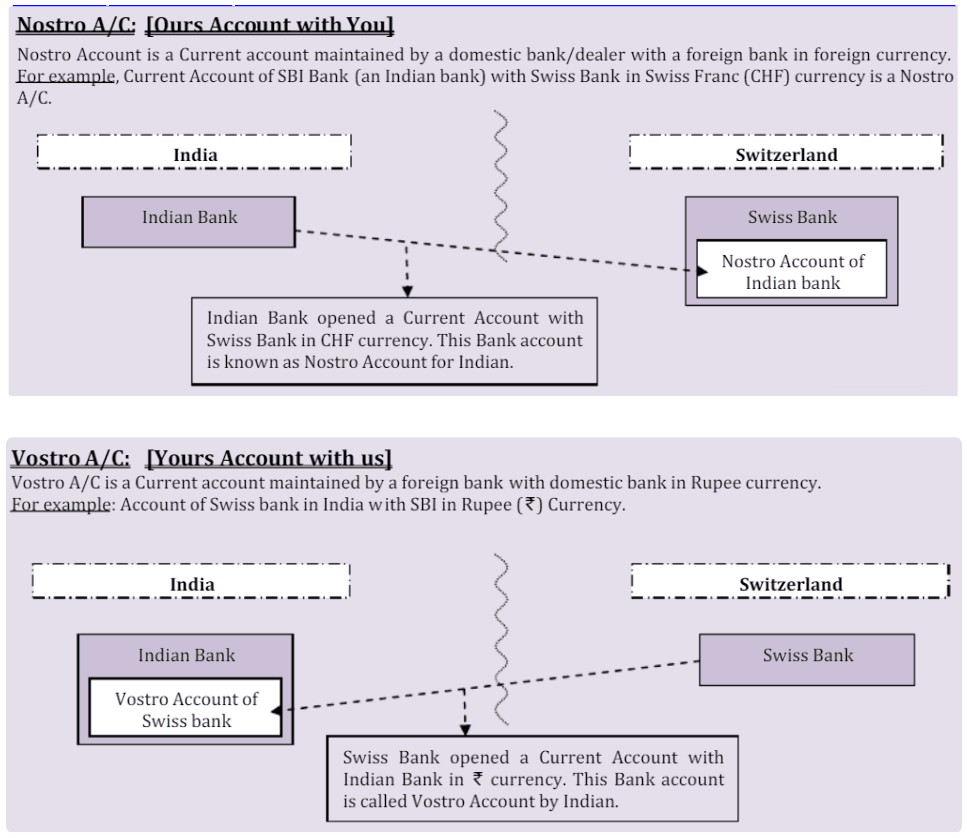
4.SRVAs Boost Rupee Internationalisation (Special Rupee Vostro)

BL
Illustration for SRVAs Boost Rupee Internationalisation (Special Rupee Vostro)

What & Where

SRVA: foreign vostro account with Indian bank, settles export-import invoices directly in Indian Rupees.

18 Aug 2025 RBI circular lets SRVA surpluses enter central G-secs/T-Bills; prior approval for opening scrapped.

Mechanism operates in India; 22 partner nations already have rupee-trade corridors via SRVAs.

Quick Facts for MCQs

Regulatory Changes

  • Surplus investment: Non-resident SRVA holders can deploy rupees in Centre-issued G-secs and T-Bills.
  • Opening flexibility: AD Category-I banks may open SRVAs autonomously; RBI’s prior approval dispensed with.
  • Aim: Accelerate rupee-based trade settlement; advance rupee internationalisation agenda.

Economic Advantages

  • Forex saving: INR invoicing lowers hard-currency reserve requirement, enhancing external stability.
  • Cost efficiency: Eliminates double conversion, hedging costs, boosting exporter, importer competitiveness.
  • Market depth: Rising foreign appetite for rupee assets could deepen bond, equity markets.

Bottlenecks

  • Convertibility: Capital account restrictions keep INR outside CLS, limiting global settlement efficiency.
  • Liquidity: Scarce offshore INR availability hampers seamless trade invoicing and payments.
  • Compliance: Varied KYC documentation across regulators deters foreign portfolio investors.

Supporting Initiatives

  • Swaps: 20+ bilateral currency swap agreements provide emergency liquidity and encourage local-currency settlement.
  • Payments: UPI, RuPay, RTGS integration operational in seven foreign jurisdictions, expanding retail rupee reach.
  • Bonds: Masala bonds allow Indian issuers to raise offshore rupees, widening investor base.

RBI Roadmap

  • Market: Plans 24×5 global INR FX dealing via overseas branches, extended CCIL window.
  • Indices: Seeks inclusion of Indian G-secs in JPMorgan & FTSE bond indices for passive inflows.
  • Reserve status: Long-term objective to enter IMF SDR basket, elevating rupee to reserve currency.

Key Data Points

FeatureData-Point
Launch year of SRVA mechanism2022
Latest facilitating circular18 Aug 2025
Surplus investment avenueCentral Govt. securities & Treasury Bills
AD bank approval needPrior RBI nod now waived
Countries with operational SRVAs22 (2025)
UPI overseas footprint7 countries

Related UPSC Prelims PYQs

GS1 2019PYQ 1

Which one of the following is not the most likely measure the Government/RBI takes to stop the slide of Indian rupee?

GS1 2020PYQ 2

यदि निकट भविष्य में दूसरा वैश्विक वित्तीय संकट होता है, तो निम्नलिखित में से कौन-सी कार्यवाही/नीति, भारत को, सबसे अधिक संभावना के साथ, कुछ सुरक्षा प्रदान कर सकती है?

GS-1History

5.Centenary of Kakori Train Action (Kakori Conspiracy)

Hindustan Times

What & Where

Kakori Train Action: 9 Aug 1925 armed hold-up of government cash on No. 8 Down train.

Geography: robbery near Kakori village, 14 km west of Lucknow, United Provinces.

Aim: fund Hindustan Republican Association’s revolutionary programme after Jallianwala & Non-Cooperation setbacks.

Quick Facts for MCQs

Revolutionary Organisations

  • HRA creation 1924 Kanpur; response to suspension of mass civil disobedience.
  • HSRA 1928 adoption of collective leadership, socialist agenda, Bhagat Singh among recruits.
  • Actions included Saunders assassination 1928, Viceroy Irwin train bombing 1929.

Key Personalities

  • Ram Prasad Bismil chief planner, poet-ideologue of HRA.
  • Ashfaqullah Khan only Muslim conspirator executed, symbol of Hindu-Muslim unity.
  • Chandrashekhar Azad reorganised cadre post-Kakori, evaded arrest until 1931 death.

British Crackdown

  • 40-day manhunt, 17 jailed, mass conspiracy trial at Lucknow.
  • Executions carried out Dec 1927 at Gorakhpur, Faizabad, Allahabad jails.
  • Severe repression fragmented revolutionary cells by early 1930s.

Ideological Legacy

  • Linked armed nationalism with socialism, inspiring youth beyond Congress mainstream.
  • Demonstrated use of courtrooms and literature to propagate anti-colonial message.
  • Highlighted financing challenges; targeted state resources, not civilians.

Key Data Points

FeatureData-Point
Date of raid9 Aug 1925
Train targetedNo. 8 Down Shahjahanpur–Lucknow
Cash lootedBritish treasury money
Core outfitHindustan Republican Association (HRA)
HRA foundersRam Prasad Bismil, Jogesh Chandra Chatterjee, Sachin Sanyal
Manifesto released1 Jan 1925 (‘Krantikari’)
HRA renamed1928 → Hindustan Socialist Republican Association
Key raidersBismil, Ashfaqullah, Chandrashekhar Azad, Rajendra Lahiri
Death sentencesBismil, Ashfaqullah, Roshan Singh, Rajendra Lahiri
Life transportations4 revolutionaries (names not all in article)
EscapeeChandrashekhar Azad
Ideological goalFederal republic, later socialism via armed revolution

Related UPSC Prelims PYQs

GEO_GS, GS1 2023PYQ 1

Who among the following revolutionaries founded the Hindustan Socialist Republican Army?

GEO_GS, GS1 1997PYQ 2

Match List I with List II and select the correct answer by using the codes given below the lists:

GS-1Mapping

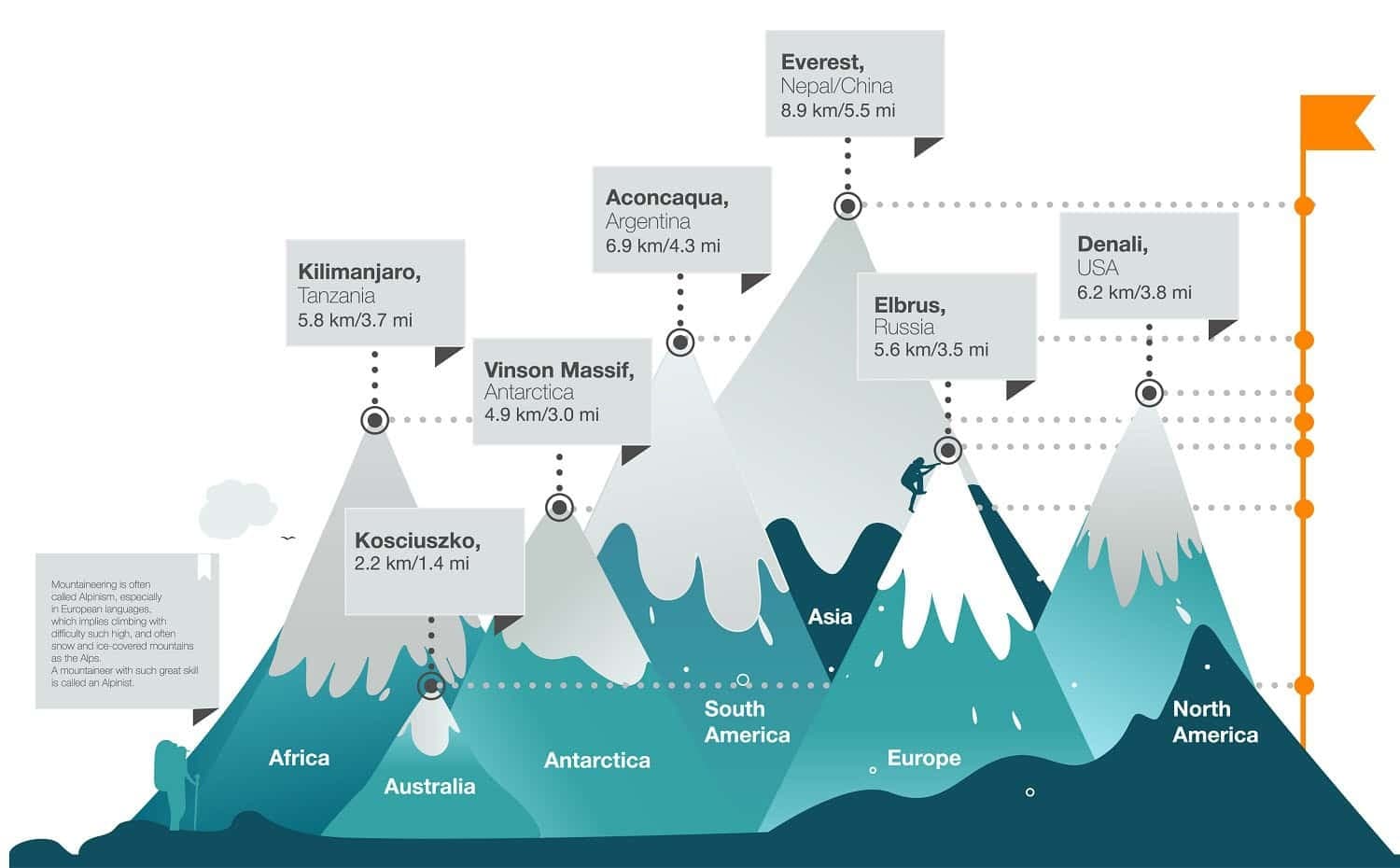
6.Mount Elbrus Peak Profile (World High Peaks)

DD News
Illustration for Mount Elbrus Peak Profile (World High Peaks)

What & Where

Dormant stratovolcano; tallest European peak; counted in the Seven Summits challenge

Sited in western Caucasus Mountains, southwest Russia, close to Georgia border

Twin-coned volcano formed ~2.5 million yr ago, now ice-clad

Quick Facts for MCQs

Physical Geography

  • Elevation confers exceptional prominence within global orography
  • Glaciation blankets flanks, sustaining year-round snowfields
  • Volcanic origin adds to regional geodiversity

Mountaineering

  • Seven Summits goal spans Everest, Aconcagua, Denali, Kilimanjaro, Elbrus, Vinson, Puncak Jaya
  • Messner version preferred for including Puncak Jaya over Kosciuszko
  • Completion signals elite endurance and logistical skills

Hydrology

  • Glacier melt feeds Kuban and Terek, vital for North Caucasus plains
  • Seasonal runoff influences irrigation and hydro-power planning
  • Ice mass trends serve as regional climate indicators

Key Data Points

FeatureData-Point
Height5,642 m (18,510 ft)
Mountain typeDormant stratovolcano, twin cones
Continent statusHighest peak of Europe
Location countryRussia
Mountain rangeCaucasus
Glaciers22; cover ~138 sq km
Draining riversKuban, Terek
Prominence rankAmong world’s top ten
Seven Summits listYes, Messner version
Seven Summits pioneerRichard Bass, 1985
GS-3Environment

7.Gulf of Mannar Reef Revival (Coral Reef Restoration)

The Hindu
Illustration for Gulf of Mannar Reef Revival (Coral Reef Restoration)

What & Where

Coral reefs calcium-carbonate marine ecosystems nicknamed rainforests of the sea supporting 25 % marine biodiversity

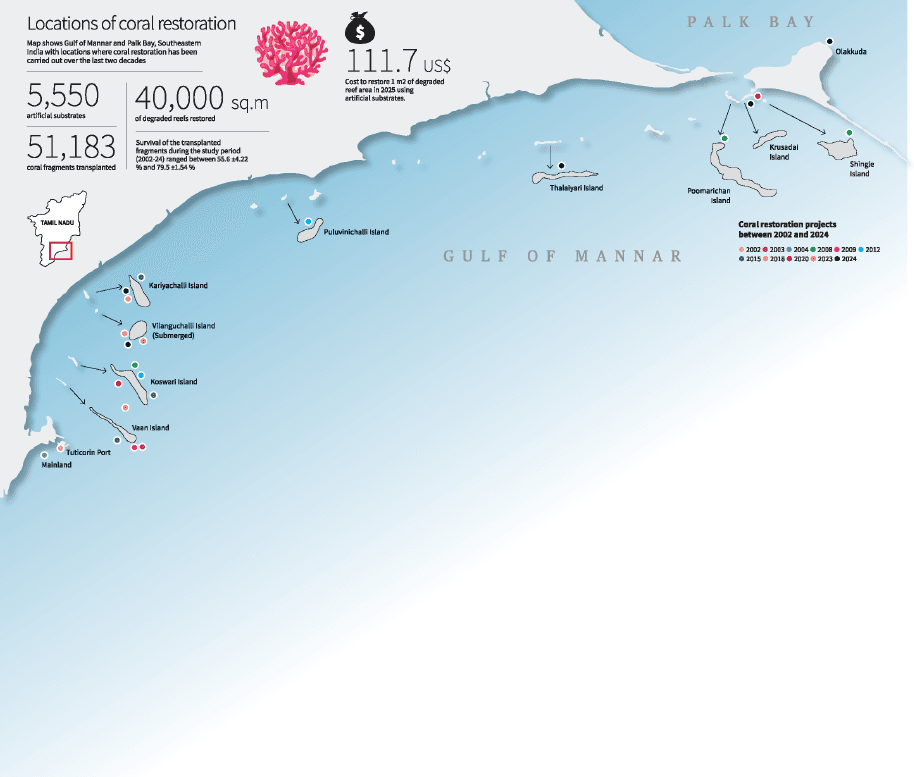
Gulf of Mannar Biosphere Reserve Tamil Nadu hosts reefs around 21 islands rich in Acropora , Montipora , Porites

Since 2002 SDMRI and Tamil Nadu Forest Department restoring degraded patches via artificial substrates and transplantation

Quick Facts for MCQs

Restoration Methods

  • Technique Artificial substrates concrete frames clay pots cement slabs secure transplanted fragments
  • Modules Triangular TARs and perforated PTARs boost water flow and larval settlement
  • Species Twenty coral species used fast-growing Acropora records highest survival

Outcomes & Metrics

  • Biodiversity Coral recruit density increased twenty-fold in restored modules
  • Fish Fish density rose twenty-one times by 2020 indicating habitat recovery
  • Survival Overall fragment survival up to 79 % some species 89 %

Threats & Challenges

  • Climate Recurrent bleaching driven by warming seas and acidification
  • Expense High labour material monitoring costs limit large-scale rollout
  • Genetic Overuse of single fast species heightens disease and instability risks

Future Roadmap

  • Scaling Extend restoration model to Andaman Lakshadweep Lakpat reefs
  • Community Train local fishers as reef guardians ensuring stewardship
  • Technology Employ AI drones remote sensing for large-scale reef health tracking

Key Data Points

FeatureData-Point
Total coral fragments transplanted51 , 183
Artificial substrates used5 , 550
Reef area restored≈ 40 000 m²
Survival rate range55 – 79 %
Peak species survivalAcropora 89 %
Artificial reef designsTARs & PTARs
Fish density change14.5 → 310 per 250 m² (2006-20)
Coral recruits per TAR1.23 → 24.77 (2004-20)
Mass bleaching years2010 , 2016
Lead implementing bodiesSDMRI & TN Forest Dept

Related UPSC Prelims PYQs

CDS_GK, GS1 2022PYQ 1

"Biorock technology" is talked about in which one of the following situations ?

CDS_GK, GS1 2021PYQ 2

Which one of the following biosphere reserves comprises islands with estuaries, beaches, coral reefs, salt marshes and mangroves?

GS-3Species

8.Arctic Reindeer Population Decline (Arctic Reindeer)

Down to Earth

What & Where

Definition Large herbivorous ungulate; called Reindeer in Eurasia, Caribou in North America

Geography Arctic tundra & boreal forests of Canada, Alaska, Greenland, Scandinavia, Russia

Migration Wide-ranging herds travel hundreds of kilometres annually across snow-covered landscapes

Quick Facts for MCQs

Environmental Impact

  • Warming Accelerated plant growth reduces lichen availability, stressing herds
  • Carbon Cycling Grazing suppresses shrub dominance, moderating permafrost carbon release
  • Biodiversity Presence shapes habitat for Arctic birds, small mammals

Conservation Status

  • Projection Without mitigation North American herds face steepest crashes
  • Drivers Climate change, industrial expansion, fragmentation
  • Listing IUCN classifies species as Vulnerable globally

Socio-Cultural Angle

  • Subsistence Indigenous communities rely on meat, hides, antlers
  • Heritage Seasonal migrations embedded in Arctic cultural narratives
  • Economy Reindeer herding supports livelihoods in Scandinavia and Russia

Adaptations

  • Hooves Broad, sharp-edged hooves act as snow shovels and paddles
  • Fur Hollow hair provides insulation against −50 °C temperatures
  • Metabolism Ability to slow metabolic rate during scarce winter months

Key Data Points

FeatureData-Point
Scientific nameRangifer tarandus
FamilyCervidae
IUCN statusVulnerable
Forecast declineUp to 80 % by 2100
Most at-risk regionNorth America
Key winter dietLichens
Core adaptationsThick fur, wide snow hooves
Ecological roleControls shrub growth, influences soil carbon
Human linkageCritical to Arctic Indigenous food & culture
Main threatsClimate change, habitat loss, over-hunting
GS-3S&T

9.India's First SAF Plant (Sustainable Aviation Fuel)

Indian Express
Illustration for India's First SAF Plant (Sustainable Aviation Fuel)

What & Where

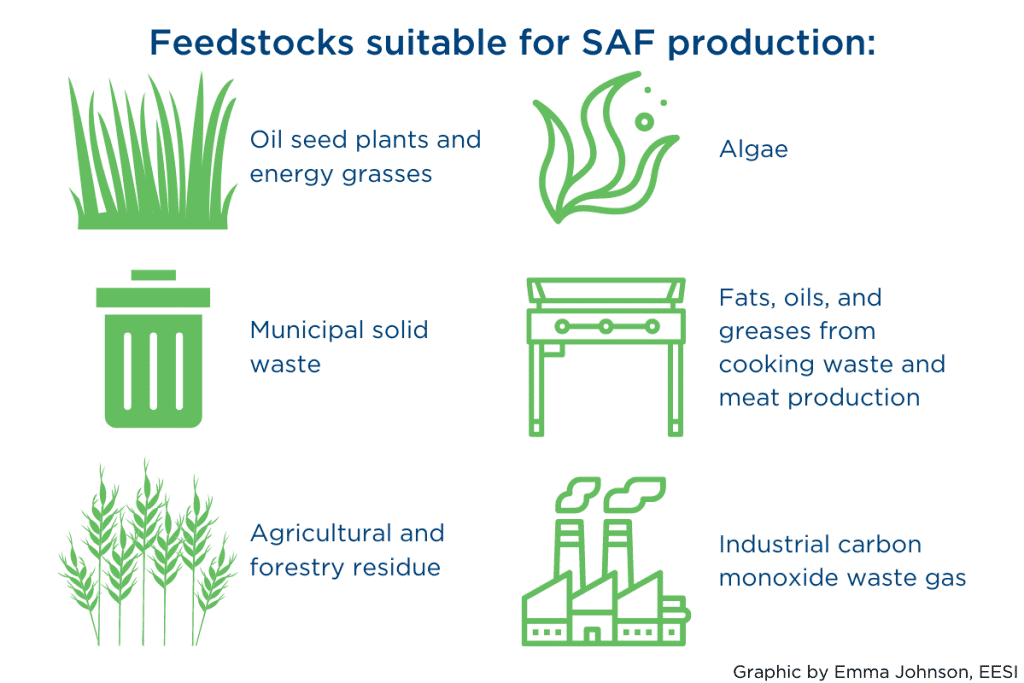
Definition – Sustainable Aviation Fuel is bio-jet fuel from used cooking oil, ethanol, agricultural residues

Geography – IOC’s first commercial SAF unit at Panipat refinery, Haryana, targeted for December 2025 start

Compatibility – Blendable up to 50 % with existing engines, crucial for global aviation decarbonisation

Quick Facts for MCQs

Capacity & Infrastructure

  • Collection – Large hotels/restaurants primary oil suppliers; small eateries pose logistical gaps
  • Scale-up – Current output suits initial blends but expansion vital for long-term aviation needs
  • Plant-site – Panipat refinery integrates SAF unit for seamless refining and distribution

Economic Angle

  • Cost-challenge – Tripled fuel price raises airline apprehension on operating expenses
  • Energy-security – Domestic waste-oil utilisation trims jet-fuel import dependence
  • Export-prospect – EU blending mandates create market for India-produced SAF

Regulatory & Certification

  • Compliance – SAF meets ICAO CORSIA offset rules via ISCC certification
  • Mandate-driver – EU, not India yet, enforces binding SAF blend obligations
  • Blend-limit – Global aircraft makers certify commercial use up to 50 % SAF

Key Data Points

FeatureData-Point
Panipat SAF capacity35,000 tonnes / year
Commercial launchDec 2025 (IOC)
FeedstockUsed cooking oil
Lifecycle GHG cutUp to 80 %
Share in aviation decarb60 % (projected)
Airbus-cleared blend0–50 % SAF
Cost premium~3 × conventional ATF
Certification earnedISCC CORSIA
Potential buyersEU airlines flying to India
Future techAlcohol-to-jet (ethanol)

Related UPSC Prelims PYQs

GS1 2024PYQ 1

Consider the following materials:

GS-3S&T

10.E. coli Mercury Biosensor (Biosensor Tech)

The Hindu
Illustration for E. coli Mercury Biosensor (Biosensor Tech)

What & Where

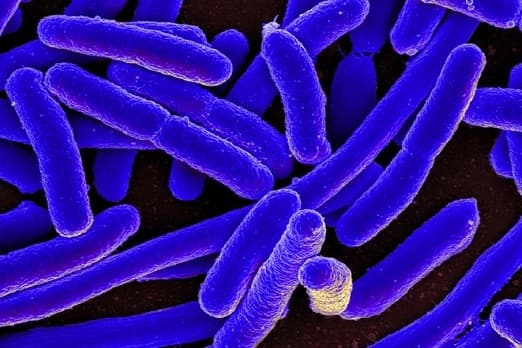
Living biosensor; genetically-engineered Escherichia coli convert dissolved mercury into measurable electric current

Uses MerR-triggered phenazine pathway; current strength proportional to Hg²⁺ level in water

Created by Imperial College London, UK & Zhejiang University, China for on-site water safety

Quick Facts for MCQs

Tech & Mechanism

  • Gene circuit links MerR activation to phenazine synthesis enabling contaminant-controlled electron transfer
  • Stronger Hg²⁺ → more phenazine → higher electrode current measurable by simple devices
  • Modular design allows future reprogramming for other analytes

Environmental Impact

  • Enables continuous monitoring of rivers, lakes, industrial discharge for heavy-metal pollution
  • Low cost and portability support large-scale deployment in developing regions
  • Data can inform remediation and regulatory enforcement

Public Health

  • Early warning against mercury exposure safeguarding nervous, renal and immune systems
  • Field-usable sensor reduces dependence on central labs, aiding rural communities
  • Contributes to SDG 6 target of safe drinking water

Key Data Points

FeatureData-Point
Organism platformEscherichia coli
Target contaminantInorganic mercury (Hg²⁺)
Sensing switchMerR regulatory protein
Electron carrierPhenazine molecules
Output signalDirect electric current
Power needSelf-powered by bacterial metabolism
Core disciplineSynthetic biology bioelectronics
Lead institutionsImperial College London & Zhejiang University
Main applicationReal-time, low-cost water metal detection
GS-3S&T

11.Indian Polyvalent Antivenom Overview (Snakebite Antivenom)

The Hindu

What & Where

Polyvalent antivenom : serum neutralising venom of multiple snakes across India

Key species covered : Indian cobra, common krait, Russell’s viper, saw-scaled viper

Geography concern : Limited efficacy in Northeast India where other venomous taxa dominate

Quick Facts for MCQs

Tech & Schemes

  • Research push : Experts urge new antivenom formulations targeting Northeast species like Monocled cobra and Banded krait
  • Production gap : Existing manufacturing lines rely on southern reptile parks lacking NE venom collection
  • Affordability note : Region-specific sera expected costlier unless subsidised by central schemes

Health Concerns

  • Mortality risk : Ineffective serum can prolong neurotoxicity leading to respiratory failure
  • Morbidity issue : Survivors report chronic kidney injury and tissue necrosis
  • Over-dependence : One-size approach hampers precision treatment in biodiversity hotspots

Institutional Players

  • Key institutes : Haffkine Institute, ICMR labs, Madras Crocodile Bank supply venom for current batches
  • Policy forum : Assam Snake Symposium 2025 acts as platform for clinician-researcher feedback
  • Regulatory need : CDSCO approval required for any new region-specific antivenom

Key Data Points

FeatureData-Point
Therapy typeEquine-derived polyvalent serum
Developed byIndian firms + Haffkine Institute, Madras Crocodile Bank Trust
Original venom poolOnly Big Four snakes of southern & western India
Hospital availabilityGovernment and private nationwide
Cost factorCheaper than species-specific antivenoms
Backbone of policyNational snakebite treatment protocol
Reported issueDelayed recovery or death in Northeast despite dosage
Symposium callAssam Snake Symposium 2025 demanded region-specific antivenom
GS-2Editorial

12.WTO Future of Multilateral Trade (World Trade Organization)

Financial Express

What & Where

Institution: WTO, born 1995 via Marrakesh Agreement; replaces GATT as global trade rule-maker.

Scope: governs goods, services, intellectual property through TRIMS, TRIPS, AoA and other accords.

Geography: Geneva headquarters; 166 members commanding ~98 % of world trade flows.

Quick Facts for MCQs

Functions & Principles

  • Rule-making: negotiation forum; key output 2013 Trade Facilitation Agreement.
  • Liberalization: enforces MFN, tariff-cut and national-treatment commitments for predictable access.
  • Oversight: Trade Policy Review audits subsidies; offers capacity-building for LDCs.

Present Challenges

  • Dispute paralysis: Appellate Body dormant since 2019 owing to US judge-blockade.
  • Doha deadlock: agriculture, subsidy and market-access splits stall talks.
  • Fragmentation: FTAs, security-tariffs, green levies erode multilateralism.

Reform Agenda

  • Revitalization: restart Appellate Body, address US overreach worries, fix strict timelines.
  • Transparency: stronger TPRM with compulsory real-time notifications and data sharing.
  • Governance: standing Reform Council; new rules on digital trade and climate subsidies.

India’s Stake

  • Advocacy: fronts Global South positions on food security and subsidy flexibility.
  • Balance: champions calibrated liberalization while opposing unilateral tariff hikes.
  • Sustainability: promotes Mission LiFE, PLI, UPI; resists green protectionism like EU-CBAM.

Key Data Points

FeatureData-Point
Establishment year1995
Foundational treatyMarrakesh Agreement 1994
Membership strength166 countries
Headquarters cityGeneva, Switzerland
Appellate Body paralysedSince 2019
Doha Round launch2001

Related UPSC Prelims PYQs

GS1 1997PYQ 1

One of the important agreements reached in the 1996 Ministerial Conference of WTO relates to

GS1 2010PYQ 2

In the context of the affairs of which of the following is the phrase “Special Safeguard Mechanisms” mentioned in the news frequently ?

GS-2Misc

13.Sakura Science Exchange Programme (Japan Youth Exchange)

PIB

What & Where

Programme : Japan-Asia Youth Exchange Program in Science, branded Sakura Science, offers short-term study visits in Japan

Launch : initiated by Japan in 2014; India joined 2016, sending students annually

Geography : activities hosted across Japanese universities, labs, museums; participants drawn from Asia and select African nations

Quick Facts for MCQs

Implementing Body

  • Agency : JST funds, designs curricula, coordinates host institutions
  • Support : Japanese ministries and partner country science departments facilitate nominations

Participants

  • Eligibility : high-school/under-grad youth with science inclination recommended by home governments
  • Spread : India plus seven named African states and other Asian nations create multi-continental cohorts

Programme Features

  • Exposure : lab visits, university lectures, hands-on tech demonstrations, cultural immersion sessions
  • Outcomes : bilateral ties strengthened, environmental ethics highlighted, STEM career motivation reinforced

Key Data Points

FeatureData-Point
Implementing agencyJapan Science and Technology Agency (JST)
Launch year2014
India participation since2016
Latest Indian batch size34 students (2025 edition)
Official programme nameJapan-Asia Youth Exchange Program in Science
NicknameSakura Science Programme
Visit duration typeShort-term educational tours
Main objectivesScientific curiosity, cultural understanding, future innovators’ network
Key partner continentsAsia & Africa
Sample African participantsEgypt, Ghana, Kenya, Nigeria, South Africa, Zambia
GS-2Scheme

14.PM Viksit Bharat Rozgar Yojana (Employment Incentive)

PIB

What & Where

Pradhan Mantri Viksit Bharat Rozgar Yojana — pan-India employment formalisation scheme announced on 79th Independence Day.

Operates via Employees' Provident Fund Organisation; dual incentives for first-time employees (Part A) & job-creating employers (Part B).

Goal: 3.5 crore new, EPFO-registered jobs by 2027, with social-security coverage.

Quick Facts for MCQs

Eligibility & Benefits

  • Employees: first-time EPFO registrants, salary ≤ ₹1 lakh, receive subsidy + forced savings.
  • Employers: incentive only for genuinely new positions retained ≥ 6 months.
  • Manufacturing units enjoy extended subsidy into 3rd & 4th years.

Incentive Mechanics

  • Employee subsidy split 6-month & 12-month milestones to curb quick churn.
  • Savings sub-component withdrawable after notified lock-in, nudging long-term habit.
  • Distinct payment rails: ABPS for workers, PAN-based credits for firms ensure traceability.

Economic Angle

  • Total job-creation ambition 3.5 crore by 2027, reinforcing formal sector growth.
  • Part B alone projected to yield 2.6 crore roles, signaling manufacturing focus.
  • Scheme aligns with broader demographic-dividend strategy through wage cost reduction.

Key Data Points

FeatureData-Point
Launch date15 Aug 2025 (79th Independence Day)
Implementing platformEPFO + DBT
Salary ceiling for eligibility₹1 lakh/month
Part A supportEPF wage subsidy ≤ ₹15,000 (2 instalments)
Part B support₹3,000/employee/month to employer
Duration of Part B2 yrs; 3rd–4th yrs only for manufacturing
Payment mode-EmployeesABPS-based DBT
Payment mode-EmployersPAN-linked bank a/c credit
Mandatory service for 1st instalment6 months
Additional condition for 2nd instalment12 months service + financial-literacy course
Savings componentPortion parked in fixed/savings instrument
Expected jobs via Part B~2.6 crore
GS-1Editorial

15.Honour Killings Societal Challenge (Honour Killings)

The Hindu

What & Where

Definition: Murder by kin/community to punish marriages breaching caste, religion or clan norms.

Targets: Mostly Dalit men–dominant-caste women, inter-faith or same-gotra couples.

Hotspots: Tamil Nadu, Haryana, Uttar Pradesh, Rajasthan; often enforced by khap/jati panchayats.

Quick Facts for MCQs

Causative Factors

  • Caste-endogamy: families fear status loss, property dilution, dowry disruption.
  • Patriarchy: women seen as honour bearers; autonomy challenges male dominance.
  • Social-sanctions: khap diktats, boycott threats, weak policing enable violence.

Consequences

  • Rights-erosion: blatant violation of Article 21 life & dignity.
  • Gender-bias: women face heightened control, mobility restriction, lethal attacks.
  • Rule-of-law threat: extra-legal caste councils undermine constitutional courts.

Legal & Policy

  • IPC/BNS provisions punish murder, attempt, conspiracy even without specific “honour” tag.
  • Marriage-choice protected by Hindu Marriage Act 1955, PCMA 2006.
  • Draft honour-crime bill seeks distinct offence, stricter police accountability.

Judicial Directions

  • Lata Singh 2006: upheld freedom to wed outside caste.
  • Arumugam Servai 2011: declared khap diktats illegal, unconstitutional.
  • Shakti Vahini 2018: ordered safe houses, gathering monitoring, official liability.

Action Agenda

  • Dedicated-law: codify honour killing, mandate fast-track trials, witness protection.
  • Protection-systems: expand safe shelters, legal aid, financial support to couples.
  • Awareness-drives: curriculum on constitutional morality; social media to counter caste pride.

Key Data Points

FeatureData-Point
Constitutional articles breached14, 15, 19, 21
Landmark 2018 SC caseShakti Vahini v. Union of India
Other key SC rulingsLata Singh 2006; Arumugam Servai 2011
Proposed specific statutePrevention of Crimes in the Name of Honour Bill
Penal code sections appliedBNS 103 (murder), 109 (attempt), 61 (conspiracy)
Central incentive schemeDr. Ambedkar Scheme for Social Integration

Ready to practice?

Test your knowledge with our UPSC test series.

Start Free Trial