UPSC Current Affairs

16 topicsGS-1: 4GS-2: 5GS-3: 7
0/16 done
GS-2Polity

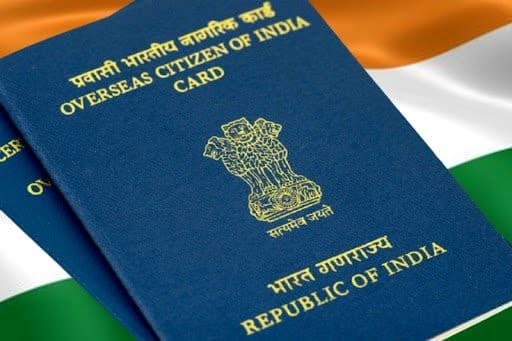
1.Revamped Overseas Citizen of India Portal (Citizenship Act)

The Hindu
Illustration for Revamped Overseas Citizen of India Portal (Citizenship Act)

What & Where

Overseas Citizen of India (OCI): lifelong residency status for eligible Persons of Indian Origin

Instituted Aug 2005 via Section 7A, Citizenship Act 1955; applicable pan-India

Revamped digital OCI portal launched by Union Home Minister for seamless access and security

Quick Facts for MCQs

Eligibility

  • Criterion: Ex-Indian citizen on/after 26 Jan 1950 or descendant up to great-grandchild
  • Minor: Child of Indian citizen or OCI holder automatically eligible
  • Marriage: Foreign spouse of Indian/OCI with subsisting marriage ≥2 years plus security clearance

Benefits & Parity

  • Residency: No FRRO registration; free to live, work, study indefinitely
  • Parity: Indian rates for domestic flights, monuments; NRI parity in adoption, education, property, professions
  • Faculty: Eligible for posts in IITs, NITs, IIMs, AIIMS

Restrictions

  • Political: No voting, election contesting, constitutional offices
  • Employment: Ineligible for regular government jobs; FEMA treats OCI at par with foreign nationals
  • Property: Cannot buy agricultural or plantation land; special permission needed for restricted activities

Tech & Schemes

  • Portal: New OCI platform offers end-to-end digital filing, status tracking, automated alerts
  • Integration: Linked with immigration, passport, DigiLocker databases for verification
  • Objective: Faster diaspora services, enhanced data security, reduced physical interface

Key Data Points

FeatureData-Point
IntroducedAugust 2005
Legal basisSection 7A, Citizenship Act 1955
Visa privilegeLifelong, multiple-entry to India
FRRO needNone, irrespective of stay length
Citizen parityDomestic airfares; monument & park tickets
NRI parityAdoption, NRI education seats, non-agri property, select professions
Special permissionResearch, missionary, journalism, mountaineering, RPA/PA visits, work in foreign missions
Ineligible ancestryPast citizens of Pakistan or Bangladesh
Military barServing/retired foreign armed forces not eligible
Voting rightNot permitted
Land purchaseAgricultural/plantation land barred

Related UPSC Prelims PYQs

CDS_GK 2023PYQ 1

The Citizenship Act, 1955 deals with the determination of citizenship on or after
GS-2Polity

2.State Assemblies Productivity Report 2024 (State Legislatures)

Down to Earth
Illustration for State Assemblies Productivity Report 2024 (State Legislatures)

What & Where

State Legislature = Governor + Vidhan Sabha; some states also Vidhan Parishad (bicameral)

Core processes : sittings, bill passage, election of Speaker/Deputy Speaker under Arts 168-178

Geography : all 28 states; 2024 sittings ranged 16 days (UP, MP) to 42 days (Odisha)

Quick Facts for MCQs

Productivity Trends

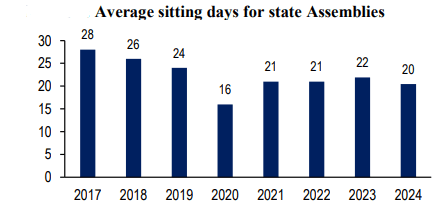
  • Decline : 28 days (2017) → 20 days (2024); pandemic low 16 days (2020)
  • Speed : 17 bills avg; half cleared within 24 hrs, minimal debate
  • Focus : ~50 % bills on education, finance, local bodies

Constitutional Provisions

  • Summoning gap cap six months under Art 174; no minimum days fixed
  • Quorum : 10 members or one-tenth, whichever greater
  • Voting : simple majority; Presiding Officer casting vote only on tie

Democratic Implications

  • Oversight loss : fewer Question Hours, budget scrutiny weakened
  • Quality risk : minimal committee referrals, drafting errors, litigation likelihood
  • Governor assent delays & ordinance surge (Kerala 144 in 2021) bypass deliberation

Reform Measures

  • NCRWC pitch : min 50/90 sitting days based on House size; amend Art 174
  • Committees : strengthen standing/select bodies, enable expert inputs
  • E-governance : roll out NeVA; Nagaland first full adopter, live-stream for transparency

Key Data Points

FeatureData-Point
Avg. Assembly sittings 202420 days
Highest sittings 2024Odisha 42 days
Const. article on Deputy SpeakerArt 178
Assemblies without Deputy Speaker8 states; Jharkhand >20 yrs
Bills passed same day as intro 202451 %
Avg. working hours per sitting5 hours
Uttarakhand UCC enactment2024; first state
Lok Sabha Deputy Speaker vacancy sinceJune 2019

Related UPSC Prelims PYQs

CDS_GK, GS1 2025PYQ 1

भारत की संसद में स्थगन प्रस्ताव के बारे में निम्नलिखित में से कौन-सा कथन सही नहीं है?

CDS_GK, GS1 2022PYQ 2

With reference to Deputy Speaker of Lok Sabha, consider the following statements:

GS-2PolityQuick Bite

3.e-Zero FIR Cyber Fraud (Zero FIR)

PIB

What & Where

e-Zero FIR: electronic Zero FIR for cyber-crime, pilot started 21 May 2025 in Delhi under Indian Cyber Crime Coordination Centre.

Zero FIR lets any police station accept cognisable offence; e-version backed by BNSS 2023 Sec 173(1) & 1(ii).

Focus on cyber financial frauds above ₹10 lakh reported through National Cybercrime Reporting Portal or Helpline 1930.

Quick Facts for MCQs

Legal & Policy

  • BNSS: Replaces CrPC; Section 173 frames FIR, recognises electronic Zero FIR.
  • Jurisdiction: Zero FIR transferred to competent police station for investigation continuity.
  • Cognisable: Police may arrest without warrant, begin probe sans magistrate approval.

Tech & Schemes

  • Integration: Real-time sync among NCRP, e-FIR, CCTNS enables seamless data flow.
  • Automation: Complaints over threshold instantly generate e-Zero FIR numbers online.
  • I4C: MHA’s nodal cyber-crime body steering initiative.

Procedure & Timelines

  • Filing: Victim logs complaint on portal/1930; system auto-registers e-Zero FIR.
  • Confirmation: Complainant must verify at police station within 72 hours.
  • Conversion: Police convert Zero FIR to regular FIR, then transfer to jurisdiction.

Security Dimension

  • Aim: Supports “Cyber Secure Bharat” vision by expediting high-value fraud investigations.
  • Deterrence: Rapid registration aids swift fund-freeze and offender tracing.
  • Coverage: Delhi pilot to inform phased national rollout post-evaluation.

Key Data Points

FeatureData-Point
Pilot cityDelhi
Launch date21 May 2025
Minimum fraud amount₹10 lakh
Physical visit deadline3 days
Enabling lawBNSS 2023 Sec 173(1)&1(ii)
Reporting channelsNCRP portal, Helpline 1930
Integrated systemsNCRP + Delhi Police e-FIR + CCTNS
Offence natureCognisable cyber financial fraud
GS-1History

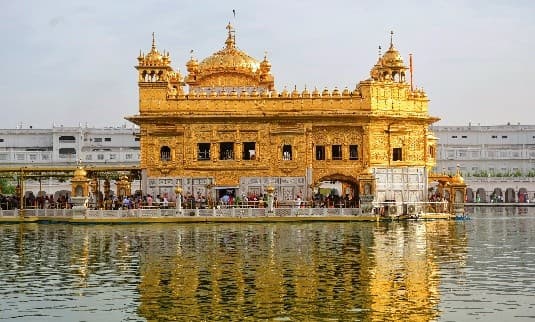
4.Golden Temple Sikh Holy Shrine (Sikh Shrine)

IT
Illustration for Golden Temple Sikh Holy Shrine (Sikh Shrine)

What & Where

Holiest Sikh shrine Sri Darbar Sahib (Golden Temple) situated in Amritsar, Punjab

Built on 67-ft square platform amid Amrit Sarovar; four entrances offer all-side access

Embodies Sikh ideals of equality, humility, continuous seva via 24×7 Langar

Quick Facts for MCQs

Architecture & Design

  • Plinth built below ground street to evoke humility
  • Gold-clad domes, white-marble walls with pietra dura art illustrate Indo-Islamic blend
  • Causeway links shrine to circumambulatory parikrama encircling Amrit Sarovar

Key Personalities

  • Guru Arjan Dev envisioned layout, installed Adi Granth 1604
  • Baba Budha Ji performed inaugural recitation as first granthi
  • Maharaja Ranjit Singh added gold sheets, marble, precious stones in 19th century

Security Dimension

  • Temple faced repeated Mughal-Afghan raids causing multiple rebuilds during 1700s
  • Operation Blue Star 1984 military action inflicted structural damage, stirred nationwide unrest
  • 2023 reports of air-defence guns in Operation Sindoor officially denied by Indian Army

Social Practices

  • Langar serves vegetarian meals free to all, run by volunteer Kar Seva
  • Pilgrims bathe in Amrit Sarovar believing in spiritual cleansing
  • Continuous kirtan broadcast reinforces centrality of Guru Granth Sahib

Key Data Points

FeatureData-Point
Foundation year1577 CE by Guru Ram Das
Completion year1604 CE under Guru Arjan Dev
Foundation stoneHazrat Mian Mir, Sufi saint
Land sourcePurchased from local zamindars
First granthiBaba Budha Ji
Golden platingFinanced by Maharaja Ranjit Singh
Platform size67 ft square in sacred pool
Dome styleFluted lotus with kalash, canopy
EntrancesFour, one each cardinal direction
Construction levelLower than surroundings for humility
Daily Langar reach≈1 lakh people
Major assaultOperation Blue Star, 1984
Past invasionsMughal & Afghan, 18th century

Related UPSC Prelims PYQs

GS1 1996PYQ 1

Which one of the following pairs is correctly matched?

GS-1Environment

5.Bengaluru Urban Flooding Causes (Urban Flooding)

Times of India
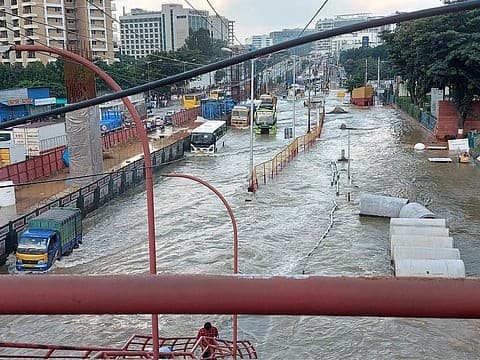
Illustration for Bengaluru Urban Flooding Causes (Urban Flooding)

What & Where

Urban flooding – rapid inundation in built-up areas when rainfall overwhelms drainage

Bengaluru – undulating Deccan terrain; monsoon cloudbursts often >100 mm/day

Recent event – 130 mm rain in 12 hrs (July), 3 deaths, 500 houses water-logged

Quick Facts for MCQs

Drivers

  • Encroachment – tech parks/apartments on floodplains, shrinking buffer zones
  • Drain neglect – silted, narrowed Rajakaluves cut carrying capacity
  • Planning lag – city development plan, zoning ignore newer climate extremes

Impacts

  • Economy – IT corridor shutdowns, crores lost daily
  • Health – stagnant water fuels vector, water-borne diseases
  • Services – metro, arterial roads, power supply disrupted for hours-days

Global Models

  • Singapore SWAN – real-time sensors, automated alerts
  • Netherlands Room for River – widen riverbeds, managed retreat
  • China Sponge Cities – permeable pavements, green roofs, restored wetlands

Governance & Reforms

  • Desilting – mandatory pre-monsoon clearing with third-party audits
  • CDP revision – integrate flood-zoning, green infrastructure standards
  • BBMP autonomy – clearer accountability, inter-agency coordination dashboards

Key Data Points

FeatureData-Point
Rainfall recorded130 mm in 12 hours
Fatalities (2025 event)3 persons
Houses inundated≈500
Loss of lakes since 1980s79 % (IISc)
Major low-lying valleysHebbal; Koramangala-Challaghatta
Key drainsRajakaluves (primary–tertiary network)
Tech sector value at riskUS $194 bn exports
Past urban flood citiesMumbai 2005; Chennai 2015; Hyderabad 2020
Global exemplar termChina’s “Sponge Cities”
Smart warning modelSingapore SWAN IoT sensors

Related UPSC Prelims PYQs

CAPF_GAI 2020PYQ 1

Which one among the following stations receives maximum rainfall?

GS-1Mapping

6.Mount Lewotobi Stratovolcano Eruption (Indonesian Volcano)

News on Air

What & Where

Stratovolcano; forms Lewotobi twin system with Perempuan, culturally dubbed husband-wife

Situated on southeastern Flores Island, Lesser Sunda volcanic arc, Indonesia

Eruptions frequent; government raised highest alert after weekend and Monday activity

Quick Facts for MCQs

Geological Features

  • Laki-laki produces frequent eruptions, pyroclastic flows and >5 km ash columns
  • Formed by Indo-Australian subduction beneath Eurasian margin
  • Lies within seismically intense Pacific Ring of Fire

Indonesia Geography

  • Archipelagic state with >17 000 islands; major: Sumatra, Java, Borneo, Sulawesi, New Guinea
  • Shares land borders with Malaysia, Timor-Leste, Papua New Guinea
  • Rivers include Kapuas (1 140 km), Barito, Mahakam, Mamberamo

Tectonic Context

  • Triple junction of Indo-Australian, Eurasian, Pacific plates creates high seismicity and >100 active volcanoes
  • Subduction zones induce frequent earthquakes and tsunamis around Indonesian archipelago
  • Lewotobi activity exemplifies ongoing plate convergence hazards

Key Data Points

FeatureData-Point
Volcano typeStratovolcano
Twin peaksLaki-laki (male) & Perempuan (female)
More active peakLaki-laki
IslandFlores, Lesser Sunda Islands
CountryIndonesia
Current alert levelHighest (Level IV)
Typical ash column height>5 km
Tectonic causeIndo-Australian Plate subducting under Eurasian Plate
Active volcanoes in Indonesia>100
Indonesia positionBetween Indian Ocean & Pacific Ocean
Capital (2023)Jakarta on Java
Planned new capitalNusantara, East Kalimantan
Longest Indonesian riverKapuas, 1 140 km
Land bordersMalaysia, Papua New Guinea, Timor-Leste
GS-3Environment

7.Shirui Lily Eco-Festival Manipur (Shirui Lily)

Times of India
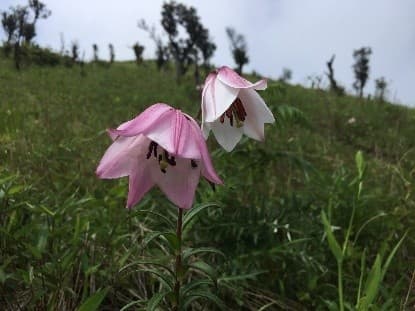
Illustration for Shirui Lily Eco-Festival Manipur (Shirui Lily)

What & Where

Festival: annual eco-tourism & culture event during Shirui Lily bloom, Ukhrul district, Manipur

Geography: Shirui Hills (≈2,673 m) of Tangkhul Naga homeland; first large Meitei transit through Kuki-Zo areas post-conflict

Species: Shirui Lily (Lilium mackliniae) endemic, endangered, Manipur’s state flower

Quick Facts for MCQs

Cultural & Eco-tourism

  • Events: traditional dances, folk music, cooking contests, beauty pageant, sports promoting tribal heritage
  • Eco-initiatives: trash drives, bloom-site awareness, visitor movement regulated to minimise trampling
  • Revival: 2024 return after two-year ethnic-violence pause, signalling communal engagement restart

Conservation & Science

  • Propagation: ICAR-NEH micro-propagation project led by Dr Manas Sahoo for lab-to-land sapling supply
  • Threats: habitat shrinkage, invasive herbs, erratic rainfall impacting narrow ecological niche
  • Symbolism: folklore deity Philava believed guardian, enhancing community stewardship

Security Dimension

  • Movement: festival enabled first major Meitei passage through Kuki-Zo zones under heavy security escorts
  • Measures: deployment along NH-202, checkpoints, convoy system to prevent flare-ups
  • Significance: test case for restoring inter-ethnic mobility and tourism flow in violence-hit Manipur

Key Data Points

FeatureData-Point
Organised byManipur Tourism Department
First edition2017
Annual window20–25 May
Venue districtUkhrul
Host tribeTangkhul Naga
Festival aimPromote eco-tourism & species awareness
Botanical nameLilium mackliniae
Local nameKashong Timrawon
Altitudinal range~2,300–2,800 m on Shirui Hills
Discovery year1946 by Frank Kingdon-Ward
Conservation tagEndangered (habitat loss, climate change)
State emblemOfficial flower of Manipur
GS-3Environment

8.Assessing Climate Physical Risk Framework (Climate Risk)

The Hindu
Illustration for Assessing Climate Physical Risk Framework (Climate Risk)

What & Where

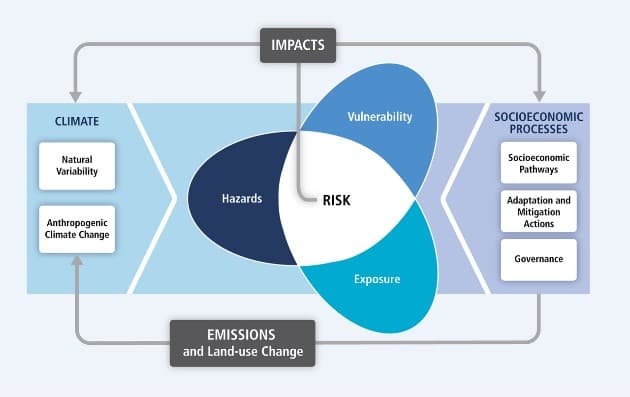
Climate Physical Risk (CPR) = Hazard × Exposure × Vulnerability; spans floods, cyclones, heatwaves, droughts, rainfall shifts

India hotspot: >80 % population in climate-disaster districts across Himalayan, coastal, river-plain and arid zones

Assesses damage potential to people, infrastructure, crops, value-chains; guides finance, planning, ESG audits

Quick Facts for MCQs

Fragmentation & Data Gaps

  • Silos: multiple ministries, no central CPR repository or common metrics
  • Modelling: global datasets coarse; local microclimates under-captured
  • Private sector: scarce tools to map facility or supply-chain exposure

Global & Domestic Standards

  • Disclosure: investors require physical-risk statements per ISSB S2, EU rules
  • Finance: RBI supervision links loan books to climate stress tests
  • Universal threat: Europe heatwaves, US wildfires show North–South parity

Initiatives & Plans

  • Adaptation Communication 2023 outlines national climate risks, priorities
  • Draft National Adaptation Plan covering water, health, agri, infrastructure
  • State action: nodal disaster authorities align with Sendai Framework

Prescribed Way Forward

  • India-specific CPR tool with real-time dashboards, sectoral vulnerability indices
  • Central risk data-lake enabling ministry-state-industry sharing
  • Climate finance shift: resilient roads, heat-tolerant crops via PPP models

Key Data Points

FeatureData-Point
IPCC CPR formulaHazard × Exposure × Vulnerability
Acute hazardsFloods, cyclones, wildfires, heatwaves
Chronic hazardsDroughts, shifting rainfall, sea-level rise
Indians in high-risk districts80 %+ (World Bank, 2022)
Current data spread acrossIMD, IITs, NIDM (non-standardised)
Global disclosure normsISSB S2, EU Taxonomy mandate physical-risk reporting
India’s 1st Adaptation Communication2023, to UNFCCC Article 7
Forthcoming National Adaptation Plan9 sectors, district-level detailing
RBI actionClimate risk integrated into supervision framework
Key modelling gapRCP/SSP grids miss hyper-local Indian variations

Related UPSC Prelims PYQs

GEO_GS 2020PYQ 1

According to the Global Climate Risk Index 2020, published by environmental think tank Germanwatch, in the year 2018 India’s rank in the list of top most climate affected nations is:

GS-3SpeciesQuick Bite

9.Operation Olivia Protects Olive Ridleys (Olive Ridley)

PIB
Illustration for Operation Olivia Protects Olive Ridleys (Olive Ridley)

What & Where

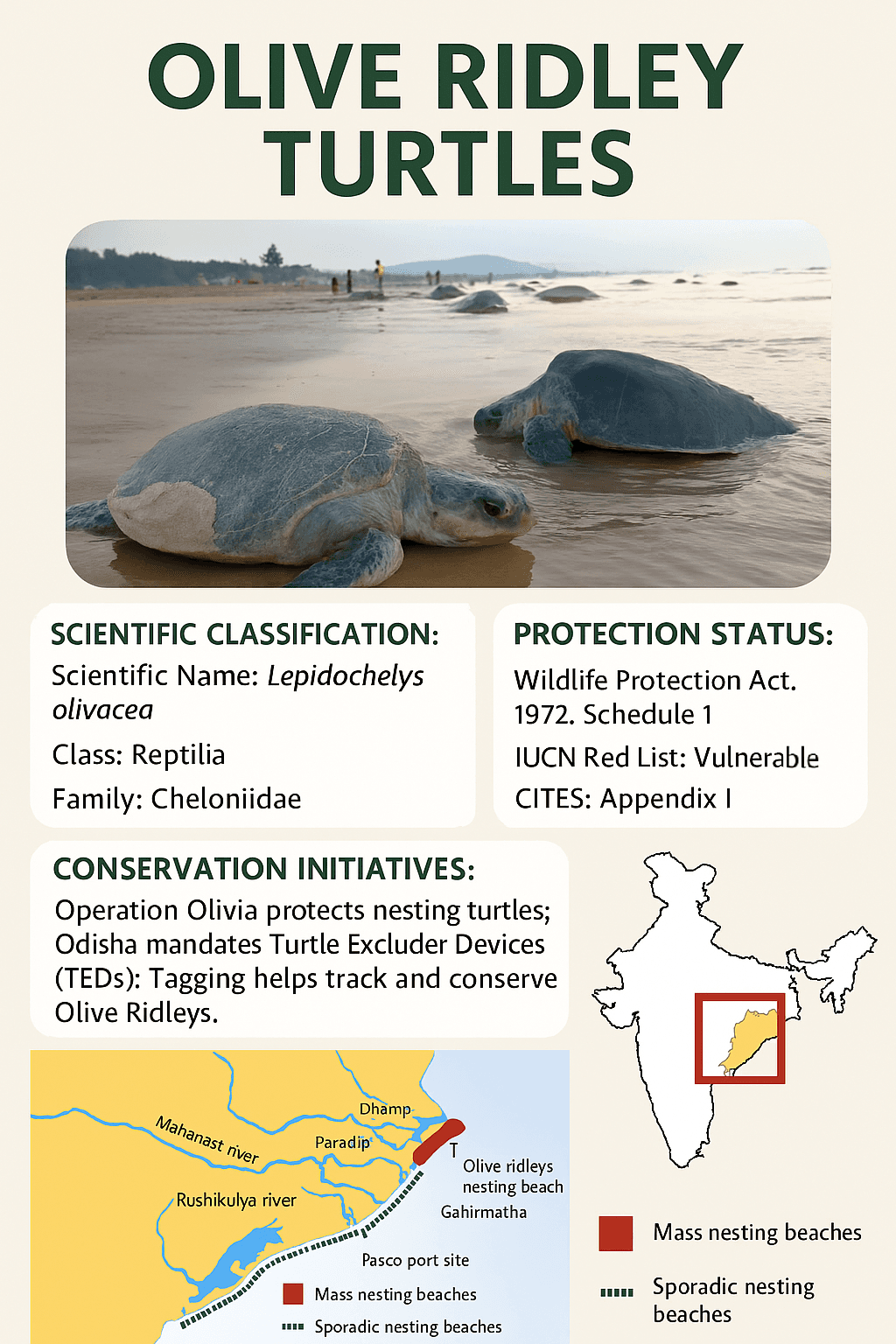
Operation Olivia—annual Indian Coast Guard mission (since early 1980s) safeguarding Olive Ridley turtles during breeding-nesting season

Patrols curb illegal trawling near key rookeries: Gahirmatha, Rushikulya, Devi river mouths along Odisha coast

2025 cycle shielded 6.98 lakh nesters at Rushikulya rivermouth on Odisha’s Bay-of-Bengal coast

Quick Facts for MCQs

Conservation Measures

  • ICG deploys ships, aircraft, night patrols enforcing Turtle Excluder Device norms at trawler-dense zones
  • Operation conducted jointly with Odisha Forest & Fisheries departments for synchronized enforcement
  • Coverage spans 1,200 km coastline plus offshore migratory corridors

Species Profile

  • Olive Ridley: smallest Cheloniidae; olive/grey-green heart-shaped carapace; omnivorous
  • Arribada involves thousands nesting together; India’s largest events at Gahirmatha & Rushikulya
  • Females migrate up to 9,000 km across Pacific, Indian, Atlantic

Legal & Policy

  • Wildlife Protection Act 1972 Schedule I gives highest protection; offences punishable by up to seven-year jail
  • Listed Vulnerable on IUCN Red List; CITES Appendix I prohibits commercial international trade
  • Turtle Excluder Devices mandatory in specified trawlers; compliance monitored under Operation Olivia

Key Data Points

FeatureData-Point
Operation nameOperation Olivia
Conducting agencyIndian Coast Guard
Launch periodEarly 1980s
2025 turtles protected6.98 lakh
Breeding season windowNov – May
Major Odisha rookeriesGahirmatha, Rushikulya, Devi
Species protectedOlive Ridley turtle
IUCN statusVulnerable
WPA scheduleSchedule I
CITES listingAppendix I

Related UPSC Prelims PYQs

NDA_GAT 2021PYQ 1

Operation Olivia, an initiative to protect Olive Ridley turtles, is undertaken by

GS-3S&T

10.India Eliminates Trachoma Disease (Trachoma Elimination)

WHO

What & Where

Trachoma; contagious ocular infection by Chlamydia trachomatis causing scarring, blindness

India; received WHO “Elimination as Public Health Problem” certificate at 78th World Health Assembly, Geneva

Region; third in WHO SE Asia after Nepal, Myanmar to reach elimination target

Quick Facts for MCQs

Disease Profile

  • Symptoms; early redness, discharge, photophobia; late trichiasis scraping cornea causing opacity
  • Reservoir; preschool children primary community source
  • Elimination; threshold <5 % active trachoma in 1–9 yr olds, <0.2 % trichiasis prevalence

India Journey

  • Strategy; SAFE approach—Surgery, Antibiotics, Facial cleanliness, Environmental improvement
  • Support; door-to-door case finding, free azithromycin under NPCBVI
  • Certification; WHO assessment missions confirmed criteria met nationwide

Global Status

  • Recent additions; Papua New Guinea, Mauritania validated 2023-24
  • Interventions; annual mass drug administration plus surgeries cut prevalence sharply
  • Remaining burden; Africa and South Asia still host majority endemic districts

Risk Factors

  • Crowding; close-quarter households ease eye discharge spread
  • WASH gaps; limited water, sanitation facilitate fly breeding and poor face hygiene
  • Vector role; Musca sorbens flies mechanically carry bacteria between faces

Key Data Points

FeatureData-Point
Causative bacteriumChlamydia trachomatis
Transmission routesDirect eye-nose contact, fomites, eye-seeking flies
Global endemic nations38
People visually impaired1.9 million worldwide
WHO-validated free countries21 (incl. India 2025)
Surgeries in 20231,30,746
Antibiotic doses 202332.9 million
India surveillance armNPCBVI since 2019
National Trichiasis Survey200 districts, 2021-24
India declarationOct 2023; certification May 2025
SEAR ranking3rd after Nepal, Myanmar
Higher-risk genderWomen 4 × likelier
GS-3S&T

11.Metastatic Prostate Cancer Overview (Prostate Cancer)

Business Standard

What & Where

Prostate cancer = malignant growth in male prostate gland producing seminal fluid.

Type focus: Stage-4 metastatic variant spreading chiefly to bones, lymph nodes.

Geography: 2nd most-diagnosed male cancer worldwide; rising urban incidence places it in India’s top-10 list.

Quick Facts for MCQs

Epidemiology

  • Urban India showing faster case-rise than rural; lifestyle links suspected.
  • Family history: one first-degree relative doubles individual risk.

Risk Factors

  • Diet: high red-meat, animal fat intake elevates incidence.
  • Sedentary lifestyle compounds obesity-linked hormonal changes.
  • Genetics: BRCA2 carriers face particularly aggressive tumours.

Symptoms & Diagnosis

  • Urinary frequency, weak stream indicate urethral compression by enlarged gland.
  • Bone pain flags metastatic spread; often initial Stage-4 complaint.
  • MRI/Bone scan map local extent before therapy planning.

Treatment Modalities

  • Radiation: external-beam or brachytherapy for organ-confined disease.
  • Hormone blockade combined with chemo for metastatic load.
  • Immunotherapy now option when castration-resistant cases emerge.

Key Data Points

FeatureData-Point
Affected organProstate gland (male, below bladder)
Global rank (men)2nd most diagnosed cancer
Global new cases 20221.4 million (GLOBOCAN)
Global deaths 2022~4 lakh
India new cases 202237,948
India deaths 202218,386
High-risk age≥ 50 years
Key genesBRCA-1/2, Lynch syndrome
High-risk ancestryAfrican descent
Primary screeningPSA blood test
Confirmatory testTrans-rectal prostate biopsy
Common metastasis siteBones
Early management optionActive surveillance
Curative surgeryRadical prostatectomy
Hormonal therapy goalLower testosterone to slow growth

Related UPSC Prelims PYQs

GS1 2001PYQ 1

“Metastasis” is the process by which

GS-3S&T

12.A-to-I mRNA Editing Mechanism (mRNA Editing)

The Hindu
Illustration for A-to-I mRNA Editing Mechanism (mRNA Editing)

What & Where

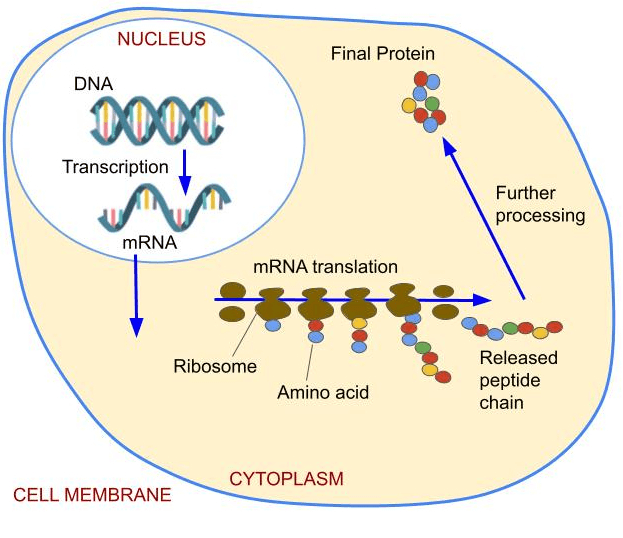
A-to-I mRNA editing: enzymatic conversion of adenosine to inosine within transcribed messenger RNA.

Catalysed by ADAR (Adenosine Deaminases Acting on RNA) present in eukaryotes; spotlight on wheat‐fungus Fusarium graminearum.

Alters codons because ribosome reads inosine as guanine, modifying resultant protein sequence.

Quick Facts for MCQs

Scientific Process

  • Post-transcription editing corrects or rewires codons without altering DNA blueprint.
  • Each edited site can switch encoded amino acid, expanding proteome diversity.
  • Editing event counted only until mRNA degradation, ensuring reversibility.

Health & Therapeutics

  • Endogenous ADAR use minimises immunogenicity, enabling repeat dosing.
  • Potential in treating genetic disorders where A➜G correction restores protein function.
  • Therapy halt feasible on adverse effect, lowering long-term risk profile.

Agricultural Relevance

  • Fusarium graminearum study links editing to wheat-ear blight virulence modulation.
  • Understanding fungal mRNA editing may aid targeted antifungal strategies.
  • Could guide breeding for resistant wheat cultivars.

Safety Considerations

  • No permanent off-target mutations since genome intact.
  • Reduced cross-species protein exposure cuts allergenic potential.
  • Temporary edits demand sustained dosing for chronic conditions.

Key Data Points

FeatureData-Point
Enzyme familyADAR (Adenosine Deaminases Acting on RNA)
Chemical changeAdenosine ➜ Inosine
Ribosomal readingInosine interpreted as Guanine
Molecular levelPost-transcriptional, pre-translation
Longevity of changeTemporary, RNA-only; genome untouched
Comparative safetyLess immune reaction vs CRISPR/Cas (bacterial protein)
Research highlightChina team on Fusarium graminearum
Clinical edgeTherapy stoppable if adverse events appear
GS-3Editorial

13.Tackling Online Abuse Regulation (Cyber Harassment)

The Hindu
Illustration for Tackling Online Abuse Regulation (Cyber Harassment)

What & Where

Online abuse = harmful digital behaviour (harassment, threats, humiliation) across social media, messaging, email, forums.

Key types → cyberbullying, cyberstalking, trolling, doxxing, revenge-porn, catfishing.

India: world’s highest child-cyberbullying prevalence, 85 % minors affected.

Quick Facts for MCQs

Legal & Policy

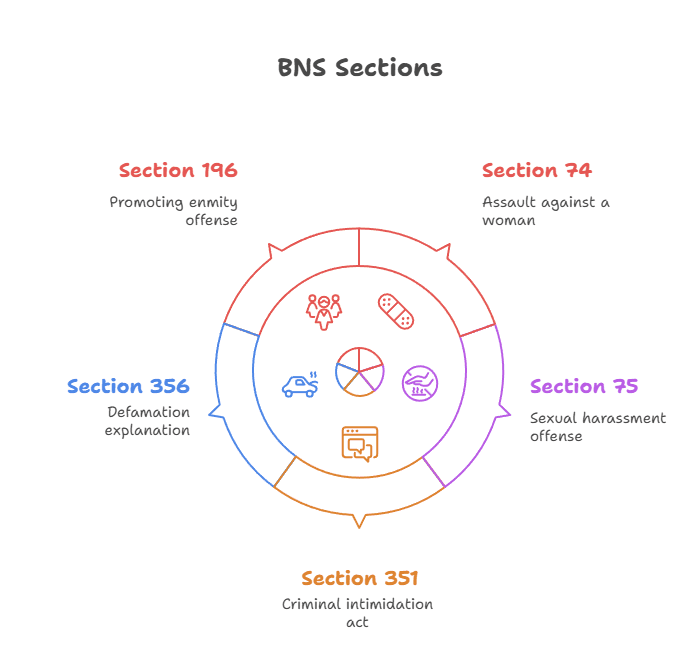
  • Gap: No standalone cyber-harassment statute; BNS, IT Act cover only obscene, threatening or fraudulent material.
  • Stalking law gender-specific; no provision for coordinated mass trolling.
  • Delhi HC 2024 (Shaviya Sharma) recognised doxxing, ordered tweet removal.

Enforcement Gaps

  • Platforms screen far fewer Indian posts than US/EU; profit weakens moderation.
  • DPDP’s undefined “publicly available data” aids doxxing via data aggregation.
  • Victims, especially women, face disbelief and victim-blaming deterring complaints.

Tech & Platform Solutions

  • AI moderation to flag hate speech, deepfakes, sexual violence in real time.
  • User-verification, bot removal proposed to curb anonymous abuse.
  • Ethical monetisation: stop algorithmic amplification, demonetise hate accounts.

Capacity Building

  • Special cyber cells, digital forensics, Kerala Cyberdome model for proactive policing.
  • Police upskilling in IP tracing, anonymous-account identification crucial.
  • Robust whistle-blower protections needed to shield complainants from retaliation.

Key Data Points

FeatureData-Point
Children facing cyberbullying (India)85 % (highest globally)
Victims bullying strangers46 % India vs 17 % global
Victims bullying acquaintances48 % India vs 21 % global
Common abuse modesRumours 39 %, exclusion 35 %, name-calling 34 %
IT Act key sections66C ID theft; 66D impersonation; 67 obscene content
Data law 2023DPDP penalises breach-enabled harassment
Traceability mandateIT Intermediary Rules 2021 ‑ “first originator”
SC struck Sec 66AShreya Singhal v UoI, 2015

Related UPSC Prelims PYQs

ESE_GS 2024PYQ 1

Which one of the following involves for the examination of Internet records to track down the identity of someone who posted in a discussion forum on one Website might search for clues to the poster’s identity on Facebook, Twitter, and other online sources?

ESE_GS 2024PYQ 2

Which one of the following Acts mandates schools and libraries in India to use some form of technological protection to block computer access to obscene material, pornography, and anything else considered harmful to minors?

GS-2Scheme

14.Digital Platforms Modernise PDS (PDS Digitization)

PIB

What & Where

Trio of digital platforms—Depot Darpan, Anna Mitra, Anna Sahayata—launched to modernise India’s Public Distribution System (PDS).

Cover full PDS chain: depot self-assessment, field-level stock app, multilingual grievance redressal via WhatsApp/IVRS/ASR.

Nationwide FCI-CWC depots targeted; pilot/user roll-outs span Assam, Uttarakhand, Tripura, Punjab, Gujarat, Jharkhand, Telangana, Uttar Pradesh.

Quick Facts for MCQs

Tech & Schemes

  • Depot Darpan deploys IoT-enabled monitoring for real-time stock and infrastructure status.
  • Anna Mitra app offers geo-tagged inspections, sales alerts to FPS dealers, DFSO officers, inspectors.
  • Anna Sahayata enables voice/text complaints in five languages under PM-GKAY & NFSA.

Implementation Geography

  • All FCI & CWC depots to adopt Depot Darpan self-assessment portal.
  • Anna Mitra live in 4 states; national scaling post-feedback.
  • Anna Sahayata testing in 5 diverse states for broader linguistic validation.

Financials & Metrics

  • ₹1,280 crore earmarked to upgrade storage infrastructure.
  • Composite depot ratings guide funding priorities and performance rewards.
  • Digital stack aims to curb leakages, boosting transparency across 5.4 lakh Fair Price Shops.

Key Data Points

FeatureData-Point
Total initiatives3
Depot Darpan rating split60 % Operations : 40 % Infrastructure
Tech in Depot DarpanIoT sensors, CCTV, live analytics
Capital for FCI depots₹1,000 crore
Capital for CWC depots₹280 crore
Anna Mitra initial statesAssam, Uttarakhand, Tripura, Punjab
Anna Sahayata pilot statesGujarat, Jharkhand, Telangana, Tripura, Uttar Pradesh
Complaint channelsWhatsApp, IVRS, Automatic Speech Recognition

Related UPSC Prelims PYQs

CDS_GK 2023PYQ 1

Consider the following statements about the Public Distribution System :

CDS_GK 2025PYQ 2

Which one of the following platforms marks a transformative step in India's immunization efforts by digitizing vaccination records for pregnant women and children up to 16 years?

GS-2Scheme

15.Enrolment Drop, PM-POSHAN Review (PM-POSHAN)

Indian Express
Illustration for Enrolment Drop, PM-POSHAN Review (PM-POSHAN)

What & Where

PM-POSHAN; centrally sponsored hot cooked meal scheme; replaces Mid-Day Meal across Government & aided schools, India

Operates 2021-22 to 2025-26; covers Classes 1-8; aims nutrition + enrolment retention

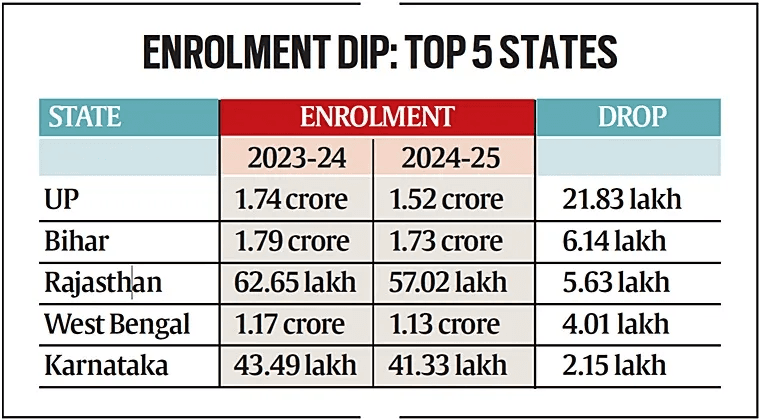
Discussion by MoE with States/UTs flagged 23-State enrolment dip, strongest in northern & eastern belts

Quick Facts for MCQs

Enrolment Trend

  • Overall decline recorded in 23 States/UTs for 2024-25; several over 1 lakh fewer students
  • Data shift to student-wise Aadhaar-linked reporting purged ghost entries
  • Post-Covid migration back to private schools cited by multiple States

Scheme Provisions

  • Nutritional gardens promoted for micro-nutrient supply & experiential learning
  • Each school to appoint Nutrition Expert monitoring BMI, weight, haemoglobin
  • Farmers Producer Organisations & SHGs encouraged for local, traditional food sourcing

Implementation Tools

  • Mandatory social audits ensure transparency; college students act as grassroots monitors
  • Digital student-wise database enables real-time attendance, supply planning
  • Community initiative Tithi Bhojan strengthens social ownership of school meals

Key Data Points

FeatureData-Point
Launch name changeMid-Day Meal renamed PM-POSHAN (2021)
Cost sharing ratioCentre 60 : State 40; Centre supplies foodgrains
Daily grain allotment100 g (Class 1-5); 150 g (Class 6-8)
Caloric guarantee700 kcal per child per school day
Extra nutrition focusMilk/egg in Aspirational districts & high-anaemia areas
Largest enrolment dropUttar Pradesh 21.83 lakh (2024-25 vs 2023-24)
Social audit statusMandatory in all schools; local colleges enlisted
Community add-onTithi Bhojan—festive meals donated by community

Related UPSC Prelims PYQs

GS1 2023PYQ 1

‘पोषण मुक्त भारत अभियान’ के अंतर्गत की जा रही व्यवस्थाओं के संबंध में, निम्नलिखित कथनों पर विचार कीजिए :

GS1 2004PYQ 2

Which one of the following statements is NOT correct?

GS-1MiscQuick Bite

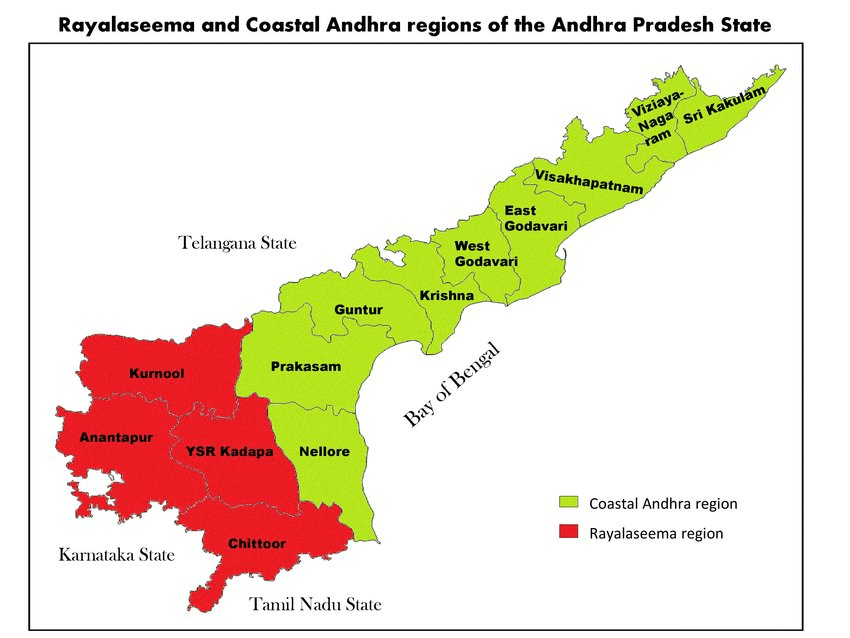
16.Suggi Seasonal Migration Rayalaseema (Seasonal Migration)

The Hindu
Illustration for Suggi Seasonal Migration Rayalaseema (Seasonal Migration)

What & Where

Suggi migration = summer exodus of Rayalaseema families seeking farm labour outside home villages

Process = post-kharif idle months; monsoon-dependent agriculture offers no rabi season due to water scarcity

Geography = semi-arid Rayalaseema (Anantapur, Chittoor, Kadapa, Kurnool) drained by Penna–Papagni, distant from Krishna

Quick Facts for MCQs

Drivers of Migration

  • Rainfall-dependence; single kharif crop leaves 4-5 jobless months
  • Water-stress; tanks, ponds, borewells dry each summer erasing drinking and irrigation sources
  • Employment-gap; scarce non-farm options plus delayed MGNREGA payments trigger outward movement

Economic Angle

  • Wage-differential; chilli fields offer over triple local public-works earnings
  • Debt-cycle; migration income funds loan repayment and next season inputs
  • Remittance-timing; returns align with kharif sowing, sustaining farm economy

Tech & Schemes

  • Krishna-weir proposal; 50 TMC diversion envisioned to irrigate drought-prone blocks
  • Infrastructure-push; canals, storage revival aimed at multi-crop capability and reduced migration
  • Governance-need; prompt MGNREGA payments flagged as immediate safety-net requirement

Key Data Points

FeatureData-Point
Local termSuggi
RegionRayalaseema, Andhra Pradesh
Core districtsAnantapur, Chittoor, Kadapa, Kurnool
Monsoon windowJune – September
MGNREGA wage (Kurnool)Rs 307 / day
Chilli harvest wage~Rs 1,000 / day
Proposed diversion50 TMC Krishna water
Dominant river in regionPenna

Ready to practice?

Test your knowledge with our UPSC test series.

Start Free Trial