UPSC Current Affairs

13 topicsGS-1: 5GS-2: 1GS-3: 7
0/13 done
GS-2Editorial

1.Challenges Facing Indian Civil Services (Civil Services)

The Hindu

What & Where

Civil services = permanent, merit-based administrative machinery executing Union & State policy in India

Key branches : All-India Services (IAS, IPS, IFoS), Central Services, State Services via PSCs

Geography : Nationwide cadre postings; UPSC New Delhi headquarters, SPSC in every state

Quick Facts for MCQs

Historical Milestones

  • 1887 Aitchison Commission reclassified services into Imperial, Provincial, Subordinate
  • 1926 Public Service Commission set up; Sir Ross Barker first chairman
  • 26 Jan 1950 Federal PSC renamed UPSC under Art. 378(1)

Constitutional Setup

  • Articles 315-323 detail PSC composition, tenure, removal, powers
  • JSPSC possible when ≥2 states pass matching resolutions
  • Art. 319 bars ex-members from further govt office to ensure neutrality

Contemporary Challenges

  • Neutrality erosion via politicised transfers; resembles US spoils system pre-1883
  • Generalist dominance limits technical capacity; PCA 1988 weak on collusive corruption
  • Hierarchical procedures slow service delivery; tech adoption uneven

Reform Toolkit

  • NITI & 2nd ARC advocate structured lateral entry for domain expertise
  • 360° feedback + SDG-linked KPIs suggested for promotion/postings
  • iGOT Karmayogi aims personalised, continuous e-training, ethics modules

Global Parallels

  • UK & Singapore routinely import private-sector specialists into senior bureaucracy
  • Pendleton Act 1883 in US curtailed political patronage, inspiring neutrality norms

Key Data Points

FeatureData-Point
Macaulay Report year1854
First Indian in ICSSatyendranath Tagore, 1864
ICS exam held in India1922 (Allahabad, later Delhi)
UPSC constitutional articleArt. 315
Provision to create AISArt. 312
Mission Karmayogi launch2020
Lateral Entry recruits (till 2024)63
Prakash Singh SC ruling year2006
Forest Service birth1966 (All India Services Act 1951)
2nd ARC recommendationLateral entry & 360° appraisal

Related UPSC Prelims PYQs

CAPF_GAI, CDS_GK 2024PYQ 1

Match List I with List II and select the correct answer using the code given below the Lists:

CAPF_GAI, CDS_GK 2021PYQ 2

Which one of the following statements about the British Indian Medical Service (IMS) is not correct?
GS-3Economy

2.Nice Trademark Classification System (Trademark Law)

Business Standard
Illustration for Nice Trademark Classification System (Trademark Law)

What & Where

Nice Classification: WIPO-run global list (Nice Agreement 1957) grouping goods & services for trademark filing.

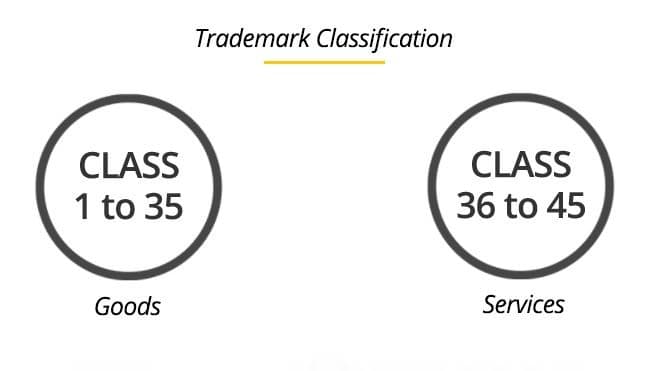
Structure: 45 classes—1-34 Goods, 35-45 Services; compulsory in India via Trade Marks Act 1999.

Context: Reliance’s Class-41 bid for “Operation Sindoor” withdrawn; name linked to Indian military valour.

Quick Facts for MCQs

Legal & Policy

  • Section 9(2): bars deceptive, scandalous, sentiment-offending marks.
  • Section 11: blocks marks implying false govt/defence association.
  • Defence Ministry itself doesn’t register operation names; relies on objections.

Trademark Classification

  • Classes 1-34 tag chemical, machinery, pharma, etc. goods.
  • Classes 35-45 tag services like advertising, telecom, legal, entertainment.
  • Class 41 popular with film studios, OTTs, event organisers.

Corporate Case

  • Reliance filing done by junior employee without authorisation.
  • Withdrawal pre-empted potential objections over patriotic symbolism.

Key Data Points

FeatureData-Point
Administering bodyWorld Intellectual Property Organization
Origin treatyNice Agreement, 1957
Total classes45 (Goods 1-34; Services 35-45)
Class 41 coversEducation, training, film/OTT, live events, digital publishing
Indian statuteTrade Marks Act, 1999
Mandatory in IndiaYes, for all filings/examinations
Key refusal sections9(2) & 11, Trade Marks Act
Military operation namesNo automatic IP protection; can be objected to

Related UPSC Prelims PYQs

GS1 2010PYQ 1

In order to comply with TRIPS Agreement, India enacted the Geographical Indications of Goods (Registration & Protection) Act, 1999. The difference/differences between a “Trade Mark” and a Geographical Indication is/are

GS-1HistoryQuick Bite

3.Ahilyabai Holkar 300th Birth Anniversary (Ahilyabai Holkar)

The Hindu
Illustration for Ahilyabai Holkar 300th Birth Anniversary (Ahilyabai Holkar)

What & Where

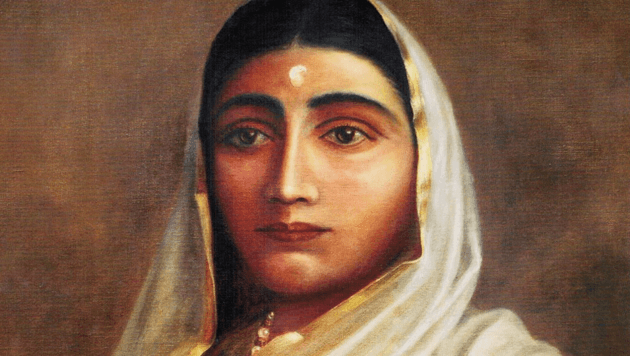
Monarch: 18th - century Malwa queen Ahilyabai Holkar, sole woman ruler of Holkar dynasty

Geography: Born Chondi (Ahmednagar, Maharashtra); ruled Indore region; shifted capital to Maheshwar, Madhya Pradesh

Occasion: Maharashtra Cabinet convened at Chondi for her 300th birth anniversary on 31 May 2025

Quick Facts for MCQs

Personal Timeline

  • Milestones 1725 birth, 1733 marriage, 1745 widowhood, 1767 coronation
  • Mentor Malhar Rao Holkar nurtured administration and military skills
  • Tercentenary 2025 marked by Maharashtra cabinet meeting at Chondi

Governance & Military

  • Capital shifted to Maheshwar on Narmada, improving control over Malwa trade routes
  • Commander Tukoji Rao Holkar led campaigns sustaining Holkar power after Malhar Rao death
  • Justice dispensed through daily public durbars enhancing administrative transparency

Social Reform

  • Advocacy for women education, widow remarriage, firm opposition to sati practice
  • Inclusion measures uplifted Bhil, Gond tribes and marginalised castes
  • Charity constructed wells, dharamshalas, ghats along pilgrimage circuits

Economic & Cultural

  • Weaving industry fostered Maheshwari sarees, later secured GI tag
  • Reconstruction funded Somnath, Kashi Vishwanath and other Jyotirlinga temples
  • Trade Maheshwar and Indore evolved into prominent cotton and handloom markets

Key Data Points

FeatureData-Point
Birth date31 May 1725
BirthplaceChondi, Ahmednagar, Maharashtra
FatherMankoji Rao Shinde
Marriage1733 to Khanderao Holkar
Widowhood1745, Siege of Kumher Fort
MentorMalhar Rao Holkar
Accession1767, became ruler of Indore
Dynasty CapitalMaheshwar, Madhya Pradesh
Army CommanderTukoji Rao Holkar
Rebuilt TemplesSomnath, Kashi Vishwanath Jyotirlingas
Textile LegacyMaheshwari sarees, GI tagged
300th Anniversary31 May 2025, Maharashtra cabinet meet at Chondi
GS-1MappingQuick Bite

4.Democratic Republic of Congo Mapping (Central Africa Geography)

The Hindu
Illustration for Democratic Republic of Congo Mapping (Central Africa Geography)

What & Where

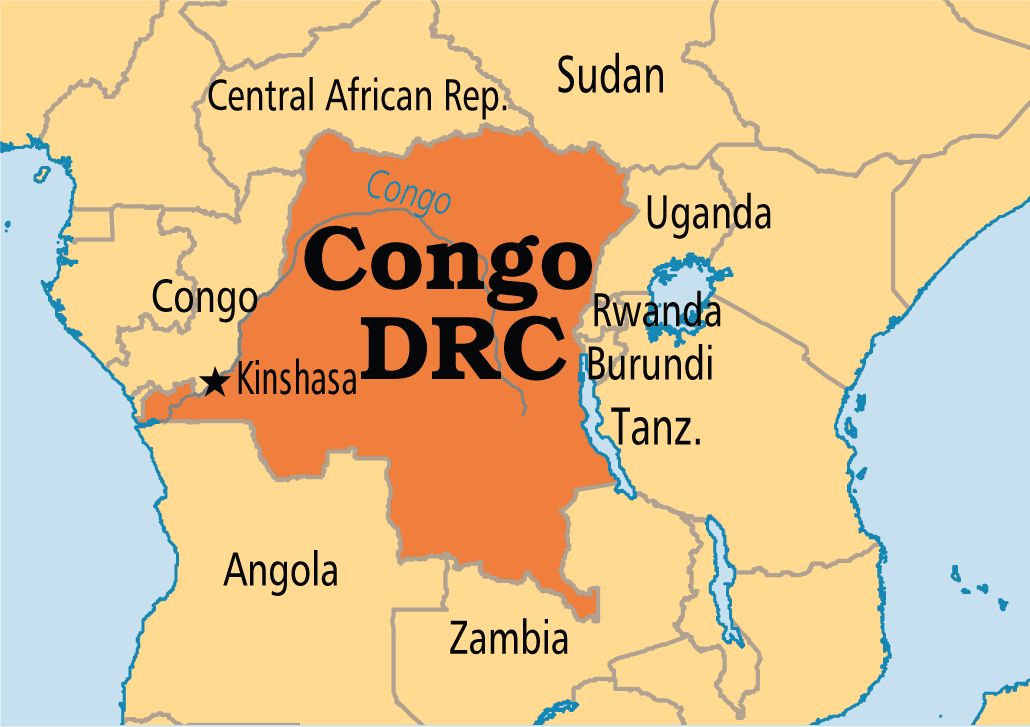
Eastern DRC conflict: fighting in North Kivu, South Kivu, Ituri; involves DRC forces, M23 rebels, alleged Rwandan backing.

Mediation attempts: U.S.-brokered Rwanda–DRC peace pact; Qatar-mediated DRC–M23 cease-fire (both 2025).

DRC: Africa’s 2nd-largest state; equatorial Congo Basin, Atlantic outlet, mineral-rich Katanga Plateau.

Quick Facts for MCQs

Security Dimension

  • M23 offensive resumed, nullifying 2025 cease-fire.
  • U.S. accord sought to ease Rwanda–DRC tensions over rebel support claims.
  • Qatar facilitation highlighted rising Gulf diplomacy in African conflicts.

Physical Geography

  • Congo Basin houses world’s second-largest rainforest after Amazon.
  • Mount Nyiragongo’s fluid lava threatens Goma city regularly.
  • Congo River enables inland navigation from Atlantic deep into rainforest.

Geological Resources

  • Katanga Plateau key to global cobalt supply powering EV batteries.
  • Mineral wealth finances armed groups, prolonging instability.
  • Lakes belt offers hydropower, transport, and biodiversity hotspots.

Key Data Points

FeatureData-Point
Continent size rank2nd largest in Africa
Capital cityKinshasa on Congo River
Ocean frontageAtlantic Ocean (west–south-west)
Bordering countries9; Angola, Congo, CAR, South Sudan, Uganda, Rwanda, Burundi, Tanzania, Zambia
Main conflict provincesNorth Kivu, South Kivu, Ituri
Rebel groupM23 (March 23 Movement)
Active volcanoMount Nyiragongo, Virunga Mts
Key plateau mineralsCobalt, copper, tin, uranium, diamonds
River uniquenessCongo crosses equator twice
Major lakesTanganyika, Albert, Edward, Kivu

Related UPSC Prelims PYQs

GS1 2023PYQ 1

About three-fourths of world's cobalt, a metal required for the manufacture of batteries for electric motor vehicles, is produced by

GS1 2004PYQ 2

In which one of the following countries, did an ethnic violence between the communities of Hema and Lendu result in the death of hundreds of people?

GS-1Mapping

5.Balochistan Province Overview (Pakistan Province)

Hindustan Times
Illustration for Balochistan Province Overview (Pakistan Province)

What & Where

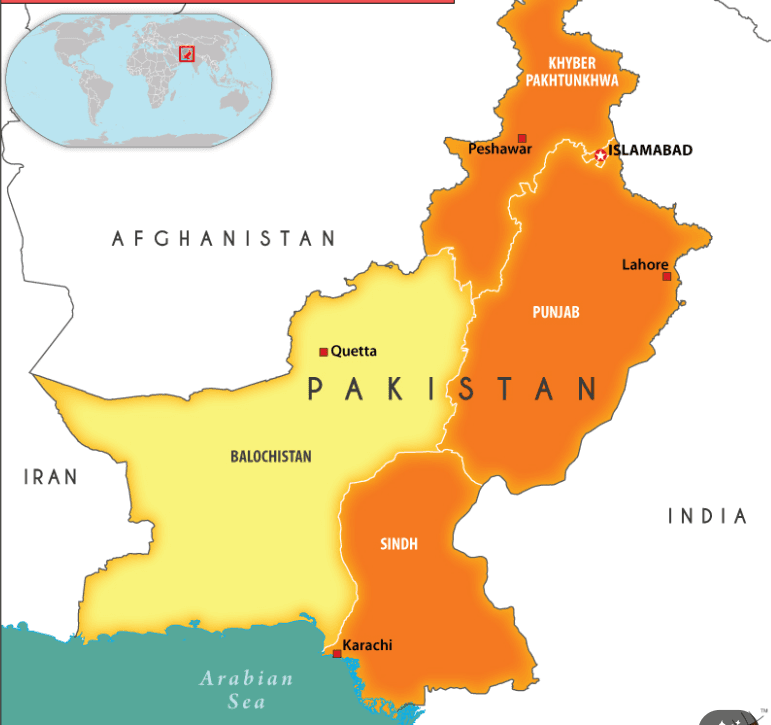
Province; Pakistan’s southwest; declared independent by separatist Mir Yar Baloch on 9 May 2025

Area ~347,190 sq km; ~44 % of Pakistan; capital Quetta near Afghan border

Borders Iran west, Afghanistan northwest, Sindh-Punjab east, Arabian Sea south with ~770 km coastline

Quick Facts for MCQs

Strategic Importance

  • Location offers access to Arabian Sea, West Asia via Gwadar
  • Controls land routes adjoining Iran, Afghanistan, Persian Gulf
  • Sits on Karachi-Gwadar maritime belt critical for energy shipping

Natural Resources

  • Holds Pakistan’s largest natural-gas fields; supplies about 40 % national demand
  • Contains Reko Diq with world-class copper-gold deposits
  • Resources underexploited due to security instability, poor infrastructure

Security Dimension

  • Multiple Baloch nationalist factions wage low-intensity insurgency since 2000s
  • Frequent attacks target CPEC projects, Pakistani army, Chinese personnel
  • Separatists demand autonomy, revenue share, withdrawal of federal forces

India Angle

  • India flags human-rights abuses in Balochistan at UN fora
  • Region factors into Delhi’s Indo-Pacific balancing against China-Pakistan corridor
  • Recent independence call urged India to recognize state, open embassy

China & CPEC

  • Gwadar forms southern node of China’s BRI; leases granted for 40 years
  • Corridor promises China shortest route to Arabian Sea, Middle-East oil
  • Insurgent violence poses major threat to Chinese workers and investment

Key Data Points

FeatureData-Point
Provincial area~347,190 sq km
Share of Pakistan land~44 %
Capital cityQuetta
Coastline length~770 km
Dominant ethnicityBaloch (Iranian descent)
Key languagesBalochi, Pashto, Brahui, Urdu
Major mineralsNatural gas, coal, copper, gold
Gas share in Pakistan≈40 % of supply
Flagship portGwadar, Arabian Sea
Climate typeDesert & dry steppe

Related UPSC Prelims PYQs

GEO_GS 2024PYQ 1

The ancient city of Taxila is situated in which one among the following provinces of Pakistan?

GS-3Editorial

6.Indigenous Communities in Biodiversity Conservation (Indigenous Conservation)

The Hindu

What & Where

Concept IPLC: Indigenous & local communities steward biodiversity through customary knowledge, tenure and participatory rights

Key Indian tools: FRA 2006, BDA 2002, PESA 1996 embed community decision-making in forest and resource governance

Core geography: Community-managed forests span Western Ghats, Central tribal belt, North-East shifting-cultivation landscapes

Quick Facts for MCQs

Legal & Policy

  • FRA grants Community Forest Resource titles; Gram Sabha authoritative on access, protection, benefit sharing
  • BDA mandates Biodiversity Management Committees to record traditional knowledge and regulate bio-resource use
  • JFM & Eco-development share NTFP revenue, fuelwood duties between Forest Department and villages

Community Examples

  • Bishnoi Rajasthan protect Khejri trees and blackbuck through religious edicts
  • Soliga Karnataka coexist with tigers and elephants inside Biligiri Rangana Hills reserve
  • Kani Kerala conserve medicinal plants within Agasthyamalai Biosphere Reserve, source of Jeevani drug

Global Frameworks

  • CBD Kunming-Montreal GBF 2022 installs permanent IPLC Subsidiary Body and participatory conservation targets
  • Nagoya Protocol demands fair benefit sharing for genetic resources linked to traditional knowledge
  • UNDRIP 2007 codifies collective land, culture, free informed consent standards for indigenous peoples

Way Forward

  • Expedite CFR claim settlement; embed Gram Sabhas in 30 by 30 area identification and governance
  • Create dedicated funds, eco-certification and carbon-credit channels for community conservation projects
  • Digitally archive traditional ecological knowledge with prior consent and equitable royalty mechanisms

Key Data Points

FeatureData-Point
FRA enactment2006
BDA enactment2002
PESA enactment1996
GBF Target 330 % land & oceans conserved by 2030 with IPLC rights
GBF Target 22Access to justice, secure tenure, decision participation
Nagoya Protocol year2010

Related UPSC Prelims PYQs

GS1 2014PYQ 1

Every year, a month-long ecologically important campaign/festival is held during which certain communities/tribes plant saplings of fruit-bearing trees. Which of the following are such communities/tribes?

GS1 2018PYQ 2

भारत में माल के भौगोलिक संकेत (रजिस्ट्रीकरण और संरक्षण) अधिनियम, 1999 को निम्नलिखित में से किससे संबंधित दायित्वों के अनुपालन के लिए लागू किया गया ?

GS-3Environment

7.UK Carbon Border Adjustment Mechanism (Carbon Border Tax)

Indian Express
Illustration for UK Carbon Border Adjustment Mechanism (Carbon Border Tax)

What & Where

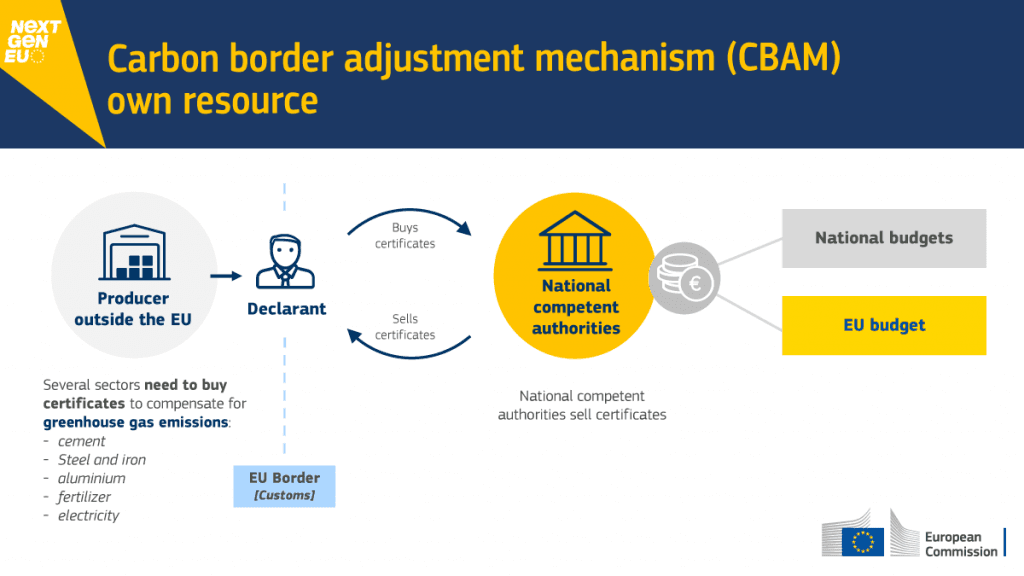
Carbon Border Adjustment Mechanism (CBAM) = border levy equalising carbon price on imports entering a regulated market.

Applied/planned by EU, UK; UK rollout slated 1 Jan 2027.

Targets high-emission goods — steel, aluminium, cement, fertilisers, electricity, more to follow.

Quick Facts for MCQs

Legal & Policy

  • CBDR principle asserts differentiated mitigation duties between developed and developing states
  • India labels UK CBAM unilateral, non-WTO-compliant, threatens reciprocal tariffs
  • Fear of CBAM template extending to labour, IPR, broader sustainability clauses

Economic Angle

  • Double levy risk erodes Indian cost advantage, especially in energy-intensive exports
  • Compliance may force domestic carbon tracking, ESG reporting infrastructure
  • MSMEs face cost squeeze without exemption, threatening jobs and margins

Trade Impact

  • Even post-FTA tariff cuts, CBAM creates effective new protectionist barrier
  • Sectors with thin margins like ceramics and apparel could lose UK market share
  • Possible chain reaction of similar measures by other partners challenging export strategy

Key Data Points

FeatureData-Point
Mechanism typeBorder carbon tax
Implementing blocsEU (2023 pilot), UK (2027 launch)
UK legal statusDraft policy announced, final design due 2024
UK start date1 January 2027
India’s objection basisCBDR under UNFCCC & Paris Agreement
Stated CBAM aimPrevent carbon leakage, level playing field
Initial UK sectorsSteel, aluminium, cement, ceramics, fertilisers, electricity
Potential Indian hitsSteel, engineering goods, textiles, ceramics
Key risk flaggedDouble taxation on carbon costs
Requested Indian carve-outMSME labour-intensive sectors (textiles, leather)

Related UPSC Prelims PYQs

CAPF_GAI 2024PYQ 1

CBAM (कार्बन बॉर्डर एडजस्टमेंट मेकेनिज़्म) के संबंध में निम्नलिखित में से कौन-सा/कौन-से कथन सही है/हैं?

GS-3Species

8.Saola Conservation Genome Breakthrough (Critically Endangered)

Down to Earth
Illustration for Saola Conservation Genome Breakthrough (Critically Endangered)

What & Where

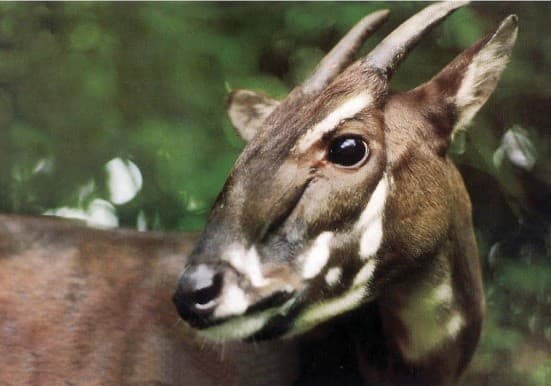
Saola (Pseudoryx nghetinhensis)―critically endangered, elusive bovine dubbed “Asian unicorn”.

Restricted to humid evergreen forests of Annamite Mountains along Laos–Vietnam border.

2024 study sequenced genomes of 26 individuals to guide conservation.

Quick Facts for MCQs

Genetic Insights

  • Sequencing exposed complementary alleles; mixing stocks can raise genetic diversity.
  • Divergence timeframe tied to climatic shifts and early human habitat change.
  • Reference genome offers markers for parentage tests, disease screening, field detection.

Conservation Action

  • Genome forms basis for first ex-situ breeding and eventual wild reintroduction plan.
  • Enables “genetic rescue” strategies used in black-footed ferret, California condor.
  • Success hinges on parallel snare removal and forest protection on ground.

Physical Identifiers

  • Distinct white facial stripes plus specialized muzzle scent glands.
  • Both sexes sport straight, parallel 50 cm horns assisting quick ID.
  • Stocky, antelope-like build; 33-inch shoulder height despite bovine lineage.

Key Data Points

FeatureData-Point
TaxonFamily Bovidae; antelope-like look
IUCN Red ListCritically Endangered
First described1993 (skull found 1992)
RangeAnnamite Mountains, Laos–Vietnam
Preferred habitatMoist evergreen forest, minimal dry season
Population estimate (2015)50 – 300 animals
Shoulder height≈ 33 in (≈ 0.85 m)
Horn length≈ 20 in; straight, parallel; both sexes
Main threatsSnaring, poaching, habitat loss
Genome findingPopulations diverged 5 k – 20 k years ago
GS-3S&T

9.HAROP Kamikaze Drone Capabilities (Loitering Munition)

Indian Express

What & Where

HAROP = Israeli loitering munition (kamikaze drone) combining UAV surveillance with missile-style terminal strike

Reportedly used by India on 8 May 2025 under Operation Sindoor against Pakistani air-defence system in Lahore

Launchable from truck canisters, naval vessels or fixed pads, endurance 9 h, functions even in GNSS-denied zones

Quick Facts for MCQs

Security Dimension

  • India’s cross-border HAROP strike signals growing SEAD preference over crewed aircraft
  • High-value asset focus: radars, SAMs, command posts, tanks, mobile targets
  • Loiter capability enables threat neutralisation inside heavily defended airspace with reduced escalation risk

Technical Features

  • EO seeker streams live video, permitting in-flight target confirmation without preset coordinates
  • 9-hour endurance allows wide-area surveillance, deep-target prosecution in single sortie
  • GNSS-denied operation counters jamming, autonomous guidance culminates in explosive dive on target

Operational Context

  • Multi-platform launch gives dispersed, rapid deployment flexibility across land and sea fronts
  • Combines missile lethality with UAV persistence, acting as roaming sensor cum warhead
  • Optimised for Suppression/Destruction of Enemy Air Defences (SEAD/DEAD) missions, augmenting conventional precision weapons

Key Data Points

FeatureData-Point
DeveloperIsrael Aerospace Industries (IAI)
CategoryLoitering munition / suicide drone
Indian operationOperation Sindoor
Strike date8 May 2025
Target typeAir-defence radar system, Lahore
EnduranceUp to 9 hours loiter
SensorElectro-optical real-time seeker
NavigationWorks without GNSS, immune to GPS jamming
Attack modesAutonomous or manual, fire-and-forget
Launch platformsTruck canister, ship deck, fixed ground
GS-3S&T

10.India’s Integrated Air Defence Systems (Air Defence)

Times of India
Illustration for India’s Integrated Air Defence Systems (Air Defence)

What & Where

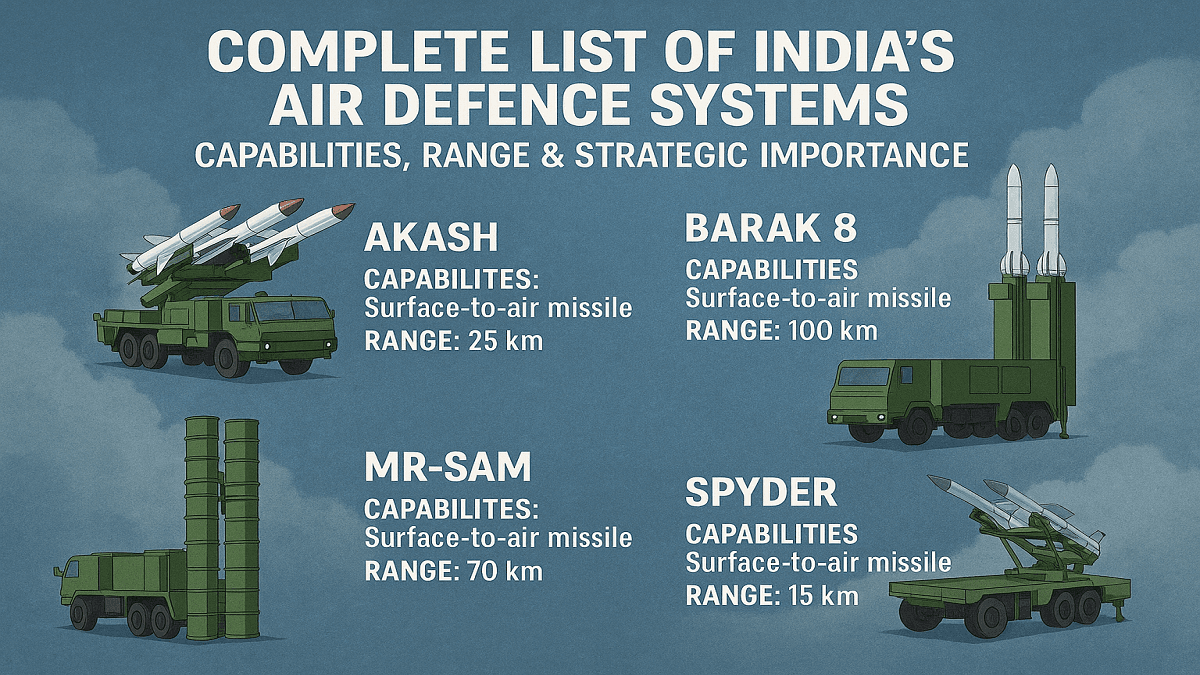
Air-Defence System – networked radars, command nodes, interceptors, EW assets to detect-track-neutralise hostile aerial objects.

Threat spectrum – ballistic/cruise missiles, UAVs, manned aircraft; tackled via long-, medium-, short-range engagement layers.

Geography – Western India; Operation Sindoor repelled Pakistan’s drone-missile swarm on 9 May 2025.

Quick Facts for MCQs

Security Dimension

  • Swarm attack combined cruise missiles and UAVs, demanding simultaneous engagements across all defensive tiers.
  • Successful intercepts underscored Indian preparedness and joint-service coordination under a single command structure.

Tech & Schemes

  • S-400 provides outer shield, intercepting aircraft or missiles before 400 km; links seamlessly with inner tiers.
  • Barak-8 co-developed with Israel defeats high-speed, sea-skimming or manoeuvring targets at 70–100 km range.
  • Counter-UAS grid employs electronic jamming, GPS spoofing and close-in guns against low-slow-small drones.

International Components

  • System mix: Russian S-400 & Pechora, Indo-Israeli Barak-8, indigenous Akash, creating diversified supply chain and capability depth.
  • Blend of import and Make-in-India assets lowers strategic dependence and eases maintenance logistics.

Key Data Points

FeatureData-Point
Attack date9 May 2025
Operation nameSindoor
Aggressor statePakistan
Defence conceptMulti-layered integrated air shield
Long-range layerS-400 Triumf (up to 400 km)
Medium layerBarak-8 MRSAM (≈70–100 km)
Short layerAkash SAM (25–30 km)
Legacy assetS-125 Pechora (35 km)
Counter-UAS toolsJamming, spoofing, guns
Barak-8 partnersIndia–Israel

Related UPSC Prelims PYQs

CAPF_GAI, GS1 2003PYQ 1

With reference to Indian defence, which one of the following statements is correct?

CAPF_GAI, GS1 2023PYQ 2

What are Airawat, Param Siddhi, Pratyus and Mihir?

GS-3Security

11.Mission Sankalp Anti-Naxal Operation (Anti-Naxal Operation)

Indian Express

What & Where

Mission Sankalp: joint anti-Naxal offensive targeting Battalion-1, People’s Liberation Guerrilla Army (CPI-Maoist)

Karregutta hill forests along Bijapur (Chhattisgarh) – Mulugu (Telangana) inter-state border

Goal: flush leaders, destroy bunkers, open corridor for state governance

Quick Facts for MCQs

Security Dimension

  • Decapitation focus aims crippling of Maoist command-and-control in core jungle zone
  • State dominance reclaimed in erstwhile no-go red-corridor pockets, uplifting civilian morale
  • National-security priority signals proactive rather than reactive counter-LWE stance

Operational Tactics

  • Precision strikes guided by UAV imagery and human intelligence in dense canopy terrain
  • Multi-state cordon blocks guerrilla exfiltration across administrative borders
  • Bunkers, ration depots, IED labs neutralised to choke rebel logistics chain

Governance Impact

  • Cleared corridor expected to enable road, telecom and welfare project rollout
  • Security push paired with development to integrate remote tribal belts into mainstream economy
  • Long-term aim: shrink Maoist recruitment base through visible state presence and services

Key Data Points

FeatureData-Point
Launching forcesChhattisgarh & Telangana Police, CRPF, CoBRA (joint command)
Total personnel24,000 + including DRG, STF, Bastar Fighters
Core terrain40 km + Karregutta hill range, Dandakaranya forest
Air assetsIndian Air Force helicopters, continuous UAV surveillance
Primary targetBattalion-1, PLGA (armed wing of CPI-Maoist)
Explosives seized>1,000 kg plus detonators, medical & electronic kits
Operation statusThird week; largest coordinated inter-state LWE push
Policy linkSupports Centre’s zero-tolerance approach on Left Wing Extremism

Related UPSC Prelims PYQs

CAPF_GAI, GS1 2022PYQ 1

‘Operation Sankalp’ was initiated and implemented by the

CAPF_GAI, GS1 2024PYQ 2

मूलभूत आवश्यकताओं को पूरा करने सहित दूरस्थ क्षेत्रों में स्थानीय जन-समुदाय के उद्धार के लिए सेना द्वारा संचालित अभियान (ऑपरेशन) को क्या कहा जाता है ?

GS-1Editorial

12.Persistent Child Labour in India (Child Labour)

Indian Express

What & Where

Definition Child labour = work denying childhood, schooling, safety; banned below 14, hazardous ban till 18

Geography India’s informal sector; hotspots in UP, Bihar, Rajasthan, MP, Telangana

Key sites Agriculture, construction, fireworks, glass, leather, brick-kilns absorb bulk of child workforce

Quick Facts for MCQs

Legal & Policy

  • Provision JJ Act 2015 mandates rescue, rehab through CWCs, empowers police to file FIRs
  • Loophole Family-enterprise exception allows post-school work, often disguising commercial labour
  • Proposal Mandatory employer reporting, repeal or narrow family clause

Magnitude & Sectors

  • UNICEF half of working children invisible inside homes, complicating inspections
  • High-risk fireworks, glass, tannery expose minors to toxins, burns, respiratory injuries
  • Agriculture largest absorber, seasonal demand pulling drop-outs during harvest

Enforcement Gaps

  • Inspection Labour department understaffed, poor rural outreach, weak inter-agency coordination
  • Data No post-2011 census child-labour figures; disaggregation by gender/urban absent
  • Example 2024 MP distillery: 58 minors on 11-hour chemical shifts, inspection failure exposed

Poverty & Social Factors

  • Causality Low adult wages, 6 million unemployed adults push families to depend on children
  • Malnutrition India hosts half of global wasted children, reducing classroom retention, fuelling labour cycle
  • Awareness Campaigns like Lay Off 7.8 Million Children stress societal responsibility

Key Data Points

FeatureData-Point
Article prohibiting child labourArt 24, Constitution
Directive Principles linkedArt 39 (e) & (f)
Core law & last amendmentChild & Adolescent Labour Act 1986, amended 2016
Age bands in Act<14 totally banned; 14-18 hazardous ban
Cases registered 2021613 under CL Act
Estimated child workers (PLFS 2018-19)18–33 lakh
Share in family enterprises≈50 %
Major SC judgmentM C Mehta v Tamil Nadu 1996
JJ Act stanceVictims = Children in Need of Care & Protection
RTE Act coverageFree schooling 6-14 yrs

Related UPSC Prelims PYQs

GS1 2004PYQ 1

Which Article of the Constitution of India says, “No child below the age of fourteen years shall be employed to work in any factory or mine or engaged in any other hazardous employment”?

GS1 2018PYQ 2

International Labour Organization’s Conventions 138 and 182 are related to

GS-1Editorial

13.Social Media Impact on Self-Worth (Social Media Impact)

The Hindu

What & Where

Social media: web & mobile platforms for user-generated creation, sharing, interaction.

Types: photo/video sharing, microblogging, short-video apps, long-form communities.

India: rapidly shaping adolescent identity; regulated chiefly by IT Act 2000.

Quick Facts for MCQs

Legal & Policy

  • IT Act 2000 frames intermediary liability; 2021 rules add traceability, grievance officer.
  • POCSO bans child sexual content; Consumer Act 2019 targets misleading influencer ads.
  • Proposed norms: transparency for sponsored child content, ad disclosures.

Mental Health Impact

  • Continuous social comparison fuels anxiety, depression among teens.
  • Filtered images trigger distorted body image and social withdrawal.
  • Follower loss or negative feedback can precipitate suicidal ideation.

Parental & School Role

  • Digital-literacy curricula should cover algorithms, emotional hygiene, help-lines.
  • Trust-based dialogue outperforms surveillance; secrecy rises with over-monitoring.
  • Parent tech-skill gap hampers decoding of slang, trends, hidden accounts.

Platform Accountability

  • Algorithms urged to deprioritise harmful content for minors.
  • Hiding likes/follower counts and issuing mental-health prompts recommended.
  • Budgeted school counsellors & peer-support networks to complement tech design.

Key Data Points

FeatureData-Point
DefinitionWeb-based & app platforms for user-generated content
Primary Indian lawInformation Technology Act, 2000
Latest content rulesIntermediary Guidelines & Digital Media Ethics Code, 2021
Child-protection statutePOCSO Act, 2012
Mental health rightMental Healthcare Act, 2017
Consumer ads lawConsumer Protection Act, 2019
Hidden teen accounts“Finsta” (fake Instagram) practice
Key vulnerable groupAdolescents in identity-formation stage
Major mental risksBody dysmorphia, eating disorders, suicidal ideation

Related UPSC Prelims PYQs

ESE_GS 2024PYQ 1

Which one of the following Acts mandates schools and libraries in India to use some form of technological protection to block computer access to obscene material, pornography, and anything else considered harmful to minors?

Ready to practice?

Test your knowledge with our UPSC test series.

Start Free Trial