UPSC Current Affairs

12 topicsGS-1: 5GS-2: 2GS-3: 5
0/12 done
GS-2Polity

1.POCSO Act Section 19 Review (Mandatory Reporting)

The Hindu

What & Where

Section 19, POCSO Act 2012, India — compulsory reporting of known or suspected child sexual offences

Coverage pan-India; information to be given to police in child-friendly manner for swift protection

Non-reporting or false reporting punishable, reinforcing immediate care and legal intervention

Quick Facts for MCQs

Legal & Policy

  • Supreme Court admitted plea questioning Section 19’s constitutional validity
  • Act derives from India’s 1992 ratification of UN Convention on Rights of the Child
  • Mandatory clause overrides adolescent consent, treats consensual teen sex as offence

Healthcare Impact

  • Doctors face dilemma between patient confidentiality and legal duty to inform police
  • Adolescents deterred from lawful medical services, lean toward unsafe or unregulated options
  • Reporting requirement may hinder access to emergency contraception, abortion, STI treatment

Social Concerns

  • Criminalization of consensual peer relationships risks stigmatizing normal adolescent behavior
  • Fear of prosecution discourages youth from seeking psychosocial support
  • Mandatory reporting intended for protection may paradoxically increase vulnerability

Key Data Points

FeatureData-Point
Enacted2012
Child age cut-offBelow 18 yrs
Section 19 keywordMandatory reporting
Penalty for non-reportingCriminal liability
Section 23 safeguardVictim identity confidentiality
Act gender stanceGender-neutral
GS-1Editorial

2.Taj Mahal Pollution Safeguards (World Heritage Site)

The Hindu
Illustration for Taj Mahal Pollution Safeguards (World Heritage Site)

What & Where

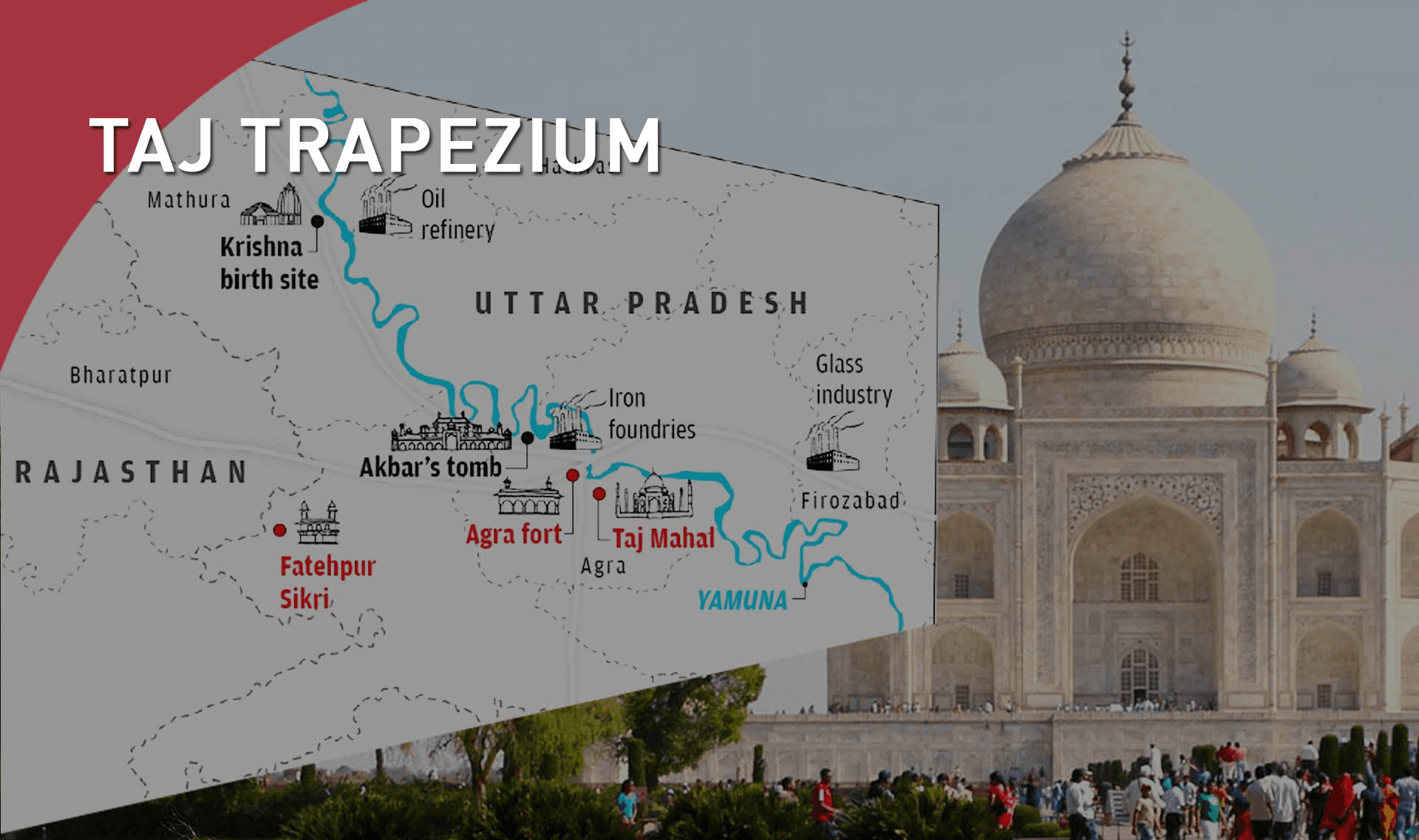
Taj Mahal – 17 ha white-marble Mughal mausoleum on Yamuna’s right bank, Agra (Uttar Pradesh)

Taj Trapezium Zone (TTZ) – 10,400 km² pollution-control trapezoid enveloping Taj, Agra Fort & Fatehpur Sikri

Apr 2025 – Supreme Court asks CSIR-NEERI to study glass-industry emissions impacting monument

Quick Facts for MCQs

Legal & Policy

  • SC-1996 banned coal/coke, ordered industry fuel switch, set pollution-category norms
  • TTZ Authority (1999) lacks staff, funds, statutory teeth per 262nd Parliamentary report
  • Constitution Articles 48A & 51A(g) cited for stricter enforcement

Environmental Impact

  • NEERI-2016 observed PM2.5 & PM10 above limits; Mathura Refinery major distant source
  • Hota-2016 flagged vehicular, biomass, construction dust as dominant local contributors
  • Black/brown carbon stains causing marble yellowing documented in ASI studies

Tech & Schemes

  • Flue Gas Recirculation plus Low-NOx burners advised for glass units to curb particulates
  • Transition to piped natural gas, renewables aligned with SATAT & Ujjwala initiatives
  • Integrated traffic plan: Agra Metro, cycle tracks, e-rickshaws under NEMMP to trim vehicular SOx/NOx

Key Data Points

FeatureData-Point
Main construction span1632-1648 AD
Ancillary works done by1653 AD
Chief architectUstad-Ahmad Lahori
Marble sourceMakrana, Rajasthan
Garden styleTimurid-Persian Charbagh
UNESCO inscription1983, Criterion (i)
TTZ notified area10,400 sq km
Key SC caseM.C. Mehta vs Union (1996)
Fuel ban inside TTZCoal/Coke; shift to natural gas
Managing agencyArchaeological Survey of India
GS-1HistoryQuick Bite

3.Lanjia Saora Tribal Culture (Tribal Communities)

The Hindu
Illustration for Lanjia Saora Tribal Culture (Tribal Communities)

What & Where

Lanjia Saora = isolated hill-dwelling subgroup of Odisha’s ancient Saora tribe

Two economic groups: Sudha Saora (plains, wet farming) & Lanjia Saora (hills, shifting/terraced)

Core geography: forested hills of Gajapati & Rayagada districts; Saora also in AP, JH, MP, Assam

Quick Facts for MCQs

Culture & Art

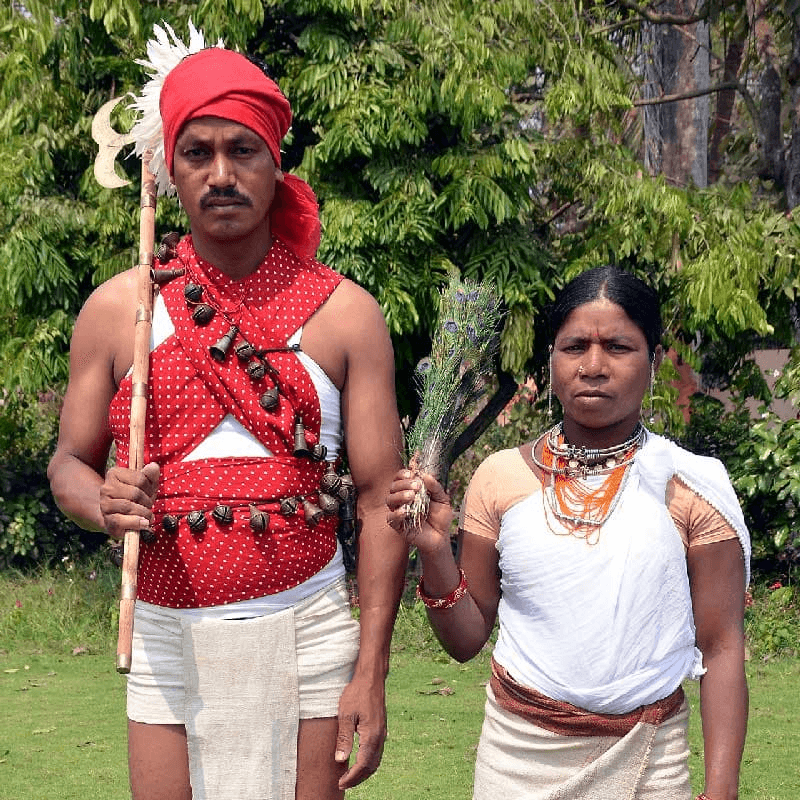
  • Dance vibrant, spontaneous songs with brass pipes, cymbals, gongs
  • Costume uses crane feathers, umbrellas, swords, peacock plumes
  • Tattoo Tantangbo signifies identity and rituals

Livelihood

  • Lanjia Saora practice shifting plus terraced farming on hill slopes
  • Sudha Saora engage in wet cultivation and wage labour in plains

Linguistics & Demography

  • Language Saora part of Mundari branch, Austroasiatic family
  • Tribe spread across Odisha and pockets of AP, Jharkhand, MP, Assam

Key Data Points

FeatureData-Point
Language familyAustroasiatic → Mundari → Saora
Main districts (Odisha)Gajapati, Rayagada
Epic referencesMentioned in Ramayana, Mahabharata
Dance instrumentsBrass pipes, cymbals, gongs
Turban adornmentCrane feathers
Tattoo traditionTantangbo
Dance hand-heldsUmbrellas, swords, peacock plumes
Plains subgroupSudha Saora
Hill subgroupLanjia Saora
Farming style, hillsShifting & terraced cultivation
GS-3Environment

4.South Sandwich Islands Biodiversity (Deep-Sea Species)

Times of India
Illustration for South Sandwich Islands Biodiversity (Deep-Sea Species)

What & Where

Copepods – tiny, abundant aquatic crustaceans linking phytoplankton to higher predators.

Pig-tailed parasitic copepod Lophoura szidati filmed on deep-sea rattail near South Sandwich Islands.

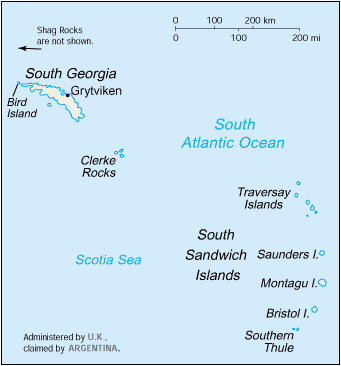
South Sandwich Islands – glacier-covered, volcanic arc in South Atlantic, 760 km SE of South Georgia.

Quick Facts for MCQs

Biological Traits

  • Size-range extreme enables free-living millimetres & parasitic centimetres.
  • Missing heart compensated by diffusion respiration.
  • Bioluminescence used as predator evasion flash.

Habitat Range

  • Distribution spans freshwater, saltwater, moist soil, underground caves.
  • Recorded from polar ice caps to deepest trenches and vents.
  • South Sandwich Islands sit north of Weddell Sea in remote South Atlantic.

Geopolitical Status

  • Islands split from Falklands administration only in 1985.
  • Brief Argentine hold became Falklands War flashpoint in 1982.
  • Currently managed by UK as conservation-focused protected area.

Key Data Points

FeatureData-Point
Taxonomic classCrustacea (subclass Copepoda)
Usual body length1–2 mm; parasites reach 20 cm
Body shapeTransparent, teardrop, long antennae
Eye countSingle median red eye
Circulatory systemNo heart/vessels; Calanoida exception
RespirationOxygen absorbed through body surface
LocomotionOar-like antennae; rapid jumps
Daily water filteredUp to 1 million× body volume
BioluminescencePresent in several species
Mate locationChemical pheromone trails
Habitat spreadPolar ice to hydrothermal vents, caves, soil
South Sandwich length≈ 305 km island chain
Volcano statusActively volcanic throughout chain
Political statusUK Overseas Territory (with South Georgia)
Past occupationArgentine military 1976; retaken 1982
InhabitabilityHarsh, uninhabited, glacier-covered
GS-3SpeciesQuick Bite

5.Colossal Squid Deep-Sea Discovery (Deep-Sea Species)

Indian Express
Illustration for Colossal Squid Deep-Sea Discovery (Deep-Sea Species)

What & Where

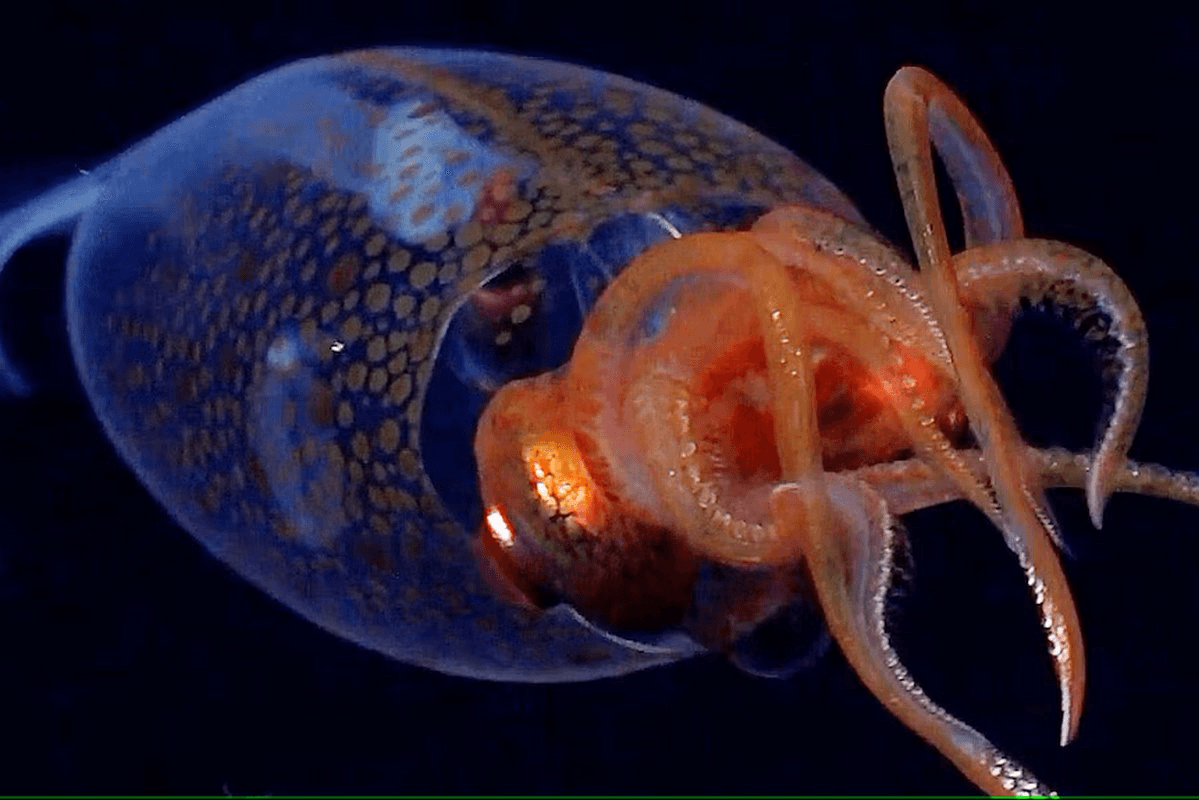
Definition Colossal squid (Mesonychoteuthis hamiltoni) largest known invertebrate; class Cephalopoda, family Cranchiidae

Geography Circumpolar Southern Ocean; lives 200–4,000 m deep (meso- to bathypelagic) around Antarctica

Milestone First live image captured April 2025 at ~2,000 ft (≈ 610 m)

Quick Facts for MCQs

Biological Traits

  • Size giant soft-bodied; females larger; boneless muscular mantle
  • Vision massive eyes enhance low-light detection in deep sea
  • Weaponry tentacles armed with powerful swivelling hooks for prey capture and defense

Habitat & Range

  • Distribution circumpolar waters south of 45° S, highest abundance near Antarctic continental slope
  • Depth present from mid-water 200 m down to 4,000 m; image at 610 m confirms mesopelagic presence
  • Fishery not targeted commercially; occasional by-catch only

Trophic Links

  • Predator role active ambush hunter of large fish and squids in deep sea food web
  • Prey status principal food for sperm whales; juveniles eaten by seals and other marine predators
  • Ecological niche both apex predator and critical prey, sustaining Antarctic deep-sea energy flow

Key Data Points

FeatureData-Point
Scientific nameMesonychoteuthis hamiltoni
Max adult length~14 m
Max recorded weight~500 kg
Eye sizeLargest in animal kingdom
Depth zone200–4,000 m
Adult colourReddish or purplish
Tentacle armatureSwivelling hooks
ReproductionInternal fertilisation
IUCN statusLeast Concern
Commercial fishingNone
Chief preyPatagonian toothfish, large squids
Top predatorSperm whale
Compared speciesGiant squid longer but slender
GS-3S&T

6.CSIR-IMMT Critical Minerals Pact (Critical Minerals)

DD News

What & Where

CSIR-IMMT: CSIR institute specialising in mineral & material resource engineering and sustainable resource development.

Signed Joint Declarations with Russia’s Giredmet, Rosatom, NUST MISIS for critical mineral processing R&D.

HQ: Bhubaneswar, Odisha; set up 13 Apr 1964 as RRL, rechristened CSIR-IMMT in 2007.

Quick Facts for MCQs

Tech & Schemes

  • Focus: critical mineral technologies, process metallurgy, advanced material processing.
  • Provides industry consultancy and tech transfer via PPP models.
  • Aims for zero-waste mining through innovative separation and recycling techniques.

International Collaboration

  • India–Russia declarations boost joint R&D in critical mineral beneficiation and recycling.
  • Partnership strengthens supply-chain security for EV, solar, defence sectors.
  • Positions India as global knowledge hub in sustainable resource tech.

Environmental Impact

  • Zero-waste mining reduces tailings, land degradation, and water contamination.
  • Sustainable extraction supports low-carbon technologies essential for green transition.
  • Emphasis on resource efficiency aligns with circular-economy goals.

Key Data Points

FeatureData-Point
Parent bodyCouncil of Scientific & Industrial Research
Original nameRegional Research Laboratory, Bhubaneswar
Establishment date13 April 1964
Renamed as IMMT2007
Headquarters cityBhubaneswar, Odisha
Russian collaboratorsGiredmet, Rosatom, NUST MISIS
Core mandateMineral processing, zero-waste mining, advanced materials
Vision linkageAtmanirbhar Bharat & Viksit Bharat

Related UPSC Prelims PYQs

GS1 2025PYQ 1

Consider the following statements:

GS-3S&T

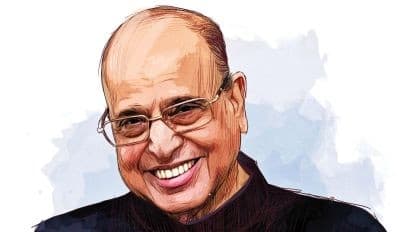
7.Dr K Kasturirangan Legacy (ISRO Leadership)

The Hindu
Illustration for Dr K Kasturirangan Legacy (ISRO Leadership)

What & Where

Who: Dr. K. Kasturirangan — Indian astrophysicist; ISRO Chairman (1994-2003)

Where/Field: Led India’s operational space era; specialised in high-energy X-ray & γ-ray astronomy

What: Also chaired NEP 2020 panel; pushed “Space for Society” via NNRMS

Quick Facts for MCQs

Space Programme Leadership

  • Transitioned ISRO from experimental to fully operational satellite services
  • Advocated indigenous capability; boosted launch frequency & commercial contracts
  • Positioned ISRO as national agency serving telecom, remote sensing, meteorology

Satellite Missions

  • Pioneered sector-specific satellites: education, telemedicine, earth-resources, oceanography
  • Enabled CARTOSAT series for high-resolution cartography; built climate mission Meghatropiques
  • Laid groundwork for ASTROSAT, India’s first dedicated space-science observatory

Education & Policy

  • NEP 2020 vision: equitable, multidisciplinary, technology-enabled learning ecosystem
  • Promoted “Space for Society” using National Natural Resource Management System
  • Steered knowledge commissions, linking research, higher education, and governance

Honours & Positions

  • Decorated with Padma Shri, Padma Bhushan, Padma Vibhushan
  • Served as Secretary, Dept. of Space; member, Planning Commission committees
  • Fellow: all three National Science Academies; global advisory roles in space science

Key Data Points

FeatureData-Point
Age at passing84 years
ISRO Chairmanship1994 – 2003
Launchers operationalisedPSLV, GSLV
First lunar mission ideatedChandrayaan-1
Commercial leapINSAT-2E transponders leased to INTELSAT (1999)
Thematic satellites kicked offEDUSAT, RESOURCESAT, OCEANSAT, CARTOSAT, Meghatropiques, ASTROSAT
Major policy roleChair, National Education Policy 2020 panel
Parliamentary tenureRajya Sabha MP 2003-09
Top civilian honourPadma Vibhushan
Key institutional headsNIAS, Karnataka Knowledge Commission

Related UPSC Prelims PYQs

GS1, NDA_GAT 2022PYQ 1

Who among the following is appointed as the tenth Chairman of the Indian Space Research Organization (ISRO) recently?

GS1, NDA_GAT 2001PYQ 2

Who amongst the following was the Chairman of ISRO when INSAT-3B was launched?

GS-3Security

8.India-Pakistan Cross-Border Infiltration (Border Security)

Indian Express

What & Where

Cross-border infiltration: armed militants illegally traverse India-Pakistan LoC to stage terror strikes inside J&K.

Core belt: Pir Panjal mountains—Poonch, Rajouri, Kathua, Doda—expanding to tourist axis Pahalgam.

Entry aided by rugged forests, winter-breached fencing and Pakistani terror group backing.

Quick Facts for MCQs

Key Drivers

  • Porous terrain; dense Pir Panjal forests mask militant movement.
  • Winter snowfall snaps fence strands, creating exploitable gaps.
  • External backing; Pakistan groups supply guides, encrypted comms, logistics.

Government Measures

  • Border fencing plus heavy LoC troop deployment with night-vision and QRTs.
  • CIBMS integrates thermal imagers, radars, ground sensors, aerostats into single grid.
  • Smart-fence pilots: sensor-triggered breach alerts reduce manual patrolling load.

Operational Challenges

  • Night-vision gear suffers limited battery life, harsh-terrain maintenance issues.
  • Extreme cold and steep climbs sap troop endurance, hinder 24×7 vigilance.
  • Border-sealing project lags; modernization funds and logistics delayed.

Way Ahead

  • Intelligent, all-weather fencing resilient to snow, auto-detects intrusion.
  • Continuous drone & aerostat surveillance over gullies and forested corridors.
  • Dedicated rapid-repair squads to restore damaged fence within hours.

Key Data Points

FeatureData-Point
Border fencing kick-offPost-2003 ceasefire
Infiltration success rate (2010)≈20 % of attempts
Fence damaged by snowfall~33 % each winter
Full border-sealing deadlineShifted to 2025 (from 2018)
Flagship tech suiteCIBMS – thermal imagers, radars, sensors, aerostats
High-risk districtsPoonch, Rajouri, Kathua, Doda, Pahalgam
GS-2Scheme

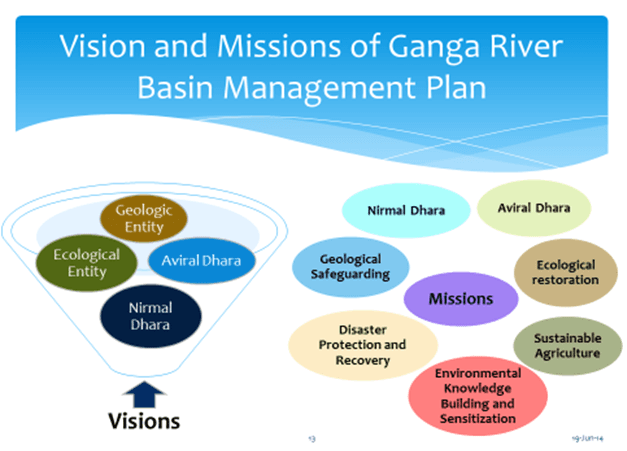
9.Clean Ganga Mission (River Rejuvenation)

News on Air
Illustration for Clean Ganga Mission (River Rejuvenation)

What & Where

NMCG – implementation arm of National Ganga Council; rejuvenates, manages and monitors entire Ganga river basin.

RCA – 2021 inter-city platform enabling sustainable urban river management across India.

2024 master plan cleared to embed river-sensitive urban planning in all RCA member cities.

Quick Facts for MCQs

Legal & Policy

  • Registration – NMCG set up under Societies Act; aligns with National Ganga Council decisions.
  • Alliance – RCA notified jointly by two Union ministries to institutionalise urban river governance.
  • Master-plan – Annual integrated plan aims statutory mainstreaming of river-sensitive zoning.

Governance Structure

  • Dual-tier – Governing Council sets vision; Executive Committee sanctions projects, both chaired by Director General.
  • Devolution – SPMGs execute schemes; district committees ensure on-ground coordination.
  • Financial-power – Up to ₹1,000 crore approvals without Cabinet referral speeds execution.

Capacity Building

  • Networking – RCA facilitates peer learning, best-practice exchange, joint pilots among river cities.
  • Training – NIUA conducts workshops, toolkits, e-courses on river-centric urban planning.
  • Innovation – Platform encourages tech adoption for pollution control, flow augmentation, riverfront development.

Key Data Points

FeatureData-Point
NMCG registration date12 Aug 2011
Statutory basisSocieties Registration Act 1860
Parent ministryJal Shakti (DoWR, RD & GR)
Governing bodiesGoverning Council; Executive Committee
Director General roleHeads both bodies
Project clearance cap₹1,000 crore by Executive Committee
State armsState Programme Management Groups
System levelsFive-tier: National→District
RCA launch year2021
Launch ministriesJal Shakti & Housing-Urban Affairs
RCA secretariatNational Institute for Urban Affairs
Initial member cities30 (Varanasi, Dehradun, Chennai, Pune)

Related UPSC Prelims PYQs

GS1, NDA_GAT 2016PYQ 1

Which of the following are the key features of ‘National Ganga River Basin Authority (NGRBA)’?

GS1, NDA_GAT 2022PYQ 2

Which among the following has initiated a nationwide flagship campaign ‘Puneet Sagar Abhiyan’ to clean seashores/beaches and other water bodies of plastic and other waste materials?

GS-1Editorial

10.UN World Social Report 2025 (Economic Inequality)

UN

What & Where

UN DESA’s flagship World Social Report tracks global socio-economic trends and policy gaps.

2025 edition focuses on equity, economic security, solidarity using 1995-2024 cross-country data.

Worldwide scope; flags fragile livelihoods in Africa, South Asia and climate-conflict hotspots.

Quick Facts for MCQs

Economic Angle

  • Inequality widening; richest 1 % hold disproportionate assets.
  • Informal, precarious employment dominant in Africa, South Asia, fueling unstable incomes.
  • Policy recommendation: progressive taxation plus universal social protection to reduce concentration.

Social Concerns

  • Trust deficit; >50 % report low or no trust in government institutions.
  • Digital misinformation and echo chambers intensify societal polarization.
  • Youth trust shows steep decline since late 1990s, undermining civic engagement.

Climate & Conflict

  • Climate shocks affected 20 % of people in 2024, eroding poverty gains.
  • Conflicts exposed 14 % of global population, worsening insecurity and displacement.
  • Recommendation: climate-resilient safety nets to safeguard poor and marginalized.

Key Data Points

FeatureData-Point
Population facing economic insecurity60 %
People in extreme poverty690 million
Countries with rising inequalityTwo-thirds
Richest 1% wealth shareExceeds combined 95 % population
People lifted from poverty since 1995>1 billion
Workforce fearing job loss60 %
Population hit by climate shocks (2024)1 in 5
Population living amid conflicts (2024)1 in 7
GS-1Social Issues

12.Nutrition For Growth Summit Outcomes (Child Nutrition)

The Hindu

What & Where

Nutrition for Growth (N4G) Summit — biennial global pledging meet on malnutrition; 2024 edition in Paris, France

UN Decade of Action on Nutrition — 2016-25 initiative now prolonged to 2030 via N4G consensus

Minimum Dietary Diversity (MDD) — SDG-2 indicator; child must eat ≥5 of 10 specified food groups daily

Quick Facts for MCQs

Child Health Impact

  • Growth-spurts demand high nutrient density; failure leads to irreversible stunting, anaemia
  • Behaviour; adequate micronutrients boost cognition, emotional resilience, social adjustment
  • Life-course; poor teenage diet escalates diabetes, CVD, obesity incidence in adulthood

Food Environment Challenges

  • Marketing; algorithm-driven ads and quick-commerce push ultraprocessed, sugary foods
  • Diversity gap; majority Indian children miss five-food-group MDD benchmark
  • Infrastructure; few schools possess kitchen gardens, trained teachers, practical cook-labs

Policy & Education Actions

  • Curriculum; integrate age-wise food literacy from preschool to middle school under NCERT revision
  • Training; build teacher capacity via nutrition modules, digital toolkits, local recipe compendiums
  • Experiential; mandate school gardens, tasting sessions, community food fairs to cement learning

Key Data Points

FeatureData-Point
2024 N4G host cityParis
Key summit askEmbed nutrition education in school curricula
Decade of Action extension2025-2030
SDG linkageSDG-2 “Zero Hunger” target 2.2
Adolescent recovery window“Second chance” for correcting early deficits
Adult disease tie-in70 % preventable NCDs trace to childhood diets

Related UPSC Prelims PYQs

GS1 2023PYQ 1

‘पोषण मुक्त भारत अभियान’ के अंतर्गत की जा रही व्यवस्थाओं के संबंध में, निम्नलिखित कथनों पर विचार कीजिए :

Ready to practice?

Test your knowledge with our UPSC test series.

Start Free Trial