UPSC Current Affairs

15 topicsGS-1: 4GS-2: 4GS-3: 7
0/15 done
GS-2Polity

1.Tamil Nadu Federalism Review Committee (Centre-State Relations)

The Hindu

What & Where

Committee Tamil Nadu; three members announced April 2025

Purpose review Centre-State relations; recommend stronger state autonomy within constitutional framework

Scope constitutional provisions, devolution, fiscal and legislative powers across India

Quick Facts for MCQs

Core Issues

  • Legislative shift Concurrent List reducing state autonomy in health education
  • National policies like NEET, NEP supersede regional preferences and languages
  • States excluded from major decisions eg demonetisation undermining cooperative federalism

Commission Recommendations

  • Rajamannar sought repeal Article 356; strengthen Inter-State Council
  • Sarkaria advocated rare use Article 356, prior warnings, permanent ISC 1990
  • Punchhi pushed state consultation on Concurrent bills, fiscal autonomy expansion

Fiscal Dimension

  • GST cited revenue loss; Tamil Nadu receives only 29 paise per rupee contributed
  • Centre grants formula perceivably disadvantages high-performing southern states

Political Representation

  • Delimitation post-2026 may cut seats for Tamil Nadu, Kerala, penalising demographic success
  • Governorship issues; ARC 1969 urged experienced non-partisan appointees to uphold impartiality

Key Data Points

FeatureData-Point
Initiating stateTamil Nadu
Committee size3 members
Formation month-yearApril 2025
Prime triggerPerceived erosion of state powers
42nd Amendment shift5 subjects State→Concurrent List
Sample shifted subjectsEducation, forestry, wildlife, justice admin, weights & measures
Flagged central articleArticle 356 (President’s Rule)
Exam policy disputeNEET overriding state quota focus

Related UPSC Prelims PYQs

GS1 2019PYQ 1

Which one of the following suggested that the Governor should be an eminent person from outside the State and should be a detached figure without intense political links or should not have taken part in politics in the recent past?

GS1 2009PYQ 2

With which one of the following has the B. K. Chaturvedi Committee dealt?
GS-2PolityQuick Bite

2.Birth and Death Registration Provisions (Civil Registration)

The Hindu

What & Where

Civil Registration System (CRS): nationwide digital platform recording every birth, death, stillbirth.

Registration of Births & Deaths Act 1969, amended 2023, applies across India and at Indian consulates.

Supervised by Registrar General of India (RGI), Ministry of Home Affairs, New Delhi.

Quick Facts for MCQs

Legal & Policy

  • RBD Act mandates on-site registration of every birth, death, stillbirth.
  • 2023 amendment enforced end-to-end digital workflow, retained 21-day limit.
  • Section 20 allows 60-day in-India registration for overseas-born children of settlers.

Administrative Hierarchy

  • RGI heads; Chief (state), District, Local registrars implement provisions.
  • Local registrars issue certificates, collect late fees, upload data.
  • RGI additionally manages Census, NPR, Linguistic Survey.

Tech & Schemes

  • CRS portal compulsory from Oct 2023, replacing paper registers nationwide.
  • Hospitals, municipal bodies, consulates upload events; citizens download e-certificates.
  • Integrated data aids demographic planning, welfare targeting.

Compliance & Gaps

  • Registration coverage 90 %; many hospitals exceed 21-day reporting limit.
  • RGI advisory urges daily digital uploads by all facilities.
  • Timely records crucial for SDG metrics and epidemiological alerts.

Key Data Points

FeatureData-Point
Mandatory reporting window21 days
Digital-only registrationOct 2023 onward
Latest amendment year2023
Overseas birth recordConsulate under Citizenship Act 1955
In-India window after return60 days
Negligent registrar fineUp to ₹1,000
Current registration coverage≈90 %
RGI establishment1949
GS-3Economy

3.Bombay Stock Exchange Overview (Stock Exchange)

ZEE
Illustration for Bombay Stock Exchange Overview (Stock Exchange)

What & Where

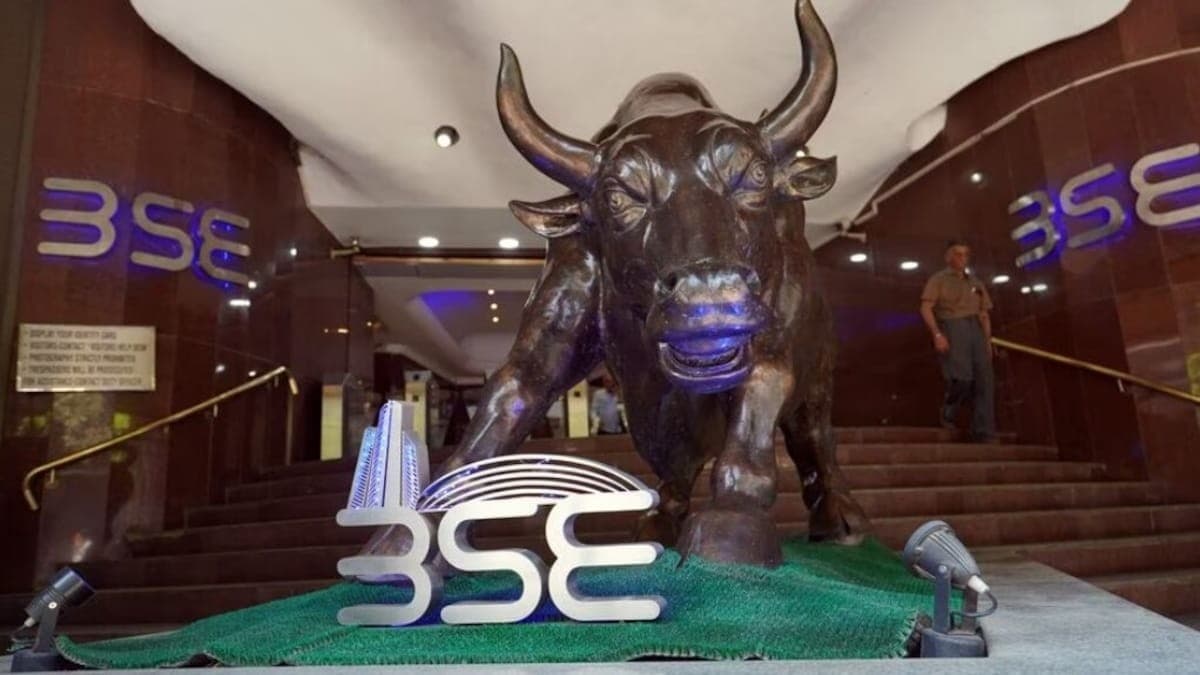
Bombay Stock Exchange, Mumbai; Asia’s oldest organised securities marketplace

Trades equities, debt, derivatives, mutual funds, commodities via electronic BOLT platform

Core hub on Dalal Street, celebrating 150 years on 17 Apr 2025

Quick Facts for MCQs

Historical Milestones

  • 1875 formalised association, Asia’s first organised exchange
  • 1956 pioneer recognition under Securities Contract Regulation Act
  • 2017 became publicly listed entity on NSE

Market Size & Listings

  • Market cap crossed USD 5 trillion May 2024, overtaking USD 4 trillion mark within months
  • Hosts highest company count globally, over 5,000 actively listed securities
  • Sensex acts as barometer, tracking 30 large liquid stocks since 1986

Tech & Sustainability

  • BOLT introduced 1995, replaced floor open-outcry within months
  • Joined UN Sustainable Stock Exchanges Initiative 2012, promoting ESG disclosures
  • Set up India INX 2016 at GIFT City, offering 22-hour global trading window

Key Data Points

FeatureData-Point
Year established1875
Original nameThe Native Share & Stock Brokers’ Association
FounderPremchand Roychand
First trading spotUnder banyan tree near Mumbai Town Hall
Shift to Dalal Street1874
First SCRA-recognised exchange1956
Benchmark indexSensex (30 stocks)
Sensex launch year1986
Electronic trading start1995 (BOLT)
UN SSE partnership2012
India INX launch2016
BSE self-listing on NSE2017
Market capitalisationUSD 5 trillion+ (May 2024)
Global m-cap rank6th
Number of listed firms5,000 plus
150th anniversary date17 April 2025

Related UPSC Prelims PYQs

GS1 2002PYQ 1

Among the following major stock exchanges of India, which one recorded the highest turnover during the year 2001-02?

GS1 2005PYQ 2

Consider the following statements :

GS-1History

4.Ambedkar’s Economic Contributions (Ambedkar Economics)

Indian Express

What & Where

Ambedkar’s economic corpus: scholarly works (1921-23) + executive actions (1942-46) shaping monetary, fiscal and labour architecture.

Applied chiefly in British-ruled India; outcomes visible in pan-India bodies—RBI (Mumbai), Finance Commission (Delhi).

Key resource geography: Damodar Valley, Hirakud (Mahanadi), nationwide employment exchanges & water boards.

Quick Facts for MCQs

Monetary & Fiscal Policy

  • Gold-exchange standard chosen to curb external drain and domestic inflation.
  • Advocated statutory cash reserve ratio, proto-inflation targeting for price stability.
  • Fiscal decentralisation seen essential for genuine provincial autonomy post-1935 Act.

Labour & Welfare

  • Eight-hour shift mirrored ILO norms; first for colonial Asia.
  • Maternity leave made legal right, not employer charity.
  • Dispute Boards institutionalised tripartite negotiation culture.

Land & Agriculture

  • Called caste abolition impossible without land to tiller.
  • Proposed state-owned land leased to collectives for scale economies.
  • Separate Dalit villages aimed at breaking socio-economic boycott.

Infrastructure & Resources

  • Linked multipurpose river projects to flood control, power and rural jobs.
  • Central Water Commission created for basin-wide planning, not ad-hoc canals.
  • Stressed energy self-sufficiency as prerequisite for industrialisation.

Social Justice Lens

  • Argued economic rights are “material condition” for social democracy to survive.
  • Saw state-led industrialisation as ladder out of caste-locked occupations.
  • Equated unchecked inflation with “indirect tax on the untouchable poor”.

Key Data Points

FeatureData-Point
Book “The Problem of the Rupee”1923; advocated Gold-Exchange Standard
Resultant institutionReserve Bank of India Act, 1934
Fiscal thesis“Provincial Decentralisation of Imperial Finance”, 1921
Idea seededPeriodic Finance Commission for Centre-State transfers
Labour post heldLabour Member, Viceroy’s Executive Council (1942-46)
Key labour gains8-hour workday, maternity benefit, Works Dispute Boards
Employment exchangesFirst network set up 1945, pan-India rollout
Water bodies pushedCentral Water Commission, Damodar Valley, Hirakud Dam
Land reform standNationalisation & collectivisation; separate Dalit settlements
Inflation warningPrice rise hurts poor most; urged monetary discipline

Related UPSC Prelims PYQs

GS1 2010PYQ 1

For the Karachi session of Indian National Congress in 1931 presided over by Sardar Patel, who drafted the Resolution on Fundamental Rights and Economic Programme ?

GS-1HistoryQuick Bite

5.Dwarka and Beyt Dwarka Archaeology (Submerged Dwarka)

The Hindu
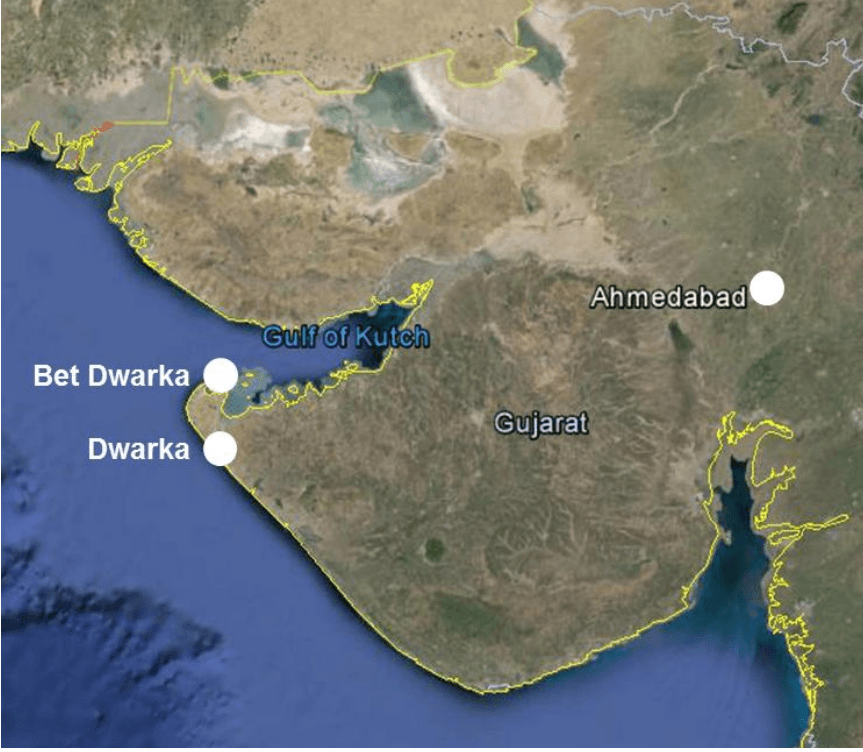
Illustration for Dwarka and Beyt Dwarka Archaeology (Submerged Dwarka)

What & Where

Submerged archaeology study; ASI probing Dwarka & Beyt Dwarka seabed for ancient port remains

Dwarka city: mouth of Gulf of Kutch, western Char Dham; Beyt Dwarka island: 30 km off Okha, both in Gujarat

Region evidences prosperous maritime hub via stone jetties, anchors, fortified walls since at least 1963

Quick Facts for MCQs

Archaeological Findings

  • Undersea survey: structures suggest prosperous ancient port, maritime trade links
  • Material culture: stone jetties, ring-stone anchors, fort walls signal advanced engineering
  • Continual habitation layers: Harappan → Mauryan → Medieval confirmed on island

Religious Significance

  • Krishna lore: land reclaimed from sea; Dwarka as Krishna’s capital post-Mathura
  • Dwarkadhish Temple major Krishna-bhakti shrine; annual Janmashtami draw
  • Beyt Dwarka houses shrine linked to Guru Vallabhacharya

Historical Timeline

  • Harappan & Mauryan occupation evidenced by pottery & foundations
  • 16th c. temple rebuilt after Mahmud Begada’s destruction
  • 1857: Vaghers briefly seize area from Gaekwads

Connectivity & Infrastructure

  • Sudarshan Setu (2024) reduces Okha–Beyt travel to minutes; 2.32 km cable-stayed span
  • Improved access expected to boost pilgrimage & future archaeological logistics

Key Data Points

FeatureData-Point
Implementing agencyArchaeological Survey of India
First ASI marine survey1963
Present study focusDwarka & Beyt Dwarka seabed
GulfGulf of Kutch
Dwarka statusWestern Char Dham; first capital of Gujarat (legend)
Key templeDwarkadhish (Jagat Mandir), 16th c. rebuild
Associated mathaSharada Peeth by Adi Shankaracharya
Beyt Dwarka aliasShankhodhar; Antardvipa (Mahabharata)
Early habitationHarappan & Mauryan layers on Beyt Dwarka
Medieval rulersGaekwads of Baroda; brief Vagher control 1857
New connectivitySudarshan Setu, India’s longest cable-stayed bridge, 2024
Access portOkha
Excavated maritime itemsStone jetties, ring-stone anchors, fortified walls

Related UPSC Prelims PYQs

GEO_GS 2025PYQ 1

The National Maritime Heritage Complex (NMHC) is proposed to be developed at which one of the following places?

GS-1Mapping

6.Red Sea Geographical Profile (Sea Geography)

DD News

What & Where

Semi-enclosed tropical arm of Indian Ocean, 1,930 km long between Suez Canal (north) & Bab el-Mandeb Strait (south).

Shores: Saudi Arabia, Yemen, Egypt, Sudan, Eritrea, Djibouti; links Mediterranean via Suez, Arabian Sea via Gulf of Aden.

Originates from African-Arabian rift; seafloor still separating at ~15 mm/yr.

Quick Facts for MCQs

Geological Significance

  • Active rift displays embryonic ocean basin formation.
  • Hot brine pools, submarine vents, and basaltic volcanism present unique study sites.

Marine Biodiversity

  • Heat-tolerant coral reefs act as potential global bleaching refuge.
  • Supports whale shark migrations plus seagrass meadows crucial for dugongs.

Economic & Strategic

  • Bab el-Mandeb chokepoint vital for West Asia–Europe oil flow.
  • Diving tourism yields multi-billion income for littoral states.

Environmental Threats

  • Over-tourism, coastal builds (e.g., Ras Hankorab project) fragment habitats.
  • Oil spills and warming seas escalate coral mortality risks.

Key Data Points

FeatureData-Point
Surface area≈4.38 lakh sq km
Maximum summer temperatureup to 41 °C
Salinity peak>40 ‰ (one of world’s saltiest)
Global trade share≈12 % maritime cargo
Length N-S1,930 km
Tectonic spread rate~15 mm/yr
Northern connectorSuez Canal
Southern connectorBab el-Mandeb → Gulf of Aden
Notable algaeTrichodesmium erythraeum (red blooms)
Endangered faunaHawksbill turtle, Dugong
Iconic dive siteBlue Hole, Dahab
Volcanic exampleJabal al-Tāʾir Island

Related UPSC Prelims PYQs

GS1 2024PYQ 1

Consider the following statements:

GS-3Environment

7.People for Ethical Treatment of Animals (Animal Rights NGO)

Hindustan Times
Illustration for People for Ethical Treatment of Animals (Animal Rights NGO)

What & Where

Global nonprofit animal-rights organisation opposing animal use in experiments, food, clothing, entertainment

Established March 1980 USA by Ingrid Newkirk & Alex Pacheco; HQ Norfolk Virginia; India HQ Mumbai Jan 2000

Advocates ending federal animal testing, promoting organoids and in-silico AI research models

Quick Facts for MCQs

Origins & Leadership

  • Founders launched PETA after witnessing widespread lab cruelty, formalised group in March 1980
  • Expanded to multiple continents; India office first Asian branch, operational since 2000

Objectives & Campaigns

  • Pushes veganism, opposes factory farming, fur farming, animal-testing, circuses, marine parks
  • Uses undercover investigations, celebrity endorsements, mass education and rescue operations to influence law and culture

Policy Context

  • Praised Trump administration directive to progressively replace animals with organoid and AI models in federal labs
  • Continues lobbying governments and regulators worldwide for mandatory non-animal research alternatives

Key Data Points

FeatureData-Point
Establishment YearMarch 1980
FoundersIngrid Newkirk & Alex Pacheco
Global HeadquartersNorfolk, Virginia, USA
India Headquarters (since)Mumbai, Maharashtra (2000)
Core PrincipleAnimals are not ours to experiment on, eat, wear, entertain, or abuse
Recent US Policy ApplaudedPhasing out animal testing in federal research
GS-3Environment

8.Cap-and-Trade Mechanism in India (Emissions Trading)

Down to Earth
Illustration for Cap-and-Trade Mechanism in India (Emissions Trading)

What & Where

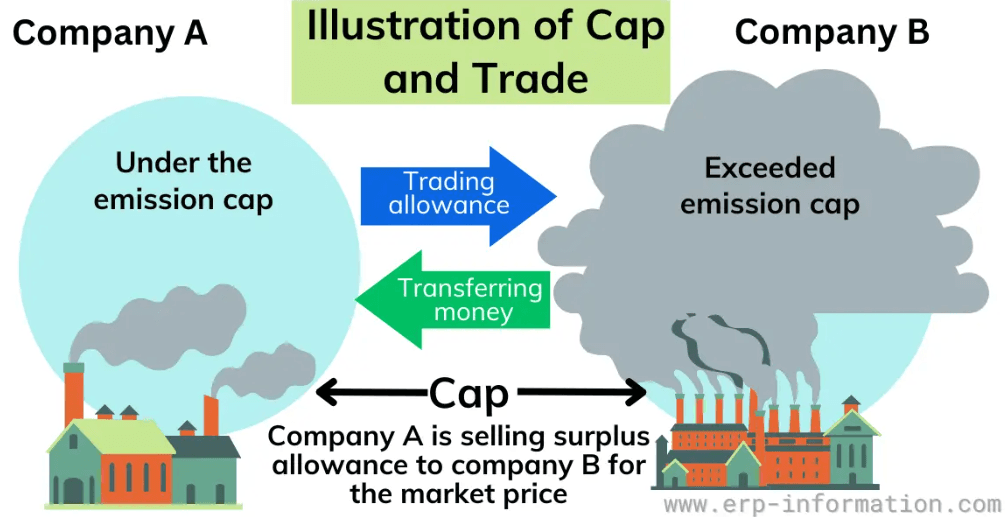
Cap-and-Trade: government fixes total emission cap, issues tradable permits, rewards low-polluters via sales.

Surat Emissions Trading Scheme (ETS): world’s first particulate-matter permit market; runs in Surat textile-dyeing cluster, Gujarat.

Process: industries install Continuous Emission Monitoring Systems (CEMS); weekly permit auctions; penalties for excess releases.

Quick Facts for MCQs

Operational Design

  • Allocation: mix of free grandfathered permits and auctioned lots ensures liquidity.
  • Monitoring: tamper-proof CEMS feeds real-time data to Gujarat Pollution Control Board.
  • Penalty: fine kept higher than prevailing permit price to deter non-compliance.

Performance Results

  • Reduction: particulate emissions dropped 20–30 % during pilot, per 2023 peer-reviewed study.
  • Cost: average compliance expenditure fell 11 %.
  • Verification: outcomes published in The Quarterly Journal of Economics.

Bottlenecks

  • Monitoring-gaps: CEMS outages can hide actual emissions, undermining accuracy.
  • Manipulation: permit hoarding risk curbed through frequent auctions and oversight.
  • Heterogeneity: divergent abatement costs grant uneven trading advantages across sectors.

Future Roadmap

  • Expansion: Delhi, Ahmedabad and others evaluating similar ETS pilots; Gujarat mulls SO₂ market.
  • Adaptation: dynamic, season-wise caps proposed; Surat already tightened monthly limit.
  • Engagement: industry-GPCB collaborations and awareness drives to bolster scheme acceptance.

Key Data Points

FeatureData-Point
Study finding20–30 % PM reduction
Compliance cost11 % lower than command-control
Industries covered317 units (mainly textile)
Monitoring toolCEMS compulsory on all stacks
Permit sale modeWeekly electronic auctions
Cap revision280 t → 170 t PM per month

Related UPSC Prelims PYQs

GS1 2011PYQ 1

Regarding “carbon credits”, which one of the following statements is not correct?

GS1 2009PYQ 2

In the context of CO₂ emission and Global Warming, what is the name of a market-driven device under the UNFCCC that allows developing countries to get funds/incentives from the developed countries to adopt better technologies that reduce greenhouse gas emissions ?

GS-3Species

9.Colossal Squid Characteristics (Deep-Sea Species)

BBC
Illustration for Colossal Squid Characteristics (Deep-Sea Species)

What & Where

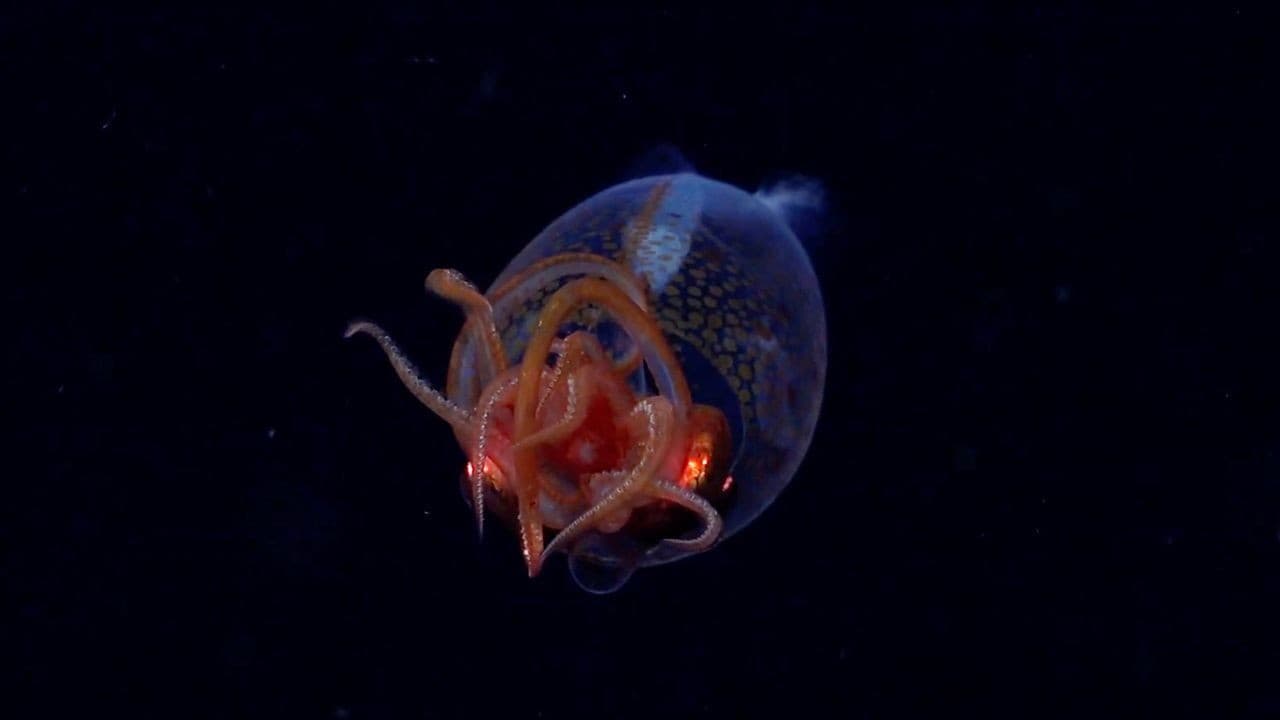
Species: Largest known invertebrate Mesonychoteuthis hamiltoni, deep-sea cephalopod with record eyes and rotating tentacle hooks

Habitat: Frigid 600–2000 m Southern Ocean, chiefly around Antarctic continental slope

Record: Recent footage of transparent juvenile at 600 m marks first live observation in over a century

Quick Facts for MCQs

Biological Adaptations

  • Gigantism: Supports energy storage and predator deterrence in low-food polar abyss
  • Vision: Huge eyes detect faint bioluminescence and approaching sperm whales
  • Hooks: Rotating, chitinous claws enhance grip on struggling fish

Feeding Ecology

  • Apex predator preys on Patagonian toothfish impacting Antarctic longline fisheries
  • Remains found in sperm whale stomachs reveal predator-prey arms race
  • Occasional cannibalism among large squids reported

Exploration Milestone

  • Underwater ROV with low-light cameras secured first juvenile footage since 19th-century specimen collections
  • Live observation aids population estimates and behavior study previously reliant on dead haul specimens
  • Footage validates deep camera baits as non-invasive research method in extreme polar seas

Key Data Points

FeatureData-Point
Scientific nameMesonychoteuthis hamiltoni
Taxonomic classCephalopoda
Maximum length~14 m (46 ft)
Maximum weight~500 kg (1100 lb)
Eye diameter~30 cm, animal-kingdom largest
Depth filmed600 m
Core oceanSouthern Ocean
Sex dimorphismFemales larger than males
Arm weaponrySharp, swivelling hooks
Key preyPatagonian toothfish, large fish, squids
Main predatorSperm whale
FertilizationInternal
Juvenile colourTransparent, darkens with age
GS-3SpeciesQuick Bite

10.Leptobrachium aryatium Discovery (New Frog Species)

The Hindu
Illustration for Leptobrachium aryatium Discovery (New Frog Species)

What & Where

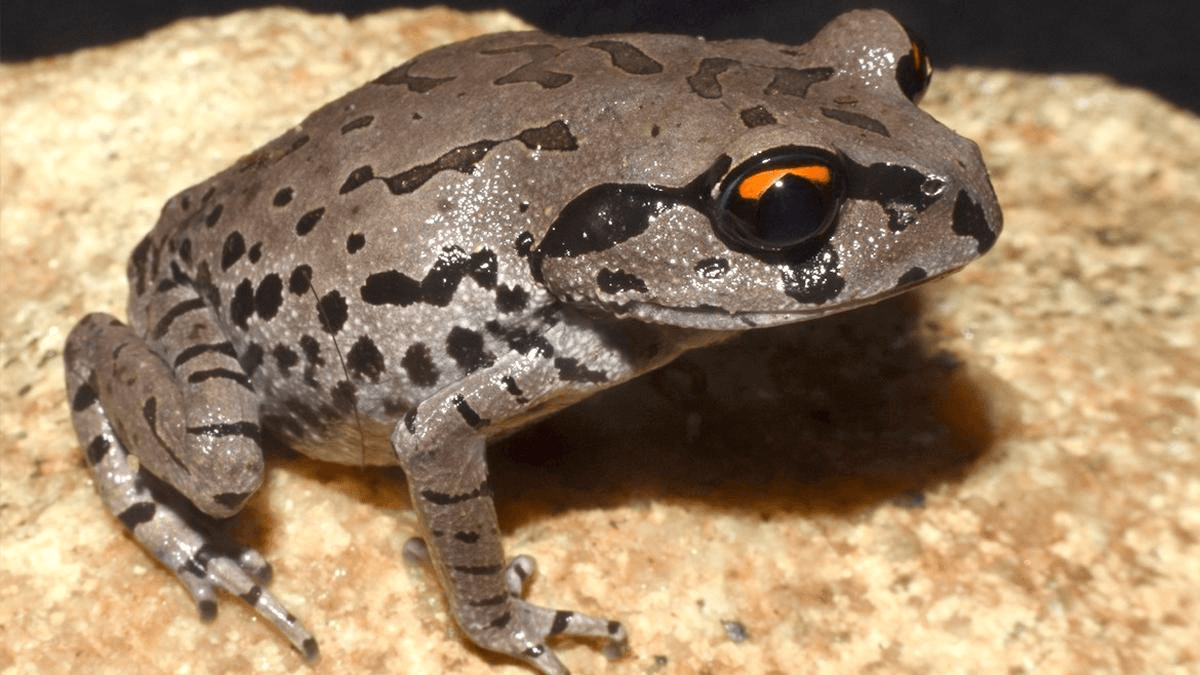
Species Leptobrachium aryatium, a new stocky megophryid frog, endemic to Garbhanga Reserve Forest, SW Guwahati, Assam

Habitat Moist subtropical forest near Assam-Meghalaya border, critical for city’s micro-climate and watershed

Context Genus Leptobrachium hosts 38 species across S China, India, Sunda Shelf, Philippines

Quick Facts for MCQs

Taxonomy & Morphology

  • Diagnostic Fiery orange-black iris, reticulated throat, short hind limbs, broad head differentiate it
  • Method DNA barcoding plus detailed morphology separated it from L. smithi
  • Family Megophryidae, eye-colour aids species delimitation

Ecosystem Services

  • Reserve Regulates Guwahati’s temperature, rainfall infiltration, water supply
  • Biodiversity Hosts elephants, rare birds, butterflies, reptiles, multiple amphibians including new frog
  • Amphibians Bioindicator status flags forest health and water quality

Threats & Conservation

  • Pressure Urban sprawl from fast-growing Guwahati encroaches reserve boundary
  • Impact Habitat fragmentation risks micro-endemic species like L. aryatium extinction
  • Need Notification as protected area upgrade and strict enforcement against illegal land conversion

Key Data Points

FeatureData-Point
Scientific nameLeptobrachium aryatium
Named afterArya Vidyapeeth College, Guwahati
Discovery forestGarbhanga Reserve, SW Guwahati
StateAssam
Eye colourFiery orange-black
Throat patternReticulated
First misidentified asL. smithi (2004)
Confirmation toolsMolecular + morphological analyses
Genus species count38
Major habitat threatUrban expansion, habitat loss

Related UPSC Prelims PYQs

CDS_GK 2023PYQ 1

A new species of pit-viper was discovered in 2019 and named after the State in which it was found. Identify the State from among the following:

GS-3SchemeQuick Bite

11.NMCG Executive Committee Approvals (Clean Ganga Mission)

PIB
Illustration for NMCG Executive Committee Approvals (Clean Ganga Mission)

What & Where

Mission: National Mission for Clean Ganga (NMCG) — society (2011) to implement Ganga rejuvenation under National Ganga Council.

Geography: Focus on Ganga basin states; latest projects in UP, Bihar, West Bengal, Delhi (Yamuna drain).

Processes: Sewerage networks, nature-based CAMUS-SBT treatment, research collaboratory, heritage & biodiversity education.

Quick Facts for MCQs

Legal & Policy

  • Framework: Environment (Protection) Act 1986 enabled former NGRBA; functions now under National Ganga Council.
  • Governance: Two-tier NMCG structure—Governing Council for policy, Executive Committee for project approvals.
  • Enforcement: NGT 2017 order restricts waste dumping within 500 m of critical Ganga segments.

Tech & Schemes

  • Technology: CAMUS-SBT combines Constructed Wetland & Soil Bio-Technology for low-energy sewage treatment.
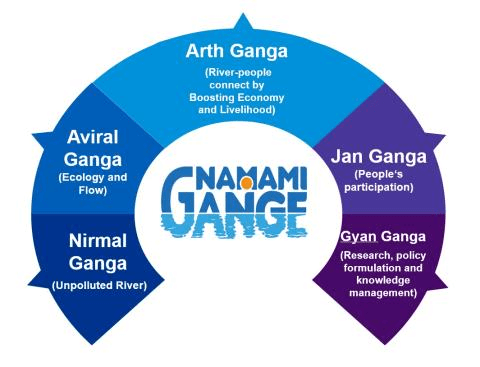
  • Programme: Namami Gange integrates pollution abatement, river-front development, biodiversity conservation.
  • Monitoring: Bhuvan-Ganga crowdsources pollution reports using ISRO geospatial platform.

Cultural & Ecological

  • Heritage: Study of wooden boat craft aims to document river-linked livelihoods & preserve intangible culture.
  • Biodiversity: DDA parks to act as training sites for riverine ecology and citizen outreach.
  • Sustainability: Sewerage and nature-based solutions target untreated discharge reduction into Ganga & Yamuna.

Key Data Points

FeatureData-Point
Latest EC number61st (Apr 2025)
Registration ActSocieties Registration Act 1860
Parent body since 2016National Ganga Council
Executive Committee spend limit≤ ₹1,000 crore per project
Sewerage cities clearedMoradabad, Kanpur, Arrah, Pujali
Nature-based pilotCAMUS-SBT plant, Shahdara drain (Delhi)
R&D hubIND-RIVERS Collaboratory (NMCG-IIT Delhi-Netherlands)
Heritage studyTraditional wooden boat-making, Ganga basin
Skill centresDDA Biodiversity Parks as Knowledge hubs
Flagship programmeNamami Gange (2014)
First river action planGanga Action Plan 1985
Dedicated fundClean Ganga Fund 2014
Citizen appBhuvan-Ganga web app
NGT waste-dump ban zone500 m from polluted Ganga stretches (2017)

Related UPSC Prelims PYQs

GS1, NDA_GAT 2016PYQ 1

Which of the following are the key features of ‘National Ganga River Basin Authority (NGRBA)’?

GS1, NDA_GAT 2022PYQ 2

Which among the following has initiated a nationwide flagship campaign ‘Puneet Sagar Abhiyan’ to clean seashores/beaches and other water bodies of plastic and other waste materials?

GS-2Infrastructure

12.India-Middle East-Europe Economic Corridor (IMEC Corridor)

PIB
Illustration for India-Middle East-Europe Economic Corridor (IMEC Corridor)

What & Where

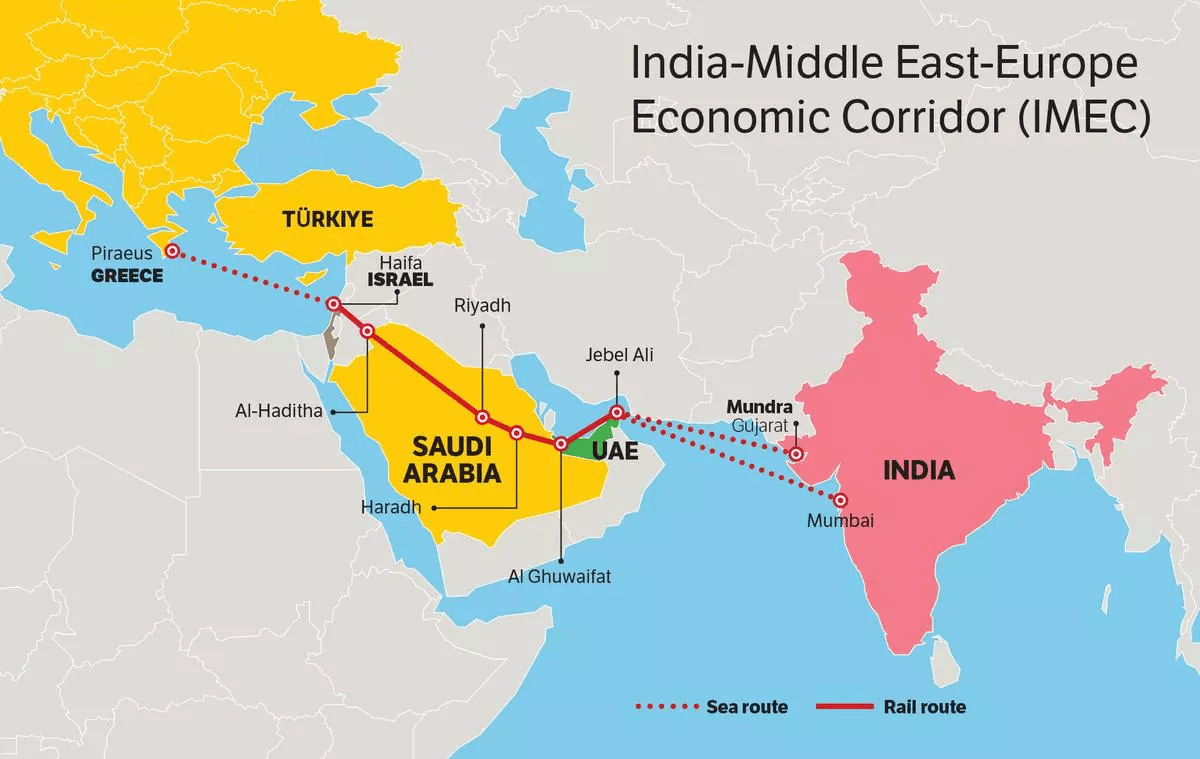
Initiative: India-Middle East-Europe Economic Corridor (IMEC) multimodal connectivity MoU under PGII at G20 New Delhi 2023

Segments: Eastern arm India–Gulf; Northern arm Gulf–Europe integrating ports, rail, road, energy pipelines, digital cables

Geography: Connects Indian west-coast ports to UAE-Saudi Arabia, Israel, onward to Greece-Italy and wider European rail grid

Quick Facts for MCQs

Economic Angle

  • Competitiveness: Corridor promises 30 % cheaper, 40 % quicker delivery boosting Indian export margins
  • FDI: Anticipated inflows into ports, logistics parks, green hydrogen, digital tech along IMEC nodes
  • Energy: Complements OSOWOG enabling import of Middle East solar power and green hydrogen for low-carbon transition

Security Dimension

  • Volatility: Gaza war, Saudi-Iran rivalry, Iraq–Syria unrest threaten infrastructure and supply-chain continuity
  • Maritime risk: Indian Ocean militarisation raises blockage fears paralleling 2021 Suez disruption
  • Cyber vulnerability: Shared digital backbone and pipelines susceptible to attacks akin to US Colonial Pipeline incident

Implementation Challenges

  • Financing: No clear cost-sharing; individual segments may demand USD 3–8 billion long-term investment
  • Inclusion gaps: Turkey, Iran, Qatar, Egypt absent limiting geopolitical reach and redundancy options
  • Standards: Divergent tech norms complicate seamless integration of rail gauges, customs systems, undersea cables

Key Data Points

FeatureData-Point
Launch platformG20 Leaders’ Summit 2023, New Delhi
Parent frameworkG7 Partnership for Global Infrastructure & Investment
Core signatoriesIndia, US, UAE, Saudi Arabia, EU, France, Germany, Italy
Logistics cost savingUp to 30 % vs Suez maritime route
Transit time savingAbout 40 % faster than Suez route
Funding mobilisation targetUSD 600 billion by 2027
2023 obstacleIsrael–Hamas conflict stalling West Asian leg
2024 developmentIndia–UAE Inter-Governmental Framework Agreement on joint logistics

Related UPSC Prelims PYQs

ESE_GS, GS1 2026PYQ 1

What is the name of the initiative launched by India and Denmark in November 2025 to enhance bilateral ties?

ESE_GS, GS1 2025PYQ 2

भारत, अंतर्राष्ट्रीय उत्तर-दक्षिण परिवहन कॉरिडोर (INSTC), जो एक बहु-राष्ट्रीय परिवहन गलियारा है, के सदस्य राज्यों में से एक है। यह कॉरिडोर किन्हें जोड़ता है?

GS-3SecurityQuick Bite

13.India’s Recent Joint Exercises (Joint Exercises)

News on Air

What & Where

DUSTLIK-6: sixth Indo-Uzbekistan joint army exercise underway at Foreign Training Node, Pune, Maharashtra

Tiger Triumph 2025: Indo-US tri-service amphibious-HADR drill concluded at Duvvada Firing Range near Visakhapatnam, Andhra Pradesh

Both aim at tactical coordination, interoperability and defence-partnership expansion with Central Asia and the United States

Quick Facts for MCQs

Security Dimension

  • Deepening defence ties with Central Asia via DUSTLIK complements India Connect Central Asia policy
  • Tiger Triumph strengthens Quad and Indo-Pacific security architecture with US amphibious capability sharing
  • Frequent bilateral drills boost trust, SOPs and joint response speed during crises

Operational Focus

  • DUSTLIK trains platoon-level troops in urban counter-terror, room intervention and intelligence-driven raids
  • Tiger Triumph rehearses beach landings, casualty evacuation, logistic resupply using Indian naval platforms
  • Both exercises integrate communication networks, battle drills and after-action reviews for lessons learnt

Disaster Relief Angle

  • Tiger Triumph allocates dedicated serials for humanitarian assistance, disaster relief and civilian evacuation
  • Joint medical camps and engineering tasks practiced for cyclone-prone Andhra coast scenarios
  • Interoperability in HADR aligns with Sendai Framework commitments and SAGAR vision

Key Data Points

FeatureData-Point
Exercise typeBilateral: India-Uzbekistan (Army); India-US (Tri-service)
Edition & yearDUSTLIK-6 (2024); Tiger Triumph 2025
Indian venuePune, Maharashtra; Duvvada Firing Range, Andhra Pradesh
Primary partner nationUzbekistan; United States
Core focus areaSub-conventional ops; Amphibious warfare & HADR

Related UPSC Prelims PYQs

CDS_GK, GS1 2020PYQ 1

What was the code name given to the first ever tri-service military exercise between India and USA?

CDS_GK, GS1 2024PYQ 2

Which of the following statements about 'Exercise Mitra Shakti-2023' are correct?

GS-2Scheme

14.National Critical Mineral Mission (Critical Minerals)

ETE
Illustration for National Critical Mineral Mission (Critical Minerals)

What & Where

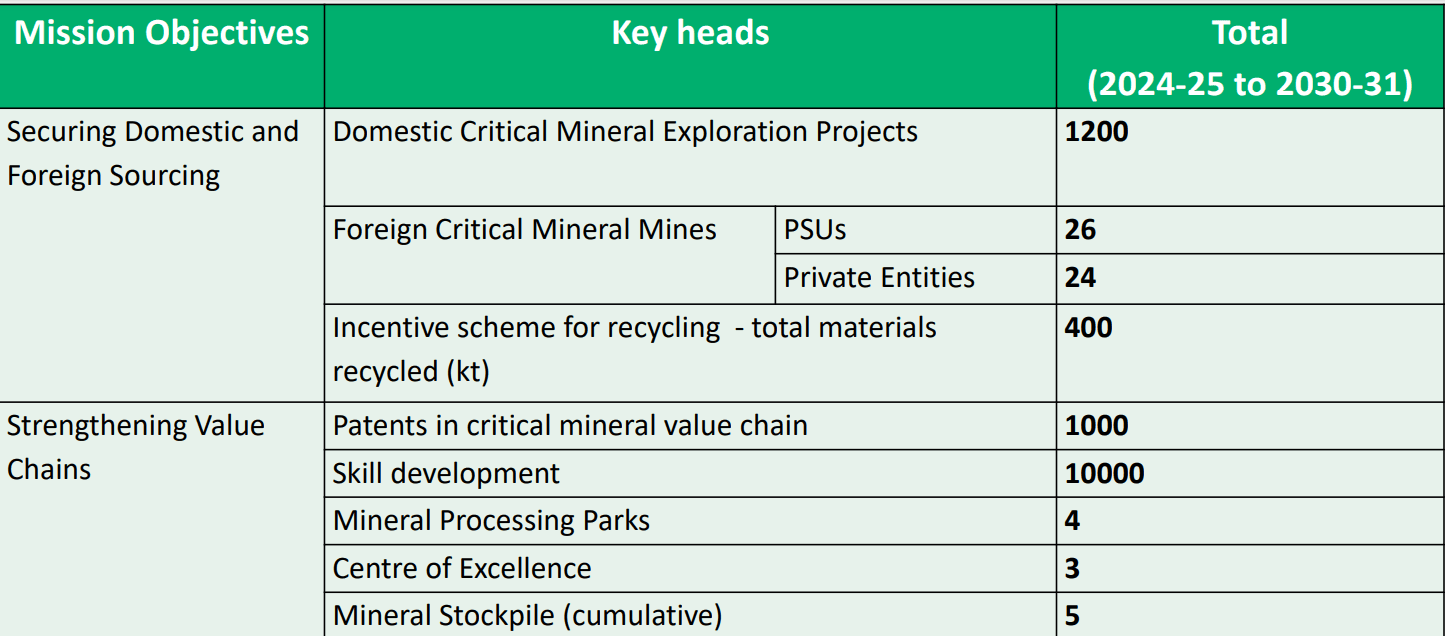
Mission: National Critical Mineral Mission (NCMM) secures sustainable supply of strategic minerals for clean energy, tech, defence.

Processes: Integrates exploration, mining, processing, recycling, overseas acquisition, R&D CoEs, skill training, infrastructure creation.

Geography: Pan-India operations; overseas asset targets in Argentina, Australia, Chile.

Quick Facts for MCQs

Tech & Schemes

  • CoEs: Drives extraction, beneficiation, advanced-processing R&D under recently issued guidelines.
  • SOPs: Standardised recycling protocols to curb imports, cut environmental impact.
  • Processing parks: Clustered refining units plus national stockpiles for supply resilience.

Economic Angle

  • Auctions: 100+ blocks boost domestic output, lower foreign-exchange drain.
  • Overseas assets: Enables PSU/private acquisitions ensuring uninterrupted raw-material flow.
  • Incentives: Fiscal, operational support for recycling and processing ventures.

Skill Development

  • Training: Specialised programmes, scholarships cultivate critical-mineral workforce.
  • Academia: New curricula covering geology, metallurgy, battery materials.
  • Workforce: Aligns with Atmanirbhar Bharat employment objectives.

Key Data Points

FeatureData-Point
Launch mediumUnion Budget 2024-25
Nodal ministryMinistry of Mines
Planned exploration projects1200+
Blocks for auction100+ critical-mineral blocks
Key mineralsLithium, cobalt, REEs, graphite, nickel
Overseas focus nationsArgentina, Australia, Chile
Circular-economy toolSOP-based recycling framework
Long-term climate targetSupports India Net Zero 2070

Related UPSC Prelims PYQs

CDS_GK, GS1 2025PYQ 1

Consider the following statements:

CDS_GK, GS1 2024PYQ 2

Recently the Government of India entered into an agreement for a lithium exploration and mining project with which one among the following countries?

GS-1Economy

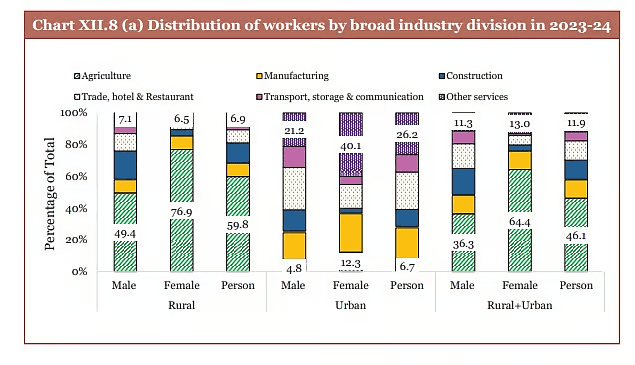
15.Women Informality in Manufacturing (Women Employment)

The Hindu
Illustration for Women Informality in Manufacturing (Women Employment)

What & Where

Context: Female labour participation in Indian manufacturing, split into formal (EPFO‐ESIC data) and informal (PLFS) segments

Core types: Formal jobs 18.9 % female; informal 43 % female, mostly low-skill, low-pay

Geography: Southern states (Tamil Nadu, Karnataka, Kerala) lead; large gaps in Bihar, Haryana, U-P, Gujarat

Quick Facts for MCQs

Regional Disparity

  • Leadership: Tamil Nadu, Karnataka, Maharashtra, A-P, Gujarat dominate formal female jobs
  • Laggards: Bihar, West Bengal, Chhattisgarh, Haryana all < 6 % female formal share
  • Negative gender gap (women > men) in informal units of Telangana, Karnataka, West Bengal

Sectoral Pattern

  • Concentration: Textiles & apparel largest absorber; food processing next
  • Exception: Tobacco only formal industry with female majority
  • Diversification need: Automotive, electronics targeted under PLI for female hiring

Skill & Education

  • Gap: 70 % female workers lack secondary education; 94 % lack formal skilling
  • Initiative: Skill India, Samarth, upskilling in machining, electronics stressed
  • Outcome aim: Move women from low-skill informal to higher-pay formal roles

Policy & Schemes

  • Flagships: Make in India, PLI, MUDRA loans, maternity benefit cost-sharing suggested
  • Compliance: Strengthen Factories Act provisions on childcare, safe transport, hostels
  • Target: Inclusive manufacturing critical for Viksit Bharat vision 2047

Key Data Points

FeatureData-Point
Manufacturing share in GDP17 % (2023)
Govt target by 202525 % of GDP
Women in formal manufacturing18.9 %; 1.57 mn of 8.34 mn
Women in informal manufacturing43 % workforce
Tamil Nadu share of formal women jobs41 % (highest)
Top-5 states’ share75 % of formal female workers
Sectoral concentration60 % in textiles, apparel, food
Only industry female > maleTobacco (formal)
Women with ≥ secondary schooling30 % (men 47 %)
Women with formal vocational training6 %

Related UPSC Prelims PYQs

CAPF_GAI, GEO_GS 2020PYQ 1

Which of the following statements about employment situation in India according to Periodic Labour Force Survey 2017-18 is/are correct?

CAPF_GAI, GEO_GS 2026PYQ 2

With reference to distribution of employment in India for the year 2024-2025, consider the following statements:

Ready to practice?

Test your knowledge with our UPSC test series.

Start Free Trial