UPSC Current Affairs

16 topicsGS-1: 4GS-2: 3GS-3: 9
0/16 done
GS-3Economy

1.RBI Remittances Survey 2025 Findings (Remittances Trend)

Indian Express

What & Where

Remittances = cross-border personal transfers that overseas Indians send to domestic beneficiaries.

RBI Remittances Survey 2023-24: first time Advanced Economies (AEs) contribute majority of inflows to India.

Core corridors now: USA, UK, Singapore, Canada, Australia; Gulf Cooperation Council (GCC) share shrinking.

Quick Facts for MCQs

Geographical Shift

  • AE share surpassed GCC for first time; Singapore, Canada, Australia join top-five sources.
  • USA remits more than Saudi Arabia + Kuwait combined.
  • GCC contraction mirrors oil cycles and localisation drives.

Causes of Shift

  • Policy: Saudisation, Emiratisation cut low-skill Indian jobs in Gulf.
  • Economics: AE STEM wages 3–5× Gulf; stronger USD/GBP boosts rupee value.
  • Education: UK Graduate Visa, Canada PGWP funnel students into high-paying AE labour markets.

Policy & Economic Impact

  • Stability: USD 118.7 bn inflow cushions CAD, lifts forex reserves.
  • Regional: Kerala faces slowdown; Telangana, Karnataka gain via tech-driven US flows.
  • Digitisation: UPI-PayNow & Project Nexus aim remittance fee <3% (UN SDG 10.c).

Key Data Points

FeatureData-Point
Total remittances (FY 24)USD 118.7 billion
AE contribution54% (≈)
GCC contribution37.9%
USA share27.7%
UK share10.8%
UAE share (FY 17 → 24)26.9% → 19.2%
GCC share (FY 17 → 24)46.7% → 37.9%
Skilled Indian migrants in US78% of total
Indian students abroad13.4 lakh
Remittances finance42% of India’s trade deficit
UPI-PayNow transfer cost≈1%

Related UPSC Prelims PYQs

ESE_GS, GEO_GS 2021PYQ 1

Which one of the following statements with regard to the World Immigration Report, 2020 prepared by the United Nations is NOT correct?

ESE_GS, GEO_GS 2026PYQ 2

According to the Reserve Bank of India’s report, which two countries together accounted for over one-third of the total FDI in India?


GS-3Economy

2.NITI–NCAER States Economic Forum Portal (State Data Portal)

Economic Times

What & Where

Digital portal housing 30-year socio-economic dataset of Indian states, named NITI NCAER States Economic Forum

Jointly developed by NITI Aayog and National Council of Applied Economic Research, launched by Union Finance Minister in 2025

Covers 28 states; five verticals—Demography, Economic Structure, Fiscal Indicators, Health, Education

Quick Facts for MCQs

Data Architecture

  • State Reports summarise macro-fiscal profile, socio-economic indicators
  • Dashboard offers interactive graphs, raw data download, summary tables
  • Repository stores time-series data sorted by five thematic verticals

Policy Utility

  • Benchmarking tool enables cross-state comparisons against national mean
  • Historical trends support evidence-based planning and fiscal reforms
  • Centralised hub simplifies data access for researchers and administrators

Comparative Edge

  • User-friendly interface reduces fragmentation of state-level statistics
  • Integrates fiscal analytics with demographic and social metrics for holistic view
  • Complements existing Union-level databases, filling sub-national information gap

Key Data Points

FeatureData-Point
Launch year2025
DevelopersNITI Aayog + NCAER
Data span1990-91 to 2022-23
States covered28
Key verticalsDemography, Economic Structure, Fiscal, Health, Education
Core componentsState Reports; Data Repository; Dashboard; Research & Commentary

Related UPSC Prelims PYQs

ESE_GS, NDA_GAT 2025PYQ 1

Under which one of the following initiatives does the NITI Aayog support interested States to establish a State Institution for Transformation (SIT)?

ESE_GS, NDA_GAT 2026PYQ 2

Which institution released the report titled “India’s Blue Economy: Strategy for Harnessing Deep-Sea and Offshore Fisheries”?

GS-3Infrastructure

3.Indian Railways Reform Challenges (Railway Reforms)

The Hindu

What & Where

Indian Railways (IR): government-owned, 4th-largest network; 65 000 km routed across all states.

Handles yearly 8 bn passengers plus 1.4 bn t freight; targets 40 % share in global rail activity by 2050.

Flagship corridors: Eastern DFC operational, Western DFC nearing finish; Mumbai–Ahmedabad HSR delayed to 2028.

Quick Facts for MCQs

Financial & Resource Mobilization

  • Operating-ratio near 100 % limits surplus; dependence rising on budget support and Extra-Budgetary Resources.
  • CAG flags need for diversified freight and private investment to ease fiscal strain.
  • Committees urge non-core outsourcing and a neutral infrastructure finance body.

Infrastructure & Speed

  • Mission Raftaar aims +25 km h passenger and 2× freight speed yet averages stagnant near 50 km h.
  • Only Eastern DFC live; East-Coast, East-West, North-South still at planning stage.
  • 160–200 km h semi-high-speed upgrade proposed for key intercity pairs.

Safety & Technology

  • KAVACH collision-avoidance covers 2 % network; planned rollout 37 000 km.
  • Kakodkar panel wants statutory Safety Authority and non-lapsable RRSK fund.
  • 15 000 km automatic signalling plus predictive maintenance, GPS analytics prioritized.

Environmental Commitments

  • Full electrification and 35 hydrogen trains underpin 2030 net-zero pledge.
  • Green bio-toilets and energy-efficient locos lower emissions, support SDG-13.
  • DFC freight shift expected to cut logistics carbon intensity.

Employment & Inclusion

  • 1.2 m workforce ranks 9th worldwide, major rural livelihood source.
  • Rail connectivity spurs regional access to education, health, markets; lifeline status reaffirmed.
  • Strategic links in Northeast bolster mobility and national security.

Key Data Points

FeatureData-Point
Route length65 000 km
Passengers 20228 billion
Freight moved 20221.4 billion tonnes
Employees1.2 million
Traffic revenue 2023-24USD 32.18 bn
Operating Ratio 2024-25 (est.)98.2
Capex plan till 2030USD 750 bn
Allowed FDI100 %
KAVACH installed Feb 20241 465 route km (2 %)
Automatic signalling target15 000 km
Planned hydrogen trains35
Net-zero carbon goal2030
Rashtriya Rail Sanraksha Kosh ask₹1 lakh crore/5 yrs
Average mail-express speed50–51 km h
Bullet train deadline shift2023 ➔ 2028

Related UPSC Prelims PYQs

CDS_GK, GS1 2025PYQ 1

निम्नलिखित कथनों पर विचार कीजिए :

CDS_GK, GS1 2024PYQ 2

Consider the following statements about the initial development of railways in India by the British :

GS-1History

4.Traditional Meenakari Enamel Craft (Enamel Art)

DD News
Illustration for Traditional Meenakari Enamel Craft (Enamel Art)

What & Where

Craft: Enamelling metal/ceramic by fusing coloured powdered glass at high heat, yielding glossy, intricate designs.

Core geography: Perfected in India under Mughals; today centred in Jaipur, with pockets in Gujarat & Lucknow.

Outputs: Jewellery, vases, figurines, crockery, décor, furniture using gold, silver, copper or brass bases.

Quick Facts for MCQs

Historical Roots

  • Safavid genesis; technique migrated via Persian craftsmen to Mughal courts.
  • Term reflects aim of “placing paradise on an object.”
  • Post-Mughal, Gujarati & Rajasthani jewellers sustained and evolved craft.

Regional Styles

  • Jaipur style: Mughal motifs with tri-colour palette, high gold usage.
  • Gujarat: Local patterns, more silver & copper incorporation.
  • Lucknow: Softer hues, Indo-Persian floral emphasis.

Material & Motifs

  • Precious-metal base ensures durability and lustre.
  • Powdered-glass enamels create vibrant geometric, floral, animal imagery.
  • Modern utility pieces blend traditional patterns with contemporary forms.

Key Data Points

FeatureData-Point
Literal meaningMeena = heaven; Kari = to do
Civilisation of originSafavid Iran
Brought to IndiaMughal era
20th-c. refinement aidIranian artisans
Premier Indian hubJaipur, Rajasthan
Typical Jaipur paletteRed, green, white
Other practising regionsGujarat, Lucknow
Main metalsGold, silver; also copper, brass
Common motifsGeometric, floral, animal
Surface finishGlassy, vibrant contrast
GS-1Misc

5.New GI Tags: Tomato Chilli, Kannadippaya (GI Tags)

The Hindu
Illustration for New GI Tags: Tomato Chilli, Kannadippaya (GI Tags)

What & Where

Geographical Indication (GI) identifies goods whose quality or reputation is essentially linked to a specific place; registered under DPIIT, valid 10 yrs

New entries 2025 — Warangal Chapata Chilli (Telangana) & Kannadippaya mirror-mat (Kerala tribal craft)

India’s GI list now crosses 600 items spanning agriculture, handicraft, manufactured goods

Quick Facts for MCQs

Legal & Policy

  • Protection ensured via Geographical Indications of Goods Act 1999 aligned to TRIPS
  • Only authorised territorial users may market product under GI name
  • Registration lapse after 10 yrs unless renewed, maintaining exclusivity

Product Features

  • Warangal chilli bright-red, tomato-shaped, anti-obesogenic antioxidant properties
  • Kannadippaya offers winter warmth, summer cooling, intricate mirror-like pattern
  • Chilli prized more for colour and flavour extract than pungency

Regional Economy

  • Chilli cultivated 80 + yrs in Nagaram, Nadikuda villages; micro-climate non-replicable elsewhere
  • Kannadippaya woven by Oorali, Mannan, Muthuva, Kadar, Ulladan, Malayarayan, Hill Pulaya tribes across Idukki-Thrissur-Ernakulam-Palakkad
  • Mat historically presented to local kings symbolising tribal honour

Key Data Points

FeatureData-Point
Supervising ministryDPIIT, Commerce & Industry
Indian GI Act1999
Global treaty baseWTO-TRIPS
Registration validity10 years, renewable
Total Indian GIs600 + (2025)
Telangana GI count18
Warangal chilli category3rd agricultural GI of state
Chilli fruit typesSingle Patti, Double Patti, Odalu
Colour compoundCapsicum oleoresin
Soil requirementRed & black soils, Jammikunta-Nadikuda belt
Kannadippaya status1st tribal handicraft GI of Kerala
Raw materialInner reed bamboo (Teinostachyum wightii)
Mat meaningMirror mat (reflective weave)
Warangal chilli heatLow-spice, high red pigment

Related UPSC Prelims PYQs

GS1 2010PYQ 1

In order to comply with TRIPS Agreement, India enacted the Geographical Indications of Goods (Registration & Protection) Act, 1999. The difference/differences between a “Trade Mark” and a Geographical Indication is/are

GS-1MappingQuick Bite

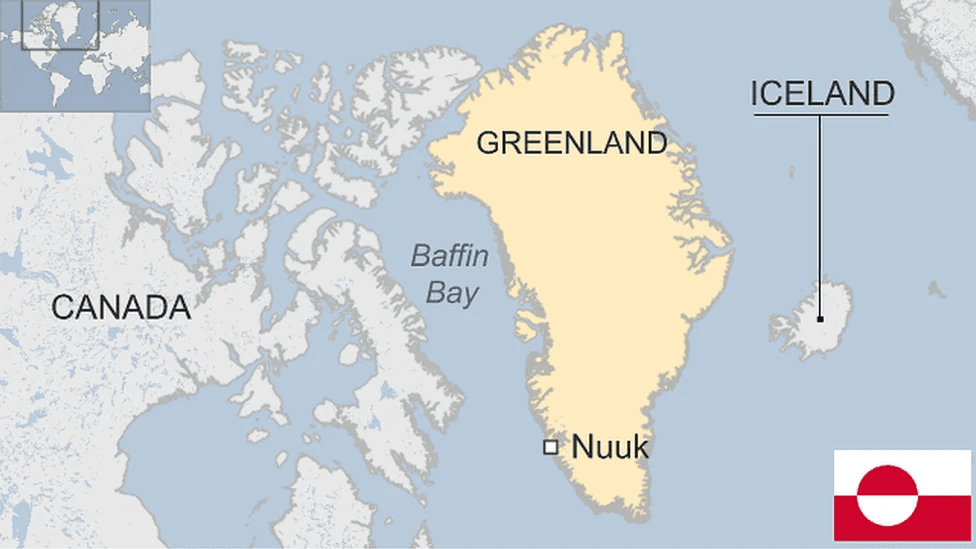
6.Greenland Sovereignty Affirmed by Denmark (Arctic Geography)

The Hindu
Illustration for Greenland Sovereignty Affirmed by Denmark (Arctic Geography)

What & Where

Greenland – world’s largest island in the North Atlantic, midway between North America and Europe

Autonomous territory within the Kingdom of Denmark, governed by Inatsisartut (Parliament) under Self-Government Act

Arctic landmass >80 % ice-covered; hosts Pituffik Space Base critical for US missile-defence over polar route

Quick Facts for MCQs

Security Dimension

  • Pituffik Space Base provides early-warning radar and missile-defence along shortest Europe-North America arc
  • US interest in possible annexation rejected by Denmark as unacceptable despite security arguments
  • Strategic air-sea routes over Arctic make island pivotal for NATO surveillance

Economic Angle

  • Rare-earth mineral deposits heighten US and global commercial attention
  • Potential mining could diversify Greenlandic revenues beyond fishing and subsidies
  • Ice retreat gradually improving access to mineral belts and shipping corridors

Physical Geography

  • Ice sheet up to 4 km thick shapes fjords, glaciers, limited coastal habitable zone
  • Mountainous east hosts Watkins Range, highest Arctic peaks outside Antarctica
  • Harsh Arctic climate entails long, dark winters and brief, cool summers

Key Data Points

FeatureData-Point
Island rank1st largest globally
Oceanic locationNorth Atlantic, Arctic Circle
Nearest continentsNorth America, Europe
Ice cover>80 %; thickness up to 4 km
Winter temperatureCan fall to −50 °C
Summer temperatureUsually 10 – 15 °C
Polar daylight~2 months continuous sun
Main rangesWatkins Range, Stauning Alps
Major riversBorglum, Majorqaq
Political statusAutonomous; Kingdom of Denmark
LegislatureInatsisartut (31 seats)
Key US facilityPituffik Space Base
Resource lureRare-earth minerals, other metals

Related UPSC Prelims PYQs

GS1 2014PYQ 1

Consider the following countries:

GS-3Environment

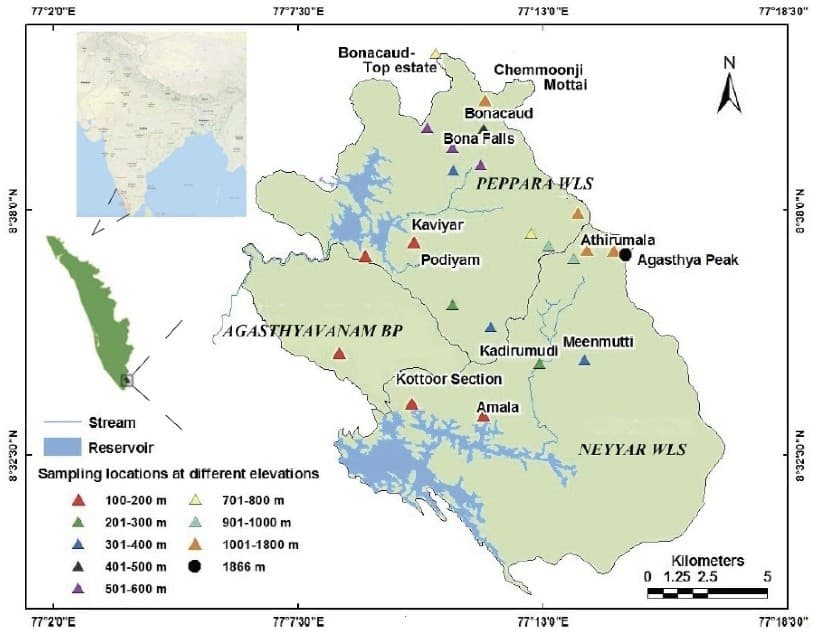
7.Agasthyamalai Biosphere Reserve Survey (Biosphere Reserve)

The Hindu
Illustration for Agasthyamalai Biosphere Reserve Survey (Biosphere Reserve)

What & Where

UNESCO tropical forest biosphere, part of World Network since 2016

Southernmost Western Ghats; spans Kerala (Thiruvananthapuram, Kollam) & Tamil Nadu (Tirunelveli, Kanniyakumari)

Approx. 3,500 km² covering multiple sanctuaries and two tiger reserves

Quick Facts for MCQs

Biodiversity

  • High endemism across flora, mammals, birds, reptiles, amphibians
  • Rare medicinal herbs support traditional Ayurveda practices
  • Habitat for apex fauna: tiger, Asian elephant

Protected Areas

  • Buffer includes Neyyar, Peppara, Shendurney WLS; Srivilliputhur Grizzled Squirrel WLS
  • Core zones overlap with Kalakkad–Mundanthurai & Periyar Tiger Reserves
  • Multi-state management under Biosphere Reserve framework

Indigenous & Cultural

  • Kani tribe relies on sustainable NTFP harvesting; shares ethno-botanical knowledge
  • Mythological link to Sage Agastya from Ramayana; site revered in local temples
  • Traditional medicine draws on forest’s endemic plant diversity

Legal & Policy

  • Supreme Court directed Central Empowered Committee to survey encroachments, non-forestry activity
  • Mandate aims to strengthen Forest Conservation Act compliance within reserve
  • Findings expected to guide eviction, restoration measures

Key Data Points

FeatureData-Point
UNESCO tag yearMarch 2016
Total area~3,500 km²
Plant species2,254
Endemic plants405
Mammal species79 (20 endemic)
Bird species337 (20 endemic)
Reptile species88
Amphibian species45
Key tribesKani (~30,000)
Major tiger reservesPeriyar; Kalakkad–Mundanthurai
Iconic endemicGrizzled giant squirrel
States involvedKerala, Tamil Nadu

Related UPSC Prelims PYQs

GS1 2019PYQ 1

Which of the following are in Agasthyamalai Biosphere Reserve?

GS1 2005PYQ 2

Which one of the following is not a Biosphere Reserve?

GS-3SpeciesQuick Bite

8.Euphaea wayanadensis Damselfly Discovery (New Damselfly)

The Hindu

What & Where

Euphaea wayanadensis — new damselfly found in Wayanad district, Kerala, central Western Ghats.

191st odonate for Kerala; 223rd for Western Ghats bioregion.

Inhabits fast-flowing rocky streams amid evergreen & semi-evergreen forests.

Quick Facts for MCQs

Taxonomic Features

  • Wing-patch length and thoracic stripes key separation tools.
  • Distinct within genus Euphaea endemic to peninsular India.

Habitat & Ecology

  • Requires shaded, oxygen-rich hill streams for mating and larval growth.
  • Absence during peak dry months matches reduced stream flow.

Conservation Angle

  • Micro-endemicity raises extinction risk from deforestation, water diversion.
  • New record underpins need for stream-corridor protection in Western Ghats.

Key Data Points

FeatureData-Point
Scientific nameEuphaea wayanadensis
Taxonomic orderOdonata (damselfly)
Kerala record No.191st odonate species
Western Ghats tally223rd odonate species
Male wing markerLonger black patch on hind wings
Thorax IDBroad, uninterrupted humeral & antehumeral stripes
Core habitatRocky, swift streams with aquatic vegetation
Seasonal presenceYear-round except March–April dry spell
Geographic spreadHighly restricted to Wayanad
Conservation cueUrgent protection due to limited range
GS-3S&T

9.UNCTAD Technology and Innovation Report 2025 (UNCTAD Report)

The Hindu

What & Where

UNCTAD Technology and Innovation Report 2025 gauges national readiness for adopting frontier tech—AI, robotics, IoT, biotech

Framework uses Frontier Technologies Readiness Index and tracks private R&D, VC inflows, patent output across 170 economies

India appears 10th in global AI investment and 36th in readiness; China the only comparable developing counterpart

Quick Facts for MCQs

Economic Angle

  • Private AI investment: India received $1.4 bn in 2023, only developing peer with billion-plus is China
  • Global top-10 entry demonstrates rising investor appetite for Indian AI ecosystem
  • Capital inflow expected to accelerate domestic job creation and export-oriented AI solutions

Tech Indicators

  • Metrics cover ICT access, skills, R&D activity, industrial capacity, finance accessibility
  • R&D rank 3 and industrial capacity rank 10 highlight strong innovation-production linkage
  • Skills rank 113 and ICT access 99 identify key policy gaps for digital inclusion

International Comparison

  • Rank jump: India 48→36 among 170 between 2022 and 2024 editions
  • AI scientific output leaders list includes India, US, China, UK, Germany
  • Nanotechnology patent specialisation places India alongside outperforming Brazil and Philippines

Key Data Points

FeatureData-Point
Report nameTechnology and Innovation Report 2025
PublisherUNCTAD
Economies assessed170
India readiness rank 202436
India readiness rank 202248
India AI-investment rank 202310
AI funding to India 2023USD 1.4 billion
Developing nations with >USD 1 bn AI fundingIndia, China
R&D activity rank (India)3
Industrial capacity rank10
ICT access rank99
Skills development rank113
Access to finance rank70

Related UPSC Prelims PYQs

CDS_GK, GS1 2025PYQ 1

ग्रैण्ड पैलै (Grand Palais) पेरिस में नवम्बर 2025 में आयोजित होने वाले AI शिखर सम्मेलन के सन्दर्भ में, निम्नलिखित कथनों पर विचार कीजिए :

CDS_GK, GS1 2025PYQ 2

भारत में नवाचार तथा अनुसंधान और विकास के बारे में निम्नलिखित कथनों पर विचार कीजिए :

GS-3S&T

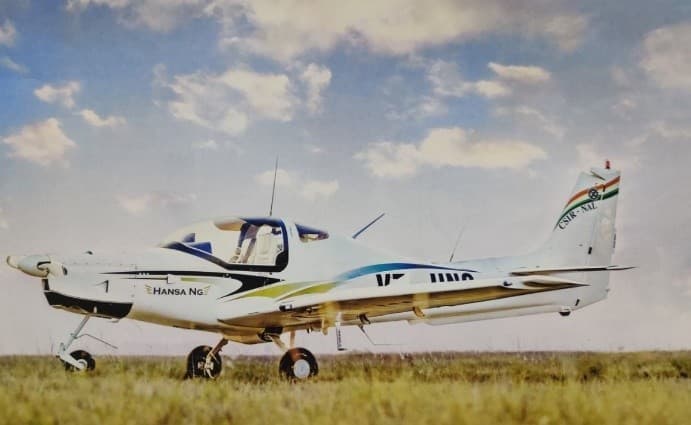
10.Indigenous HANSA-3 NG Trainer Aircraft (Trainer Aircraft)

NDTV
Illustration for Indigenous HANSA-3 NG Trainer Aircraft (Trainer Aircraft)

What & Where

Aircraft: HANSA-3 (NG), indigenous two-seat ab-initio trainer by CSIR-NAL, Bengaluru

Agreement: First tech-transfer inked with Pioneer Clean Amps Pvt Ltd for series production in India

Geography: Design, certification and upcoming manufacture centred in Bengaluru, Karnataka aviation ecosystem

Quick Facts for MCQs

Tech & Innovation

  • Glass-cockpit: digital flight display improving situational awareness for trainees
  • Bubble-canopy: panoramic visibility, reduced drag, enhanced comfort
  • Electric-flaps, FADEC engine and composite frame lower weight, raise fuel efficiency

Economic Angle

  • Cost-saving: ₹2 crore tag halves expenditure versus imported trainers
  • Make-in-India: private production spurs domestic supply chain, reduces foreign dependence
  • Pilot-demand: scalable manufacturing meets rising civil-aviation need for trained pilots

Institutional Framework

  • CSIR: parent body of NAL under Ministry of Science & Technology, founded 1959
  • First-ever: agreement marks NAL’s initial technology transfer to private industry
  • Objective: NAL pursues indigenous aircraft design, testing and commercialisation partnerships

Key Data Points

FeatureData-Point
DeveloperCSIR–National Aerospace Laboratories
Tech-transfer partnerPioneer Clean Amps Pvt. Ltd.
SeatingTwo, tandem
EngineRotax 912 iSc3 Sport, FADEC
CockpitAdvanced glass cockpit
AirframeComposite, lightweight
Unit cost~₹2 crore
Import saving≈50 % cheaper than foreign trainers
Training usePPL & CPL licence courses
Green pushE-HANSA electric variant planned

Related UPSC Prelims PYQs

GS1 2016PYQ 1

What is 'Greased Lightning-10 (GL-10)', recently in the news?

GS-3S&TQuick Bite

11.Audible Enclaves & PAL Directional Audio (Directional Audio)

The Hindu

What & Where

Technology: Audible Enclaves (AE) and Parametric Array Loudspeakers (PAL) create narrow, listener-specific sound beams

Principle: Two or more ultrasonic carriers self-demodulate in air, generating audible pockets while limiting lateral dispersion

Deployment: Indoor public spaces like museums, retail outlets, security desks, immersive exhibits

Quick Facts for MCQs

Physics Basics

  • Diffraction spreads ordinary sound; higher frequency raises dispersion difficulty
  • Nonlinear air interaction converts ultrasonic energy to audible band at focal point
  • Absence of phase-coherent carriers outside beam keeps surrounding zone quiet

Technology & Mechanism

  • Audible Enclave: Two inaudible carriers intersect creating constructive audible node
  • PAL: Modulated ultrasonic column self-demodulates along beam path forming audible wavefront
  • Both rely on tight beamwidth to restrict sound to few degrees arc

Applications

  • Museums: Exhibit-specific narration without headphone requirement
  • Retail: Product-focused ads without storewide noise load
  • Assistive tech: Personal guidance for visually impaired in transit hubs

Security Dimension

  • Privacy: Conversations or alerts audible only to intended individual
  • Crowd control: Targeted directives reduce panic and ambient chaos

Key Data Points

FeatureData-Point
Wave typeLongitudinal compression–rarefaction
Usual carrier bandUltrasonic > 20 kHz
Key phenomenonNonlinear self-demodulation in air
AE carrier countTypically two high-frequency waves
PAL modulationAudio signal amplitude-modulates single ultrasonic beam
Dispersion trendIncreases with frequency
Core advantageListener-specific privacy without ambient disturbance
Typical use casesMuseums, retail, targeted PA, assistive audio, security
GS-2Editorial

12.Global South Mediation in Ukraine (Ukraine Conflict)

The Hindu

What & Where

Global South – Africa, Asia, Latin America developing bloc demanding equitable global order.

Proposed Ukraine solution – UN-mandated, non-NATO peacekeeping led by Global South states.

Core geography – Ukraine war theatre; mediator candidates India, Indonesia, South Africa.

Quick Facts for MCQs

Global South Strengths

  • Neutrality; India balances Russian energy imports with Ukrainian humanitarian aid.
  • Peacekeeping depth; 60 % UN troops, incl. India’s 2007 all-women Liberian unit.
  • Economic leverage; BRICS Bank can fund post-war recovery efforts.

NATO Limitations

  • Perceived bias; Moscow brands NATO peacekeepers “Trojan horses”.
  • Escalation risk; forces near Russian borders could trigger wider conflict.
  • Domestic constraint; EU opinion (70 % French) resists deployments, US stance uncertain.

Global Spillovers

  • Food security; war disrupts grain feeding 400 million, spikes prices.
  • Energy stability; EU gas interruptions propagate global cost surges.
  • Humanitarian-nuclear threat; 8 million refugees, shelling near Zaporizhzhia amplifies Chernobyl-scale fears.

Key Data Points

FeatureData-Point
Global South share of world population≈ 75 %
Global South share of world GDP (PPP)≈ 40 %
UN peacekeepers sourced from Global South≈ 60 %
Indian troops in UN missions2,90,000 across 50+ deployments
Western military aid to Ukraine> US $175 billion
French public opposing troop deployment (2024)≈ 70 %
Ukrainians displaced abroad> 8 million
Ukrainian grain beneficiaries≈ 400 million people
GS-2Polity

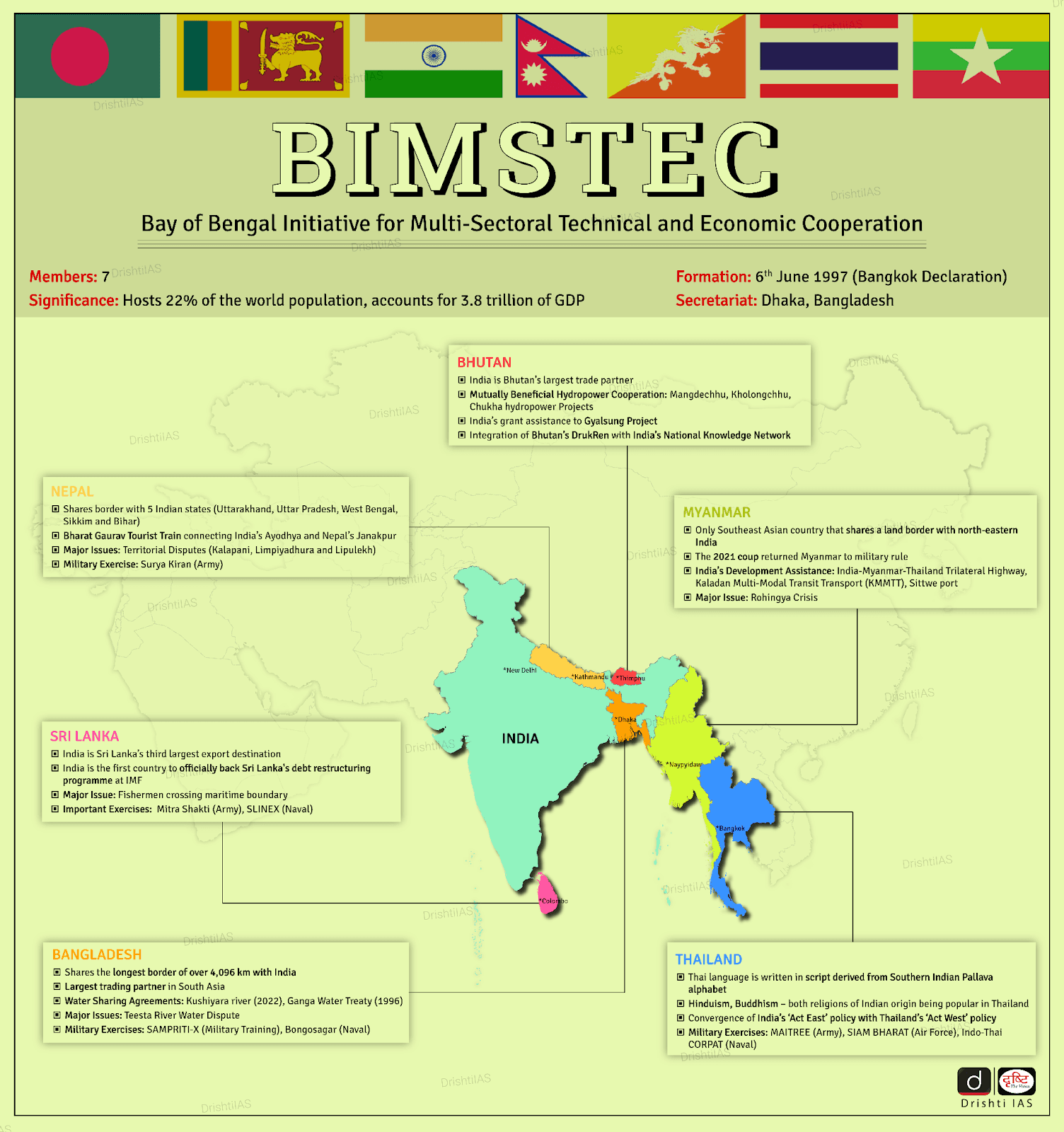
13.6th BIMSTEC Summit Bangkok Vision (BIMSTEC Summit)

PIB
Illustration for 6th BIMSTEC Summit Bangkok Vision (BIMSTEC Summit)

What & Where

BIMSTEC: 7-nation Bay of Bengal grouping (BD, BT, IN, MM, NP, LK, TH); est. 1997 via Bangkok Declaration.

Core geography: Littoral & land-linked states between South Asia and Southeast Asia, bridging Indian Ocean & Indo-Pacific routes.

6th Summit: Bangkok/virtual, Apr 2025; theme “Prosperous, Resilient, and Open”; adopted Bangkok Vision 2030 roadmap.

Quick Facts for MCQs

Summit Outcomes

  • Vision 2030 targets economic integration, resilience, digital & physical connectivity.
  • Summit Declaration reiterates rules-based order, maritime security, sustainable growth.
  • Annual BIMSTEC Business Summit & Chamber of Commerce okayed for trade push.

India-Led Initiatives

  • Centres of Excellence, BODHI skill program, cancer-care capacity building announced.
  • Pilot on Digital Public Infrastructure; UPI payment linkage proposal.
  • Sports & culture: Athletics Meet 2025, Music Festival, Young Leaders’ Summit, Hackathon.

India-Thailand Partnership

  • Maritime synergy via AOIP-IPOI, IMT Trilateral Highway acceleration.
  • Defence: expand Exercise Maitree, counter-terror, cyber, intel sharing.
  • Explore FTA up-gradation; deepen Buddhist tourism, diaspora engagement.

Strategic Significance

  • Provides SAARC alternative, consonant with India’s Act East & Indo-Pacific outlook.
  • Platform to balance China’s BRI influence in Bay of Bengal corridor.
  • Enhances HADR, security cooperation across South & Southeast Asian rim.

Key Data Points

FeatureData-Point
MembersBangladesh, Bhutan, India, Myanmar, Nepal, Sri Lanka, Thailand
Combined population≈1.7 billion (22 % world)
Combined GDP (2023)≈ USD 5.2 trillion
SecretariatDhaka, Bangladesh
6th-Summit hostThailand (chair)
Summit theme“BIMSTEC: Prosperous, Resilient, and Open”
Key document adoptedBangkok Vision 2030
India’s action plan21-point, incl. people-to-people, commerce, tech
New Indian CentresDisaster Mgmt, Maritime Transport, Traditional Medicine, Agri R&T
Energy centre locationBengaluru, India
Flagship skill schemeBODHI (HR infrastructure)
First BIMSTEC Games2027 (30th anniversary)
UPI linkageProposed BIMSTEC-wide digital payments integration
India-Thailand statusUpgraded to “Strategic Partnership”

Related UPSC Prelims PYQs

CAPF_GAI, GS1 2025PYQ 1

BIMSTEC के संदर्भ में, निम्नलिखित कथनों पर विचार कीजिए :

CAPF_GAI, GS1 2022PYQ 2

Which of the following sets of nations are members of the BIMSTEC Initiative?

GS-3Security

14.Ottawa Convention on Landmines (Mine Ban Treaty)

Indian Express

What & Where

Ottawa Convention / Mine Ban Treaty: global pact to eradicate anti-personnel landmines.

Adopted Ottawa, Canada (Dec 1997); in force worldwide since 1 Mar 1999.

164 States Parties; major absentees: India, US, Russia, China, Israel.

Quick Facts for MCQs

Security Dimension

  • Eastern flank states view landmines as deterrent against potential Russian aggression.
  • Withdrawal announcements follow heightened regional insecurity post-Ukraine war.
  • Norway opts treaty adherence despite sharing Arctic border with Russia.

Membership Dynamics

  • Five announced exits could shrink membership to 159, first mass departure since 1999.
  • All quitters are recent NATO entrants or frontline EU members.
  • India, US, Russia, China, Israel remain outside, citing security or strategic needs.

Humanitarian Aim

  • Treaty targets reduced post-war civilian casualties and amputations.
  • Seeks rehabilitation of mine victims via mandated assistance programs.
  • Encourages conversion of cleared land back to agriculture and habitation.

Key Data Points

FeatureData-Point
Official nameMine Ban Treaty
Popular nameOttawa Convention
Core banUse, stockpile, produce, transfer A-P mines
Humanitarian clausesVictim aid, mine clearance, int’l cooperation
In-force date1 March 1999
Present members (2024)164 countries
Announced quittersPoland, Finland, Lithuania, Latvia, Estonia
Planned exit year2025
EU/NATO state still committedNorway
India’s stance reasonPorous borders, insurgencies

Related UPSC Prelims PYQs

GS1 1998PYQ 1

The recent Land Mines Conference to sign the historic treaty was held in the Capital city of

GS1 1995PYQ 2

84. The signatories to the treaty banning chemical weapons include

GS-2Scheme

15.Vibrant Villages Programme II (Border Development)

PIB
Illustration for Vibrant Villages Programme II (Border Development)

What & Where

Vibrant Villages Programme-II: 100 % Centre-funded scheme for comprehensive development of strategic villages along non-Northern international land borders.

Period 2024-25 to 2028-29; targets quality-of-life, livelihoods, security integration in 17 border States/UTs.

Complements VVP-I (Feb 2023) which already covers Northern border villages.

Quick Facts for MCQs

Security Dimension

  • Surveillance: locals engaged as eyes & ears for border forces to deter infiltration, smuggling.
  • Crime control: scheme aims curbing trans-border crimes, enhancing border integrity.

Livelihood & Development

  • Income: promotion of rural tourism, cooperative models, handicraft markets for resident earnings.
  • Infrastructure: SMART classrooms, cluster projects planned for education, social facilities.

Governance Mechanism

  • VAPs: bottom-up planning ensures tailored interventions per village.
  • High-level committee eases inter-ministerial clearances for timely execution.

Key Data Points

FeatureData-Point
Scheme typeCentral Sector (100 % Central funding)
Financial outlay₹ 6,839 crore
DurationFY 2024-25 to FY 2028-29
Nodal ministryMinistry of Home Affairs
Geographic spread17 States/UTs; ILBs excluding Northern sector
Key service focusRoads, telecom, TV access, electrification
Planning toolVillage Action Plans with community participation
OversightCabinet Secretary-led committee for rule relaxation
Livelihood pushCooperatives, SHGs, tourism, handicrafts
Vision alignmentViksit Bharat@2047; Safe, Secure & Vibrant Borders

Related UPSC Prelims PYQs

CAPF_GAI, CDS_GK 2024PYQ 1

Which one among the following statements about the objectives of Vibrant Village Programme is correct?

CAPF_GAI, CDS_GK 2024PYQ 2

Which of the following statements about ‘Vibrant Village Programme’ of the Government of India is/are correct?

GS-1Editorial

16.Marginalised Groups Education Gap (Education Inequality)

The Hindu
Illustration for Marginalised Groups Education Gap (Education Inequality)

What & Where

Exclusion: Structural, social, economic barriers limiting SC/ST/OBC access from primary schooling to doctorates.

Geography: Rural schools, urban slums, elite institutes (IITs, IISc, central universities) show widest gaps.

Mechanisms: Biased merit tests, poor infrastructure, caste prejudice, financial hardship drive high drop-outs.

Quick Facts for MCQs

Structural Inequality

  • Infrastructure: Only 12 % rural schools own libraries; digital access, trained teachers scarce.
  • Merit bias: English-medium, coaching culture tilts JEE/NEET toward urban affluent learners.
  • Dropout: Livelihood pressures spike exits after Class 10, especially among Dalit, tribal youths.

Social Discrimination

  • Campus bias: Hostel segregation, microaggressions; Rohith Vemula suicide spotlighted casteism.
  • Faculty gap: Seven IITs have zero ST faculty; 90 % posts held by upper castes.
  • Mental health: Isolation, harassment escalate suicide and dropout risks for marginalised cohorts.

Government Schemes

  • SHREYAS: Scholarships plus competitive-exam coaching for OBC, EBC, DNT students.
  • National Fellowships: Stipends for SC/ST/OBC MPhil & PhD enrolments.
  • Ambedkar Subsidy: Interest waiver on overseas education loans for OBC/EBC applicants.

Consequences

  • Poverty loop: Education denial sustains caste-bound manual scavenging (>80 % Dalits).
  • Economic drag: Inequality costs India US $56 bn GDP annually.
  • Unrest: JNU fee-hike agitation exemplifies rising equity demands.

Proposed Reforms

  • Merit redefinition: Socio-economic context weighting in high-stakes exams.
  • Reservation expansion: Include faculty hiring and private institutes.
  • Anti-bias cells: Mandatory grievance units with strict penalties for caste harassment.

Key Data Points

FeatureData-Point
Rural schools with libraries12 % (ASER 2023)
IIT toppers from coaching hubs90 %
SC/ST share in PhD seats (top tech institutes)< 10 %
IITs reporting zero ST faculty (2018)7
Dalit girls dropout by Class 1032 %
Manual scavengers who are Dalits> 80 %
Annual GDP loss from education inequalityUS $56 billion
Mid-Day Meal core beneficiariesSC, ST & poor children

Related UPSC Prelims PYQs

CDS_GK, NDA_GAT 2022PYQ 1

भारत सरकार द्वारा हाल ही में आरम्भ की गई ‘SHRESHTA’ योजना के बारे में निम्नलिखित में से कौन-सा/कौन-से कथन सही है/हैं?

CDS_GK, NDA_GAT 2023PYQ 2

राष्ट्रीय बह-आयामी गरीबी सूचकांक (MPI) में निम्नलिखित में से कौन-सा संकेतक सम्मिलित है?

Ready to practice?

Test your knowledge with our UPSC test series.

Start Free Trial